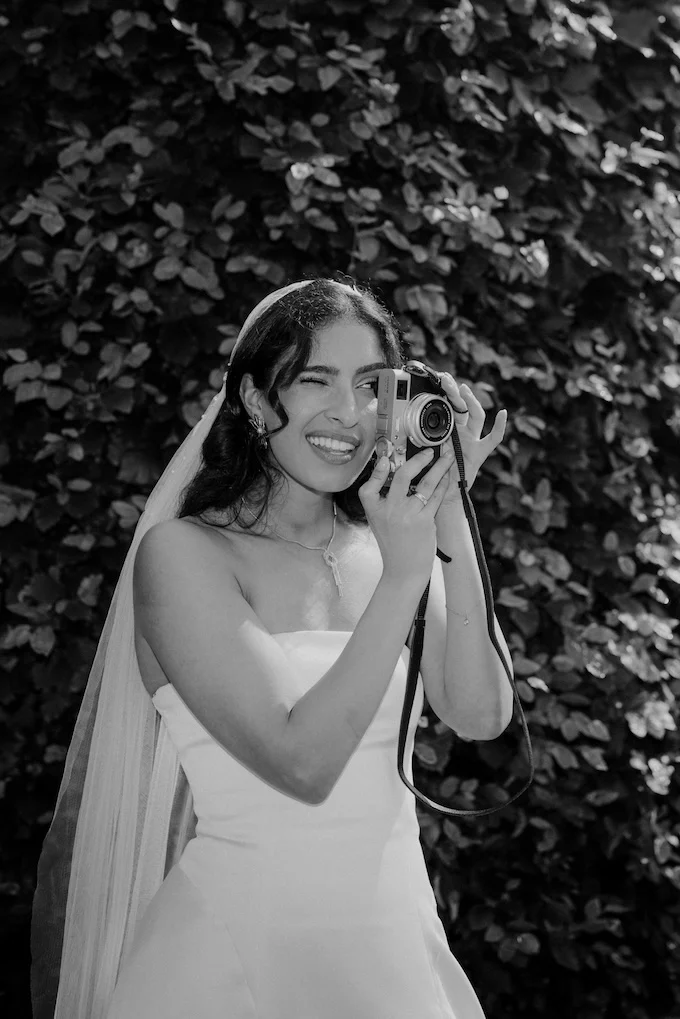
In the realm of photographic portraiture, a prevailing inclination exists towards the utilization of soft, diffused light. This approach, characterized by techniques such as softening flash output, employing umbrellas, and seeking out overcast skies, is widely adopted for its ability to render subjects in a flattering, gentle manner. However, a compelling counterpoint is being championed by renowned photographer Roberto Valenzuela, who asserts that some of the most impactful and visually arresting portraits are achieved through the deliberate embrace of hard light. This paradigm-shifting perspective is central to his newly released "Dynamic Lighting Masterclass," now accessible through WPPI On Demand, offering photographers a profound reevaluation of lighting principles.
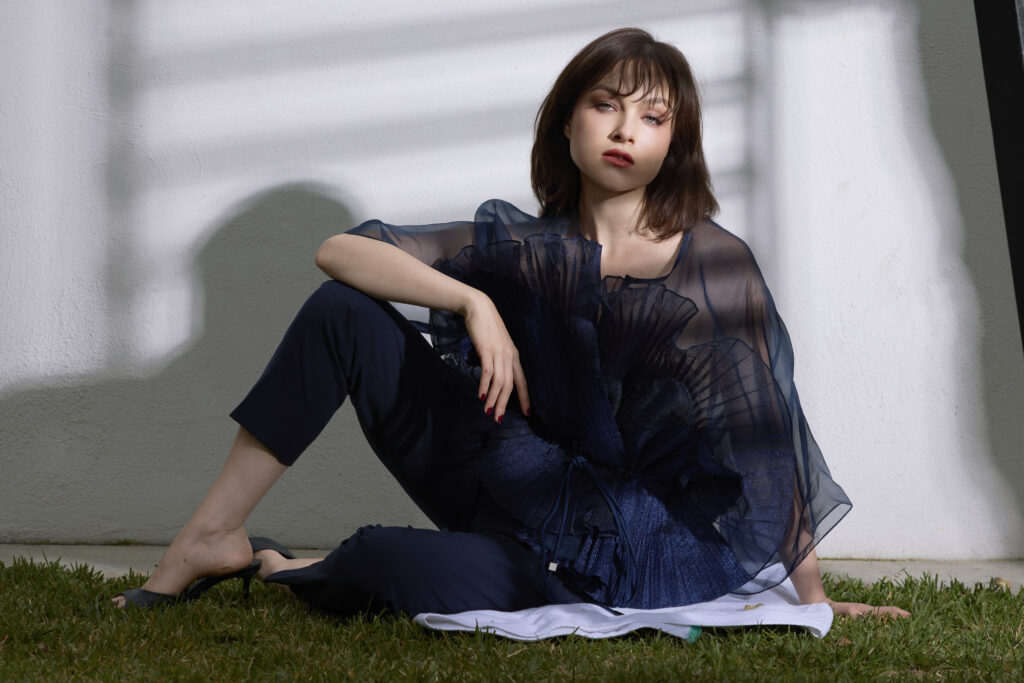
Valenzuela’s expertise, honed through years of dedicated practice and study, challenges the conventional wisdom that hard light is inherently difficult or undesirable. He posits that its perceived complexity often deters photographers from exploring its potential, leading them to overlook its capacity to imbue images with a heightened sense of dynamism and visual intrigue. "Hard light gets a bad reputation because it’s more difficult to use," Valenzuela states. "But it’s not really difficult. If you have some control over your subjects, hard light is going to look ten times more dynamic, ten times more amazing."
The Underexplored Potential of Hard Light
The inherent characteristics of hard light, when expertly managed, can lead to portraits that command attention and linger in the viewer’s mind. The sharp contrast and defined shadows created by hard light sources can sculpt the subject’s features, emphasizing texture and form in a way that soft light often smooths over. This dramatic interplay of light and shadow can evoke a powerful emotional response and a sense of three-dimensionality that draws the viewer into the image.

Valenzuela elaborates on the profound effect of this lighting technique: "People are going to look at the photo, and they can’t stop looking at it. There’s something beautiful about it because it’s not normal to see lighting like that." This sentiment underscores the idea that by deviating from the ubiquitous soft light aesthetic, photographers can create images that are not only technically proficient but also artistically unique and memorable. The visual impact stems from its deviation from the norm, offering a fresh perspective that captivates the audience. This approach aligns with a growing trend in the art world where artists explore the edges of established norms to create groundbreaking work.
Strategic Application: The "Batman and Robin" Technique
A cornerstone of Valenzuela’s teaching methodology is his innovative "Batman and Robin" lighting approach. This technique, detailed in his masterclass, offers a sophisticated yet accessible method for harnessing the power of hard light while maintaining creative control. The core principle involves strategically combining a primary hard light source with a secondary, softer or medium-intensity light.

The "Batman" light, as Valenzuela conceptualizes it, is the dominant, often hard, light that sculpts the subject and creates dramatic shadows. This light is responsible for the overall mood and intensity of the portrait. The "Robin" light, on the other hand, serves as a fill light. Its role is to provide subtle illumination to the shadow areas, preventing them from becoming completely black and ensuring that essential details are not lost. This secondary light can be a more diffused source, such as a reflector or a softbox, carefully positioned to balance the harshness of the primary light.
Valenzuela acknowledges that while it is possible to achieve striking results with a single hard light source, the "Batman and Robin" technique offers a more nuanced and controlled approach. "You don’t have to," Roberto admits, "but it works quite well to do it with two sources of light, a hard one and a medium or soft one." This synergistic combination allows for the creation of portraits that possess both dramatic impact and a carefully managed aesthetic, ensuring that the subject is rendered with clarity and depth, even within the shadows. This dual-light strategy has roots in classical chiaroscuro painting, where artists like Caravaggio masterfully used strong contrasts between light and dark to create a sense of drama and volume.

Essential Gear: The Indispensable Grid Modifier
Beyond the conceptual framework of lighting, Valenzuela emphasizes the critical importance of practical gear and its proper utilization. He offers a crucial piece of advice that can prevent photographers from making costly mistakes: the absolute necessity of acquiring a grid for any hard light modifier purchased. This recommendation is rooted in the functional purpose of a grid in controlling light spill.
"Hard modifiers without a grid is like a car without a steering wheel," Valenzuela warns, drawing a stark analogy to underscore the point. "If you can’t afford the grid, then don’t buy the modifier at all because it’s a waste of your money." The grid’s primary function is to focus the light beam, directing it precisely where it is needed and preventing it from scattering outwards. This precise control is paramount when working with hard light, as uncontrolled spill can quickly negate the intended dramatic effect, illuminating unwanted areas of the background and diminishing the desired separation between the subject and their surroundings.

The strategic use of a grid ensures that the hard light falls precisely on the subject, accentuating their form and creating the desired high-contrast aesthetic without introducing distracting elements into the frame. This adherence to proper equipment usage aligns with the broader principles of professional photography, where understanding the function of each tool is as important as the creative vision itself. The market for photography modifiers is vast, and Valenzuela’s advice serves as a practical guide for photographers seeking to invest wisely in tools that enhance their creative output.
Expanding the Lighting Repertoire
Valenzuela’s "Dynamic Lighting Masterclass" delves far deeper than these introductory concepts, offering a comprehensive curriculum designed to equip photographers with a profound understanding of light manipulation. The course explores a wide array of advanced techniques and theoretical frameworks, providing attendees with the knowledge and skills to confidently tackle diverse lighting scenarios.

Key areas covered in the masterclass include:
- Understanding the Inverse Square Law: A foundational principle in lighting, this segment likely delves into how light intensity diminishes with distance, a critical factor in controlling exposure and shadow falloff.
- Mastering Light Placement: The course would undoubtedly explore the impact of light position on shaping the face and body, including concepts like Rembrandt lighting, loop lighting, and split lighting, all of which are amplified by hard light.
- Color Temperature and White Balance: Understanding how different light sources affect the color of an image and how to accurately balance them is crucial for consistent results.
- Working with Natural Light: While the focus is on hard light, Valenzuela likely integrates how to modify or supplement natural light to achieve desired hard light effects, such as using windows strategically or adding artificial hard light.
- Advanced Modifier Techniques: Beyond grids, the masterclass would explore the specific applications and benefits of various hard light modifiers like snoots, barn doors, and small reflectors.
- Post-Processing for High-Contrast Images: Valenzuela likely provides insights into how to enhance and refine hard light portraits in post-production, preserving detail while maximizing impact.
This comprehensive approach ensures that photographers are not only taught how to use hard light but also why and when to apply it, fostering a deeper, more intuitive understanding of lighting as a creative tool. The availability of such in-depth educational resources through platforms like WPPI On Demand signifies a democratization of advanced photographic knowledge, allowing professionals and aspiring photographers worldwide to access world-class instruction.

The Broader Impact on Portraiture
The implications of embracing hard light in portraiture extend beyond aesthetic preferences. In an era where digital imagery is pervasive, creating photographs that stand out requires a mastery of techniques that evoke a strong emotional and visual response. Valenzuela’s teachings offer a pathway to achieving this distinction. By challenging conventional norms and empowering photographers to explore less common but highly effective lighting strategies, he is contributing to the evolution of contemporary portrait photography.
The demand for unique and impactful imagery is evident across various sectors, from commercial advertising and editorial work to fine art portraiture. Photographers who can deliver visually compelling portraits that capture attention are highly sought after. Valenzuela’s emphasis on mastering hard light provides a competitive edge, enabling artists to produce work that is both technically sophisticated and artistically daring. This approach encourages a thoughtful engagement with the fundamental elements of photography, pushing creators to think beyond the immediate and explore the full spectrum of light’s expressive capabilities.
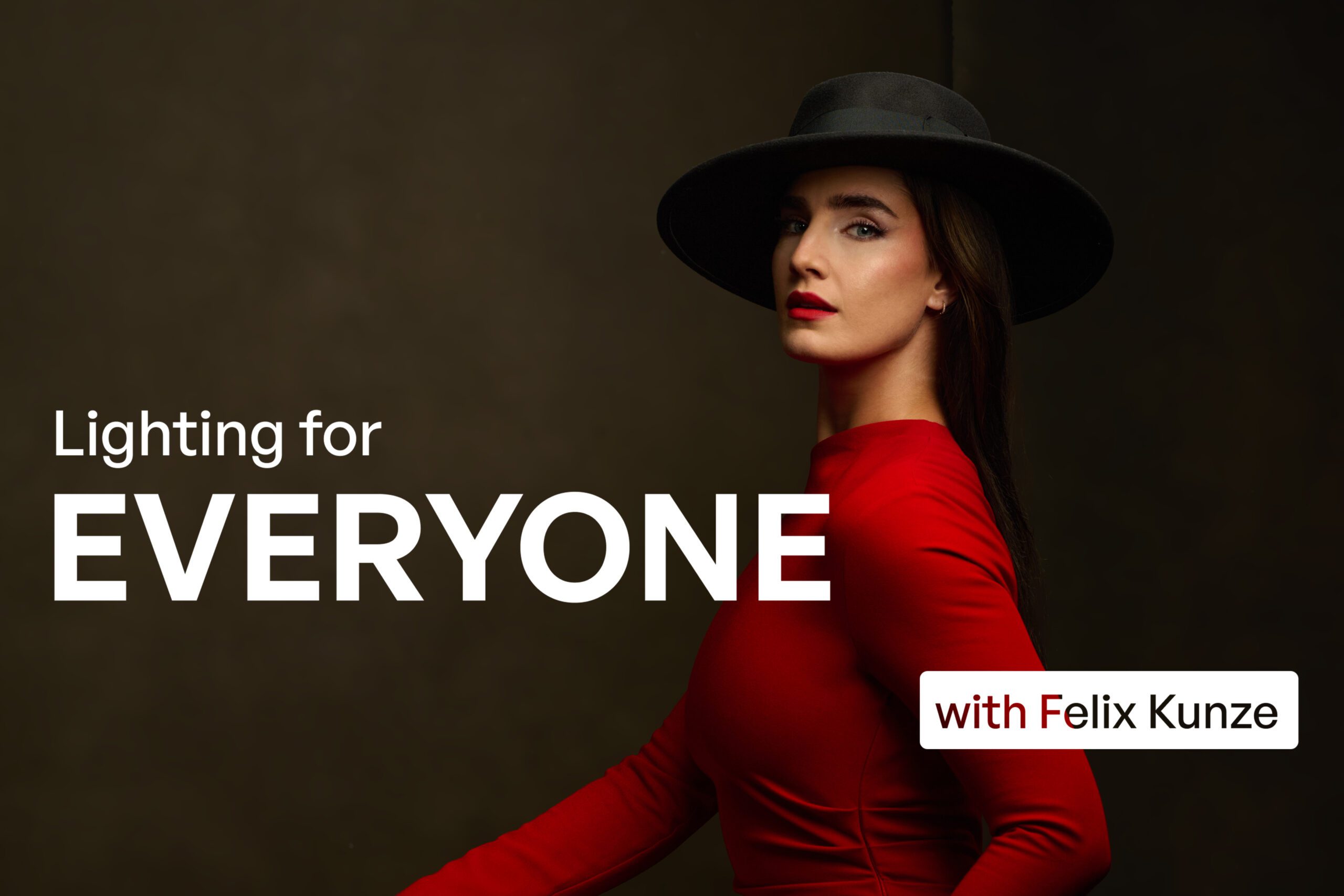
The "Dynamic Lighting Masterclass" is more than just a technical tutorial; it’s an invitation to reconsider the very foundations of photographic lighting. It encourages photographers to experiment, to push boundaries, and to discover the unique visual language that hard light can offer. As Valenzuela demonstrates, the most striking images often emerge from the courage to explore techniques that others may shy away from, ultimately transforming how both the photographer and the viewer perceive the art of portraiture. The accessibility of this knowledge through WPPI On Demand further amplifies its potential impact, fostering a generation of photographers equipped with a more versatile and dynamic understanding of light.