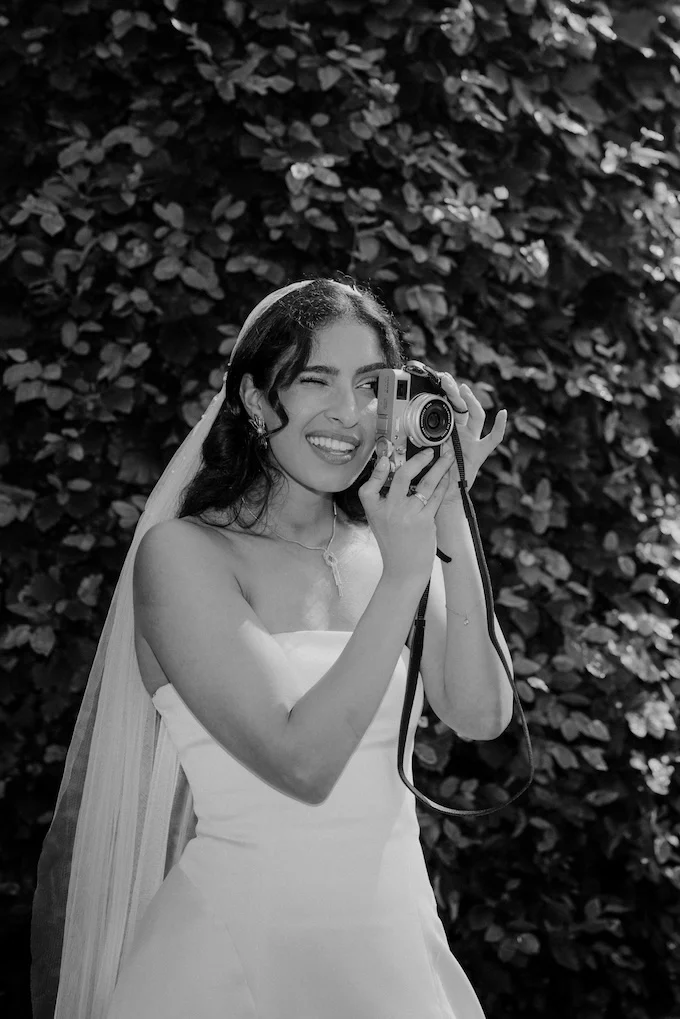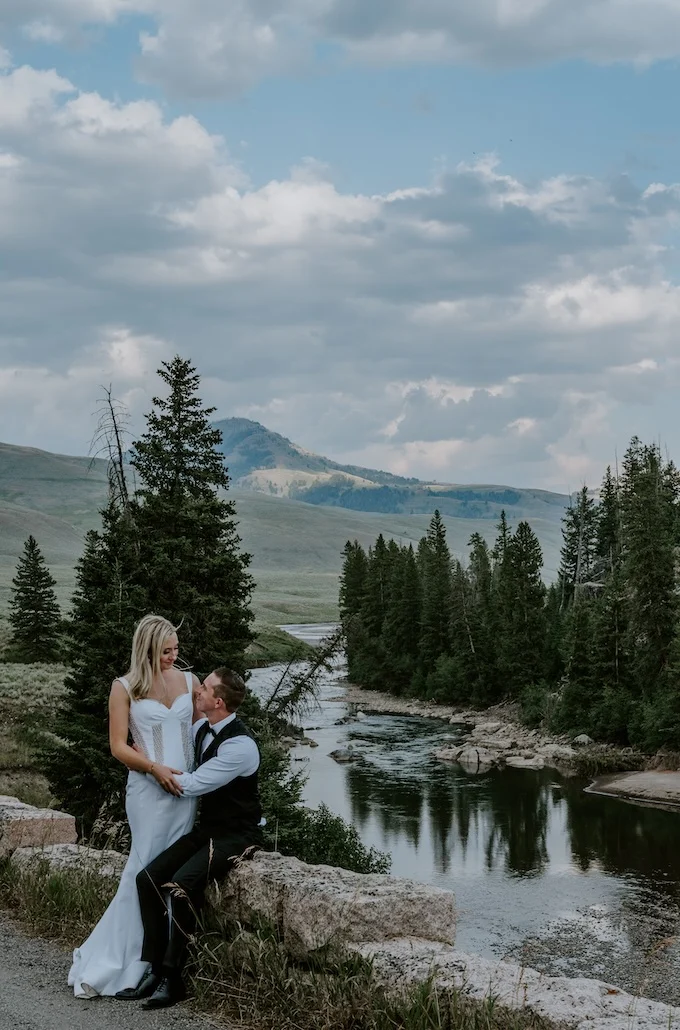
The allure of the American national park as a wedding venue has surged in popularity over the past five years, a trend potentially influenced by the cultural impact of television shows like "Yellowstone," the centennial celebration of national parks, and a post-pandemic resurgence in travel that saw parks like Yellowstone experience record-breaking visitor numbers. With 63 diverse parks across the nation, each offering unique vistas, accessible amenities, and paved pathways, couples are increasingly drawn to these natural cathedrals for their special day. This burgeoning trend presents a compelling opportunity for photographers specializing in wedding and elopement photography, prompting an exploration of the advantages and challenges associated with this niche.

The Rise of the National Park Wedding
The appeal of a national park wedding is multifaceted. These protected landscapes offer a dramatic and awe-inspiring backdrop that is difficult to replicate in traditional venues. From the geysers and thermal features of Yellowstone to the granite cliffs of Yosemite and the desert flora of Joshua Tree, each park provides a distinct aesthetic. The inherent beauty of these locations often reduces the need for extensive floral arrangements or elaborate decorations, allowing the natural splendor to take center stage. Furthermore, many national parks are actively promoting their use as venues for intimate ceremonies and elopements, recognizing the economic benefits and the potential for responsible tourism.
Heather Woolery, a photographer with extensive experience documenting weddings and elopements in national parks, first ventured into this domain in 2018 with a micro-wedding in Joshua Tree National Park. Since then, she has captured over a dozen ceremonies across 11 different parks, with Yellowstone emerging as her most frequent destination. Woolery’s journey into national park wedding photography began in earnest in 2020 with her first Yellowstone elopement. This experience spurred her to meticulously map out various park locations, noting critical details such as optimal times of day, visitor density, and seasonal considerations. This detailed, data-driven approach allowed her to transition from a casual visitor’s perspective to a professional understanding of the park’s potential for intimate celebrations.

"Yellowstone, in particular, holds a special place for me as I’ve been visiting since I was a child," Woolery shared. "Never did I imagine I’d be traversing its most beautiful and enigmatic spots to document couples’ wedding days. By meticulously collecting data on locations, time of day, visitor numbers, and the season, I’ve learned to see Yellowstone not just as a tourist destination, but as a potential sanctuary for profound life events. This deep understanding allows me to serve my Yellowstone couples on an entirely different level."
Navigating the Nuances of Park Permits and Logistics
While the aesthetic appeal is undeniable, the logistical complexities of a national park wedding are significant. Unlike conventional wedding venues that often provide comprehensive planning services, officiant recommendations, and curated vendor lists, national parks operate under a different framework. Couples opting for a park wedding must navigate a landscape of permits, regulations, and site-specific requirements, often without the readily available support structures found elsewhere.

Photographers specializing in this niche frequently find themselves stepping into roles that extend beyond mere documentation. They often become de facto consultants, guiding couples through the intricate process of securing necessary permits, understanding transportation logistics within the park, and identifying suitable ceremony and reception sites that align with park regulations. This elevated role is crucial, as most national parks do not offer in-house wedding planning services or preferred vendor directories.
A key regulatory shift in Yellowstone National Park illustrates this evolving landscape. Previously, photographers were required to obtain a Commercial Use Authorization (CUA), a process often characterized by its extensive application requirements and associated costs. However, the park has since streamlined this process, now requiring couples to obtain a Special Use Permit (SUP) for elopements. This SUP serves a dual purpose, acting as both the couple’s permit and the photographer’s photo permit, simplifying the administrative burden.

Despite these regulatory adjustments, the sheer volume of visitors to popular parks like Yellowstone remains a critical factor. Photographers and couples must be acutely aware of peak seasons and times to avoid crowded areas. Iconic locations such as Old Faithful, Grand Prismatic Spring, and Mammoth Hot Springs, while visually stunning, can be inundated with tourists, potentially detracting from the intimacy of a wedding ceremony. Strategic planning, which may involve early morning ceremonies, off-season dates, or selecting less frequented locations within the park, is essential for a successful and serene experience.
The Pros and Cons of National Park Wedding Photography
The decision to incorporate national park wedding and elopement photography into a professional offering requires careful consideration of both its advantages and disadvantages.

Advantages:
- Unique and Breathtaking Backdrops: National parks offer unparalleled natural beauty, providing couples with stunning and memorable settings for their wedding photos. This can set a photographer’s work apart from those who exclusively photograph in more conventional venues.
- Growing Market Demand: The increasing popularity of national park weddings indicates a growing client base actively seeking these types of experiences. This presents a significant market opportunity for photographers who can cater to this demand.
- Intimate and Meaningful Ceremonies: Elopements and micro-weddings in national parks often foster a sense of deep connection and intimacy between the couple, allowing photographers to capture truly authentic and emotional moments.
- Potential for Higher Perceived Value: The specialized knowledge, planning assistance, and unique access required for national park weddings can justify higher pricing structures for photographers.
- Personal Fulfillment: For photographers who appreciate nature and outdoor adventures, documenting weddings in these environments can be personally rewarding and creatively inspiring.
Challenges:

- Permitting and Regulatory Hurdles: Navigating the permit application processes for each park can be time-consuming and complex, often requiring dedicated research and adherence to specific park regulations. Failure to comply can result in fines or the cancellation of events.
- Logistical Complexities: National parks often have limited infrastructure regarding transportation, accommodation, and accessibility. Photographers may need to arrange for their own transportation, be prepared for varying weather conditions, and consider the physical demands of certain locations.
- Visitor Crowds and Distractions: Popular parks can experience extremely high visitor numbers, especially during peak seasons. Managing crowds and finding secluded spots for ceremonies and portraits requires foresight and flexibility.
- Unpredictable Weather Conditions: Outdoor venues are subject to the whims of nature. Photographers must be prepared for a wide range of weather conditions, from intense sun to rain, snow, or high winds, and have contingency plans in place.
- Limited Vendor Networks: Unlike traditional wedding venues, national parks typically do not have established vendor lists. Photographers may need to assist couples in finding officiants, florists, or other service providers who are willing and able to work within park regulations.
- Geographic Dispersion and Travel Costs: The 63 national parks are spread across the United States, often in remote locations. This can lead to significant travel time and expenses for photographers, which must be factored into their pricing.
- Insurance and Liability: Photographers operating in national parks may need to ensure they have adequate insurance coverage that specifically addresses the risks associated with working in natural, potentially hazardous environments.
Data-Driven Insights into National Park Weddings
While precise national statistics on the number of weddings held annually within national parks are not consistently aggregated, anecdotal evidence and permit data from individual parks paint a clear picture of increasing demand. For instance, in 2023, the National Park Service reported processing tens of thousands of Special Use Permits for a variety of activities, including weddings and elopements. Some of the more popular parks, like Rocky Mountain National Park in Colorado and Yosemite National Park in California, have implemented specific application windows and lottery systems for wedding permits due to overwhelming demand.
The economic impact of these events is also a consideration. Couples and their guests contribute to local economies through accommodation, dining, and other services in gateway communities surrounding national parks. The National Park Service often views these events as a way to foster a deeper appreciation for conservation and to encourage responsible stewardship of these natural treasures.

The trend is not confined to the United States. International destinations like Banff in Canada, the Swiss Alps, and the Scottish Highlands have also seen a significant rise in adventure weddings and elopements, further underscoring the global appeal of marrying in spectacular natural settings.
The Future of National Park Wedding Photography
The growing popularity of national park weddings suggests that this is more than a fleeting trend. As couples increasingly seek unique, personalized, and nature-centric experiences, photographers who specialize in this niche are well-positioned for success. The key to thriving in this area lies in developing a deep understanding of park regulations, mastering the art of logistical planning in remote environments, and cultivating the ability to guide couples through a process that can be both exhilarating and challenging.

Woolery’s approach, which emphasizes detailed research and on-the-ground knowledge, serves as a model for photographers looking to excel in this field. By treating each park as a unique ecosystem with its own set of rules and opportunities, photographers can offer a level of service that transcends traditional wedding photography, transforming it into a comprehensive experience design for their clients. The ability to manage expectations, provide expert advice on everything from permit acquisition to navigating visitor traffic, and ultimately deliver stunning imagery against the backdrop of America’s natural heritage will be paramount.
Ultimately, the decision to specialize in national park wedding and elopement photography is a strategic one. It requires an investment in knowledge, adaptability, and a genuine passion for both photography and the preservation of the wild spaces that inspire these unforgettable celebrations. The rewards, both professionally and personally, can be as vast and inspiring as the landscapes themselves.
Heather Woolery is a Northwest-based photojournalist known for her earthy, nostalgic approach to documenting weddings and elopements around the world with both digital and analog film. She is currently creating a series of digital guides for engaged couples launching in early 2025. Follow her on Instagram, YouTube, Patreon, and Pinterest.