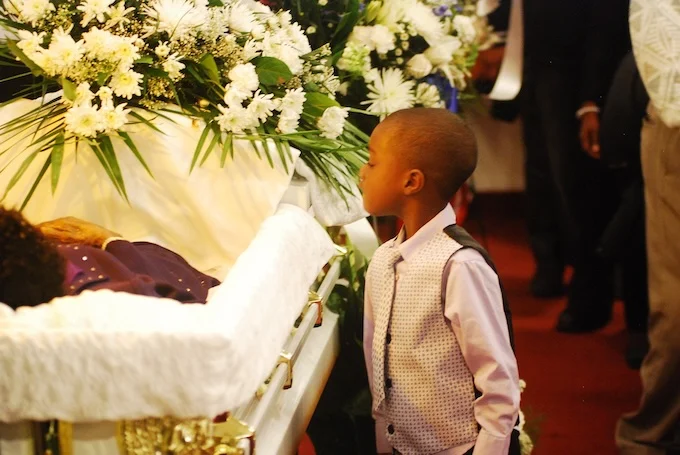
Funeral photography, a practice that once held a prominent place in societal rituals during the Victorian era, has largely receded into the shadows of modern perception, often deemed a taboo subject. However, photographer Duane Knight, proprietor of Your Legacy Photography, is spearheading a movement to reintroduce this genre, arguing that it serves as a vital artistic medium for individuals navigating the complex landscape of grief. Knight estimates that fewer than 50 funeral photographers are currently active worldwide, a figure he is determined to increase by educating fellow photographers on the profound value and nuanced practice of capturing final farewells.
A Shift from Victorian Solemnity to Modern Sensitivity
The practice of funeral photography traces its roots back to the Victorian era, a period marked by elaborate mourning rituals and a societal acceptance of capturing images of the deceased. Daguerreotypes and later photographic processes were often employed to preserve the likeness of loved ones, particularly children, who succumbed to the high mortality rates of the time. These images served as tangible keepsakes, offering a form of solace and a way to remember those who had passed. Families would commission post-mortem portraits, sometimes posing the deceased as if they were asleep, surrounded by family members, creating a poignant, albeit somber, visual record.

As photographic technology evolved and societal attitudes shifted, the practice began to wane. The rise of more accessible photography and a growing emphasis on celebrating life rather than dwelling on death contributed to funeral photography becoming less common. By the mid-20th century, it had largely transitioned from a widely accepted practice to one that was often met with discomfort and aversion.
The Healing Power of Documenting Final Farewells
Despite its controversial perception, many photographers have experienced firsthand the profound significance of their work in the aftermath of a loss. Clients have often expressed deep gratitude for portraits of deceased loved ones, sometimes revealing that these images were the only cherished photographs available for display during memorial services. This recurring sentiment has underscored for many in the photographic community the latent potential of funeral photography as a tool for healing.
Duane Knight, with over a decade of experience and the creation of approximately 150 Legacy Funeral Albums, emphasizes that funerals are unique gatherings. They bring together extended family and friends, often from disparate geographical locations, for a fleeting yet emotionally charged period. The intensity of grief can make it challenging for attendees to retain vivid memories of the event itself, including who was present.

"Funerals are much like weddings, birthdays, and christenings in that they bring extended family and friends together for a fleeting time," Knight explains. "An album can be a valuable keepsake and a memento of both the departed loved one and everyone who was there. For those who were unable to attend, receiving a Legacy Funeral Album can be the link that helps them feel included."
Knight’s work aims to fill this memorial void. His Legacy Funeral Albums are meticulously crafted collections that go beyond mere snapshots. They are designed to encapsulate the essence of the farewell, preserving not only the image of the deceased but also the presence of those who gathered to honor their memory. In a world where physical distance can exacerbate feelings of isolation during times of loss, these albums offer a tangible connection to shared experiences and collective remembrance.
Navigating Cultural Perceptions and Taboos
Knight acknowledges that the acceptance of funeral photography is deeply intertwined with cultural norms and individual beliefs. "Funerals being photographed is definitely a cultural thing," he states. "Some cultures don’t want any photos, and to them, it’s taboo. In a group of ten people, you might get two or three who want funeral photography."

This cultural variability presents a significant challenge to normalizing the practice. However, Knight’s mission is rooted in the belief that everyone should have the opportunity to memorialize their loved ones in a way that resonates with them. "For him, it’s all about preserving memories, and he strongly feels that ‘all families who want funeral photography should have the opportunity to get it.’" This conviction drives his commitment to making funeral photography accessible and understood as a legitimate avenue for grief processing.
The inherent sensitivity of funeral photography requires a high degree of discretion, empathy, and technical skill. Photographers in this field must be adept at anticipating emotional moments, working unobtrusively, and capturing images that are both respectful and meaningful. It demands an understanding of the delicate balance between documenting reality and preserving dignity, ensuring that the resulting photographs serve as a source of comfort rather than distress.
Fostering a New Generation of Funeral Photographers
To achieve his goal of increasing the number of funeral photographers, Knight is actively engaged in educational initiatives. He has been a vocal advocate at prominent photography conferences, including WPPI (Wedding & Portrait Photographers International) in Las Vegas, sharing his expertise and encouraging other photographers to consider adding funeral photography to their service offerings.

His approach emphasizes the artistic and therapeutic dimensions of the genre, moving beyond the purely documentary aspect. Knight’s workshops and presentations aim to equip photographers with the skills and understanding necessary to approach this sensitive subject matter with professionalism and compassion. This includes guidance on ethical considerations, client communication, and the technical aspects of capturing images in often challenging environments, both emotionally and physically.
Knight’s distinctive presence at industry events, marked by a hat emblazoned with "I Love Funeral Photography" and a vest that reads "Ask Me about the Art of Funeral Photography," serves as a conversation starter and an invitation for dialogue. He believes that open discussion and education are crucial to dismantling the stigma surrounding funeral photography and fostering a greater appreciation for its potential benefits.
The implications of Knight’s work extend beyond the immediate families he serves. By advocating for and educating other photographers, he is contributing to a broader cultural shift in how we approach death and remembrance. As societal views evolve and the need for meaningful grief support becomes increasingly recognized, funeral photography could emerge as a valuable, albeit niche, service within the broader landscape of memorialization and mental well-being.

The Broader Impact on Grief and Memory
The act of memorializing a loved one is a deeply personal journey. While traditional methods of remembrance, such as eulogies, obituary notices, and personal anecdotes, remain crucial, the visual medium offers a unique and powerful dimension. Photographs have the capacity to evoke emotions, trigger memories, and provide a tangible connection to the past.
In the context of funeral photography, the captured images can serve multiple purposes:
- Validation of Experience: For those who attended the funeral, the photographs can serve as a confirmation of shared experience and collective grief, reminding them that they were not alone in their sorrow.
- Connection for Absent Loved Ones: For family members or friends who were unable to attend due to distance, illness, or other circumstances, receiving a photographic record can provide a sense of inclusion and allow them to feel a part of the farewell, even from afar.
- Therapeutic Tool: The process of reviewing and sharing funeral photographs can be an integral part of the grieving process, allowing individuals to revisit memories, express emotions, and begin the process of acceptance. Over time, these images can transform from sources of immediate pain to cherished reminders of a life lived.
- Historical Record: For future generations, funeral photographs can offer invaluable insights into family history, lineage, and the customs and traditions surrounding death and mourning within a particular family or culture.
Knight’s initiative to train more photographers in this specialized field suggests a growing awareness of the need for comprehensive grief support services. As the stigma surrounding mental health and grief continues to diminish, services that offer tangible and artistic ways to process loss are likely to gain traction.

The Future of Funeral Photography
The journey of funeral photography from a common Victorian practice to a modern-day taboo, and now to a re-emerging art form, reflects evolving societal norms and technological advancements. Duane Knight’s dedication to educating photographers and advocating for this genre highlights its potential to offer solace and preserve precious memories for grieving families.
As more photographers embrace this challenging yet rewarding field, the availability of sensitive and professional funeral photography services is expected to grow. This expansion will not only provide more options for families seeking to memorialize their loved ones but also contribute to a broader cultural conversation about death, loss, and the enduring power of human connection, captured through the lens of art.
For those interested in learning more about Duane Knight’s work or the practice of funeral photography, his website, YourLegacyPhotography.com, and his Instagram page, @funeral.photos, offer a gateway to understanding this vital, though often overlooked, aspect of remembrance. His proactive engagement at industry events like WPPI signals a clear intention to foster a community of photographers who are prepared to offer this unique service with empathy, skill, and a deep respect for the human experience of loss. The growing interest in his work suggests that the art of funeral photography, far from being a relic of the past, is poised for a meaningful revival in the modern era, offering a path towards healing and enduring memory.