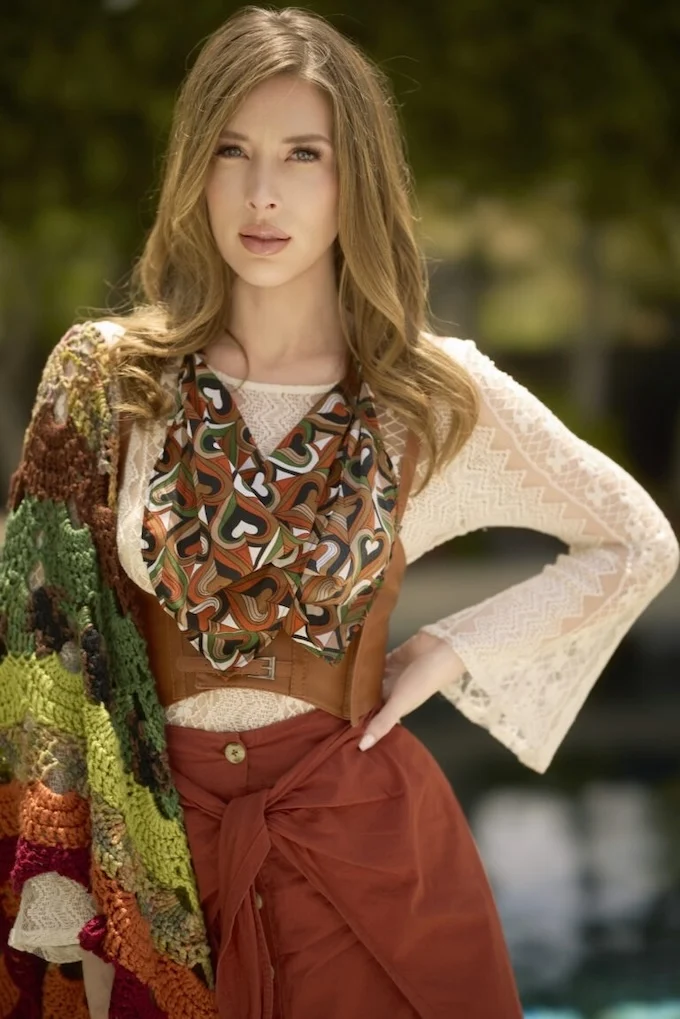
When the pursuit of striking portraiture is concerned, the prevailing wisdom often guides photographers toward the embrace of soft, diffused light. The rationale is simple: gentle illumination is generally perceived as more flattering, less prone to casting harsh shadows, and more forgiving on a subject’s features. This has led to a widespread reliance on techniques such as diffusing flashes, utilizing large softboxes and umbrellas, and strategically seeking out overcast skies or shaded environments. However, a growing body of work and a burgeoning understanding within the photographic community are challenging this conventional approach, suggesting that some of the most compelling and dynamic portraits are, in fact, achieved by mastering the deliberate and controlled use of hard light.
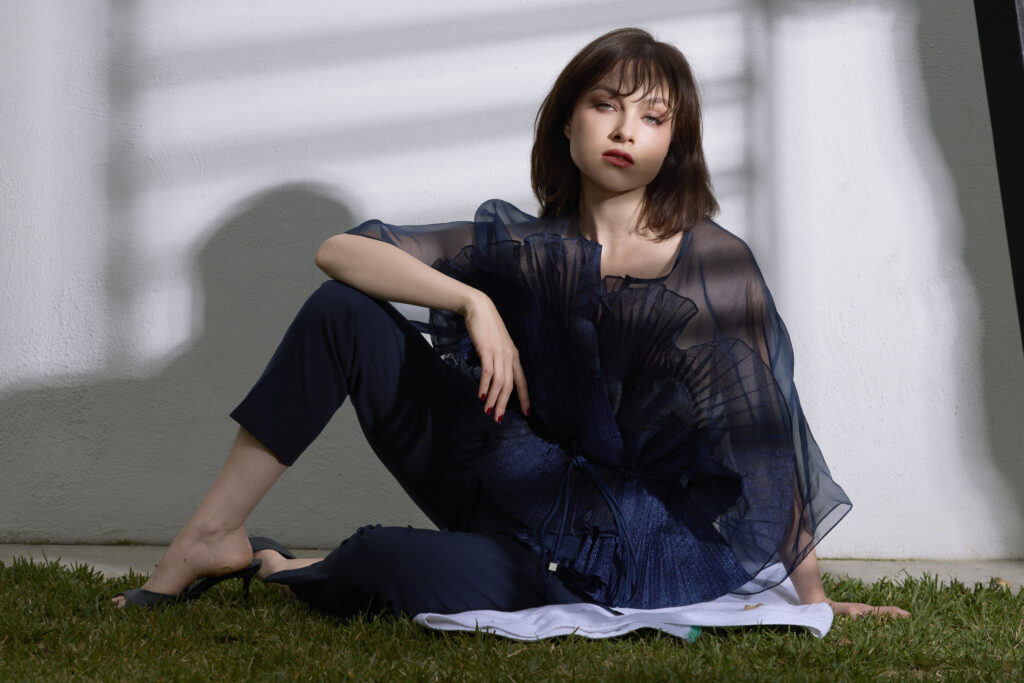
Renowned photographer Roberto Valenzuela, a figure celebrated for his profound insights into lighting and his dedication to advancing photographic education, is at the forefront of this movement. His latest offering, the "Dynamic Lighting Masterclass," now accessible through WPPI On Demand, represents a significant contribution to the field, aiming to redefine how photographers perceive and utilize light. This masterclass promises to equip artists with the knowledge and techniques necessary to move beyond the comfortable predictability of soft light and unlock the dramatic potential of harder light sources.
The Underexplored Potential of Hard Light
Valenzuela posits that the aversion to hard light stems largely from its perceived difficulty, rather than any inherent limitations. "Hard light gets a bad reputation because it’s more difficult to use," Valenzuela explains in an interview discussing his masterclass. "But it’s not really difficult. If you have some control over your subjects, hard light is going to look ten times more dynamic, ten times more amazing." This statement is a direct challenge to the notion that hard light is inherently unflattering or unmanageable. Instead, Valenzuela argues that with the right understanding and application, hard light can elevate a portrait from competent to captivating.

The key to its impact, according to Valenzuela, lies in its ability to create images that possess a distinct visual energy. Intense lighting, when used judiciously, can result in photographs that exhibit:
- Dramatic Contrast: Hard light inherently creates distinct areas of light and shadow, which can sculpt the subject’s features, emphasizing bone structure and adding a sense of depth and dimension. This can lend a powerful, almost sculptural quality to a portrait.
- Striking Texture: The sharp transitions between light and shadow can accentuate surface textures, whether it’s the fabric of clothing, the nuances of skin, or the details of a background. This can add a rich, tactile quality to the image.
- Intensified Mood and Emotion: The dramatic interplay of light and shadow can evoke a wide range of emotions, from introspection and intensity to power and mystery. Hard light can be a potent tool for conveying a specific narrative or psychological state.
- Visual Impact and Memorability: In a world saturated with imagery, photographs that deviate from the norm tend to stand out. Hard light, by its very nature, creates a visual language that is less common in everyday portraiture, thus capturing and holding the viewer’s attention.
Valenzuela elaborates on this phenomenon, stating, "People are going to look at the photo, and they can’t stop looking at it. There’s something beautiful about it because it’s not normal to see lighting like that." This suggests that the novelty and inherent visual tension of hard light contribute to its power to engage an audience on a deeper level, moving beyond passive observation to active fascination.

A Crucial Insight: The Indispensable Grid
A fundamental piece of advice that Valenzuela emphasizes, and which could significantly impact a photographer’s investment in lighting equipment, concerns the use of grids with hard light modifiers. He issues a strong caution: "Never buy a hard light modifier without also purchasing its grid." This directive is not merely a suggestion but a core principle for effective hard light usage. Valenzuela analogizes the relationship, stating, "Hard modifiers without a grid is like a car without a steering wheel." The implication is that without a grid, a hard light modifier becomes unwieldy and potentially counterproductive.
The primary function of a grid is to control the direction and spread of light. Hard light modifiers, such as reflectors or snoots, tend to emit light in a relatively broad pattern. Without a grid, this light can spill onto the background, the subject’s surroundings, or other elements in the scene, diminishing the desired effect. This spill can flatten the image, introduce unwanted distractions, and negate the crucial separation between the subject and their environment that Valenzuela advocates for. A grid, by narrowing the beam of light, allows the photographer to precisely direct the light onto the subject, ensuring that the dramatic fall-off of light occurs exactly where intended. This precision is vital for creating clean, impactful portraits where the subject is isolated and illuminated with deliberate intent.

Valenzuela’s advice extends to budget-conscious photographers: "If you can’t afford the grid, then don’t buy the modifier at all because it’s a waste of your money." This strong statement underscores the criticality of the grid for achieving the desired results with hard light modifiers. It prioritizes the effective use of equipment over the mere acquisition of it, promoting a more strategic approach to building a lighting kit.
The "Batman and Robin" Technique: A Synergistic Approach
Valenzuela introduces a signature technique within his masterclass, playfully dubbed the "Batman and Robin" approach. This method highlights the power of combining different types of light to achieve a balanced yet dramatic effect. The core concept involves using a hard light source as the primary "Batman," providing the dramatic key light, and a softer or medium light source as "Robin," acting as a fill or secondary light.

The synergy of this pairing is where its brilliance lies. The hard light, "Batman," is responsible for creating the striking contrast, the defined shadows, and the overall dramatic mood. It carves out the subject’s form and adds visual intrigue. The softer light, "Robin," plays a crucial supporting role. Its function is to gently lift the shadows created by the hard light, revealing just enough detail to maintain clarity and prevent the image from becoming overly underexposed or losing essential information. This fill light ensures that while the drama of the hard light is preserved, the portrait remains a complete and coherent image, rather than a collection of harsh highlights and deep, impenetrable shadows.
While it is possible to achieve dramatic effects with a single hard light source, Valenzuela acknowledges the practical advantages of a two-light setup for this particular technique. "You don’t have to," Roberto admits, "but it works quite well to do it with two sources of light, a hard one and a medium or soft one." This suggests that while mastery of single-source hard lighting is achievable, the "Batman and Robin" method offers a more refined and controllable path to achieving impactful portraits that balance drama with clarity. The hard light provides the necessary impact and definition, while the fill light ensures that the overall exposure is balanced and that no crucial details are lost, maintaining a professional and aesthetically pleasing final image.

Expanding the Lexicon of Light: Beyond the Fundamentals
The techniques discussed—the embrace of hard light and the "Batman and Robin" method—represent just the foundational elements of Valenzuela’s comprehensive approach. His "Dynamic Lighting Masterclass" delves far deeper, offering a panoramic exploration of lighting principles and their practical application. The curriculum is designed to equip photographers with a versatile toolkit, enabling them to adapt their lighting strategies to a wide array of shooting scenarios and creative objectives.
Within the full masterclass, Valenzuela reportedly explores topics such as:

- Advanced Hard Light Modifiers: Beyond basic reflectors and snoots, the course likely delves into specialized modifiers that offer even greater control and unique light shaping capabilities, such as strip boxes used at a distance to create a harder quality of light, or grids for various types of reflectors.
- The Science of Light Quality: A deeper understanding of how light size, distance, and intensity interact to produce different qualities of light (hard, soft, medium) is crucial. The masterclass would likely break down the physics and optics involved, empowering photographers to predict and manipulate these effects.
- Color Temperature and Its Impact: Light sources have inherent color temperatures, which can significantly affect the mood and aesthetic of a portrait. Valenzuela’s course would likely cover how to manage and utilize color temperature for creative effect, including balancing ambient light with flash.
- Sculpting with Light: This involves using light not just to illuminate, but to actively shape the subject and the environment. This could include techniques for accentuating form, creating dramatic shadows that define space, and using negative fill to deepen shadows.
- Integration with Natural Light: Mastering artificial lighting also means knowing how to seamlessly blend it with existing natural light sources, whether it’s window light or ambient outdoor illumination, to create cohesive and natural-looking portraits.
- Creative Applications and Case Studies: The masterclass would likely feature numerous examples and case studies demonstrating how these lighting principles are applied in real-world portrait sessions, showcasing a diverse range of styles and outcomes.
A New Era of Lighting Mastery
The insights offered by Roberto Valenzuela, particularly his advocacy for the strategic use of hard light and his innovative "Batman and Robin" technique, represent a significant step forward in photographic education. The "Dynamic Lighting Masterclass" is not merely a collection of tips and tricks; it is a comprehensive program designed to foster a deeper, more intuitive understanding of light. By challenging conventional wisdom and encouraging photographers to experiment with techniques that might initially seem daunting, Valenzuela empowers them to break free from creative plateaus and produce work that is truly distinctive.
The availability of this masterclass through WPPI On Demand makes these transformative techniques accessible to a global audience of photographers. The platform offers flexibility, allowing individuals to learn at their own pace and revisit the material as needed. For photographers seeking to elevate their craft, to move beyond predictable results, and to create portraits that resonate with power and artistic vision, Roberto Valenzuela’s "Dynamic Lighting Masterclass" presents an invaluable opportunity. It underscores the principle that true mastery of photography often lies in understanding and confidently employing the full spectrum of available tools and techniques, even those that might, at first glance, appear to be more challenging. As Valenzuela himself demonstrates, sometimes the most striking and memorable images emerge from the courageous exploration of lighting techniques that others shy away from.
The impact of mastering such techniques extends beyond individual portfolios. In an industry increasingly driven by visual storytelling and the need to capture attention, photographers who can command dynamic lighting are better positioned to meet client expectations and to stand out in a competitive market. The ability to control and shape light, rather than simply react to it, is a hallmark of professional proficiency. Valenzuela’s masterclass, by focusing on the often-misunderstood power of hard light, provides a pathway to developing this critical skill, ensuring that photographers can create images that are not only technically sound but also artistically compelling and emotionally resonant.