
Bringing a large-format camera to the adrenaline-fueled environment of a MotoGP weekend might seem counterintuitive, an audacious challenge to conventional wisdom in high-speed action photography. The Fujifilm GFX system, renowned for its unparalleled image fidelity rather than rapid-fire capabilities, was fundamentally designed for studio, landscape, and portrait work, where deliberate composition and maximal resolution take precedence over frames per second. Yet, for one seasoned photographer at the Circuit of the Americas (COTA), this perceived mismatch became an opportunity to explore the boundaries of photographic tools and personal skill, deploying the 102-megapixel Fujifilm GFX100S II alongside more traditional, speed-oriented equipment. The experiment sought to determine if the GFX’s exceptional image quality could find a niche in the demanding world of professional motorsport coverage, not as a primary workhorse, but as a specialized instrument for capturing moments of extraordinary detail and artistic depth.
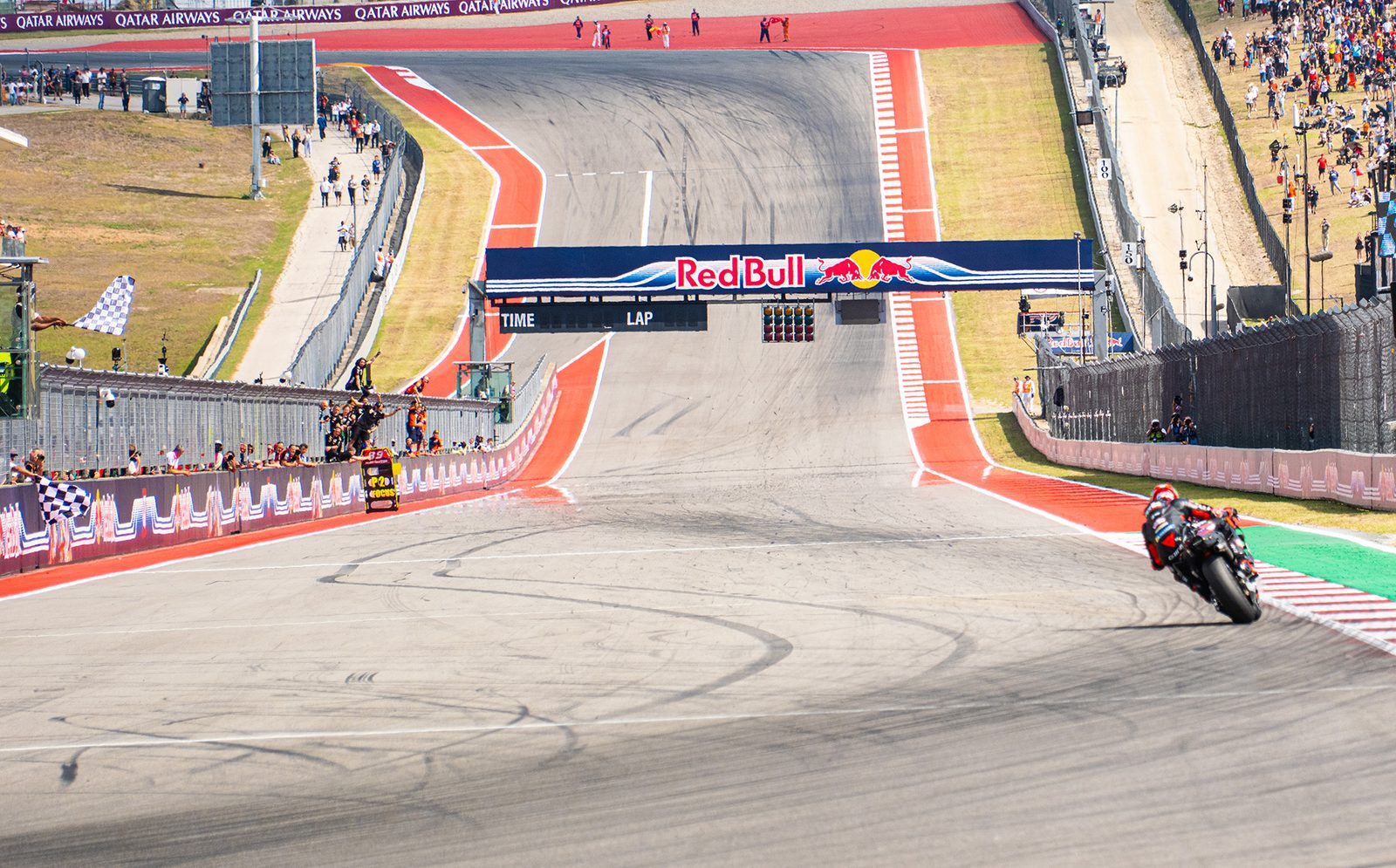
The backdrop for this ambitious photographic endeavor was the United States Grand Prix at the Circuit of the Americas in Austin, Texas. MotoGP, the pinnacle of motorcycle racing, is a spectacle of speed, precision, and engineering marvel. Riders push bespoke prototypes to their absolute limits, reaching speeds exceeding 200 mph (320 km/h) on straights and leaning into corners at extreme angles, often with their elbows scraping the asphalt. Capturing these fleeting moments requires cameras with blistering autofocus, high frame rates, and robust buffer capacities. COTA itself, a purpose-built Grade 1 FIA-certified circuit, presents its own unique challenges and opportunities for photographers. Its iconic 133-foot elevation change into Turn 1, a complex array of tight hairpins and fast sweeping corners, and its sheer scale demand an intimate knowledge of the track to anticipate rider lines and optimal shooting positions. For the photographer in question, COTA is a home track, a familiar domain honed through years of covering various motorsport events, from regional track days to Formula 1 and MotoAmerica. This profound familiarity with every corner, every marshal post, and every shooting angle proved invaluable, particularly when working with a camera like the GFX100S II, which necessitates a more considered and deliberate approach to image capture.
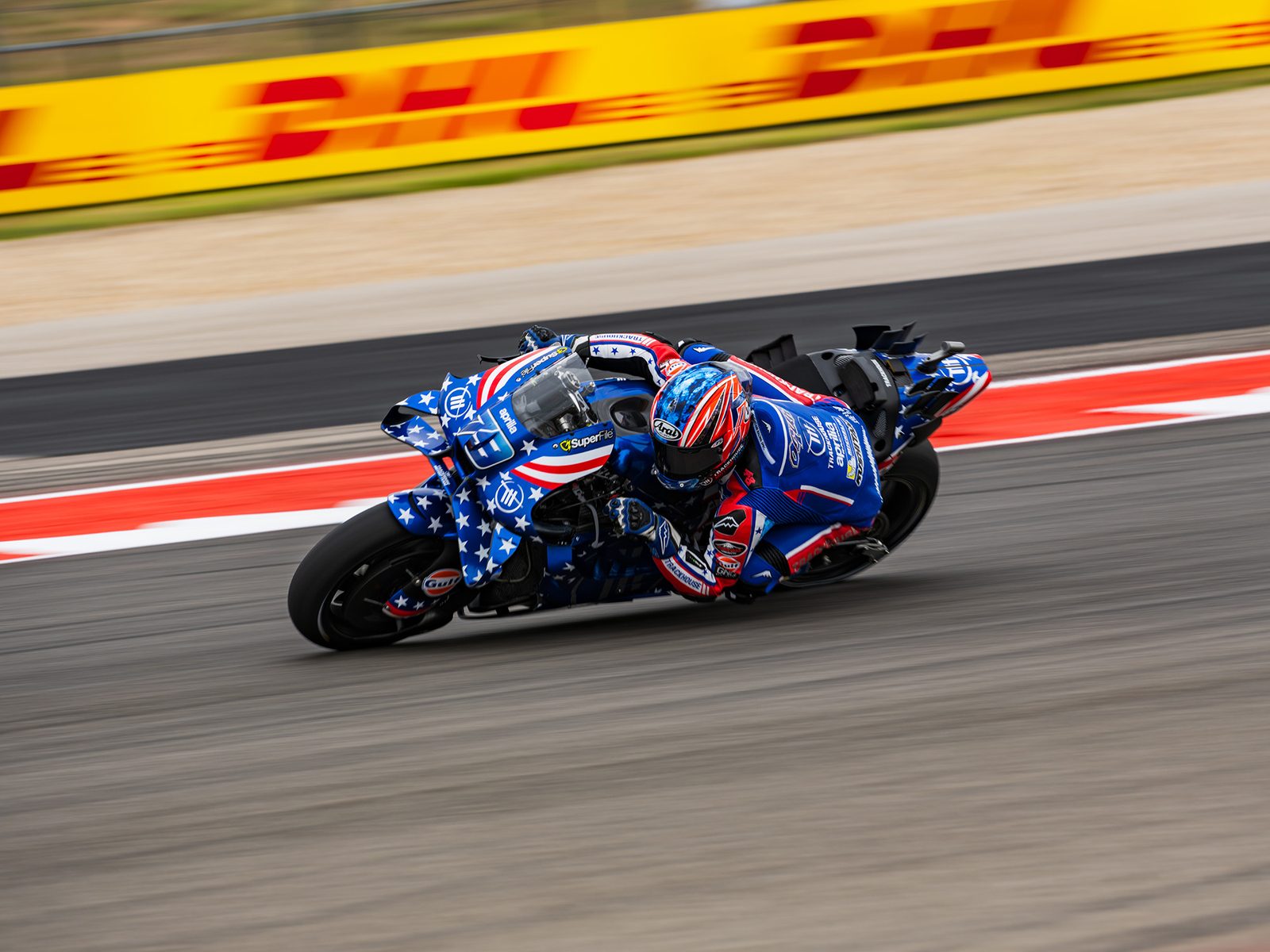
To provide a benchmark for comparison, the GFX100S II was pitted against the photographer’s standard trackside arsenal: two Fujifilm X-H2S bodies. The X-H2S represents the zenith of Fujifilm’s APS-C X-series for speed and performance. It boasts a 26.1-megapixel APS-C stacked BSI CMOS sensor paired with the powerful X-Processor 5, enabling remarkable continuous shooting speeds of up to 40 frames per second (fps) with the electronic shutter and 15 fps with the mechanical shutter. Crucially, its advanced subject-detection autofocus, leveraging deep-learning AI, is engineered to tenaciously lock onto and track fast-moving subjects like motorcycles and riders. This combination makes the X-H2S an ideal tool for the relentless pace of MotoGP, ensuring a high hit rate even in the most dynamic scenarios. The question then became: could the GFX100S II, with its entirely different design philosophy, carve out a meaningful role in this high-octane environment?

The Fujifilm GFX100S II, on the other hand, is built around a massive 102-megapixel, 43.8×32.9mm large-format sensor, also driven by the X-Processor 5. While Fujifilm officially labels this as "large format," it is commonly referred to as medium format in the broader photographic industry, signifying a sensor significantly larger than full-frame (35mm format). This substantial sensor size is the bedrock of its extraordinary image fidelity, delivering files with unparalleled detail, dynamic range, and tonal gradation. However, the trade-off typically involves slower processing, lower burst rates, and less agile autofocus compared to cameras optimized for speed. For this comprehensive weekend test at MotoGP, the GFX100S II was paired with a single lens, the Fujifilm GF 100-200mm F5.6 R LM OIS WR. Given the GFX system’s 0.79x crop factor relative to 35mm full frame, this lens offered an effective field of view approximately equivalent to 79-158mm on a full-frame system. This focal range proved surprisingly versatile, adept at capturing both the broad sweep of the main straight and the more intimate details within the paddock.
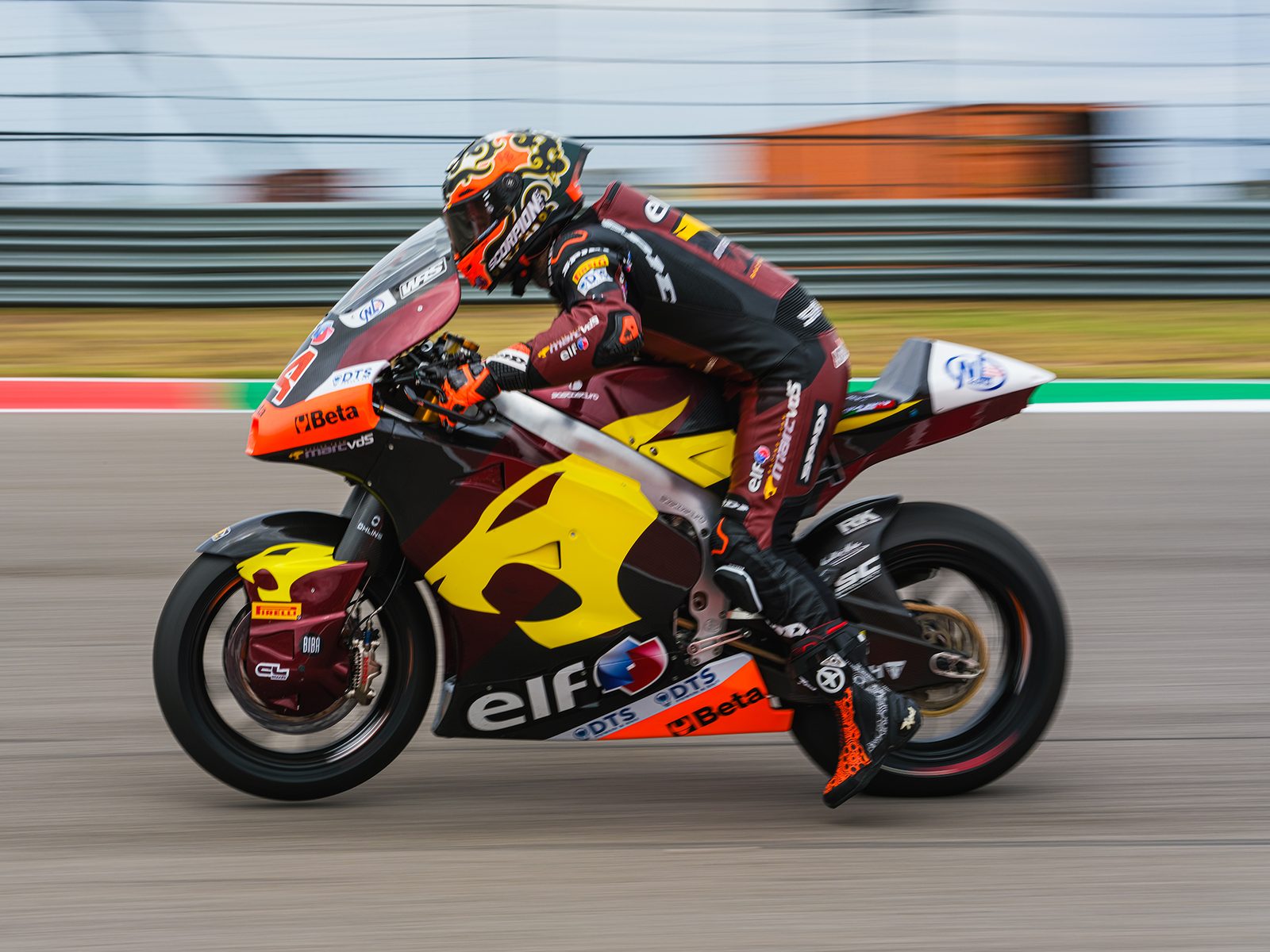
One significant advantage of operating within the Fujifilm ecosystem is the consistent user experience across its diverse camera lines. The GFX and X-series cameras share a common menu logic and ergonomic philosophy, which greatly streamlined the process of integrating the GFX100S II into an established workflow. The photographer was able to configure the GFX100S II to mirror the X-H2S setup with relative ease. Custom settings, a hallmark of Fujifilm’s professional bodies, were extensively utilized: C1 and C2 were dedicated to shutter priority for trackside action, with a custom FN button mapped for instant recall, allowing seamless transitions between sharp freezes and motion pans. C3 was assigned to aperture priority for the more controlled environments of the paddock and grid, while C4 and C5 held video presets, though the GFX’s video capabilities were not part of this specific assignment. The GFX100S II accommodates six custom positions on its mode dial, offering ample flexibility. A minor ergonomic difference noted was the FN button layout, with the GFX featuring two on top, contrasting with the X-H2S’s additional body-side button typically mapped for subject-detection AF. Despite this minor adjustment, the overall familiarity with the system minimized the learning curve, allowing the photographer to focus on the unique challenges posed by the camera’s characteristics.
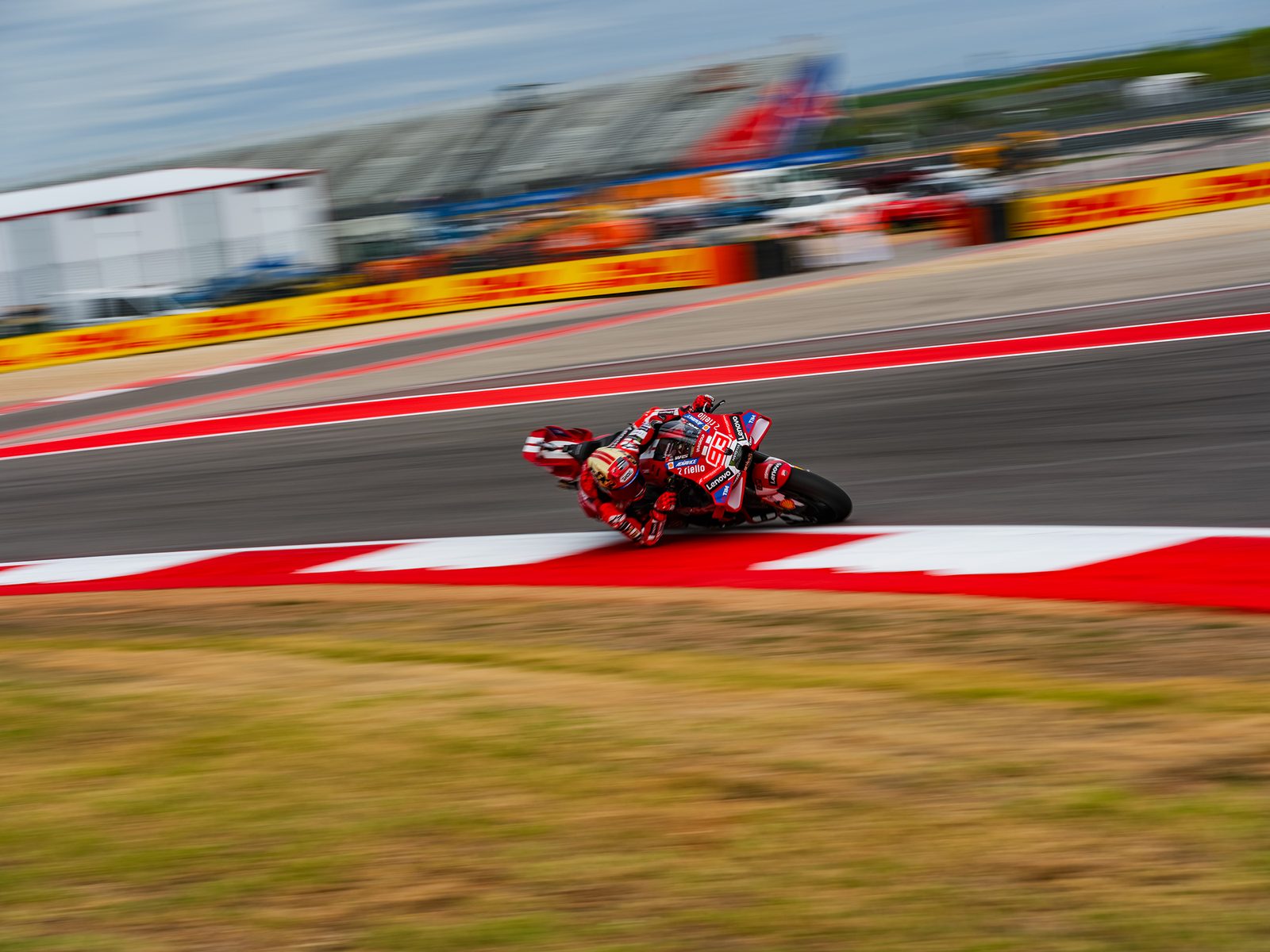
The most substantial concern entering the MotoGP weekend was the GFX100S II’s autofocus performance under the extreme conditions of a race. The camera features a significantly improved AF algorithm over its predecessors, now officially supporting motorcycles and bikes via deep-learning AI, a testament to Fujifilm’s continuous commitment to enhancing its GFX line for broader applications. In practice, the system performed better than initial expectations, managing to track riders through complex corners and across varied backgrounds with a reasonable degree of reliability. This was a pleasant surprise, demonstrating that the GFX system is evolving beyond its traditional slow-paced applications. However, despite sharing the advanced X-Processor 5 engine with the X-H2S and employing identical AF-C settings, the GFX’s autofocus was noticeably less "sticky" and responsive. Hit rates in the most demanding sequences—such as riders entering the frame at high speed, or during intense braking zones—were observably lower. While not disqualifyingly slow, the difference in response time and subject retention was palpable, a critical factor in a high-volume, high-speed environment where fractions of a second dictate success or failure. This performance gap underscores the inherent challenges of moving a larger, heavier sensor and lens elements at speeds comparable to smaller, purpose-built sports systems.
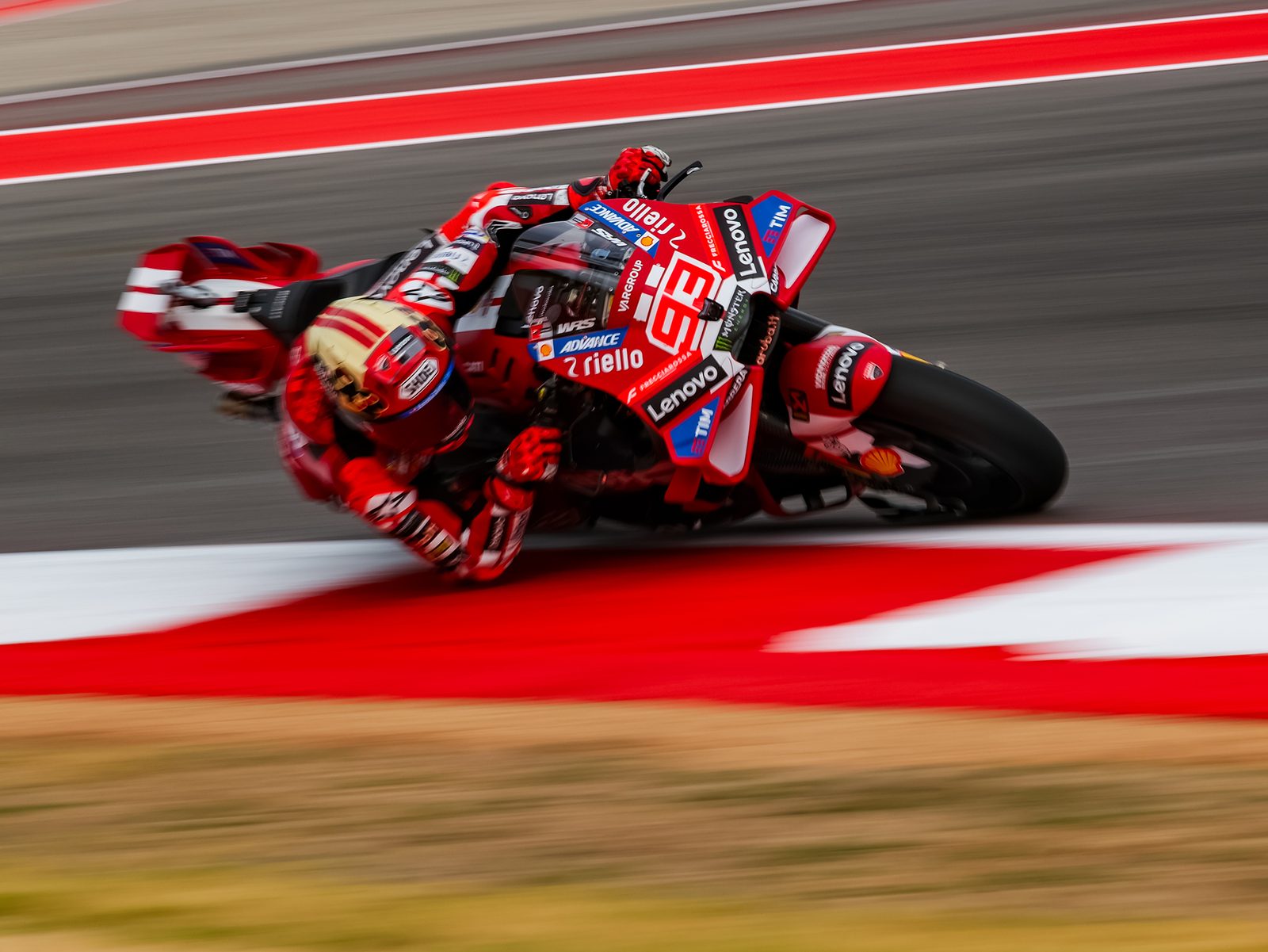
Beyond autofocus, the GFX100S II confronted another significant practical limitation: its buffer capacity. Operating at its maximum mechanical shutter speed of 7 frames per second (fps), the camera generates enormous RAW files, capturing either 14-bit or 16-bit data from its 102-megapixel sensor. Even when paired with fast UHS-II media, the buffer fills rapidly. Shooting lossless-compressed RAW files, the camera can capture approximately 19 frames before a noticeable slowdown in shooting speed. Opting for uncompressed RAW reduces this to around 16 frames. While compressed RAW offers a more generous buffer of roughly 30 frames, this still translates to under five seconds of sustained burst shooting before the camera needs to "catch its breath" and write data to the card. This constraint fundamentally alters the photographic approach. Unlike the X-H2S, which allows for sustained bursts, providing a greater chance of capturing the precise peak of action, the GFX100S II demands a different discipline. The photographer cannot "spray and pray"; instead, they must meticulously read the race, anticipate the critical moment, and commit to a precise, short burst. This necessity for precise timing and anticipation, while a valuable skill, imposes a real operational constraint in an environment where a rider’s perfect apex moment can last a mere fraction of a second, potentially leading to missed opportunities if timing is not absolutely impeccable.
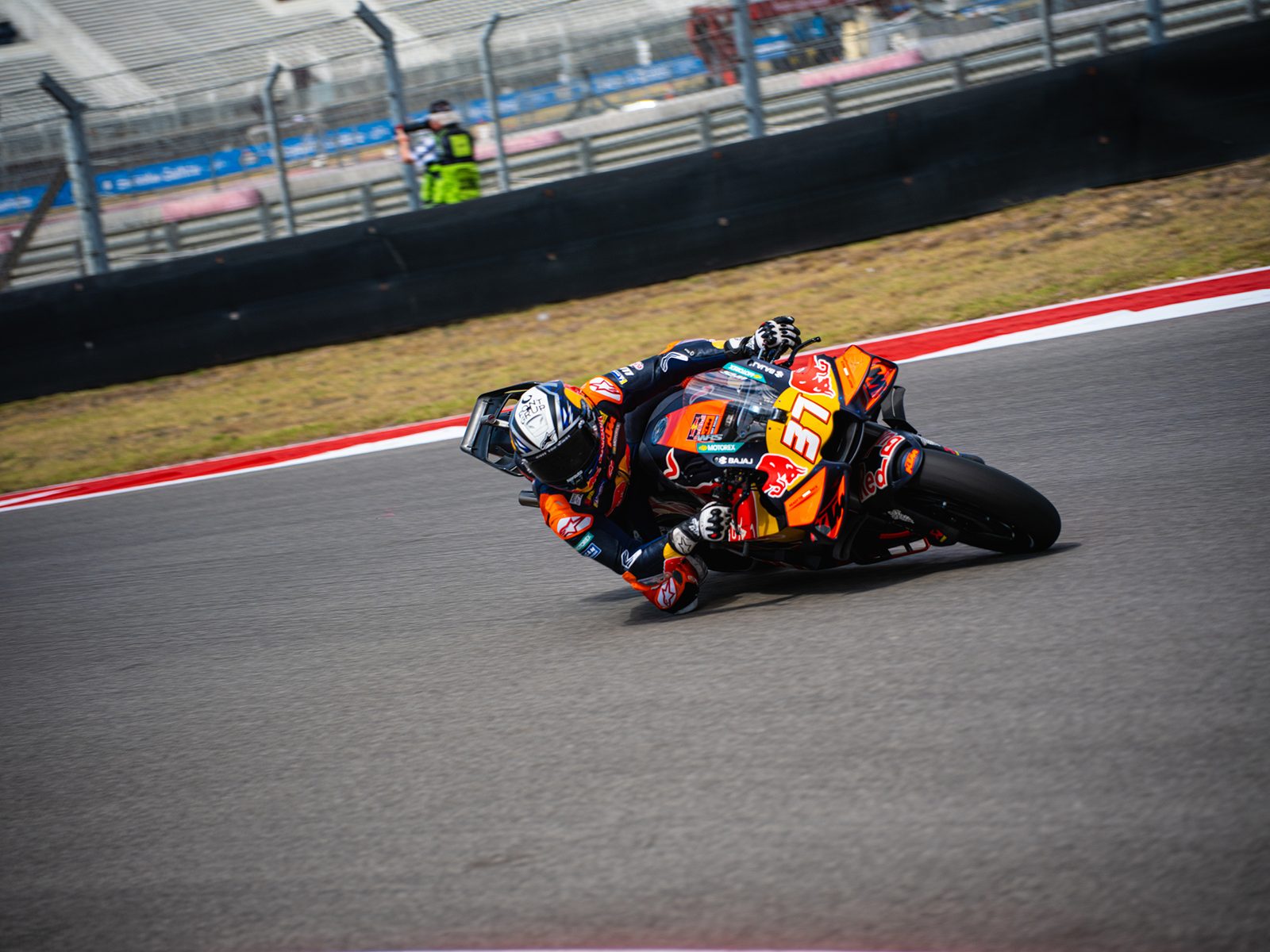
Where the GFX100S II truly distinguishes itself, however, is in its image quality, which exists in an entirely different league. The 102-megapixel sensor, featuring redesigned microlenses, produces files that exhibit an extraordinary depth of tone, a remarkable tridimensionality in color gradation, and a resolving power that is simply unmatched by any full-frame or APS-C system. The physical size of the sensor, measuring 55mm diagonally, is a fundamental contributor to this superiority. Larger sensors inherently capture more light, yielding images with finer tonal transitions, greater dynamic range, and a more natural, gradual fall-off from sharp focus to blur. The impact of this immense detail is not always immediately apparent on the camera’s rear screen; a quick review might show a "fine" image. Yet, when loaded into professional editing software and viewed on a high-resolution display, the image "opens up" entirely. Textures in the riders’ leathers become tactile, the subtle heat shimmer emanating off the exhaust pipes is rendered with exquisite fidelity, and individual crowd members in the background, previously assumed to be indistinct mush, resolve into sharp detail. The sensor’s native minimum sensitivity of ISO 80, combined with its 16-bit output, ensures an incredibly wide dynamic range, preserving intricate details in both highlights and shadows, even under the harsh, high-contrast lighting conditions often found at a bright outdoor circuit. Furthermore, the GFX100S II incorporates Fujifilm’s most powerful in-body image stabilization (IBIS) system to date, rated at up to 8.0 stops. This advanced stabilization proved invaluable for handheld work in the paddock and on the grid, providing fluid and confident shooting, especially when utilizing the longer end of the GF100-200mm lens.
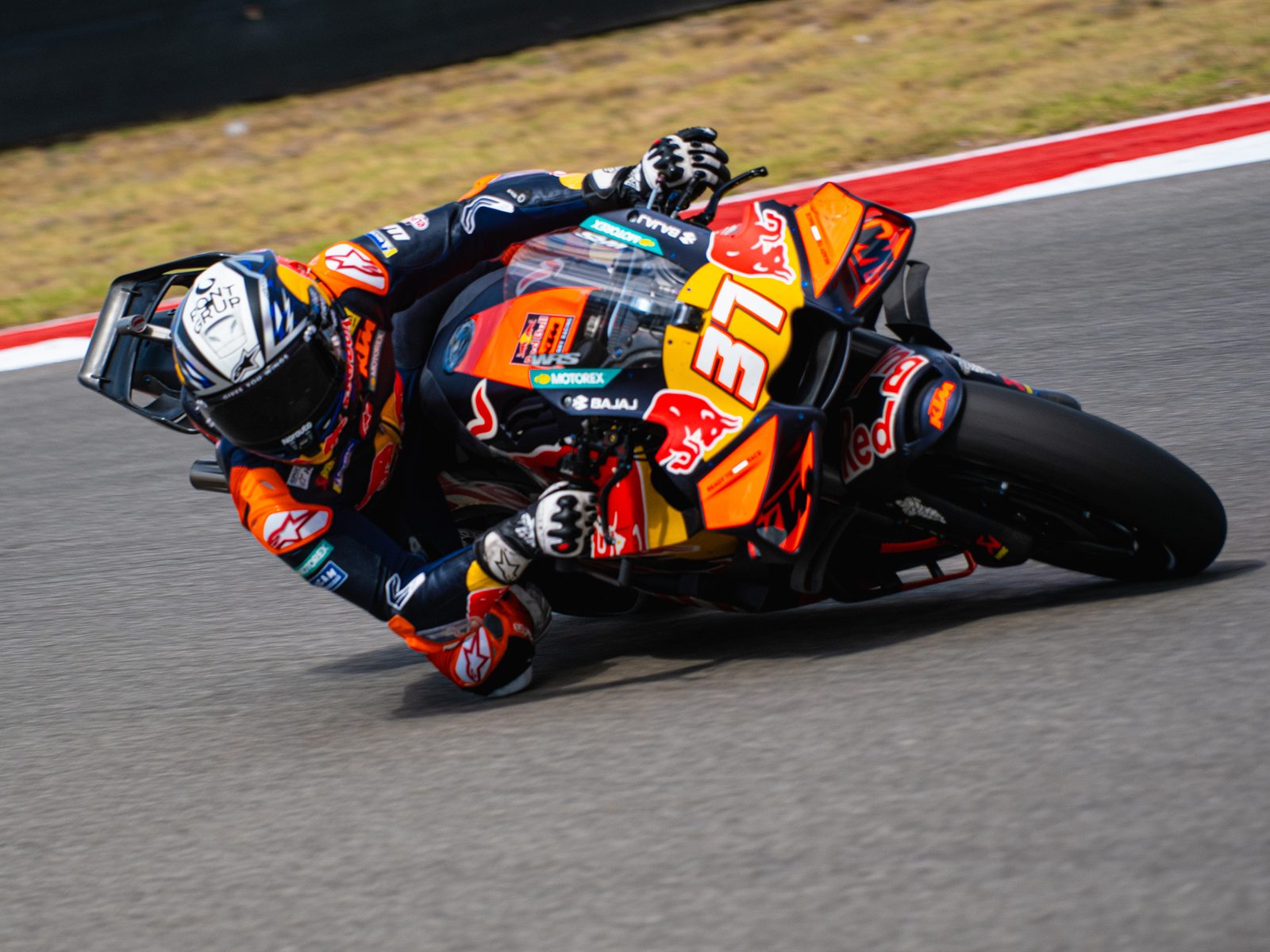
While trackside shooting with the GFX100S II demanded heightened concentration and a more strategic approach, the camera truly came into its own away from the frantic pace of the race. In the paddock, on the starting grid, and during the post-race podium celebrations—environments where speed is secondary to deliberate composition and capturing nuanced details—the Fujifilm GFX100S II was an absolute joy to use. The slower, more controlled pace allowed the photographer to frame shots with precision, leveraging the GFX’s reliable autofocus for static or slow-moving subjects. The confidence in the camera’s ability to capture exceptional detail meant that any image captured could be cropped dramatically in post-production without any discernible loss of resolution or quality. Imagine a tightly framed portrait of a rider on the grid, subsequently cropped to focus solely on their eyes above the visor; the 102-megapixel sensor handles such extreme manipulation with effortless grace. This unparalleled post-production flexibility is a genuinely liberating aspect of working with a medium format system, providing immense creative latitude and the ability to extract multiple compelling compositions from a single frame, a crucial advantage for editorial workflows.

The experience of deploying the Fujifilm GFX100S II at COTA undoubtedly left a profound impression. It is a truly special camera, and the weekend served as a compelling argument for its inclusion in a professional photographer’s kit, not as a replacement for high-speed APS-C systems like the X-H2S, but as a deliberate and powerful complement. For genres such as landscape, portraiture, studio, fashion, and editorial work, it is challenging to identify a more capable tool within its form factor. Weighing in at a mere 883g with battery and card, it stands as Fujifilm’s lightest 102-megapixel body, a significant ergonomic advantage for photographers who spend long days carrying gear.
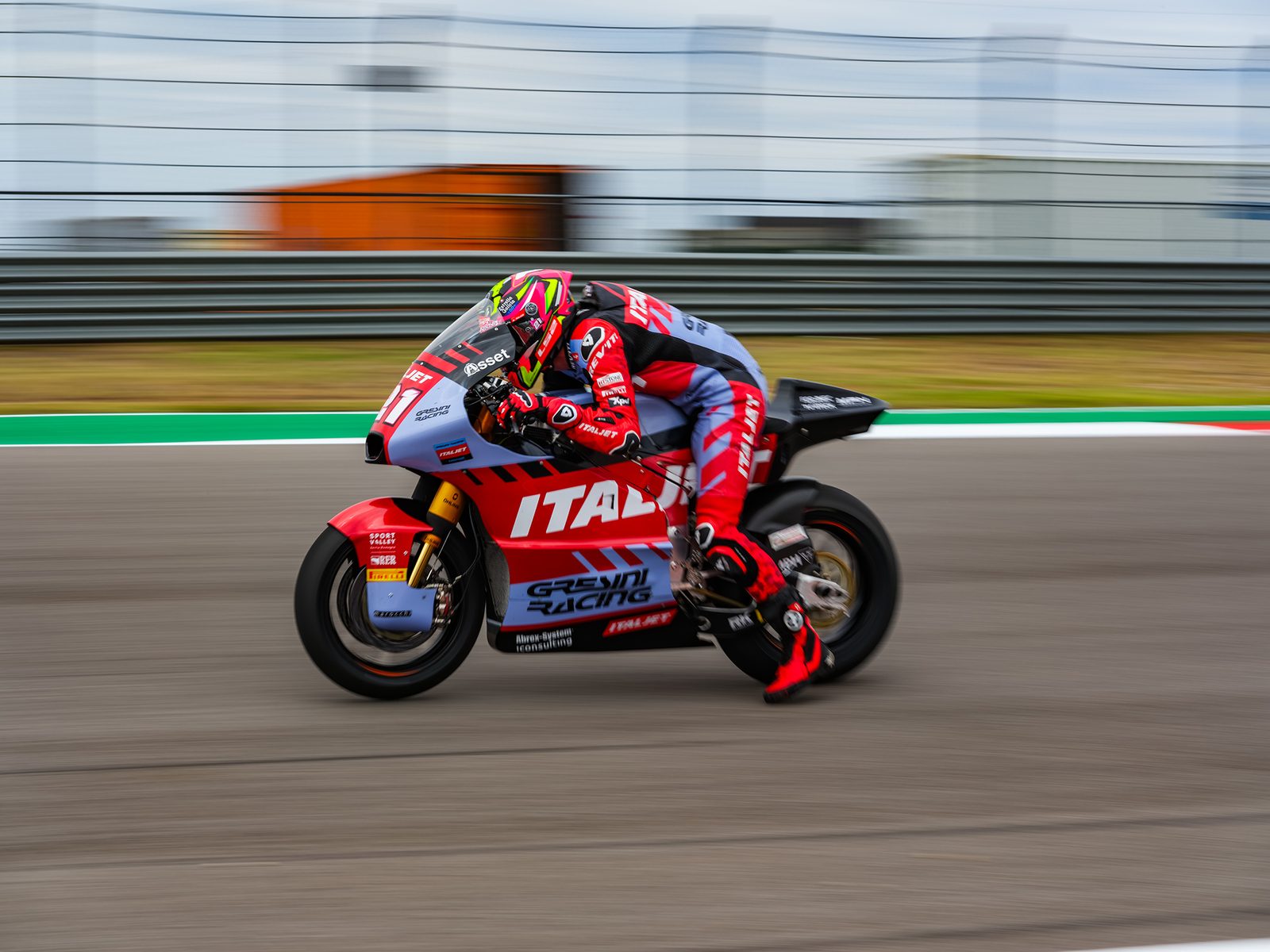
In the specific context of the race track, the GFX100S II fulfills a very distinct and specialized role: it is a "secret weapon" third body, reserved for those critical moments where outright speed takes a backseat to the absolute pinnacle of image quality. This includes the grid walk, the emotionally charged podium celebrations, or the quiet corner where a photographer patiently waits for a single, perfectly timed shot that transcends mere documentation. For these precise instances, nothing else within the Fujifilm system, and indeed very few cameras across the industry, can rival the exquisite output of this sensor. However, when the starting lights extinguish and the thunderous field of MotoGP machines hurtles through Turn 1, the photographer’s instinct will undoubtedly be to reach for the familiar, speed-optimized X-H2S, a testament to the fact that while the GFX100S II excels in fidelity, speed remains non-negotiable for capturing the raw, unadulterated essence of motorcycle racing. The experiment at COTA ultimately demonstrated that in the diverse landscape of professional photography, different tools serve different masters, and the GFX100S II has unequivocally cemented its place as a master of detail and artistic expression, even if its reign is selective.