The vast, undulating landscapes of Brazil’s Lençóis Maranhenses National Park, a place where desert-like sand dunes meet ephemeral, rain-fed lagoons, has captivated the eye of photographer Paul Nicklen. What was initially conceived as a brief interlude on a journey towards Patagonia transformed into an extensive artistic exploration of one of the planet’s most distinctive ecosystems. Nicklen’s work, often focused on intimate wildlife portraits and their integration with natural habitats, took a dramatic turn when confronted with the sheer, overwhelming scale and dynamism of this unique Brazilian treasure. This expansive park, a 600-square-mile testament to nature’s artistry, offers a visual symphony of interlacing river systems, crystalline lagoons, and endless stretches of sand dunes that shimmer under the relentless equatorial sun.
Genesis of an Artistic Detour
Nicklen’s planned route towards the rugged landscapes of Patagonia was unexpectedly rerouted by the compelling allure of the Lençóis Maranhenses. This national park, situated in the northeastern corner of Brazil, is not merely a visual spectacle but a recently designated UNESCO World Heritage Site, a recognition that underscores its global ecological and aesthetic significance. The park’s defining characteristic is its mesmerizing interplay between vast, pristine white sand dunes and the seasonal emergence of rain-filled lagoons. For a significant portion of the year, typically from January to June, the region experiences its rainy season, transforming the arid dunescape into a breathtaking mosaic of temporary freshwater pools. These lagoons, often a vibrant turquoise or emerald hue, are born from the accumulated rainwater that settles in the depressions between the dunes.
The park’s eastern periphery is marked by over 40 miles of coastline, punctuated by small, traditional fishing villages that offer a glimpse into human life harmoniously intertwined with this dramatic environment. This coastal edge slopes gently towards the vast expanse of the Atlantic Ocean, a powerful counterpoint to the tranquil beauty of the inland lagoons. Inland, the landscape is a complex tapestry. Winding river systems, their waters often tinged with the rich, earthy tones of tannins leached from decaying vegetation, carve serpentine paths through the white sands, ultimately flowing towards the sea. To the west, the characteristic desert and wetland environments gradually transition into the typical Brazilian cerrado – a vast tropical savanna ecoregion – and dense forests, before eventually giving way to cultivated agricultural lands. This geographical transition highlights the ecological diversity that surrounds and defines the core of the national park.
Embracing the Aerial Perspective
Overwhelmed by the sheer grandeur of the Lençóis Maranhenses, Nicklen recognized that a traditional ground-level perspective would be insufficient to capture the park’s immense scale and intricate patterns. The decision was made to adopt an aerial viewpoint, a technique that has been revolutionized in recent years by advancements in drone technology. Historically, aerial photography of such remote and dynamic landscapes often required the use of cramped, open-door aircraft like Ultralights or Cessnas, presenting significant logistical and safety challenges. However, the advent of Unmanned Aerial Vehicles (UAVs), commonly known as drones, has democratized and expanded the creative possibilities for capturing these awe-inspiring vistas.
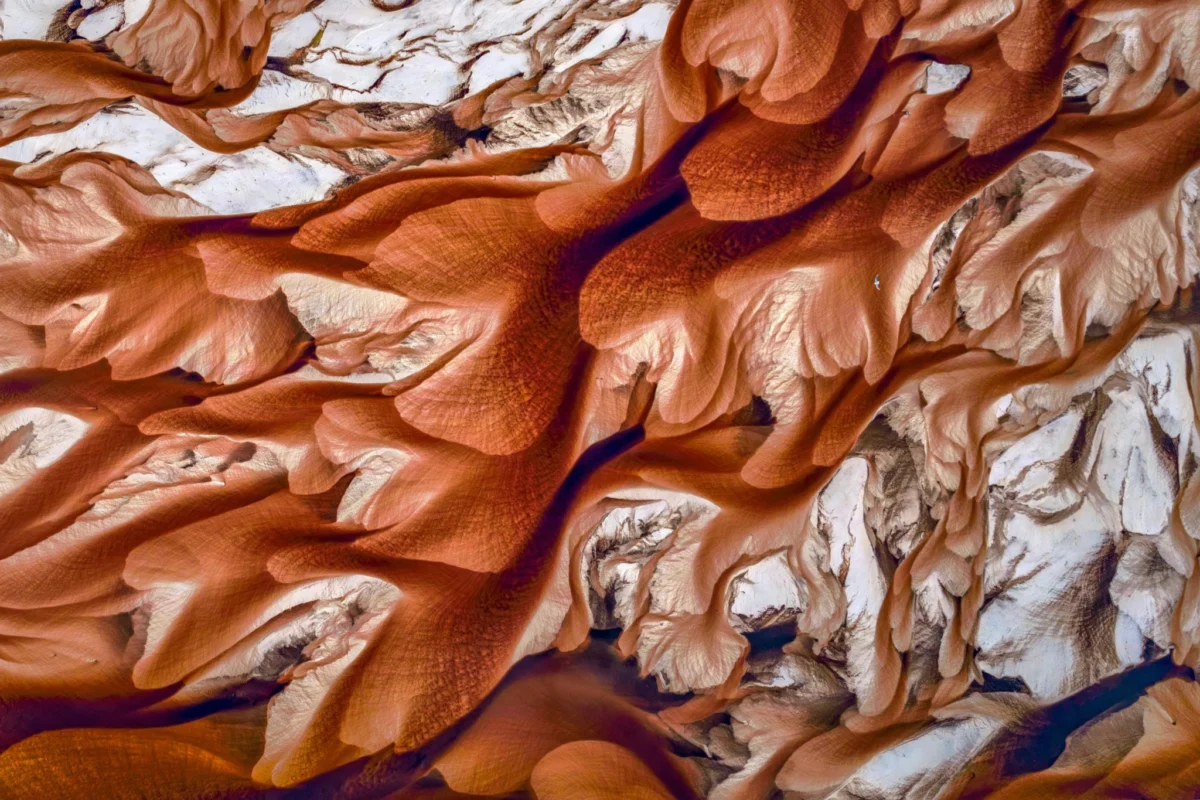
Nicklen utilized drones to meticulously document the park, maintaining an altitude that allowed for the capture of fine, granular details within the dunes and lagoons while simultaneously encompassing the breathtaking, panoramic sweep of the entire landscape. This dual focus—the macro and the micro—was crucial in conveying the park’s multifaceted beauty. The drone’s lens became an extension of his artistic vision, allowed to "roam freely" over the ever-changing terrain.
A Dynamic, Living Canvas
The Lençóis Maranhenses is not a static environment. The constant interplay of wind and water creates a perpetually shifting panorama. Each gust of wind reshapes the delicate crests of the sand dunes, sculpting them into ephemeral peaks and valleys. Simultaneously, the movement of water within the lagoons, stirred by the wind, creates rippling patterns that refract the sunlight, adding another layer of dynamism to the scene. The colors observed from above are a testament to the unique geological and ecological processes at play.
The waters of the lagoons exhibit a spectrum of blues and greens, a result of their clarity and the way they reflect the sky and surrounding sand. Interspersed with these are the deep, rich hues of red, brown, and rust. These darker tones are attributed to tannins, organic compounds released from the decomposition of vegetation, which seep into the groundwater and subsequently color the water bodies. This natural dyeing process lends an almost painterly quality to the landscape.
A prominent feature observed from the air is the Black River, a significant watercourse that snakes through the coastal lowlands. Its inky, tannin-rich waters carve a distinct path through the otherwise pale sand, eventually merging with the larger Parnaíba River in the northeast. The visual impact of these contrasting colors and forms is profound. Nicklen describes the experience as almost too beautiful to behold directly, a testament to the overwhelming sensory input and the challenge of translating such raw natural beauty into a static image. Every adjustment in angle or altitude revealed a new "natural masterpiece," a complex latticework etched across the Earth’s surface, stretching from horizon to horizon. The sheer effort of attempting to frame such boundless magnificence left him in a state of inspired awe.
Nature as the Ultimate Artist: A Historical Perspective
The human impulse to capture and replicate the beauty of nature is an ancient one, deeply ingrained in our cultural history. From the earliest cave paintings to the masterpieces of the Renaissance and beyond, artists have consistently turned to the natural world as their primary source of inspiration and subject matter. The famed Chauvet Cave in France, with its remarkable animal paintings dating back to the Aurignacian period approximately 30,000 years ago, stands as a testament to this enduring human drive. These Paleolithic artists, using the limited tools available to them, strove to depict the forms and movements of the animals they observed with astonishing accuracy and vitality.

Throughout history, across diverse cultures and artistic movements, artists have dedicated their lives to the meticulous study of nature. They have sought to understand its forms, its light, its textures, and its profound underlying order. Whether it was Leonardo da Vinci’s detailed anatomical studies or the Impressionists’ attempts to capture the fleeting effects of light on landscapes, the pursuit has remained consistent: to translate the perceived reality of the natural world into a tangible medium.
Even with the sophisticated tools of modern digital photography, Nicklen acknowledges the inherent limitations in fully capturing nature’s complexity. The question of how a single two-dimensional image can encapsulate the "full depth of something as vast as our planet and as minuscule as the structure of a cell’s nucleus" remains a profound artistic and philosophical challenge. The subtle interplay of light and shadow, the ephemeral quality of movement, the sheer scale of geological formations, and the intricate molecular structures of life are all elements that defy complete replication.
The Privilege of the Attempt
The artistry that permeates all life on Earth is a force that Nicklen believes can never be entirely translated into a print or a digital file. The essence of nature’s grandeur, its dynamic processes, and its intricate beauty often transcend the limitations of any single medium. However, it is precisely this challenge, this pursuit of capturing the ineffable, that drives his work. The endeavor to document and share the wonders of the natural world, even with the inherent understanding that a perfect translation may be impossible, has become the "greatest privilege" of his life.
The Lençóis Maranhenses National Park, with its dynamic interplay of sand, water, and light, presents a particularly potent example of nature’s boundless creativity. The seasonal transformation, the vastness of the dunes, and the vibrant ephemeral lagoons create a landscape that is both serene and powerfully alive. It is a place where the Earth itself seems to be engaged in a continuous act of artistic creation, a canvas constantly being repainted by the forces of wind and rain.
Conservation Implications and the Future
The designation of Lençóis Maranhenses as a UNESCO World Heritage Site underscores the global importance of its preservation. The delicate balance of its ecosystem, characterized by the unique interaction between its arid dune systems and seasonal freshwater lagoons, is vulnerable to environmental changes. Climate change, with its potential to alter rainfall patterns, could significantly impact the formation and duration of the lagoons, thereby affecting the biodiversity that relies on them.
Furthermore, increased tourism, while bringing economic benefits to local communities, also necessitates careful management to mitigate potential negative impacts on the fragile dune environment. The "White Sand Dunes" are composed of fine quartz sand, which is easily disturbed by foot traffic. Sustainable tourism practices, including designated pathways and visitor education, are crucial for ensuring the long-term health of the park.
The analysis of the park’s ecological dynamics is ongoing. Scientists are studying the sources of the tannin-rich waters, the unique flora and fauna that have adapted to this specialized environment, and the geological processes that continue to shape the dunes. Understanding these elements is vital for developing effective conservation strategies. For instance, research into the impact of rising sea levels on the coastal areas of the park could inform future planning and protection measures.
The successful preservation of Lençóis Maranhenses National Park requires a collaborative effort involving government agencies, local communities, scientific researchers, and international conservation organizations. The photographic documentation by artists like Paul Nicklen plays a crucial role in raising global awareness and fostering a sense of appreciation for such irreplaceable natural wonders. By showcasing the park’s breathtaking beauty and highlighting its ecological significance, these visual narratives can inspire action and support for its continued protection. The future of this extraordinary landscape depends on a commitment to understanding, respecting, and safeguarding its unique ecological processes for generations to come.
The journey through Lençóis Maranhenses serves as a powerful reminder of the planet’s extraordinary capacity for beauty and the profound responsibility humans bear in its stewardship. As Nicklen’s work suggests, while the full essence of nature may remain elusive to capture, the persistent effort to understand and share its wonders is a vital endeavor, enriching not only our visual understanding but also our connection to the world around us.