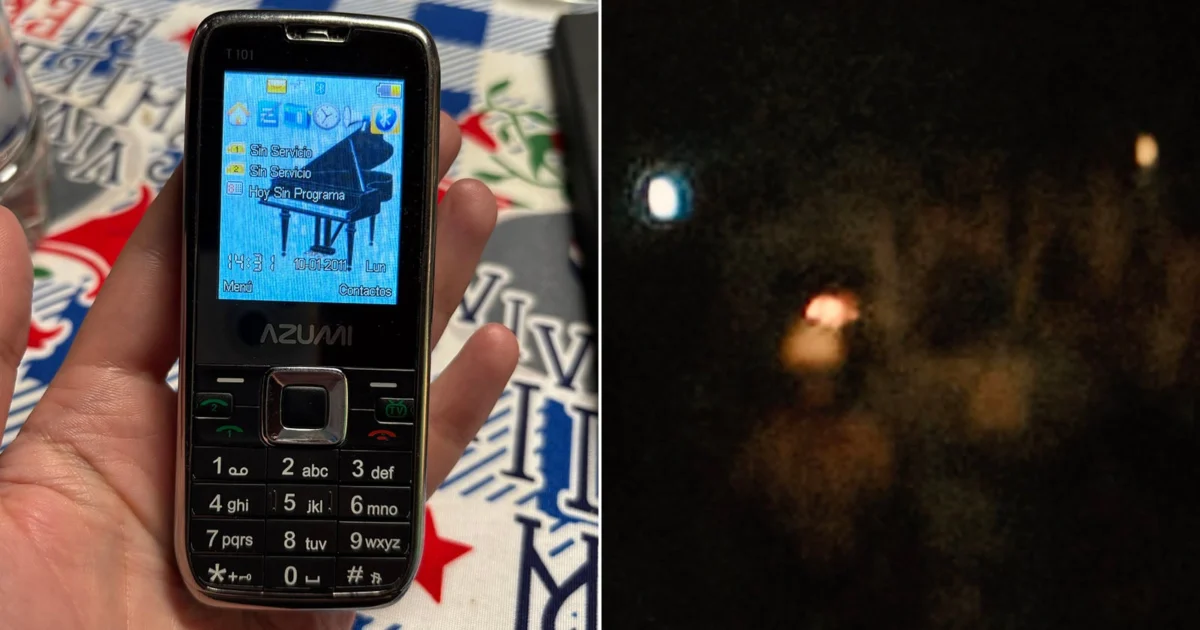
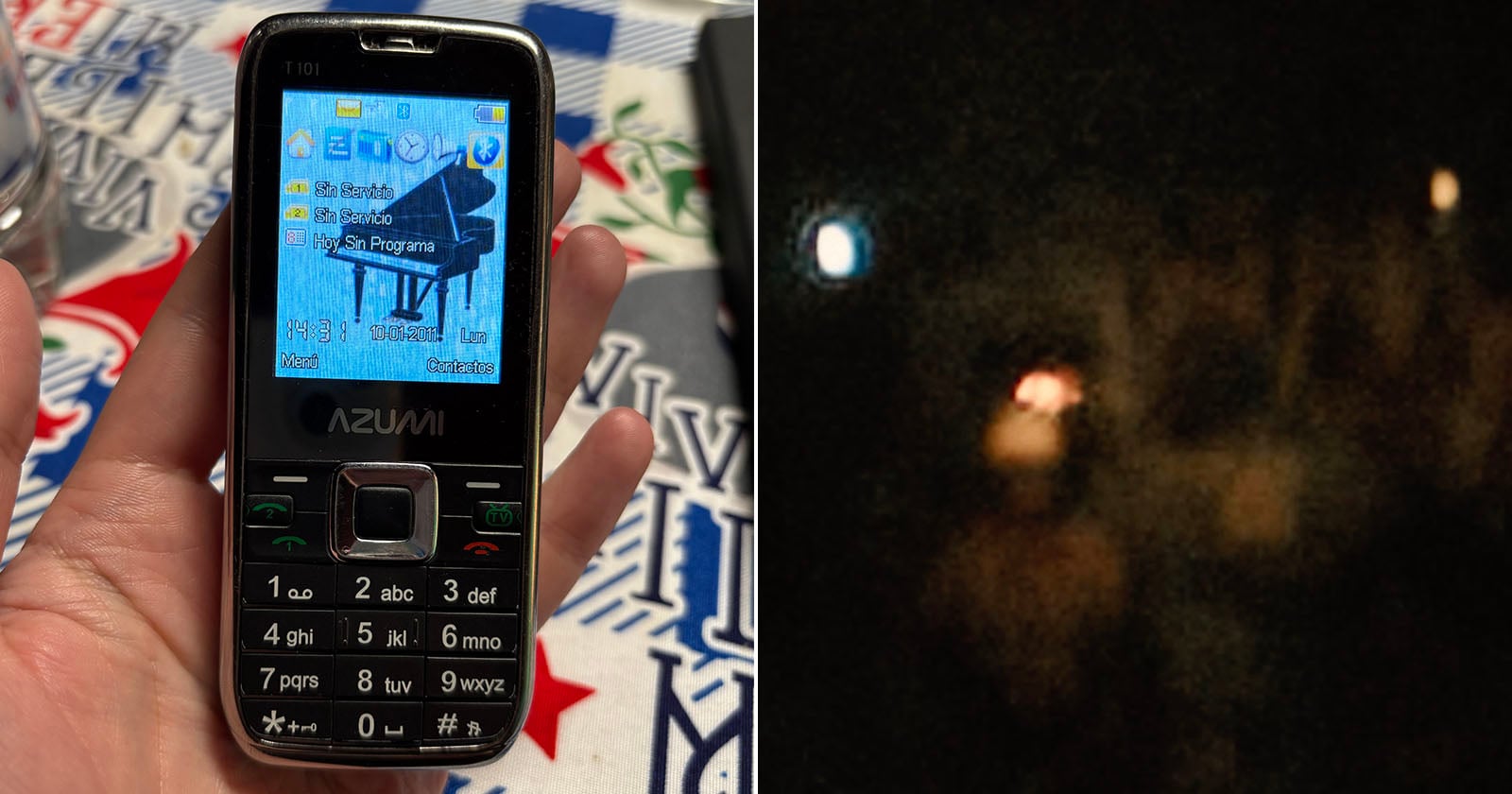
National Geographic is poised to captivate global audiences once more with its new three-part series, Chilean Mine Rescue: Race Against Time, premiering on September 25 at 8 PM EDT. This Emmy Award-winning "Race Against Time" franchise installment promises an immersive, intimate look at the harrowing 2010 San José mine collapse that trapped 33 miners nearly half a mile beneath Chile’s Atacama Desert for 69 agonizing days. The series distinguishes itself by presenting never-before-seen footage, notably raw video clips shot by the trapped miners themselves on rudimentary cell phones 2,300 feet underground, offering an unparalleled window into their collective dread and resilience. Following its broadcast debut, the miniseries will be available for streaming on Disney+ and Hulu the subsequent day.
The Catastrophe: August 5, 2010
The world was thrust into a gripping saga of survival and extraordinary human effort on August 5, 2010, when the San José copper-gold mine, located near Copiapó in Chile’s Atacama Region, suffered a catastrophic collapse. The mine, operating since 1889, had a history of safety concerns, including previous accidents and temporary closures. On that fateful Thursday afternoon, a massive rockfall occurred around 2:00 PM local time, roughly 400 meters from the mine’s entrance, blocking the main ramp. Thirty-three miners were working deep within the labyrinthine tunnels, approximately 2,300 feet (700 meters) below the surface and about 3 miles (5 kilometers) from the mine entrance. They were immediately cut off from the outside world, plunged into absolute darkness, and left to grapple with the terrifying reality of their predicament.
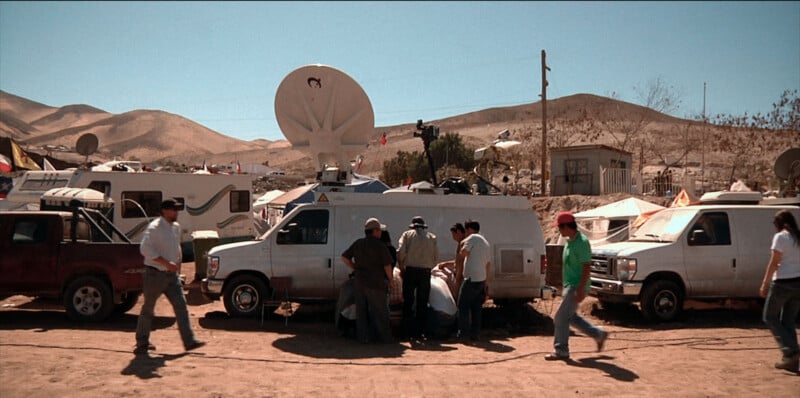
The initial hours were marked by chaos and desperate attempts by the miners to clear the blocked path. Realizing the futility of their efforts against tons of rock, they retreated to a designated emergency shelter, a space roughly 50 square meters (540 sq ft) with limited supplies. For the first 17 days following the collapse, there was no concrete evidence that any of the miners had survived. Rescue efforts commenced immediately, but the unstable geology of the mine, situated in one of the world’s driest deserts, posed immense challenges. Families, friends, and rescue workers converged at the mine entrance, establishing "Camp Hope," a vigil that would grow into a globally recognized symbol of unwavering support and anticipation. The global media descended upon the remote site, transforming the Atacama Desert into a focal point of international attention as the world collectively held its breath, oscillating between despair and a fragile hope.
A Breakthrough: The "Estamos Bien" Note
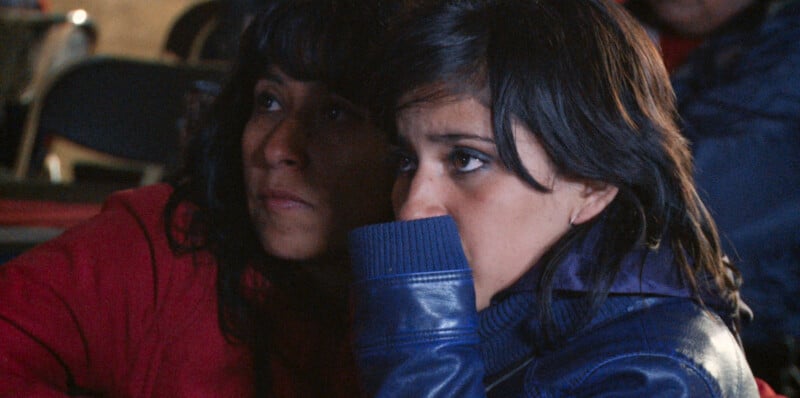
The turning point in this desperate struggle came on August 22, 2010. After weeks of drilling blind, a drill bit from an exploratory probe broke through into the miners’ refuge. What followed was a moment that sent shockwaves of relief and joy across the globe. Attached to the drill was a note, written in red marker on a piece of paper: "Estamos bien en el refugio los 33" – "We are well in the refuge, the 33 of us." This simple, yet profound, message confirmed that all 33 miners had survived the initial collapse, sparking an unprecedented outpouring of emotion and galvanizing the international community.
The discovery shifted the narrative from a search-and-recovery mission to an intricate, ambitious, and ultimately triumphant rescue operation. Chilean President Sebastián Piñera, who had personally committed to the rescue efforts, publicly announced the news, sharing the historic note with the world. The confirmation ignited a global sense of unity and purpose, setting the stage for one of the most complex engineering feats in modern history. The world, which had feared the worst, now watched with renewed hope as the race against time intensified, focused on extracting the men alive.
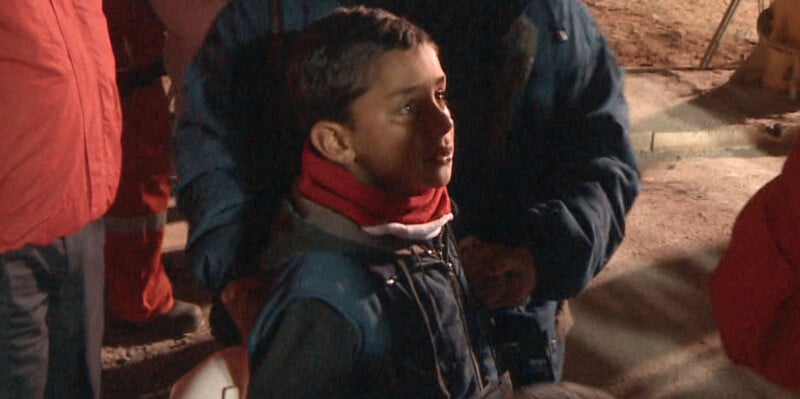
Life Underground: The Miners’ Untold Story
For 69 days, the miners endured unimaginable conditions. Trapped in a confined space, they faced stifling heat and humidity, pervasive darkness, and dwindling resources. Food rations were critically low, initially consisting of two spoonfuls of tuna, half a glass of milk, and a cracker every 48 hours per man. The psychological toll was immense, marked by isolation, fear, and the constant threat of further collapse. Yet, amidst this adversity, they organized themselves, electing shift supervisor Luis Urzúa as their leader, rationing supplies, and maintaining morale through discipline and camaraderie.
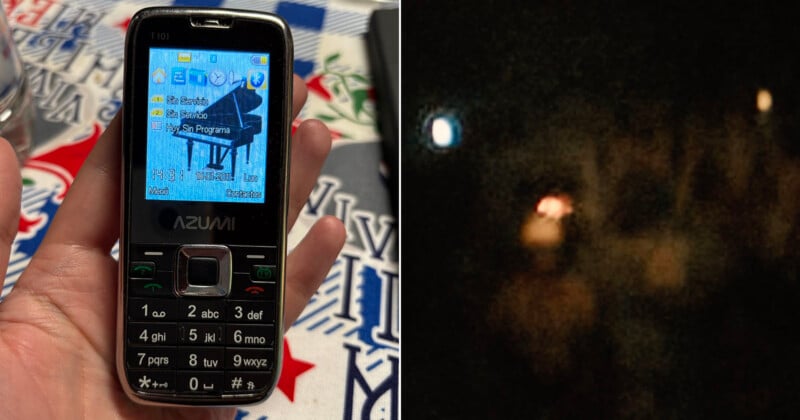
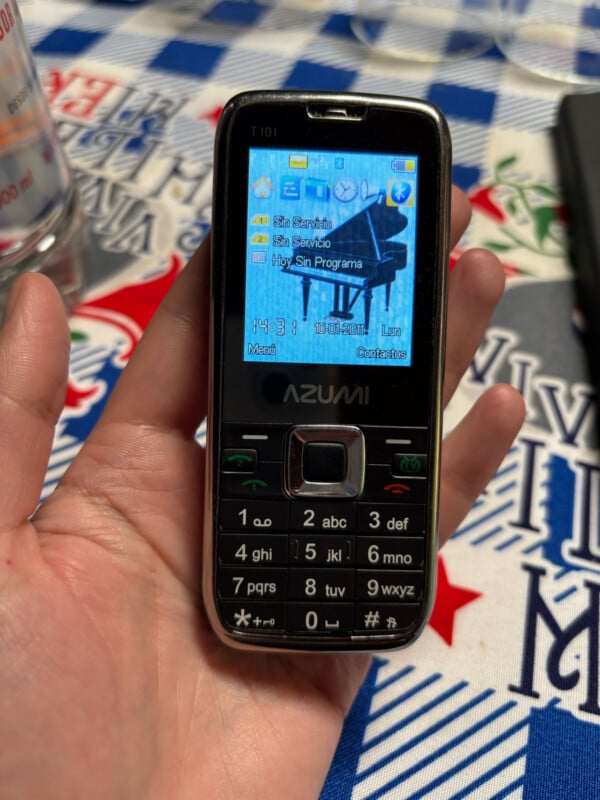
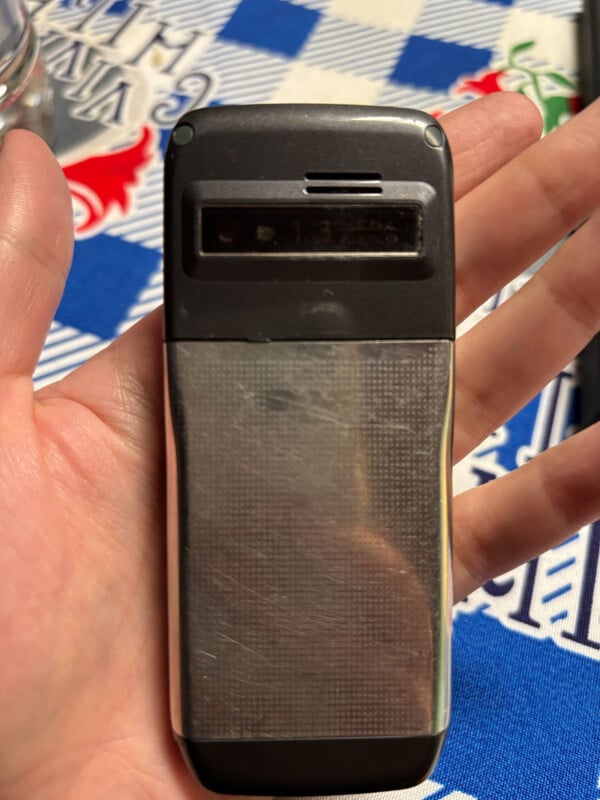
The upcoming National Geographic series offers an unprecedented glimpse into this subterranean world through the miners’ own eyes. Co-director James Parris revealed to PetaPixel that the documentary features approximately five to six minutes of never-before-seen footage, captured on old Azumi T101 mobile phones by the trapped men. These rudimentary devices, a stark contrast to today’s high-definition smartphones, recorded the raw, unfiltered emotions of individuals who believed they were documenting their final moments. Parris emphasized the profound weight of this footage, noting that the miners filmed "almost certain that we will not survive this," intending these clips as last messages for their families. The documentary treats this material with extreme care, presenting it largely intact to honor the miners’ original intent, interspersed with interviews from survivors, their families, and rescue personnel. This footage provides a powerful, unvarnished testament to their harrowing experience, allowing viewers to connect with their ordeal on a deeply personal level.
The Global Effort: Engineering a Miracle
The rescue operation that unfolded was a marvel of international collaboration and engineering ingenuity. Three distinct drilling plans were initiated concurrently:
- Plan A (Strata 950): A Chilean-built raise-boring machine, designed for digging ventilation shafts, was deployed.
- Plan B (Schramm T-130): This American-made hammer drill, typically used for water wells, was brought in and modified for the specific rock conditions. This drill ultimately reached the miners.
- Plan C (RIG 421): An oil-drilling rig, more powerful but slower, was transported from a Chilean port.
The rescue teams comprised experts from various fields and nations, including engineers from the Chilean state-owned copper company Codelco, specialists from NASA, and drilling experts from the United States and Canada. NASA provided expertise on survival in confined spaces, nutritional advice, and psychological support for the trapped men. The Chilean Navy developed the "Fénix" rescue capsule, a narrow steel tube designed to hoist one miner at a time through a drilled shaft. Three different versions of the capsule were built, each approximately 13 feet (4 meters) tall and weighing over 925 pounds (420 kg).
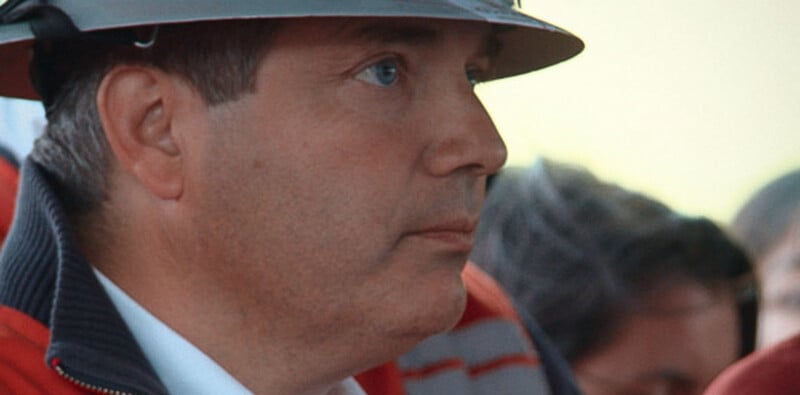
The drilling process was arduous and painstaking, hampered by the extremely hard rock and the inherent instability of the mine. Engineers worked around the clock, battling equipment failures and geological challenges. Continuous communication with the miners was maintained via a narrow borehole, which also delivered essential supplies, including food, water, medicine, and psychological counseling. This umbilical cord to the surface was crucial for their physical and mental well-being, fostering a bond between the trapped men and their rescuers.
The World Watches: The Rescue Operation
After 69 days, on October 13, 2010, the rescue phase, dubbed "Operation San Lorenzo," began. The drilling of the Plan B shaft was completed on October 9, creating a bore large enough for the Fénix capsule. The world held its breath once more as the capsule made its inaugural descent. At 12:10 AM local time, Florencio Ávalos became the first miner to emerge, greeted by a wave of cheers, tears, and applause from his family, rescue workers, and President Piñera.
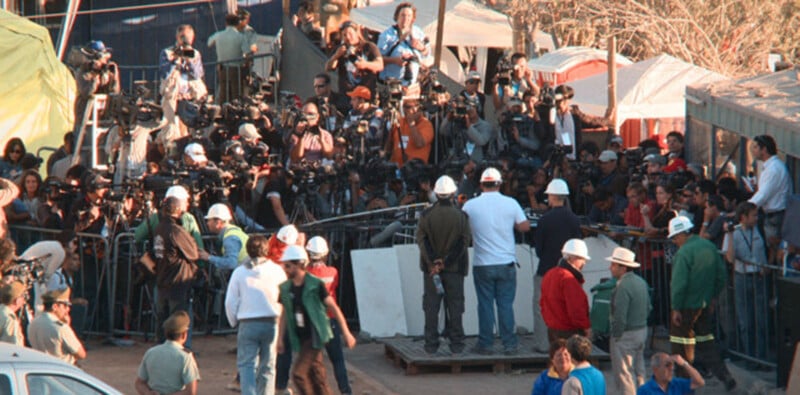
The rescue unfolded over nearly 24 hours, with each miner extracted sequentially. An estimated one billion people worldwide tuned into live television broadcasts, making it one of the largest live television audiences in history. The images of each miner emerging from the Fénix capsule, often hugging their loved ones and waving the Chilean flag, became iconic symbols of human triumph against adversity. The event transcended national borders, uniting people in a shared moment of hope and celebration. The global media presence at "Camp Hope" was unprecedented, with thousands of journalists broadcasting every moment of the dramatic rescue to an eager world.
Crafting the Narrative: The Documentary’s Approach
Co-directors James Parris and Chloe Campbell faced an immense task in condensing 70 days of intense human drama and rescue efforts into a compelling three-part miniseries. Parris noted the "vast" amount of archival material available, given the global media coverage from day one until the final rescue. "The event was viewed by literally billions of people around the world," he told PetaPixel, underscoring the challenge of sifting through such an extensive historical record.
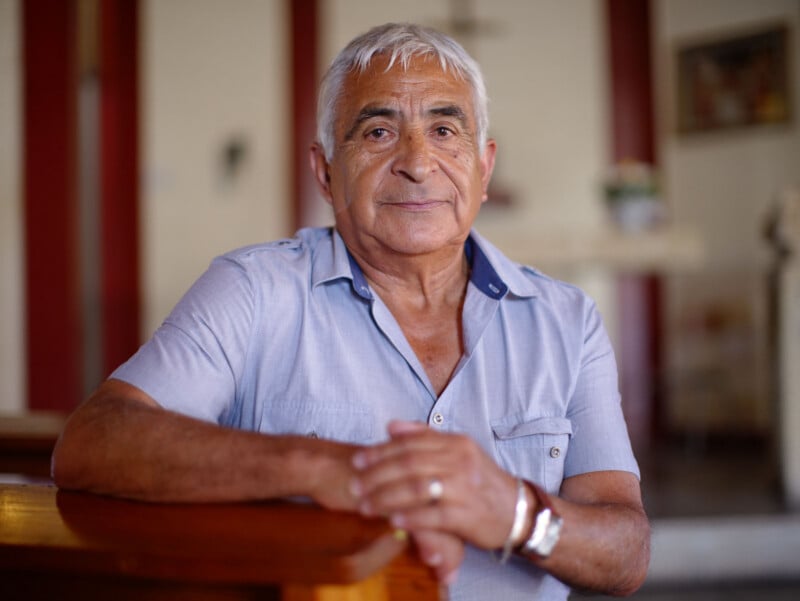
Campbell acknowledged the difficulty of crafting a narrative from 69 days of content, stating, "You’re always having to make very difficult choices." Their goal was to create "the definitive telling of the story," offering fresh perspectives even to those who remember the event vividly. This involved not only curating existing news footage but also integrating newly discovered material, particularly the miners’ personal cellphone videos. The directors emphasized the ethical responsibility of handling such sensitive footage, especially clips recorded by individuals facing imminent death. Rather than dissecting these raw moments, they chose to present them largely whole, allowing the miners’ voices and perspectives to resonate authentically.
Parris described the production process as a "treasure hunting" experience, where amidst a "sea of footage," they often found exactly what was needed to illustrate specific moments and emotions. The directors embraced the fact that many viewers would already know the outcome of the rescue. Parris explained that this knowledge liberated them from needing to create a "grand twist," instead allowing for a "much more intricacy in the journey to that point." This approach enabled them to delve into lesser-known aspects of the story and recalibrate the narrative with the benefit of hindsight, weaving together archival footage with new interviews to create a rich tapestry of human experience.
The Enduring Legacy: Lessons from the San José Mine
The 2010 Chilean mine rescue left an indelible mark on history, extending far beyond the immediate relief of the successful operation. It became a powerful testament to human endurance, the strength of family bonds, and the extraordinary potential of international cooperation in times of crisis. The event prompted significant re-evaluations of mine safety regulations, particularly in Chile, which is a leading global producer of copper. While the San José mine itself was permanently closed, the disaster served as a stark reminder of the inherent dangers of the mining industry and spurred efforts to implement stricter safety protocols and emergency preparedness measures worldwide.
Beyond the regulatory changes, the psychological impact on the 33 miners and their families was profound and long-lasting. Many struggled with post-traumatic stress disorder, anxiety, and depression, highlighting the often-overlooked mental health consequences of extreme survival situations. The intense media scrutiny following their rescue also presented unique challenges, forcing them into an unexpected global spotlight.
The rescue also demonstrated the unparalleled power of global media in uniting the world around a single human story. The collective vigil and shared celebration fostered a rare sense of global community. National Geographic’s Chilean Mine Rescue: Race Against Time aims to contribute to this legacy by offering a deeply personal and comprehensively researched account. By bringing to light previously unseen footage and synthesizing a vast array of archival materials with contemporary reflections, the series not only recounts a pivotal historical event but also enriches our understanding of the human spirit’s capacity for survival, hope, and collective action in the face of overwhelming odds. It serves as a poignant reminder of the fragility of life and the boundless strength found in solidarity.