The landscape of professional and hobbyist photography has undergone a seismic shift over the past decade, driven primarily by the rapid advancement of mobile imaging technology. As smartphone manufacturers, led by Apple Inc., continue to integrate sophisticated sensors and computational photography into their devices, the traditional barriers to entry for high-quality portraiture have largely evaporated. Modern mobile devices are now equipped with multi-lens systems, LiDAR scanners for depth mapping, and artificial intelligence capable of mimicking the bokeh effects once exclusive to high-end digital single-lens reflex (DSLR) cameras. This evolution has fostered a new era of "iPhoneography," where the emphasis has shifted from the technical limitations of the hardware to the creative execution of the photographer.
The Evolution of Mobile Portraiture: A Brief Chronology
To understand the current state of iPhone portraiture, one must look at the technological trajectory of the device. When the original iPhone was released in 2007, its 2-megapixel camera lacked autofocus and flash, serving as little more than a secondary feature. The introduction of the iPhone 4 in 2010 marked a turning point with the addition of a front-facing camera and high-definition video capabilities. However, the most significant milestone for portrait photographers occurred in 2016 with the release of the iPhone 7 Plus. This model introduced "Portrait Mode," utilizing dual-lens technology to create a depth-of-field effect, artificially blurring the background to make the subject stand out.
Since 2016, Apple has introduced "Portrait Lighting," which uses machine learning to simulate studio lighting conditions, and the "ProRAW" format, which provides photographers with the uncompressed data necessary for professional-grade post-processing. As of 2024, the integration of 48-megapixel sensors and advanced photonic engines has allowed mobile devices to compete directly with entry-level professional cameras in terms of clarity, color accuracy, and dynamic range.
1. High-Contrast Lighting and the Chiaroscuro Effect
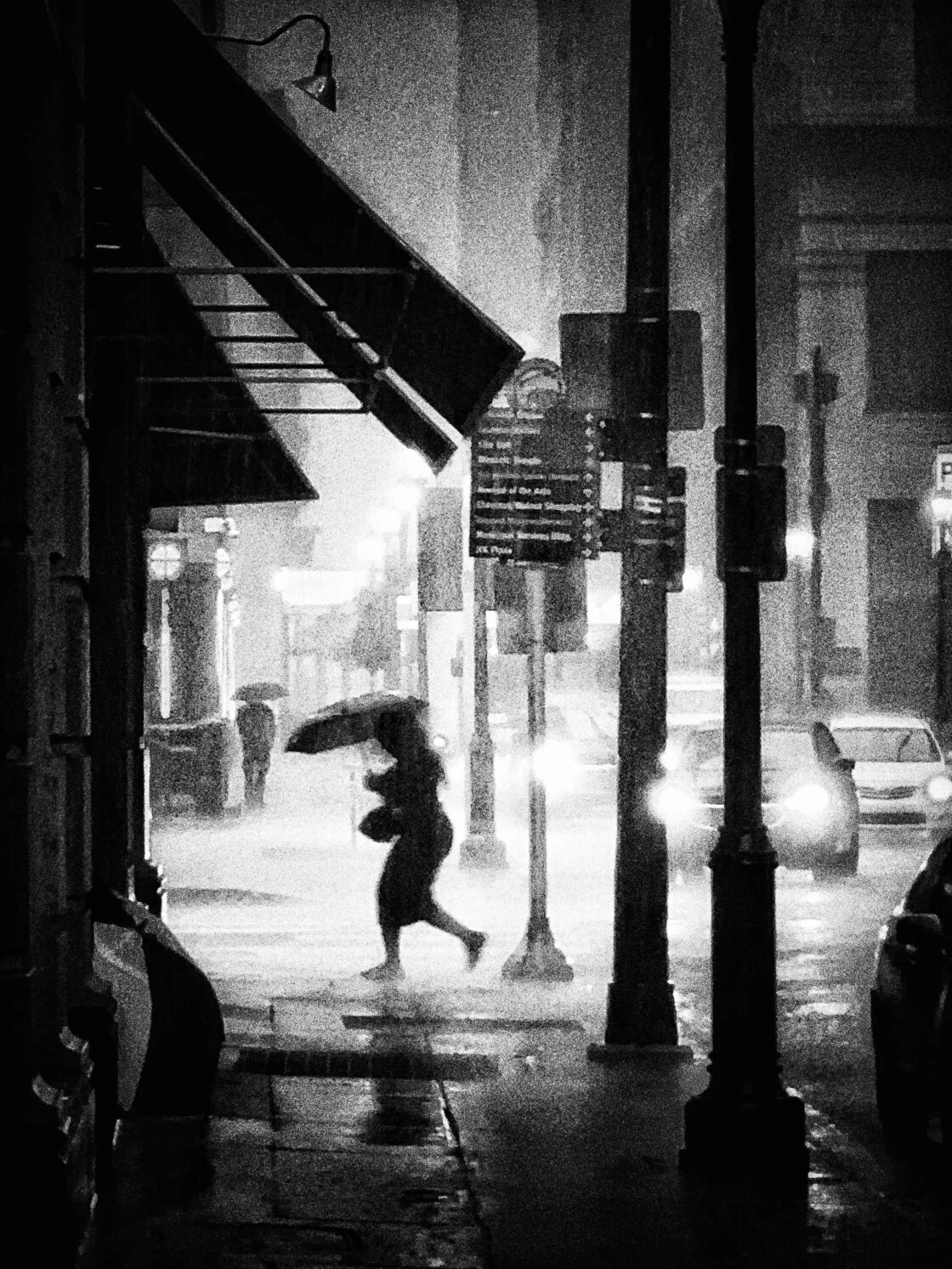
In the realm of professional portraiture, the management of light is considered the most critical variable. Journalistic analysis of contemporary mobile photography trends indicates a move away from flat, even lighting toward high-contrast environments. High-contrast lighting, characterized by the stark juxtaposition of bright highlights and deep shadows, allows photographers to create a sense of drama and three-dimensionality.
To achieve this on an iPhone, experts suggest utilizing the device’s exposure compensation settings. By tapping on the subject’s face to set the focus and then sliding the exposure icon (represented by a sun symbol) downward, the photographer can artificially deepen the shadows while maintaining detail in the highlights. This technique is particularly effective in black-and-white photography, where the absence of color places a greater emphasis on form and texture. Industry data suggests that high-contrast images often receive higher engagement on visual social media platforms due to their "stopping power" and mood-evoking qualities.
2. Geometric Light Patterns and Modification
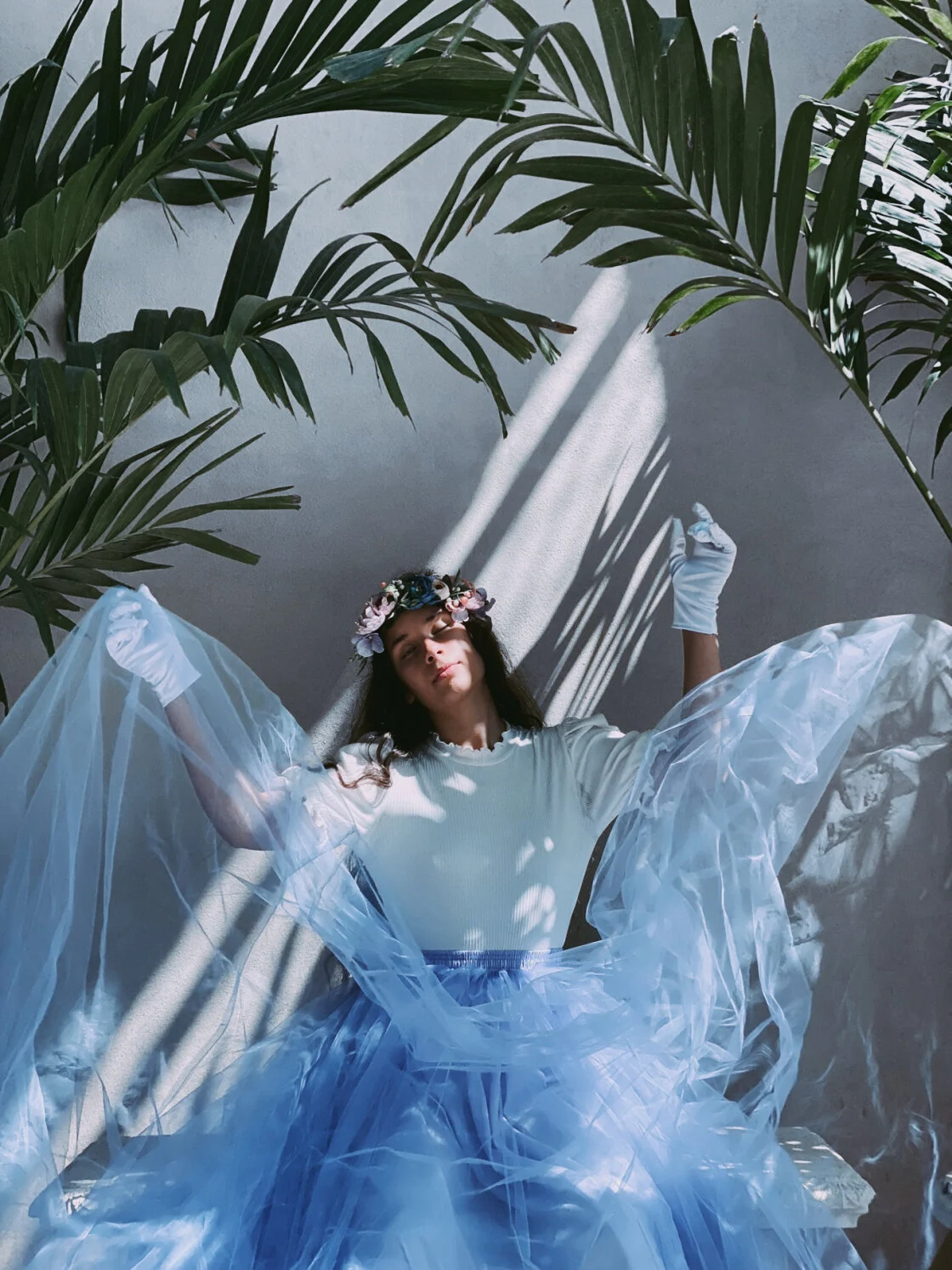
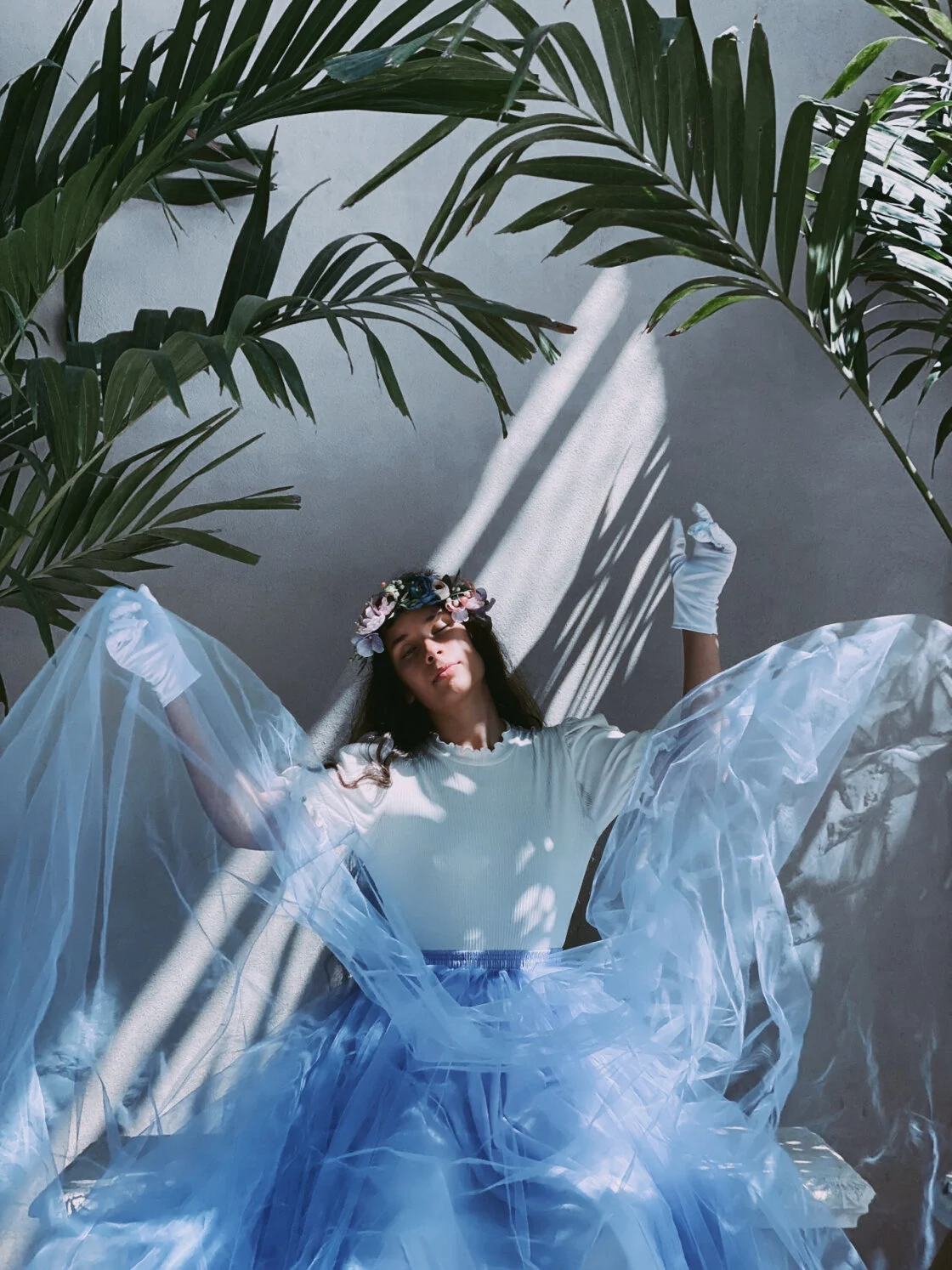
Beyond simple contrast, the use of patterned light provides a layer of visual complexity. This involves "modifying" the light source before it reaches the subject. In professional studio settings, this is achieved using "gobos" (go-betweens), but in mobile photography, environmental elements serve this purpose. Sunlight filtering through window blinds, architectural fences, or botanical leaves creates organic or geometric patterns across the subject’s face.
The technical challenge in mobile photography is the iPhone’s tendency to "flatten" these shadows through automatic HDR (High Dynamic Range) processing. To preserve these patterns, photographers must often lock the AE/AF (Auto Exposure/Auto Focus) by long-pressing the screen. This prevents the camera’s software from over-correcting the shadows, ensuring that the intended pattern remains sharp and defined.
3. Ergonomics and Psychological Posing Techniques
The relationship between the photographer and the subject is fundamental to a successful portrait. Professional posing is not merely about aesthetics; it is an exercise in ergonomics and psychology. One effective technique involves the use of "natural frames." By instructing a subject to use their hands to frame their face—placing one hand near the jawline and another higher up—the photographer creates a visual lead-in that directs the viewer’s eye toward the subject’s expression.
Furthermore, changing the camera’s physical perspective can alter the viewer’s perception of the subject. Shooting from a low angle, for instance, can make a subject appear more powerful or heroic. Conversely, a low-angle shot using a wide-angle lens can be used for avant-garde "forced perspective" shots, such as a subject kicking toward the lens. Data from photography workshops indicates that subjects often feel more confident when given specific, active tasks with their hands or feet, leading to more authentic and less "stiff" portraits.
4. Atmospheric Mood through Intentional Motion
A common criticism of mobile photography is that it can feel overly "static" or clinical. To counter this, photographers are increasingly incorporating movement to evoke a "dreamy" or ethereal mood. This is often achieved through the use of flowing fabrics or long hair.
The iPhone’s "Burst Mode" is a critical tool for capturing these fleeting moments. By holding the shutter button (or dragging it to the left on newer models), the device captures a rapid sequence of images at 10 frames per second. This allows the photographer to choose the exact millisecond where a falling dress or a strand of hair reaches its most aesthetically pleasing position. This technique leverages the device’s high shutter speed to freeze motion in a way that feels intentional rather than accidental.
5. Multi-Subject Dynamics and Depth Mapping
Posing two or more people introduces complexities regarding focal planes and emotional connection. When two subjects are in the frame, the iPhone’s Portrait Mode algorithm must work harder to distinguish between the foreground, the subjects, and the background.
One sophisticated approach is to place subjects at varying distances from the lens. By having a taller subject stand closer to the camera and a shorter subject further back, the photographer creates a sense of depth that a standard side-by-side pose lacks. In this scenario, the use of "Portrait Mode" is essential, as it uses the dual lenses or LiDAR sensor to calculate a depth map, ensuring that the focus remains sharp on the primary subject while the secondary subject receives a gentle, realistic blur. This mimics the behavior of a 50mm or 85mm prime lens on a full-frame camera.
6. Narrative Storytelling through Props
In journalistic photography, a portrait is often judged by its ability to tell a story without words. Props are the primary vehicles for this narrative. A single object—a vintage book, a coffee cup, or a wilting flower—can shift the context of a portrait from a simple likeness to a thematic study.
The selection of props must be deliberate. For instance, flowers can symbolize growth or fragility, while a blindfold might represent internal conflict or a lack of agency. When using props, the iPhone photographer must be mindful of the "clutter" factor. The device’s wide-angle lens often captures more of the environment than desired. To maintain focus on the narrative, experts recommend using the "Telephoto" lens (available on Pro models) to compress the frame and keep the prop and subject as the central focus.
7. Wardrobe Selection and Color Theory
The final pillar of creative portraiture is the styling of the subject. The color and texture of clothing have a profound impact on the image’s "visual weight." Color theory suggests that "analogous" colors (colors next to each other on the color wheel, such as green and blue) create a sense of harmony, making them ideal for natural, peaceful portraits. On the other hand, "complementary" colors (such as a subject in a red dress against a green forest) create a high-energy contrast that immediately draws the eye.
Furthermore, the choice of fabric texture—such as wool for coziness or sequins for glamour—interacts with the light sources mentioned earlier. Sequin outfits, for example, create "specular highlights" (tiny bright spots of light) that the iPhone’s software can enhance to add a sense of luxury to the image.
Supporting Data and Market Analysis
The rise of high-quality mobile portraiture is supported by significant industry data. According to the 2023 "State of Photography" report, mobile phones now account for approximately 92.5% of all photos taken globally. Furthermore, the photo-sharing platform Flickr reported that iPhones remain the most popular "camera" brand among its users, consistently outperforming traditional manufacturers like Canon and Nikon in terms of sheer volume of uploads.
This shift has led to the professionalization of mobile photography. A 2022 survey of professional wedding and event photographers found that 45% now use a high-end smartphone as a secondary "B-roll" camera, citing the device’s ability to blend into crowds and capture candid portraits that large DSLRs might miss.
Official Responses and Expert Perspectives
Photography equipment manufacturers have had to adapt to this "mobile-first" reality. While companies like Sony and Fujifilm continue to innovate in the mirrorless market, they have also begun collaborating with smartphone brands—such as Sony’s work with its Xperia line and Leica’s partnership with various mobile manufacturers—to bring professional glass and color science to smaller sensors.
Expert photographers, such as those featured in the iPhone Photography School, emphasize that while the hardware is impressive, the "human element" remains the most important factor. "The technology is just a tool," says one industry analyst. "The ability to see light, understand the subject, and compose a story is what separates a snapshot from a compelling portrait."
Broader Impact and Future Implications
The implications of these creative techniques extend beyond the realm of art. As mobile portraiture becomes more accessible, it democratizes the ability for individuals and small businesses to create high-quality visual content for marketing, personal branding, and journalism.
Looking forward, the integration of Artificial Intelligence (AI) and Generative Fill technology within mobile editing suites is expected to further blur the lines between reality and digital enhancement. Future iterations of the iPhone are rumored to include even larger sensors and "variable aperture" lenses, which would provide photographers with even more control over light and depth. As these tools evolve, the focus will remain on the fundamental principles of photography: light, composition, and the enduring power of the human face to tell a story.