Each year, a comprehensive analysis of rental data provides invaluable insights into the evolving landscape of the photography and videography industry. As the premier rental house in America, the data collected over 2025 holds significant weight, offering a granular view of market trends, user preferences, and the direction professional tools are heading in the years to come. This annual report, eagerly anticipated by industry professionals, manufacturers, and enthusiasts alike, serves as a critical barometer for the sector. The 2025 findings underscore several enduring trends while also highlighting subtle shifts in consumer behavior and technological adoption.
The Shifting Landscape of Professional Gear Rentals: An Industry Overview
The photography and videography industry has been in a state of dynamic transformation for over a decade, driven primarily by the rapid advancement of mirrorless camera technology, the convergence of still and motion capture, and the exponential growth of content creation across digital platforms. Rental houses play a pivotal role in this ecosystem, providing access to cutting-edge and specialized equipment that might be cost-prohibitive for individual purchase. This democratizes high-end production capabilities, allowing creators to utilize the best tools for specific projects without the burden of ownership and rapid depreciation. The data from 2025 reflects a mature mirrorless market, where stability, reliability, and versatility are prized attributes, particularly for rented equipment. The methodology for this report prioritizes the sheer volume of rentals over revenue, offering an unbiased perspective on what gear is most frequently put into professional and semi-professional use, thereby providing a truer reflection of mainstream demand.
Dominance of Versatility: Top Lenses of 2025
Conventional wisdom within the photographic community often champions the superior optical quality and light-gathering capabilities of prime lenses, encapsulated by the adage "Prime is King." However, the 2025 rental data consistently challenges this notion, particularly in the rental market, where versatility and efficiency frequently outweigh specialized performance for a single focal length. The most popular rental for 2025, determined by the highest number of rental transactions, was the Canon RF 24-70mm f/2.8L IS. This mid-range zoom lens exemplifies the demand for adaptable tools capable of handling a wide array of shooting scenarios, from events and portraits to landscapes and documentary work, without the need for frequent lens changes. Its robust build quality, excellent image stabilization, and constant f/2.8 aperture make it a workhorse for professionals.
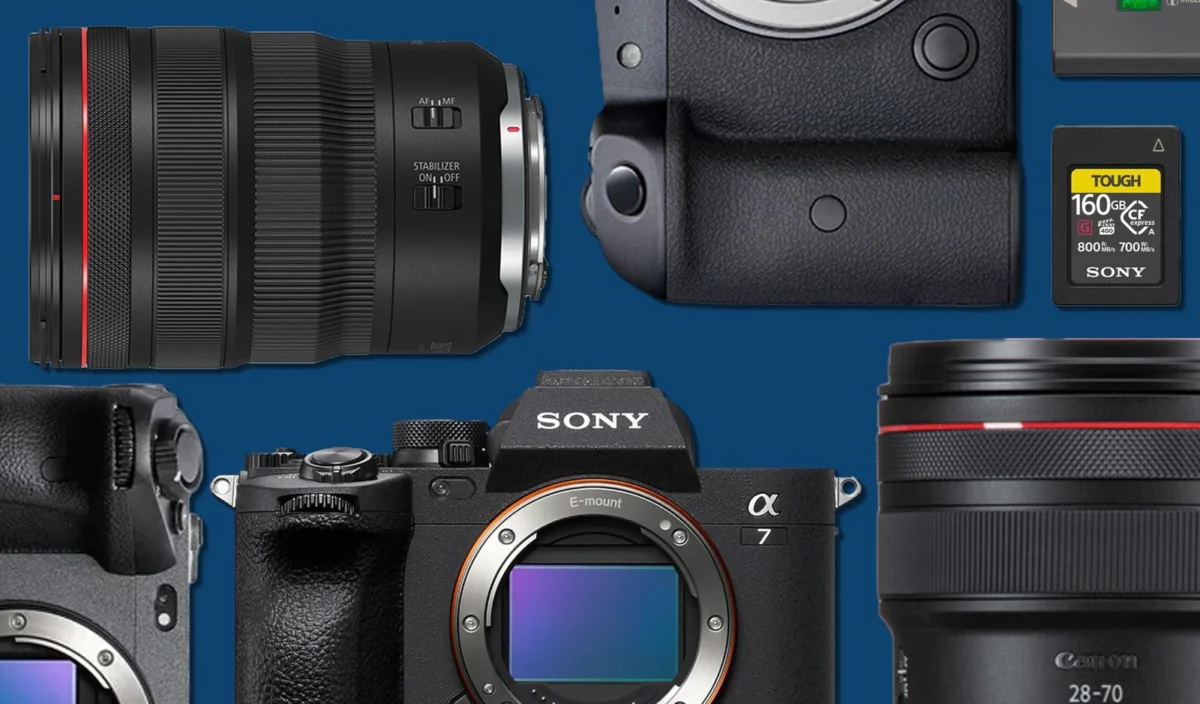
Following closely behind was the Canon RF 28-70mm f/2L, an even faster, albeit slightly shorter-ranged, zoom lens. Its f/2 aperture provides exceptional low-light performance and shallower depth of field, blurring the line between zoom and prime performance. The strong showing of these two lenses highlights a clear preference for general-purpose optics in the rental market. Industry analysts suggest that this trend is a direct reflection of the diverse projects undertaken by rental clients, who often require a single, highly capable lens to cover multiple requirements within a single rental period. The cost-effectiveness of renting one versatile zoom rather than several specialized primes for a mixed-genre shoot is a significant factor.
The data further underscores this preference for zooms, with the first prime lens not appearing until the 17th position on the overall most popular rentals list: the Canon RF 50mm f/1.2L. While a highly regarded lens known for its exceptional bokeh and low-light prowess, its later appearance suggests that primes are often rented for specific, artistic projects where their unique characteristics are paramount, rather than for general-purpose assignments. The top 20 lens rentals for 2025 were overwhelmingly dominated by Canon and Sony, the two titans of the mirrorless full-frame market. Only one third-party lens managed to break into this exclusive list: the Sigma 24-70mm f/2.8 DN Art, mirroring the popularity of its first-party counterparts. This indicates a strong brand loyalty or perceived reliability in native lens ecosystems, particularly for rental users who depend on seamless compatibility and performance. The practical nature of these selections—covering common focal lengths essential for broad shooting styles—demonstrates that reliability and functional breadth are key drivers in rental choices.
Camera Performance: Canon Leads, Sony Expands, Others Struggle
The camera rental data for 2025 presented some compelling and, for many, surprising results. Topping the list of most rented cameras was the Canon R6 Mark II. This camera’s ascendancy is particularly noteworthy given the presence of higher-resolution and more feature-rich models like the Canon R5 Mark II (ranking 8th) and the original Canon R5 (ranking 4th). The R6 Mark II’s success can be attributed to its remarkable balance of performance, versatility, and cost-efficiency. It offers excellent autofocus, robust video capabilities (including 4K 60p oversampled from 6K), and a high-performing 24.2-megapixel sensor, making it an ideal hybrid camera for both photographers and videographers who require reliability without the premium price tag or file sizes associated with 45-megapixel sensors. Its appeal lies in its "sweet spot" positioning, offering professional-grade features without unnecessary overkill for many projects.
Sony, a consistent innovator in the mirrorless space, demonstrated a formidable presence in 2025, with nine different camera models gracing the top twenty most rented cameras. This extensive representation spans a wide spectrum, from professional cinema cameras like the Sony FX6, favored for its exceptional video quality and compact form factor, to more accessible point-and-shoot options such as the Sony Cybershot RX100 VII, a testament to Sony’s broad market penetration and diverse product offerings catering to various creative needs and budgets. The FX6’s popularity in particular highlights the ongoing demand for dedicated video solutions that offer advanced features like internal ND filters, professional audio inputs, and robust codecs for cinematic productions.
Conversely, the absence of Fujifilm cameras in the top twenty was a notable point of discussion among industry observers. While Fujifilm commands a dedicated and passionate user base known for its unique color science and retro design, their market share in the professional rental sector, particularly for full-frame equivalent systems, appears to be limited. Similarly, Nikon, once a dominant force, secured only one spot in the top twenty with the Nikon Z8. The Z8, a highly capable professional-grade camera often dubbed a "mini Z9," offers exceptional speed and video capabilities. Its single appearance, however, suggests that while Nikon continues to produce high-performing cameras, their overall rental volume has yet to match the broader market penetration of Canon and Sony in 2025. This disparity points to the challenges faced by manufacturers in an intensely competitive market, where brand ecosystem, existing lens availability, and widespread user familiarity play significant roles in rental choices.
The Unsung Heroes: Accessories and Support Gear
Beyond cameras and lenses, the ecosystem of accessories forms the bedrock of any professional production. The 2025 rental data for accessories, defined broadly as everything from cables to lighting equipment, revealed a consistent pattern: the overwhelming demand for fundamental, essential items. Topping this list were batteries and memory cards. This comes as no surprise, as modern mirrorless cameras, which now dominate the market, are notoriously power-hungry compared to their DSLR predecessors. High-resolution sensors, advanced image stabilization, continuous autofocus, and extensive video recording capabilities all contribute to increased battery drain. Similarly, the demand for high-capacity, high-speed memory cards is a direct consequence of the massive data generated by 4K, 6K, and even 8K video capture, alongside high-megapixel still photography. Reliable and fast storage is non-negotiable for professional workflows.
What was perhaps more surprising was the relative scarcity of specialized lighting gear or drone equipment within the top twenty accessory rentals. Apart from the DJI TB50 battery (ranking 18th), which supports popular drone models like the DJI Inspire series, dedicated lighting kits, advanced grip equipment, or drone units themselves did not feature prominently. This might suggest several things: professionals often own their basic lighting setups (e.g., LED panels, small strobes) or prefer to rent highly specialized lighting and drone systems from dedicated vendors that cater exclusively to those niches, rather than general photography/videography rental houses. The remaining positions on the accessory list were filled by practical support equipment such as light stands and tripods, underscoring their perpetual importance as foundational elements of any shoot.
Brand Market Share: A Landscape of Entrenched Leaders
The brand market share analysis for 2025, based on revenue, offers a different perspective, often skewed towards higher-priced, specialized brands that generate significant revenue per rental despite lower volume. Nonetheless, it largely reinforces the narrative of established dominance.
Brand Market Share for 2025 by Revenue
| Brand | 2023 Market Share | 2024 Market Share | 2025 Market Share |
|---|---|---|---|
| Canon | 23.96% | 25.69% | 26.51% |
| Sony | 19.13% | 20.45% | 21.66% |
| Nikon | 4.88% | 5.91% | 5.56% |
| DJI | 3.31% | 3.80% | 4.29% |
| Blackmagic | 3.57% | 3.30% | 3.15% |
| Sigma | 3.32% | 3.34% | 3.13% |
| Fuji | 2.24% | 2.59% | 2.79% |
| Aputure | 2.03% | 2.37% | 2.29% |
| Panasonic | 1.94% | 1.98% | 2.01% |
| Leica | 1.64% | 1.47% | 1.52% |
| RED | 2.03% | 1.27% | 1.11% |
| Sachtler | 1.38% | 1.07% | 1.05% |
Canon maintained its leading position with a 26.51% market share in 2025, demonstrating consistent growth from previous years (23.96% in 2023, 25.69% in 2024). This sustained leadership can be attributed to its robust ecosystem, strong brand loyalty, and the aforementioned popularity of its versatile RF-mount cameras and lenses. Sony continued its upward trajectory, reaching 21.66% in 2025, a steady increase from 19.13% in 2023. Sony’s aggressive innovation, broad product line, and early adoption of mirrorless technology have solidified its position as a formidable challenger and a favorite among many professionals.
Nikon’s market share saw a slight dip to 5.56% in 2025 from 5.91% in 2024, indicating the ongoing struggle to reclaim its historical dominance in the face of Canon and Sony’s mirrorless surge. While the Z8 is a strong product, the broader ecosystem and user base conversion remain a challenge. DJI, a leader in drone technology, showed consistent growth, moving from 3.31% in 2023 to 4.29% in 2025, reflecting the increasing integration of aerial videography and photography into mainstream production. This modest but steady growth signifies the enduring importance of drone technology.
Brands like Blackmagic, Sigma, Fuji, Aputure, Panasonic, Leica, RED, and Sachtler represent various specialized niches. Blackmagic and RED, known for their high-end cinema cameras, and Leica for its premium optics, illustrate how revenue share can be influenced by high-value products despite lower rental volumes. RED, for instance, saw its share decrease from 2.03% in 2023 to 1.11% in 2025, possibly indicating a shift towards more accessible cinema cameras or increased competition in the high-end market. Fuji, despite its absence from the top 20 camera list by volume, saw a slight increase in revenue share to 2.79%, suggesting that while fewer units are rented, those that are tend to be higher-value items. Overall, the market share data reveals a stable, albeit fiercely competitive, landscape with Canon and Sony firmly at the helm.
Innovation and Refresh Cycles: New Gear Debuts in 2025
The analysis of "most popular new gear" for 2025 comes with inherent caveats. Products released earlier in the year naturally have a greater advantage in accumulating rental orders compared to those launched in the latter months. Furthermore, this list reflects new additions to the rental house’s inventory, which might include products released in previous years but newly acquired due to growing demand or strategic expansion into new market segments.
Leading the front for new products was the updated version of the highly regarded Manfrotto 190 series tripod. This refresh of a common, video-focused tripod with years of proven reliability underscores the importance of fundamental, dependable support equipment. While not a flashy camera or lens, an updated, robust tripod series resonates with professionals who prioritize stability, versatility, and ease of use on set.
A significant debut on these lists from a lighting company was the Amaran COB 200x. This 200W bi-color monolight, offering both battery and AC power options, quickly gained traction due to its versatility and affordability. The ability to switch between battery and AC power makes it exceptionally adaptable for both studio and on-location shoots, catering to the growing demand for portable and flexible lighting solutions. Its popularity signifies the increasing sophistication and accessibility of LED lighting technology for a wide range of content creators.
Beyond these two standout items, the list of popular new gear for 2025 was largely characterized by refreshes of existing, popular equipment. These updates offered marginal improvements and iterative enhancements to already exceptional products, rather than revolutionary breakthroughs. This characterization of 2025 as an "otherwise transitional year" suggests a period where manufacturers focused on refining their current lineups, addressing user feedback, and optimizing performance within established technological frameworks, rather than introducing entirely new paradigms. This reflects a mature market that values incremental improvements and reliability over radical, unproven innovation.
Broader Implications and Future Outlook
The 2025 rental data paints a clear picture of a professional photography and videography market that values established reliability, comprehensive ecosystems, and practical versatility. The dominance of Canon and Sony, driven by their robust mirrorless offerings and extensive lens lineups, is undeniable. The preference for mid-range zoom lenses over primes in the rental sphere highlights the pragmatic needs of content creators who require efficient, all-encompassing tools for diverse projects.
The successful performance of the Canon R6 Mark II underscores a market segment that prioritizes a balanced feature set and excellent performance without necessarily demanding the highest megapixel counts or most extreme video specifications. Sony’s broad representation, from cinema cameras to compacts, demonstrates the success of a multi-faceted product strategy. The struggles of other brands to gain significant rental traction suggest the immense challenge of competing against entrenched ecosystems and strong brand loyalty.
Looking ahead to 2026 and beyond, several trends are likely to intensify. The "transitional year" of 2025 might foreshadow a period where innovation shifts from purely hardware-centric advancements to a greater emphasis on computational photography, AI-driven features, and seamless integration with post-production workflows. Manufacturers will likely continue to refine their mirrorless offerings, focusing on improved battery life, advanced autofocus algorithms, and enhanced video codecs. The role of third-party lens manufacturers will be critical in offering competitive alternatives within the dominant Canon RF and Sony E mounts.
The consistent growth of DJI’s market share suggests that aerial photography and videography will continue to be an integral part of content creation, prompting further development in drone technology and integration with ground-based workflows. Furthermore, the popularity of versatile lighting solutions like the Amaran COB 200x indicates a growing market for accessible, high-performance lighting gear that caters to the evolving needs of independent creators and small production teams.
In conclusion, the 2025 rental data from America’s premier rental house serves as a vital snapshot of an industry in constant motion. It provides concrete evidence of professional preferences, market leadership, and the enduring demand for tools that empower creativity with reliability and efficiency. Understanding these trends is paramount for manufacturers to guide their product development, for content creators to make informed gear choices, and for the broader industry to anticipate the next wave of innovation.