The dynamic landscape of modern event content creation frequently demands rapid improvisation and technical acumen from production professionals. This was vividly demonstrated during a recent convention shoot on April 27, 2026, where cinematographer Tony Kim successfully navigated an unexpected client request for two distinct, high-impact visual styles: high-speed "Glambot"-esque shots and spontaneous person-on-the-street interviews. The mid-shoot pivot underscored the critical importance of preparedness, technical versatility, and strategic equipment deployment in delivering diverse, broadcast-quality content under tight deadlines and budget constraints.
The Unforeseen Challenge: A Mid-Convention Pivot
Convention shoots are inherently fast-paced, often requiring meticulous pre-planning to capture the breadth of an event, from keynote speakers and exhibitor booths to attendee interactions. However, even the most comprehensive plans can be upended by evolving client needs. For Kim, the directive came midway through the day: integrate "Glambot" style shots, typically reserved for high-profile red-carpet events like the Oscars or Emmys, followed immediately by candid interviews with attendees. This presented a significant logistical and technical challenge, demanding a seamless transition between highly stylized, technically complex slow-motion capture and agile, journalistic-style vox pops.
The request for "Glambot" shots, renowned for their ultra-smooth, high-speed camera movements on robotic arms, immediately raised questions of feasibility and budget. A true Glambot system involves specialized robotic camera arrays, often costing tens of thousands of dollars per day to rent, far exceeding the typical budget for a standard convention shoot. Kim’s task was to replicate the aesthetic and impact of these sophisticated setups using conventional, albeit professional-grade, cinematography tools.
Replicating High-End Glamour on a Realistic Budget
The essence of a "Glambot" shot lies in its precision, fluidity, and the captivating slow-motion capture of subjects in dynamic poses. Achieving this without the specialized robotic arm necessitated a deep understanding of high-speed cinematography principles, particularly concerning lighting, focus, and camera stabilization.
Mastering High-Speed Technicalities:
High-speed shooting is fundamentally demanding on light. The core principle dictates that shutter speed must be at least double the frame rate to achieve natural-looking motion blur in slow-motion playback. Kim opted to shoot at 120 frames per second (fps) in 4K resolution on a Sony FX3 camera. This mandated a minimum shutter speed of 1/240th of a second. Such a fast shutter speed significantly reduces the amount of light reaching the camera sensor, necessitating powerful illumination to maintain proper exposure and image quality.
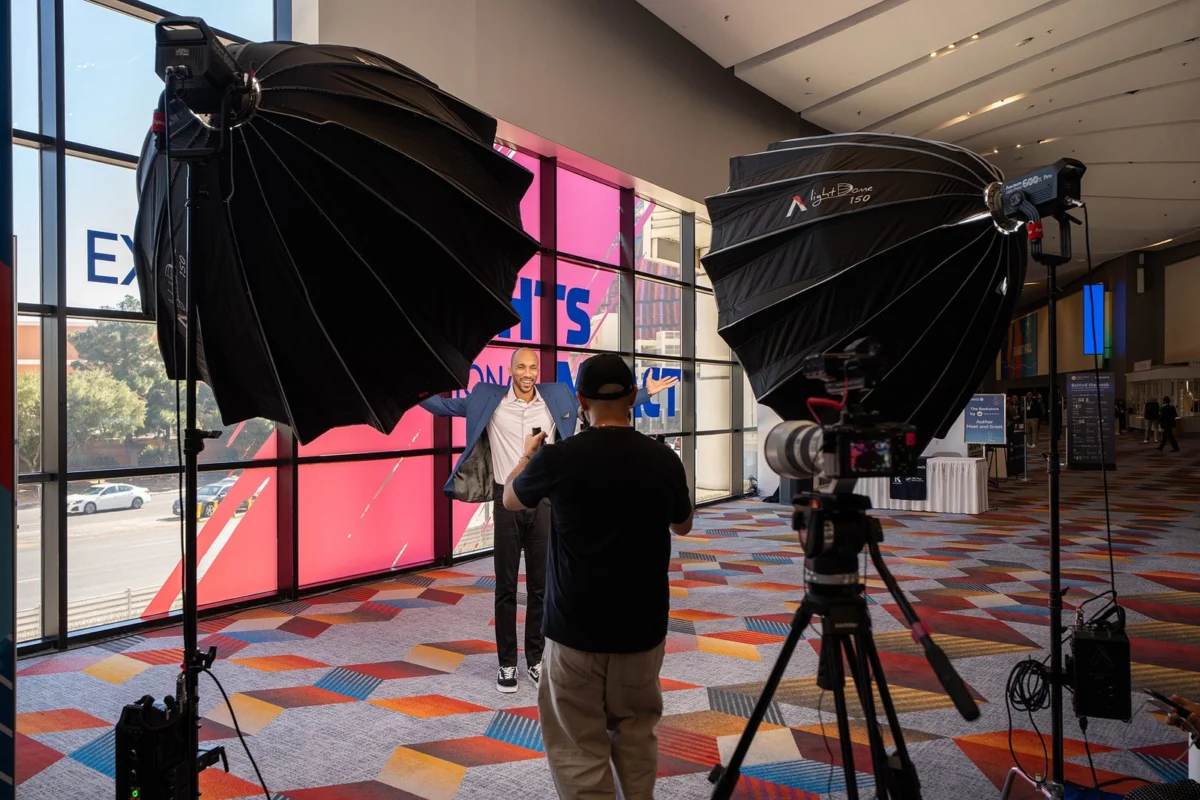
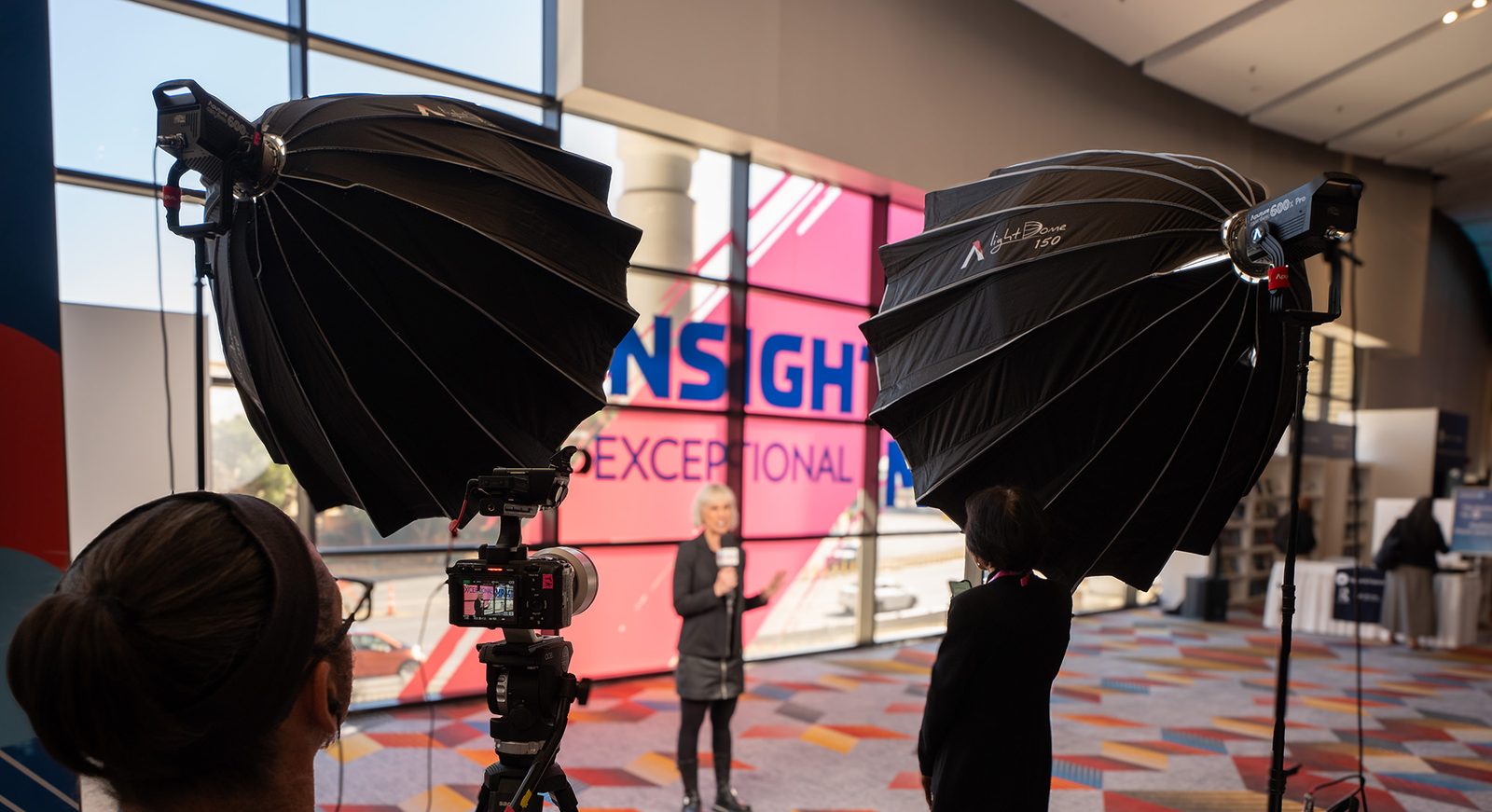
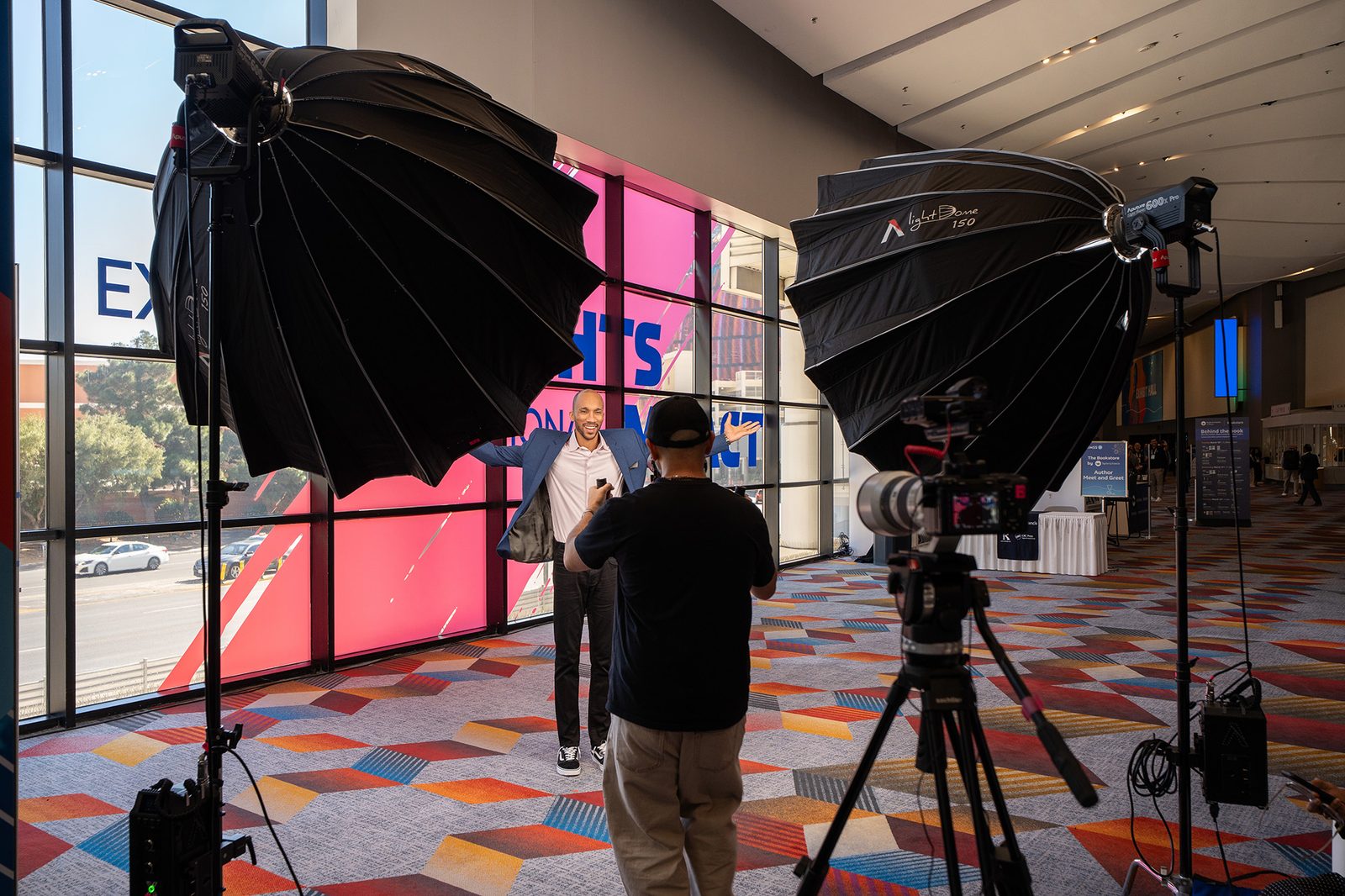
To overcome this, Kim deployed two Aputure LS 600x Pro bi-color LED lights, each paired with a 60-inch Aputure Light Dome 150 softbox. The Aputure 600x units are renowned for their exceptional output, capable of delivering immense lumens while offering bi-color flexibility. The large softboxes were crucial for diffusing this intense light, creating a soft, flattering, and expansive light source that enveloped the subjects, mimicking the polished look of a professional studio setup despite the convention floor environment. The combination provided the necessary "firepower" to expose subjects correctly at high shutter speeds while delivering a cinematic quality of light.
Navigating Focus Without Automation:
One of the distinct advantages of a true Glambot system is its pre-programmed focus pulling, synchronized precisely with the robotic arm’s movement path. Without a dedicated focus puller or an automated system, maintaining sharp focus on a moving subject while the camera itself is in motion becomes a significant challenge. Kim’s solution involved a strategic use of depth of field. By stopping down the lens aperture to approximately f/8, he created a wider plane of focus. This provided sufficient "wiggle room" to keep the subject sharp as the camera pushed in, a signature movement of Glambot shots, without requiring constant, minute focus adjustments. This technique, while demanding more light, proved essential for achieving consistent sharpness in a dynamic, single-operator environment.
Achieving Cinematic Movement Manually:
The smooth, controlled motion path of a robotic arm is difficult to replicate by hand. Kim mounted the Sony FX3 onto a DJI Ronin RS4 Pro gimbal, a professional-grade stabilization system known for its precise motor control and payload capacity. Crucially, he augmented the setup with Tilta dual handles. While a single-handed push-in could introduce unwanted jitters, the dual handles provided enhanced stability and control, allowing for a more deliberate and consistent camera movement. This setup enabled Kim to execute the sweeping, controlled push-in shots that characterize the Glambot aesthetic, giving the impression of a sophisticated, automated system through skilled manual operation. Following a series of practice runs, the improvised setup delivered results that, on screen, convincingly emulated the high-energy, slow-motion glamour typically associated with much more expensive rigs.
Seamless Transition to Candid Interviews
The pivot from high-fashion slow-motion to impromptu journalistic interviews demanded a rapid reconfiguration of gear and mindset. The objective shifted from artistic movement to capturing authentic, clear audio and relatable visuals from convention attendees within strict time limits.
Optimizing for Speed and Clarity in Interviews:
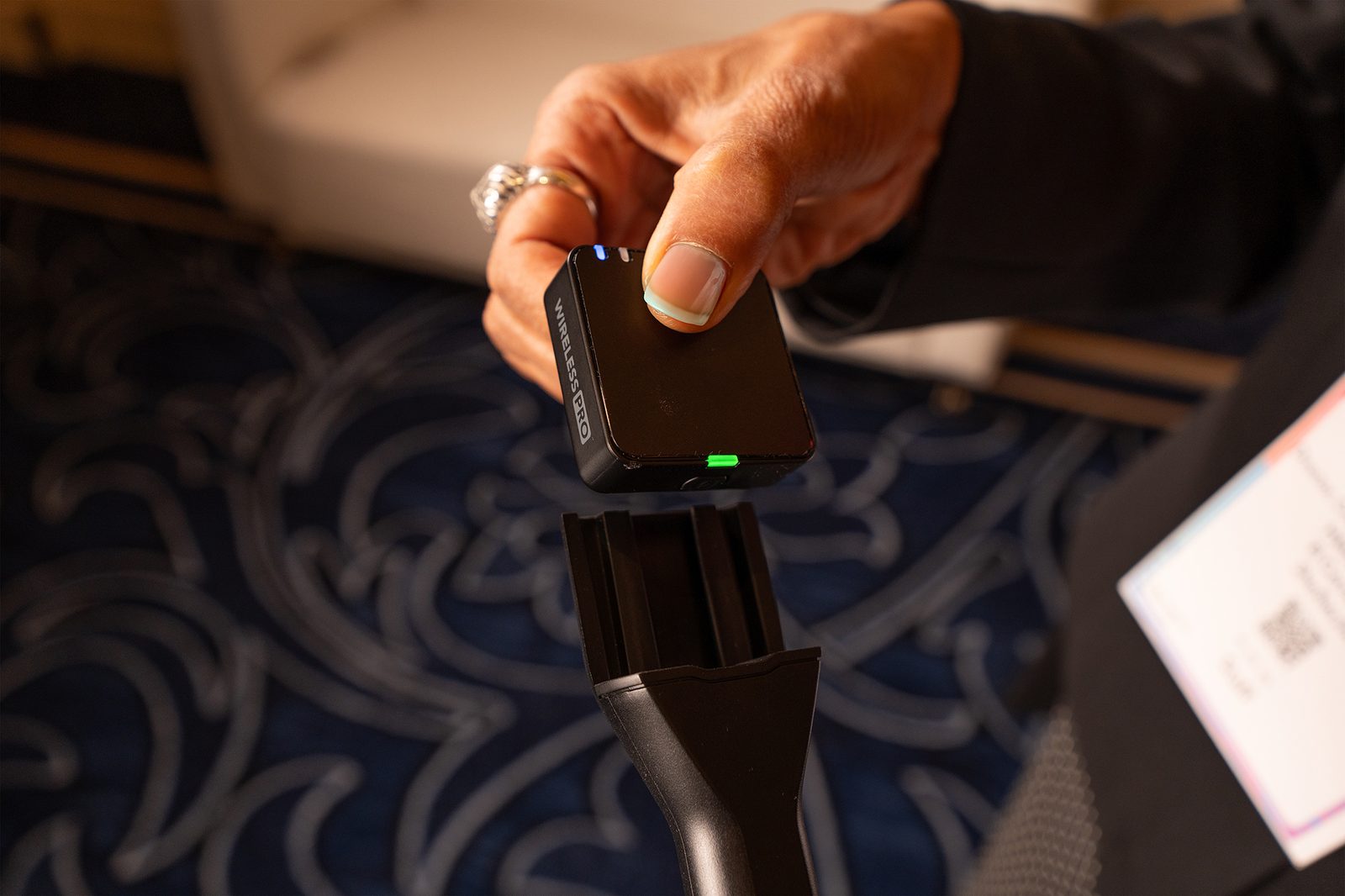
For the "person-on-the-street" interviews, efficiency was paramount. Kim set up a second Sony FX3 on a tripod, providing a stable, traditional interview framing. For audio, the Rode Wireless Pro 2-person lav mic system was chosen for its reliability and ease of use. A key piece of equipment for this segment was the Rode Interview GO Handheld Mic Adapter. This adapter allowed a Rode Wireless Pro transmitter to be quickly snapped into a handheld microphone form factor. This eliminated the time-consuming process of clipping lavalier microphones onto subjects or managing cumbersome cables, enabling rapid deployment. Attendees could simply be handed the microphone, streamlining the setup for each five-minute interview slot and ensuring clean, broadcast-quality audio.
The Psychological Advantage of a Longer Lens:
For the visual capture of the interviews, Kim selected a Sony 70-200mm f/4 G OSS lens. While longer focal lengths are often chosen for their aesthetic properties, such as background compression and subject isolation, Kim’s primary motivation was psychological. Many convention attendees are unaccustomed to being on camera and can become visibly tense when a wide-angle lens or a camera operator is positioned close to their face. By using the 70-200mm lens, Kim could maintain a greater physical distance from the interview subjects. This subtle separation helped alleviate anxiety, allowing attendees to relax, feel less scrutinized, and consequently, engage more authentically in conversation. The result was more natural, engaging interviews that captured genuine reactions and insights from the event participants.
Industry Context and Broader Implications
This shoot exemplifies several growing trends within the media production industry. The increasing demand for diverse, high-quality content across multiple platforms (from cinematic social media clips to informative interview segments) places immense pressure on cinematographers to be adaptable and technically proficient. Clients, driven by the need for engaging online presence, often seek premium aesthetics without necessarily appreciating the complex technical and budgetary requirements.
The Rise of Versatile Cinematographers:
The ability of a single cinematographer, like Tony Kim, to execute such varied technical requirements underscores the evolving skillset necessary for success in today’s production environment. Professionals are increasingly expected to be not just camera operators but also lighting technicians, audio engineers, and creative problem-solvers, capable of pivoting between genres and technical demands seamlessly.
The Critical Role of Equipment Rental Services:
A crucial enabler for this kind of agile production is the accessibility of high-quality equipment through rental services. Kim specifically highlighted the invaluable role of Lensrentals.com, noting the convenience of having specialized gear delivered directly to his hotel the day before the shoot. This flexibility allows cinematographers to access a wide array of tools that would be prohibitively expensive to own outright, facilitating bespoke solutions for unique client requests and unexpected challenges. This model supports a more lean and efficient production workflow, allowing resources to be allocated effectively without significant capital investment in niche equipment.
Economic Efficiencies in Production:
The improvised "Glambot" solution serves as a testament to creative problem-solving under budget constraints. While a genuine Glambot rental can cost upwards of $10,000 to $20,000 per day, Kim’s setup utilized readily available professional gear (camera, gimbal, high-power LEDs) that, when rented, represents a fraction of that cost. This not only provided significant cost savings for the client but also demonstrated that high production value can be achieved through ingenuity and technical expertise rather than solely through exorbitant budgets.
Future of Event Content:
The success of this shoot points to the future of event videography, where hybrid content strategies are becoming the norm. Events are no longer just about capturing speeches; they are about generating shareable, dynamic content that extends their reach and engagement long after the attendees have left. This requires professionals who can blend documentary-style capture with highly polished, visually striking elements.
Conclusion: The Art of Resourceful Production
Ultimately, the convention shoot served as a powerful illustration that success in contemporary media production is not solely predicated on access to the most expensive or technologically advanced equipment. Instead, it hinges on a blend of adaptability, technical mastery, and resourceful problem-solving. Whether it involved mimicking the sophisticated motion of a robotic arm with a gimbal and judicious lighting, or employing a longer lens to foster comfort and authenticity in interview subjects, the overarching goal remained consistent: to capture the dynamic energy and diverse narratives of the moment without the technical apparatus becoming a distraction.
The demanding shift from high-fashion flair to run-and-gun journalism, all within a single event, underscores the intrinsic beauty and challenge of modern production. For professionals like Tony Kim, being prepared for the inevitable curveballs and knowing how to maximize available tools are not just desirable traits, but essential competencies that allow the results to speak for themselves, affirming the value of a skilled and adaptable cinematographer in an ever-evolving media landscape.