The manipulation of light stands as the singular most critical element in the creation of compelling visual narratives, whether captured through a still lens or a cinematic frame. Beyond merely illuminating a scene for exposure, light sculpts form, evokes emotion, defines texture, and guides the viewer’s eye, transforming a mere recording into an intentional piece of art. Industry experts and seasoned practitioners consistently emphasize that true mastery in photography and videography hinges not on the quantity or cost of equipment, but on a profound understanding and skillful application of three fundamental principles: Intensity, Quality, and Direction. These pillars form a hierarchical framework, enabling visual artists to transcend simple image capture and embark on a journey of deliberate image crafting. This understanding is universally applicable, governing not only controlled studio environments with sophisticated strobes and LEDs but also the dynamic, ever-shifting nuances of natural light.
The Indispensable Role of Illumination in Visual Arts
From the nascent stages of photography in the 19th century, when long exposures necessitated ample, consistent light, to the sophisticated multi-point lighting setups of modern cinema, the control of illumination has been central to visual storytelling. Early practitioners often relied heavily on natural sunlight, using reflectors and diffusers to manage its inherent qualities. The advent of artificial light sources, from magnesium flashes to incandescent bulbs and later powerful strobes and LEDs, progressively offered artists unprecedented control, democratizing the ability to shape light precisely. Today, in an era dominated by visual content, the psychological impact of light on an audience is well-documented. Bright, even lighting can convey openness and optimism, while dramatic shadows and focused highlights can evoke mystery, tension, or intimacy. This foundational understanding allows creators to move beyond technical proficiency and into the realm of expressive artistry, utilizing light as a primary tool for communication.
Intensity of Light: The Foundational "Volume" Control
The first and most immediately apparent principle of lighting is Intensity, often conceptualized as the "volume knob" of a light source. It quantifies the amount of light striking a subject and, consequently, determines the exposure settings required for a properly illuminated image or video frame. While arguably the easiest principle to comprehend, its precise control is fundamental to achieving a desired aesthetic and technical standard.
Technical Dimensions and Control:
Intensity is measured in units such as Lux (lumens per square meter) or Foot-candles (lumens per square foot), providing a standardized metric for light output. In controlled environments, the intensity of artificial light sources like studio strobes, continuous LEDs, or HMI lights is typically adjusted via physical dials, digital controls, or remote applications that regulate their power output. For ambient or natural light, control shifts to camera-based exposure settings—aperture, shutter speed, and ISO—or through the use of Neutral Density (ND) filters. ND filters reduce the amount of light entering the lens without altering its color or quality, allowing for wider apertures or slower shutter speeds even in bright conditions. Increasing the ISO sensitivity amplifies the sensor’s ability to capture light, effectively increasing the "volume" of available light, though often at the cost of introducing digital noise.
Impact and Relevance:
While straightforward, the mastery of light intensity is crucial for managing dynamic range—the difference between the brightest and darkest areas an imaging sensor can capture. Insufficient intensity leads to underexposure, losing detail in shadows, while excessive intensity results in overexposure, blowing out highlights. Modern cameras boast impressive dynamic range, but intentional control of light intensity remains paramount for achieving specific visual effects, such as creating high-key (bright, airy) or low-key (dark, moody) scenes. Historically, the limitations of early photographic emulsions with narrow dynamic ranges made precise intensity control even more critical. Today, while digital sensors offer more latitude, understanding intensity is still the bedrock for achieving technically sound and aesthetically pleasing exposures.
Quality of Light: Shaping the Luminous Character
Moving beyond mere quantity, the Quality of Light delves into the inherent characteristics of the light itself, profoundly influencing the mood, texture, and overall feel of a visual composition. This principle encompasses a multifaceted array of variables, making it one of the most discussed and creatively flexible aspects of lighting.
Key Variables Defining Light Quality:
-
Hard vs. Soft Light: This is perhaps the most significant differentiator.
- Hard Light: Originates from a relatively small light source in relation to the subject. It produces sharp, well-defined shadows with distinct edges and creates high contrast. Examples include direct sunlight on a clear day, a bare flash bulb, or a spotlight. Hard light emphasizes texture, detail, and can create dramatic, edgy looks.
- Soft Light: Emanates from a relatively large light source in relation to the subject. It creates diffused, gradual shadows with soft, feathered edges and lower contrast. Overcast skies, large softboxes, or light bounced off a massive white wall are prime examples. Soft light is often considered flattering for portraits as it smooths skin tones and minimizes imperfections. The principle here is rooted in the apparent size of the light source from the subject’s perspective; the larger the source, the softer the light.
-
Color Temperature: Measured in Kelvin (K), color temperature describes the color cast of the light.
- Warm Light (lower Kelvin values, e.g., 2000K-3500K): Tends towards oranges and yellows, reminiscent of candlelight or tungsten bulbs. It often evokes feelings of warmth, comfort, or romance.
- Cool Light (higher Kelvin values, e.g., 5500K-7500K): Leans towards blues and whites, characteristic of daylight (around 5600K) or fluorescent lights. It can convey professionalism, coolness, or sterility.
- Modern RGBWW LEDs: Offer unprecedented control, allowing creators to dial in virtually any color across the spectrum, opening up vast creative possibilities for mood and stylization.
-
Specularity and Diffusion: This refers to how light interacts with surfaces and modifiers.
- High Specularity: Achieved with highly reflective surfaces like polished metals or silver umbrellas, which produce harsher, more directed light with distinct highlights.
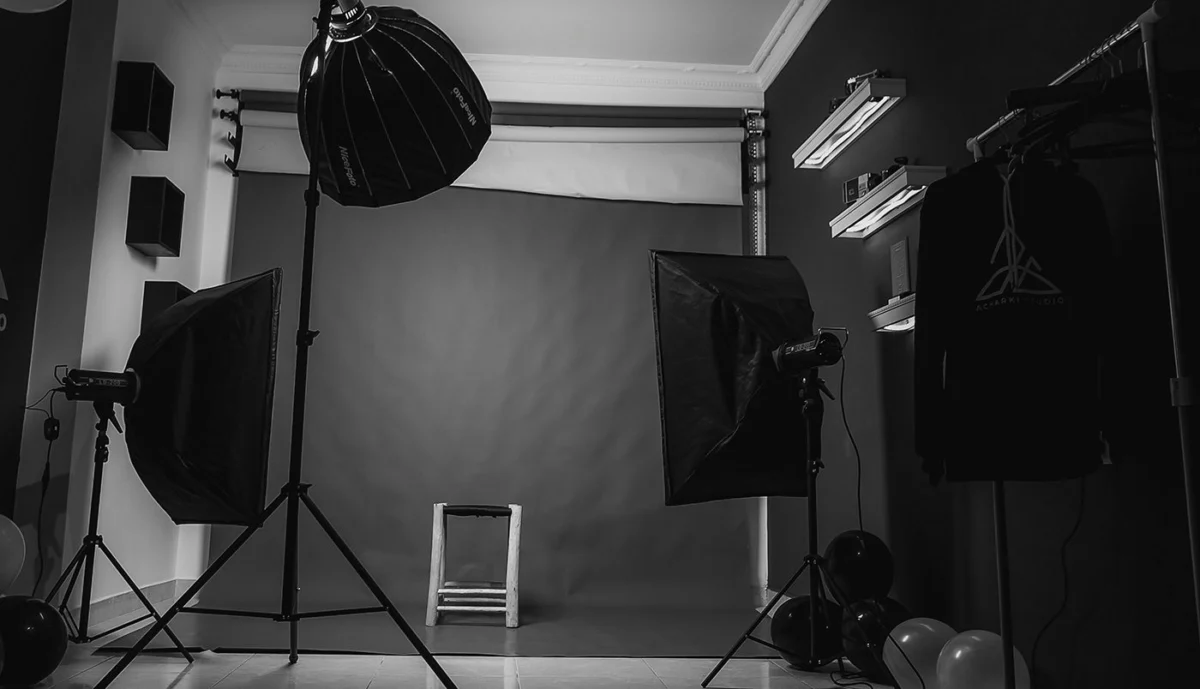
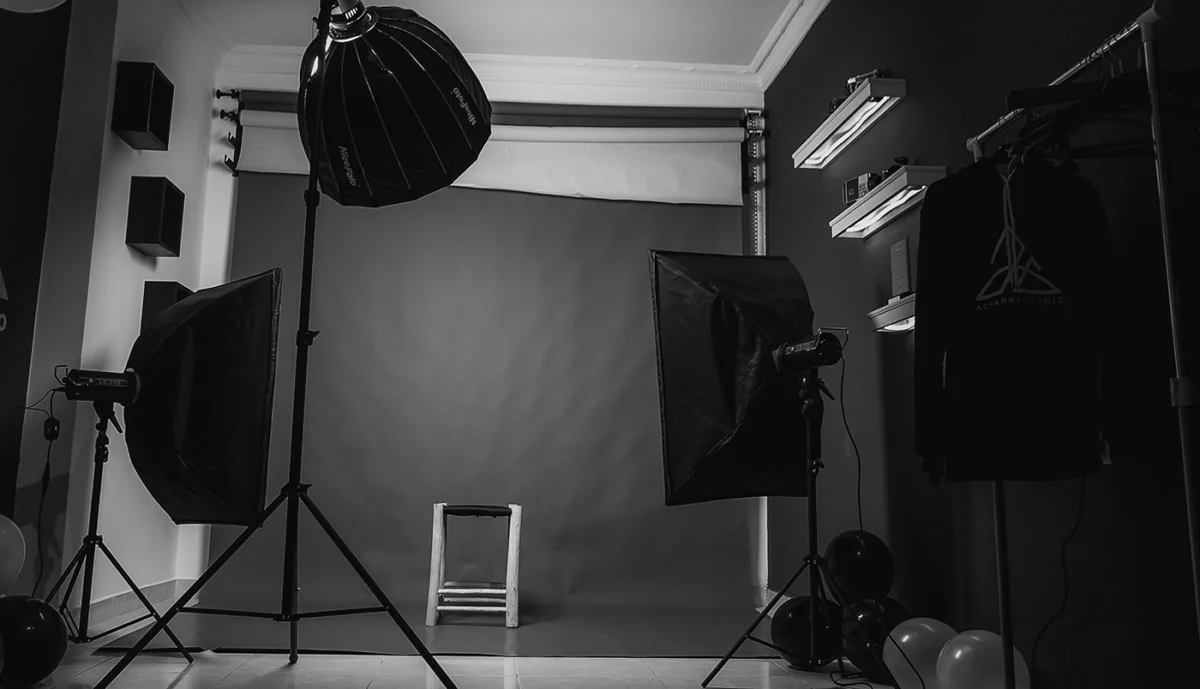
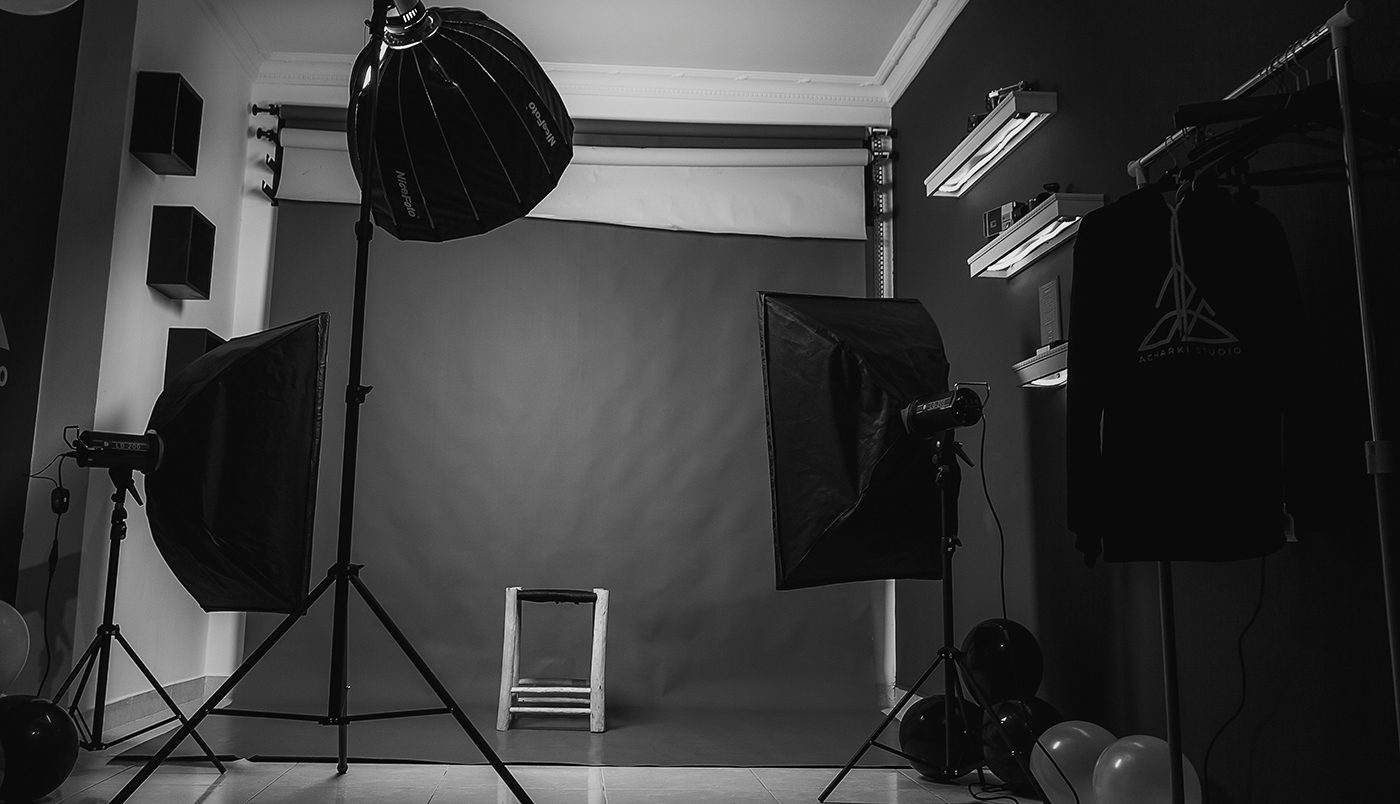
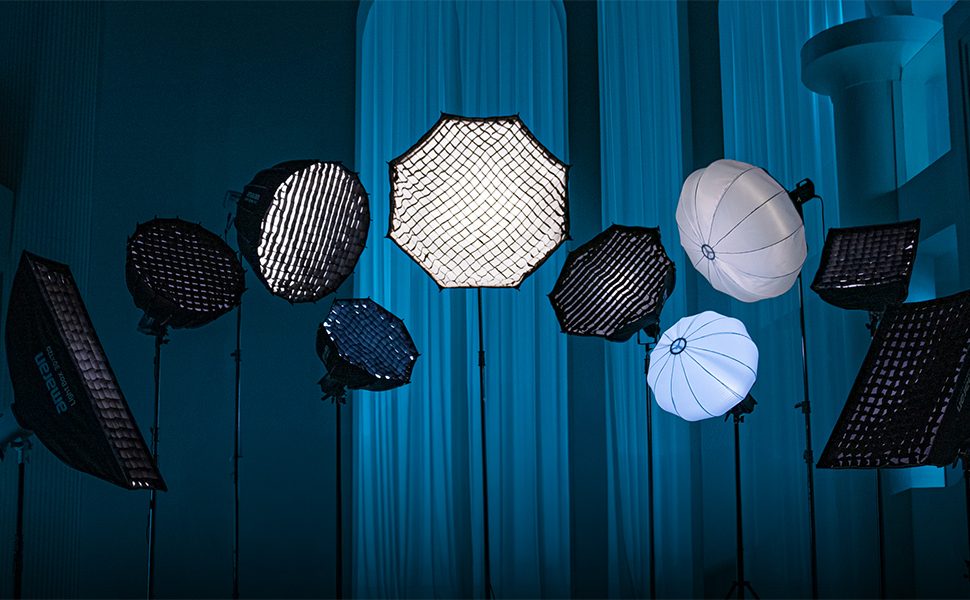
- Diffusion: Involves scattering light using materials like white fabrics, scrims, or softboxes. This spreads the light, making it softer and more even. The choice of modifier—from parabolic reflectors (known for their focused, yet often pleasing quality) to octaboxes, beauty dishes, and grids—profoundly alters the light’s quality, affecting its spread, fall-off, and overall character. The market for light modifiers is vast and specialized, reflecting the nuanced demands of professionals seeking specific luminous signatures.
Implications and Professional Insight:
The quality of light is often cited by cinematographers and photographers as the most critical determinant of an image’s aesthetic success. A subtle change in modifier, distance, or diffusion material can dramatically alter the perception of a subject, transforming flat imagery into dynamic compositions. "The difference between an amateur and a professional often lies in their ability to not just light a scene, but to shape the light," states renowned lighting designer, Anya Sharma. "It’s about understanding how light interacts with surfaces, how it defines form, and how it communicates emotion." The constant innovation in lighting technology, particularly in LED development, continues to provide artists with increasingly versatile tools to refine and control light quality with unparalleled precision.

Direction of Light: Sculpting Form and Narrative
The third cornerstone of lighting mastery is the Direction of Light, which pertains to the placement of the light source relative to the subject and the camera. This principle is the most potent tool for creating a sense of depth, volume, and three-dimensionality in a two-dimensional medium, while simultaneously dictating the mood and narrative context of a scene.
The Power of Shadows:
While light illuminates, it is the strategic placement of shadows that truly defines form and adds visual interest. The direction of light determines where shadows fall, how long they are, and how intensely they appear, thereby sculpting the subject’s features and separating it from the background.
Key Lighting Positions and Their Effects:
- Frontal Lighting (On-Axis): Light positioned directly in front of the subject, often near the camera. This minimizes shadows, flattens features, and reduces texture. While useful for technical documentation or evenly lit scenes, it can appear uninspired or dimensionless for portraits.
- Top Lighting (Overhead): Light positioned directly above the subject. This mimics natural sunlight and is generally perceived as natural. It creates shadows under the eyes, nose, and chin, adding definition. It’s a common and generally flattering choice for many subjects.
- Rembrandt Lighting: A classic portrait lighting pattern where the main light is placed high and to one side of the subject, creating a characteristic triangular highlight on the cheek opposite the light source. It adds drama, depth, and a sense of chiaroscuro.
- Butterfly Lighting (Paramount Lighting): Positioned high and directly in front of the subject, creating a butterfly-shaped shadow directly under the nose. Popular in glamour photography, it enhances cheekbones and jawlines.
- Split Lighting: The light source is placed directly to the side of the subject, illuminating one half of the face while leaving the other in shadow. This creates a dramatic, mysterious, or edgy mood.
- Backlight (Rim Light/Hair Light): Positioned behind the subject, often slightly off-axis. This separates the subject from the background by creating a luminous outline, adding depth and a sense of ethereal glow. It’s crucial for three-dimensional separation in busy scenes.
- Bottom Lighting (Under-lighting): Light positioned below the subject. This is highly unnatural in most real-world scenarios, as light typically comes from above. It produces upward-casting shadows, which can create unsettling, eerie, or monstrous effects (the "uncanny valley" effect), often utilized in horror films.
Natural Light and Intentional Deviation:
In natural light photography, the sun’s position throughout the day dictates the direction of light. Early morning and late afternoon (the "golden hours") are prized for their soft, warm, directional light, creating long, appealing shadows. Midday sun, being directly overhead, often produces harsh, unflattering top light. Understanding these natural shifts allows photographers to strategically position their subjects or utilize modifiers to harness or mitigate these effects.
While conventions and "rules" exist (e.g., generally avoiding harsh frontal or direct bottom lighting for natural portraits), true artistic expression often involves intentionally breaking these rules. As acclaimed cinematographer Roger Deakins often demonstrates, manipulating light direction in unconventional ways can lead to profoundly unique and impactful visual statements, provided the choice is deliberate and serves the narrative. The evolution of cinematic lighting, from the flat, frontal illumination of early films to the complex, multi-directional setups seen today, is a testament to the increasing sophistication in using light direction to tell stories.
Integrating the Principles: Beyond Individual Control
The true power of lighting emerges not from understanding Intensity, Quality, and Direction in isolation, but from their synergistic application. A change in one principle invariably impacts the others. For example, moving a light source further away (altering direction and intensity due to the inverse square law) will also subtly affect its perceived quality as its apparent size changes relative to the subject.
Case Studies in Synergy:
- High-Key Lighting: Often achieved with high intensity, soft quality (large diffused sources), and generally frontal or broad directional lighting, minimizing shadows. This conveys optimism, purity, or commercial appeal.
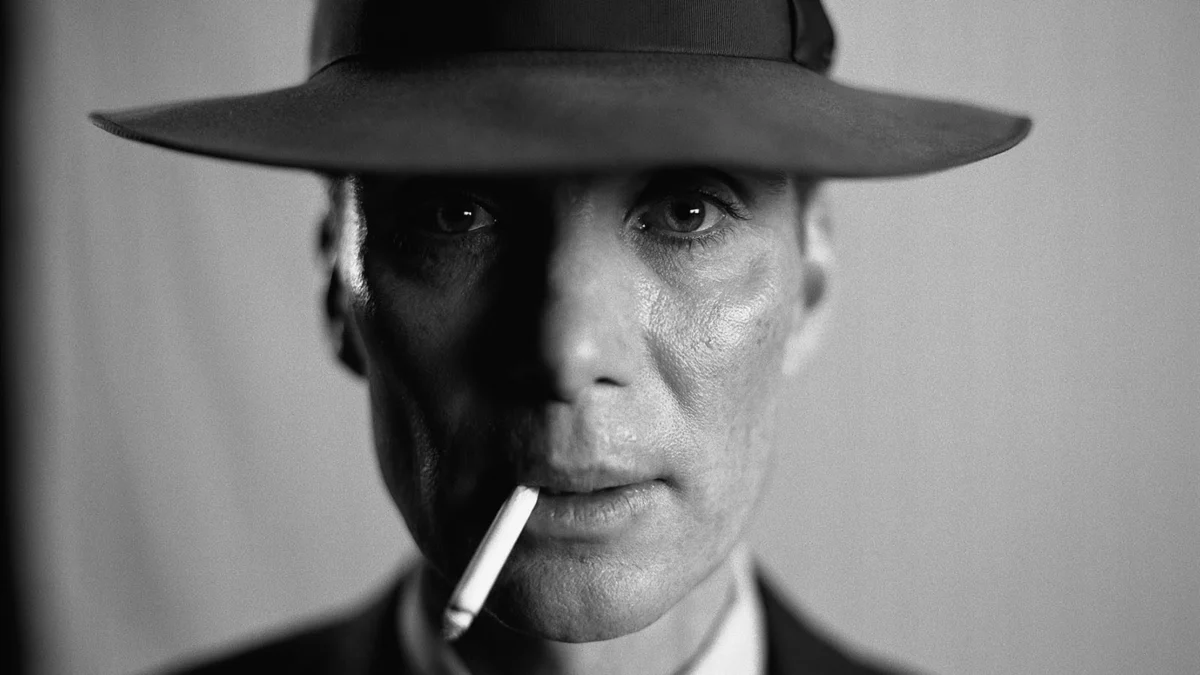
- Low-Key Lighting: Characterized by low intensity in most areas, often hard or focused quality (small, controlled sources), and highly directional lighting to create dramatic, expansive shadows. This evokes mystery, drama, or solemnity, commonly seen in film noir.
- Three-Point Lighting: A classic setup utilizing a Key Light (main light, dictating intensity, quality, and primary direction), a Fill Light (softens shadows created by the key, adjusting intensity), and a Backlight (adds rim light for separation, controlling direction and often intensity). This demonstrates how all three principles are meticulously balanced to create a balanced, dimensional image.
Broader Implications for Visual Communication:
Mastery of these three principles is not merely a technical skill; it is a fundamental language for visual communication. For professionals, it is a cornerstone of their craft, influencing their artistic signature and marketability. A photographer or videographer who can consistently evoke desired moods, sculpt subjects beautifully, and tell compelling stories purely through light is invaluable. For audiences, these principles subtly shape perception, influencing emotional responses and guiding their understanding of a narrative without conscious awareness. The global market for lighting equipment, from basic reflectors to advanced LED panels and cinematic strobes, is a multi-billion dollar industry, underscoring the universal recognition of lighting’s critical role. Investment in lighting education and technology continues to grow, reflecting its indispensable nature across all forms of visual media.
The Evolving Landscape of Illumination Technology
The field of lighting technology is in a constant state of evolution, providing artists with increasingly sophisticated tools to implement these principles. Modern LED technology has revolutionized continuous lighting, offering unprecedented control over color temperature, intensity, and even hue saturation and luminosity (HSL) across the entire spectrum. High-speed sync strobes allow photographers to overpower the sun, while wireless control systems offer unparalleled flexibility in adjusting light direction and intensity remotely. The advent of virtual production environments, utilizing vast LED walls, allows cinematographers to simulate realistic and dynamic lighting conditions directly on set, merging the physical and digital worlds. Future trends point towards further integration of AI in lighting design, potentially offering predictive lighting solutions and more accessible advanced controls, further empowering creators to push the boundaries of visual expression through the masterful application of Intensity, Quality, and Direction.
Ultimately, understanding and skillfully manipulating the intensity, quality, and direction of light is the bedrock upon which all compelling visual content is built. It is the silent language that shapes perception, evokes emotion, and transforms observation into art, ensuring its perpetual relevance in the ever-expanding world of visual storytelling.