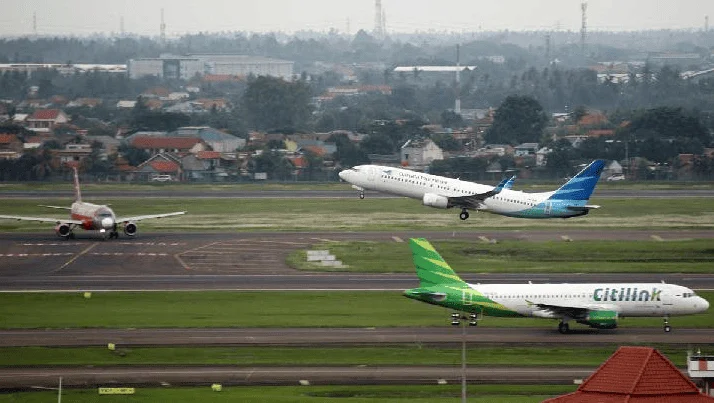
Strategic Timeline and Traffic Projections
The selection of March 22 and March 28 as the primary peaks for Puncak Pergerakan Pesawat Lebaran 2025 is based on a meticulous analysis of the 2025 lunar calendar and national holiday schedules. With Eid al-Fitr expected to fall at the end of March, the first peak on March 22 represents the "early wave" of travelers. These are typically individuals and families taking advantage of school holidays and corporate leave flexibility to avoid the most intense crowds. This early departure phase is crucial for balancing the load across the week, preventing a total bottleneck closer to the religious holiday.
The second peak, occurring on March 28, is forecasted to be the most intense period of movement. This date aligns with the final working days before the official public holiday period begins. Aviation analysts predict that on this day, airport capacity will be tested to its limits as a "concentrated surge" of travelers departs simultaneously. Furthermore, this date will also see the beginning of the "return flow" for those who traveled early, creating a complex overlapping of arrival and departure schedules that requires precise air traffic management.
Beyond these two primary dates, the Ministry of Transportation anticipates a sustained high volume of traffic throughout the ten days surrounding the holiday. Data from previous years indicates that while the "peaks" represent the highest single-day numbers, the days immediately preceding and following these dates often maintain traffic levels at 85-90% of the peak, leaving little room for operational errors.
Infrastructure Readiness and Airport Management
To accommodate the Puncak Pergerakan Pesawat Lebaran 2025, PT Angkasa Pura (the state-owned airport operator) has initiated a series of infrastructure audits and capacity-building measures. At Soekarno-Hatta International Airport, all three terminals are being optimized to handle the influx. Terminal 3, which serves as the hub for Garuda Indonesia and international carriers, will implement advanced crowd-control technologies and automated baggage handling systems to maintain efficiency.
A key component of the preparation involves the optimization of runway slots. AirNav Indonesia, the country’s air traffic control provider, is working to increase the number of take-offs and landings per hour. By streamlining taxiing procedures and reducing the interval between flights without compromising safety standards, authorities hope to maximize the existing infrastructure. Furthermore, several regional airports, including Juanda in Surabaya, Ngurah Rai in Bali, and Sultan Hasanuddin in Makassar, have been instructed to extend their operating hours—some to a 24-hour cycle—to accommodate late-night and early-morning "extra flights."
Maintenance of ground support equipment (GSE), such as aircraft tugs, fuel tankers, and mobile lounges, is also being accelerated. The goal is to ensure a zero-breakdown policy during the peak days. Airport authorities are also coordinating with the Meteorology, Climatology, and Geophysical Agency (BMKG) to establish real-time weather monitoring protocols, as March often transitions between seasons, bringing the potential for sudden tropical storms that could disrupt flight schedules.
Airline Strategies and Extra Flight Allocations
Airlines are the frontline responders to the Puncak Pergerakan Pesawat Lebaran 2025. Major carriers, including the Garuda Indonesia Group (Garuda and Citilink) and the Lion Air Group, have already submitted requests for thousands of "extra flight" slots to the Ministry of Transportation. These additional flights are essential to bridge the gap between regular capacity and the massive holiday demand.
To ensure fleet availability, airlines are currently undergoing "ramp checks" and intensive maintenance cycles. The objective is to have the maximum number of aircraft "mission-ready" by mid-March. Industry insiders suggest that airlines are also pivoting their wide-body aircraft, usually reserved for international routes, to high-demand domestic corridors such as Jakarta-Surabaya and Jakarta-Medan to move more passengers per flight cycle.
Pricing remains a sensitive issue during this period. While demand allows for premium pricing, the Indonesian government maintains a "Ceiling Price" (Tarif Batas Atas) policy to protect consumers from price gouging. The Ministry of Transportation has issued stern warnings to carriers to adhere to these regulations, promising heavy sanctions for any violations. In response, many airlines are offering "early bird" promotions for flights on non-peak dates to encourage a more distributed flow of passengers, thereby easing the pressure on March 22 and 28.
Safety, Security, and Public Health Protocols
Security remains the highest priority during Puncak Pergerakan Pesawat Lebaran 2025. In collaboration with the Indonesian National Police (Polri) and the Indonesian National Armed Forces (TNI), airport authorities are increasing the presence of security personnel in public areas, check-in halls, and restricted zones. Enhanced screening procedures for both passengers and cargo are being implemented to mitigate any security risks during this high-profile period.
From a safety perspective, the Directorate General of Civil Aviation is conducting rigorous inspections of aircraft and flight crew readiness. Fatigue management for pilots and cabin crew is a major focus, as the increased frequency of flights can lead to exhaustion. Airlines are required to demonstrate robust scheduling that allows for mandatory rest periods despite the operational pressure.
Regarding public health, while the most restrictive measures of the past years have been lifted, authorities remain vigilant. Sanitization stations and air filtration maintenance remain part of the standard operating procedure. Health posts staffed with medical professionals will be available at all major airports to assist passengers who may fall ill during the stressful travel period, ensuring that medical emergencies do not cause wider operational delays.
Economic and Social Implications of the Surge
The Puncak Pergerakan Pesawat Lebaran 2025 is more than just a logistical event; it is a significant economic driver. The aviation sector sees a massive injection of liquidity during this period, which supports thousands of jobs in tourism, hospitality, and ground transportation. The increased movement of people also facilitates a "wealth transfer" from urban centers to rural areas, as travelers spend money in their hometowns, boosting local economies across the archipelago.
However, the surge also brings challenges, particularly regarding inflation. The high cost of transportation during the Lebaran period often contributes to a seasonal spike in the Consumer Price Index (CPI). The government’s role in regulating ticket prices and ensuring the availability of affordable transportation modes is therefore a critical balancing act between supporting the aviation industry’s recovery and protecting the public’s purchasing power.
Socially, the Puncak Pergerakan Pesawat Lebaran 2025 underscores the deep-seated cultural importance of the Mudik tradition. For many Indonesians, this is the only time of year they can reunite with their extended families. The emotional weight of these journeys places a moral imperative on transportation providers to deliver services that are not only efficient but also dignified and comfortable.
Guidelines for Passengers Navigating the Peak Dates
For those traveling during the Puncak Pergerakan Pesawat Lebaran 2025, preparation is the key to a stress-free experience. Aviation experts and airport authorities recommend the following steps:
- Early Booking and Digital Check-in: Passengers are urged to secure their tickets weeks, if not months, in advance. Utilizing web or mobile check-in services at least 24 hours before departure can save significant time at the airport, allowing travelers to bypass long queues at check-in counters.
- Arrive Early: Given the expected congestion in airport access roads and terminal buildings, arriving at least three to four hours before domestic departures and five hours for international flights is highly recommended.
- Baggage Compliance: To speed up the security screening process, passengers should strictly adhere to airline baggage weight limits and prohibited items lists. Overweight baggage at the counter is a primary cause of delays during peak periods.
- Monitor Flight Status: Using airline apps or official airport websites to monitor flight status in real-time is essential. During the peak, minor delays can cascade, and staying informed allows passengers to adjust their plans accordingly.
- Utilize Public Transportation: To avoid parking shortages and traffic jams at the airport drop-off zones, travelers are encouraged to use airport trains or shuttle buses, which often have dedicated lanes or tracks unaffected by road congestion.
Conclusion: A Test of National Resilience
The Puncak Pergerakan Pesawat Lebaran 2025 represents a significant test of Indonesia’s aviation resilience and its ability to manage large-scale human movement. The success of this period depends on a seamless synergy between government regulators, airport operators, airlines, and the passengers themselves. While the challenges are substantial—ranging from technical slot management to the psychological stress of crowded terminals—the preparations currently underway suggest a high level of readiness.
As March 22 and 28 approach, the eyes of the nation will be on the skies and the runways. A smooth execution of the Lebaran flight schedule will not only facilitate millions of family reunions but also serve as a testament to the modernization and efficiency of Indonesia’s aviation infrastructure. For the millions embarking on their journey, the hope is for a safe, timely, and peaceful return to their roots, marking another successful chapter in the enduring tradition of Mudik.