The year 2025 presents a dynamic and often overwhelming landscape for aspiring photographers. While the proliferation of sophisticated digital cameras and accessible educational resources has democratized the art form, the sheer volume of information can paradoxically hinder beginners attempting to grasp fundamental concepts. This article delves into the most prevalent technical hurdles faced by novice photographers and offers comprehensive, fact-based solutions, drawing on current industry best practices and technological advancements.
Navigating the Modern Photographic Landscape: Information Overload and Core Competencies
The digital photography market continues its robust expansion, fueled by advancements in mirrorless technology, computational photography, and the pervasive influence of social media content creation. Industry reports indicate a sustained growth in camera sales, particularly in the prosumer segment, with millions globally embarking on their photographic journeys annually. However, this accessibility often comes with a steep learning curve. Newcomers are frequently confronted with a lexicon of technical terms—shutter speed, aperture, ISO, autofocus modes, white balance—that, while crucial, can appear daunting. Leading photography educators consistently highlight the "information paradox" where abundant online tutorials and gear reviews, though valuable, can lead to paralysis by analysis, obscuring the core principles essential for consistent image quality. This guide aims to distill these complexities into actionable solutions for three perennial issues: blurry images, exposure inaccuracies, and excessive digital noise.
The Pervasive Challenge of Blurry Imagery: Precision in Motion and Focus
Blurry photographs represent one of the most common and frustrating setbacks for new photographers. This issue typically stems from either camera shake, subject motion, or inaccurate focusing. Addressing blur requires a systematic approach to camera settings and handling techniques.
Shutter Speed as the Primary Stabilizer:
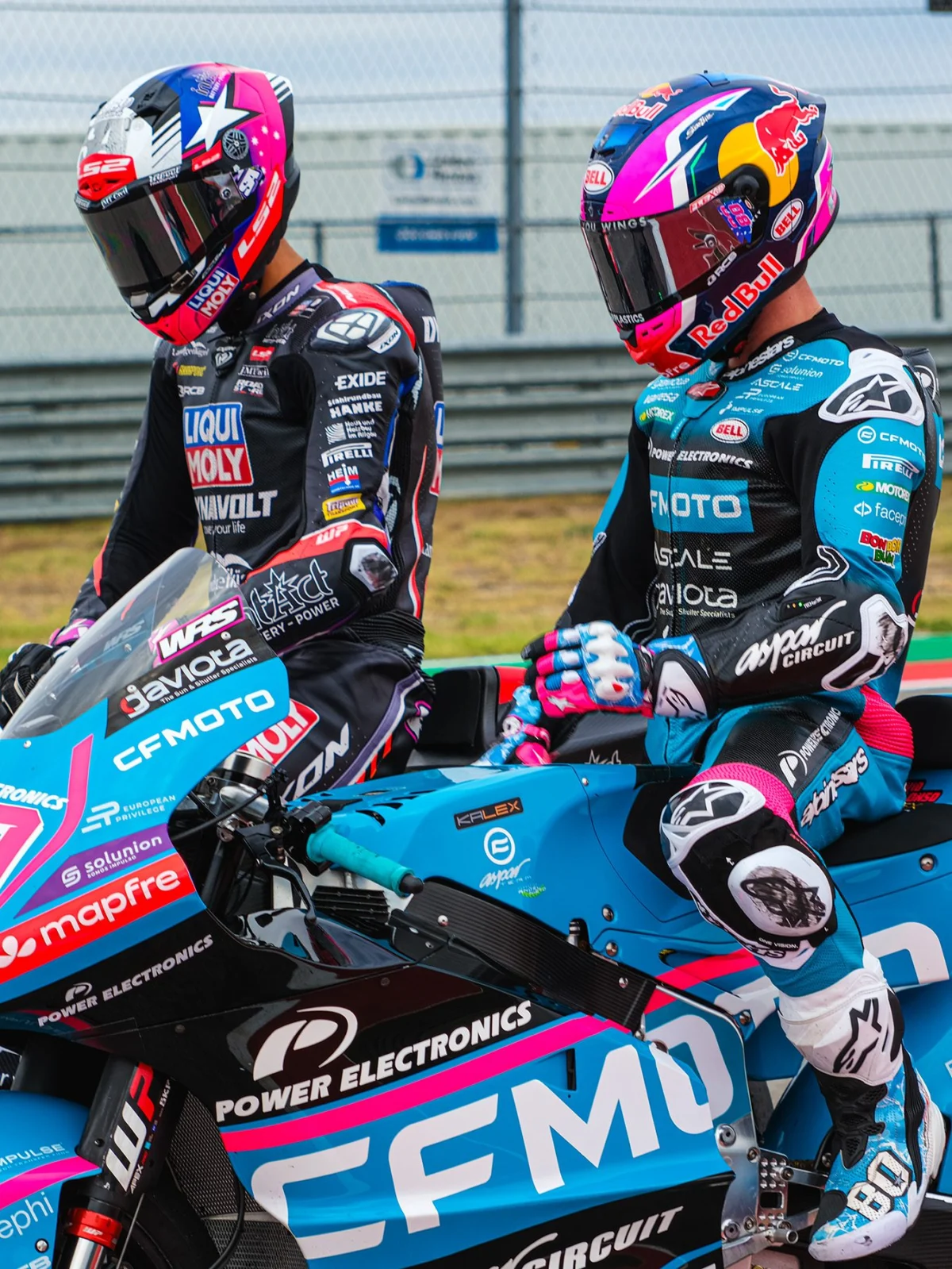
The most critical setting for combating blur, particularly when shooting handheld or with moving subjects, is shutter speed. This setting dictates the duration the camera’s sensor is exposed to light. A faster shutter speed "freezes" motion, minimizing both subject blur and camera shake. The widely accepted "reciprocal rule" suggests that for handheld shooting, the shutter speed should ideally be at least the reciprocal of your lens’s focal length. For instance, with a 100mm lens, a shutter speed of 1/100th of a second or faster is recommended. In 2025, with many cameras featuring advanced in-body image stabilization (IBIS) and lens-based optical stabilization, this rule can be relaxed somewhat, but it remains a foundational guideline. For capturing fast-moving subjects like sports or wildlife, shutter speeds of 1/500th to 1/2000th of a second are often necessary.
Aperture and ISO: The Exposure Triangle’s Balancing Act:
To compensate for faster shutter speeds, which inherently reduce the light reaching the sensor, photographers must often adjust other elements of the exposure triangle: aperture and ISO. A wider aperture (lower f-number, e.g., f/2.8, f/4) allows more light to enter the lens, facilitating faster shutter speeds without underexposing the image. However, a wider aperture also reduces the depth of field, meaning less of the scene will be in sharp focus. This trade-off necessitates careful consideration of the desired aesthetic. Simultaneously, increasing the ISO sensitivity amplifies the sensor’s electrical signal, brightening the image. While modern cameras excel at higher ISOs, this comes at the cost of introducing digital noise, a topic explored in detail later. The interplay between these three settings—shutter speed, aperture, and ISO—is fundamental to achieving a well-exposed and sharp image.
Autofocus Systems: Precision and Configuration:
Beyond exposure settings, the camera’s autofocus (AF) system plays a pivotal role in sharpness. Contemporary cameras boast sophisticated AF systems with hundreds, if not thousands, of selectable points, various modes (e.g., single-shot AF, continuous AF, eye-tracking AF), and customization options. A common mistake for beginners is failing to configure their AF system appropriately for the shooting scenario. For stationary subjects, single-shot AF (AF-S or One-Shot AF) is generally effective, locking focus once achieved. For moving subjects, continuous AF (AF-C or AI Servo AF) is indispensable, tracking the subject as it moves. Many systems in 2025 feature advanced subject recognition (e.g., human, animal, vehicle eye-tracking), which, when correctly enabled, dramatically improves focus accuracy.
Camera Handling and Ergonomics:
Even with optimal settings, poor camera handling can introduce blur. Photographers are advised to maintain a stable stance, holding the camera firmly with both hands, elbows tucked in, and pressing the shutter button gently to minimize movement. The implementation of "back-button focus," which separates the autofocus activation from the shutter release button, is a technique widely adopted by professionals. This allows photographers to acquire and maintain focus independently, reducing the likelihood of accidental refocusing and minimizing camera shake at the moment of capture.

Equipment Integrity: Lens Calibration and Servicing:
In persistent cases of blur despite careful technique and settings, the issue might lie with the equipment itself. Lenses can sometimes suffer from front-focus or back-focus issues, where the point of sharpest focus is consistently slightly in front of or behind the intended subject. Many camera manufacturers offer lens calibration services, often at a cost. Alternatively, specialized tools such as focusing charts and lens calibration systems are available for rent or purchase, allowing photographers to perform micro-adjustments to their lenses and camera bodies, ensuring optimal focus accuracy. The advent of mirrorless systems with on-sensor phase detection has somewhat mitigated these issues compared to traditional DSLR systems, but calibration remains relevant for maximizing performance.
Mastering Exposure: The Core of Visual Clarity
Images that are consistently too dark (underexposed) or too bright (overexposed) detract significantly from their impact. Correct exposure is fundamental to capturing detail and maintaining dynamic range.
The Invaluable Light Meter:
Modern digital cameras incorporate sophisticated light meters that assess the scene and recommend exposure settings. Typically displayed as a vertical or horizontal bar in the viewfinder or on the LCD screen, with a ‘0’ indicating a theoretically perfect exposure, these meters are crucial tools. While aiming for the ‘0’ is a good starting point, many cameras can comfortably capture detail within one stop above or below this reading, allowing for flexibility and later adjustment in post-processing. A widely accepted guideline is that it is generally easier to recover detail from slightly underexposed areas in post-processing than from severely overexposed (blown-out) highlights, which often contain no recoverable information.
Understanding Metering Modes:
Cameras offer various metering modes (e.g., evaluative/matrix, center-weighted, spot) that influence how the light meter evaluates the scene. Evaluative metering, the default for most cameras, analyzes the entire scene to determine an overall exposure. Spot metering, conversely, measures light from a very small, specific area, useful for precise exposure control in high-contrast situations (e.g., a brightly lit subject against a dark background). Understanding and selecting the appropriate metering mode for a given scenario is critical for accurate exposure.

Histograms and Dynamic Range:
Beyond the light meter, the histogram is an indispensable tool for evaluating exposure. This graph visually represents the tonal distribution of an image, from pure blacks on the left to pure whites on the right. A well-exposed image typically has a histogram that is spread across the entire range without being "clipped" at either end (meaning loss of detail in shadows or highlights). As camera sensor technology advances, dynamic range—the ability of a camera to capture detail in both the brightest and darkest parts of a scene simultaneously—has significantly improved. However, even with enhanced dynamic range, judicious exposure decisions remain paramount. Shooting in RAW format, as opposed to JPEG, provides significantly more latitude for exposure adjustments in post-processing, making it a preferred choice for serious photographers.
Mitigating Digital Noise: A High-ISO Conundrum
Digital noise, appearing as graininess or specks of discoloration in an image, is primarily a consequence of high ISO settings. While sometimes intentionally used for artistic effect, excessive noise generally degrades image quality.
ISO: The Amplifier of Light and Noise:
ISO in digital photography refers to the sensitivity of the image sensor to light. Unlike film, where ISO was a chemical property, digital ISO works by amplifying the electrical signal generated by the sensor. While increasing ISO allows for shooting in low-light conditions or with faster shutter speeds, this amplification process also magnifies any inherent electrical interference or "noise" within the sensor’s circuitry. Consequently, higher ISO settings invariably lead to more pronounced noise.
Sensor Technology and Noise Performance:
The "usable" ISO limit varies significantly between cameras, largely dependent on sensor size and technological generation. Larger sensors (full-frame, medium format) generally exhibit better high-ISO performance than smaller sensors (APS-C, Micro Four Thirds) due to larger individual photosites that can collect more light. Furthermore, advances in sensor design and in-camera noise reduction algorithms have dramatically improved high-ISO capabilities over the past decade. Many contemporary full-frame cameras can produce remarkably clean images at ISO 6400, and even ISO 12800 or higher, though fine detail may begin to suffer. Photographers are encouraged to conduct personal tests with their gear to determine their comfortable and acceptable ISO thresholds before critical shoots.

Strategies for Noise Reduction:
The most effective strategy for mitigating noise is to minimize the reliance on high ISO settings. This can be achieved through several methods:
- Wider Aperture Lenses: Investing in lenses with wider maximum apertures (e.g., f/1.4, f/1.8, f/2.8) allows more light to reach the sensor, enabling lower ISOs even in dim environments. This is a crucial consideration for photographers frequently working in low light or desiring shallow depth of field.
- Slower Shutter Speeds (with Tripod): When shooting stationary subjects in low light, using a tripod allows for significantly slower shutter speeds, capturing more light without increasing ISO.
- External Lighting: Utilizing artificial light sources such as flashes, LED panels, or studio strobes provides controlled illumination, negating the need for high ISOs.
- Post-Processing Noise Reduction: Most modern image editing software includes sophisticated noise reduction tools that can effectively clean up noisy images. However, excessive noise reduction can lead to a loss of fine detail and a "plastic" look, so it should be used judiciously.
Beyond the Technical: The Role of Practice, Education, and Community
While mastering technical settings is paramount, the journey of a photographer extends far beyond camera dials. Consistent practice, structured education, and engagement with the photographic community are equally vital. Industry reports from organizations like the Professional Photographers of America (PPA) emphasize the continuous learning curve, even for seasoned professionals. Workshops, online courses, and mentorship programs provide valuable pathways for skill development. Furthermore, online forums and local photography clubs offer platforms for sharing work, receiving constructive criticism, and finding inspiration, collectively contributing to a photographer’s growth. The digital era has fostered an unprecedented interconnectedness, transforming the solitary pursuit of photography into a collaborative ecosystem of learning and sharing.
The Evolving Toolkit: Gear Maintenance and Calibration
In 2025, the longevity and optimal performance of photographic equipment are more critical than ever, given the significant investment involved. Regular maintenance, including sensor cleaning and lens care, prevents common issues that can impact image quality. As previously mentioned, lens calibration remains a specialized but important aspect for ensuring peak optical performance. Rental services like Lensrentals, for example, offer not only access to a wide array of equipment for testing and specialized shoots but also provide resources and tools for calibration, underscoring the importance of precise equipment tuning. The meticulous care of gear ensures that technical issues stemming from malfunction rather than user error are minimized, allowing the photographer to focus solely on the creative process.

Empowering the Next Generation of Image-Makers
The journey into photography, while potentially overwhelming at its outset, is immensely rewarding. The common challenges of blurry photos, exposure imbalances, and digital noise are not insurmountable obstacles but rather fundamental lessons in camera control and light management. By systematically understanding and applying the principles of shutter speed, aperture, ISO, autofocus, and proper handling, new photographers can quickly elevate their craft. The ongoing evolution of camera technology continues to offer more sophisticated tools, yet the bedrock principles of photography remain timeless. As the visual landscape of 2025 continues to be dominated by high-quality imagery, empowering beginners with clear, actionable solutions to these core technical challenges is essential for fostering a new generation of skilled and confident image-makers.