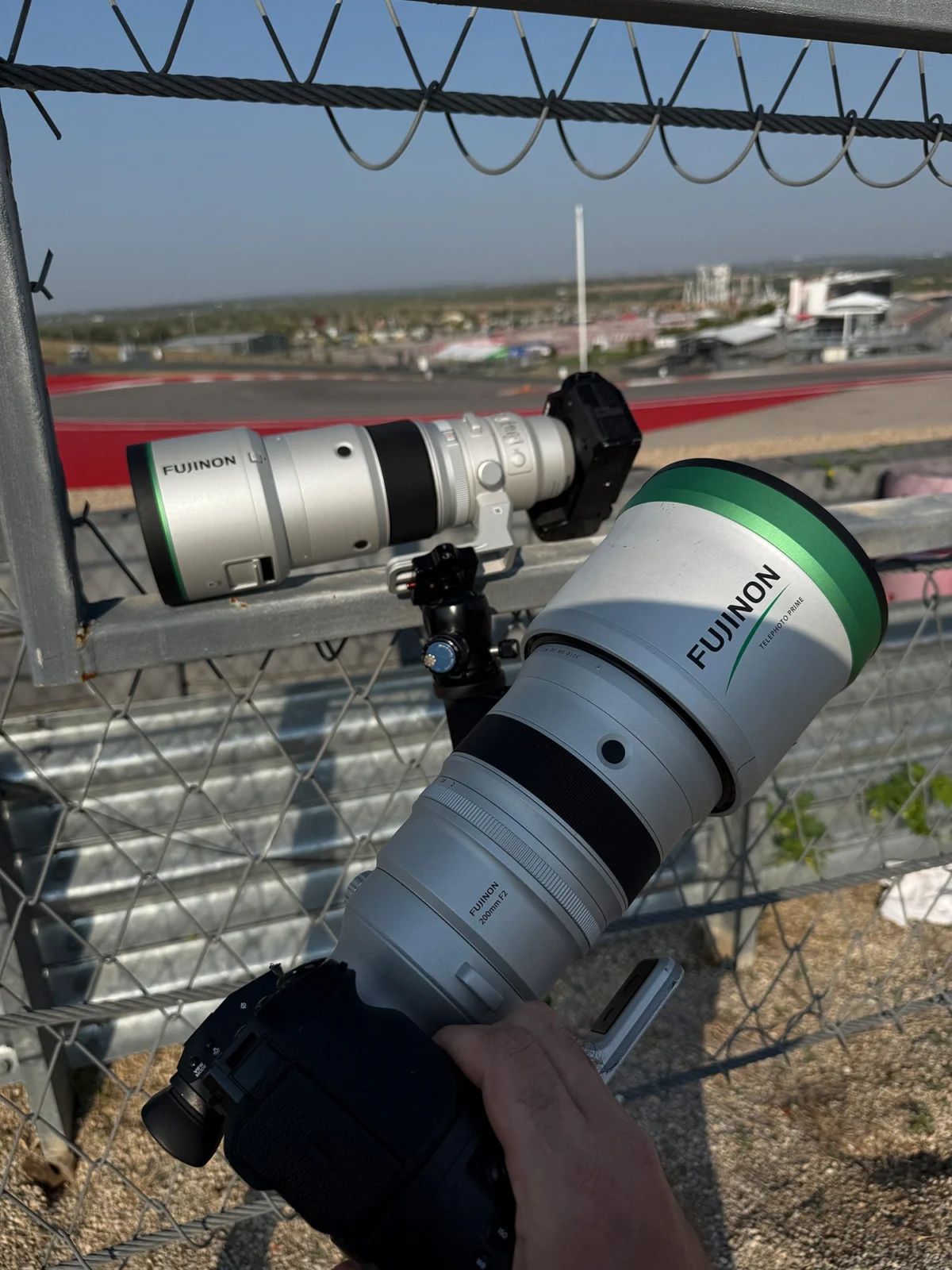
Over the past four years, the landscape of professional photography, particularly within the dynamic realm of motorsports, has witnessed a notable shift towards specialized long lenses capable of meeting the rigorous demands of speed, distance, and rapidly changing light conditions. For photographers operating within the Fujifilm X Series ecosystem, the Fujifilm XF100-400mm f/4.5-5.6 has long served as an indispensable tool, offering commendable versatility and performance for trackside coverage at iconic venues such as the Circuit of the Americas. While this lens continues to be a workhorse, a more specialized instrument has emerged to define the pinnacle of optical commitment for the system: the Fujifilm XF200mm f/2 OIS WR. This lens is not merely a versatile addition but a statement of uncompromising performance, establishing itself as a benchmark for professional-grade super-telephoto primes across any camera system. Its integration into demanding photographic workflows underscores a strategic evolution in Fujifilm’s professional offerings.
The Evolution of Fujifilm’s X-Series and Professional Ambitions
Fujifilm’s journey from a revered film manufacturer to a prominent player in the digital mirrorless market has been marked by a steadfast commitment to innovation and user experience. The X-Series, launched in 2011, initially carved a niche with its retro-inspired designs, exceptional image quality, and compact form factor, appealing strongly to enthusiasts and street photographers. However, for many years, the system faced questions regarding its suitability for highly demanding professional applications, particularly in sports and wildlife photography, where robust super-telephoto primes and advanced autofocus systems were non-negotiable.
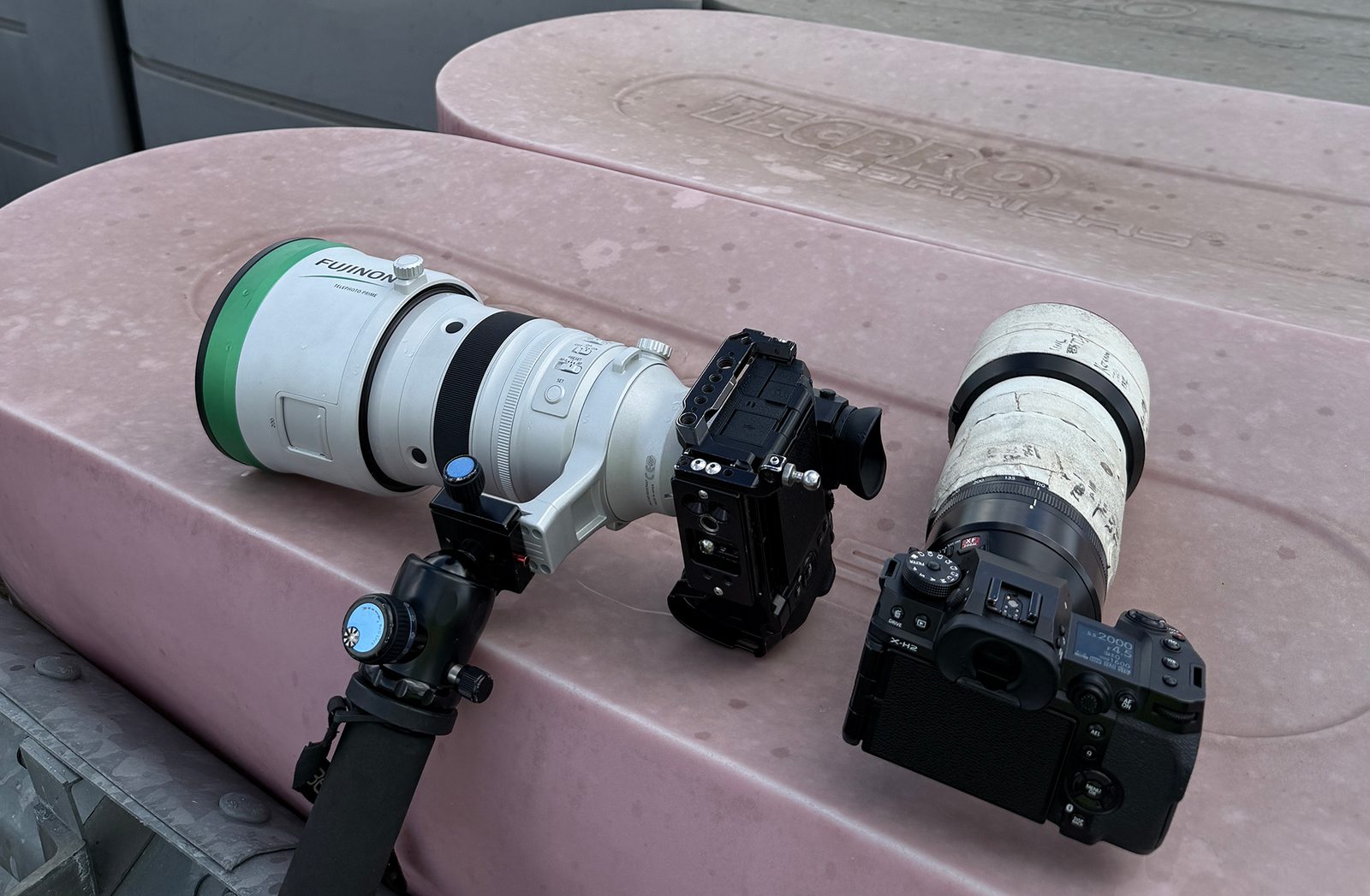
The introduction of the Fujifilm XF200mm f/2 in 2018, alongside camera bodies like the X-T3 and later the X-H series, signaled a pivotal moment in Fujifilm’s strategy. It unequivocally declared Fujifilm’s intent to compete at the highest echelons of professional photography. This lens was not simply an incremental upgrade but a ground-up design aimed at filling a critical gap in the X-Series lens lineup. Prior to its release, professional Fujifilm users requiring extreme reach and light-gathering capabilities were often forced to adapt third-party lenses or compromise on native system advantages. The XF200mm f/2 addressed this directly, offering a native solution that promised unparalleled optical performance and system integration. Its development represented a significant investment in research and development, focusing on advanced optical formulations, robust mechanical construction, and cutting-edge autofocus technology to meet the precise needs of professional photographers tracking subjects moving at high velocities. This commitment has been further solidified with subsequent advancements in camera technology, creating a synergistic ecosystem designed for peak performance.
Technical Prowess and Uncompromising Design Philosophy
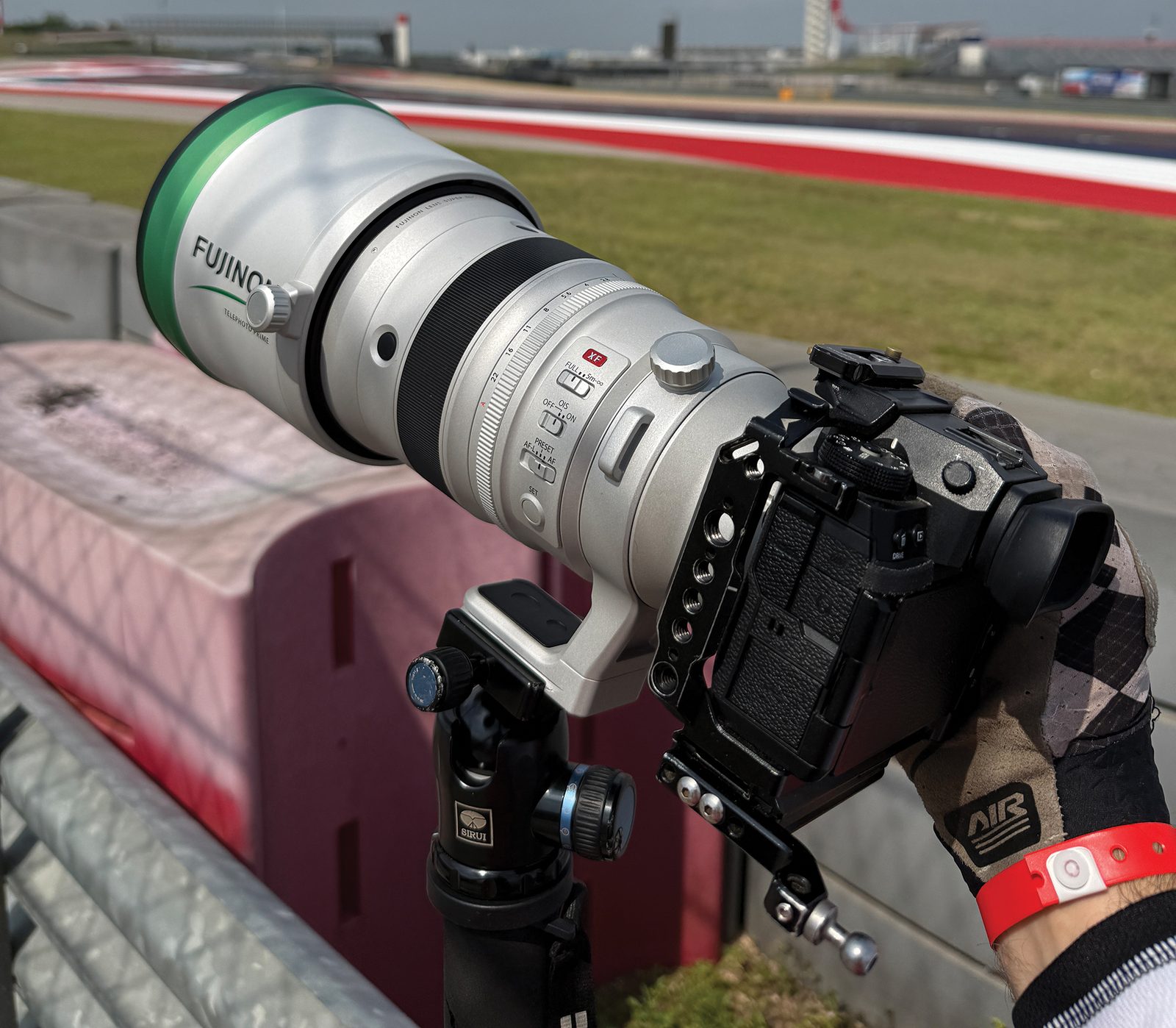
The Fujifilm XF200mm f/2 OIS WR embodies a no-compromise design philosophy, meticulously engineered to deliver exceptional image quality and reliability in the most challenging conditions. Its physical presence alone makes an immediate statement: a substantial, full-metal construction finished in a distinctive matte silver coating. This aesthetic choice is not merely cosmetic; it is a practical design decision aimed at minimizing heat absorption during prolonged exposure to direct sunlight, a common scenario in outdoor sports events. By reducing thermal fluctuations within the lens barrel, this coating helps maintain optical stability and mitigates the risk of image degradation often associated with heat haze or internal lens expansion.
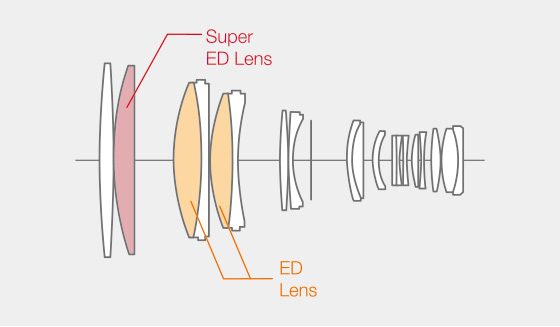
Optically, the lens is a marvel of modern engineering. It comprises 19 elements arranged in 14 groups, a complex configuration designed to optimize light transmission and correct aberrations. Crucially, the optical formula includes one Super ED (Extra-low Dispersion) element and two ED elements. These specialized glass types are strategically placed to precisely control chromatic aberration, a common optical flaw that manifests as color fringing around high-contrast edges. The result is images with remarkable clarity, sharpness, and true-to-life color reproduction, even at wide apertures. The lens’s angle of view is equivalent to approximately 305mm on a full-frame system, providing a significant telephoto reach. When paired with the included XF 1.4x TC WR teleconverter, this reach extends further to roughly 427mm full-frame equivalent, with a corresponding maximum aperture drop to f/2.8. Critically, extensive field testing has shown that using the teleconverter has virtually no noticeable effect on optical performance or autofocus speed and accuracy, maintaining the lens’s high standards even with extended magnification.
Autofocus performance is paramount for motorsport photography, and the XF200mm f/2 excels in this regard. It is driven by a sophisticated twin linear motor system, engineered for both exceptional speed and near-silent operation. This motor configuration allows for rapid and precise focusing, essential for tracking subjects that traverse the frame at triple-digit speeds. The silence of the autofocus mechanism is an added benefit, particularly in environments where discretion is valued. Complementing the autofocus system is a built-in optical image stabilization (OIS) system, rated at an impressive five stops. This advanced stabilization is indispensable for shooting handheld, effectively counteracting camera shake and enabling photographers to achieve sharp images at slower shutter speeds than would otherwise be possible. This capability significantly enhances versatility, particularly in variable light conditions or when capturing dynamic panning shots.
Durability and environmental resilience are also key pillars of the XF200mm f/2’s design. The lens is fully weather-sealed at numerous points along its barrel, providing robust protection against dust, moisture, and low temperatures. Furthermore, the front element is treated with a fluorine coating, a specialized hydrophobic and oleophobic layer that actively repels water, dirt, and fingerprints, making the lens easier to clean and maintain in harsh outdoor environments. The lens also features nine rounded aperture blades, which contribute to the production of exceptionally smooth, circular bokeh, rendering out-of-focus areas with an aesthetically pleasing creaminess that enhances subject separation. Practical controls include a one-third EV step aperture ring, allowing for precise exposure adjustments, and an integrated rotating tripod collar with strap attachment points, underscoring its professional intent and facilitating seamless transitions between horizontal and vertical orientations when mounted on a monopod or tripod.
In-Field Performance: Synergy with the X-H2S and the Art of the Prime
In the demanding environment of a racetrack, the synergy between the Fujifilm XF200mm f/2 and the Fujifilm X-H2S camera body is nothing short of remarkable. Professional motorsport photographers often rely on dual camera bodies to cover different focal lengths and perspectives, and the X-H2S has emerged as Fujifilm’s flagship for high-speed performance. Equipped with a stacked BSI CMOS sensor and the X-Processor 5, the X-H2S offers blazing-fast continuous shooting speeds (up to 40 frames per second with electronic shutter), advanced subject-detection autofocus, and robust tracking capabilities.
When paired with the XF200mm f/2, this combination delivers an operational fluidity that feels effortless, even when confronting subjects moving at extreme velocities. The speed, autofocus reliability, clarity, and sharpness achieved are consistently exceptional. The X-H2S’s enhanced autofocus acquisition and consistency, driven by its sophisticated AI-powered subject tracking algorithms, provide a noticeable advantage over previous generations, including the X-H2. For moments where milliseconds matter and missing a shot is simply not an option, this difference in performance is critical.

Working with a dedicated long prime lens like the XF200mm f/2 requires an initial acclimation period. Unlike a zoom lens, which offers the flexibility to adjust composition on the fly, a prime demands a more disciplined approach to vantage points and framing. Photographers must pre-visualize their shots and strategically position themselves to maximize the lens’s fixed focal length. However, once this rhythm is established, the experience becomes profoundly rewarding. The lens’s ability to render subjects with critical sharpness while producing a rich, creamy bokeh at f/2 creates a distinct visual signature. This exceptional separation between subject and background provides an unparalleled sense of depth and dimensionality, making images truly stand out. Reviewing images captured wide open often elicits audible reactions from photographers, a testament to the lens’s stunning rendering capabilities.
Several thoughtful design details further enhance the in-field experience. The programmable autofocus buttons strategically placed on the lens barrel are genuinely useful, especially when shooting handheld, offering an additional stable point of interaction and quick access to critical functions. The lens hood is another testament to the lens’s professional-grade construction: large, rigid, and secured firmly with a pressure screw, it provides robust protection against flare and accidental impact. For many professional motorsport photographers, the technique of cupping the edge of the hood while working with a monopod or handheld offers an additional point of stability and control.
Practical Considerations and Strategic Investment

Despite its unparalleled performance, the Fujifilm XF200mm f/2 does present practical considerations that professional photographers must account for. Weighing approximately 2,265 grams (nearly 5 pounds), it is a substantial piece of equipment. While manageable for short periods of handheld shooting, its weight becomes a significant factor during long shooting days, particularly when engaging in extensive speed panning. In such scenarios, a monopod transitions from a luxury to a welcome companion, alleviating strain on the photographer’s shoulder and arm and contributing to greater stability and reduced fatigue over prolonged sessions.
Another significant practical consideration is the lens’s massive front element, which necessitates the use of dedicated 105mm filters. Given that the lens retails around $6,000 new, the additional investment in a comprehensive filter kit is not negligible. Professional photographers typically build a specialized filter assortment, including a UV filter for constant front element protection, a circular polarizer (CPL) for managing glare and reflections in bright trackside conditions, and a variable neutral density (VND) filter. A high-stop VND, such as a 32-stop model, allows for wide-open shooting at f/2 even in intense daylight, enabling the capture of shallow depth-of-field images with beautifully rendered bokeh without overexposing the sensor. This investment, while considerable, is essential for unlocking the lens’s full creative potential across diverse lighting scenarios.
Market Positioning and Broader Implications
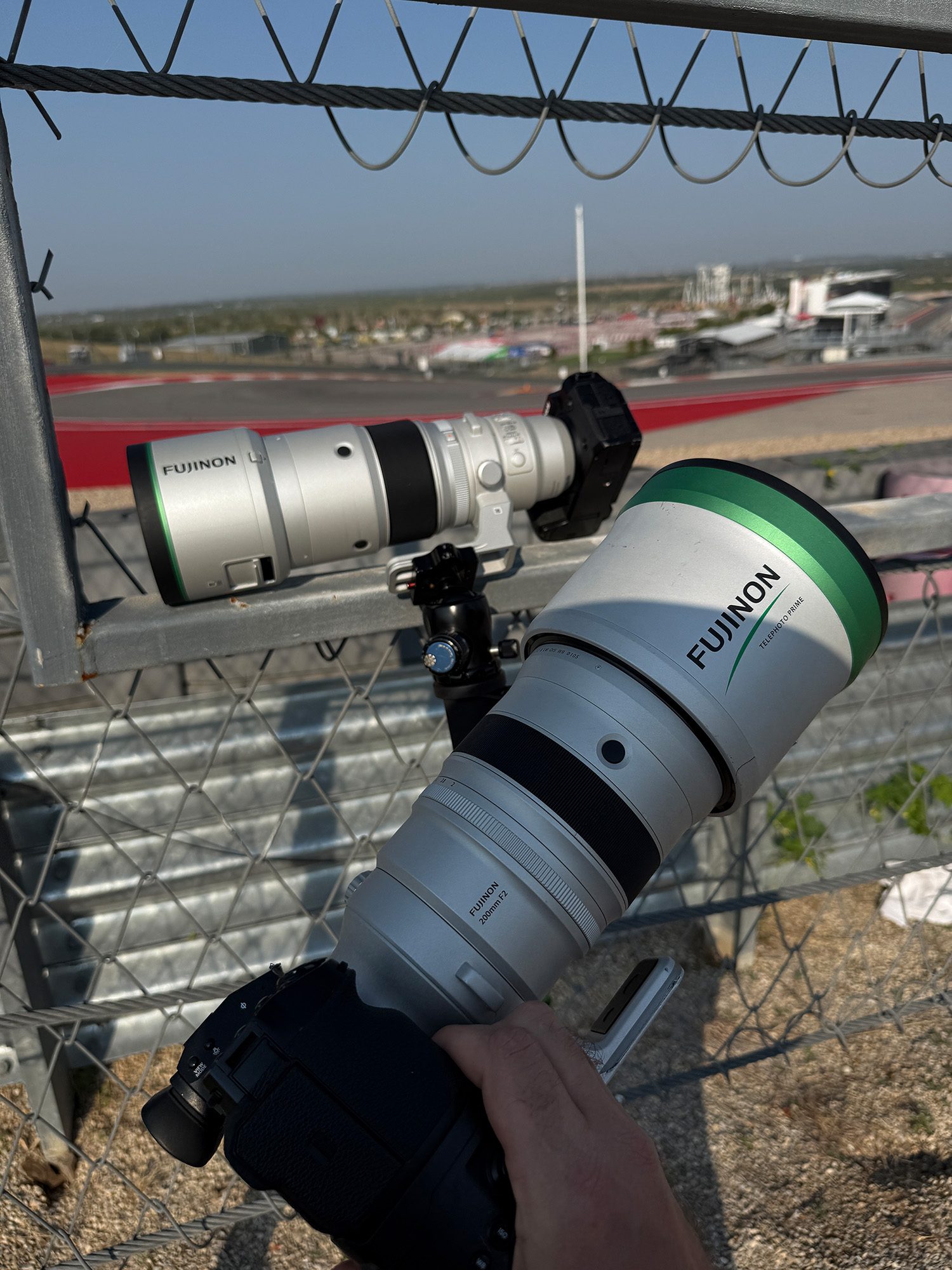
The Fujifilm XF200mm f/2 occupies a unique and significant position within the X-Series ecosystem. While many reviews highlight its suitability for commercial and wildlife photography, its impact on motorsport photography is particularly profound. It is not designed to be a photographer’s first or most flexible lens. Instead, it serves as a highly specialized tool, an "umami lens" that offers an unparalleled and distinct flavor to images, a characteristic not easily replicated by other lenses in the Fujifilm lineup. It becomes the third essential lens in a professional kit, the one photographers reach for when conditions demand the absolute best in light gathering, subject isolation, and optical clarity. For situations requiring greater flexibility in the paddock or diverse trackside vantage points, the XF50-140mm f/2.8 or the XF100-400mm f/4.5-5.6 continue to perform the heavy lifting. However, when light levels drop, background rendering becomes critical, and uncompromising clarity is the priority, the XF200mm f/2 stands as the undisputed heavyweight champion.
The implications of such a lens extend beyond individual photographers. Its existence signals Fujifilm’s maturity and commitment to the professional market segment. Industry analysts have noted that high-performance, large-aperture super-telephoto primes are critical for a system to be taken seriously by professional sports and wildlife photographers. The XF200mm f/2 not only fills this crucial void but does so with exceptional quality, attracting high-end users who demand top-tier optical performance and system reliability. This, in turn, enhances Fujifilm’s reputation in the fiercely competitive mirrorless camera market and potentially fosters greater loyalty among its professional user base, cementing the X-Series as a viable and formidable choice for the most demanding photographic disciplines. Fujifilm’s continued investment in such specialized optics demonstrates a clear strategic vision to expand its professional footprint and offer a complete ecosystem for a wide range of photographic applications.
In conclusion, while the Fujifilm XF200mm f/2 OIS WR may not be a universal necessity for every photographer, its acquisition represents a strategic investment for professionals dedicated to motorsport or similar genres where its unique capabilities shine. For those operating within the Fujifilm X-Series, it is more than just a lens; it is a declaration of uncompromising quality and an indispensable tool that elevates the system’s performance to an elite level. Its blend of cutting-edge optical design, robust construction, and exceptional in-field performance solidifies its status as a flagship offering and a testament to Fujifilm’s unwavering commitment to the professional imaging community.