Modern event videography frequently presents producers with dynamic challenges, often requiring swift adaptation and innovative technical solutions to meet evolving client demands. A recent convention shoot exemplified this, pivoting mid-production from standard event coverage to incorporating high-speed, cinematic "Glambot" style footage and spontaneous person-on-the-street interviews. This dual requirement, though seemingly disparate, highlights the increasing need for versatility and resourcefulness in contemporary content creation, particularly when operating within practical budgetary frameworks.
The Evolving Client Vision and the Production Imperative
Conventions and trade shows are critical touchpoints for industries, demanding content that is both informative and visually engaging. Clients increasingly seek dynamic, shareable media that can amplify their event’s reach and impact across various digital platforms. This often translates into requests for high-production-value elements, such as the slow-motion, stylized sequences popularized by awards shows, commonly referred to as "Glambot" shots. These iconic shots, characterized by a camera mounted on a robotic arm performing precise, high-speed movements, offer a unique perspective, capturing intricate details and dramatic expressions in a fraction of a second, which then play back in mesmerizing slow motion.
Midway through a standard convention shoot, the client articulated a desire to integrate these high-impact visual elements. The challenge was immediate: a genuine Glambot system, with its specialized robotic arm and sophisticated programming, commands a significant rental fee, far exceeding the allocated budget for the shoot. This sudden shift in scope, coupled with the subsequent request for rapid-fire attendee interviews, underscored a common scenario in event production: the need to deliver premium results without premium resources. This juncture transformed the project from a routine assignment into a test of practical problem-solving and technical ingenuity. The producer’s ability to pivot seamlessly between these technically demanding and stylistically divergent tasks was paramount to the project’s success, demonstrating the value of experience in anticipating and mitigating unforeseen logistical hurdles.
Demystifying the "Glambot" Effect: Technical Ingenuity on a Budget
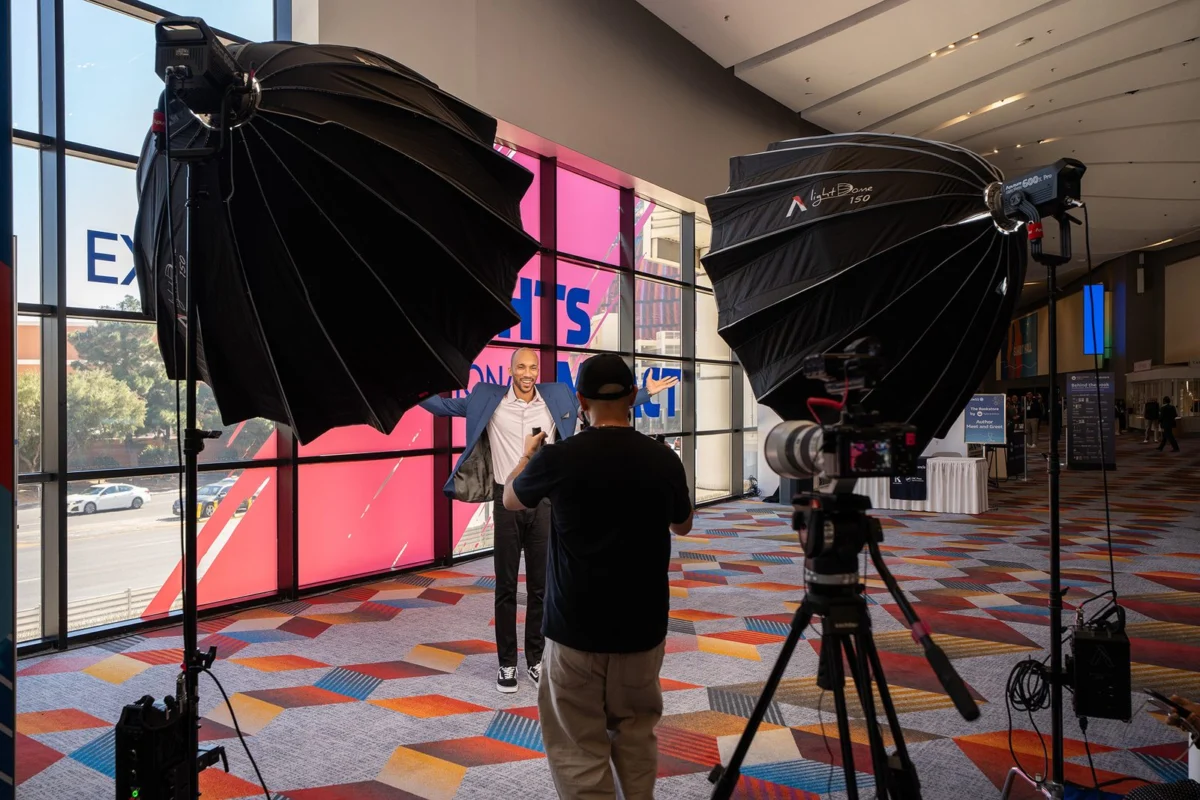
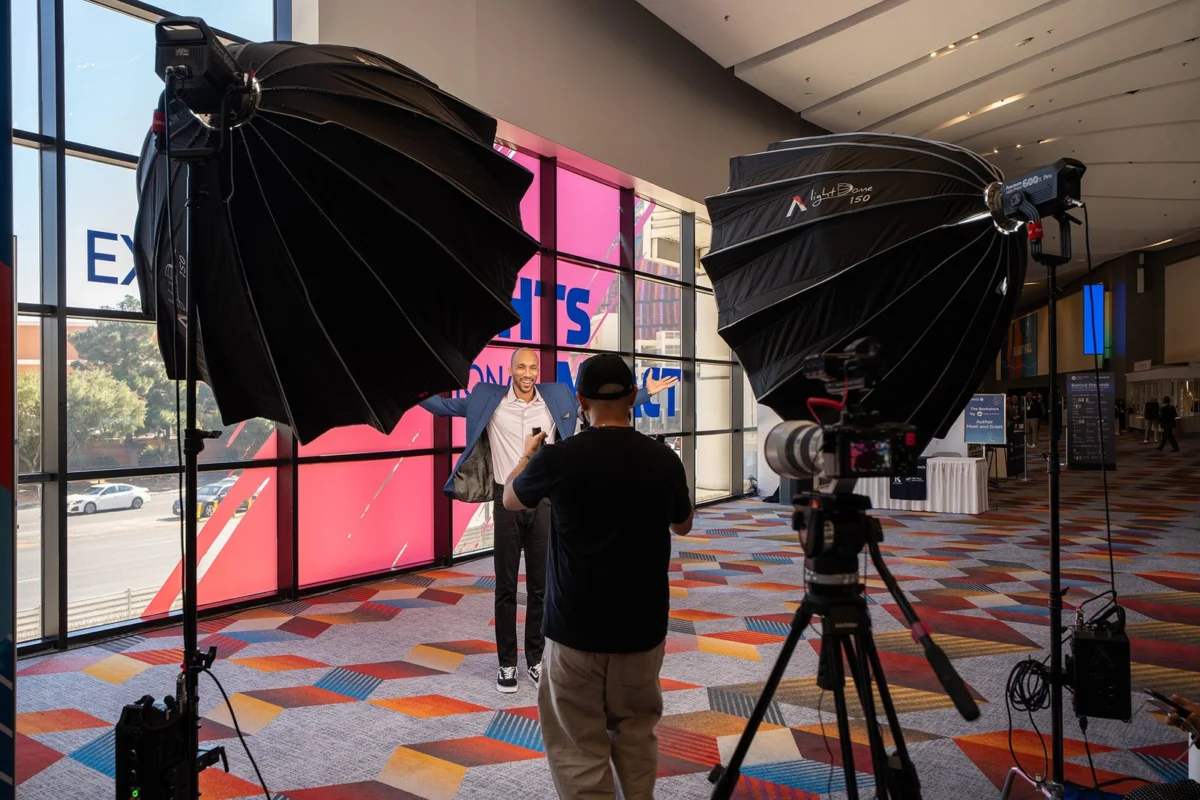
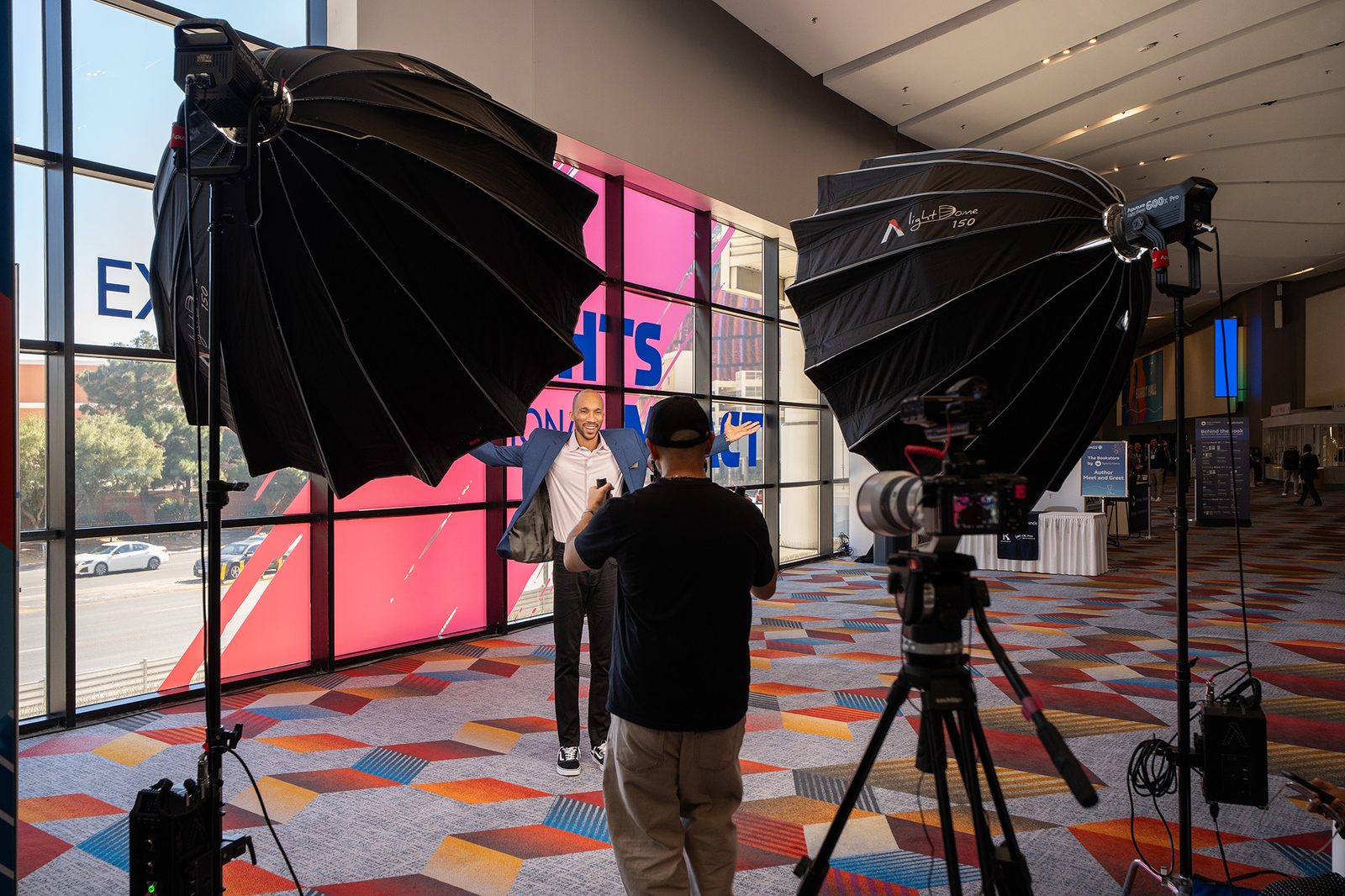
Replicating the visual impact of a Glambot without its prohibitive cost required a meticulous understanding of the underlying principles: high frame rates, precise camera movement, and abundant, controlled lighting. The chosen solution centered on a handheld camera on a gimbal, combined with a strategic lighting setup, to simulate the smooth, dynamic motion and crisp detail characteristic of the high-end robotic system.
-
The Physics of High-Speed Capture: Shutter Speed and Frame Rate
High-speed videography, essential for the "Glambot" aesthetic, introduces specific technical requirements, primarily concerning shutter speed and frame rate. To achieve natural-looking slow-motion footage when played back at a standard 24 frames per second (fps), the capture frame rate must be significantly higher. For this project, the Sony FX3 was set to record at 120 fps in 4K resolution. A fundamental rule in videography dictates that the shutter speed should be approximately double the frame rate to minimize motion blur and ensure a cinematic feel. Therefore, with a frame rate of 120 fps, a shutter speed of 1/240th of a second was critical. Deviating from this ratio—either by using a slower shutter speed (leading to excessive motion blur) or a faster one (resulting in a choppier, less fluid appearance)—would compromise the desired slow-motion effect. This precise calibration of shutter speed and frame rate is foundational to producing footage that feels smooth and intentional during slow-motion playback, allowing for the dramatic, detailed captures that define the Glambot style.
-
Navigating Depth of Field Without Robotic Precision
One of the significant advantages of a true Glambot system is its ability to integrate pre-programmed focus pulls directly into its robotic movement path. This ensures subjects remain in sharp focus even as the camera rapidly approaches or retreats. Lacking a dedicated focus puller or the robotic precision of a Glambot, the producer faced a considerable challenge in maintaining critical focus during the dynamic camera movements. The solution involved increasing the depth of field by stopping down the lens aperture to approximately f/8. While this approach necessitates a substantial increase in lighting to compensate for the reduced light intake, it provides a wider plane of acceptable focus, offering a margin of error for the manual camera operator. This strategy allowed the camera to push in aggressively toward the subject, capturing the desired dramatic close-up, while ensuring the subject remained acceptably sharp throughout the rapid, gimbal-driven motion. -
The Arsenal: Lighting and Stabilization for Cinematic Flair
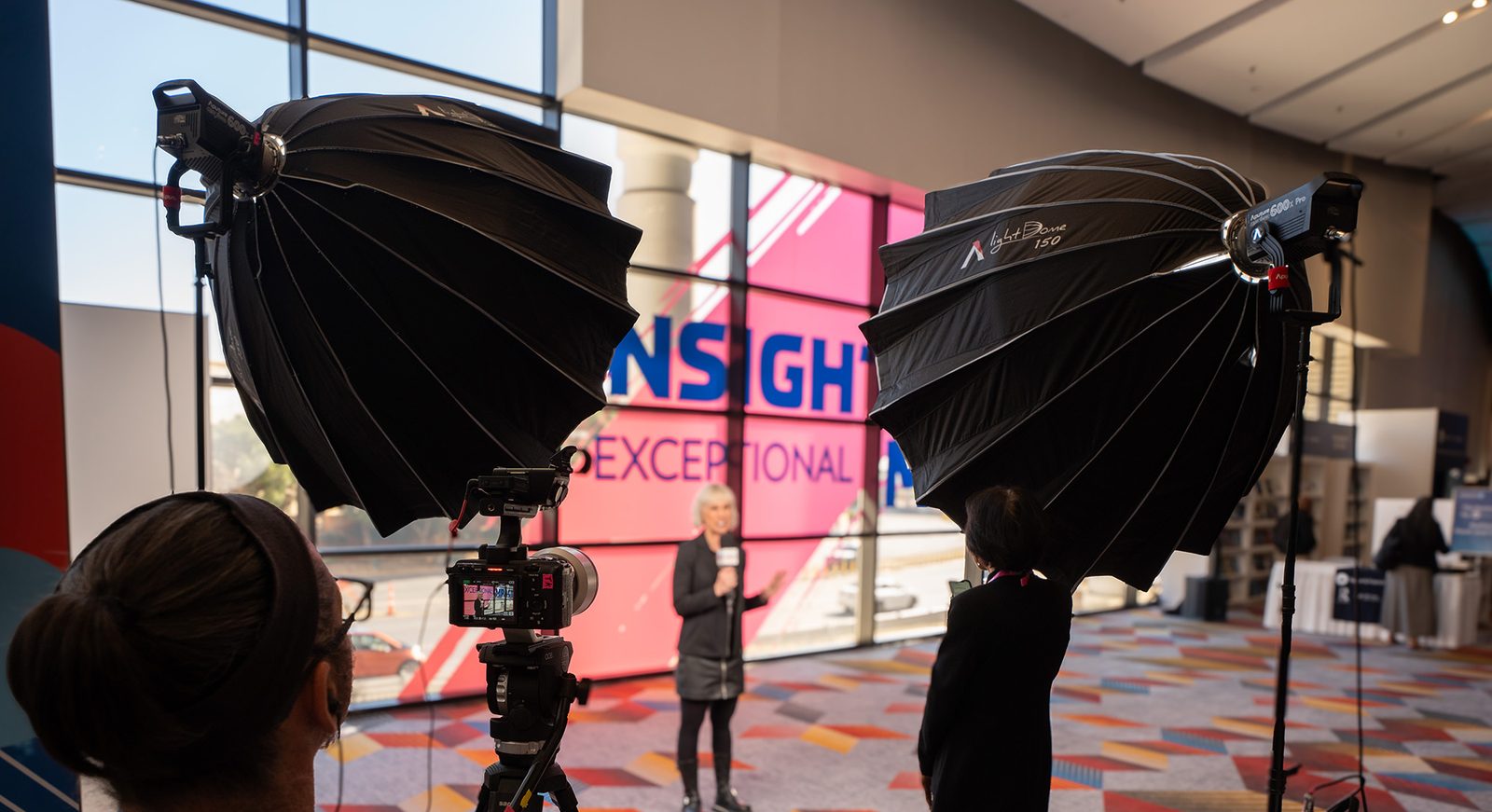
Achieving a sufficiently bright and evenly lit scene at f/8, especially for high-speed capture, required powerful illumination. Two Aputure LS 600x Pro bi-color LED lights, paired with 60-inch Aputure Light Dome 150 softboxes, proved indispensable. These high-output lights, known for their reliability and intensity, provided the necessary "firepower" to illuminate the scene effectively, ensuring that subjects were brightly lit and details were crisp, even with the smaller aperture. For camera stabilization and movement, the Sony FX3 was mounted on a DJI Ronin RS4 Pro gimbal. Crucially, the addition of Tilta dual handles transformed the gimbal setup. While a single-handed gimbal operation can quickly become unstable during rapid push-in shots, the dual handles provided enhanced control and stability. This configuration allowed for smoother, more deliberate camera movements, mimicking the precision of a robotic arm and preventing the footage from appearing amateurish or shaky. The combination of robust lighting and a well-controlled gimbal system allowed for the practical replication of the Glambot aesthetic, achieving visually stunning results that belied the budget-conscious approach. Initial practice runs were crucial to fine-tune the timing and movement, ensuring that when subjects stepped in front of the lens, the desired "Glambot energy" was captured effectively, delivering a high-impact visual that resonated on screen.
Transition to Engagement: The Art of the Attendee Interview
Following the visually intensive "Glambot" segment, the production seamlessly transitioned into a series of person-on-the-street style interviews with convention attendees. This shift demanded an entirely different approach, prioritizing rapid setup, clear audio, and a comfortable environment for interview subjects, many of whom were unaccustomed to being on camera.
-
Rapid Deployment: Streamlining Audio for Spontaneous Interactions
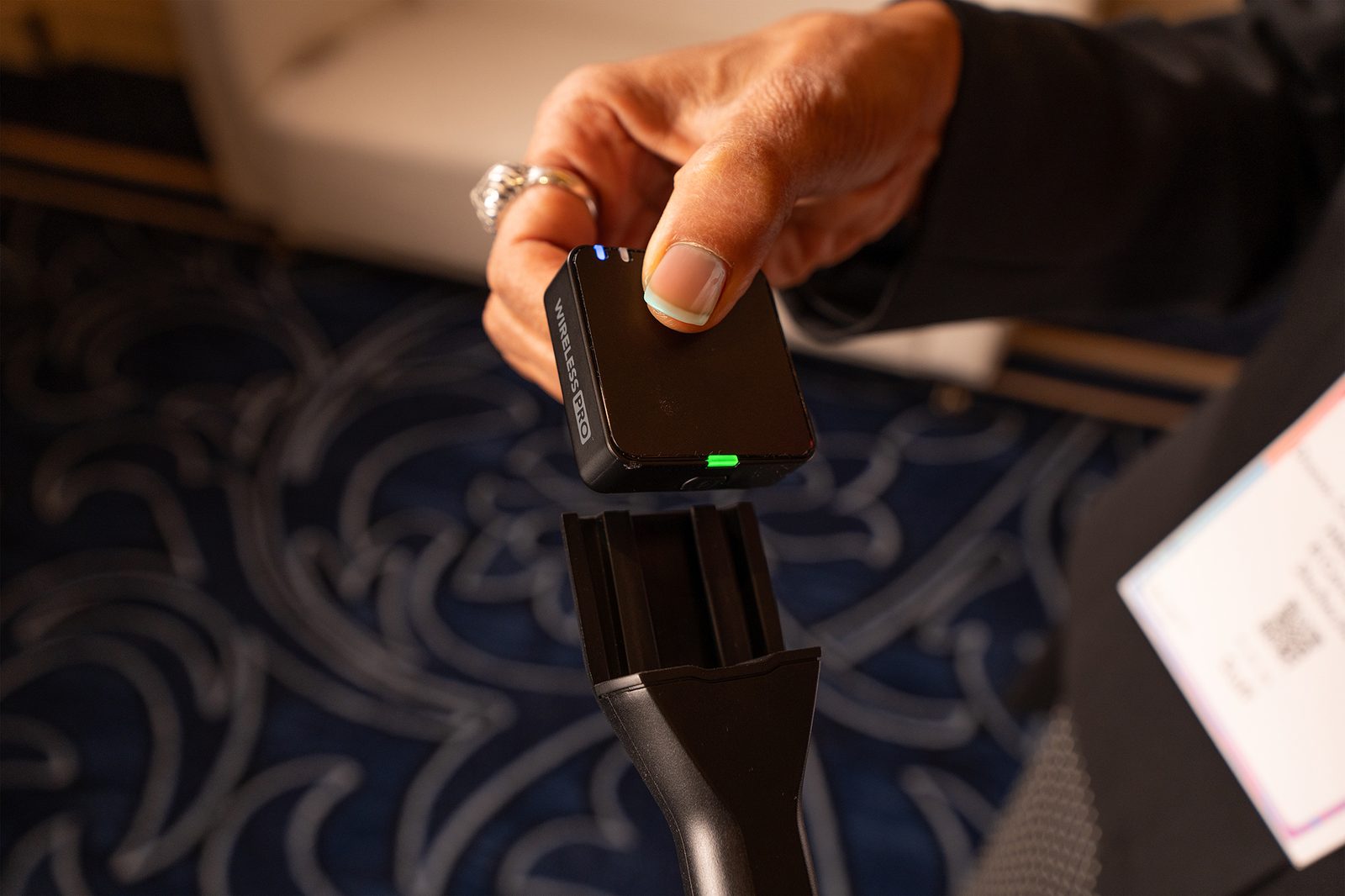
Efficiency was paramount for the interview phase, with a strict five-minute time limit per attendee. This left minimal room for elaborate gear adjustments or complicated setups. A second Sony FX3 camera was quickly mounted on a tripod for a stable, consistent shot. The audio solution was critical: the Rode Wireless Pro 2-person lav mic system was integrated, paired with the Rode Interview GO Handheld Mic Adapter. This combination proved to be a significant logistical advantage. The ability to snap a wireless transmitter directly onto the handheld adapter and immediately hand it to the interview subject streamlined the process immensely. This eliminated the need for awkward clipping of lavalier microphones, routing cables, or managing multiple handheld mics, allowing for clean, fast audio acquisition. The streamlined setup minimized downtime between interviews, maximizing the number of attendees who could be engaged and ensuring that the valuable five-minute window was dedicated to meaningful conversation rather than technical fumbling. -
Psychological Distance: The Strategic Use of Focal Length
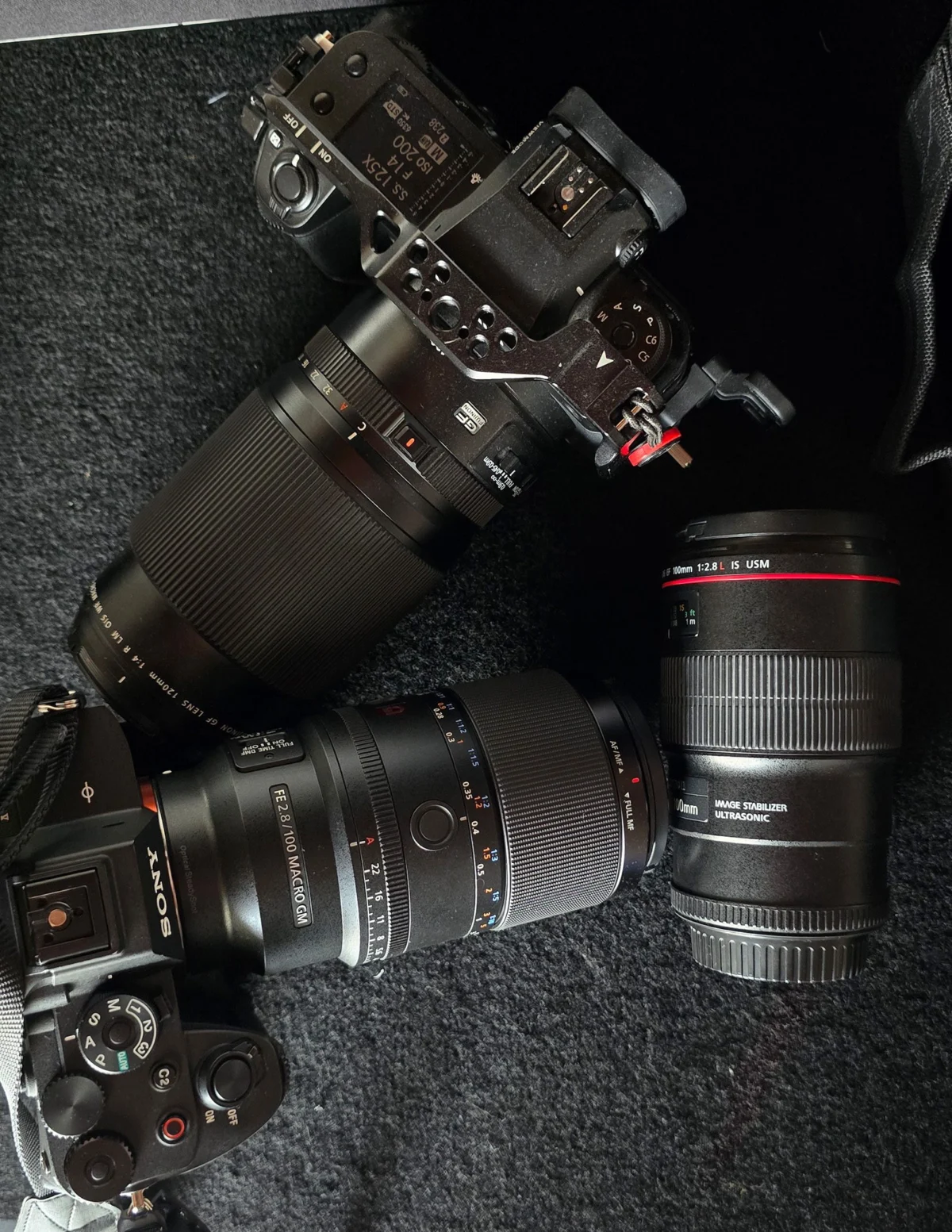
The choice of lens for the interviews was not solely driven by aesthetic considerations but by a nuanced understanding of human psychology in front of a camera. The Sony 70-200mm f/4 lens was selected for its longer focal length. While typically chosen for its ability to compress backgrounds and create appealing bokeh, its primary benefit in this context was its capacity to create physical distance between the camera and the interview subject. Many attendees, unfamiliar with being filmed, exhibited visible signs of tension when confronted with a camera lens. By positioning the camera further away, the longer focal length allowed for a tightly framed shot without the lens being "in their face." This subtle psychological distancing effect proved highly effective. When individuals feel less scrutinized and more comfortable, their natural demeanor emerges, leading to more authentic, engaging, and articulate responses. This strategic lens choice directly contributed to the quality of the interviews, transforming potentially stiff interactions into genuine conversations that captured the true sentiment and energy of the convention attendees.
Adaptability as the Cornerstone of Modern Production
The successful execution of this dual-faceted production underscored a critical principle in contemporary media creation: adaptability. The ability to pivot from a highly technical, pseudo-robotic cinematic setup to a run-and-gun journalistic interview style within a single day, and often within minutes, is a hallmark of an effective production team. Success was not predicated on possessing the most expensive equipment or the largest crew but on a deep understanding of the tools available and creative problem-solving under pressure. From meticulously mimicking high-end cinema technology with a gimbal and precisely calibrated lighting to employing a longer lens to foster comfort in interview subjects, the overarching objective remained consistent: to capture the authentic energy and narrative of the event without the technical apparatus overshadowing the human element. This rapid and successful transition between disparate production styles is a testament to the agility required in an industry that demands both visual spectacle and genuine human connection.
Logistical Support and Strategic Partnerships
A crucial enabling factor in this rapid adaptation was access to a diverse array of specialized equipment. For independent producers and smaller teams, owning every piece of high-end gear required for varied projects is often economically unfeasible. This is where strategic partnerships, such as those with professional equipment rental services, become invaluable. The ability to order specific cameras, lenses, lighting kits, and audio solutions, and have them delivered directly to the location or hotel prior to the shoot, significantly reduces logistical overhead and enhances operational flexibility. This logistical efficiency allowed the producer to select precisely the right tools—from the powerful Aputure lights and robust DJI gimbal to the specialized Rode audio adapters and versatile Sony lenses—that exceeded the baseline requirements, providing the necessary latitude for creative problem-solving and ensuring preparedness for unexpected client requests. This level of support is not merely a convenience but a critical component in empowering content creators to deliver high-quality, adaptable productions without the prohibitive capital investment of owning a comprehensive equipment inventory.
Broader Implications for Event Content Creation
This project offers valuable insights for the broader event content creation industry. Firstly, it demonstrates that high-impact visual aesthetics, previously associated with exclusive budgets, are increasingly attainable through creative application of readily available, professional-grade equipment. This democratization of production quality empowers smaller agencies and individual videographers to compete effectively in a demanding market. Secondly, it highlights the paramount importance of psychological considerations in filming human subjects, particularly in unscripted environments. The strategic use of a long lens to mitigate camera shyness is a subtle yet powerful technique that can significantly enhance the authenticity and engagement of interview content. Finally, the narrative reinforces the enduring value of human ingenuity and adaptability. In an era where technological advancements are rapid, the ability of a producer to diagnose a client’s evolving needs, creatively engineer solutions, and execute them under pressure remains the ultimate differentiator. As conventions and corporate events continue to seek compelling digital narratives, the lessons learned from such agile productions will undoubtedly shape the future of dynamic, budget-conscious content creation. The results, as evidenced by this multifaceted shoot, consistently speak for themselves when preparation meets inventive execution.