The dynamic landscape of modern media production frequently presents unexpected challenges, requiring professionals to blend technical acumen with creative problem-solving. Such was the scenario faced during a recent convention shoot, where a videographer was tasked with executing two distinct, high-demand content styles—cinematic high-speed "Glambot"-esque shots and spontaneous person-on-the-street interviews—concurrently and under significant time constraints. This pivot mid-production highlights the crucial role of adaptability and sophisticated equipment management in achieving diverse client objectives within a single event framework.
The Evolving Demands of Convention Videography
Conventions and large-scale corporate events are increasingly becoming pivotal platforms for content creation, moving beyond simple archival footage to demand engaging, high-quality multimedia assets. Clients seek to capture the energy, innovation, and attendee experience through a variety of formats suitable for immediate social media dissemination, post-event marketing, and internal communications. This often translates into requests for content that ranges from polished, stylized visuals to authentic, unscripted testimonials. The logistical complexities of these environments—tight schedules, fluctuating lighting conditions, crowded spaces, and the need for unobtrusive operation—further amplify the pressure on production teams. The ability to seamlessly transition between vastly different shooting methodologies, as demonstrated in this instance, is becoming a hallmark of effective event videography.
Navigating the "Glambot" Challenge: Mimicking High-End Cinema on a Convention Floor
Midway through the scheduled convention coverage, the client introduced a significant curveball: a request for "Glambot" style shots, immediately followed by impromptu attendee interviews. A true Glambot, synonymous with red-carpet events like the Oscars or Emmys, involves a high-speed camera mounted on a precisely programmed robotic arm. These systems are engineered for unparalleled precision, repeatability, and cinematic quality, capable of capturing ultra-slow-motion footage with stunning clarity as the camera executes complex, dynamic movements around a subject. However, the substantial rental cost and specialized operational requirements of an actual Glambot typically place it outside the scope of most event budgets.
Faced with this budgetary and logistical reality, the videographer devised a practical alternative that leveraged readily available, professional-grade equipment. The core strategy involved combining a high-speed capable camera with a robust gimbal system and an abundance of controlled lighting.
Technical Mastery in High-Speed Emulation
Achieving the aesthetic of a Glambot shot without the robotic arm required meticulous attention to several technical parameters, primarily lighting and focus. High-speed videography inherently demands significantly more light due to the extremely fast shutter speeds required to render fluid slow-motion playback. The fundamental exposure principle dictates that the shutter speed should be at least double the frame rate. In this scenario, shooting at 120 frames per second (fps) in 4K resolution on a Sony FX3 necessitated a shutter speed of 1/240th of a second. This specific setting ensures that when the footage is conformed to a standard 24 fps timeline, the slow-motion appears natural and cinematic, free from excessive motion blur or a choppy, staccato effect.
Focus presented the trickier hurdle. A genuine Glambot system integrates pre-programmed focus pulling into its motion path, ensuring subjects remain tack-sharp throughout complex camera movements. Without such an automated system or a dedicated focus puller on set, the videographer opted for a deeper depth of field by shooting at an aperture of approximately f/8. This decision provided a sufficient margin for error, allowing the subject to remain in focus even as the camera moved dynamically closer. The trade-off for this extended depth of field, however, was a dramatic reduction in light entering the lens, further amplifying the need for powerful illumination.
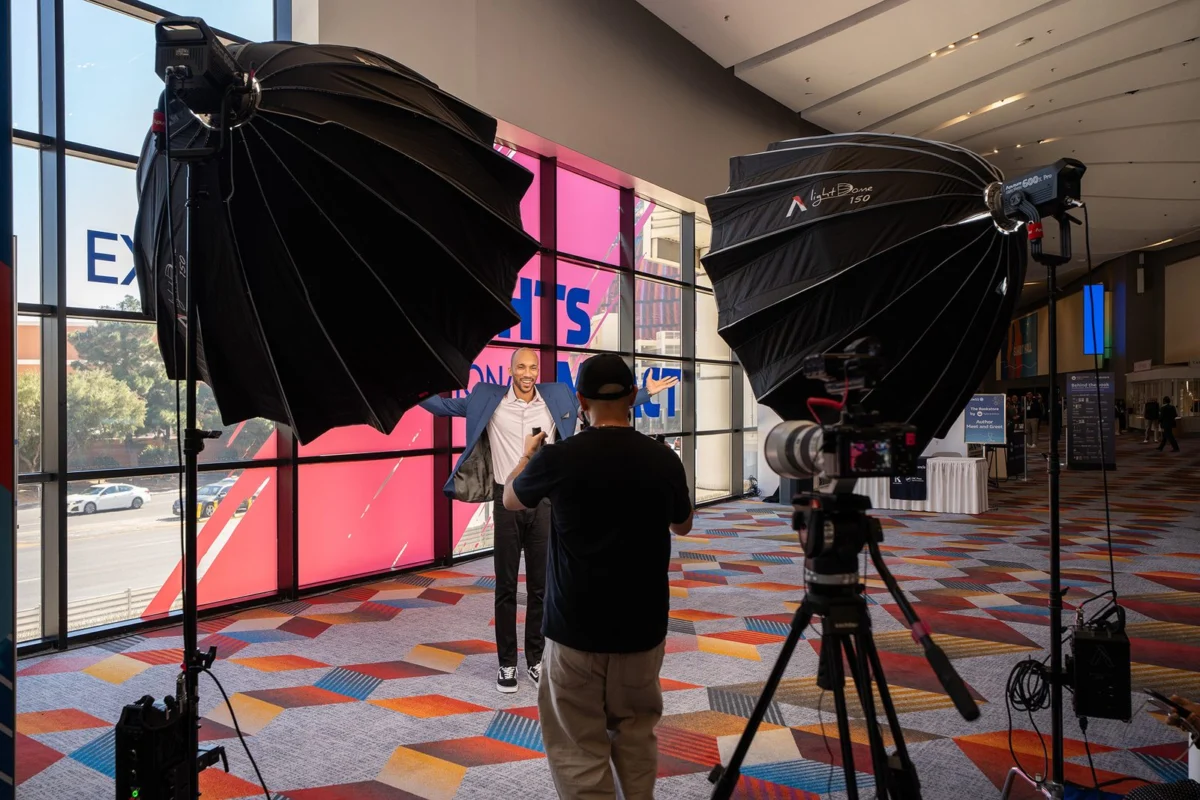
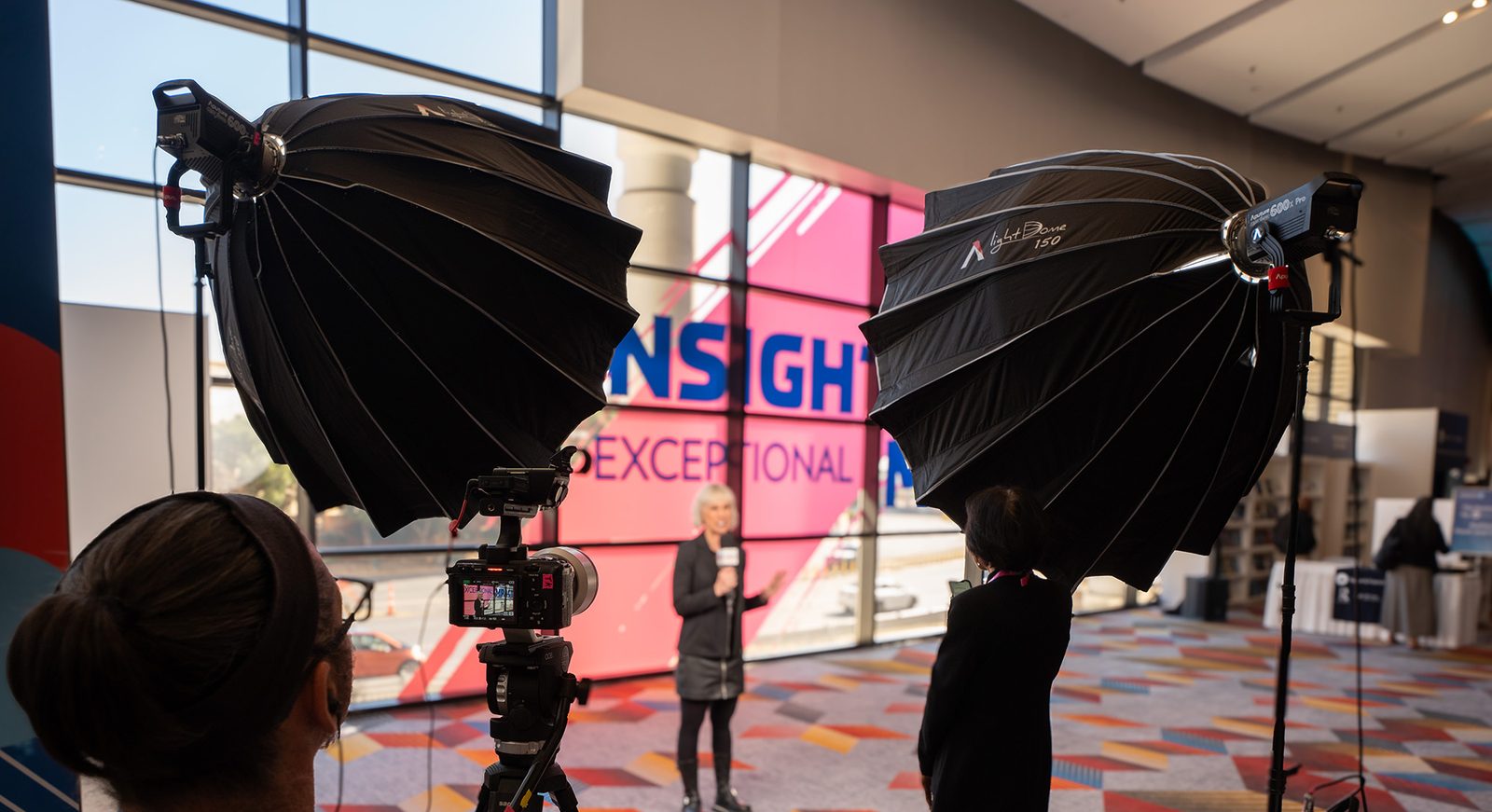
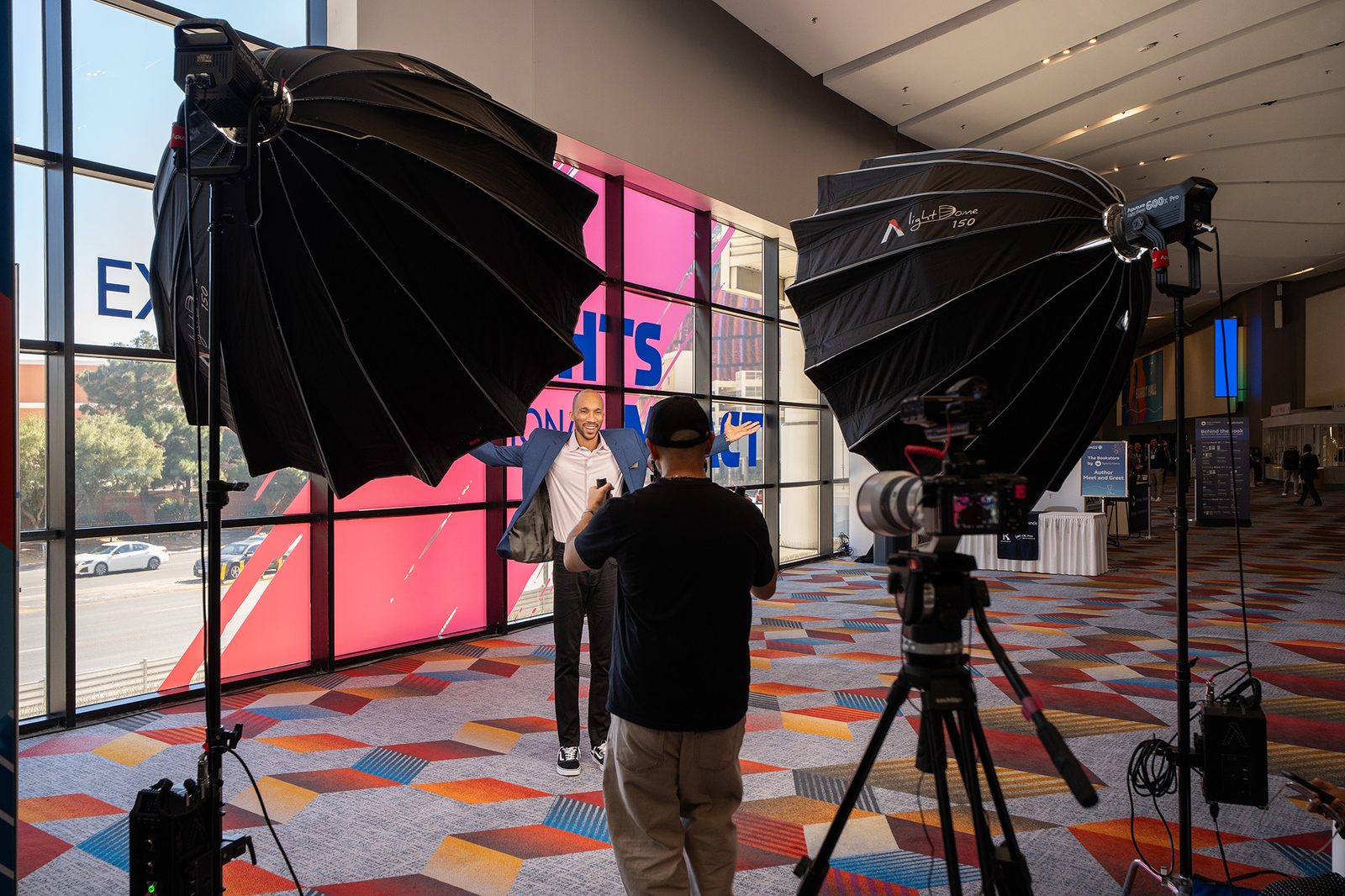
To compensate for the demanding lighting requirements, two Aputure LS 600x Pro bi-color LED lights were deployed, each paired with a 60-inch Aputure Light Dome 150 softbox. The Aputure LS 600x Pro units are renowned for their impressive output, color accuracy, and versatility, offering bi-color capabilities that allow for precise color temperature adjustments to match ambient conditions or create specific moods. The large Light Dome 150 softboxes ensured that the intense light was diffused and softened, producing flattering illumination critical for the close-up, high-glamour aesthetic desired for these shots. This combination provided ample "firepower" to achieve proper exposure at f/8 and 1/240th of a second, while maintaining a visually appealing quality.
For camera stabilization and movement, a Sony FX3 was mounted onto a DJI Ronin RS4 Pro gimbal, augmented with Tilta dual handles. The Sony FX3, a popular choice for professional videographers, offers excellent low-light performance, robust internal recording capabilities (including 4K 120fps), and a compact form factor ideal for gimbal use. The DJI Ronin RS4 Pro represents the pinnacle of handheld gimbal technology, offering precise three-axis stabilization, intelligent tracking features, and significant payload capacity. The addition of Tilta dual handles was a critical ergonomic decision; while a single-handed gimbal push towards a subject can quickly become unstable, the dual-handle configuration provided enhanced control, minimizing micro-jitters and ensuring the camera movement appeared intentional and smooth, rather than a result of operator nervousness.
With careful calibration, several practice runs, and precise execution, the improvised setup successfully captured footage that convincingly emulated the "Glambot" energy. While not an exact replica of the specialized robotic system, the on-screen results conveyed a high degree of polish and cinematic flair, satisfying the client’s creative brief within practical constraints.
Transitioning to "Person-on-the-Street" Interviews: Agility in Action
Immediately following the high-speed glam shots, the production seamlessly transitioned to the second client request: person-on-the-street interviews with convention attendees. This shift demanded a completely different operational approach, moving from controlled, stylized movements to rapid, journalistic-style engagement. The emphasis here was on speed, clarity, and minimizing the intimidation factor for interviewees who might be unaccustomed to being on camera.
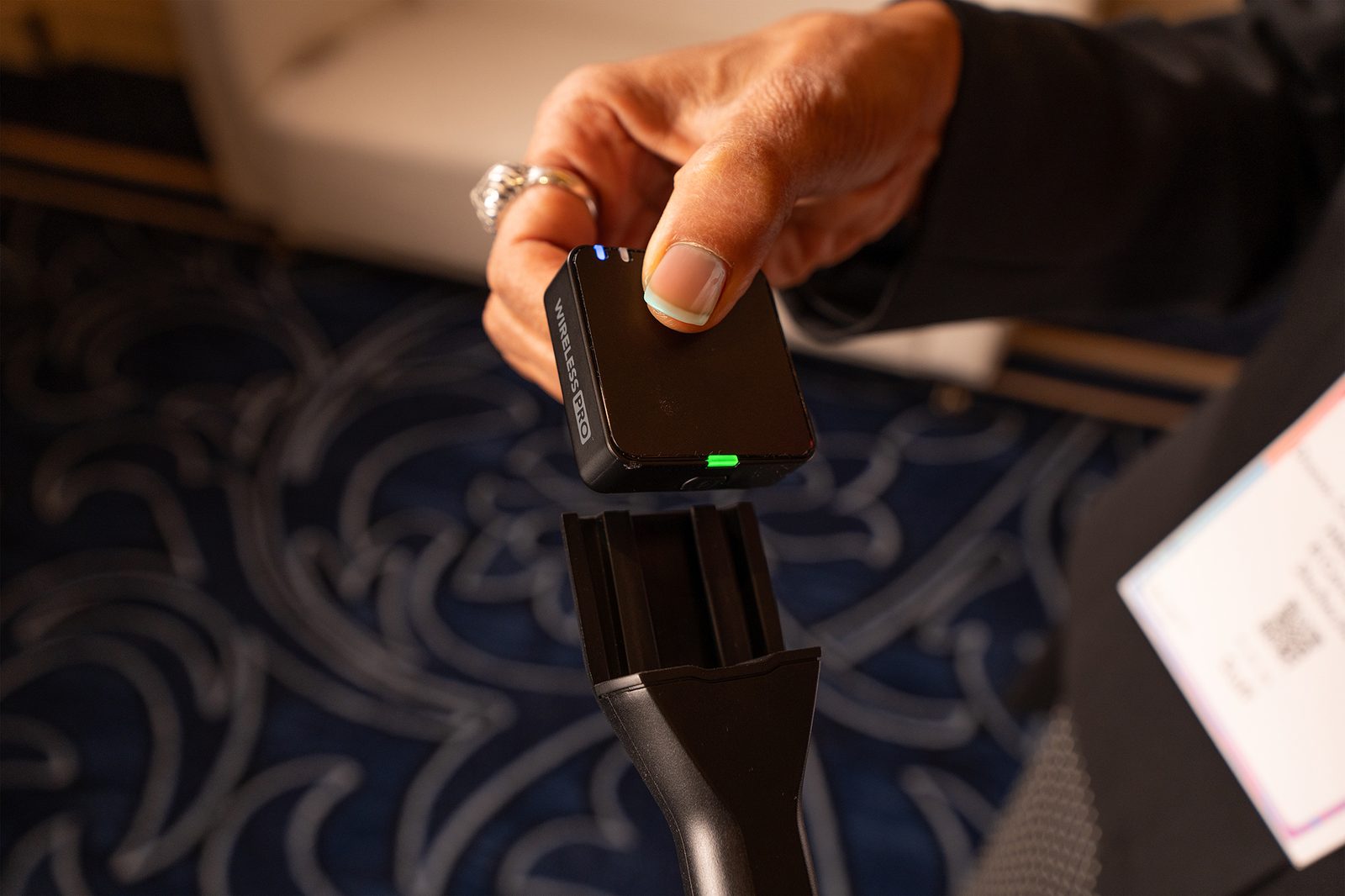
A second Sony FX3 camera was quickly mounted on a tripod for a stable, consistent shot. For audio capture, a Rode Wireless Pro 2-person lavalier microphone system was deployed. This professional-grade wireless system is known for its reliability, ease of use, and pristine audio quality. Critically, the videographer utilized a Rode Interview GO Handheld Mic Adapter, which allowed a Rode Wireless Pro transmitter to be quickly snapped onto a traditional handheld microphone form factor. This proved to be a significant time-saver in a fast-paced environment where each interview was limited to approximately five minutes. The ability to simply hand a professional-looking microphone to an attendee, rather than fumbling with clipping on lavaliers or managing cables, streamlined the process, reduced setup time, and minimized any potential awkwardness for the interviewee. The result was clean, intelligible audio captured efficiently, crucial for the journalistic integrity of the interviews.
For the visual aspect of the interviews, a Sony FE 70-200mm f/4 G OSS lens was selected. While this longer focal length provides excellent compression and background separation, its primary advantage in this context was less about aesthetic and more about psychology. Many attendees, unfamiliar with being filmed, exhibited visible tension when confronted with a camera in close proximity. By utilizing the 70-200mm lens, the videographer could maintain a greater physical distance from the subject while still achieving a tight, engaging frame. This spatial separation helped to de-escalate the situation, allowing interviewees to relax and feel less scrutinized. The observed effect was a noticeable loosening up among subjects, leading to more natural conversations, more authentic reactions, and ultimately, more compelling interview content. This strategic lens choice underscores the importance of understanding not just the technical aspects of equipment, but also its psychological impact on subjects, especially in unscripted, fast-paced environments.
Operational Efficiency and the Power of Rental Services
The successful execution of such a diverse and demanding shoot within a single day underscores several critical aspects of modern media production. Firstly, it highlights the paramount importance of adaptability and a robust problem-solving mindset. Unexpected client requests are a common occurrence, and the ability to pivot creatively and technically is invaluable. Secondly, it showcases the critical role of versatile, professional-grade equipment that can perform across a spectrum of production needs. The Sony FX3, for example, proved its worth as a multi-purpose workhorse, capable of both high-speed cinematic capture and reliable interview footage. The efficiency of the Rode wireless audio system and the strategic choice of the 70-200mm lens further illustrate how specific gear selections can directly impact both technical quality and human interaction.
Furthermore, the seamless integration of rental services, such as Lensrentals.com, played a crucial facilitative role. The ability to procure specialized equipment precisely when needed, often with delivery directly to the shoot location or hotel, eliminates the burden of ownership and allows videographers to access a wider array of tools for specific project requirements. This logistical advantage enabled the videographer to be fully prepared for the initial brief and, critically, to quickly adapt to the unanticipated demands for both high-speed and interview setups without compromising quality or schedule. The availability of high-end gear on demand fosters greater flexibility, allowing production teams to scale their capabilities to match client expectations without prohibitive upfront investments.
Broader Implications: The Evolving Role of the Modern Videographer
This convention shoot serves as a microcosm for broader trends within the media production industry. The modern videographer is no longer merely an operator of cameras but must embody a multifaceted skill set: a technical expert, a creative director, a logistical coordinator, and a client relations specialist. The ability to interpret a client’s aspirational vision ("Glambot shots") and translate it into a practical, budget-conscious, and technically sound solution speaks to a profound understanding of both the art and science of filmmaking.
The incident also underscores the democratization of advanced production techniques. While true robotic Glambot systems remain niche and expensive, advancements in gimbal technology, high-speed cameras, and powerful LED lighting have made it possible for independent videographers and smaller production houses to achieve visually stunning results that once required Hollywood-level budgets. This accessibility empowers content creators to push creative boundaries and deliver premium content across various platforms, from corporate events to online media.
Ultimately, success in a rapidly evolving production environment hinges not on the most expensive proprietary technology, but on intelligent application of available tools, a deep understanding of cinematic principles, and an unwavering commitment to meeting client needs. The successful execution of this dual-challenge convention shoot exemplifies how strategic equipment choices, operational agility, and a problem-solving ethos can transform unexpected curveballs into opportunities for delivering exceptional results that resonate with audiences and solidify client relationships. The outcomes, in this case, spoke volumes about the power of preparedness and professional adaptability.