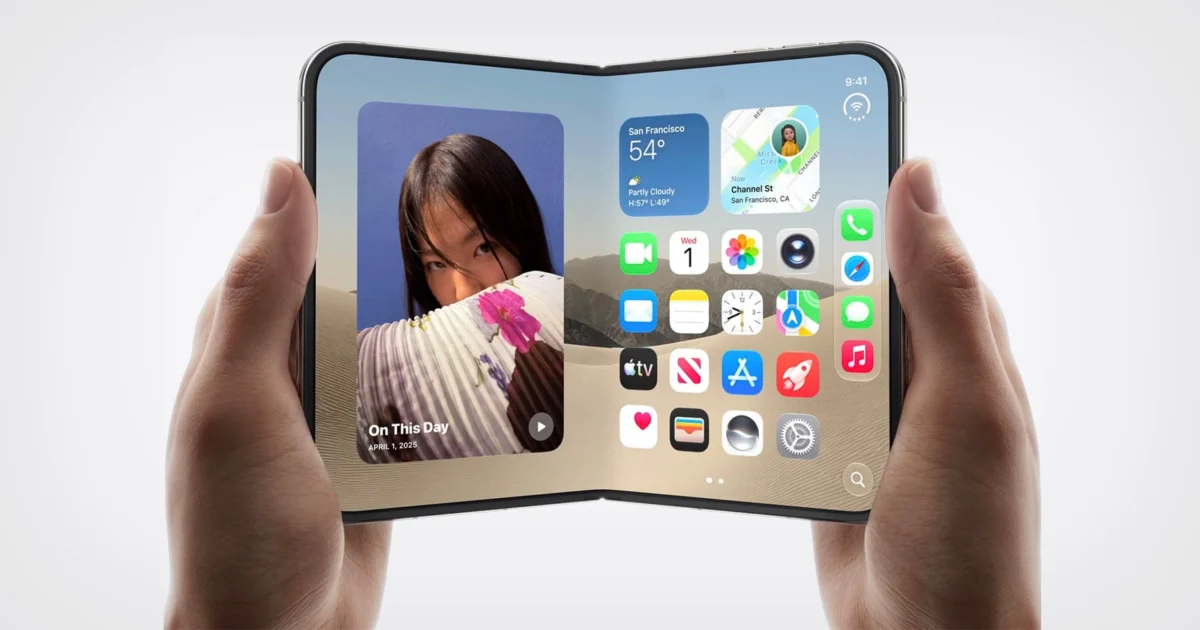
Apple has officially lifted the veil on its highly anticipated first foldable smartphone, the iPhone Duo, marking what CEO John Ternus describes as "the most transformational change to iPhone since the original." This groundbreaking device, featuring a sophisticated book-style design, boasts a compact outer display paired with an expansive 7.6-inch inner screen, positioning Apple firmly within the premium foldable market. With a starting price of $1,999, the iPhone Duo is poised to redefine user expectations for mobile productivity and immersion, blending Apple’s signature hardware-software integration with innovative flexible display technology.
A Long-Awaited Entry into the Foldable Frontier
The arrival of the iPhone Duo has been the subject of intense speculation and rumor for several years, with industry watchers and consumers alike eagerly awaiting Apple’s foray into the nascent but rapidly growing foldable smartphone segment. While competitors like Samsung, Huawei, Motorola, and Google have been iterating on foldable designs for generations, Apple’s characteristic patience and meticulous development process meant a later, but potentially more polished, entry. This approach aligns with Apple’s historical strategy of refining emerging technologies before introducing them to the mainstream, as seen with the original iPod, iPhone, and iPad, which were not the first devices in their categories but often became the most impactful.
The foldable smartphone market, though still a niche compared to traditional smartphones, has witnessed significant technological advancements and increasing consumer interest. Early models often grappled with durability concerns, visible screen creases, and software optimization challenges. Apple’s entry signals a potential inflection point, legitimizing the form factor further and likely accelerating innovation across the industry. CEO John Ternus underscored this by stating, "Others have created foldables that feel like two phones awkwardly stuck together," a pointed critique that sets the stage for the iPhone Duo’s integrated design philosophy.
Revolutionary Design and Display Technology
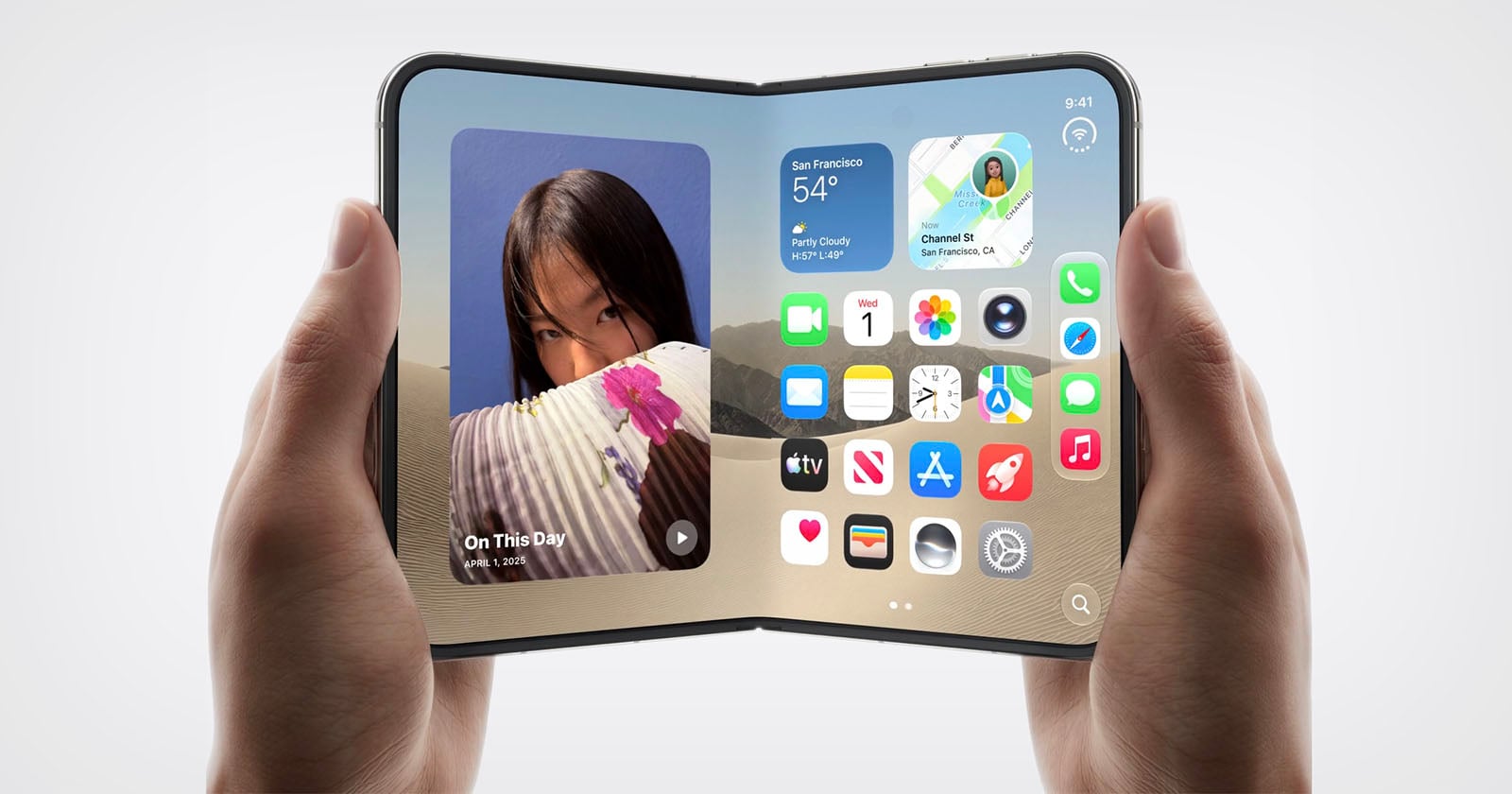
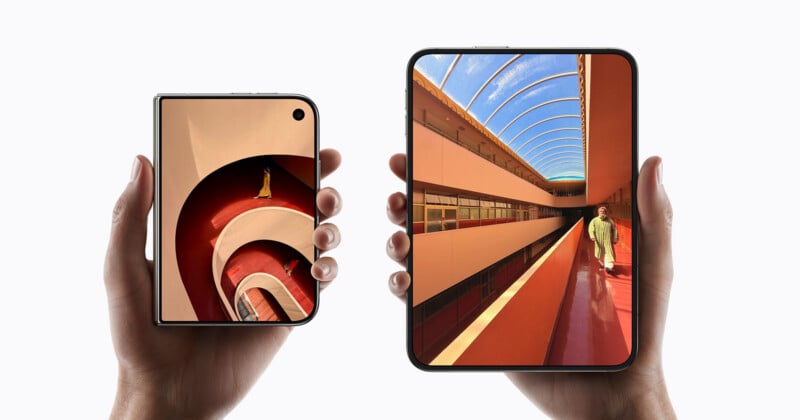
The iPhone Duo’s physical design is a testament to Apple’s engineering prowess. When folded, it adopts a compact, passport-like form factor, designed for comfortable single-hand use, and features a relatively small but functional outer display measuring 5.4 inches. This outer screen offers approximately 90% of the screen area found on the iPhone 18 Pro, ensuring essential tasks and notifications are easily accessible without unfolding the device. The true marvel, however, unfolds to reveal a seamless 7.6-inch inner display, an impressive 80% larger than the screen on the iPhone 18 Pro, providing an expansive canvas for multitasking, content consumption, and gaming.
Both displays share the same aspect ratio and deliver an astonishing 3,000 nits of peak outdoor brightness, ensuring exceptional visibility even in direct sunlight. A major highlight of Apple’s display innovation is its direct address of the "distracting crease" that has plagued many previous foldable designs. By leveraging its proprietary Nano Texture display technology, previously seen on high-end Mac and iPad products, Apple claims the iPhone Duo’s crease is "virtually imperceptible." This achievement is underpinned by a meticulously engineered hinge mechanism comprising over 100 tiny components, designed to create a smooth, durable fold that minimizes the visual and tactile presence of the crease. When fully opened, the iPhone Duo achieves the distinction of being the thinnest iPhone ever, a feat of miniaturization given the dual-screen architecture. The device’s camera plateau not only houses the advanced imaging sensors but also cleverly integrates other core components, contributing to its slender profile.
iOS 27: Software Reimagined for the Foldable Future
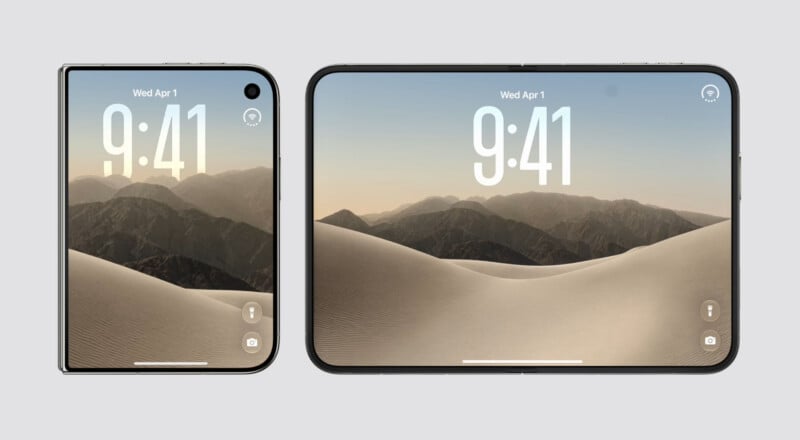
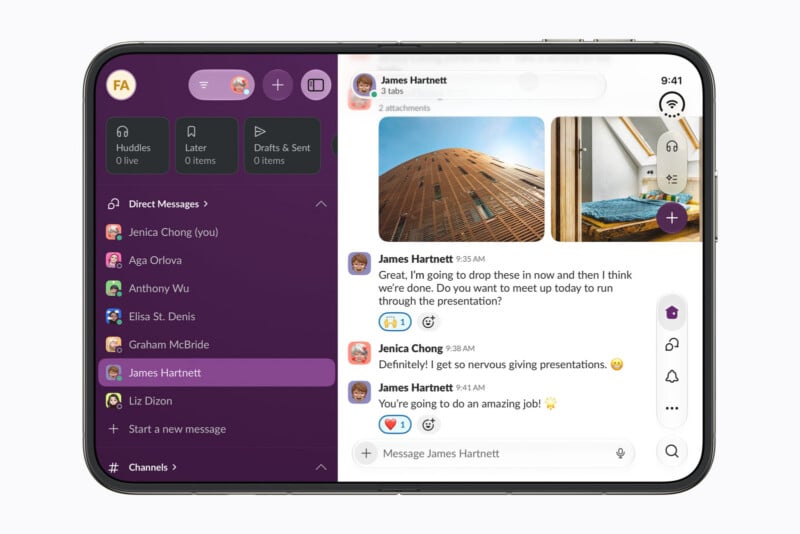
The hardware innovation of the iPhone Duo is meticulously complemented by a fundamental rethinking of its operating system, iOS 27. Apple explicitly stated that the software has been "redesigned and rethought from the ground up" to fully leverage the unique outer and inner screen dynamics. This involved not only adapting existing applications to function seamlessly across varying screen sizes and orientations but also introducing robust multitasking capabilities previously more common on iPads. The goal, as Apple outlined, was to "start with an iPad-like experience and then find a way to make it work in a sleek, thin foldable smartphone design."
Users can expect enhanced split-screen functionalities, intuitive drag-and-drop interactions, and improved app continuity, allowing a smooth transition of tasks between the outer and inner displays. This focus on an "iPad-like experience" suggests a powerful tool for productivity, enabling users to run multiple applications side-by-side, manage complex workflows, and engage in more immersive content creation or consumption. Further solidifying its productivity credentials, Apple announced that Apple Pencil support will arrive on the iPhone Duo later this year, extending its utility for note-taking, sketching, and precise interface navigation on both displays. This addition could significantly appeal to creative professionals and students seeking a versatile device that bridges the gap between smartphone and tablet.
Robust Durability and Advanced Core Performance
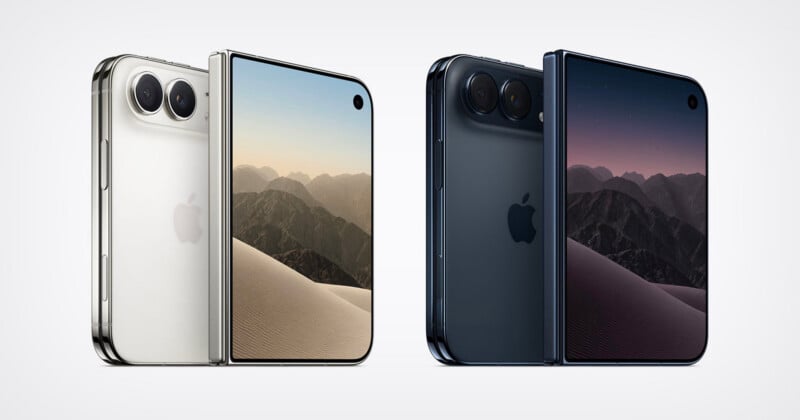
Durability has been a paramount concern for early foldable adopters, and Apple has addressed this head-on with the iPhone Duo’s construction. The device is built from grade-five titanium, a material renowned for its strength-to-weight ratio and often used in aerospace applications, promising a rigid and durable frame capable of withstanding the rigors of daily use and countless folding cycles. The exterior features Apple’s Ceramic Shield on the back and the enhanced Ceramic Shield 2 on the front, providing industry-leading drop and scratch resistance. Furthermore, the iPhone Duo boasts an IP68 rating for dust and water resistance, ensuring protection against immersion in up to six meters of water for 30 minutes, a standard that instills confidence in its resilience.
Available in two sophisticated colors, Sky White and Night Sky (a deep blue), the iPhone Duo combines aesthetic elegance with robust engineering. Powering this advanced hardware is the A20 Pro chip, the same cutting-edge processor found in the iPhone 18 Pro and iPhone 18 Pro Max. This ensures uncompromising performance, whether handling demanding applications, high-fidelity gaming, or complex AI/ML tasks. The A20 Pro’s efficiency also contributes to the iPhone Duo’s impressive battery life, promising up to 44 hours of video playback when utilizing only the outer display, and up to 24 hours when both displays are used equally. For rapid power replenishment, the device supports fast charging, capable of reaching 50 percent charge in approximately 20 minutes via wired connection or 30 minutes wirelessly. In a move to maximize internal space and battery capacity, the iPhone Duo is exclusively eSIM-only, eliminating the physical SIM card tray.
Camera System: Innovation with Strategic Compromises
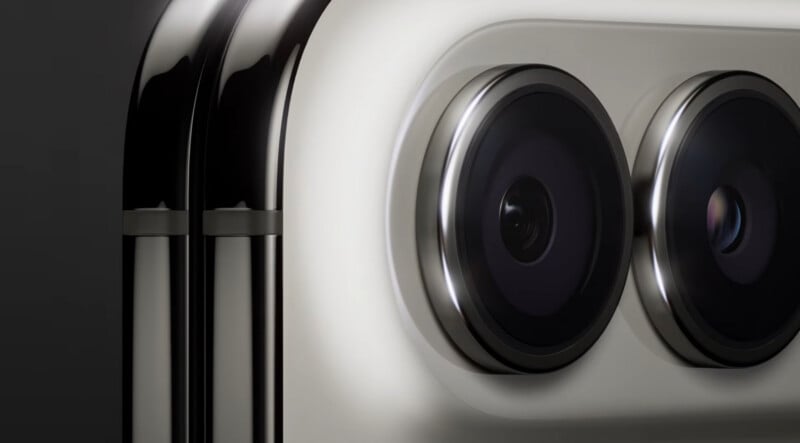
The iPhone Duo’s camera system offers a compelling blend of high-resolution imaging and innovative functionality, though with some strategic distinctions from its Pro-level siblings. It features a dual-camera setup on the rear, comprising a 48-megapixel Fusion Main Camera and a 48-megapixel Fusion Ultra Wide camera. These are the same sensor specifications as those found in the iPhone 18 Pro, indicating strong image quality and versatility. The "Fusion" technology typically involves pixel binning, combining data from multiple pixels into one larger "super pixel" for improved low-light performance and detail.
However, Apple explicitly notes that the 48MP Fusion Main camera on the iPhone Duo is not the brand-new variable aperture sensor introduced with the iPhone 18 Pro. This means it lacks the advanced light-gathering and depth-of-field control offered by the latest flagship sensor. Furthermore, the iPhone Duo does not include a dedicated telephoto camera, a feature that has become standard on premium smartphones. Instead, Apple reiterates its approach of achieving 2x "optical quality" photos by capturing a cropped 24MP image from the high-resolution main sensor. While this method can deliver good results in ideal conditions, it typically offers less flexibility and image quality compared to a true optical zoom lens, especially in challenging lighting.
Despite these distinctions, the foldable design of the iPhone Duo unlocks a suite of unique photographic experiences. Apple highlights its ability to function as a "smart tripod," allowing users to partially fold the device and set it on a surface to capture stable photos or videos, particularly useful for group selfies where everyone can be in the frame. The Camera app can even be configured to automatically snap photos once subjects are perfectly posed. Another innovative feature is the ability to record simultaneously from both the rear and front-facing cameras when the device is unfolded, with users able to preview the framing via the outer display, offering unprecedented creative control for vlogging or dynamic content creation. The inner front-facing camera is discreetly hidden below the display, making it nearly invisible when not in active use, preserving the immersive quality of the expansive inner screen.
For video enthusiasts, the iPhone Duo is a capable tool, supporting 4Kp120 video recording in Dolby Vision. This allows for incredibly detailed and vibrant footage, with the added flexibility of applying Cinematic effects after capture at up to 60 frames per second, offering professional-grade post-production capabilities directly on the device.
Security and User Convenience
In terms of security and user convenience, Apple has integrated Touch ID into the side button of the iPhone Duo. This decision likely stems from the practical challenges of implementing Face ID on a foldable device, where camera placement and hinge mechanisms can interfere with reliable facial recognition. The side-mounted Touch ID sensor offers flexibility, allowing users to enroll multiple fingers to accommodate different ways they might hold the device, ensuring quick and secure access regardless of whether it’s folded or unfolded.
Market Impact and Future Outlook
Apple’s entry into the foldable smartphone market with the iPhone Duo is a watershed moment for the industry. Its premium pricing of $1,999 places it firmly in the ultra-luxury segment, similar to its high-end iPhone Pro Max and Vision Pro products. Analysts anticipate that Apple’s endorsement of the foldable form factor will significantly boost consumer confidence and accelerate mainstream adoption, potentially spurring further innovation from rival manufacturers. While the initial sales volume may be modest compared to traditional iPhones, the iPhone Duo serves as a halo product, showcasing Apple’s vision for the future of mobile technology and setting a new benchmark for design, engineering, and software integration in the foldable space.
The iPhone Duo is set to begin preorders on October 16, with general availability commencing on October 23. This launch represents not just a new product for Apple, but a profound statement about the company’s commitment to pushing the boundaries of smartphone design and user experience, potentially ushering in an exciting new chapter for the entire mobile industry.