Lensrentals, a leading provider of professional photographic and video equipment rentals, marked its 19th anniversary by conducting a crucial teardown of a popular but frequently malfunctioning Sony PTZ camera. This investigative disassembly, led by the company’s founder Roger Cicala and senior technician Aaron Closz, aimed to diagnose common points of failure, particularly a critical structural weakness leading to a prohibitive $6,000 factory repair cost, and develop in-house solutions to enhance equipment longevity and service efficiency. The initiative underscores Lensrentals’ ongoing commitment to operational excellence and proactive equipment management in the face of significant business expansion and unforeseen operational challenges.
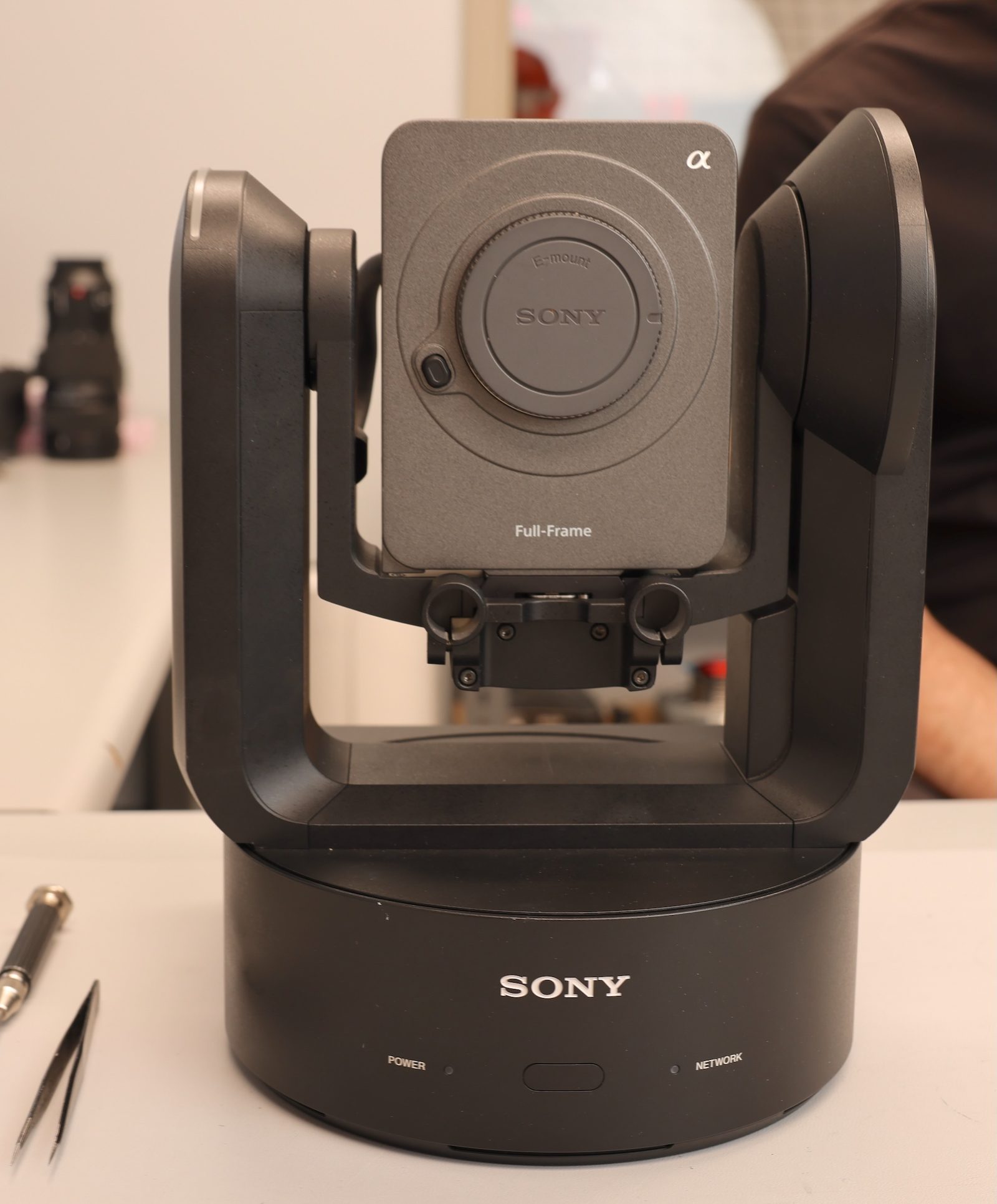
Unveiling Vulnerabilities: The Sony PTZ Camera Teardown
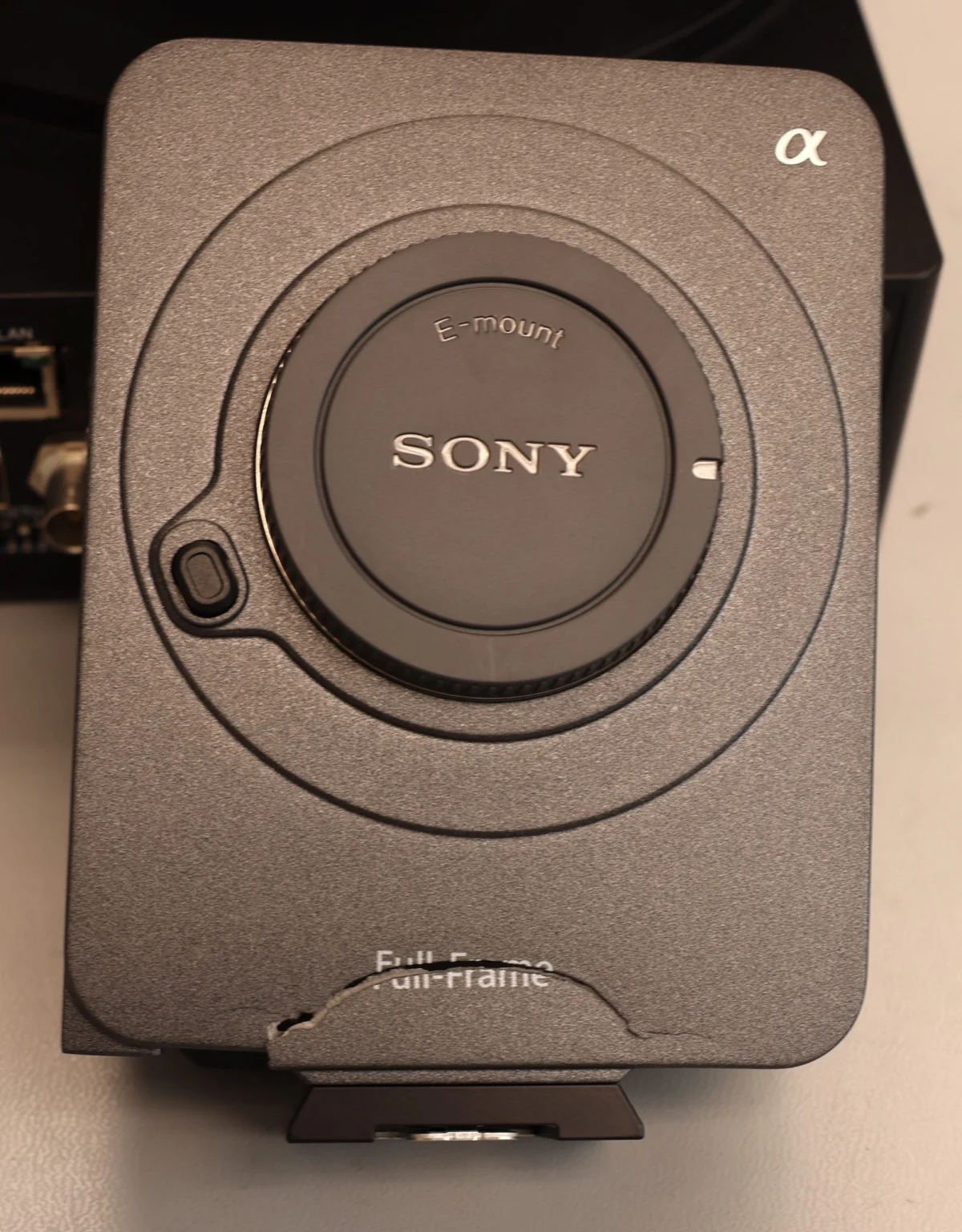
The primary objective of this diagnostic teardown was to understand the recurring issues with Sony PTZ (Pan-Tilt-Zoom) cameras, which, despite their advanced capabilities and high rental demand, have presented persistent repair challenges. The investigation focused on three prevalent problems: grinding noises from the tilt-shift gears, a noticeable looseness in the camera’s gimbal mount, and, most critically, catastrophic fractures of the camera body at its base mount. The latter defect, deemed the most devastating due to its high repair cost, often results in the factory recommending a complete camera replacement, effectively costing $6,000 per incident.
The detailed examination revealed the underlying causes of these issues. The grinding tilt-shift gears were attributed to a dislodged plastic stop within a sophisticated scissor gear mechanism. This mechanism, designed to eliminate gear noise by maintaining constant tension between two offset gears, fails when the stop detaches, leading to misalignment and friction against the housing. Evidence of significant scraping marks inside the gear housing confirmed this diagnosis.
The looseness in the gimbal mount was traced to a broken "Tilt Shaft Stopper," a small plastic tab essential for securing the camera assembly tightly to the gimbal. Its failure compromises the locking mechanism, causing instability and potential operational issues.
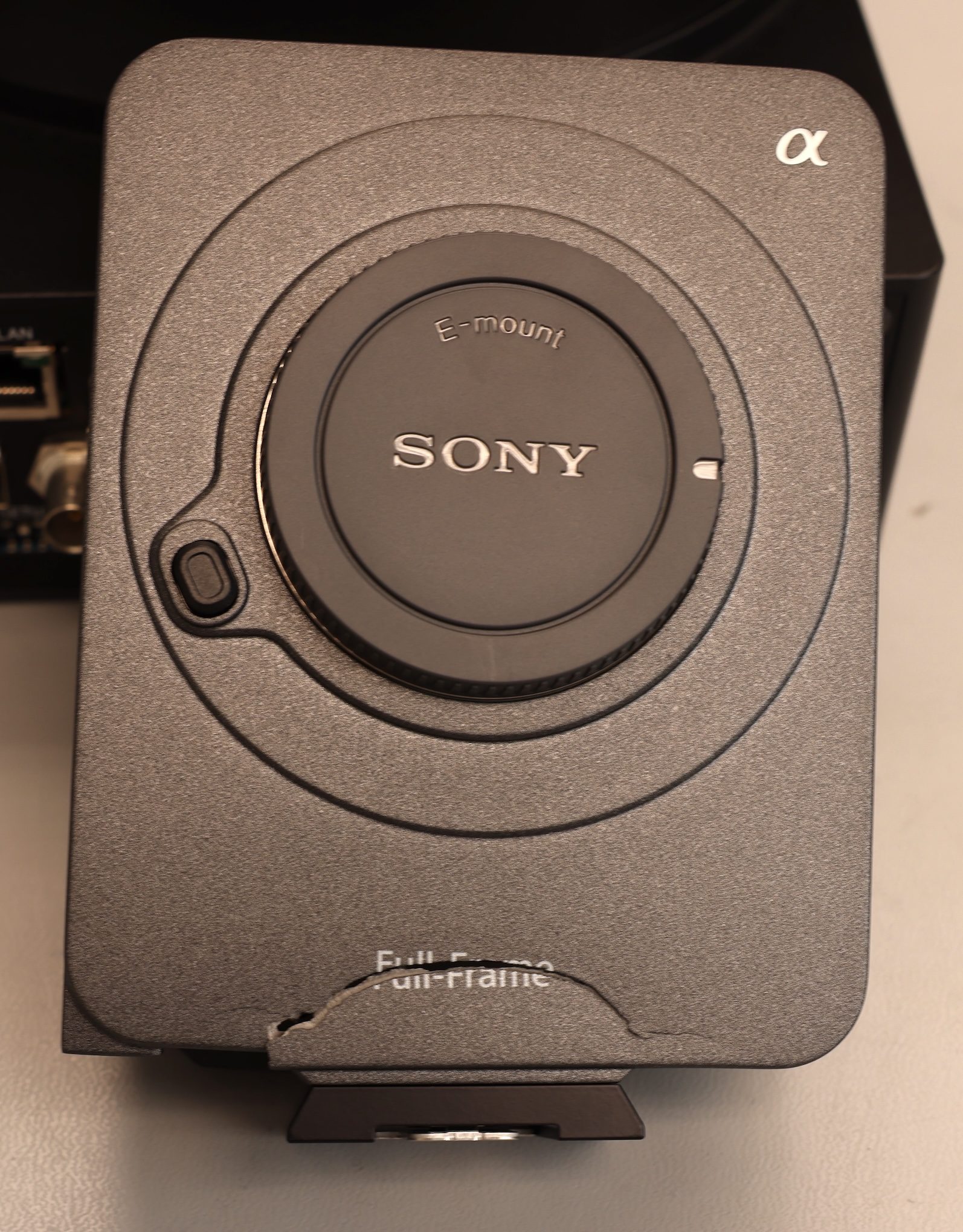
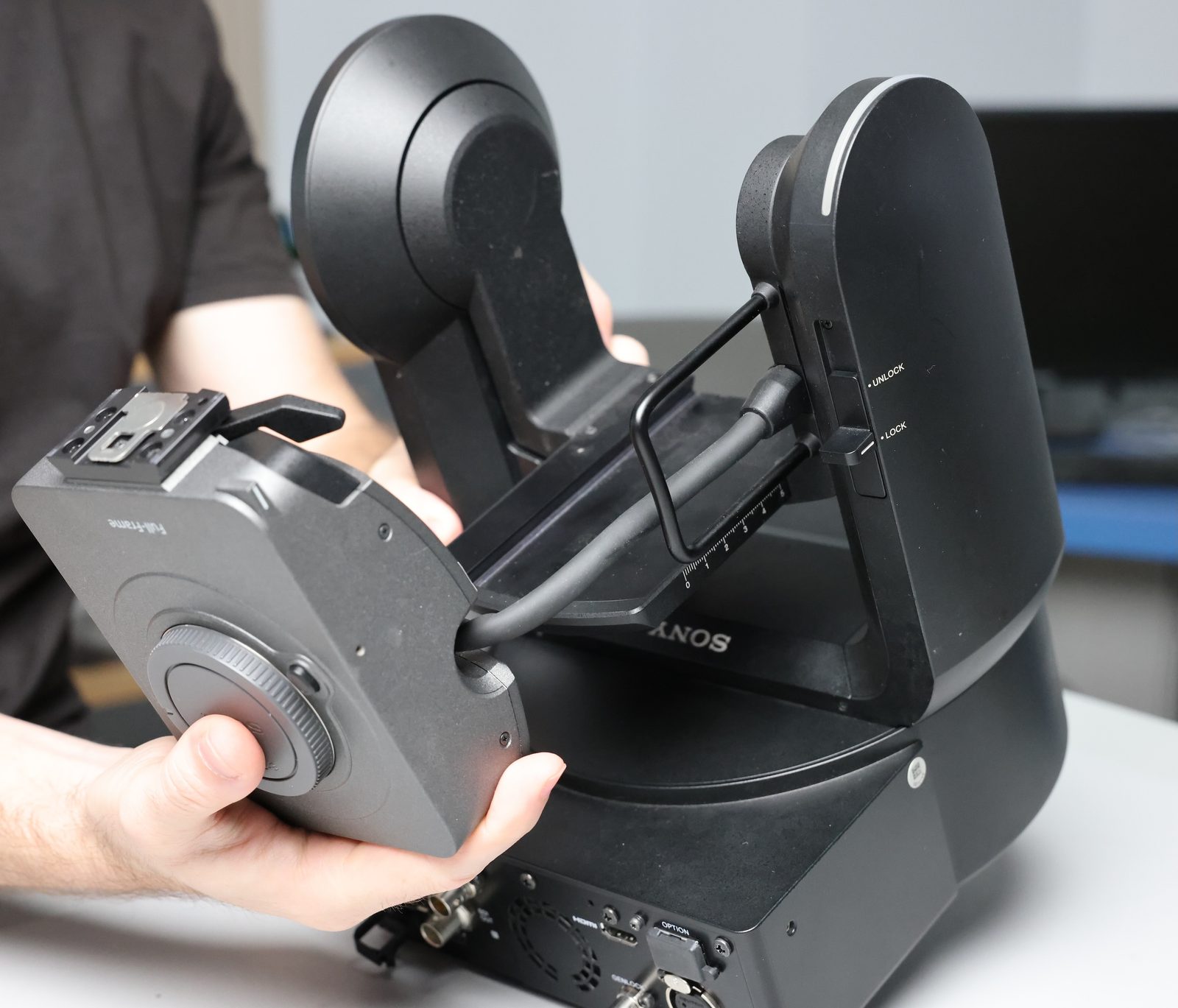
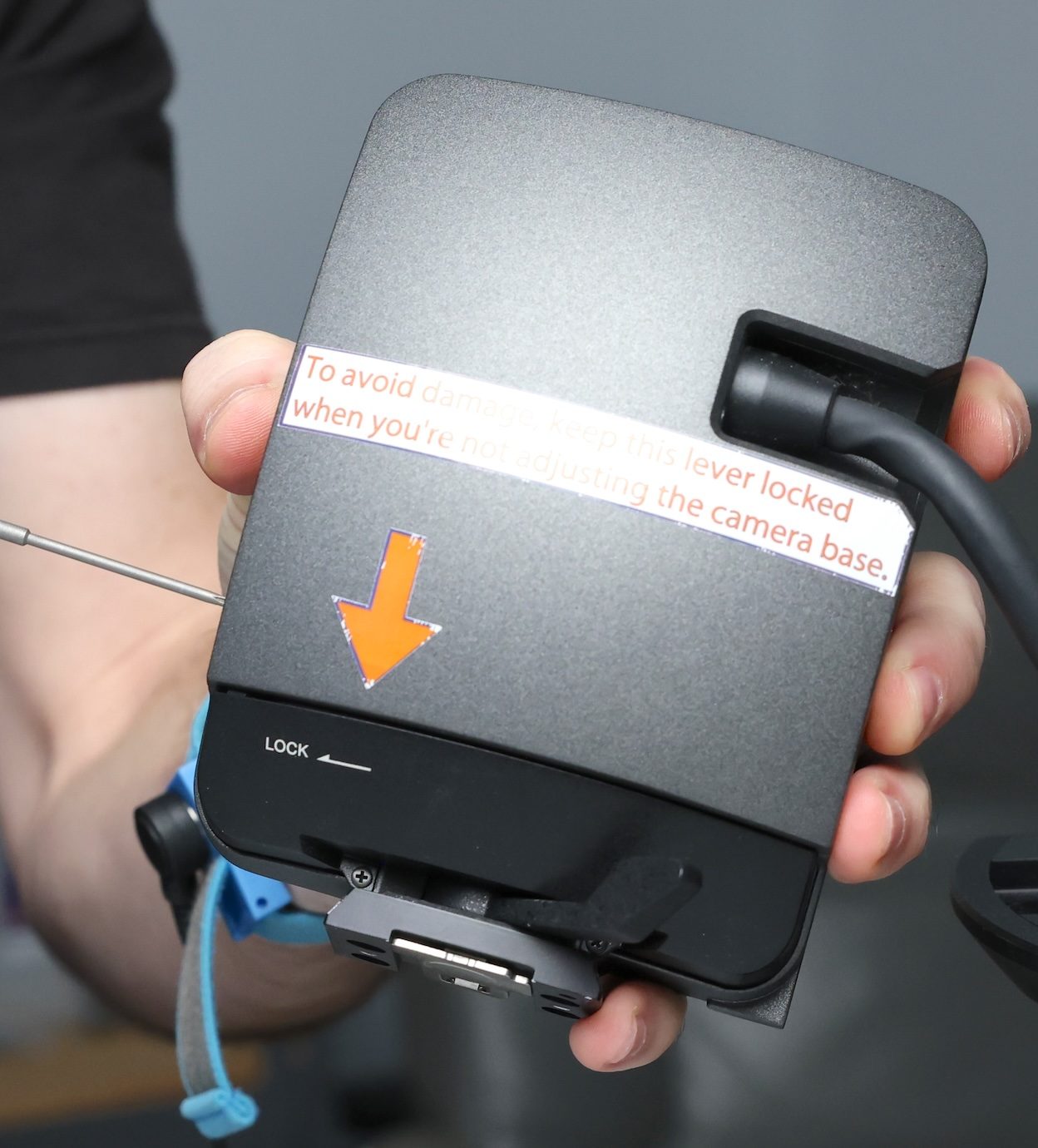
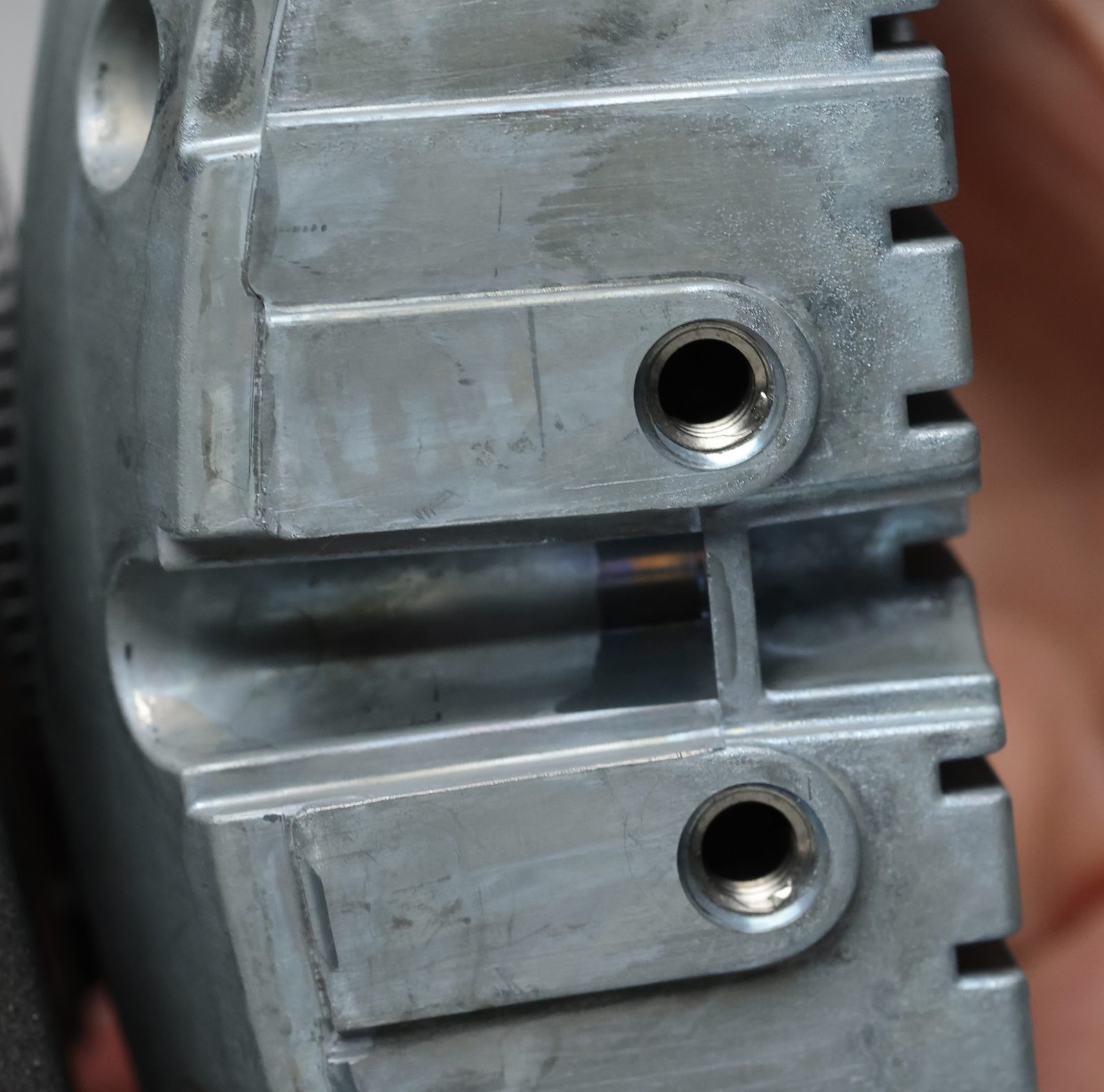
However, the most concerning discovery pertained to the body fracture. The teardown exposed a fundamental design vulnerability: the robust clamp that secures the 2.5-pound camera (with a 1.35-pound counterweight strategically positioned for leverage) to the PTZ rail is attached to a composite shell less than 2mm thick. This disparity in strength creates a critical stress concentration point. When external forces, such as impacts during use or, alarmingly, during shipping, are applied, the unyielding clamp transmits all torque directly to this thin shell, causing it to fracture. Further analysis revealed that the camera’s internal sensor assembly is precision-shimmed to match the lens mount and case. Consequently, replacing a fractured case necessitates a complex re-shimming process that requires specialized factory equipment, rendering field repair impractical and leading to the costly "replace-the-entire-camera" policy.
A Milestone and a Mission: Lensrentals’ Journey to In-House Repair
The decision to conduct such an in-depth teardown is rooted in Lensrentals’ nearly two-decade history of growth and its evolving approach to equipment management. Established 19 years ago, the company has experienced rapid expansion, outgrowing its operational facilities multiple times. Most recently, this necessitated the renovation of a substantial new building, featuring the installation of four miles of computerized conveyor systems, 62 advanced workstations, and a 10,000-square-foot climate-controlled vault capable of housing 50,000 individual rental items. This infrastructural investment highlights the sheer scale of Lensrentals’ operations and its dedication to efficient logistics.
In parallel with this expansion, Lensrentals has consistently prioritized an robust in-house repair and maintenance capability. This strategy is critical for a rental business where equipment downtime directly impacts revenue and customer satisfaction. The ability to diagnose and repair issues quickly and effectively reduces reliance on manufacturers’ service centers, which can often involve lengthy turnaround times and significant costs, as evidenced by the Sony PTZ camera’s $6,000 repair bill.
The recent period leading up to this teardown presented Lensrentals with a confluence of operational challenges. Global supply chain disruptions stemming from the COVID-19 pandemic significantly impacted equipment availability and repair part procurement, forcing the company to critically assess its business viability for an extended period. Simultaneously, key personnel, including founder Roger Cicala, faced personal health issues, including vision impairment requiring multiple surgeries, which necessitated operational adjustments and underscored the importance of a resilient and adaptable team. Despite these hurdles, the company maintained its commitment to proactive maintenance and problem-solving, culminating in the strategic decision to tackle the persistent PTZ camera issues head-on through this anniversary teardown.
Deep Dive: Dissecting the PTZ Mechanism
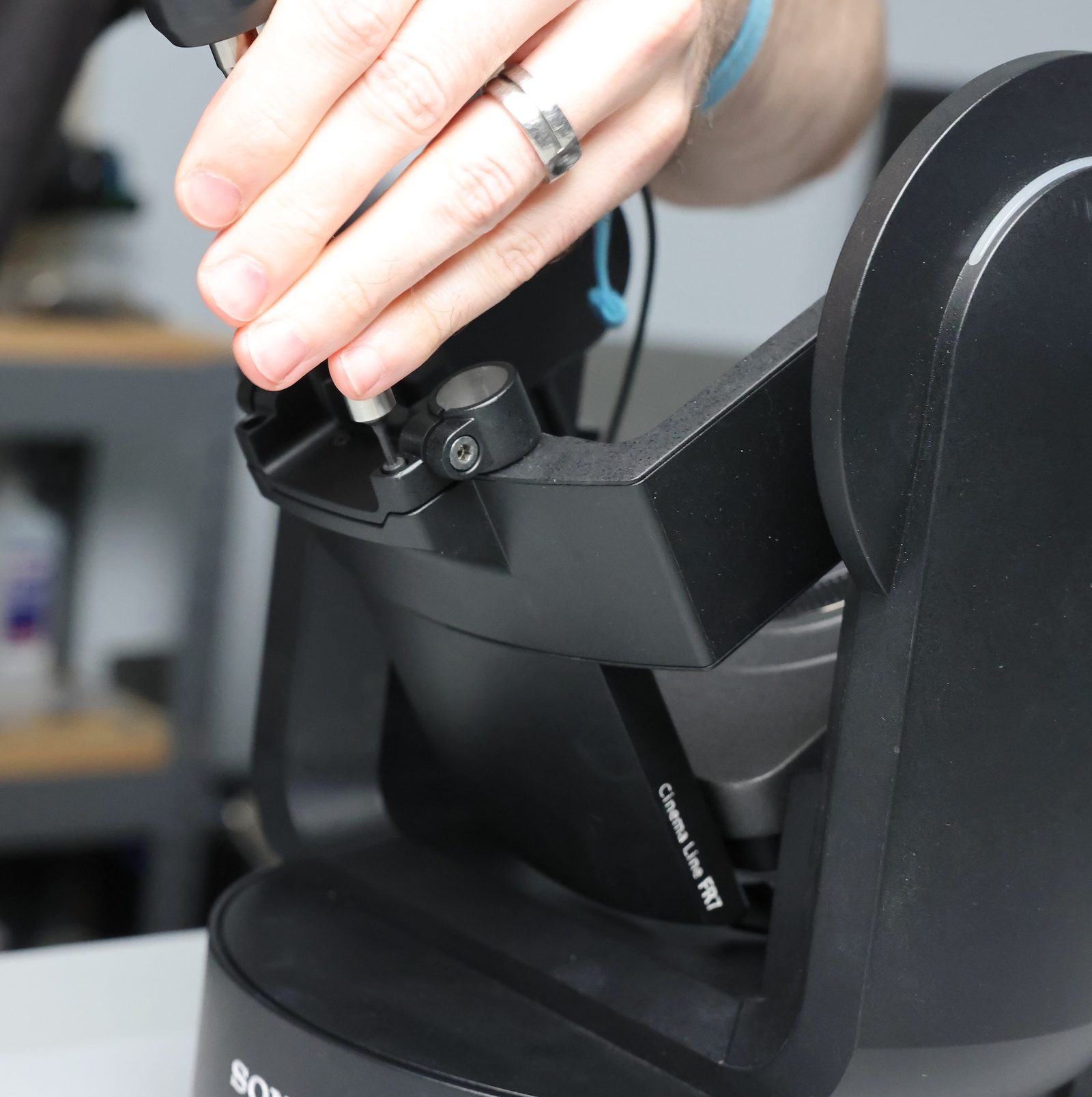
The teardown commenced at Lensrentals’ dedicated engineering lab, beginning with the careful separation of the camera body from the PTZ mount. Technicians methodically removed the rod lock and camera stop, allowing the camera to slide off its rail while ensuring the integrity of the crucial, high-value data and power cable assembly, informally dubbed the "Cable of Immense Cost" due to its estimated $800 replacement value.
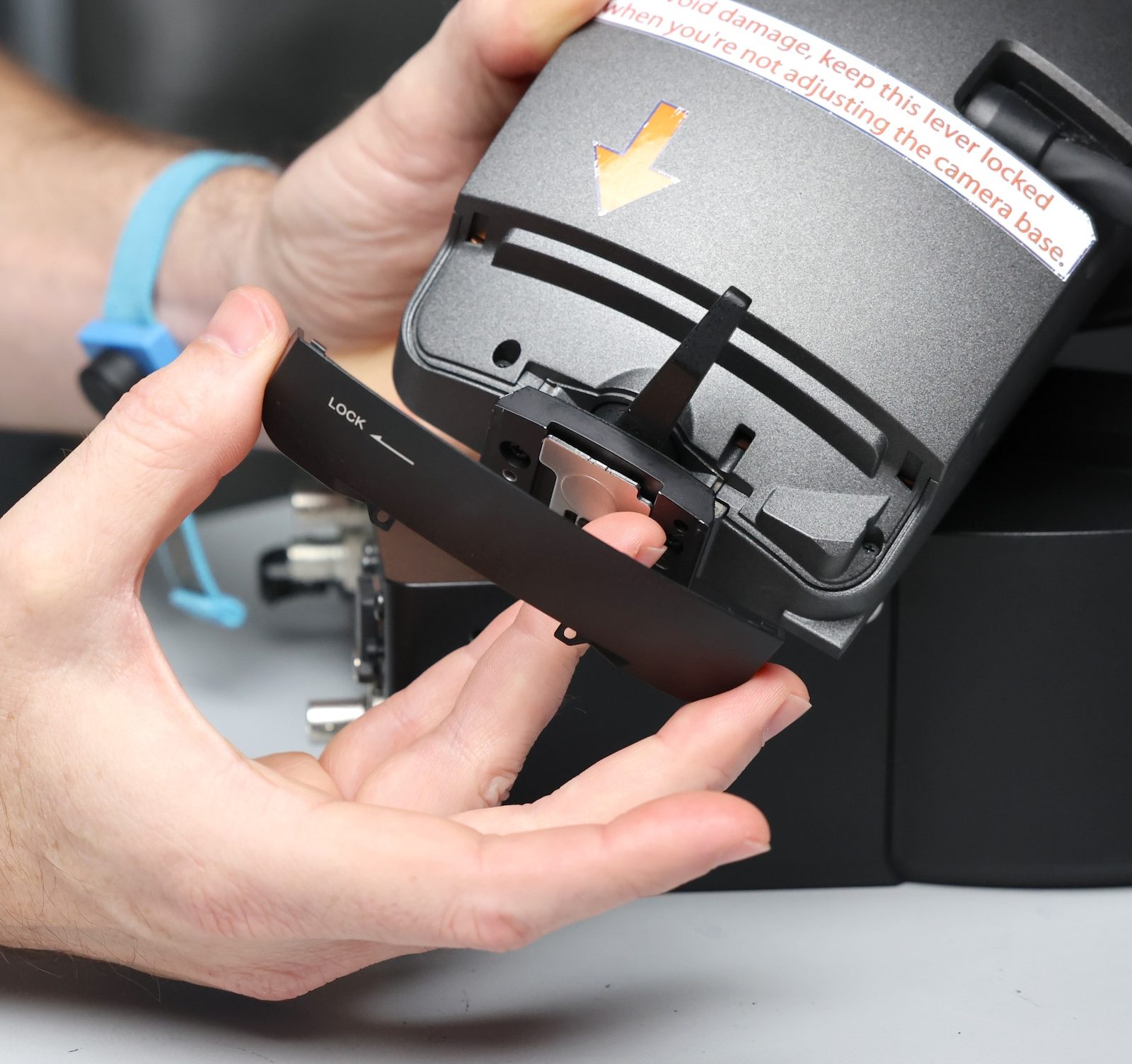
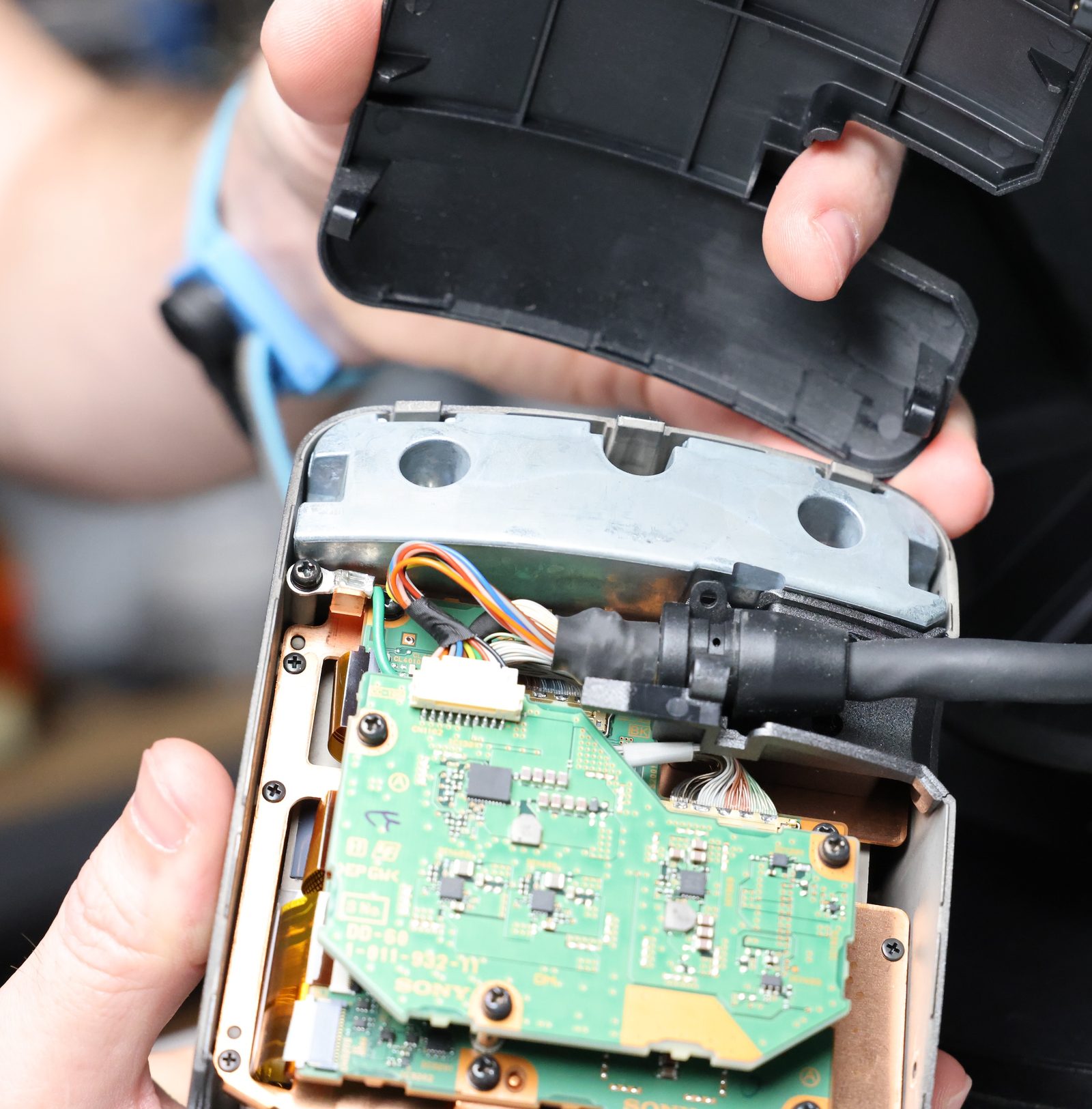
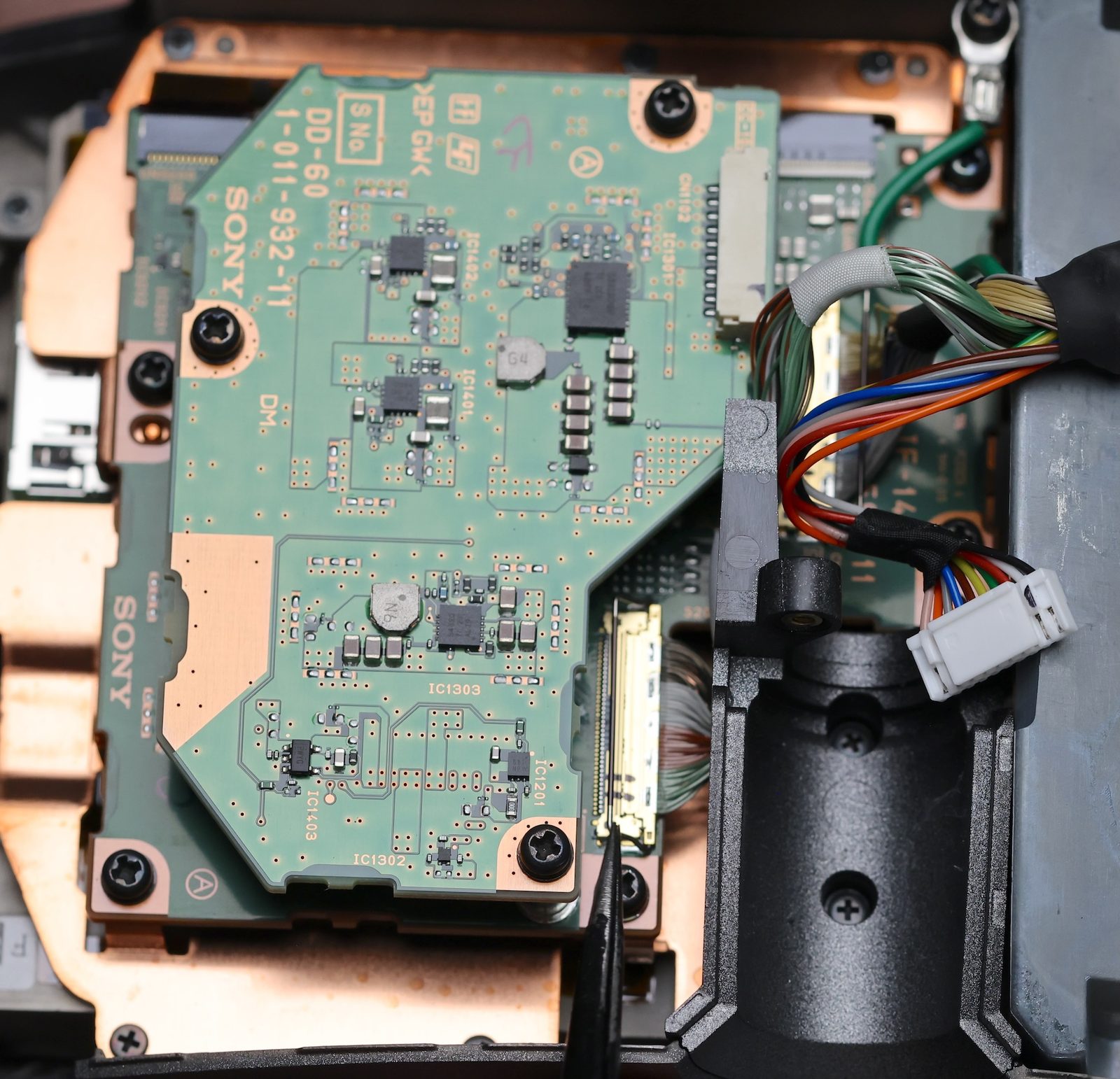
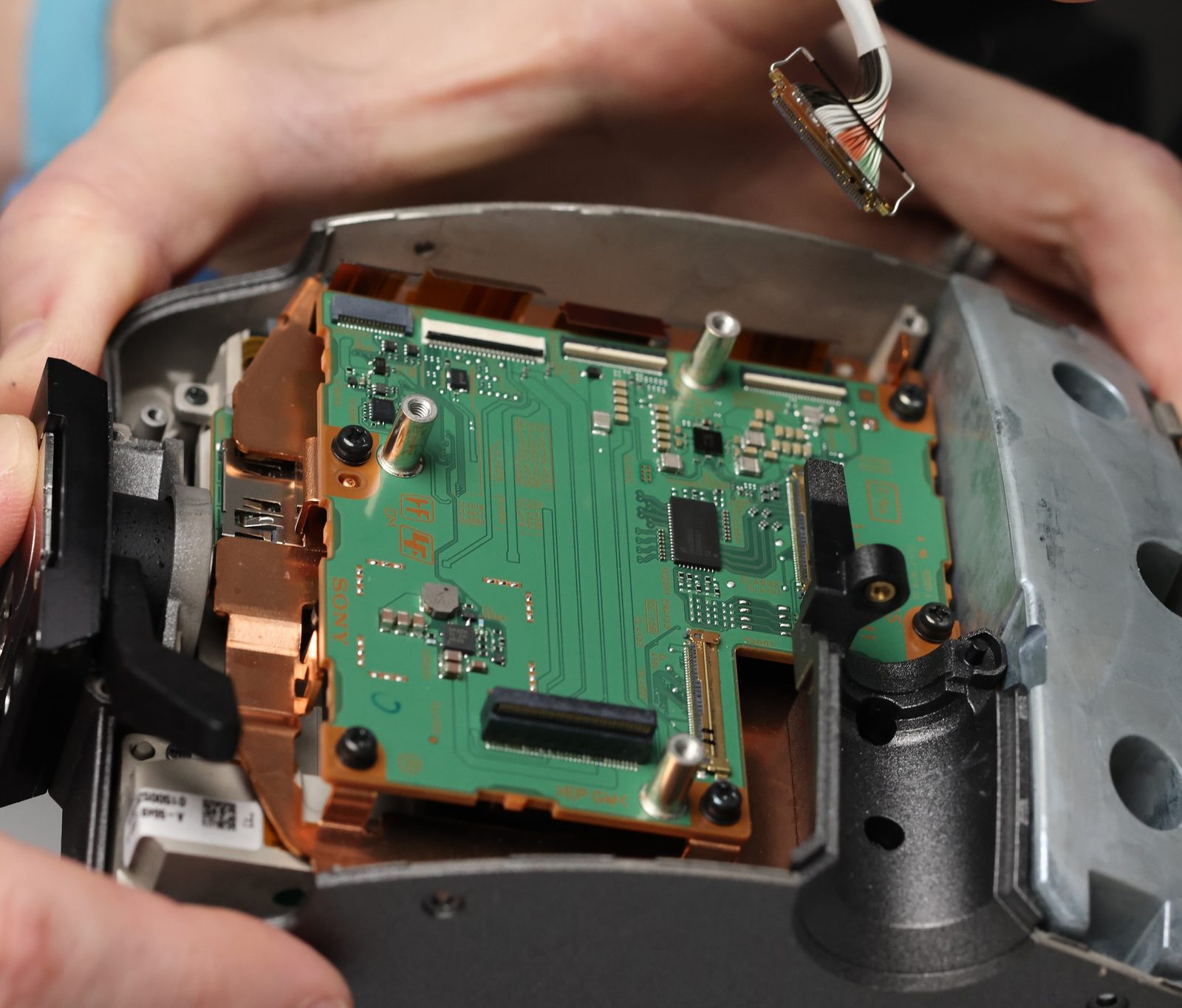
Disassembly of the camera body revealed layers of circuit boards. The process involved carefully unclipping numerous I-PEX connectors and systematically removing printed circuit boards (PCBs). Beneath these, a copper plate, likely serving as a heatsink or electromagnetic shield, protected the camera sensor assembly. Upon its removal, a semi-clear plastic electric shield was exposed, along with an unusually large flex cable. Of particular interest was a small port resembling a card reader, accessible only from within the camera. This port is presumed to be a factory-level interface for sensor calibration and pixel mapping, inaccessible to standard repair centers, which explains the factory’s "replace-the-entire-camera" policy for sensor-related issues or case damage requiring re-shimming.
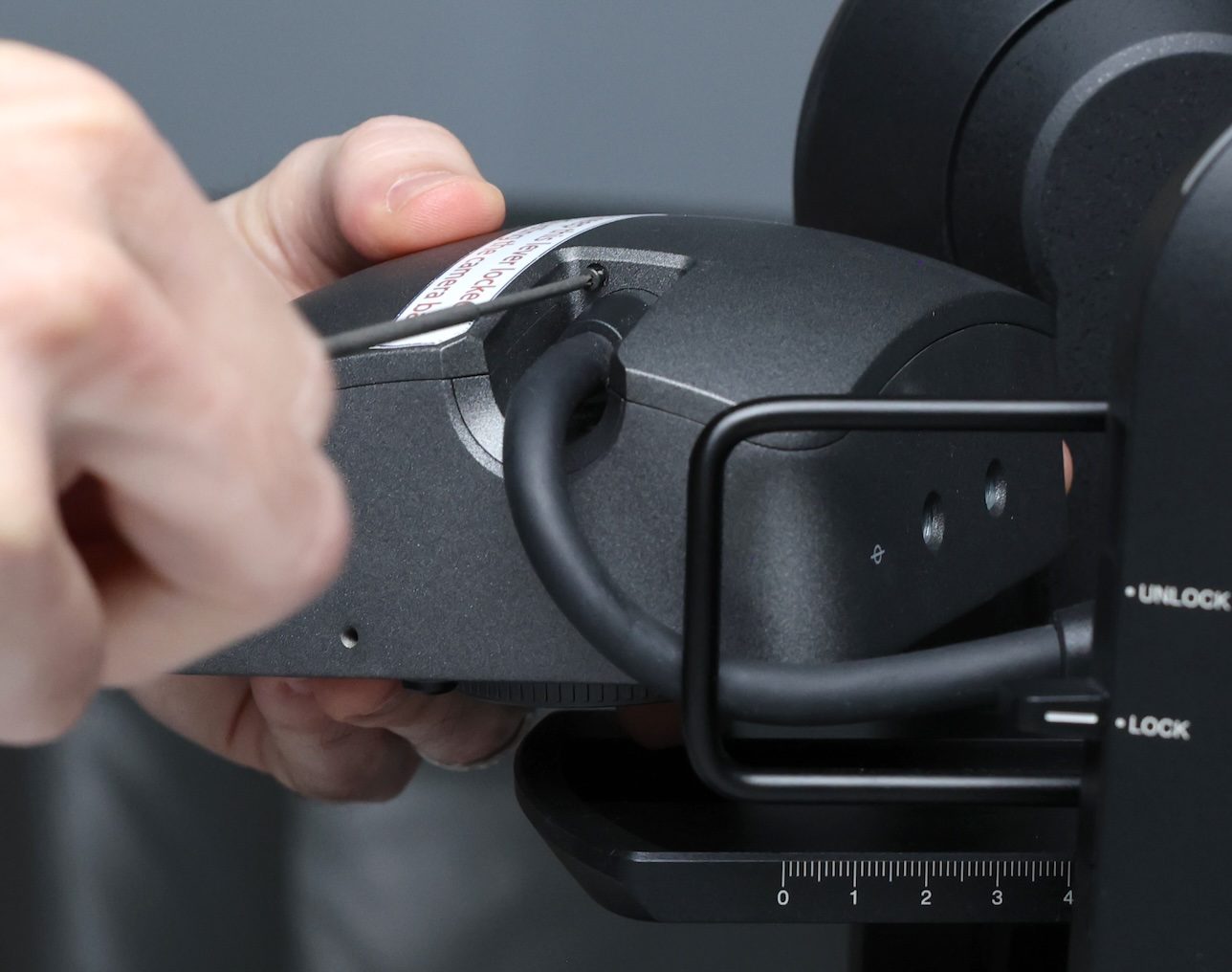
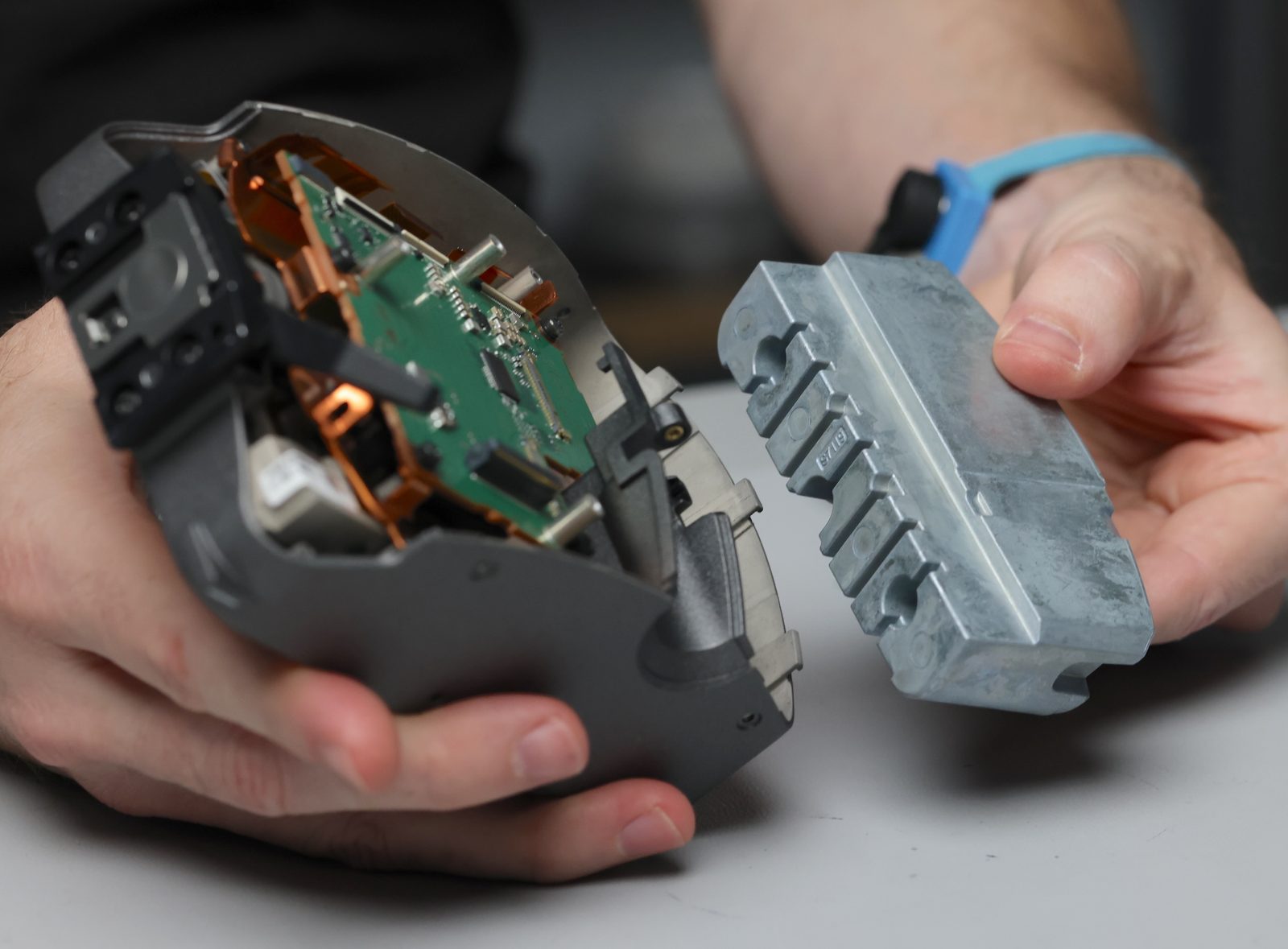
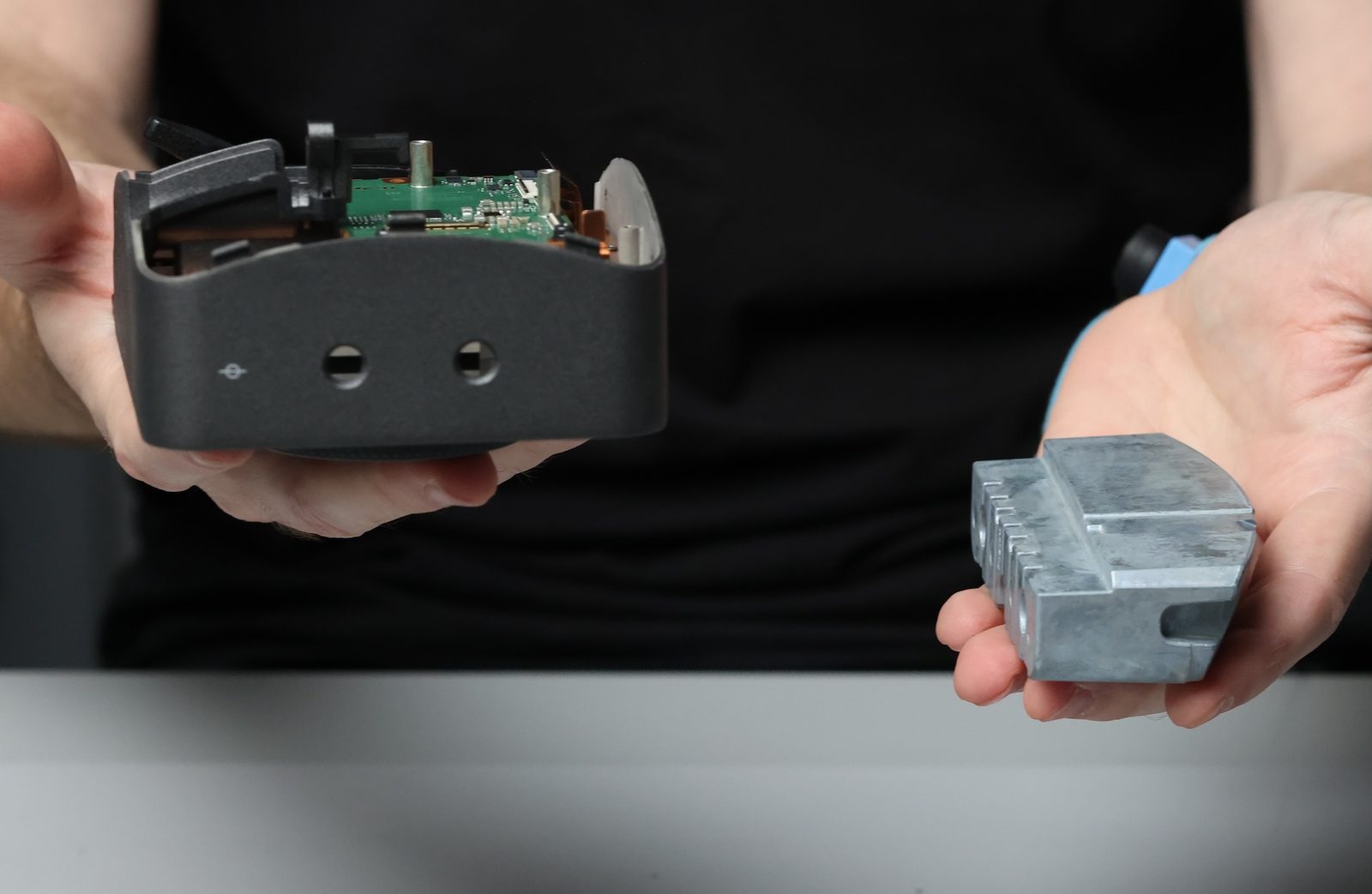
A significant finding was the sheer mass of the internal counterweight, weighing 0.6 kg (1.35 pounds) – heavier than the rest of the camera body at 0.5 kg. This weight is strategically placed to balance the camera on the tilt axis. While necessary for function, its placement, combined with mounting points for accessories that further extend the lever arm, significantly amplifies torque on the camera’s base during impacts, exacerbating the vulnerability of the thin composite shell.
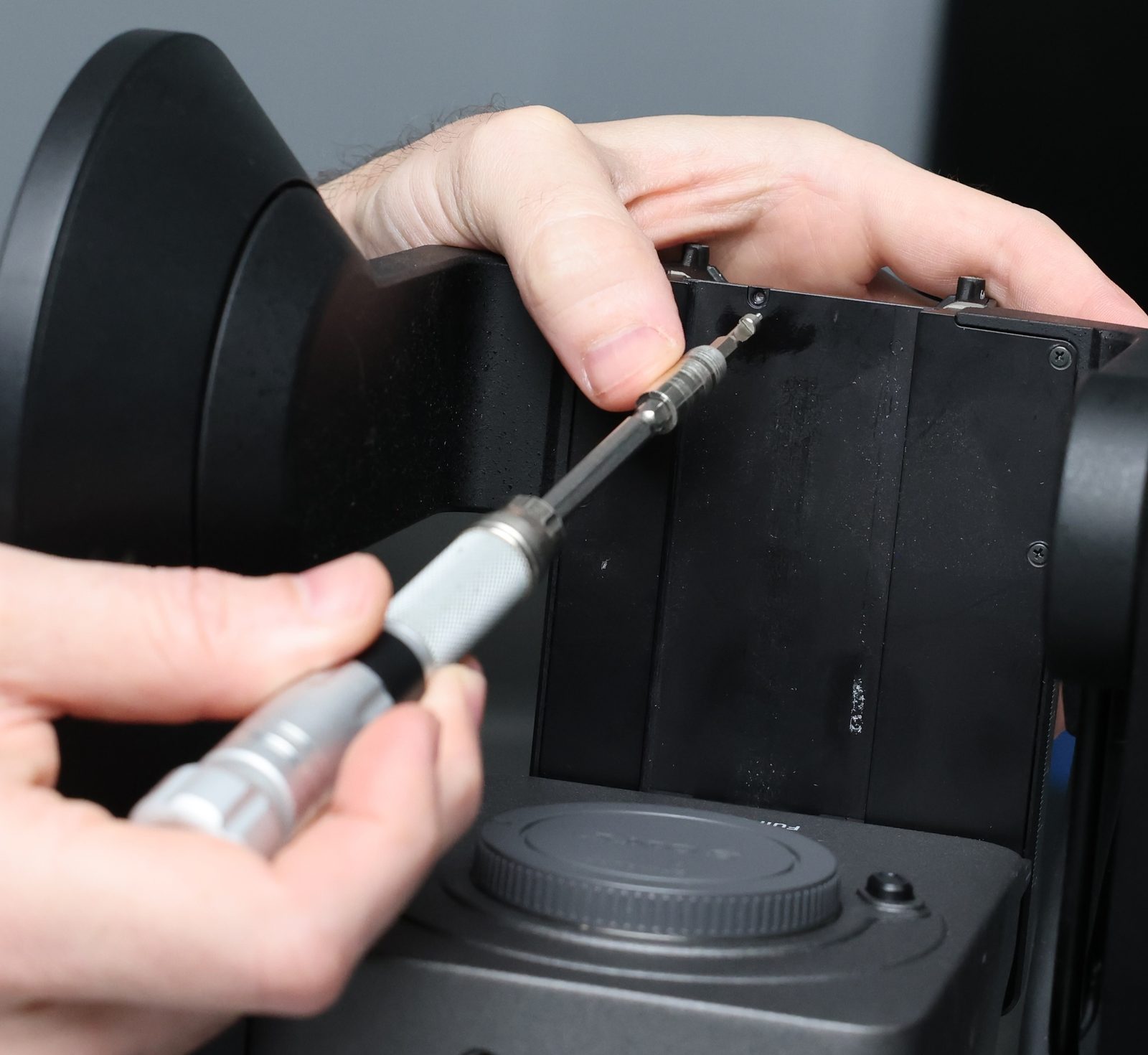
The investigation into the tilt mechanism involved removing the gimbal arm covers, revealing the intricate gear train. The problematic component was identified as the large upper gear, a "scissor gear" designed to eliminate backlash and noise. This gear consists of two separate gear halves held under tension by three springs, with their teeth slightly offset to ensure continuous mesh with the driving gear. The diagnosis confirmed that a plastic stop, crucial for maintaining this spring tension, had popped out, allowing the gears to separate. This separation resulted in the gears grinding against the housing, producing noise and impeding smooth operation. The repair involved simply reseating this plastic stop, restoring proper tension and alignment.
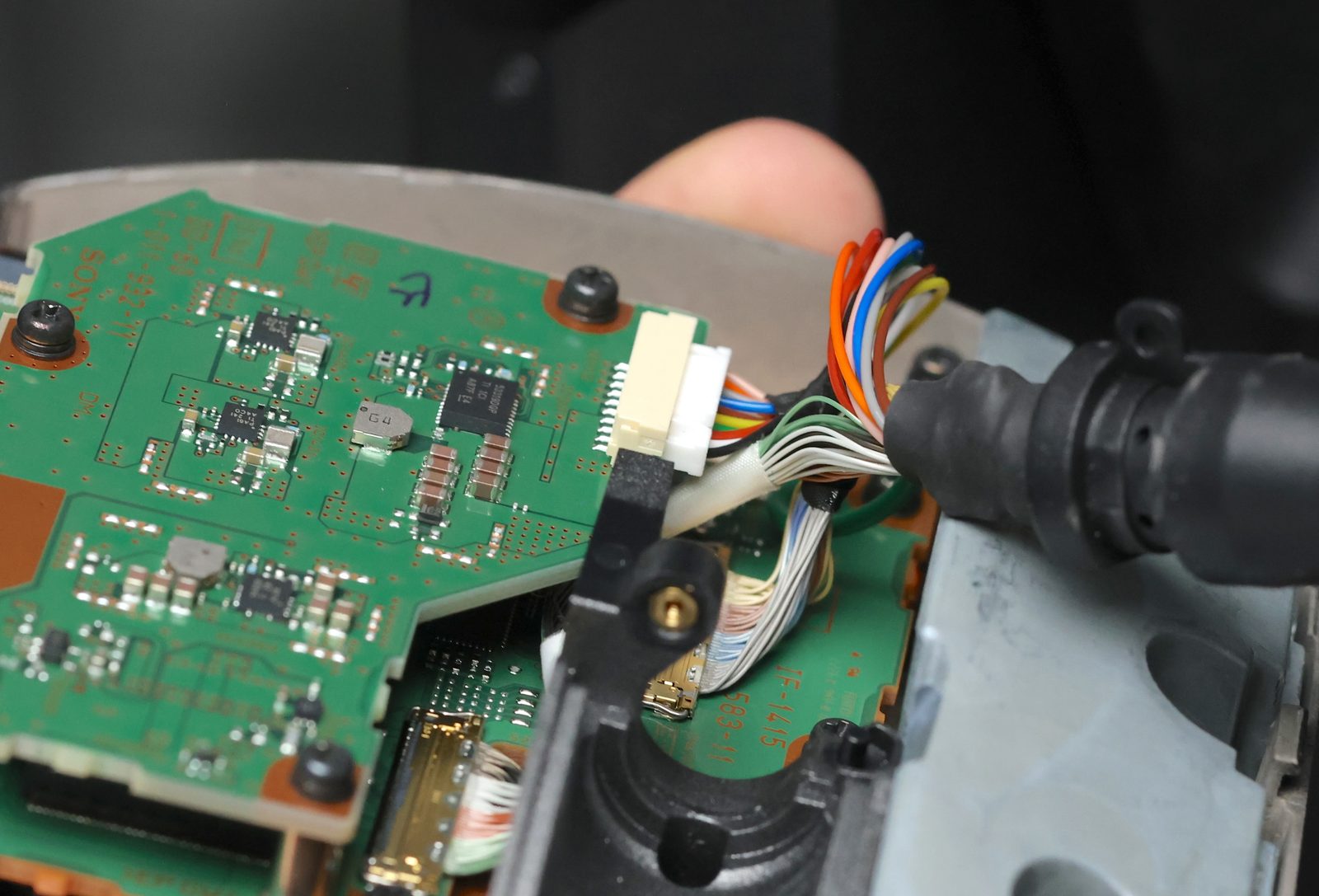
The removal of the "Cable of Immense Cost" from the arm and base assembly, though initially deemed a complex task, was completed efficiently by the technicians. The cable, a high-density assembly containing numerous wires and connectors, follows a complex route through the armature and into the base, connecting to the main circuit board via multiple I-PEX connectors. Its successful removal and re-installation demonstrated that, while intricate, the procedure is feasible for experienced technicians.
Strategic Solutions and Industry Implications
The detailed teardown has yielded actionable intelligence for Lensrentals and offers valuable insights for the broader industry.
Lensrentals’ Internal Responses:
- Immediate Repair Protocols: The company has now formalized simple, in-house repair procedures for the sticky tilt gears (reseating the scissor gear stop) and the loose gimbal mount (replacing the Tilt Shaft Stopper). These fixes are quick, cost-effective, and do not require new parts for the gear issue, significantly reducing equipment downtime and operational costs. Lensrentals is actively exploring 3D printing capabilities to manufacture replacement Tilt Shaft Stoppers in-house, ensuring a readily available supply for this common repair.
- Packaging Redesign: Recognizing that shipping damage contributes to the $6,000 body fracture problem, Lensrentals’ dedicated packaging design department is undertaking a comprehensive review. The goal is to develop alternative packaging inserts that provide superior support to the camera’s base, mitigating stress during transit. While shipping the camera unmounted from the PTZ rail would eliminate this specific shipping risk, it would necessitate users reassembling the camera upon receipt, potentially introducing new operational challenges or user errors. Lensrentals is evaluating the trade-offs between these options to determine the most effective and user-friendly solution.
- User Advisories: Lensrentals plans to issue advisories to renters, cautioning against mounting excessively large lenses or heavy accessories on the Sony PTZ cameras. This aims to prevent overloading the tilt-shift mechanism and minimize stress on the vulnerable case base, thereby extending the camera’s lifespan in rental use.
Recommendations for Manufacturers (Sony):
The findings from this teardown highlight a critical design flaw in the Sony PTZ camera’s construction. Lensrentals suggests that Sony consider strengthening the camera’s case base, particularly the area where the robust mounting clamp connects to the thin composite shell. Reinforcing this stress point with more durable materials or a revised structural design could significantly reduce instances of catastrophic body fractures, improving product durability and reducing long-term service costs for both manufacturers and end-users. While such feedback is often provided, the company acknowledges that implementation can be a lengthy process.
Broader Industry Impact:
This teardown exemplifies the critical role that large rental houses play in identifying equipment vulnerabilities and driving improvements across the industry. By systematically investigating and documenting failure points, Lensrentals not only enhances its own operational efficiency but also provides invaluable real-world data to manufacturers. This type of detailed analysis contributes to better product design, more effective maintenance strategies, and ultimately, more reliable equipment for professionals. The ability to perform complex repairs in-house also positions Lensrentals as a leader in technical expertise, offering greater value and quicker service to its clientele.
The Future of Equipment Maintenance and Rental
The "Birthday Teardown" serves as a testament to Lensrentals’ resilience, ingenuity, and unwavering dedication to its customers. Overcoming challenges ranging from a global pandemic to internal health issues, the company has leveraged its 19 years of experience and significant infrastructure investments to continue pushing the boundaries of equipment maintenance. The insights gained from this teardown are already being translated into practical solutions, ensuring that Sony PTZ cameras, and indeed all rental equipment, operate at peak performance for longer periods. This proactive approach to understanding and mitigating equipment failures underscores Lensrentals’ ongoing commitment to innovation in repair, packaging, and overall service delivery, solidifying its position as a trusted partner in the professional imaging community.