The Technical Transition: From Digital Feedback to Analog Precision
The core challenge in applying modern lighting to film photography lies in the absence of a digital histogram or an immediate preview screen. In a digital workflow, a photographer can adjust strobe power or light placement in real-time based on the image displayed on a tethered monitor. In contrast, the film photographer must rely on incident light meters, a deep understanding of the Inverse Square Law, and an intuitive grasp of how specific emulsions, such as Kodak Tri-X 400 or Ilford HP5+, respond to contrast.
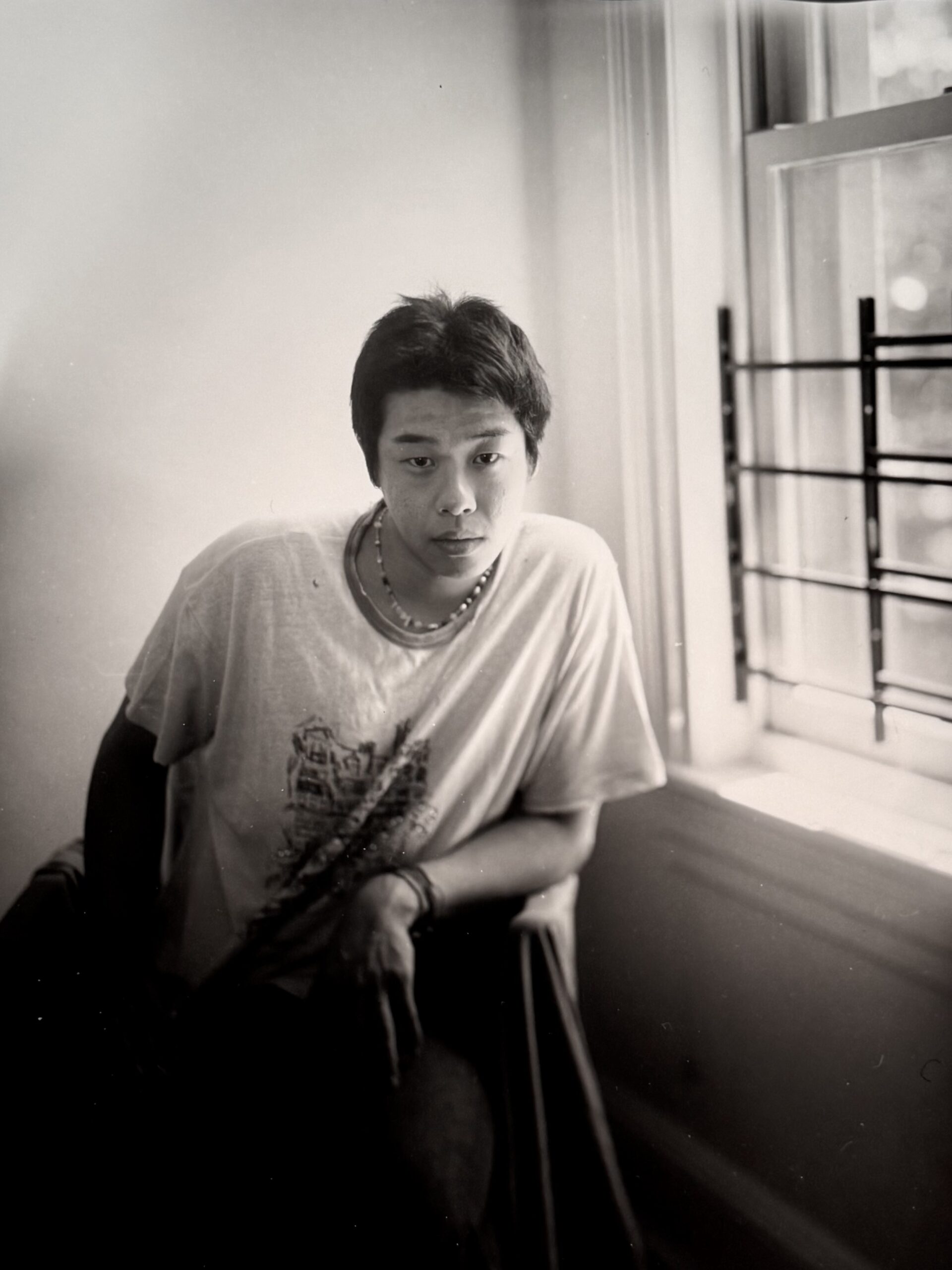
The resurgence of film in the mid-2020s has necessitated a return to these fundamental physics. Practitioners have increasingly adopted medium format systems, such as the Rolleiflex 2.8F, and large format cameras, like the Deardorff 5×7, to achieve a level of detail and tonal graduation that rivals high-resolution digital sensors. The objective is not merely to capture a likeness but to use lighting as a narrative tool, creating depth and mood through intentional shadow placement and highlight control.
Historical Context: The Purist Debate and the Legacy of Cartier-Bresson
The debate between natural light purism and the use of artificial strobes is as old as the medium itself. Historically, the "natural light" school was championed by Henri Cartier-Bresson, a co-founder of Magnum Photos. Cartier-Bresson was famously critical of artificial lighting, arguing that it "flattened" the soul of a photograph and disrupted the authenticity of the "decisive moment." His preference for available light was not merely a technical choice but a philosophical stance against the artificiality of the studio.
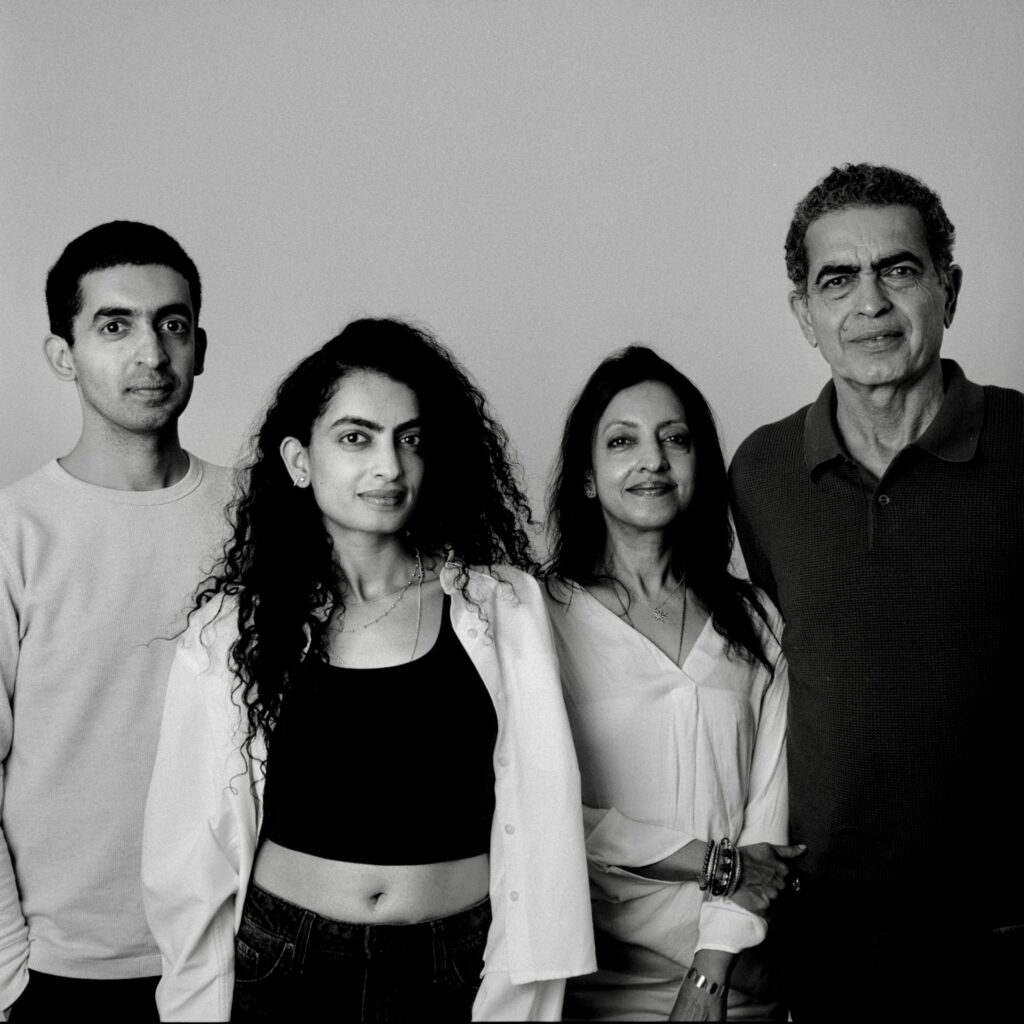
However, historical analysis of Cartier-Bresson’s work reveals that he was far from a passive observer of light. His 1971 portrait of the poet Ezra Pound, taken during a period of intense social and political scrutiny for the subject, demonstrates a sophisticated mastery of window light. By choosing to meter for the highlights and allowing the shadows to engulf the subject, Cartier-Bresson created a somber, psychological depth that artificial lighting might have inadvertently diminished. This specific portrait serves as a touchstone for modern film photographers who seek to use natural light with the same intentionality as a studio strobe.
In the contemporary landscape, photographers such as Alexandre Kreisman continue this tradition, eschewing strobes entirely. This purist approach contrasts sharply with the "Avedon-style" high-key studio portraiture, which utilizes large softboxes and multiple light sources to create a crisp, clinical, yet highly expressive aesthetic.
The Physics of Light: Understanding the Inverse Square Law
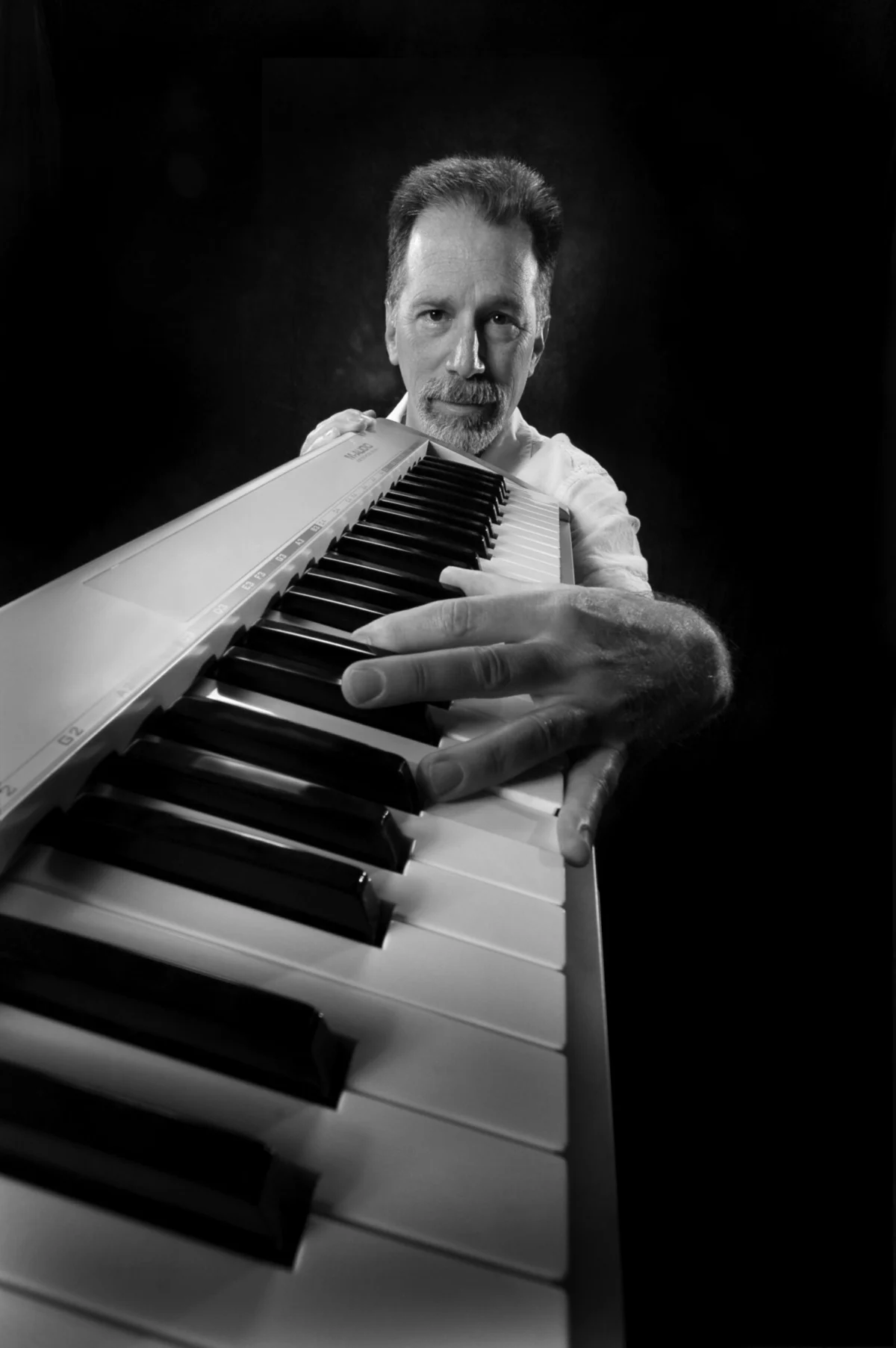
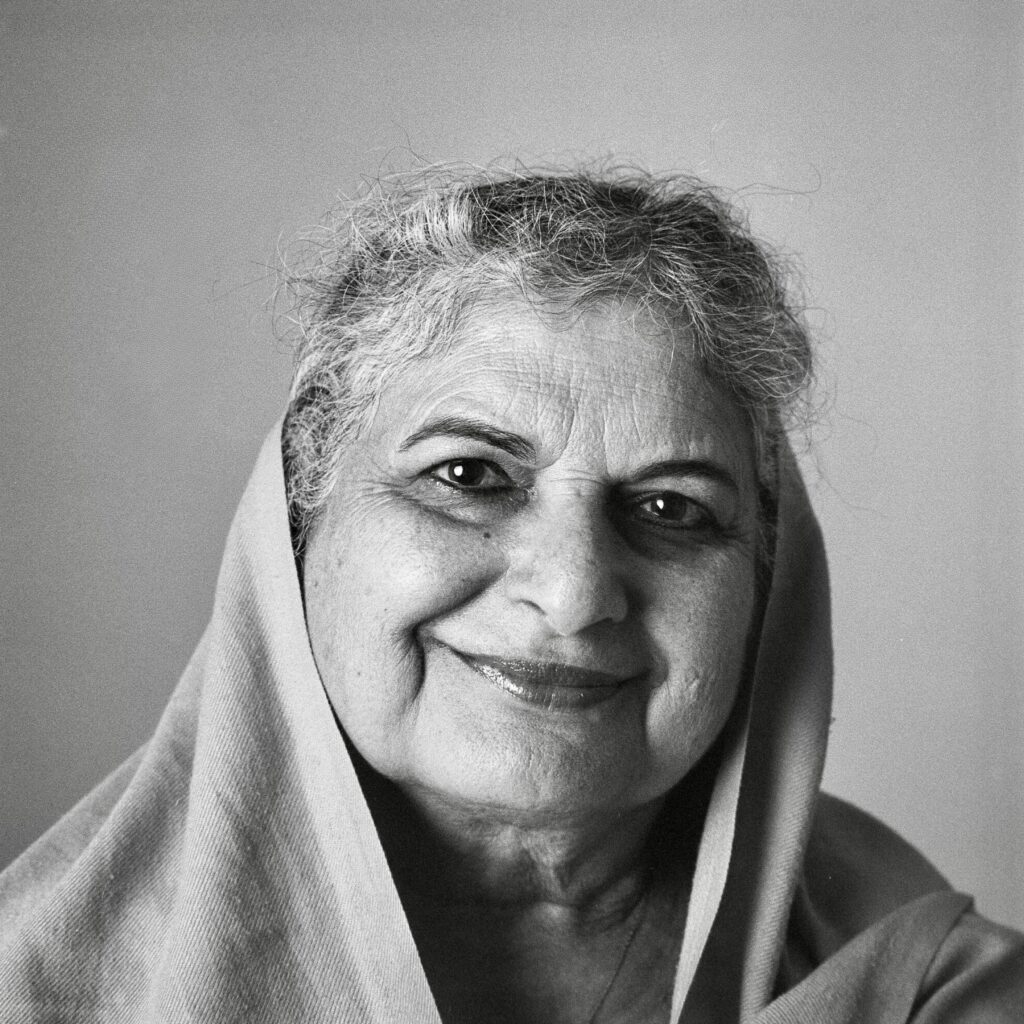
A critical component of the 2025–2026 lighting workshops has been the practical application of the Inverse Square Law. This physical principle states that the intensity of light is inversely proportional to the square of the distance from the source. In practical portraiture, this means that moving a subject just a few inches closer to a light source—whether a window or a strobe—does not just increase brightness; it radically alters the rate of light "falloff."
- Proximity and Falloff: When a subject is placed very close to a light source, the transition from highlight to shadow is abrupt, creating a dramatic, high-contrast look.
- Distance and Uniformity: As the subject moves further from the light source, the illumination becomes more even, and the shadows soften, allowing for a more delicate modeling of the face.
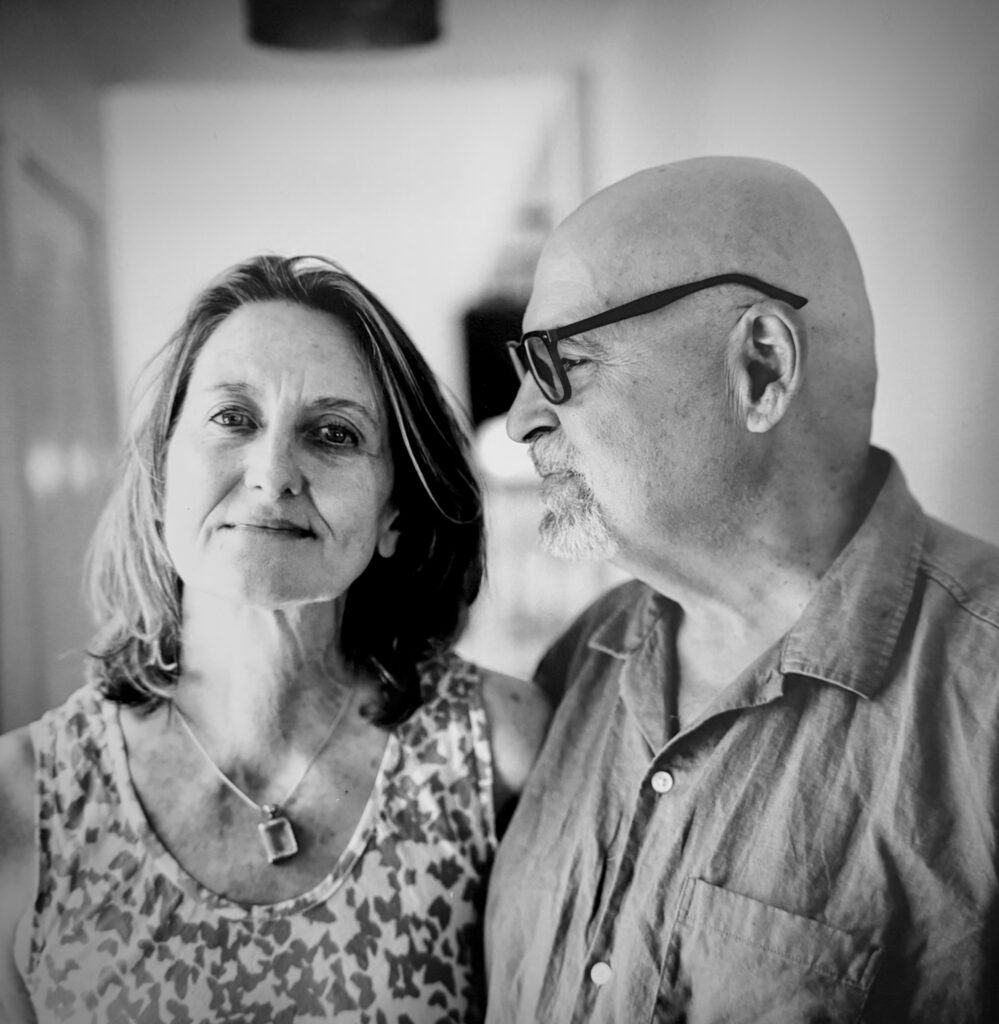
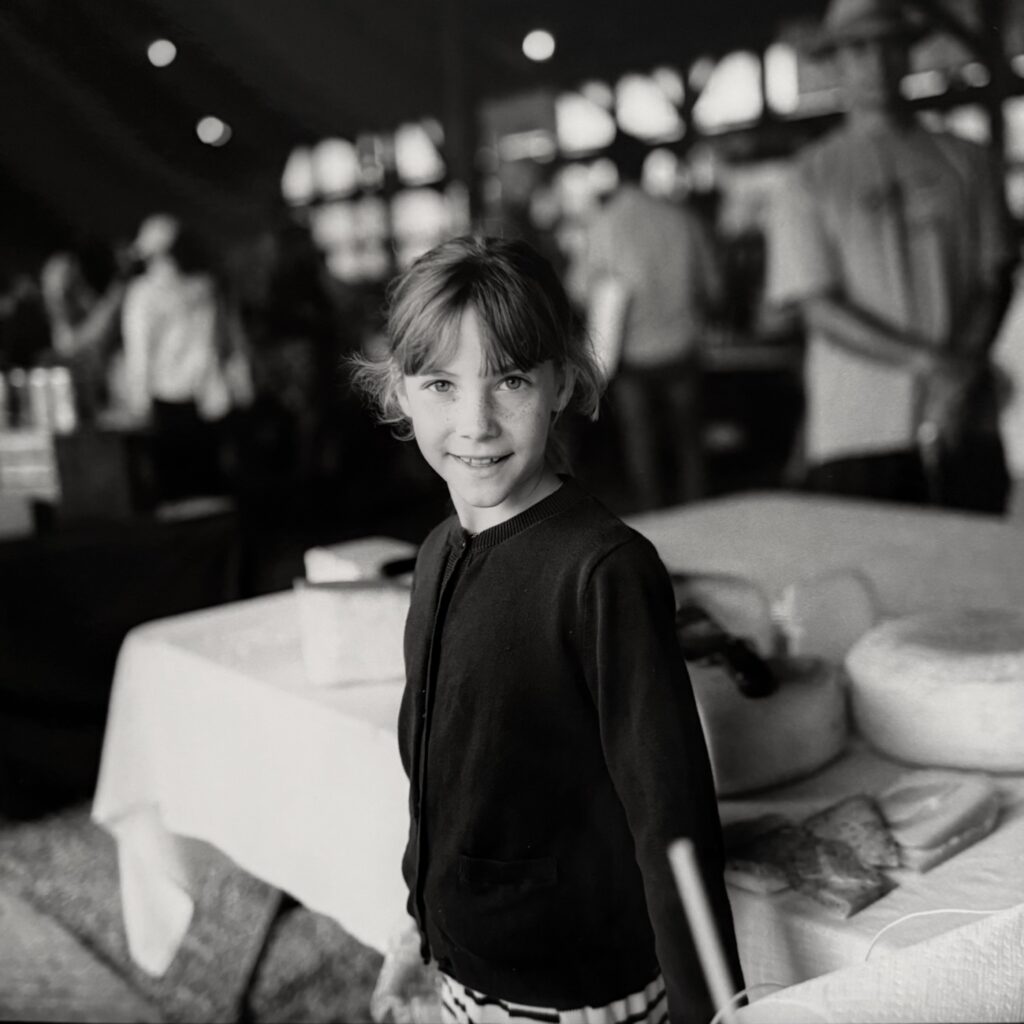
Recent experiments in the field have shown that by metering specifically for skin textures—such as freckles or fine lines—and adjusting the distance of the subject to the light source, photographers can manipulate the "mood" of a portrait without changing the light source itself. For instance, a south-facing window can produce either a soft, enveloping glow or a hard, graphic shadow depending entirely on the subject’s placement and the photographer’s exposure path.
Chronology of Technical Experimentation (2025–2026)
The development of these techniques followed a structured timeline of experimentation and peer review within the analog community:
- Early 2025: The International Center for Photography launches Ethan Hill’s lighting course. Film photographers begin enrolling to adapt digital strobe techniques to large format cameras.
- Mid-2025: A period of "Natural Light Studies" ensues, where practitioners focus on maximizing the potential of window light, utilizing the Rolleiflex 2.8F for its leaf-shutter synchronization and handheld versatility.
- Late 2025: The focus shifts to "Hybrid Environments," where photographers attempt to mimic the look of natural window light using strobes and umbrellas. This involves "feathering" the light—using the edge of a softbox rather than the center—to create gentle modeling.
- Early 2026: Advanced darkroom techniques are integrated into the lighting workflow. The use of Kodak HC-110 (Dilution H) for rotary-processed negatives becomes a standard for maintaining shadow detail in high-contrast lighting setups.
- Mid-2026: Peer-reviewed galleries and platforms like 35mmc showcase the results of these experiments, highlighting the successful integration of studio strobes with traditional film stocks.
Technical Specifications and Workflow Analysis
The success of modern film portraiture is heavily dependent on the chemical processing of the negatives. Based on technical data from the 2026 portrait sessions, the following workflow has emerged as a benchmark for high-quality results:
- Emulsion Choice: Kodak Tri-X 400 remains the preferred choice for its latitude and classic grain structure, while Ilford HP5+ is favored for large format (5×7) work due to its reliable tonal range.
- Developer: Kodak HC-110, specifically Dilution H (1:63), is utilized for its compensating qualities. Rotary processing ensures even development across the negative, which is crucial for portraits with large areas of uniform tone.
- Printing: The final output is often a darkroom print on Ilford MGFB Classic Paper. Selenium toning is applied not only for archival permanence but to deepen the blacks and slightly shift the tonal cooling, enhancing the perceived sharpness of the light.
- Hardware: The use of studio strobes, such as the Impact 500V, triggered via traditional PC cables, remains a staple. Despite the prevalence of wireless triggers, many professionals prefer the reliability of a physical connection to avoid the interference issues common in dense urban studio environments.
Broader Impact and Implications for the Industry
The shift toward sophisticated lighting in film photography has broader implications for the art market and commercial industry. As digital imagery becomes increasingly saturated and homogenized by AI-driven post-processing, the "organic" imperfections and unique tonal transitions of film-based lighting offer a distinct value proposition.
Galleries and collectors have shown a marked preference for silver gelatin prints that demonstrate a mastery of light. Furthermore, the pedagogical impact is significant; by teaching digital lighting principles through the lens of analog photography, institutions like the ICP are ensuring that the fundamental physics of light are not lost to automation.
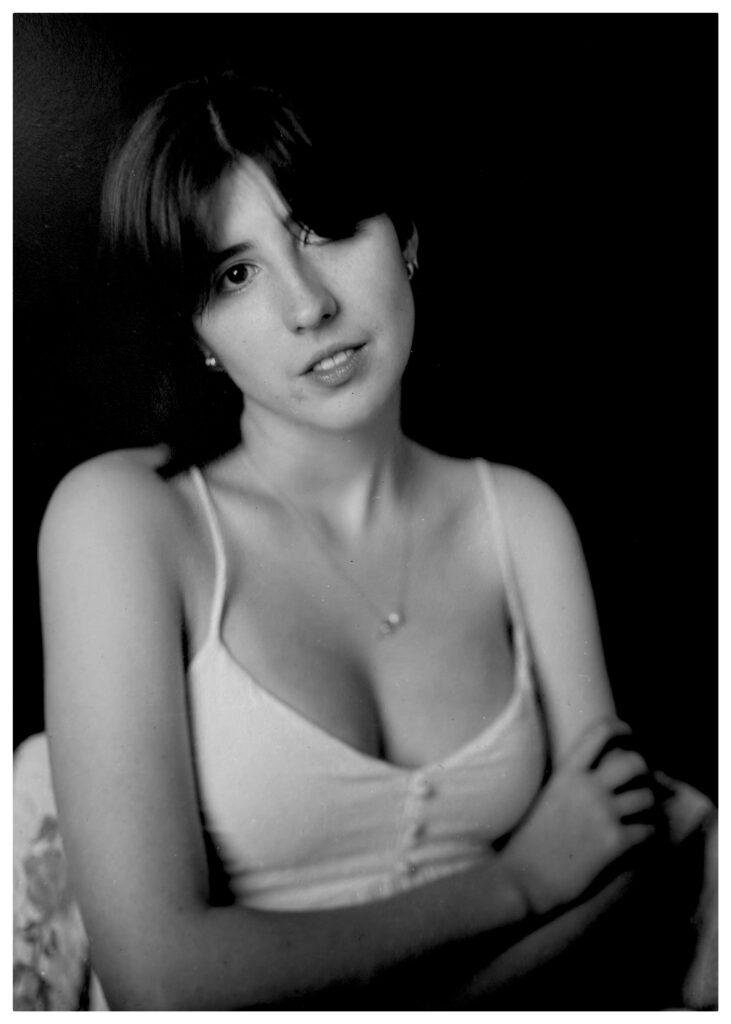
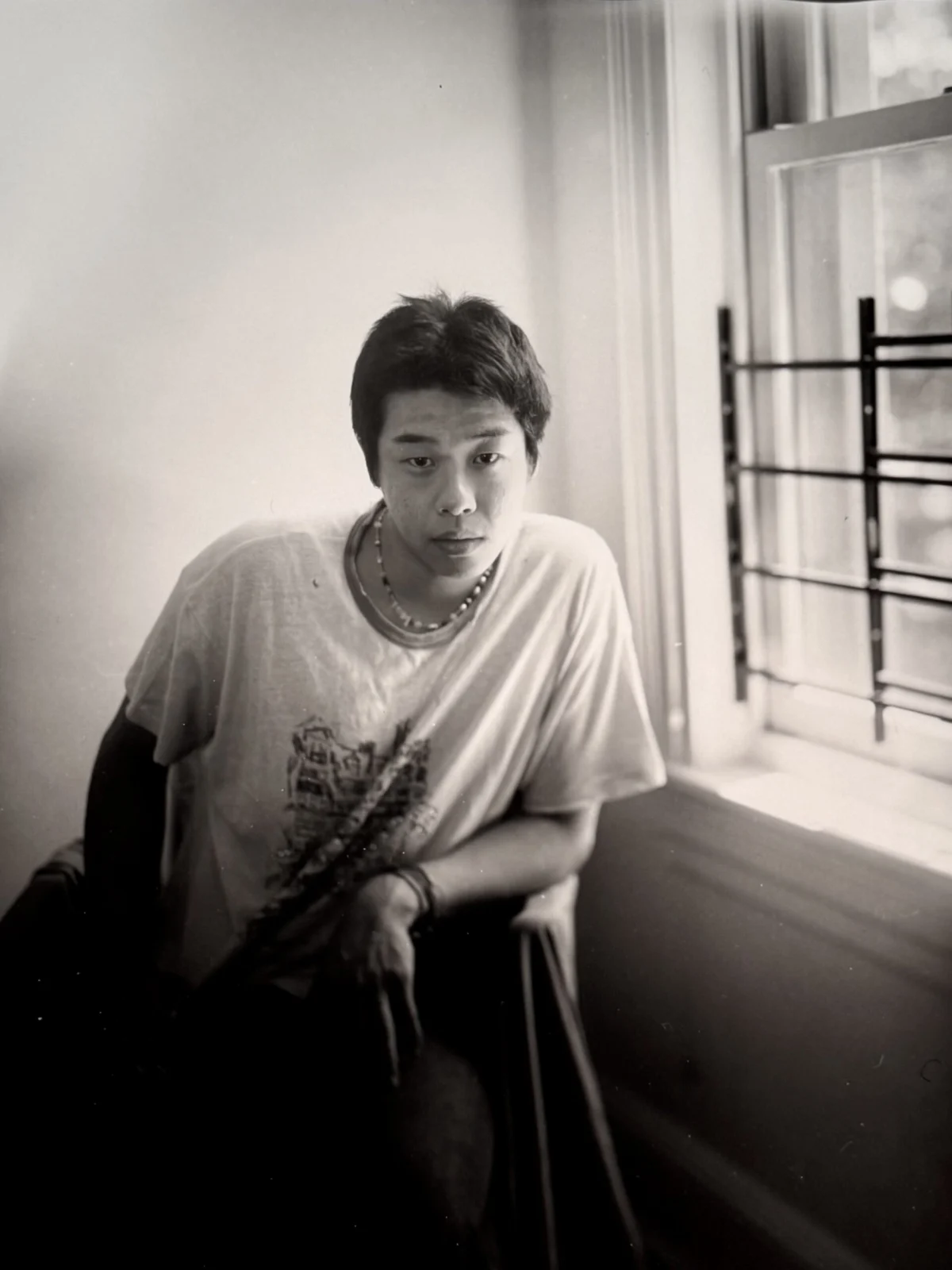
The "Molly" and "Evan" portrait series of 2026 serve as case studies in this movement. By utilizing a combination of Deardorff 5×7 cameras and carefully feathered strobe light, photographers have been able to achieve a "dreamy" yet sharp aesthetic that defies the traditional limitations of both medium and environment. Whether creating a "Radiator Portrait" that mimics a high north-facing window or a high-key studio frame, the modern film photographer is no longer a "natural light purist" by necessity, but a master of light by choice.
In conclusion, the evolution of indoor portraiture in the analog realm represents a sophisticated synthesis of 19th-century optics, 20th-century chemistry, and 21st-century lighting theory. This holistic approach ensures that the "soul" of the photograph—which Cartier-Bresson feared would be lost to artificiality—is instead preserved and enhanced through technical mastery and artistic intent.