The professional music industry has long grappled with a fundamental dichotomy in its visual representation: the raw, kinetic energy of a live performance versus the polished, high-fidelity aesthetic required for commercial promotion. While live concert photography serves as a historical record of an event, the demands of album art, public relations (PR) materials, and concert playbills often require a level of technical precision that live environments cannot provide. Renowned photographer Jeffery Luhn, a specialist in the field, argues that the transition from candid stage shots to controlled studio environments is not merely a preference but a strategic necessity for musicians seeking to define their visual brand. By prioritizing manipulated lighting and deliberate posing, photographers can transcend the visual "noise" of a standard gig, creating iconic imagery that resonates with audiences long after the final note has been played.
The Evolution of Music Portraiture and the Shift to Control
The history of music photography has evolved from the early studio portraits of the 1920s to the gritty, handheld realism of the 1970s rock era. However, in the contemporary market, the pendulum has swung back toward high-production value. This shift is driven by the saturation of digital media, where low-quality, amateur shots from smartphones have made professional, controlled imagery more valuable as a tool for differentiation.
Industry analysts note that high-quality visual assets are a primary driver of engagement on streaming platforms and social media. A 2025 study on digital music marketing indicated that artists who utilize professional, studio-grade photography for their profile headers and album covers see a 24% higher click-through rate compared to those using live-action shots. This data underscores the practical importance of Luhn’s methodology, which focuses on "controlled lighting and posing" to achieve a result that is both aesthetically superior and commercially viable.
Case Study: The Solitary Aesthetic of Richard Cross
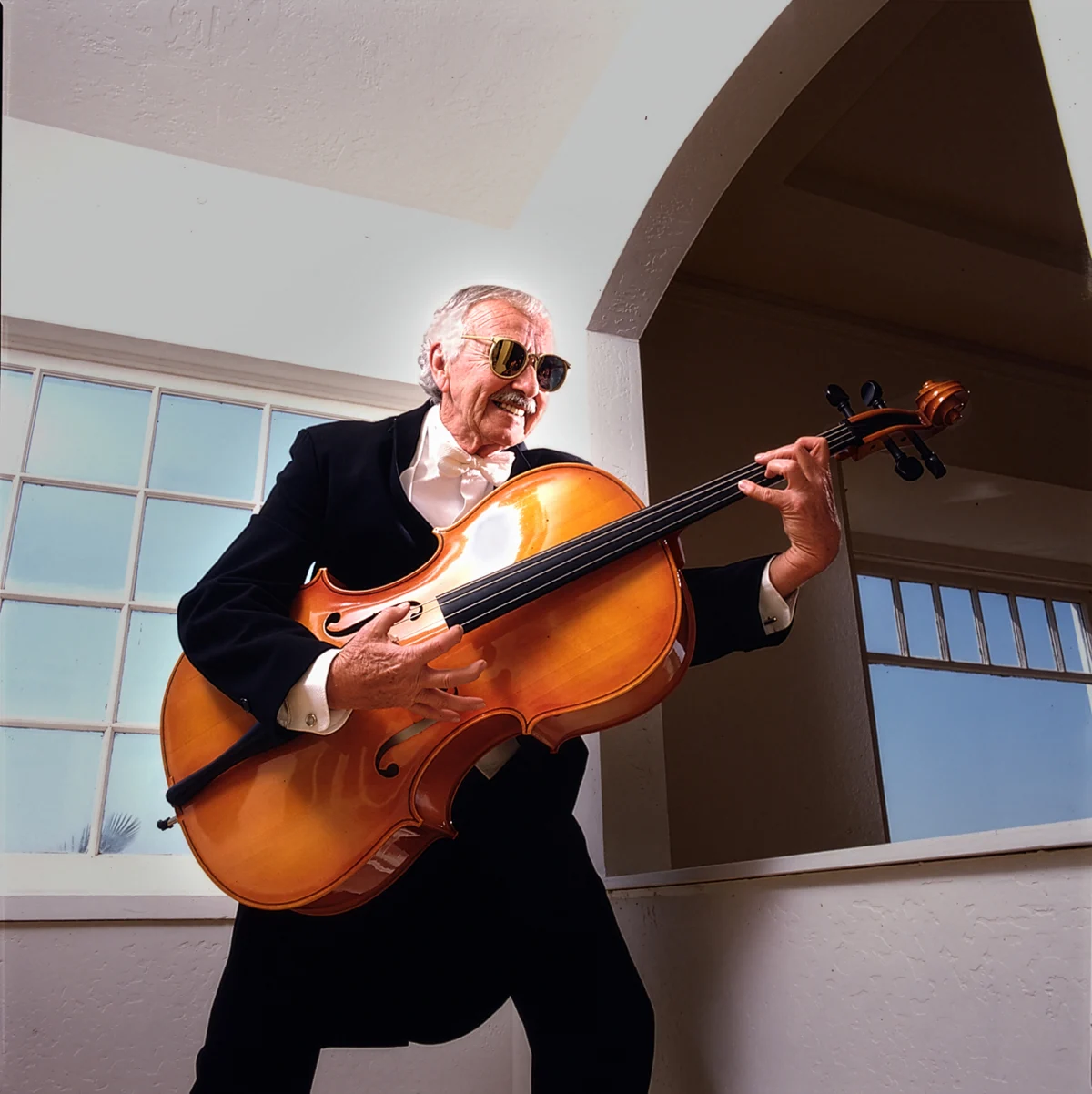
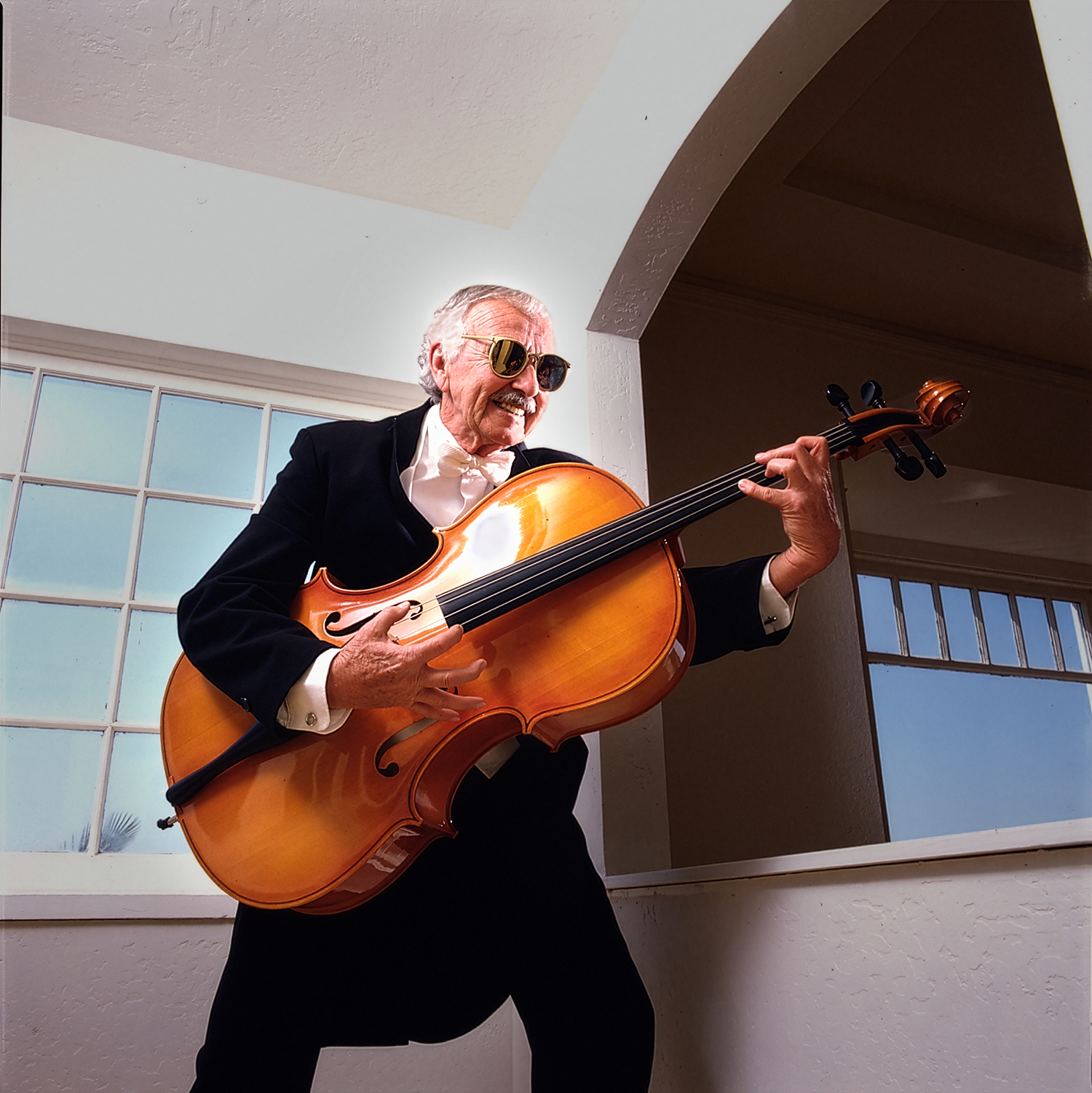
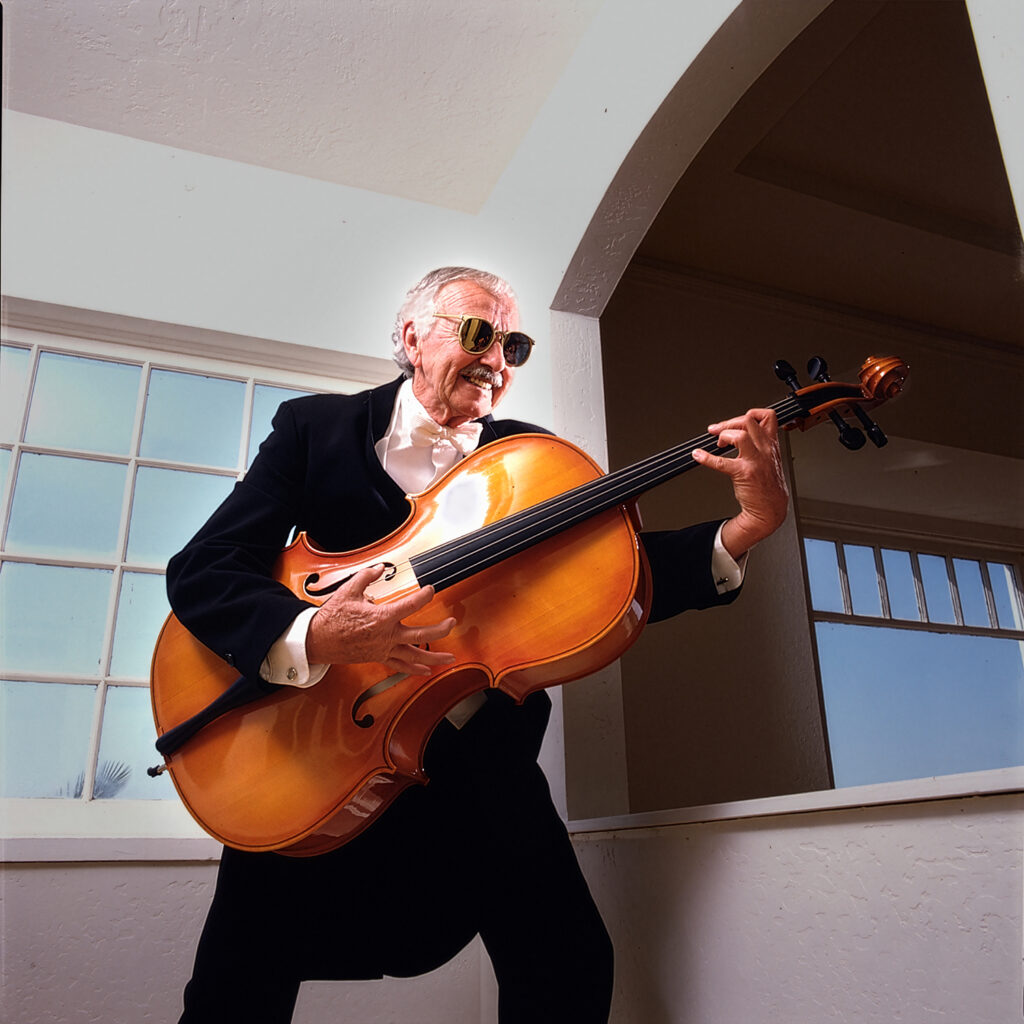
One of the most significant challenges in music photography is capturing the personality of a classical musician without resorting to the clichés of the genre. When cellist Richard Cross commissioned a portrait for a playbill, the objective was to create a visual that reflected his status as a featured soloist while avoiding the "standard portrait" tropes that dominate the classical world.
The resulting collaboration led to an "oddball shot"—a calculated risk in an industry often characterized by tradition. The strategic reasoning behind this unconventional approach was rooted in market timing. Because the playbill would be distributed to an audience that had already purchased tickets, the image was not required to act as a sales tool. Instead, it served as a piece of artistic commentary, humanizing the performer and establishing a unique rapport with the audience. This case illustrates how controlled environments allow for a level of creative experimentation that is impossible during a live set, where the photographer is beholden to the existing stage plot and lighting rig.
Technical Innovation in the Jazz Circuit: The Calvin Hendricks Sessions
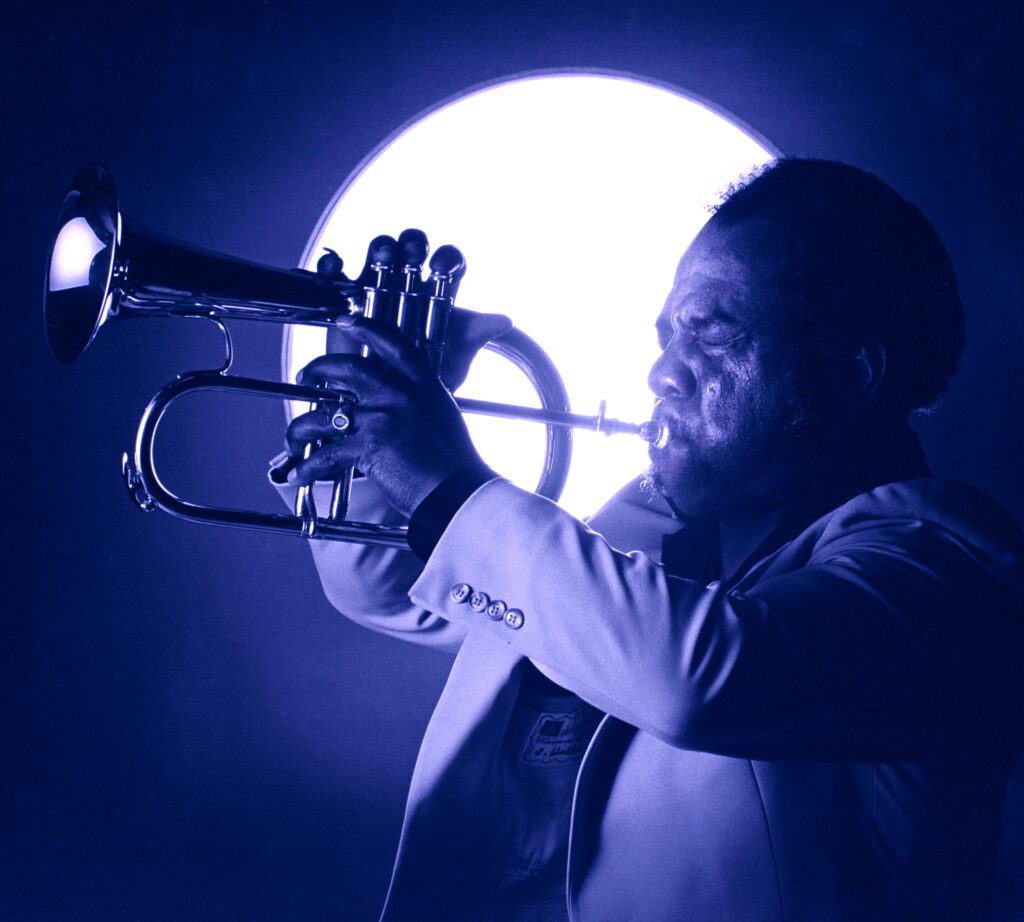
In the jazz and studio session world, the requirements for imagery are often dictated by the need for extreme clarity and specific moods. Calvin Hendricks, a prominent flugelhorn player active in the San Francisco and Los Angeles circuits, faced a common dilemma: while he possessed numerous live shots that captured the "vibe" of his performances, none met the technical standards for professional reproduction.
To solve this, Luhn utilized a specialized lighting rig designed to replicate the drama of a spotlight while eliminating the motion blur and grain associated with low-light stage environments. A key technical element in this session was the use of a large embroidery hoop fitted with diffusion material. By placing this DIY modifier behind the subject with a strobe positioned further back, the photographer created a soft, ethereal glow that mimicked backlighting without the harshness of a raw stage lamp. A secondary, "raw" spotlight was then used to illuminate the front of Hendricks’ face, ensuring the instrument’s brass textures and the musician’s expressions were rendered with clinical sharpness. This hybrid approach—combining industrial tools with creative modifiers—highlights the technical ingenuity required to produce "sharp" imagery that maintains an atmospheric quality.
Historical Continuity and Post-Production: The Terrel Project
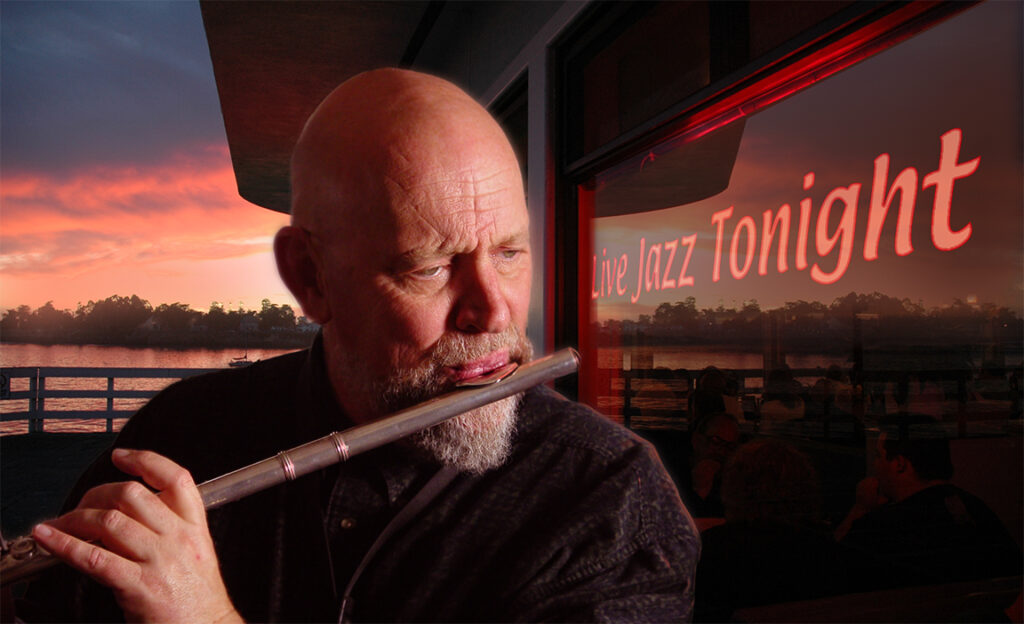
The career of Terrel, a saxophonist and flutist with deep ties to the James Brown "Soul on Top" era and the Broadway circuit, required a photographic style that bridged his historical legacy with modern aesthetics. Terrel’s background, including his service in the Army band alongside Maceo Parker, placed him within a lineage of elite performers who demand high-caliber visual representation.
For Terrel’s studio session, the focus shifted from pure lighting to the integration of photography and digital post-production. The background was constructed as a composite of multiple elements in Photoshop, a technique that allows for a level of environmental storytelling that a physical set often cannot accommodate. Furthermore, the use of "planned" red highlights on the flute and the subject’s shoulder demonstrates the level of intentionality in controlled photography. These rim lights serve to separate the subject from the complex background, a task that is notoriously difficult in live settings where the photographer has no control over the color temperature or direction of the venue’s lights.
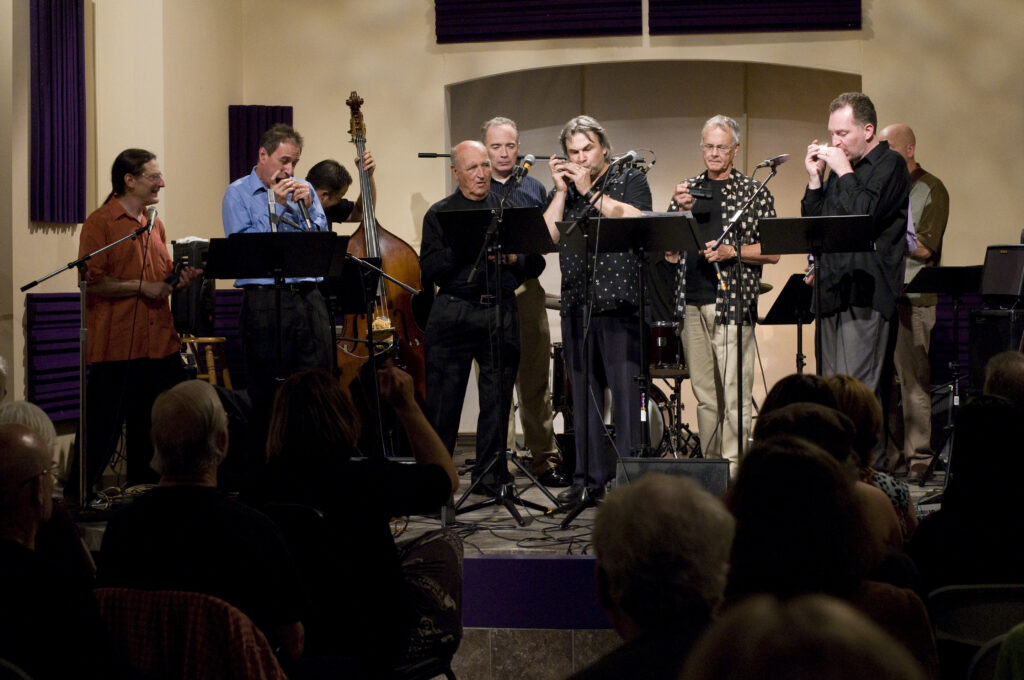
The International Harmonic Summit: A Study in Venue Limitations
The limitations of venue lighting were perhaps most evident during the International Harmonic Summit in Santa Cruz. This event, which gathered elite harmonica players from across the globe, presented a unique set of logistical challenges. Upon arrival, the designated stage lighting was described as "boring" and inadequate for high-end photography, resembling the flat, uninspired illumination of a public library rather than a world-class musical event.
Chronology of the Intervention:
- Site Inspection (T-minus 2 hours): Discovery of inadequate stage lighting and a conflict of interest with the video production crew, who preferred flat lighting for their specific broadcast needs.
- Resource Deployment: Luhn returned to his studio to retrieve specialized spotlights to "dress up" the stage, though resistance from the video team persisted.
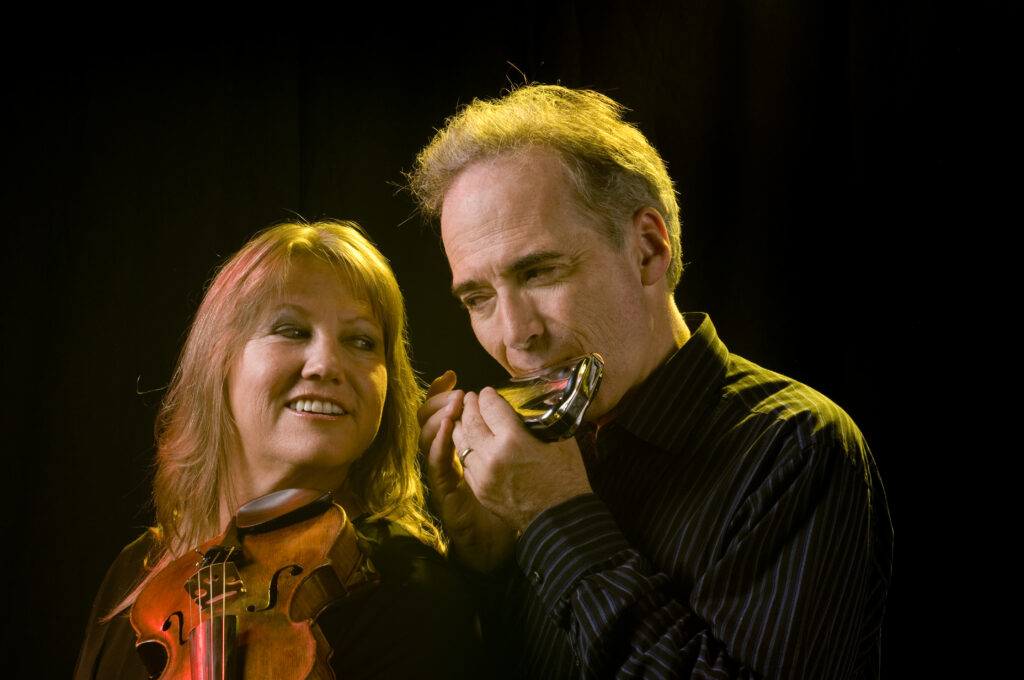
- The "Green Room" Solution: To avoid further conflict and to bypass the inherent difficulties of photographing harmonica players (whose hands often obscure their faces and instruments during play), a makeshift studio was established in the green room.
- Execution: Individual players were pulled aside for controlled portraits where lighting could be adjusted to highlight the metallic sheen of the harmonicas and the intensity of the performers’ eyes.
This incident highlights a common friction point in event production: the differing needs of photographers and videographers. While video often requires consistent, even light to avoid sensor noise, high-end photography thrives on contrast and shadows. By moving the shoot to a controlled "Green Room" environment, the photographer was able to produce a series of portraits that far exceeded the quality of the live-action shots taken under the venue’s default rig.
Broader Implications for the Music Industry
The transition toward controlled music photography has significant implications for how artists are marketed in the 2020s. As the "visual album" and social media presence become as important as the audio content itself, the role of the photographer has shifted from a mere observer to a visual architect.
Professional analysis suggests that the "controlled" approach offers three primary advantages:
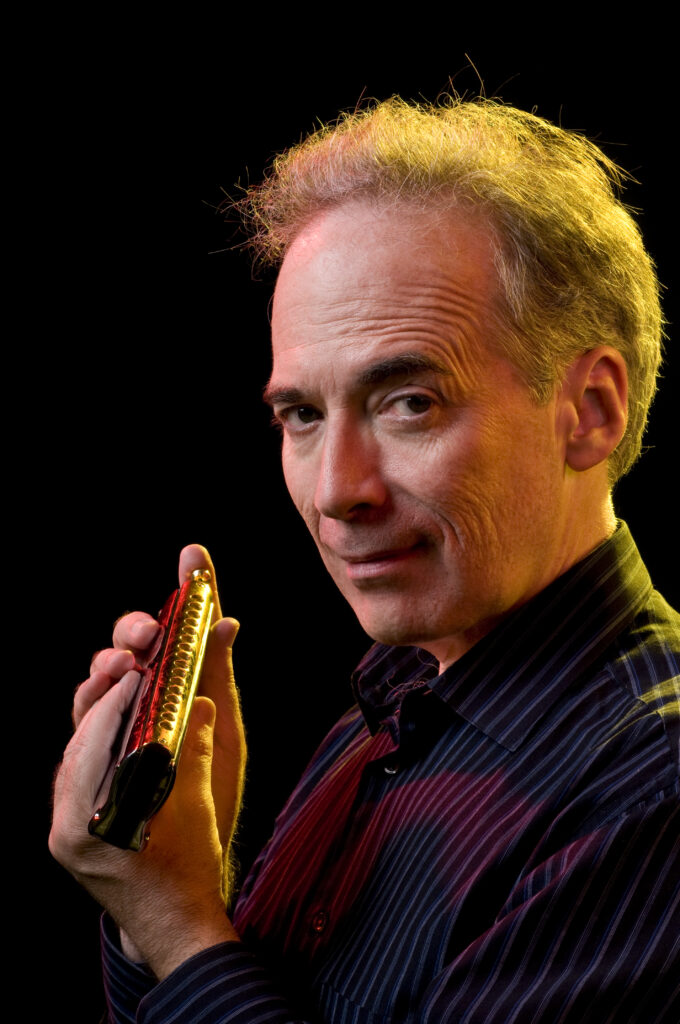
- Brand Consistency: Studio environments allow for a consistent color palette and "look" that can be carried across an entire tour or album cycle.
- Technical Versatility: High-resolution, well-lit photos can be cropped and scaled for everything from giant billboards to tiny mobile icons without losing integrity.
- Psychological Impact: Controlled lighting can be used to evoke specific emotions—power, vulnerability, or mystery—that are often lost in the chaotic environment of a live show.
In conclusion, the work of Jeffery Luhn and his peers underscores a fundamental truth in professional music promotion: while the music is performed on stage, the "image" is crafted in the studio. By mastering the nuances of strobe placement, diffusion, and post-production, photographers provide musicians with the visual tools necessary to survive and thrive in a visually-driven global marketplace. The move from the "librarian" lighting of standard venues to the precision of the green room or studio represents the maturation of music photography as a sophisticated branch of commercial art.