The close of 2025 brings with it a comprehensive look into the purchasing habits of professional and enthusiast photographers and videographers, as revealed by the latest annual data from Lensrentals. Following a recent report detailing the most popular rental gear, this subsequent analysis delves into direct customer purchases, offering a distinct and equally vital perspective on market dynamics. While Lensrentals primarily operates as a rental service, its unique "Keeper program" and direct sales of complementary products provide an invaluable window into long-term investment trends, brand loyalty, and the adoption of new technologies within the imaging sector. The 2025 data underscores Canon’s persistent dominance in high-value equipment purchases, highlights a notable decline for Sony, and signals the surprising ascent of DJI into the top tier of customer acquisitions, surpassing established camera manufacturers.
The Distinctive Lens of Purchase Data: Beyond Rental Trends
Lensrentals’ annual reports have become a cornerstone for industry observers, providing one of the most comprehensive publicly available datasets on gear usage and preference. While rental statistics illuminate short-term project needs, experimental adoption, and seasonal demand, purchase data offers a different, deeper insight: it reflects commitment, long-term investment, and the foundational tools professionals and serious enthusiasts integrate into their permanent kits. The distinction is crucial; a rental might be for a single, specialized project, but a purchase often signifies a belief in a product’s enduring value, reliability, and integration into a core workflow.
The company’s innovative Keeper program plays a significant role in shaping this purchase data. This initiative allows customers who rent equipment to subsequently purchase that exact item, often with a full refund of their rental cost. This "try-before-you-buy" model significantly influences purchase decisions, enabling users to thoroughly test gear in real-world scenarios before committing to ownership. It de-risks high-value investments, fostering confidence and loyalty among users. Consequently, the purchase data derived from this program often highlights items that prove indispensable, reliable, and integrate seamlessly into a user’s ecosystem after hands-on experience. This contrasts with impulse buys or speculative purchases, grounding the data in practical, validated utility.
The Staples of the Kit Bag: High-Volume Accessory Purchases
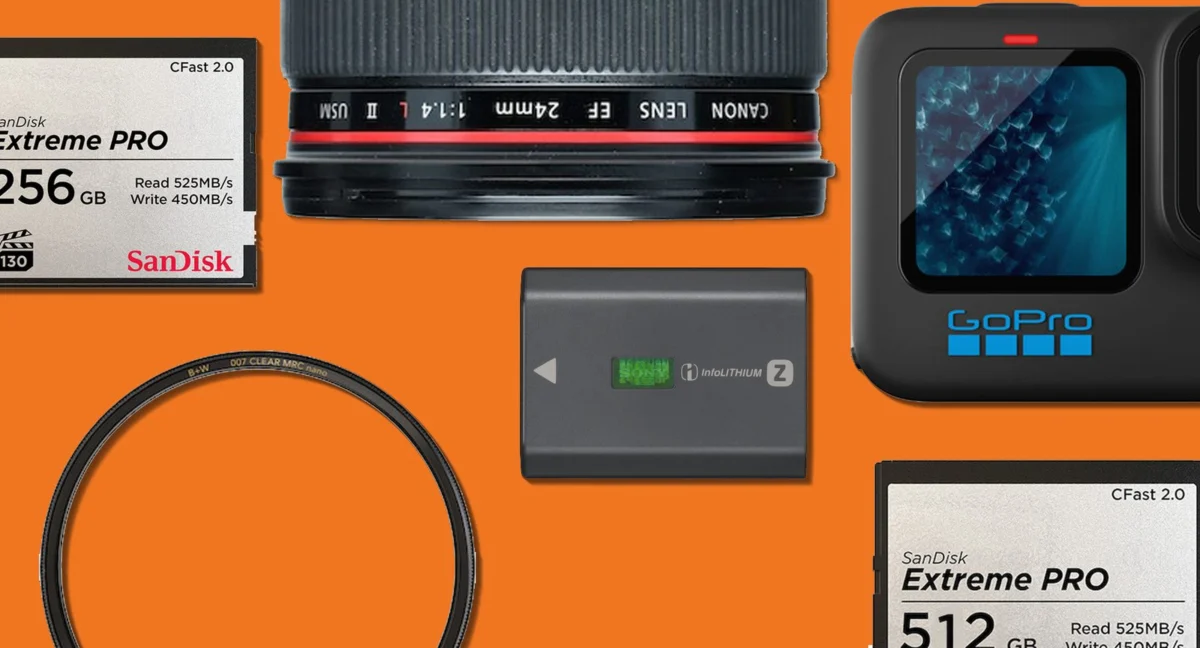
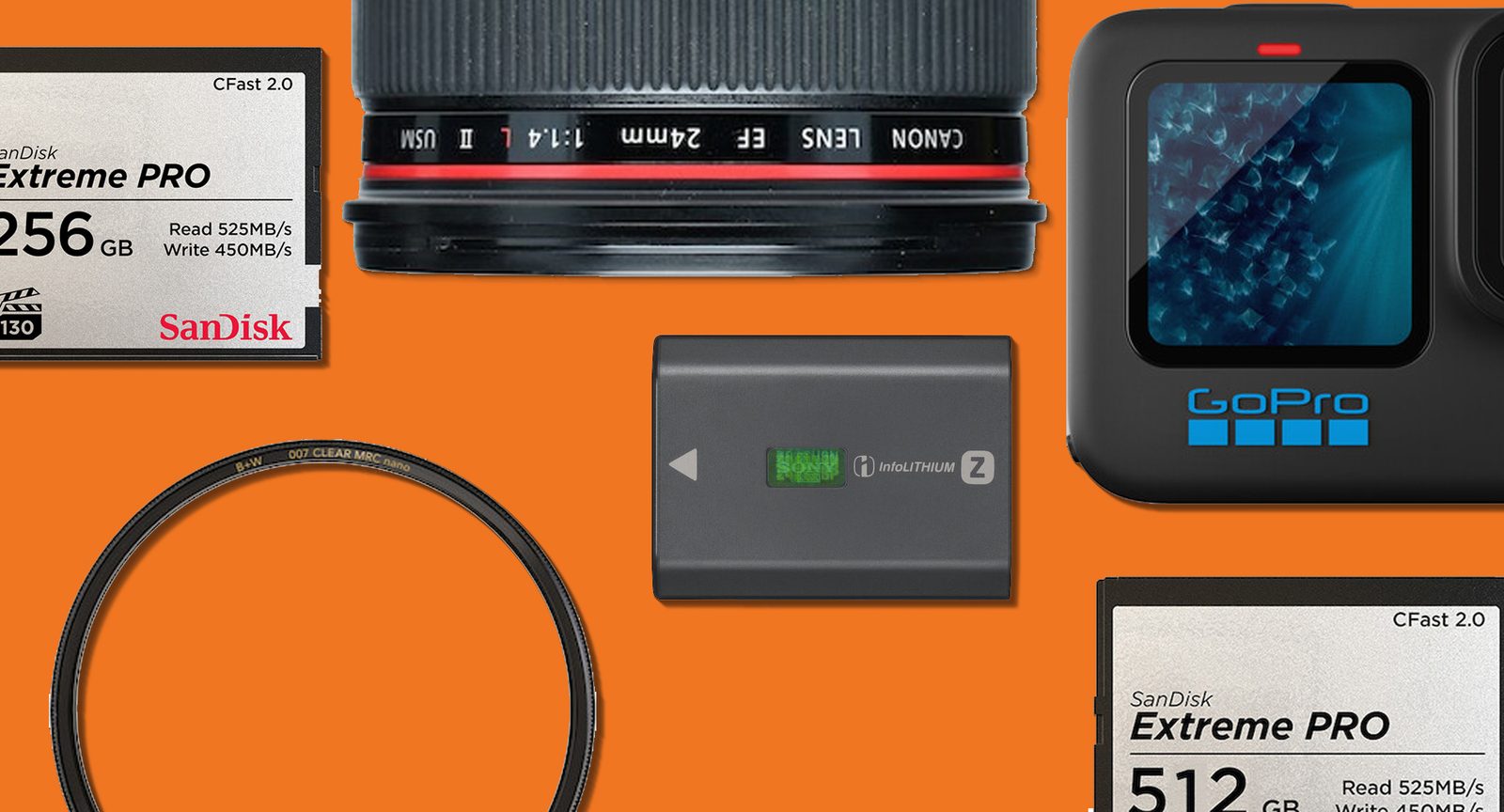
A preliminary glance at the most common customer purchases by quantity reveals a practical, rather than glamorous, trend: the overwhelming majority of transactions involve complementary products and consumables. CFast cards, camera batteries, and UV filters consistently lead this category. This pattern is entirely logical and reflects the ongoing operational needs of photographers and videographers. These items are often mission-critical, require frequent replacement or expansion, and are typically lower-cost investments where direct ownership makes more sense than renting.
CFast cards, for instance, are essential for high-bitrate video recording and rapid-fire photography, demanding reliable and fast storage. Users often require multiple cards for extended shoots or as backups, making direct purchase a necessity. Similarly, camera batteries are the lifeblood of any shoot; professionals often carry several spares to ensure uninterrupted power, particularly on location. UV filters, while sometimes debated for their optical impact, are frequently purchased as protective elements for expensive lenses, safeguarding front elements from dust, scratches, and accidental impacts. The prevalence of these items underscores the foundational investments users make to support their primary camera and lens systems, highlighting the practical realities of professional work.
The Workhorse Lens: Canon EF 24-70mm f/2.8L II Leads High-Value Acquisitions
Moving beyond high-quantity accessories to high-value items, one product stands out as the most-purchased piece of expensive gear: the Canon EF 24-70mm f/2.8L II. This is hardly a surprise to industry veterans. The 24-70mm f/2.8 zoom lens has long been considered a quintessential "workhorse" lens for professionals across various disciplines, from photojournalism and wedding photography to event coverage and videography. Its versatile focal range, fast f/2.8 constant aperture, and robust optical performance make it an indispensable tool capable of handling a vast array of shooting scenarios.
The continued popularity of the EF 24-70mm f/2.8L II in 2025, despite Canon’s aggressive push into its mirrorless RF mount system, is particularly telling. As Canon strategically shifts its focus and R&D towards the RF lineup, the market for its venerable EF lenses has seen a significant adjustment. This has, in turn, created an attractive value proposition for high-quality EF glass. Many professionals and enthusiasts operating with existing Canon DSLR bodies, or even those adapting EF lenses to mirrorless systems via adapters, find these lenses to be an exceptional bargain. They offer professional-grade optics and build quality at prices that are often more accessible than their newer RF counterparts, making them a smart long-term investment for those prioritizing proven performance and cost-effectiveness. The fact that it is also a frequent contender for the most rented lens further solidifies its reputation as a universally trusted and high-performing optic, indicating that many who rent it eventually decide to make it a permanent part of their arsenal.
Brand Market Share by Revenue: A Shifting Competitive Landscape
The analysis of brand market share by revenue for 2025 provides a fascinating snapshot of the competitive landscape, revealing both enduring strengths and surprising shifts when compared to previous years.
| Brand | 2023 Market Share | 2024 Market Share | 2025 Market Share |
|---|---|---|---|
| Canon | 28.43% | 22.99% | 23.55% |
| Sony | 28.83% | 21.60% | 16.60% |
| DJI | 7.22% | 10.04% | 9.95% |
| Nikon | 3.93% | 4.69% | 4.90% |
| Blackmagic | 2.41% | 2.58% | 3.43% |
| Leica | 1.63% | 2.39% | 3.25% |
| Fuji | 1.29% | 2.80% | 3.24% |
| Aputure | 2.38% | 2.33% | 3.01% |
| SmallHD | 1.58% | 2.32% | 2.83% |
| Panasonic | 2.05% | 2.20% | 2.76% |
| Sigma | 3.09% | 2.50% | 2.42% |
| Teradek | 1.02% | 0.92% | 2.83% |
Canon’s Enduring Reign:
For 2025, Canon stands as the undisputed leader in purchase market share, claiming 23.55% of the revenue. While this represents a slight dip from its 2023 peak of 28.43%, it marks a modest recovery from 2024’s 22.99%. This consistent performance underscores Canon’s deeply entrenched position within the professional imaging market. Its comprehensive ecosystem, robust build quality, and extensive range of lenses (both EF and RF) continue to appeal to a broad user base. The sustained demand for its products, particularly high-value items like the EF 24-70mm f/2.8L II, suggests a strong brand loyalty and a strategic advantage in offering compelling value propositions, especially as its older, yet still highly capable, EF system becomes more accessible. Industry analysts suggest that Canon’s ability to cater to both legacy DSLR users and new mirrorless adopters simultaneously has been a key factor in maintaining its lead.
Sony’s Significant Retreat:
Perhaps the most striking development in the 2025 purchase data is Sony’s substantial decline in market share. After leading in 2023 with 28.83%, Sony’s share fell sharply to 21.60% in 2024, plummeting further to 16.60% in 2025. This 12.23 percentage point drop over two years indicates a significant shift in customer purchasing behavior. While Sony remains a formidable innovator in the mirrorless space, its decline in purchase market share from Lensrentals’ data could be attributed to several factors. It might reflect a saturation of early adopters who have already invested in the system, or perhaps a perception of higher entry costs compared to competitors offering compelling value. It could also suggest that while many professionals rent Sony gear for specific projects, the long-term commitment of purchase is being directed elsewhere, possibly due to a reassessment of total cost of ownership or the specific needs met by other brands. This trend warrants closer observation to determine if it’s an anomaly in a specific market segment or indicative of broader challenges for Sony in converting rentals to permanent sales.
DJI’s Surprising Ascent:
Defying traditional categorization, DJI has emerged as the third most popular brand for customer purchases in 2025, securing 9.95% of the market share. This marks a consistent upward trajectory from 7.22% in 2023 and 10.04% in 2024. DJI’s rise is particularly noteworthy as it surpasses long-standing camera and lens manufacturers like Nikon and Fuji. This phenomenon highlights the increasing integration of drone and gimbal technology into mainstream photography and videography workflows. Professionals are no longer viewing these as niche tools but as essential components of their creative arsenal. The purchase data suggests that users are not just renting DJI products for one-off aerial or stabilized shots, but are investing in them as permanent fixtures, recognizing their indispensable role in modern production. This trend reflects the evolution of content creation, where dynamic movement and unique perspectives, facilitated by DJI’s innovations, are increasingly prioritized.
Nikon’s Steady Gains:
Nikon has shown consistent, albeit modest, growth in purchase market share, rising from 3.93% in 2023 to 4.90% in 2025. This steady increase suggests a positive reception to its mirrorless Z-mount system and a loyal customer base making long-term investments. While not experiencing the dramatic shifts of its competitors, Nikon’s incremental gains indicate a slow but sure recovery and growing confidence in its latest offerings.
Growth in Specialized Brands and Complementary Ecosystems:
The remainder of the list showcases a healthy diversification and growth among specialized brands. Blackmagic Design (2.41% to 3.43%), Leica (1.63% to 3.25%), Fujifilm (1.29% to 3.24%), Aputure (2.38% to 3.01%), SmallHD (1.58% to 2.83%), and Panasonic (2.05% to 2.76%) all demonstrate consistent upward trends. This signifies a vibrant market for niche and specialized tools, from cinema cameras and high-end lighting to professional monitors and unique photographic systems. It reflects a maturing industry where professionals are investing in tailored solutions to meet specific creative and technical demands, rather than relying solely on the offerings of a few major players. The increasing market share of these brands underscores the demand for comprehensive, multi-brand ecosystems that allow creators to assemble highly specialized and efficient workflows.
Conversely, Sigma saw a slight dip from 3.09% in 2023 to 2.42% in 2025, suggesting potential shifts in third-party lens preferences or perhaps increased adoption of native lenses from camera manufacturers. Teradek, a specialist in wireless video transmission, saw its share nearly triple from 1.02% in 2023 to 2.83% in 2025, a significant jump that warrants further examination.
Innovation in Action: Most Common Purchases of New-to-Inventory Gear in 2025
The final layer of insight comes from examining the most common purchases of gear that entered Lensrentals’ inventory in 2025. This category highlights cutting-edge technologies and emerging trends that customers are quick to adopt as permanent fixtures. At the forefront of this list are Teradek products: the Teradek 6G V Antenna and, closely following, the Teradek Wireless Antenna for Bolt 500/1000.
This strong showing for wireless transmission components is profoundly significant. It unequivocally demonstrates that the trend towards fast, reliable, and efficient wireless transfer solutions on film sets and in professional video production is not merely a convenience but a fundamental priority for investment. The need for real-time monitoring, remote collaboration, and streamlined on-set communication continues to drive innovation and adoption in this segment. The purchase of these specific antennas suggests that professionals are actively upgrading and enhancing their wireless video systems, seeking the latest generation of robust and high-bandwidth solutions. This reflects a broader industry movement towards more agile and flexible production workflows, where the ability to transmit high-quality video signals wirelessly across a set is paramount for efficiency, safety, and creative flexibility. It also hints at the increasing complexity of modern productions, which rely heavily on integrated technological solutions to manage intricate camera setups and distributed teams.
Broader Market Implications and Future Outlook
The 2025 purchase data from Lensrentals paints a nuanced picture of the photography and videography industries. Canon’s continued leadership in purchases, particularly for workhorse lenses, suggests a stable demand for proven, high-quality optics and a strategic advantage in offering accessible value. Sony’s decline, on the other hand, prompts questions about market saturation, pricing strategies, or competitive pressures that may be influencing long-term buying decisions despite its innovative prowess.
The rise of DJI as a major purchasing category is perhaps the most indicative of evolving industry needs. It underscores the undeniable integration of motion and stabilization tools into everyday professional workflows, blurring the lines between traditional camera equipment and specialized cinematic apparatus. This trend signals that content creators are increasingly prioritizing dynamic storytelling capabilities, recognizing drones and gimbals as essential, rather than supplementary, gear.
The robust demand for accessories and workflow-enhancing tools like Teradek antennas further solidifies the notion that efficiency and reliability are paramount. Professionals are investing in solutions that not only capture imagery but also streamline the entire production pipeline, from data management to real-time monitoring. As an industry analyst might comment, "This data highlights a bifurcated market: on one hand, users are investing in proven, robust staples like the 24-70mm lens; on the other, they are quickly adopting new technologies that enhance workflow efficiency and open up new creative avenues, like advanced wireless transmission and integrated drone systems."
The "Keeper program" itself serves as a powerful model for the industry, demonstrating how rental services can effectively bridge the gap to long-term ownership, allowing professionals to make informed, confident purchasing decisions. As we look towards 2026, the trends observed in 2025 suggest a continued emphasis on practical value, technological integration, and workflow optimization, shaping an industry that is both grounded in established quality and agile in adopting innovation. The insights gleaned from Lensrentals’ data will undoubtedly serve as a crucial benchmark for manufacturers, retailers, and content creators alike as they navigate the ever-evolving landscape of imaging technology.