Macro wildlife photography stands as one of the most compelling and intrinsically rewarding disciplines within the vast realm of photographic pursuits. By intentionally directing focus towards subjects often overlooked due to their diminutive scale, photographers are granted an unparalleled opportunity to unearth intricate details and behaviors that remain invisible to the naked eye. This unique perspective not only produces truly captivating imagery but also serves as a potent tool for scientific discovery, public education, and critical conservation efforts, showcasing a world many people rarely, if ever, get to witness firsthand.
Historically, the macro photography landscape has been predominantly populated by insects and flowers. These subjects, with their intricate anatomies, vibrant color palettes, and relatively static nature, have long provided ideal canvases for close-up exploration. From the complex facets of a jumping spider’s eyes, exuding personality, to the delicate, almost architectural perfection of a flower petal, these natural elements frequently command the spotlight in the macro world. However, the true potential of macro wildlife photography extends far beyond these conventional muses, inviting photographers to broaden their horizons and discover a universe of alternative subjects often closer than anticipated, yet brimming with unexplored visual narratives. This article delves into the expanded frontiers of macro wildlife photography, exploring diverse subjects, essential equipment, advanced techniques, and the ethical responsibilities inherent in capturing these hidden marvels.
The Microcosm Unveiled: Expanding Beyond Conventional Subjects
The enduring appeal of macro wildlife photography lies in its inherent promise: photo-worthy subjects are ubiquitous, provided one knows where and how to observe. While insects and flora remain excellent starting points for their readily apparent visual appeal and intricate structures, the macro subject library is, in fact, boundless. From the translucent skin of a tree frog to the nuanced barbs of a bird’s feather, the natural world offers an almost infinite array of opportunities for intimate visual storytelling. This section encourages photographers to consider these often-neglected subjects, fostering a deeper appreciation for the biodiversity surrounding us.
Reptiles and Amphibians: Scales, Textures, and Hidden Lives
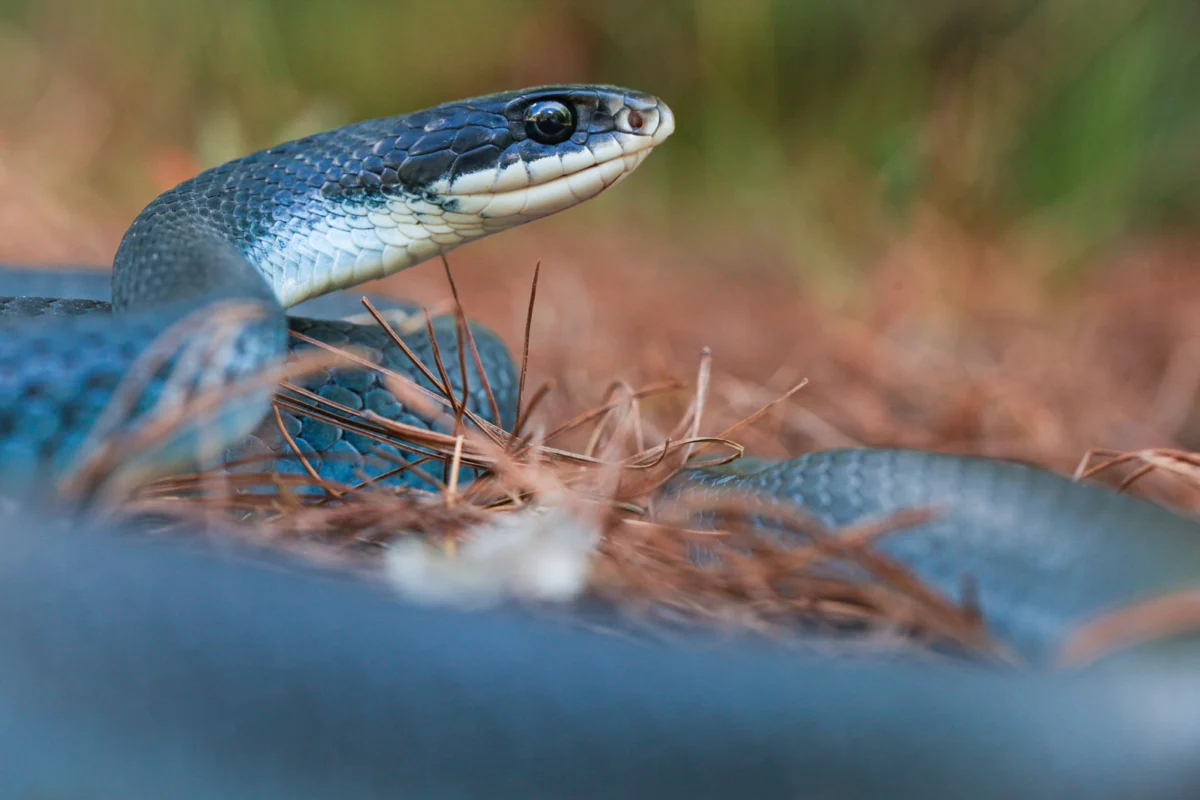
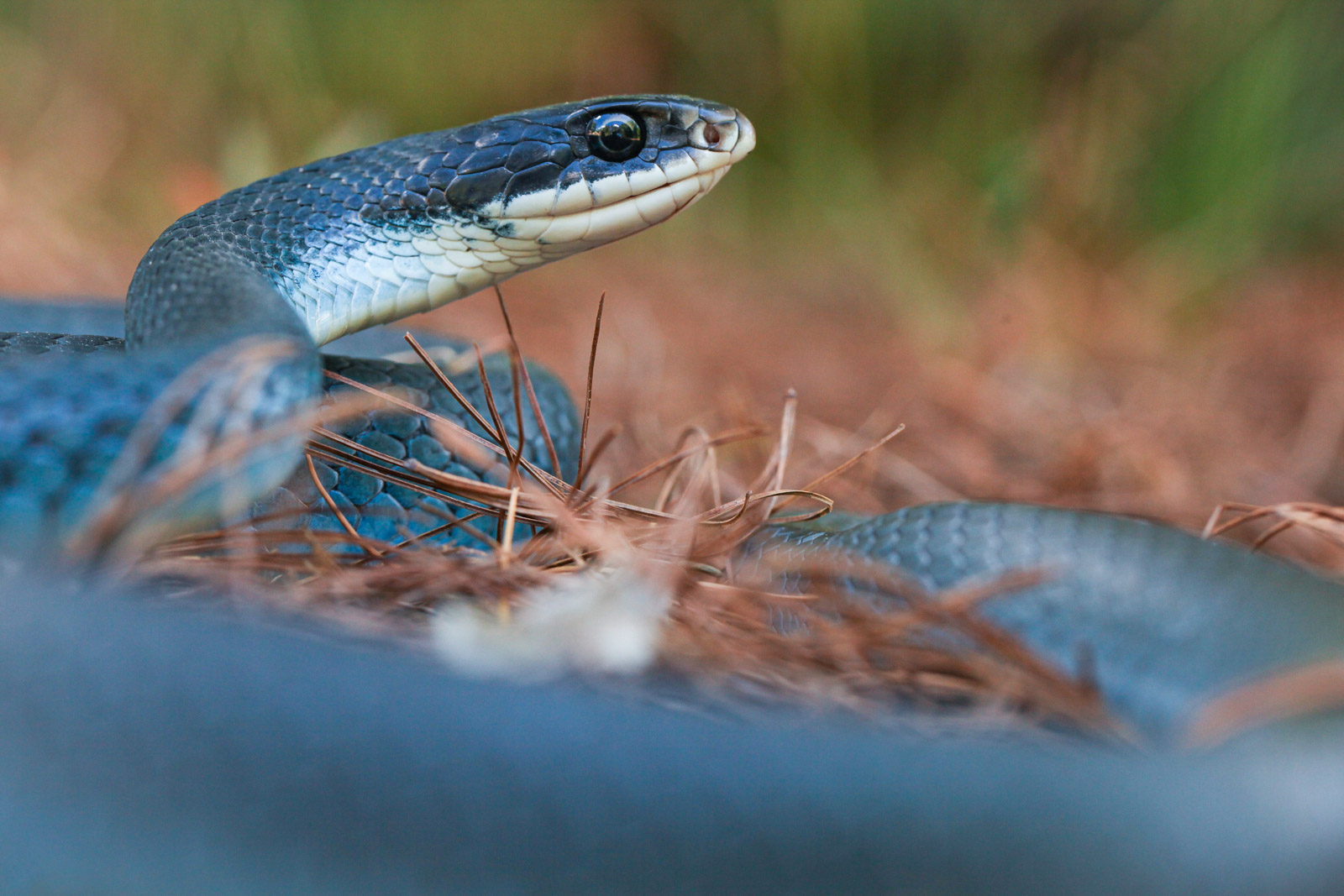
Snakes, lizards, and various other scaled or smooth-skinned amphibians present a remarkable opportunity for macro-level investigation. These cold-blooded creatures are a tapestry of diverse textures and patterns, ranging from rough, granular skin to smooth, iridescent scales that can appear rainbow-reflective under specific lighting conditions. Macro photography allows for the meticulous documentation of these features, revealing the evolutionary artistry in their camouflage and warning displays. Beyond their aesthetic appeal, close-up images of these often-misunderstood animals can highlight their delicate beauty and vulnerability, contributing to public awareness and conservation initiatives. For instance, detailed shots of a frog’s skin can reveal parasitic organisms or fungal infections, aiding scientists in monitoring amphibian health in declining populations.

Avian Intricacies: Feathers, Talons, and Beaks
While traditional bird photography typically focuses on capturing subjects in flight or full portraiture from a distance, macro situations can occasionally present themselves, offering unprecedented detail. Body elements such as individual feathers, powerful talons, and precisely shaped beaks are often overlooked but offer unique insights into avian biology and adaptation. A macro lens can transform a common feather into an abstract masterpiece, revealing the intricate barbules and hooks that give it structural integrity and aerodynamic function. Such close-ups can also aid in species identification, particularly for fallen feathers, contributing to ornithological studies and citizen science projects that track bird migration and distribution.
Mammalian Miniatures: Fur, Whiskers, and Expressive Eyes
Similar to birds, opportunities to photograph mammalian subjects at a macro level are often fleeting, given their larger size and natural wariness. However, with a blend of patience, luck, and specialized know-how, mammalian macro photography is indeed achievable. Focusing on elements like the texture of fur, the sensitivity of whiskers, or the reflective depth of an eye can yield surprisingly intimate and impactful images. The intricate patterns in a mammal’s iris or the fine hairs on a bat’s wing can reveal a level of detail that humanizes these creatures, fostering empathy and connection. These images can also serve educational purposes, illustrating anatomical adaptations critical for survival.
Subaquatic Spectacles: Marine Life’s Hidden Gems
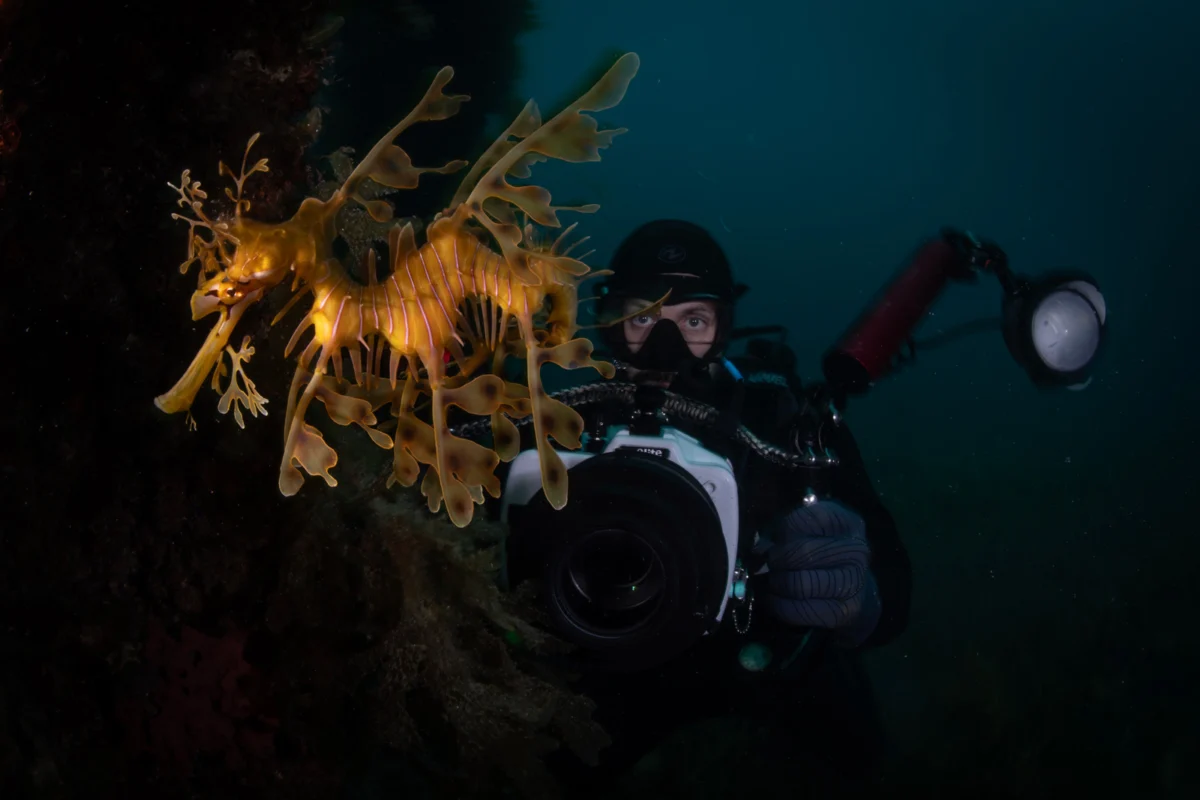
The aquatic realm, with the right underwater setup, unlocks an entirely new dimension of potential macro subjects. Marine life, including a myriad of fish, the exquisitely diverse nudibranchs (often called "sea slugs"), and various crustaceans, exists in an astonishing spectrum of colors, forms, and unique features. Many of these organisms are incredibly small, intricate, and rarely captured with such clarity due to their size and challenging underwater environment. Macro underwater photography is crucial for marine biologists, providing visual records of new species, documenting symbiotic relationships, and monitoring the health of coral reefs and other vital ecosystems. The vibrant hues and alien-like structures of nudibranchs, for instance, are a testament to nature’s boundless creativity and a powerful argument for marine conservation.

Fungal Fantasies: Myriad Textures and Forms
Perhaps one of the most overlooked yet accessible macro subjects is fungi. These organisms, which do not move, boast numerous unique surfaces, textures, and architectural forms. When captured with a macro lens, a simple mushroom can be transformed into an abstract and exciting piece of imagery, highlighting its gills, spores, and intricate caps. Fungi play a critical role in ecosystems as decomposers and symbionts, and macro photography can help illustrate their often-hidden ecological functions. Their diverse shapes and colors, from bioluminescent varieties to those resembling miniature alien landscapes, offer endless creative possibilities for photographers.
The Evolution of the Craft: Essential Gear and Techniques
Achieving successful macro wildlife photography necessitates more than just keen observation; it demands a precise understanding of specialized equipment and refined techniques. Modern advancements in camera technology have democratized this field, making it more accessible to enthusiasts while pushing the boundaries for professionals.

Essential Equipment for the Macro Enthusiast
To capture truly frame-filling macro close-ups, a lens with macro capability is indispensable. The ideal macro photography lens varies depending on budget, preferred subjects, and practical considerations in the field. Dedicated macro lenses typically offer a 1:1 magnification ratio or greater, allowing subjects to be reproduced at life size on the camera sensor. For those new to the hobby or working with budget constraints, more affordable alternatives exist:
- Extension Tubes: These hollow tubes are mounted between the camera body and the lens, increasing the lens-to-sensor distance and thus boosting magnification. They are cost-effective but result in a loss of light and can make focusing more challenging.
- Close-up Filters (Diopters): These screw onto the front of an existing lens, acting like a magnifying glass. They are convenient and inexpensive but can introduce optical aberrations, particularly at higher magnifications.
- Reversing Rings: These allow a standard lens to be mounted backward onto the camera body, converting it into a powerful macro lens. This method offers high magnification but sacrifices electronic communication between the lens and camera.
Beyond the lens, the camera body plays a crucial role. Mirrorless cameras, with their advanced autofocus systems, electronic viewfinders (EVFs) offering real-time exposure previews, and features like focus peaking for manual focusing, have significantly enhanced the macro shooting experience. The ability to see the exact depth of field and exposure before pressing the shutter is invaluable when working at such shallow depths of field.
The Critical Role of Lighting
In macro photography, lighting is often as, if not more, important than the lens itself. Due to the extremely close working distances and often small apertures required for sufficient depth of field, natural light alone is frequently insufficient. Artificial light sources are paramount for illuminating minute details and achieving stand-out images.

- Flash Units: An external flash is the most common lighting solution. While a camera’s built-in flash can be used, it offers limited control. Dedicated off-camera flashes or specialized macro flashes (ring flashes or twin-light setups) provide much greater flexibility in directing and shaping light.
- Diffusers: A diffuser is arguably the most vital accessory for flash photography in macro. It softens the harsh light from the flash, preventing blown-out highlights and creating more pleasing, even illumination. Diffusers range from simple DIY solutions to purpose-built foldable diffusers or softboxes designed for macro work. The right diffuser can transform a good photo into a great one by enhancing texture and reducing harsh shadows.
Mastering the Macro Shot: Key Methodologies
Successful macro wildlife photography is a synthesis of technical skill, artistic vision, and unwavering patience. Several core techniques contribute to consistently high-quality results.
-
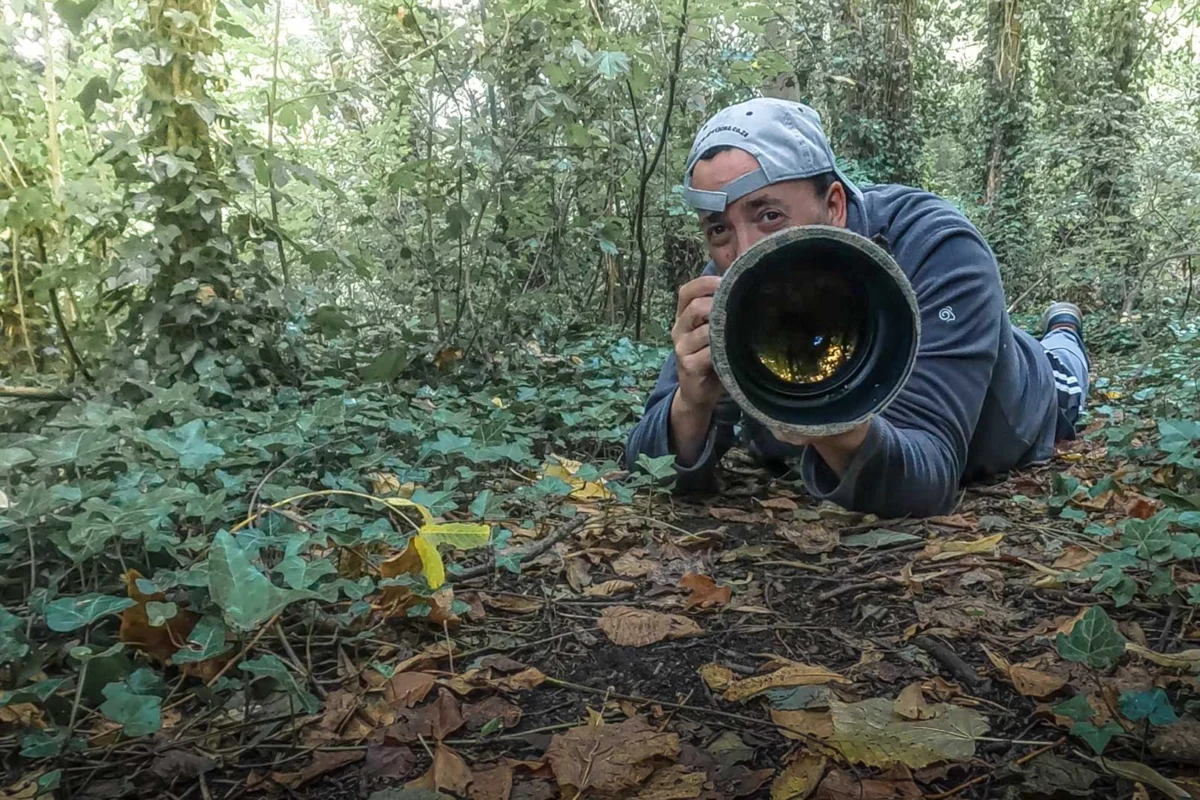
Stabilization for Precision: Unlike landscape photography where tripods are standard, dynamic macro wildlife often demands mobility. Handholding the camera with two hands, especially with a flash mounted to the body, is a common starting point. For ground-dwelling subjects, more versatile stabilization can be achieved with beanbags or towels placed under the camera rig, offering support while allowing for quick repositioning. Focus rails can be invaluable for precise adjustments when using a tripod for stationary subjects or focus stacking.
-
Creative Lighting Angles: While on-camera flash is a good foundation, exploring off-camera flash positions can dramatically enhance imagery. Experimenting with lighting subjects from the top, side, or even back can create different moods and highlight specific features. Backlighting, for example, can create stunning rim lighting and emphasize translucency, leading to dramatic, low-key style photos.

-
Precision Focusing and Aperture Choice: The choice of focusing mode depends on the subject’s movement and the photographer’s preference. AI focus or continuous autofocus can track moving subjects, while a "one-shot" option offers more precise control for stationary ones. For ultimate control and critical sharpness, manual focusing, often aided by focus peaking in mirrorless cameras, is preferred. Generally, focus should be on the most crucial detail, such as an eye for an animal or a specific texture point.
In terms of aperture, the shallow depth of field inherent in macro photography means that even small movements can throw focus off. A common starting point for small-subject macro shots is f/11, which provides a reasonable balance between depth of field and light gathering. However, photographers will often experiment, going to f/16 or even f/22 for maximum depth of field, compensating with stronger flash. Focus stacking, a technique where multiple images are taken at different focal planes and merged in post-processing, has revolutionized macro photography by creating images with exceptional sharpness from front to back. -
The RAW Advantage: Always shooting in RAW format is a fundamental best practice in photography, and particularly so in macro wildlife. RAW files retain significantly more image data than JPEGs, offering immense flexibility for post-processing adjustments. In the often-brief window of a wildlife encounter, perfect exposure or white balance might be missed. RAW files allow for comprehensive correction and fine-tuning of elements like exposure, color, and contrast, salvaging fleeting moments that might otherwise be unusable. This non-destructive editing capability is crucial for maximizing the potential of every capture.
-
The Paramount Virtue of Patience: Beyond technical prowess, patience is arguably the most critical attribute for any macro wildlife photographer. Nature rarely performs on demand. Mistakes will inevitably occur, and the ability to remain calm, overcome frustration, and refocus with renewed determination is paramount for achieving superior results. Observing subjects, understanding their behavior, and waiting for the opportune moment are as vital as camera settings.

Ethical Imperatives in Macro Wildlife Photography
When engaging with wildlife, whether large or small, the welfare of the animal or plant must always be the paramount priority. No photograph, however stunning, justifies causing harm, distress, or disturbance to a living creature. Adhering to a strict code of ethics is not only responsible but also contributes to the longevity of the subjects and the reputation of the photographic community.
-
Minimizing Disturbance: The hallmark of an accomplished wildlife photographer is the ability to achieve outstanding imagery without impacting the subject. This requires preparedness, a deep understanding of animal behavior, and efficient execution. Practicing techniques at home with inanimate objects or captive models can ensure that photographers are quick and precise in the field, minimizing the time spent near a wild subject. Respecting personal space and avoiding sudden movements or loud noises are essential.

-
Knowledge of the Subject: Before venturing into the field, it is always prudent to research the animals likely to be encountered. Understanding if a species is protected, venomous, poisonous, or particularly susceptible to human contact is vital for both photographer safety and animal welfare. Consulting local field guides, conservation websites, or wildlife blogs provides invaluable insights. For instance, knowing that certain amphibians have sensitive skin that can absorb chemicals from human hands would dictate never touching them.
-
Setting a Positive Example: By prioritizing animal welfare, photographers not only ensure their own ethical conduct but also set a positive example for peers and the public. Ethical practices help preserve natural habitats and allow future generations to enjoy observing these creatures. Macro photography, by revealing the hidden beauty of the small, can be a powerful tool for conservation, fostering appreciation and inspiring action to protect biodiversity. Documenting species, especially rare or newly discovered ones, can contribute directly to scientific databases and conservation strategies.
Broader Impact and Future Outlook

The impact of macro wildlife photography extends far beyond the individual photographer’s artistic satisfaction. It acts as a vital bridge between scientific inquiry, artistic expression, and public engagement. By highlighting the intricate beauty and complexity of the natural world’s smallest inhabitants, macro photography inspires awe, curiosity, and a deeper understanding of biodiversity. In an era where global biodiversity is under unprecedented threat, these intimate portraits serve as powerful reminders of what stands to be lost. They can spark conversations, educate communities about overlooked ecosystems, and even contribute to citizen science efforts by documenting species distribution or new observations.
As technology continues to advance, with even more sophisticated lenses, lighting solutions, and computational photography techniques like advanced focus stacking becoming mainstream, the possibilities within macro wildlife photography will only expand. The ongoing journey of discovery in the natural world, particularly at its smallest scales, remains vibrant and accessible.
In Conclusion

It is evident why macro photography enjoys such immense popularity among photography hobbyists and on social media platforms. The extraordinary ability to capture often-overlooked subjects at a magnification level that unveils their hidden qualities and behaviors is truly unique. This transformative perspective not only allows viewers to interpret the world in a whole new light but also profoundly shifts the photographer’s own perception, fostering an acute awareness of the smaller side of wildlife. Whether it’s the delicate veins of a butterfly’s wing, the intricate tessellation of a snake’s scales, or the surprisingly human-like dexterity of a primate’s hand at close range, macro investigation is a journey rarely devoid of wonder. For those eager to discover the unseen and contribute to a deeper appreciation of the natural world, embracing the macro lens is an invitation to explore a miniature universe waiting to be revealed.