The journey from a passionate amateur to a recognized professional in any field is often fraught with challenges, dedication, and pivotal moments of self-discovery. In our ongoing interview series, "From Amateur to Professional," which delves into the evolving practices and career trajectories of established nature photographers, we feature Victor Soares. Soares, a South African-born wildlife photographer now based in the UK, exemplifies this transition, having dedicated nearly two decades to capturing the natural world. His narrative offers invaluable insights into the development of an artist, the impact of mentorship, and the strategic leap into a full-time professional career in a highly competitive domain. Soares’ work, widely celebrated and published by leading global associations and publications, stands as a testament to his profound love for nature, which he now shares through tours across Europe and Africa. For those eager to explore more inspiring journeys from this series, subscribing to our free newsletter is recommended.
Early Foundations: A South African Connection to Wildlife
Victor Soares’ deep connection with nature was forged in his childhood, growing up amidst the abundant biodiversity of South Africa. For him, the wild was more than just scenery; it was a cherished sanctuary, an escape from the complexities of the world around him. Birds, in particular, captivated his imagination, offering endless hours of observation through binoculars as he sought to understand and approach the myriad species inhabiting his homeland. This intrinsic fascination with wildlife laid the groundwork for what would eventually become his life’s calling.
The advent of digital photography in the early 2000s marked an unforeseen turning point. In 2004, Soares acquired his first DSLR, a Canon 300D. Initially intended for capturing holiday memories, this camera represented a significant leap in photographic technology, offering accessibility and immediate feedback that film cameras could not. This period saw a global surge in amateur photography, as digital cameras democratized the art form, allowing enthusiasts to experiment without the recurring costs and delays of film processing. It was after a trip to Kruger National Park, a sprawling wildlife reserve renowned for its incredible biodiversity and critical role in conservation, that Soares’ casual interest began to transform.
A Serendipitous Encounter and Transformative Mentorship

The catalyst for Soares’ professional journey came not through formal education but a chance encounter at a local photo lab. While collecting prints from his Kruger trip, he admired a striking image of a Cattle Egret displayed in the shop, taken by the owner, Johan Combrink. In a moment of candid aspiration, Soares voiced his desire to capture such images himself. Combrink’s response was immediate and generous: "Then come back here tomorrow with your camera, and I will show you a few things."
This invitation proved to be the bedrock of Soares’ photographic education. He spent countless days under Combrink’s tutelage, learning not just camera techniques but also the nuances of post-processing. More than technical instruction, Combrink served as a motivational coach, guiding Soares through the inevitable "dark times" of artistic development when progress felt elusive. This mentorship, offered without financial expectation, highlights the invaluable role of community and experienced guidance in fostering emerging talent. Combrink’s willingness to share his knowledge and time allowed Soares to cultivate a disciplined approach to photography, moving beyond mere snapshots to thoughtful compositions.
The Evolution of a Photographer: From Blur to Brilliance

Soares’ early attempts, like his initial blurry, distant, and poorly lit photograph of a Cormorant in flight, are a common starting point for many aspiring photographers. He candidly admits to discarding these early images, choosing to "start fresh" in 2007 with a new camera, a Rebel XT, a Christmas gift that coincided with another visit to Kruger Park. This decision reflects a common desire among developing artists to shed past imperfections and embrace new beginnings with improved tools and burgeoning skills.
One of the first images Soares liked with his new camera was of a Steenbok. While he cherished the subject, he acknowledges its technical shortcomings: a cropped composition, an ill-chosen aperture (f8), and reliance on Aperture Priority mode. At the time, automatic ISO was not widely available, and managing noise at higher ISOs was a significant concern, limiting his creative choices. However, even with these imperfections, the image represented a significant step forward—it was in focus, decently lit, and, crucially, kept his motivation alive. This early progression underscores the importance of continuous practice and critical self-assessment in artistic growth. The transition from rudimentary settings to a preference for Manual mode, where photographers have complete control over exposure, illustrates a growing mastery of the craft.
A Defining Image: The Yawning Fox

Among his extensive portfolio, Soares singles out a photograph of a yawning fox as one of his all-time favorites. This image encapsulates a confluence of personal fascination, opportune timing, and technical execution. Having moved to the UK in 2016 and then to London in 2018, Soares’ encounters with foxes, creatures that only existed in fairytales during his South African childhood, ignited a new photographic interest.
The photograph was captured in a small park in Sutton, London, where a particularly friendly fox allowed him to approach. The moment itself was serendipitous: the fox, having just jumped over a hedge, settled into a bed of autumn leaves and let out a huge yawn precisely as Soares positioned his camera. The resulting image, initially captivating on the camera’s small screen, truly came to life upon larger inspection. The detail of the fox’s cold breath, the vibrant autumn colors, the intricate structure of its teeth mid-yawn, and the expertly achieved shallow depth of field that rendered a beautifully blurred background—all converged to create a powerful and intimate portrait. This image transcends mere documentation; it captures a fleeting moment of animal vulnerability and embodies Soares’ ability to connect with and portray his subjects with profound sensitivity.
Revisiting Landscapes and Evolving Techniques

Soares’ photographic journey is characterized by a cyclical return to cherished subjects and locations, each revisit deepening his understanding and refining his approach. While living in South Africa, he frequented game parks, learning the fundamental skills of wildlife photography—shooting from a vehicle, anticipating animal behavior, and discerning crucial details in the environment. His relocation to the UK has made these African safaris less frequent but infinitely more cherished.
When he returns to the African bush, Soares approaches it with a heightened awareness that was perhaps taken for granted in his youth. His focus now extends beyond merely capturing the animal to meticulously considering elements such as the sun’s direction, the quality of light, potential background distractions, foreground elements, and optimal shooting angles. He observes animal behavior more acutely, seeking to understand the implications of their actions on other species and the broader ecosystem. This evolving perspective highlights a shift from basic capture to sophisticated storytelling, where every element in the frame contributes to the narrative. Each safari now serves as a masterclass in observation and technique.
Similarly, the UK’s deer rut season has become an annual pilgrimage. Initially drawn to the raw spectacle of bellowing stags and occasional fights, Soares now seeks more nuanced photographic opportunities. He looks for moments that capture the essence of the season—the ethereal "bellow steam" on cold mornings, the interplay of autumn light through the trees, or subtle interactions between females. He also champions the less-favored fallow deer, recognizing the intense drama of their fights as exceptional photographic subjects. This dedication to revisiting subjects with a refined eye underscores a commitment to continuous learning and artistic development, demonstrating that even familiar scenes can yield fresh, compelling narratives.

The Professional Leap: A Calculated Risk and Unwavering Support
The idea of transitioning from a hobbyist to a professional photographer had simmered in Soares’ mind for many years. As an engineer, he enjoyed a stable and lucrative career, a stark contrast to the often precarious financial realities of professional photography. The common perception, and often the reality, is that many photographers pursue their passion professionally as an extension of a hobby, rarely achieving the financial security of more conventional careers. Soares’ engineering background paid significantly better, creating a dilemma between passion and practicality. Despite entering competitions with varying degrees of success, his focus remained divided.
The turning point arrived in early 2024, not by choice, but through unforeseen circumstances. A company-wide redundancy decision meant Soares’ engineering position was eliminated. While initially a shock, this unexpected event presented a unique opportunity to fully commit to his long-held dream. His wife’s unwavering support was instrumental in this decision, providing the emotional and practical foundation necessary for such a significant career shift. In a world where financial stability often dictates career paths, Soares’ leap into full-time wildlife photography, supported by his family, is a powerful narrative of pursuing one’s true calling. This transition highlights a common dilemma for creatives: balancing passion with financial viability, and the critical role of support systems in making such audacious shifts.

Validation and Turning Points: The NHM Awards
While Soares acknowledges multiple "turning points" in his journey, one stands out as a significant moment of external validation: reaching the final round of the Natural History Museum’s Photography Awards (then known as the Veolia Environmental Awards) in 2012. This prestigious competition, now known as the Wildlife Photographer of the Year, attracts tens of thousands of entries globally, making selection into the final rounds a monumental achievement. Out of over 48,000 submissions, Soares’ image earned him a place among the elite.
This recognition provided a crucial psychological boost. "It was a moment in my photographic career where I felt, ‘Maybe I am good enough… maybe,’" he recalls. It was an enormous "feather in his cap," a tangible affirmation of his skill and artistic merit. Though the image did not progress to be displayed at the NHM, the achievement itself remains a cherished memory and a powerful motivator. This experience underscores the profound impact that external validation, particularly from respected institutions, can have on an artist’s confidence and career trajectory. It solidifies the idea that talent, when nurtured, can indeed stand out amidst a sea of aspiring creators.

Evolving Process: Technique, Emotion, and Low-Down Perspectives
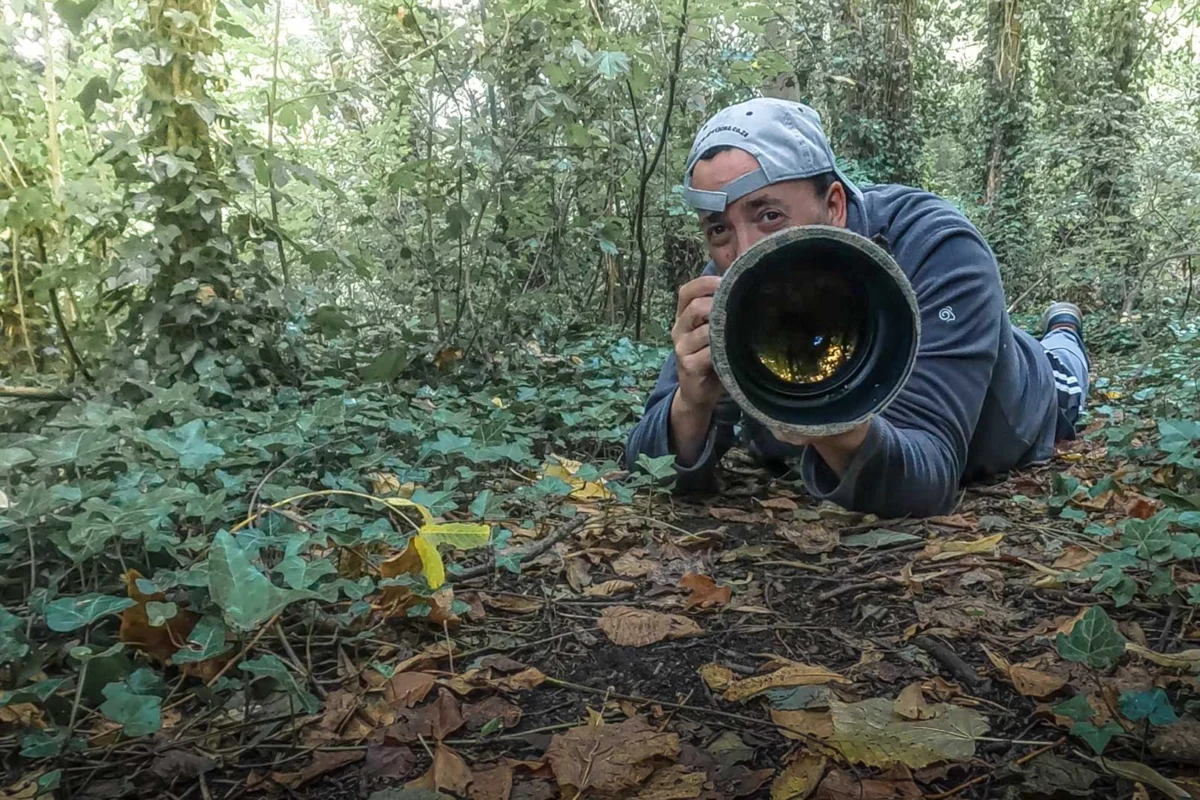
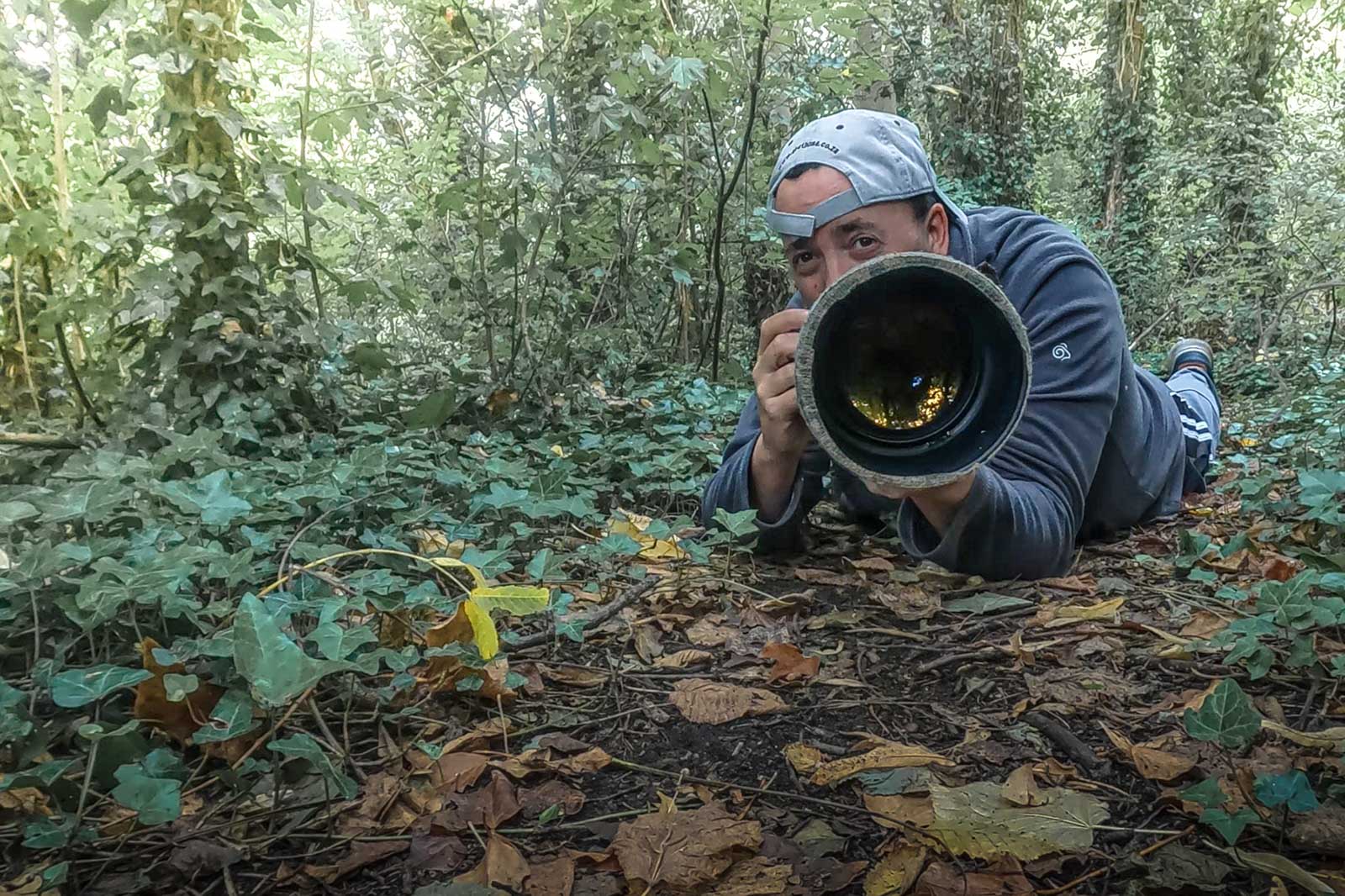
Soares’ photographic process has been in constant evolution, shaped by continuous experimentation and a keen eye for modern techniques and diverse styles. He emphasizes that the most significant changes have occurred in both his image capture and post-processing workflow. A signature element of his current style is low-down photography, getting as close to ground level as possible, often combined with a very shallow depth of field. This technique, while sometimes requiring significant investment in high-quality lenses (like his favored 300mm f/2.8), allows him to create images where the subject truly stands out, with a beautifully rendered, out-of-focus background.
His philosophy prioritizes the point of interest being sharply in focus, rather than striving for front-to-back sharpness, a common misconception among beginners. Beyond technical prowess, Soares aims to portray the emotion of his subjects. He believes that capturing emotions—be it calm, anger, fear, cunning, eagerness, desperation, or resolve—adds a vital layer of reality and connection to the animal. This focus on emotional depth elevates his work from mere observation to empathetic storytelling, inviting viewers to engage with the creature on a deeper level. This artistic intent differentiates his work and showcases a mature understanding of visual narrative.

Overcoming Challenges: Motivation, Criticism, and Perseverance
The biggest challenge Soares faced, particularly in his early years, was maintaining motivation amidst the overwhelming talent of others. The constant exposure to impressive work from heroes and role models often led to feelings of inadequacy. This struggle is universal for artists; the aspiration to reach the heights of one’s idols can be both inspiring and profoundly discouraging. Soares’ realization that these role models will likely always seem "better" in one’s own eyes, and that this striving is part of the journey, is a critical insight.
His advice is simple yet profound: "Keep going. Persevere." He stresses the importance of not fearing comments and criticism, but rather embracing them as opportunities for growth and learning. In today’s fast-paced world, balancing family, work, and societal pressures can make sustained artistic pursuit seem impossible. However, Soares advocates for enjoying the process and the journey, viewing it as a continuous learning experience rather than a destination. This mindset shift—from chasing an endpoint to embracing perpetual development—is crucial for long-term artistic fulfillment and resilience.

The Timeless Virtue of Patience
If Soares could offer one piece of advice to his younger self, it would be to "be patient." He reflects on the modern demand for immediate results and the tendency to measure progress by new camera features rather than fundamental skill development. He acknowledges falling into the trap of believing a higher frames-per-second rate made him quicker or more focus points made him better, without first mastering the underlying skills to fully utilize those features.
Patience, he argues, is paramount. It allows time to immerse oneself in the basics, the essentials, the critical foundations of photography that endure far longer than any fleeting technological innovation. He stresses that true photographic skill comes from understanding the art and science behind the camera, not just its advanced capabilities. In wildlife photography, this patience is doubly critical. The most striking images often emerge from hours of quiet observation and waiting for the perfect, fleeting moment. It is the ability to anticipate, to understand animal behavior, and to remain still for extended periods that yields truly exceptional results. This timeless wisdom transcends equipment and trends, pointing to the core attributes of a successful nature photographer.

A Journey of Continuous Learning and Community
Even after nearly 20 years, Victor Soares emphasizes that his learning journey is far from over. He actively seeks knowledge from diverse sources: participating in camera clubs to gain insights from fellow members’ experiences and techniques, reading photography articles and magazines for news and tips, and regularly shooting with other photographers to benefit from their unique approaches. This commitment to continuous learning and community engagement is a hallmark of true professionalism.
His ultimate advice resonates deeply: "Don’t be afraid to put yourself out there." Sharing one’s photography and being open to both positive and negative feedback is essential for growth. Criticism, rather than being a deterrent, should be seen as an opportunity for reflection and development. By embracing this open and humble approach, photographers can continually refine their craft, adapt to new perspectives, and evolve as artists. Victor Soares’ journey is not just a personal triumph but a guiding light for anyone aspiring to turn a passion into a profession, demonstrating that perseverance, mentorship, and a relentless pursuit of knowledge are the cornerstones of lasting success in the captivating world of nature photography.