
Every photographer, regardless of skill level, inevitably encounters images that are technically proficient yet lack a certain visual magnetism. The exposure may be flawless, the subject rendered with impeccable sharpness, and the composition meticulously balanced, yet the final output leaves a lingering sense of incompletion. This critical distinction between a merely decent photograph and a truly stunning one often hinges on the application of subtle, yet impactful, finishing touches that elevate the image beyond mere documentation to a work of art. In the intricate world of digital post-processing, where numerous tools promise dramatic transformations, the true artistry often lies in nuanced adjustments.
The advent of advanced photo editing software has democratized access to powerful tools previously reserved for seasoned professionals. However, with this proliferation of features, some of the most potent capabilities can be easily overlooked. Luminar Neo, a prominent player in the modern photo editing landscape, offers such a feature: Color Harmony. Discreetly located within its Professional Tools section, Color Harmony is an intuitive yet profound instrument designed to inject vitality and depth into photographs, meticulously refining tone, contrast, and overall color balance in a way that standard adjustments often cannot achieve. Its significance lies in its capacity to address the often-elusive elements that contribute to an image’s overall emotional impact and visual coherence.
The Evolution of Post-Processing: Beyond Basic Corrections
The journey from a raw capture to a polished final image has evolved significantly since the early days of digital photography. Initially, post-processing largely focused on corrective measures: adjusting exposure, correcting white balance, and sharpening details. While these foundational steps remain crucial, the contemporary demand for visually engaging content has pushed the boundaries of what photographers expect from their editing suites. Modern software is no longer just about fixing flaws; it’s about enhancing artistic vision, crafting mood, and creating a distinct visual language. This shift necessitates tools that offer granular control over specific aspects of an image, particularly color, which is a primary driver of emotional response and aesthetic appeal.

Many photographers find themselves in a common predicament: their images are technically sound, but they lack the "pop" or emotional resonance that distinguishes memorable photography. This gap often stems from a limited approach to color manipulation, frequently relying on global saturation or vibrance sliders, which can lead to artificial-looking results. The true challenge is to manage the interaction of colors, tones, and light within an image to guide the viewer’s eye, emphasize key elements, and establish a cohesive atmosphere. Luminar Neo’s Color Harmony tool directly addresses this need, providing a sophisticated framework for color refinement that moves beyond brute-force adjustments.
Luminar Neo’s Color Harmony: A Deep Dive into Nuance
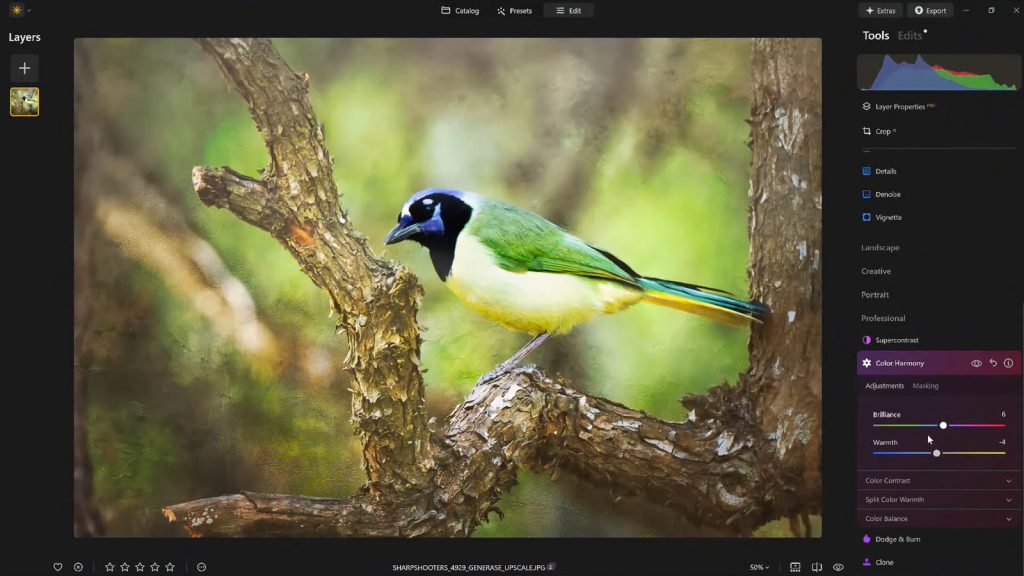
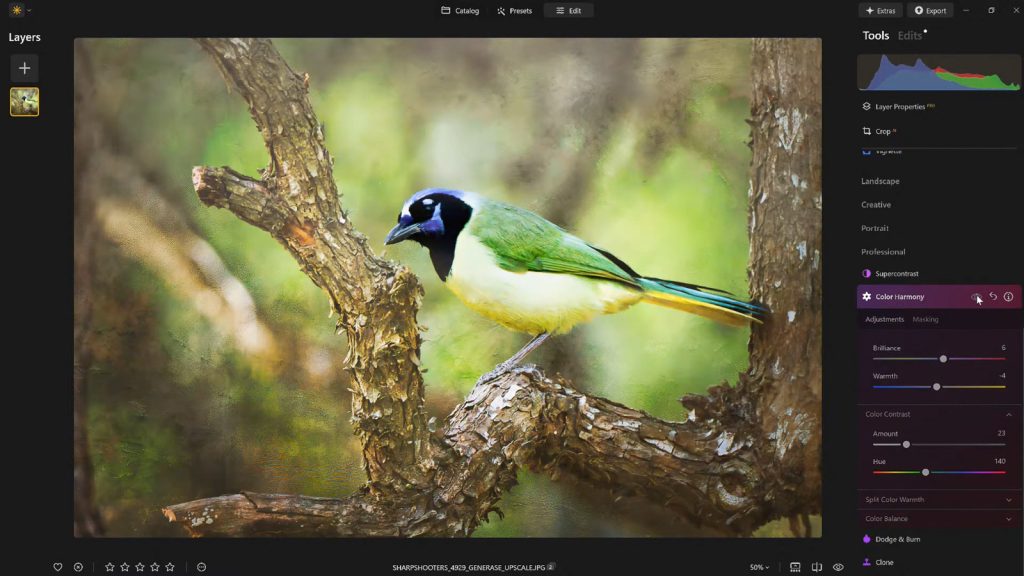
Unlike broad color adjustments that can desaturate or over-saturate an entire image, Color Harmony introduces a layer of nuanced control over how different colors within an image interact. This sophisticated approach allows photographers to fine-tune their work with precision, ensuring that enhancements serve the overall narrative and aesthetic without overwhelming the natural qualities of the scene. The tool comprises several interconnected sliders: Brilliance, Warmth, Color Contrast, Split Warmth, and Color Balance. Each component contributes to a holistic approach to color grading, designed to sculpt the visual experience rather than merely modify it.
Brilliance and Warmth: Crafting Emotional Resonance with a Gentle Touch
The journey into Color Harmony often begins with Brilliance. This adjustment offers a distinct advantage over conventional saturation controls. While saturation globally increases the intensity of all colors, Brilliance subtly enhances or diminishes the luminosity and vividness of colors, lending them a richer, more profound tone without pushing the image into an unnatural or garish territory. A slight boost in Brilliance can imbue an image with a captivating glow, making colors feel more alive and resonant, akin to turning up the internal light source of each hue. The key, as with many refined photographic adjustments, is restraint; over-application can quickly lead to an artificial appearance, underscoring the "gentle touch" philosophy central to effective image refinement. Expert photographers often advise making incremental changes, stepping back frequently to assess the impact, ensuring the adjustment serves to enhance rather than distort.

Complementing Brilliance is Warmth, a fundamental control in shaping the emotional temperature of an image. Shifting the slider to the right introduces a golden, inviting glow, reminiscent of late afternoon sun or a cozy interior. Conversely, moving it to the left cools the image, evoking a sense of calm, crispness, or even melancholy, typical of early morning light or overcast conditions. The strategic application of Warmth is crucial for aligning the image’s visual feel with its intended emotional tone. For instance, a landscape shot at sunset benefits immensely from subtle warmth to enhance its inherent drama and beauty, while a portrait might require a cooler tone for a more contemporary or subdued aesthetic. The power of Warmth lies in its ability to influence the viewer’s perception of the scene’s mood and atmosphere, making it a cornerstone of expressive photo editing. The psychological impact of warm colors (energy, comfort, anger) versus cool colors (calm, sadness, stability) is well-documented in color theory, and this tool allows photographers to harness these effects intentionally.
Color Contrast and Split Warmth: Defining Depth and Separation
Moving deeper into the Color Harmony tool, Color Contrast emerges as a powerful feature for enhancing visual tension and perceived depth. This adjustment specifically targets the interplay between different color ranges, particularly between highlights and shadows. Instead of merely increasing overall contrast, which can often crush details in shadows or blow out highlights, Color Contrast works on the chromatic differences, making elements within the image stand out more vividly against their surroundings. When applied thoughtfully, it can significantly enhance the three-dimensional quality of a scene, creating a more dynamic and engaging visual experience without resorting to aggressive sharpening or clarity adjustments. For example, in a forest scene, Color Contrast can make the greens of the foliage pop against the browns of tree trunks, creating a sense of separation and depth that was less apparent in the original capture.
Split Warmth offers an even more granular level of control over the warm and cool tones within an image. Unlike the global Warmth slider, Split Warmth allows photographers to independently adjust the temperature of different tonal areas or specific color channels. This is particularly valuable in complex lighting scenarios, such as mixed lighting conditions where incandescent and daylight sources might create conflicting color casts. It can also be instrumental in creating deliberate color separation in layered compositions, allowing certain elements to recede or advance visually based on their warmth or coolness. While not every image demands its application, Split Warmth becomes an indispensable tool for advanced color grading, enabling highly specific and artistic adjustments that can define a unique photographic style. Its utility lies in its capacity to resolve intricate color conflicts and to forge a harmonious visual balance across the entire spectrum of an image.
Color Balance: Precision Across Tonal Ranges

The final component within Luminar Neo’s Color Harmony suite is Color Balance, a sophisticated control that provides independent command over the color tones present in the shadows, midtones, and highlights of an image. This capability is exceptionally powerful for targeted adjustments, allowing photographers to precisely match the atmosphere and mood they wish to convey. For instance, shifting the midtones slightly towards warmer hues can make a landscape feel more inviting and sun-drenched, while a subtle adjustment of highlights towards cooler tones can introduce a sense of crispness or ethereal quality. In portraiture, Color Balance can be used to achieve more neutral and flattering skin tones, correcting unwanted color casts without affecting the overall vibrancy of the scene.
Color Balance is often considered a more advanced tool, requiring a keen eye and an understanding of how color interacts across the tonal spectrum. However, once mastered, it becomes an indispensable asset for creating consistent color grading across an entire series of photographs, a crucial aspect for professional portfolios and client work. Its ability to isolate and modify color casts in specific tonal regions ensures that adjustments are precise and natural-looking, avoiding the pitfalls of global color shifts that can desaturate or distort unintended areas of the image. This precise control over the chromatic content of shadows, midtones, and highlights is what truly sets Luminar Neo apart, offering artists the means to infuse their work with a distinct and professional aesthetic.
Beyond Color: The Art of the Vignette in Directing the Viewer’s Eye
Once the intricate color adjustments are complete, another powerful finishing touch comes into play: the Vignette. Often underestimated, a well-executed vignette subtly yet effectively draws the viewer’s attention towards the primary subject of an image. By gently darkening the edges of the frame and, conversely, introducing a touch of "Inner Light" in the center, the composition naturally funnels the viewer’s gaze inward. This technique creates a visual spotlight, enhancing focus and emphasis without the need for complex masking or localized adjustments. The historical roots of vignetting can be traced back to early photography, where lens imperfections often naturally produced this effect, and artists later adopted it as a deliberate compositional tool.
The art of vignetting lies in its subtlety; a heavy-handed vignette can appear artificial and distract from the image’s content. When used judiciously, it becomes a quiet yet powerful storytelling element, guiding the viewer’s experience without explicitly announcing its presence. It provides a frame within a frame, adding depth and a sense of enclosure that can deepen the emotional connection to the subject. Luminar Neo’s implementation of vignetting tools allows for precise control over its shape, feathering, and intensity, ensuring that it enhances the image rather than detracting from it.
Workflow Efficiency: Saving Your Look as a Preset
The iterative process of refining an image, especially when working on a series, underscores the immense value of saving custom looks as presets. After investing time and effort in dialing in the perfect aesthetic using tools like Color Harmony and vignettes, creating a custom preset ensures a consistent editing style across multiple images. This not only preserves the ability to revisit and refine the specific look later but also offers a significant boost in workflow efficiency. Reapplying a meticulously crafted preset to other images within the same series provides an immediate baseline for future edits, drastically reducing the time spent on initial adjustments.
Furthermore, the strategic use of presets offers a built-in mechanism for self-correction. It is a common experience for photographers to "over-edit" an image when working on it for extended periods. Stepping away and then returning with fresh eyes often reveals areas where adjustments might have been pushed too far. With a saved preset, the effect can be reapplied at a reduced strength—for example, 70-80%—allowing the photographer to maintain the core aesthetic while easing any excessive processing. This adaptive workflow ensures that the final image retains its natural appeal while benefiting from the initial creative vision.
Expert Perspective and Broader Implications
Vanelli, Director of Education at Skylum and an accomplished photographer and educator, often emphasizes the importance of these subtle enhancements. His transition from a Triple Crown Karate champion to a visual arts instructor highlights a dedication to precision and mastery, principles that resonate deeply with the nuanced controls offered by Color Harmony. Vanelli’s work in developing educational content and courses for photo editing, including hosting the widely acclaimed Luminar Coffee Break show, positions him as an authority on effective post-processing techniques. His perspective underscores that what truly distinguishes a compelling image is rarely a dramatic, overt alteration, but rather a collection of carefully considered and artfully applied enhancements.
The broader implications of tools like Color Harmony extend beyond individual image improvement. They democratize access to sophisticated color grading techniques, empowering a wider range of photographers to achieve professional-grade results. This accessibility fosters greater artistic expression and elevates the overall quality of photographic content, whether for personal enjoyment, social media, or professional client work. By providing intuitive yet powerful controls, Luminar Neo contributes to a trend in post-processing that prioritizes natural-looking enhancements over artificial extremes, allowing the inherent beauty and narrative of the photograph to shine through.
A Finishing Touch That Matters
In the competitive and visually saturated world of modern photography, the ability to make an image stand out is paramount. The difference between a photograph that merely exists and one that truly captivates often lies in these subtle yet profound finishing touches. Luminar Neo’s Color Harmony, when combined with thoughtful vignetting and a disciplined editing workflow centered around presets, offers photographers the means to inject depth, emotion, and cohesion into their work. For those seeking to add polish without resorting to over-processing, these tools provide an optimal balance of precise control and creative freedom, allowing the photographer’s vision to be fully realized.
For photographers ready to unlock the full potential of their images, Luminar Neo offers a gateway to refined post-processing. Get 10% off Luminar Neo with the code NATURETTL at checkout via https://skylum.evyy.net/c/373844/1318151/3255?sharedid=September2025. This discount provides an accessible entry point to a software suite designed to elevate photographic artistry.