Entering the professional sphere of photography and videography for the first time presents a unique blend of exhilaration and challenge. The transition from independent projects to a commercial production set can be daunting, marked by high expectations, rapid workflows, and an intricate ecosystem of roles and responsibilities. For those embarking on their initial or early professional assignments, understanding the underlying principles and unspoken rules of these environments is paramount to success and sustained career growth. Lessons drawn from hundreds of commercial productions consistently highlight key areas where preparedness, adaptability, and professional demeanor can significantly influence outcomes and future opportunities. This comprehensive guide distills critical insights designed to equip newcomers with the knowledge necessary to navigate the complexities of professional sets effectively.
The Evolving Landscape of Commercial Production Environments
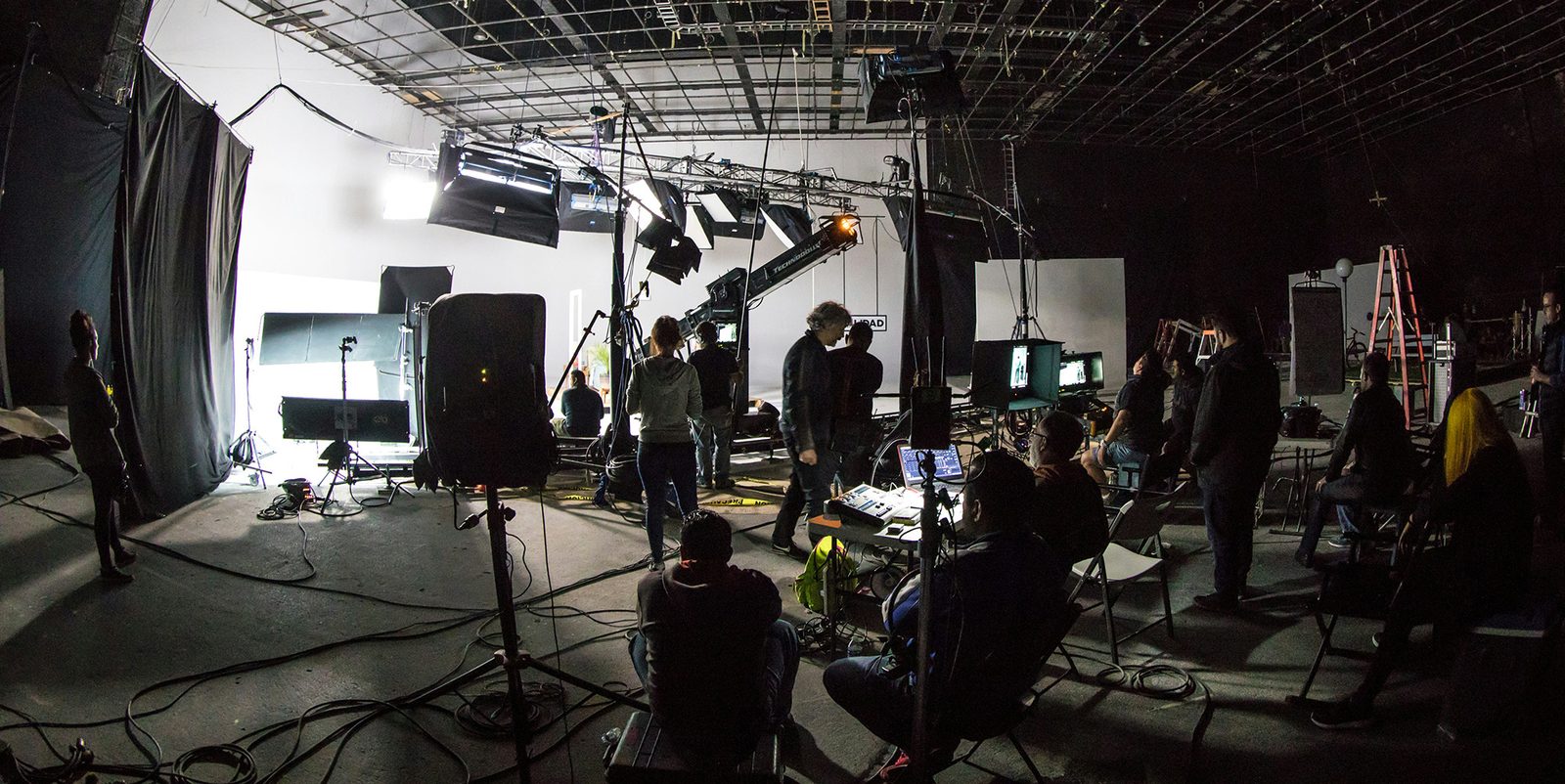
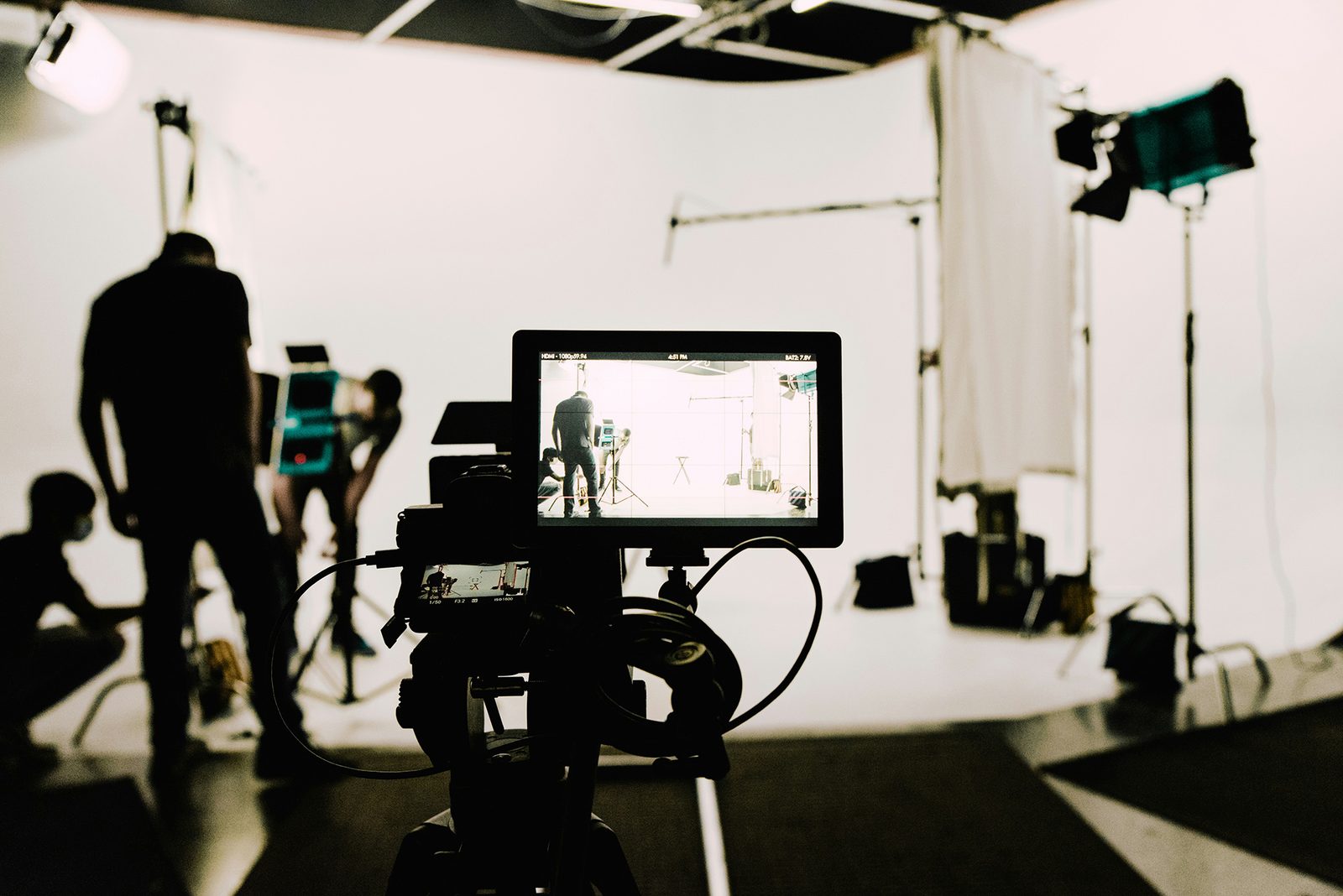
The commercial visual content industry is characterized by its immense diversity, ranging from intimate e-commerce product shoots to elaborate multi-million dollar advertising campaigns. This variability means that no two sets are precisely alike, demanding a high degree of adaptability from all crew members, particularly emerging professionals. A production might unfold within a compact, purpose-built studio nestled in an industrial park, or it could command vast sound stages equipped with cutting-edge technology and extensive support infrastructure.
The scale of commercial photography and videography has expanded dramatically in recent years, fueled by the insatiable demand for visual content across digital platforms, social media, and traditional advertising. According to industry reports, the global market for visual content creation continues to experience robust growth, with projections indicating a sustained upward trajectory. This expansion translates into more varied production environments and a greater need for specialized skills. For instance, a small-scale e-commerce shoot for a startup might involve a lean team of three to five individuals working in a compact rented space, potentially generating dozens of product variations in a single day. Conversely, a national brand campaign could involve a crew of fifty or more, spanning multiple departments (lighting, grip, art direction, wardrobe, hair and makeup, talent, catering, production management), utilizing large-scale sound stages or complex location permits, and requiring weeks of pre-production.
While preliminary communication often provides some indication of a project’s scope and setting, it is crucial for professionals to recognize that "standard" is a relative term in this industry. Production houses and studios operate with differing resources, preferred methodologies, and client demands, which inherently shape the on-set experience. This fundamental understanding — that sets are inherently varied and vast — serves as the bedrock for the subsequent principle: the necessity of preparing for the unforeseen. The implication here is not merely about physical space or equipment volume, but also about the dynamic interplay of personnel, technology, and creative objectives that define each unique production.
Strategic Preparedness: Anticipating the Unforeseen
A cornerstone of professional success on any commercial set is meticulous preparedness, underscored by the philosophy of expecting the unexpected and preparing for potential contingencies. In high-stakes environments where timelines are tight and budgets significant, even minor technical glitches can lead to costly delays. Industry data, though anecdotal, frequently points to equipment malfunction as a common cause of production slowdowns. A flash tube burning out, a camera body freezing, or a critical lens developing an issue can halt an entire operation, with financial repercussions that can quickly escalate. For example, delaying a shoot by just one hour due for equipment failure on a mid-sized commercial production involving talent and a full crew can incur costs ranging from hundreds to several thousand dollars in wasted labor and facility fees.
Seasoned professionals universally adopt a rigorous approach to gear management, prioritizing redundancy. This often involves bringing backup units for every critical piece of equipment: secondary camera bodies, alternative lenses covering essential focal lengths, spare wireless triggers, additional strobes or continuous lights, and an ample supply of fresh batteries and memory cards. These backups are not merely a luxury but a strategic investment in mitigating risk and ensuring uninterrupted workflow. For instance, a survey of professional photographers and videographers might reveal that over 70% carry at least one backup camera body to every commercial shoot, highlighting this as a standard industry practice.
When equipment is provided by the production house or a rental facility, proactive communication becomes vital. It is standard practice to engage with the grip or rental house beforehand to ascertain the availability of replacement gear should primary items fail. Furthermore, experienced directors of photography or lead photographers often compile an "optional replacements" itinerary. This pre-planned list of acceptable substitutes for specific gear (e.g., an alternative light modifier if the preferred one is unavailable) streamlines the morning setup, preventing last-minute scrambles and costly delays. This proactive approach underscores the difference between merely showing up with equipment and strategically deploying resources to safeguard the production against inevitable technical challenges. The implication is clear: thorough preparation not only ensures the smooth execution of the creative vision but also safeguards the project’s budget and timeline, reinforcing a professional’s reliability and problem-solving capabilities.
Leadership and Atmosphere: The Propagation of Stress and the Power of Attitude
The psychological climate of a professional set is profoundly influenced by its leadership, particularly the creative director or project lead. The adage "stress comes from the top" holds significant weight in production environments. A creative director under pressure, exhibiting visible tension or impatience, can inadvertently create a ripple effect, permeating the entire crew with anxiety. This heightened stress can impede creative flow, reduce efficiency, and even increase the likelihood of errors. Conversely, a calm, confident, and approachable leader can foster an atmosphere of collaboration and focus, even amidst tight deadlines or unexpected challenges.
This phenomenon is supported by organizational psychology principles, which demonstrate how leadership styles directly impact team morale and productivity. A leader who models composure and constructive problem-solving tends to inspire similar behavior from their team, leading to more resilient and effective execution. For emerging professionals, understanding this dynamic is crucial. While the primary objective is to fulfill the day’s creative goals, cultivating a positive and cooperative attitude is equally important. This involves more than just basic politeness; it entails approaching unforeseen tasks or requests outside one’s immediate purview with a willingness to assist and a positive demeanor.
Industry veterans frequently emphasize that a positive attitude and willingness to be a team player are as valuable as technical proficiency. Anecdotal evidence suggests that professionals who contribute to a harmonious work environment are significantly more likely to be rehired for future projects. This speaks to the broader implication that professional success is not solely about delivering a product but also about contributing positively to the overall experience and fostering strong working relationships. A constructive attitude can transform potential friction points into opportunities for collaboration, ultimately enhancing the final output and solidifying one’s reputation within a competitive industry. It is a strategic element of professional conduct that transcends technical skill, contributing directly to an individual’s long-term career viability.
The Fluidity of Schedules and Shot Lists: Embracing Adaptability
In the world of professional production, schedules and shot lists are best viewed as living documents, inherently subject to change. While a project coordinator or creative director typically provides a detailed creative deck and shooting schedule days before a shoot, outlining required images, style guidelines, and a strict timeline, these documents serve as a guide rather than an immutable decree.
A critical first step for any visual content creator upon receiving these materials is to review them with an eye toward logistical efficiency. It is often beneficial to reorganize the proposed sequence of shots to optimize equipment setups, lighting changes, and talent transitions. For instance, repeatedly switching between product still life and lifestyle portraits throughout the day is inherently inefficient, incurring significant setup and breakdown times. A more streamlined approach would consolidate similar shots or setups to minimize downtime and maximize shooting time. This strategic reorganization can shave hours off a production day, directly impacting budget and crew fatigue.
Furthermore, it is a common observation that schedules, especially those crafted by less experienced creative directors, may not adequately account for the practical realities of setup, breakdown, and technical troubleshooting. Consequently, being precisely on schedule for an entire day is a rare occurrence. Productions frequently run ahead or behind schedule due to a myriad of factors: unexpected creative revisions, technical difficulties, talent delays, or even environmental changes (e.g., weather for outdoor shoots). Industry analysis of project management in creative fields often highlights schedule creep as a persistent challenge, with an estimated 30-50% of creative projects experiencing some form of timeline adjustment.
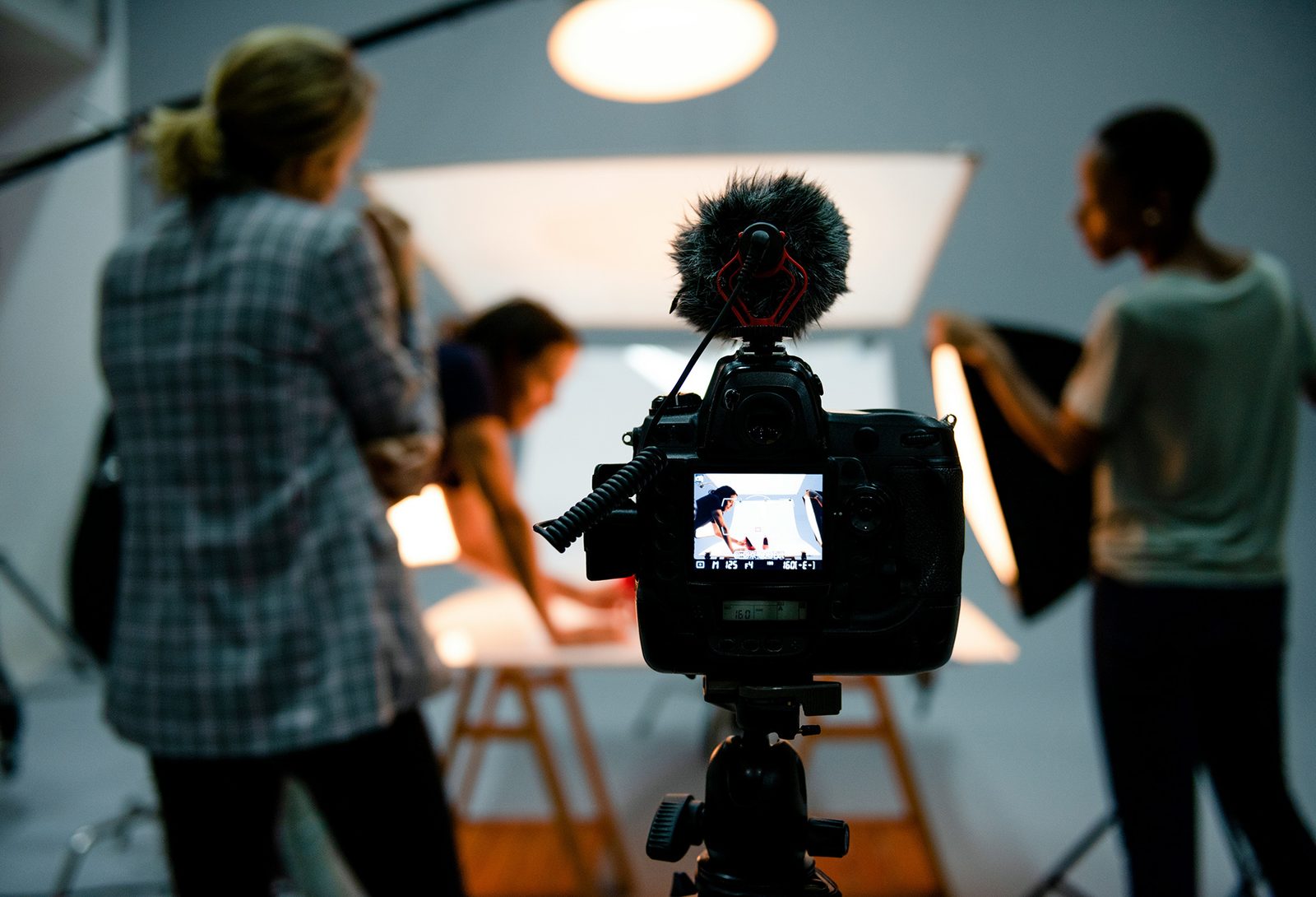
The implication here is that rigidity is detrimental. Professionals must cultivate a mindset of flexibility and adaptability. While maintaining an awareness of the timeline is important, excessive stress over minor deviations is counterproductive. The ability to pivot, re-prioritize, and communicate effectively about schedule adjustments is a hallmark of an experienced professional. This adaptability ensures that the creative vision is ultimately achieved, even if the path to getting there deviates from the initial plan. The fluid nature of schedules directly leads to the understanding of production pacing, where activity ebbs and flows in distinct phases.
The Rhythmic Pace of Production: Slow, Then All At Once
A defining characteristic of professional production sets is their unique rhythm, often described as "slowly, then all at once." A typical day on set is rarely a continuous sprint. It often involves periods of intense activity interspersed with significant lulls. A photographer or videographer might find themselves working strenuously, covering vast distances, manipulating heavy equipment, and capturing an extensive volume of content. Yet, these bursts of effort are frequently punctuated by periods of waiting: for lighting changes, set dressing adjustments, talent wardrobe changes, makeup touch-ups, or impromptu creative meetings where the team refines the artistic direction.
This ebb and flow can be particularly disorienting for newcomers. It is not uncommon for a production to fall behind schedule during these "slow" periods, only for the team to then enter a frantic "speedrun" phase, capturing a multitude of shots in rapid succession. This dynamic is a fundamental aspect of the production process. Setting up complex lighting schemes, adjusting camera angles for different shots, or waiting for specific atmospheric conditions all consume considerable time. These preparatory phases are essential, yet they often involve periods where the primary visual content creator is momentarily idle, awaiting the completion of other departmental tasks.
Understanding this rhythm is crucial for managing personal energy and expectations. During periods of downtime, it is important not to succumb to anxiety about perceived inactivity or the schedule. Instead, these moments should be utilized strategically: reviewing previous shots, preparing for the next setup, recharging personal energy, or simply grabbing water. The sudden shift to high-intensity shooting demands immediate focus and efficiency. The ability to transition seamlessly between these modes—from patient observation to rapid execution—is a key skill. The implication is that professionals must learn to conserve energy and maintain mental readiness during lulls, knowing that the demand for peak performance can resume at any moment. This cyclical nature of activity and preparation is a core component of production efficiency and resilience, allowing the team to tackle complex creative challenges within constrained timelines.
In conclusion, navigating the demanding yet rewarding landscape of professional photography and videography sets requires a multifaceted approach. Beyond technical skill, success hinges on an understanding of industry dynamics, strategic preparedness, emotional intelligence in team interactions, and an inherent adaptability to fluid project parameters. By internalizing these insights—recognizing the vast variability of sets, committing to comprehensive preparedness, fostering a positive professional attitude, embracing schedule fluidity, and mastering the rhythmic pace of production—emerging visual content creators can not only survive but thrive in this competitive and creatively rich environment, building a foundation for a successful and enduring career. Continued professional development and an open mindset for learning from every experience remain the ultimate keys to growth.