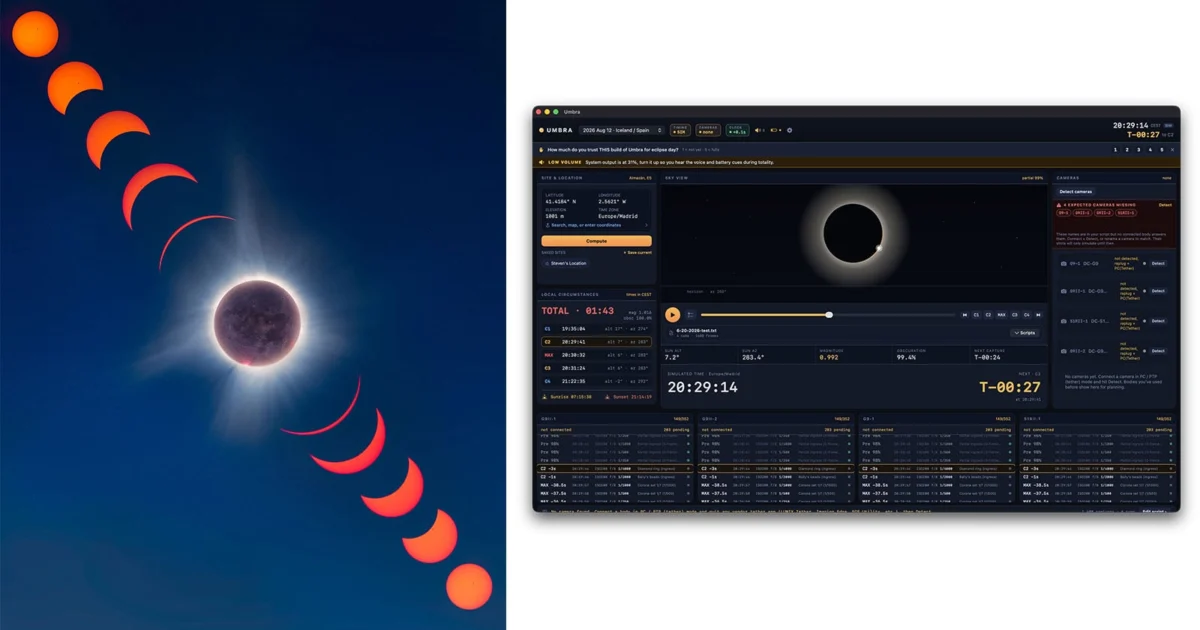
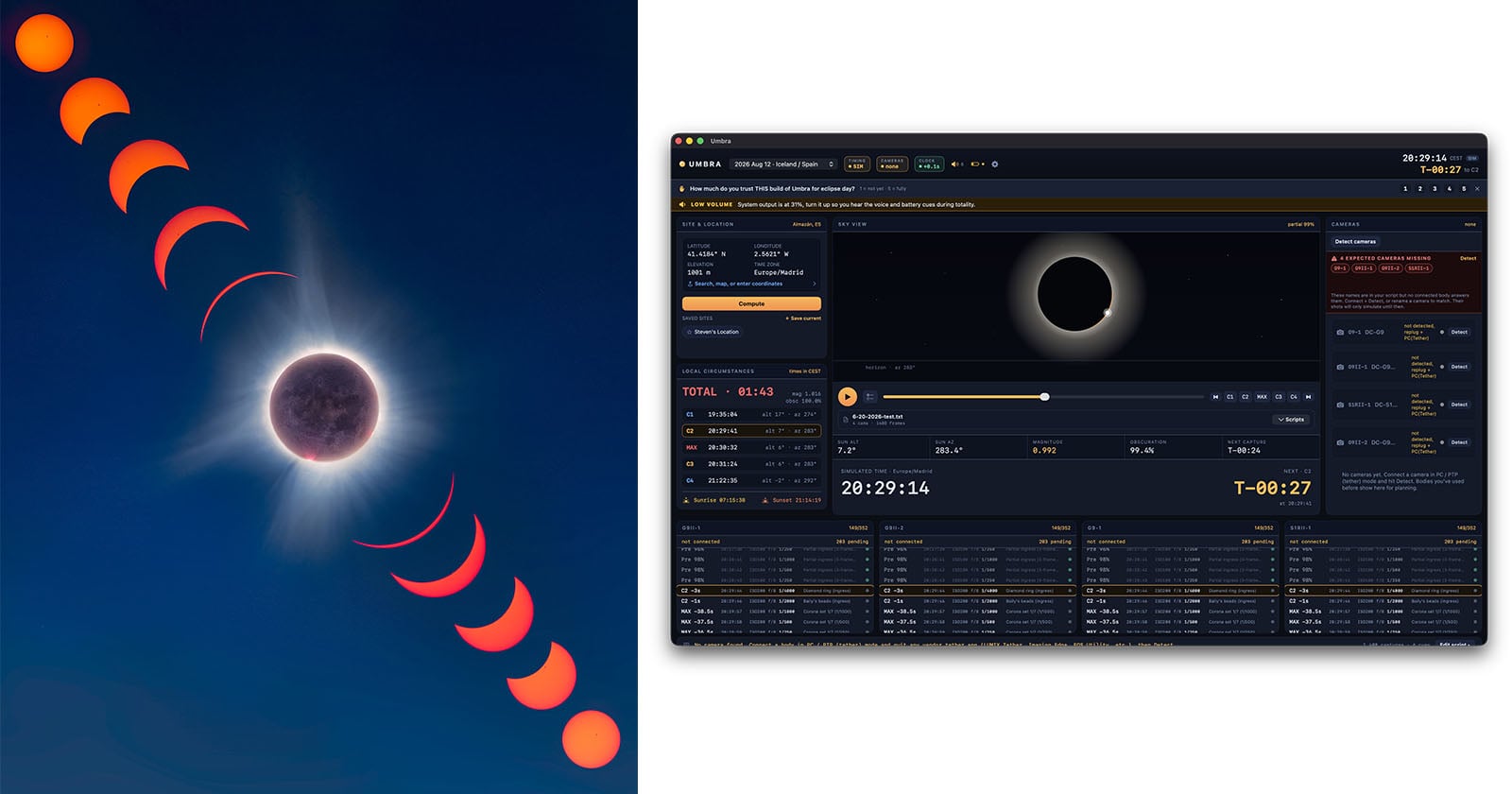
As the celestial spectacle of a total solar eclipse prepares to sweep across parts of the Northern Hemisphere on August 12, 2026, a significant innovation is emerging to transform how photographers capture this rare event. Esteemed photographer Steven Madow has unveiled "Umbra," an advanced automation application designed to streamline and perfect the intricate process of solar eclipse photography. This new tool aims not only to ensure professional-grade results but also to allow photographers to truly immerse themselves in the ephemeral beauty of totality.
The Anticipated 2026 Total Solar Eclipse: A Celestial Event
The upcoming total solar eclipse on August 12, 2026, promises a breathtaking display for millions across its path. Beginning its journey over the North Atlantic, the path of totality will first grace the remote landscapes of Greenland, offering a unique viewing experience in the Arctic Circle. From there, it will traverse Iceland, a nation known for its dramatic volcanic scenery, providing spectacular backdrops for observers. The eclipse will then cast its shadow over northern Russia before making its final terrestrial appearance across the Iberian Peninsula, specifically captivating audiences in Spain and a small portion of Portugal. Additionally, countless fortunate individuals positioned on boats in the vast expanse of the Atlantic Ocean will witness the moon’s shadow.
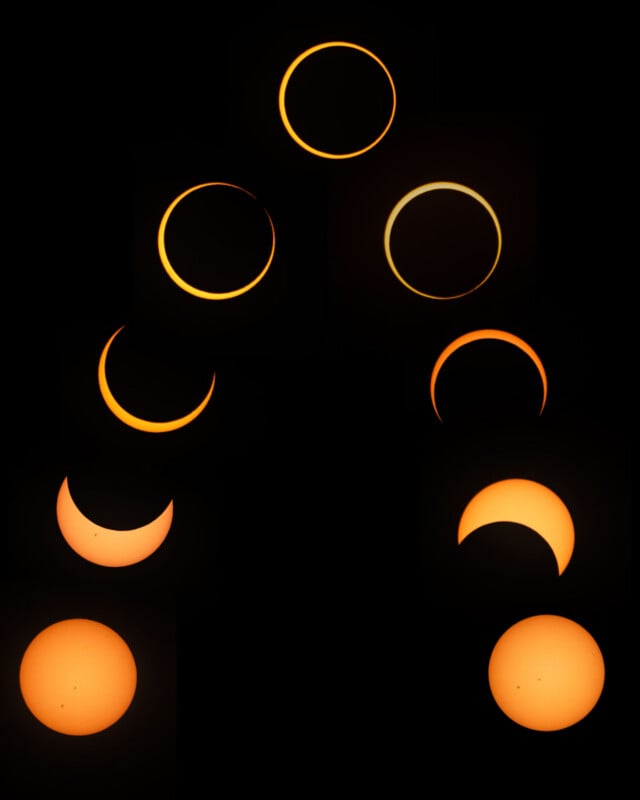
Total solar eclipses are relatively rare, occurring when the Moon passes directly between the Sun and Earth, completely obscuring the Sun’s face. While partial eclipses are more common, the narrow band of totality offers a unique opportunity to observe the Sun’s delicate corona, a phenomenon usually hidden by the Sun’s overwhelming brightness. The 2026 event is particularly notable for its path over populated European regions, making it accessible to a large number of enthusiasts and scientists. The duration of totality varies along the path, with the longest periods expected over the Atlantic, offering up to several minutes of darkness. This brief window of totality is precisely what makes capturing the event photographically so challenging and, simultaneously, so rewarding.
Steven Madow: A Legacy of Technical Photographic Innovation
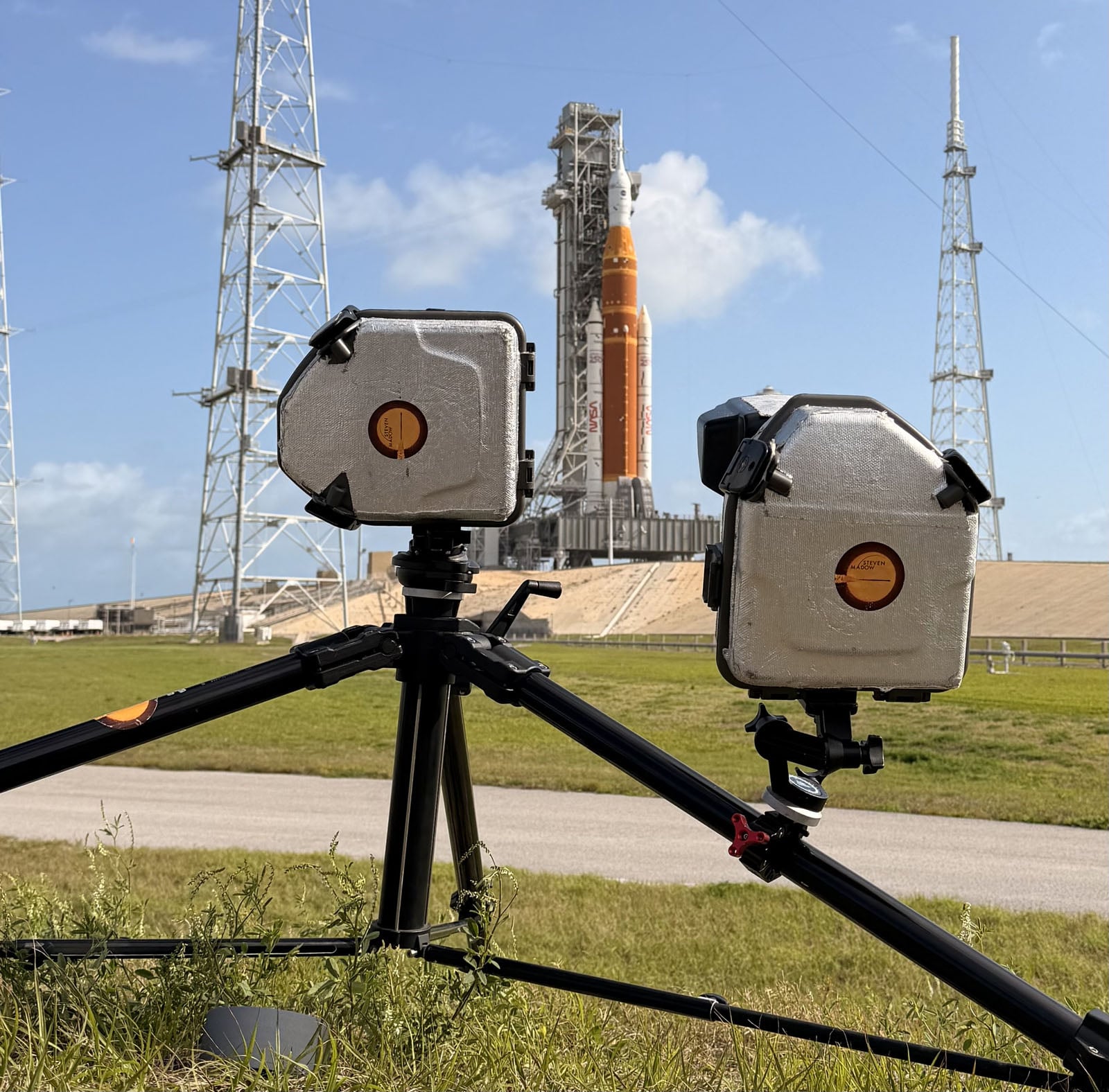
Steven Madow is no stranger to ambitious photographic endeavors, nor to the pages of publications like PetaPixel. Earlier this year, Madow garnered widespread acclaim for his ingenious approach to documenting the historic Artemis II rocket launch. Employing a sophisticated setup of 14 cameras, many of which were remotely controlled and programmed, Madow brilliantly captured the launch from multiple perspectives, showcasing his exceptional technical acumen and dedication to pushing the boundaries of photographic capability. This feat underscored his reputation as a photographer who marries artistic vision with meticulous engineering.
It is this same spirit of innovation and a deep understanding of both the artistic and technical demands of complex photography that fueled Madow’s development of Umbra. His prior successes, particularly in situations requiring precise timing and remote operation, provided a fertile ground for conceptualizing a solution to one of photography’s most challenging subjects: the total solar eclipse. The experience gained from managing multiple cameras for a fast-moving event like a rocket launch directly informed the robust, multi-camera control capabilities built into Umbra.
The Inherent Chaos of Eclipse Photography: A Problem Statement
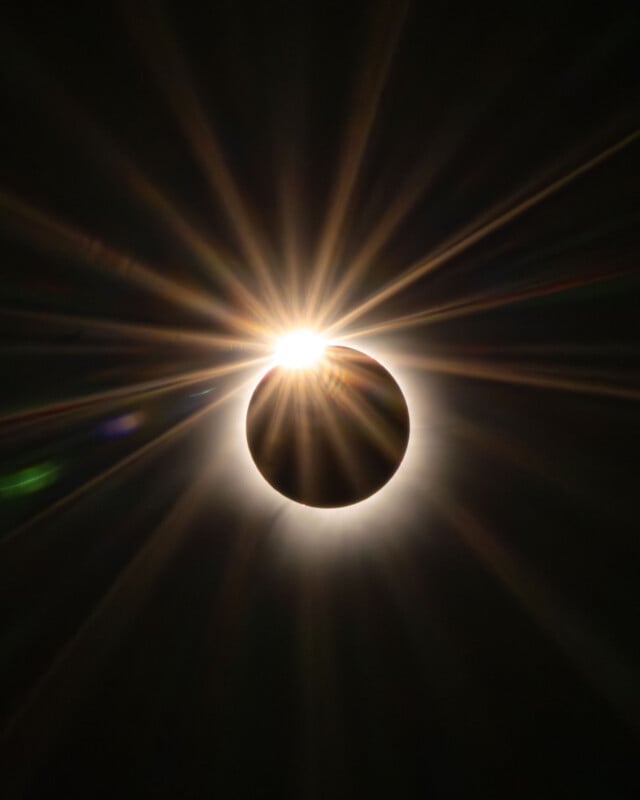
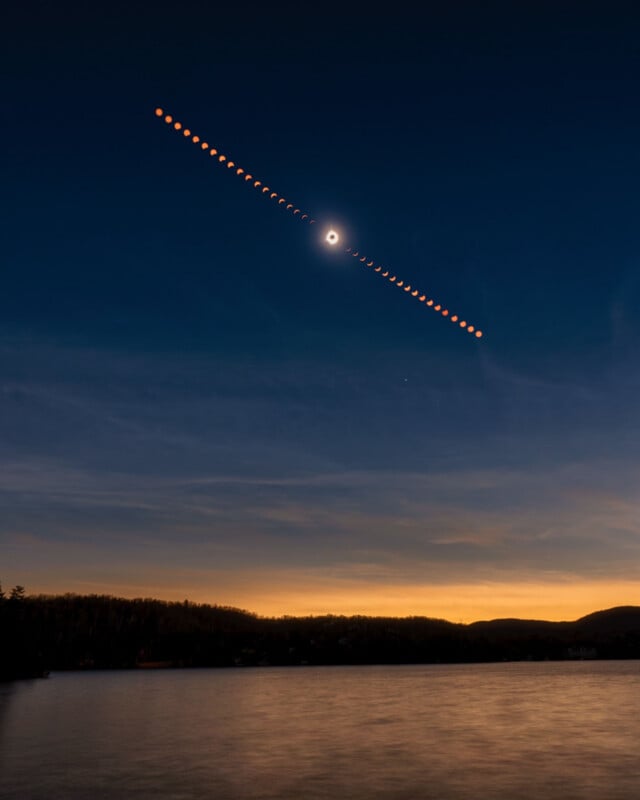
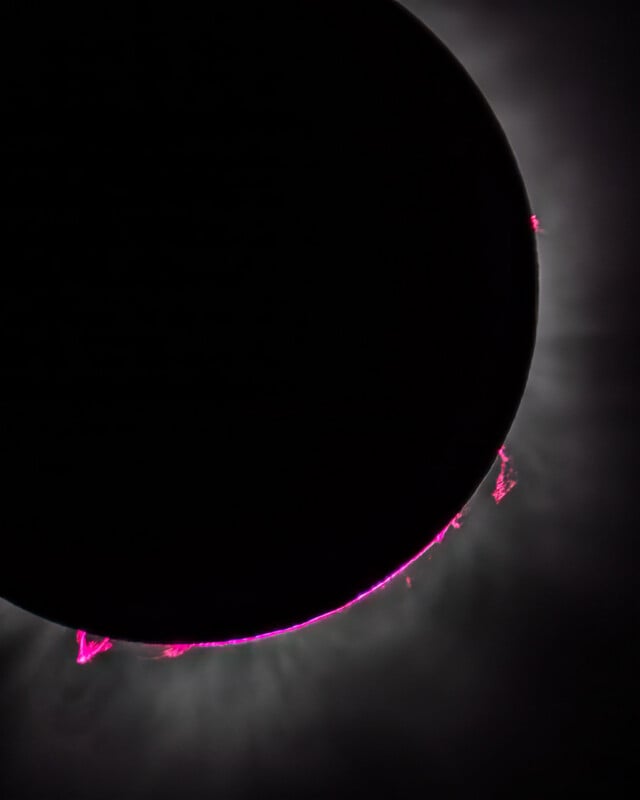
For even the most seasoned photographers, capturing a total solar eclipse is an exercise in high-stakes precision. The primary challenge lies in the extremely limited timeframe of totality, which typically lasts only a few precious minutes. During this brief window, lighting conditions change dramatically, requiring rapid adjustments to camera settings to capture various phenomena, from the brilliant "diamond ring" effect at the beginning and end of totality to the ethereal wisps of the solar corona and the subtle details of Earthshine.
Traditionally, photographers attempting to document an eclipse are forced into a frenetic dance with their equipment. They must manually adjust exposures, swap lenses, check focus, and trigger shutters, often juggling multiple cameras simultaneously. This intense focus on technical execution frequently comes at a significant cost: the inability to actually witness the eclipse with their own eyes. As Madow himself articulates, a common regret among eclipse photographers is "missing the eclipse" because they were too busy operating their cameras. This sentiment highlights a critical void in eclipse photography tools—a solution that empowers photographers to achieve their desired shots without sacrificing the profound experience of the event itself. Umbra was conceived to bridge this gap, transforming a potentially chaotic event into a controlled, automated process.
Umbra: A Comprehensive Solution for Automated Eclipse Imaging
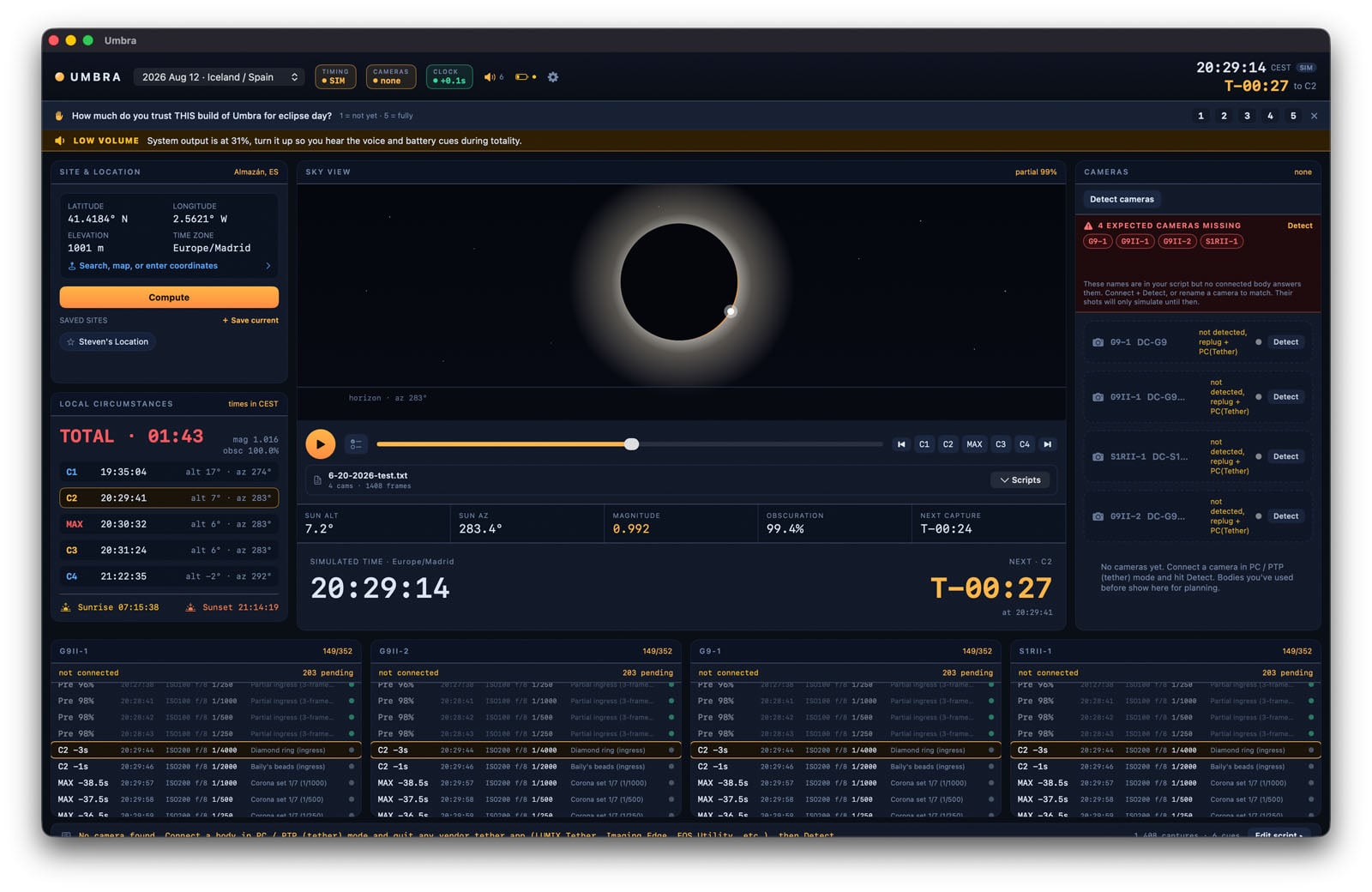
Umbra stands as a testament to Madow’s commitment to solving real-world photographic challenges. The application is designed to autonomously manage an entire photographic setup, executing pre-programmed scripts that handle the myriad tasks associated with eclipse photography. Key functionalities include:
- Diamond Ring Capture: Precisely timed exposures to capture the stunning "diamond ring" effect, a burst of sunlight visible just before and after totality.
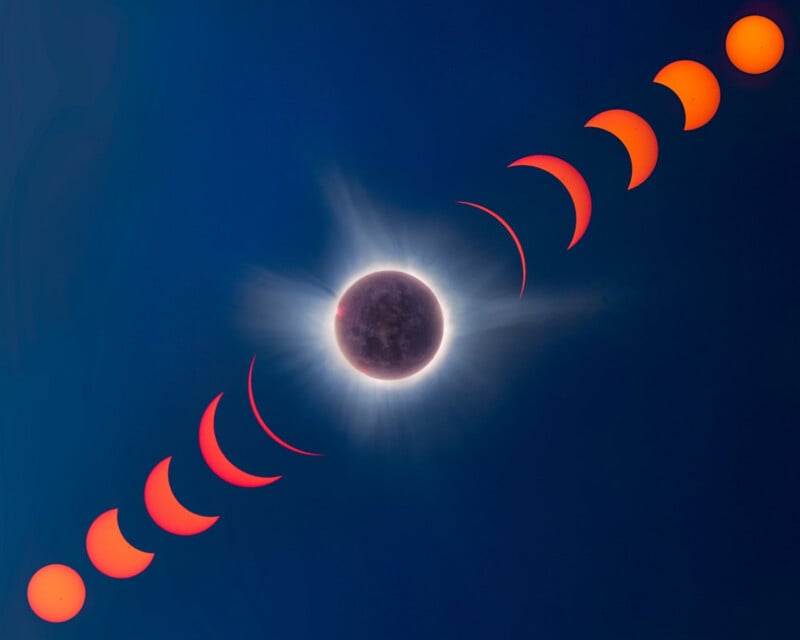
- Corona Bracketing: Automated exposure bracketing across a wide dynamic range to meticulously record the faint and intricate details of the solar corona, which spans several stops of light intensity.
- Earthshine Photography: Specialized settings to capture the subtle illumination of the lunar surface by sunlight reflected from Earth, visible during totality.
Beyond these specific eclipse phenomena, Umbra is engineered for high customizability. Photographers can design their entire photographic sequence in advance, down to the exact exposure settings and timing for each shot. The app provides audio cues, acting as a virtual assistant that keeps photographers on schedule and alerts them to critical moments, ensuring no crucial shot is missed.
A significant feature of Umbra is its broad camera compatibility. The application supports a wide array of camera models from all major manufacturers, including Panasonic Lumix (Madow’s preferred system), Sony, Canon, Nikon, Fujifilm, and OM System (formerly Olympus). This extensive support means that a diverse range of photographers can leverage Umbra without needing to invest in new equipment. The software calculates numerous parameters based on the photographer’s precise geographical position and specific camera setup, dynamically adjusting camera settings and firing shutters with unparalleled accuracy. Crucially, Umbra can control multiple cameras simultaneously, allowing photographers to capture diverse perspectives and phenomena—such as a tight shot of the corona alongside a wide-angle composite scene—without manual intervention.
The Core Philosophy: Witnessing the Wonder
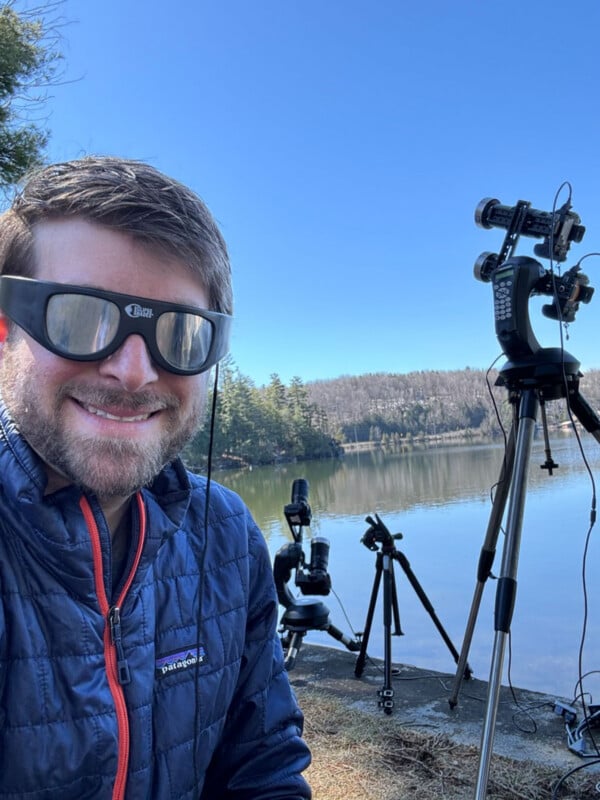
Madow’s profound motivation behind Umbra is rooted in a desire to give photographers back the experience of the eclipse itself. He eloquently articulates this philosophy: "Ask anyone who has photographed a total eclipse what they regret, and it is almost never a missed frame. It is missing the eclipse. You plan for years, drive for days, and then spend the two minutes you came for with your head down, working a camera." He recounts a poignant anecdote from a tester who, after the 2024 eclipse, swore off photographing such events entirely due to being so engrossed with camera operations that they failed to truly look up and appreciate the spectacle.
"This is the whole reason Umbra exists," Madow states. "You design your photographic vision ahead of time, down to the exposure and the second. On the day, the app conducts every camera through it and calls the moments out loud. The cameras do the working. You do the witnessing." This sentiment underscores Umbra’s transformative potential, shifting the photographer’s role from a frantic operator to an awe-struck observer, confident that their equipment is autonomously capturing the desired imagery.
Specialized Yet Accessible: Bridging the Technical Gap
While Umbra addresses a highly specialized niche within photography, Madow has meticulously designed it for accessibility. He acknowledges that the underlying mechanics are complex, given the precise calculations required for celestial mechanics, camera control, and dynamic exposure adjustments. However, the user interface and operational workflow are crafted to be intuitive, enabling technically inclined photographers to quickly master the system.
A critical aspect of Umbra’s design is its emphasis on preparation. Madow strongly advises photographers to thoroughly test their setup before the actual eclipse day. To facilitate this, Umbra incorporates robust simulation functions, allowing users to run through their entire planned shoot sequence without needing a connected camera. This "dry run" capability is invaluable for building confidence in the system and identifying any potential issues well in advance, minimizing stress on the big day. The software’s ability to calculate various factors based on exact location and equipment setup, coupled with its control over actual camera settings and shutter firing, makes pre-visualization and testing indispensable.
A Holistic Resource for Eclipse Enthusiasts
Umbra extends beyond being merely a camera control application; it functions as a comprehensive ecosystem of tools and information for eclipse photographers. The Umbra website offers a suite of resources designed to assist enthusiasts at every stage of their eclipse journey:
- Eclipse Planner: An interactive map tool that helps photographers identify optimal viewing locations for the upcoming 2026 eclipse and future events spanning decades. This tool provides crucial data like path of totality, duration, and local contact times.
- Virtual Simulator: A standalone simulator that allows users to practice and refine their photographic sequences without needing to connect physical cameras, reinforcing the importance of pre-event preparation.
- Detailed Exposure Calculators: In-depth guides and calculators for various types of eclipse photographs, providing recommended settings for phenomena like prominences, Baily’s Beads, and the inner/outer corona.
- 3D-Printed Solar Filter Files: Resources and files for creating custom solar filters, ensuring proper eye and equipment protection during the partial phases of the eclipse.
- Step-by-Step Guide: A comprehensive manual for achieving "eclipse day success," covering everything from equipment setup and safety protocols to post-processing tips.
This extensive collection of resources solidifies Umbra’s position as a one-stop shop, empowering photographers with not just the automation software but also the knowledge and preparation tools needed to maximize their chances of success.
Democratizing High-End Eclipse Photography: The Free Initiative
In a remarkable gesture of community support and a strategic move to ensure widespread adoption, Madow has made Umbra entirely free to download and use for the 2026 total solar eclipse. This decision underscores his primary goal of getting the powerful tool into as many hands as possible, fostering a community of well-equipped eclipse photographers. While future monetization is a consideration, the immediate focus is on accessibility and maximizing the impact for the upcoming event.
The development of Umbra has been a collaborative effort, with numerous photographers actively participating in testing the application. This community involvement has been instrumental in verifying compatibility across a diverse range of camera models and ensuring the software’s robustness in various real-world scenarios. Verified models include cameras from Panasonic Lumix, Sony, Canon, Nikon, Fujifilm, and OM System. Madow expresses strong confidence that the app will function seamlessly with many other models based on their communication protocols.
Broader Impact and Future Implications
Umbra represents a significant leap forward in astrophotography automation. By mitigating the technical complexities and manual demands of eclipse photography, it effectively democratizes a highly specialized field. This allows a broader spectrum of photographers, from dedicated amateurs to seasoned professionals, to achieve results previously only attainable through extensive experience and meticulous manual effort. The implications extend beyond just eclipses; the principles of multi-camera automation, precise timing, and environmental data integration could inspire similar solutions for other challenging astrophotography subjects, such as meteor showers, planetary transits, or deep-sky imaging.
The availability of such a sophisticated, free tool also fosters a more engaged and successful photographic community. By lowering the barrier to entry for high-quality eclipse imaging, Umbra encourages more people to participate in and appreciate astronomical events, potentially sparking new interests in science and photography alike. The robust simulation features and comprehensive guides mean that even those new to eclipse photography can approach the event with a structured plan and confidence.
Final Preparations for August 12, 2026
As the 2026 total solar eclipse draws near, the overarching advice for all photographers, regardless of their chosen tools, remains consistent: meticulous planning is paramount. The two to four minutes of totality will pass in a blur, and without a clear strategy, precious opportunities can be lost. Photographers are urged to envision their desired shots, understand the technical requirements for each, and rigorously test their equipment and workflow.
Beyond the technicalities, Madow’s core message resonates: while capturing stunning images is a noble pursuit, the ephemeral beauty of a total solar eclipse is, first and foremost, an experience to be savored. To truly appreciate this cosmic ballet, photographers must allow themselves moments to look up, away from their viewfinders, and witness the awe-inspiring spectacle unfold with their own eyes. Umbra aims to facilitate this balance, empowering photographers to create lasting visual records while simultaneously cherishing an unforgettable celestial event.
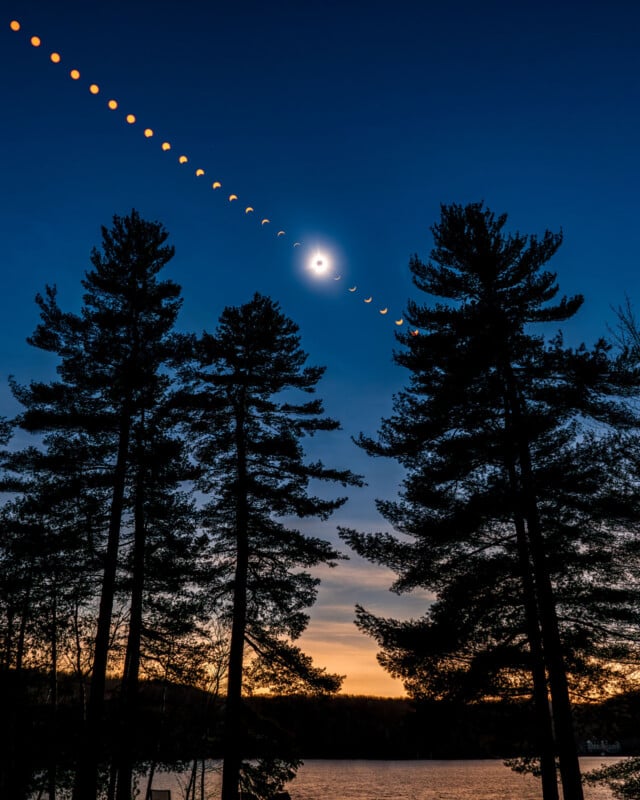
Image credits: Steven Madow