The 2026 FIFA World Cup has drawn to a close, culminating in Spain’s triumphant lift of the coveted trophy. Beyond the roaring stadiums and athletic prowess, the expanded tournament presented an unprecedented set of challenges and opportunities for the media professionals tasked with capturing its essence. PetaPixel delved into the experiences of two prominent sports photographers, Andrew Hancock and Joel Marklund, both Nikon Ambassadors, to understand the intricate realities of covering a World Cup sprawled across three North American nations. Their narratives reveal a blend of meticulous planning, rapid adaptation, and artistic innovation, set against a backdrop of logistical hurdles and even political intrusions that underscored the evolving nature of global mega-events.
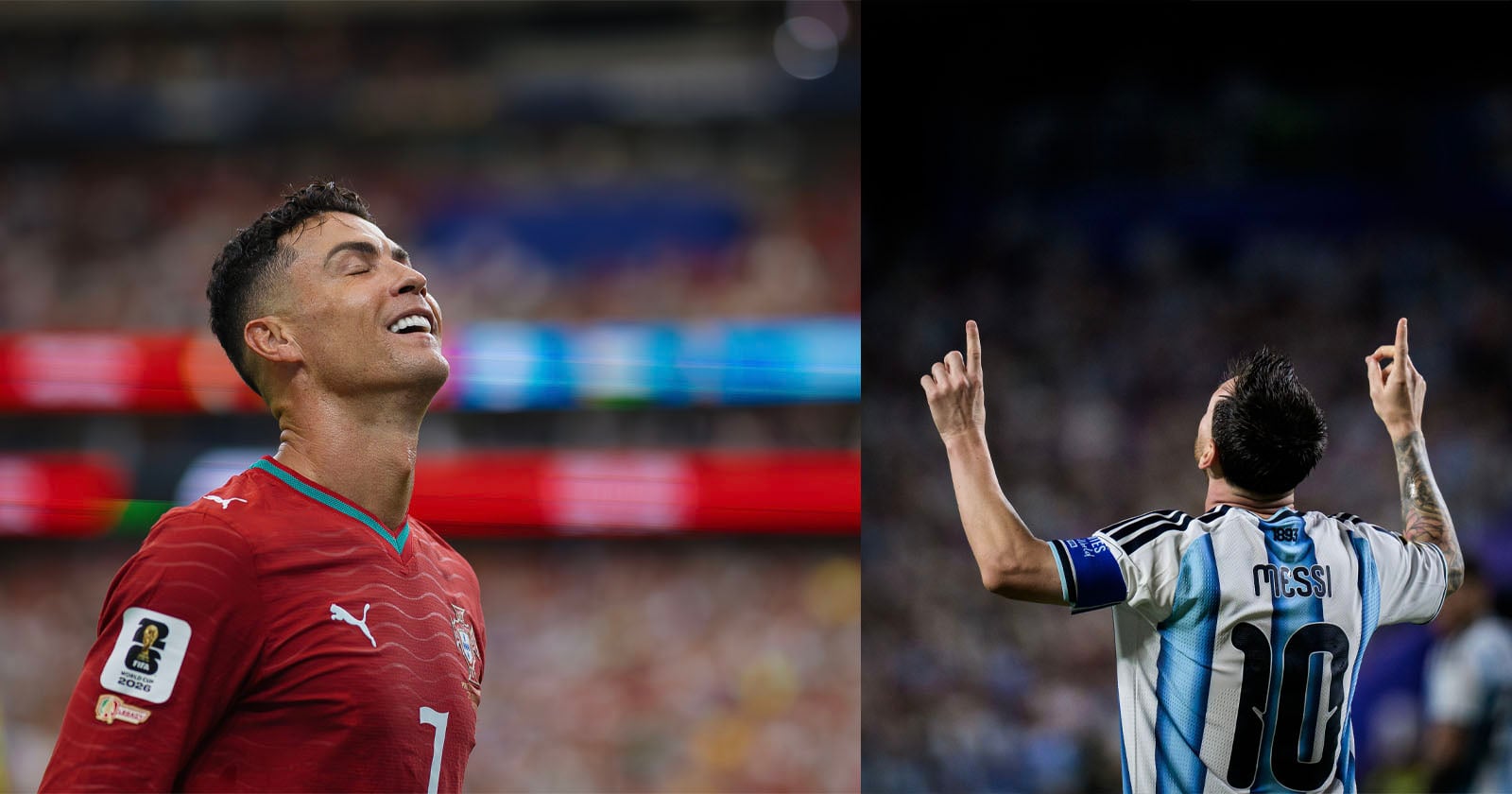
The Mega-Tournament Unfolds: A New Scale for FIFA
The 2026 FIFA World Cup marked a significant departure from previous iterations, most notably the compact 2022 tournament in Qatar. Hosted jointly by the United States, Mexico, and Canada, this edition was the first to feature an expanded format of 48 national teams competing in 104 matches across 16 host cities. This monumental scale, designed to maximize global participation and commercial reach, introduced a new paradigm for event coverage. While Qatar’s geographical compactness allowed photographers like Joel Marklund to cover two games in a single day, the 2026 tournament’s vast distances across North America imposed immense travel burdens, time zone shifts, and an unrelenting schedule on media professionals. The sheer geographical dispersion transformed what was once a relatively contained assignment into an intercontinental odyssey, demanding exceptional resilience and strategic planning from those on the ground.
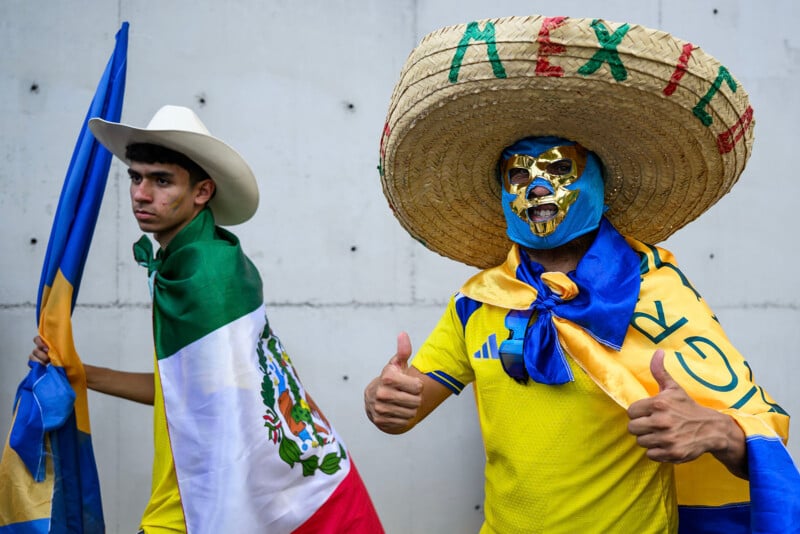
Joel Marklund’s Transcontinental Sprint: From Monterrey to Manhattan
Joel Marklund, who spearheads the Scandinavia-based sports photo agency Bildbyrån, entered the 2026 World Cup with a primary focus on the Nordic teams, particularly Norway and Sweden. His initial itinerary quickly exemplified the grueling nature of the expanded tournament. "For me, I covered four matches in four days at the beginning of the World Cup," Marklund recounted, detailing an intense period that saw him traverse thousands of miles. "It was a very intense trip with no sleep during two of those four nights when there were late matches combined with the earliest possible morning flights to the next location."
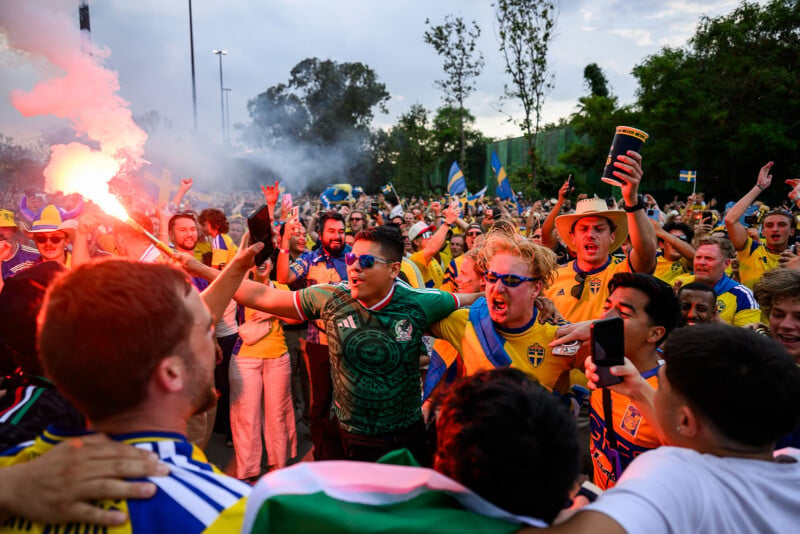
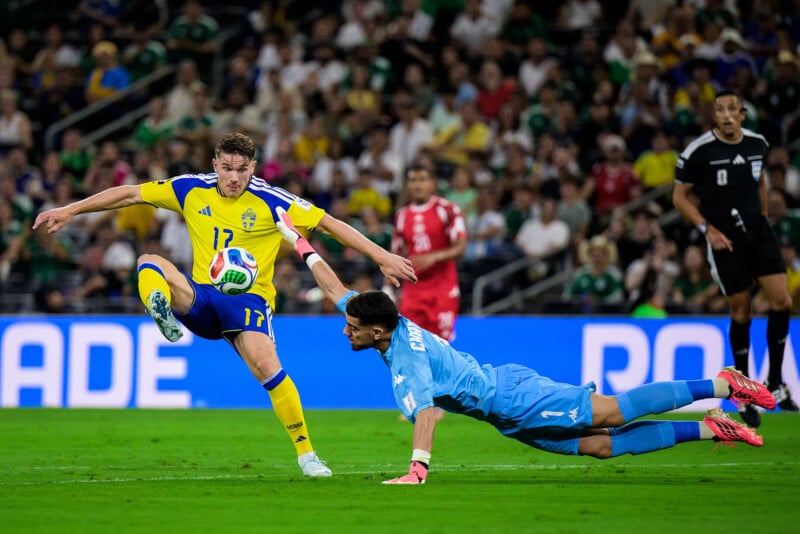
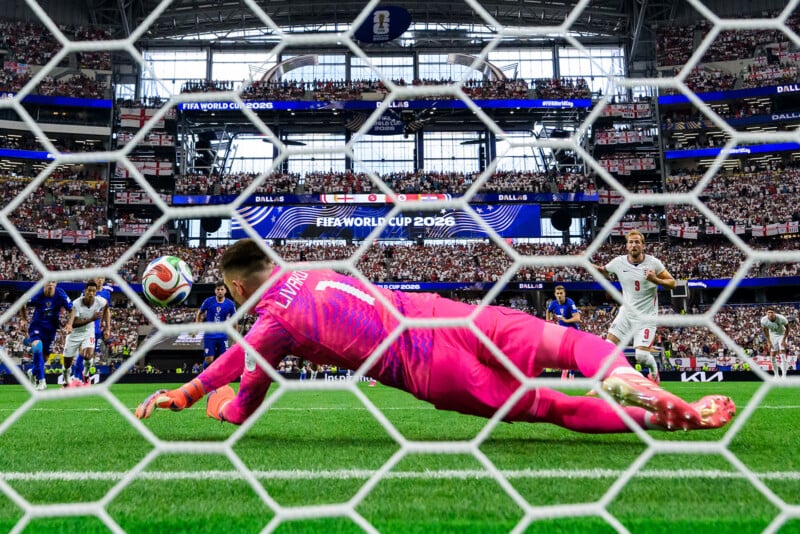
His whirlwind start included capturing Sweden’s clash with Tunisia in Monterrey, Mexico, before a rapid ascent to Los Angeles for the much-anticipated game between Iran and New Zealand. From there, his journey continued to Kansas City for Argentina versus Algeria, and then to Dallas for England’s encounter with Croatia. This initial sprint was merely a prelude to a professionally diverse schedule. Following these demanding assignments, Marklund had to temporarily return to Europe to fulfill obligations at Wimbledon for two weeks, showcasing the multi-sport demands often placed on top-tier photojournalists. His dedication to the World Cup, however, remained paramount, as he promptly returned to the U.S. to cover both semifinals in Dallas and Atlanta, culminating in the grand finale in New Jersey.
The World Cup final itself presented a microcosm of the logistical and security challenges inherent in such high-profile events. Marklund’s day began at an uncommonly early hour, departing Manhattan at 7 A.M. for a match scheduled to kick off at 3 P.M. "You would think that eight hours ahead of the match is a bit of overstretching things, but a World Cup final always means heavy security and long queues of media entering the stadium area," he explained. The presence of the U.S. President further amplified security protocols, introducing an additional layer of scrutiny from the Secret Service. Even with his early arrival, Marklund highlighted the extensive delays: "Even with that early arrival, it took more than three hours to enter the stadium security perimeter."
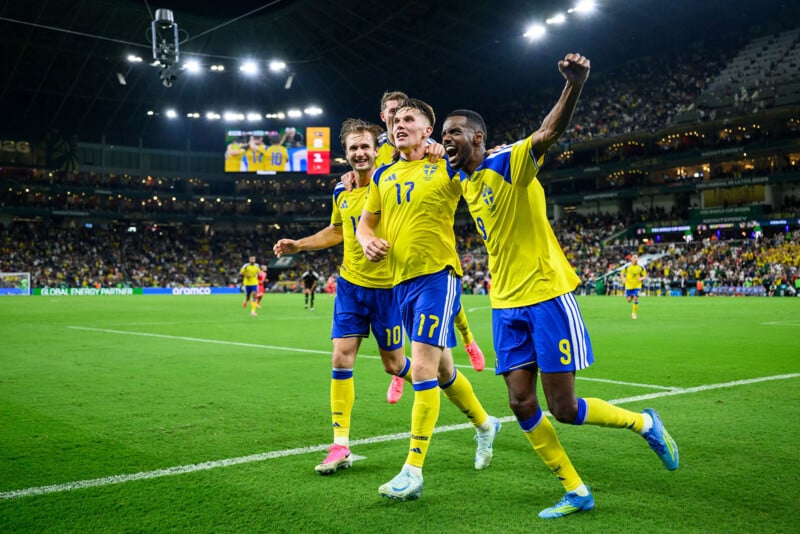
Marklund’s observations on the final extended beyond the pitch, offering a critical lens on the tournament’s commercial and political dimensions. He noted the "most commercialized World Cup ever," citing instances like hydration breaks strategically repurposed for advertising. More controversially, he pointed to the suspension of U.S. player Folarin Balogun’s red card following reported intervention from the U.S. President with FIFA, an incident that directly "affect[ed] the actual game itself." The post-match trophy ceremony provided a stark visual summary of these underlying currents. Despite FIFA President Gianni Infantino’s attempts to orchestrate the podium proceedings, the U.S. President "stayed put and didn’t leave the podium when the winning team Spain celebrated with the World Cup trophy." For Marklund, the resulting photograph of this moment transcended mere sports imagery: "For me, that photograph sums up this tournament: that the sport is just a puzzle piece of the bigger picture." This candid assessment underscores the evolving intersection of sports, politics, and commerce at the highest levels.
Andrew Hancock’s Strategic Battle Against Fixed Positions and Uncooperative Celebrations
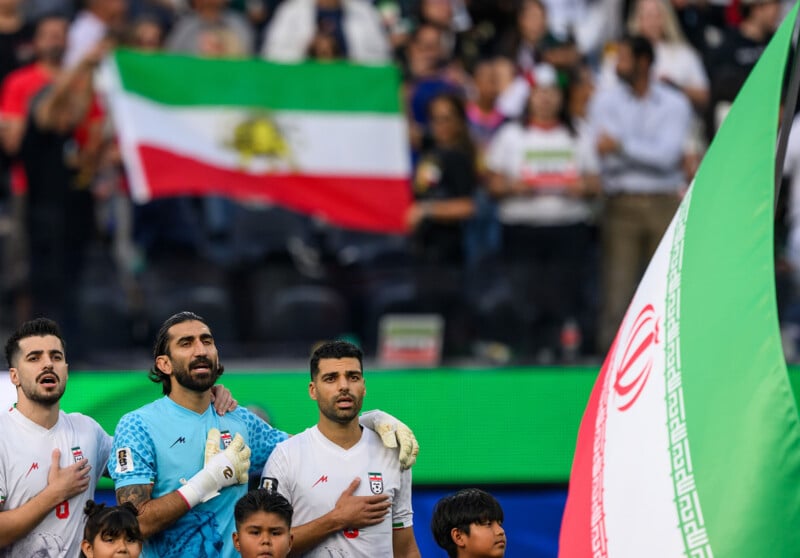
Andrew Hancock, another distinguished Nikon Ambassador, adopted a more geographically concentrated approach, leveraging his home city of Dallas as a strategic base. From this hub, he meticulously covered 16 matches, venturing to nearby Houston and Kansas City during Dallas’s idle periods. Hancock’s photographic philosophy emphasizes mobility and dynamic positioning, a preference that clashed directly with FIFA’s stringent media regulations. "With covering the World Cup, to say that mobility is limited is an understatement," Hancock elaborated. "We are made to stay in our seats once play has started if you have pitch-side access."
Further complicating his preferred workflow, FIFA imposed restrictions on the deployment of remote cameras, limiting the number of outlets permitted to place cameras behind goals or in elevated stadium positions. This constraint forced Hancock to make critical pre-game decisions, selecting his assigned seat based on his extensive knowledge of the competing teams and players. "I would try to pick a seat based on my knowledge of the teams and players for a particular match in an attempt to put myself in the best possible position to capture what is needed or what I have in mind," he explained. His preparation involved detailed analysis, "watching previous games and also studying heat maps of activity for certain players to better anticipate their movements." These decisions not only dictated his seat choice but also influenced the specific lenses he would have readily available.
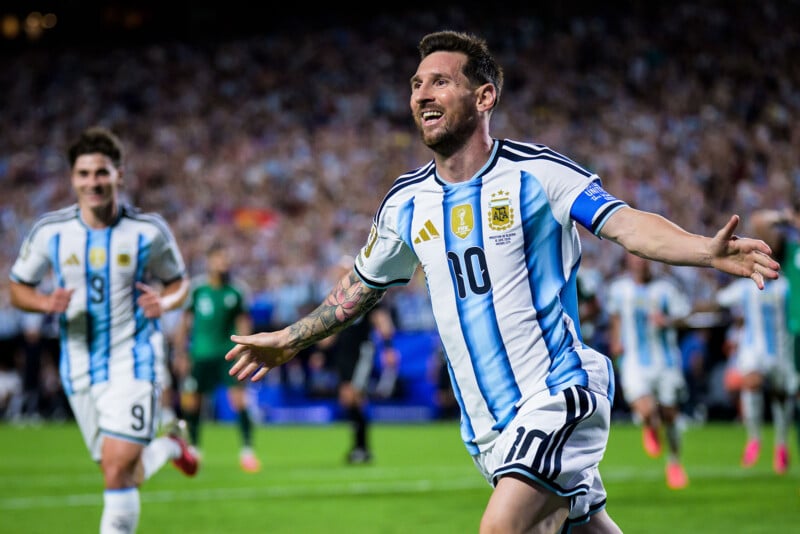
Despite his diligent planning, Hancock faced an unexpected and persistent challenge: a remarkable lack of goal celebrations directed towards his position. "I did not expect to be cursed with near-zero goal celebrations," he lamented. Out of 50 goals scored across the 16 matches he covered, a staggering 47 celebrations veered away from his camera’s view. Only two celebrations came his way, both occurring during the tournament’s inaugural week. This statistical anomaly forced an immediate adaptation in his strategy. While still striving to maximize every moment from his fixed vantage point, he shifted his focus to capturing the emotional inverse: "keeping my eyes out for dejection of the opponent, which becomes much more pronounced when play enters the knockout rounds." This adaptability highlights the fluid nature of sports photography, where unforeseen circumstances often dictate creative responses.
Artistic Innovation in Constraint: Hancock’s Multiple Exposure Vision
In his pursuit of "something special" despite the operational limitations, Hancock turned to artistic innovation. He began utilizing the in-camera multiple exposure mode, a technique that allowed him to layer different moments and details into a single frame. This method enabled him to fuse dynamic action shots from the game with ambient details from the stadium environment or evocative cityscapes from the host cities. This artistic pivot served not only as a creative outlet but also as a practical workaround, allowing him to create unique, storytelling images that transcended the often-restrictive "straight" sports photography. By blending disparate elements, Hancock crafted images that offered a more comprehensive, almost dreamlike, narrative of the World Cup experience, demonstrating how constraints can sometimes foster groundbreaking artistic solutions.
Broader Implications for Sports Photojournalism and Future Mega-Events
The experiences of Marklund and Hancock collectively paint a vivid picture of the evolving landscape for sports photojournalism at major international events. The 2026 FIFA World Cup underscored several key trends and challenges:
- Logistical Complexity: The sheer scale and geographical dispersion of future mega-events, like the expanded World Cup, demand unprecedented levels of logistical planning, endurance, and rapid decision-making from media personnel. The compact, single-host model (e.g., Qatar 2022) is giving way to multi-city, multi-national formats, fundamentally altering the operational demands.
- Balancing Control and Creativity: The tension between event organizers’ stringent control over media access and photographers’ innate desire for creative freedom and mobility remains a constant struggle. FIFA’s restrictions on pitch-side movement and remote camera placements highlight the need for photographers to either adapt their artistic vision or find innovative workarounds.
- Commercialization and Political Influence: Marklund’s observations on commercialized breaks and the reported political intervention in a player’s sanction suggest an increasing blurring of lines between sport, entertainment, commerce, and political power. Documenting these peripheral yet impactful elements becomes as crucial as capturing the on-field action.
- Technological Adaptation and Artistic Innovation: The reliance on remote cameras and Hancock’s adoption of in-camera multiple exposures demonstrate how photographers leverage technology and artistic techniques to overcome physical limitations and differentiate their work in a highly competitive field.
- The Human Element and Global Community: Despite the grueling schedules, both photographers found immense value in the human connections forged. Hancock noted the pleasure of meeting international colleagues he knew through social media, highlighting the global camaraderie within the profession, exemplified by "Nikon Ambassadors from three countries represented" at a semifinal. The physical and mental toll of such assignments is immense, yet the shared experience fosters a unique professional bond.
Looking back, both photographers reflected on the profound learning experience offered by the 2026 World Cup. While acknowledging frustrations with certain limitations, they expressed satisfaction with the images they were able to create. Hancock’s forward-looking statement, "I know I will be in a much better position to make the images I am capable of making in 2030," encapsulates the continuous learning curve inherent in sports photojournalism. As global sporting spectacles continue to grow in scale and complexity, the role of the photographer remains vital, not just in documenting the athletic triumph, but in capturing the broader, often intricate, narrative woven around it. Their dedication ensures that the visual legacy of these events endures, offering insights far beyond the final score.