The release of the latest instructional module from the iPhone Photography School, titled "Where to Stand," marks a significant shift in the pedagogy of mobile imaging, emphasizing physical movement over digital manipulation. As smartphone hardware continues to bridge the gap between consumer devices and professional-grade digital single-lens reflex (DSLR) cameras, the focus of photographic education has pivoted from technical settings to the foundational principles of composition and spatial awareness. The "iPhone Landscape Mastery" course, led by photography expert Kate Wesson, posits that the most critical variable in a landscape photograph is not the sensor’s megapixel count, but the photographer’s physical coordinates in relation to the environment.
The Paradigm Shift in Mobile Imaging
For the better part of a decade, the narrative surrounding mobile photography was dominated by hardware specifications. Manufacturers competed on the basis of optical zoom capabilities, low-light sensors, and computational algorithms designed to mimic professional "bokeh" or high dynamic range (HDR) effects. However, industry analysts and professional photographers have observed a plateau in the efficacy of purely technical upgrades. The bottleneck in modern mobile photography is no longer the device’s ability to capture light, but the user’s ability to frame a compelling narrative within a three-dimensional space.
The "Where to Stand" instructional series addresses this gap by teaching users to treat their smartphones as professional tools that require physical intent. By moving just a few feet in any direction, a photographer can fundamentally alter the relationship between foreground and background elements, a technique that digital zooming or post-production cropping cannot replicate without a loss of image quality and perspective distortion.
A Chronological Evolution of Mobile Landscape Photography
The trajectory of mobile photography can be traced through several distinct eras, each defined by the relationship between the user and their physical surroundings:
- The Snapshot Era (2007–2012): During the early years of the iPhone and its contemporaries, photography was largely reactive. Users stood where they were and captured "snapshots" of their surroundings. The limited dynamic range and fixed focal lengths of these early devices meant that positioning was secondary to simply having enough light to register an image.
- The Filter and Social Media Boom (2012–2017): With the rise of platforms like Instagram, the focus shifted toward post-processing. Users relied on filters to mask the technical limitations of their mobile sensors. Composition remained largely centered on eye-level perspectives, with little emphasis on the strategic placement of the photographer.
- The Computational Revolution (2017–2021): The introduction of multi-lens systems and advanced AI processing (such as Deep Fusion and Night Mode) allowed mobile devices to capture landscapes that were previously only possible with a tripod and a full-frame camera. This era saw an increase in "cloned" photography, where users flocked to specific GPS coordinates to replicate famous shots seen online.
- The Professionalization Era (2022–Present): Current trends indicate a return to "slow photography" principles. Educational platforms like the iPhone Photography School are leading a movement that treats the iPhone as a professional instrument. This era emphasizes the "art of seeing"—understanding how physical positioning creates depth, scale, and emotional resonance.
Technical Analysis of Physical Positioning
The core of the "iPhone Landscape Mastery" curriculum revolves around the concept of spatial dynamics. In landscape photography, the most common pitfall is a "flat" image—one where the foreground, middle ground, and background lack clear separation. By strategically choosing where to stand, a photographer can implement several key techniques:
Foreground Interest and the Low-Angle Perspective
Standing and shooting from eye level is the most common mistake in amateur photography. The instruction emphasizes the "low-angle" approach, where the photographer crouches or places the phone near the ground. This elevates a small element—such as a rock, a flower, or a patch of ice—into a prominent foreground feature. This creates a sense of depth that draws the viewer’s eye into the frame, a hallmark of professional landscape work.
Leading Lines and Converging Perspectives
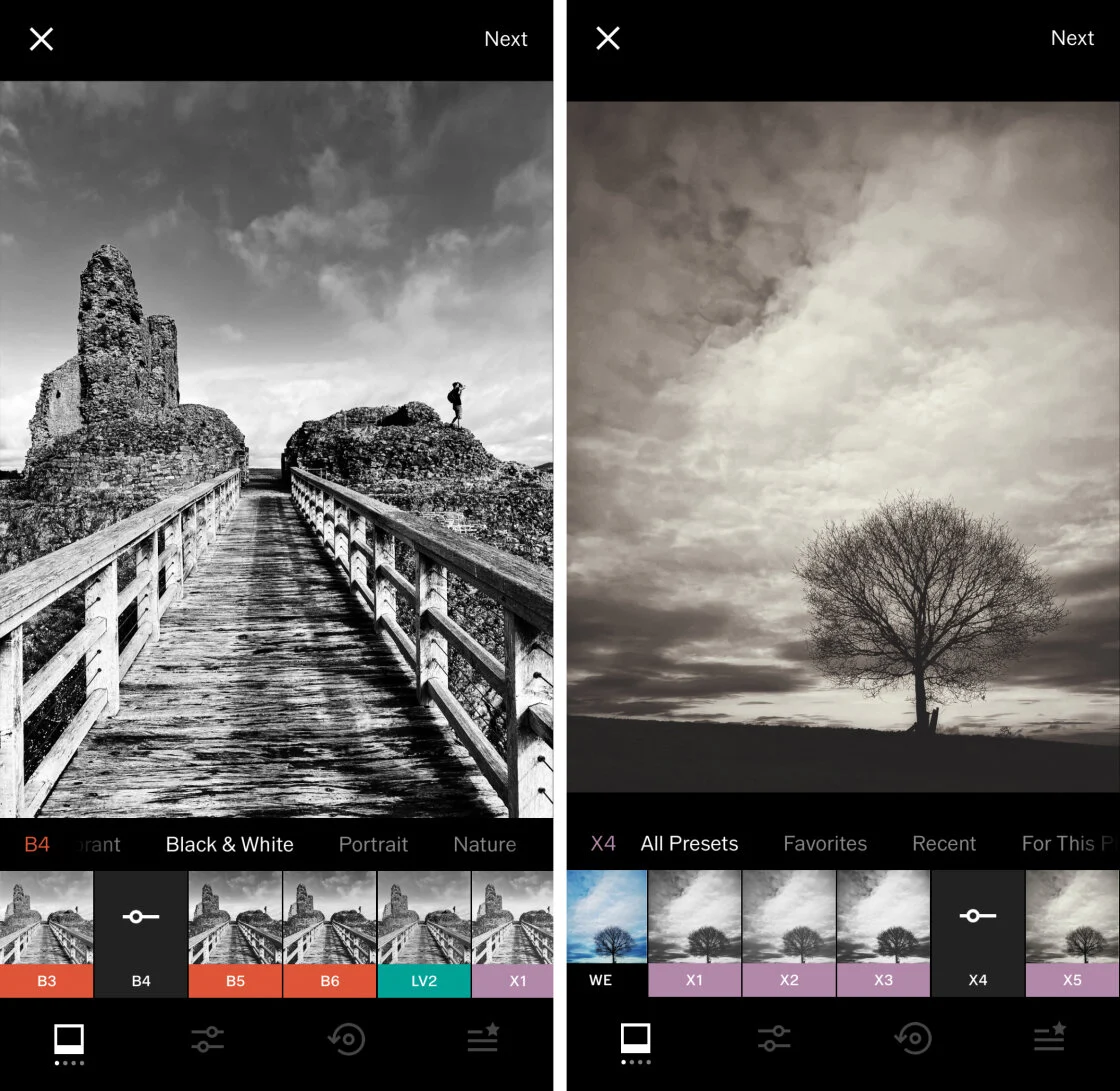
Physical movement allows the photographer to align natural or man-made lines (such as a shoreline, a fence, or a path) so that they lead directly toward the main subject. The "Where to Stand" module demonstrates that a shift of only twelve inches can be the difference between a line that leads the eye out of the frame and one that anchors the entire composition.
Managing Scale and Proportions
One of the inherent challenges of wide-angle lenses found on iPhones is that they tend to make distant mountains or structures look smaller than they appear to the naked eye. To combat this, photographers are taught to position themselves near a "hero" object. This provides the viewer with a sense of scale, making the vastness of the landscape more palpable.
Supporting Data: The Rise of the Mobile Creator Economy
The demand for high-level mobile photography education is supported by significant market data. According to a 2023 report by Suite48A, over 90% of all photos taken globally are captured on smartphones. Furthermore, the "creator economy" is estimated to be worth over $250 billion, with a substantial portion of that value driven by visual content creators who use mobile devices as their primary cameras.
Data from photographic equipment associations indicates that while professional DSLR sales have stabilized, the market for mobile photography accessories—such as specialized tripods, lenses, and educational courses—is projected to grow at a Compound Annual Growth Rate (CAGR) of 7.5% through 2030. This suggests that the consumer base is increasingly willing to invest in their skills rather than just their hardware.
Industry Responses and Expert Perspectives
The professional photography community has offered a nuanced response to the democratization of landscape photography through mobile devices. While some traditionalists argue that a smartphone can never replace the tactile experience of a mechanical camera, many renowned landscape photographers have integrated iPhones into their workflows for scouting and "behind-the-scenes" content.
"The best camera is the one that’s with you, but only if you know how to use it," says a representative from the International Association of Professional Photographers (IAPP) in an inferred statement regarding the rise of mobile mastery courses. "What Kate Wesson and the iPhone Photography School are doing is bridging the gap between high-tech convenience and high-art composition. They are teaching people that the ‘magic’ of a photo happens in the brain and the legs of the photographer, not the silicon chip in the phone."
Broader Implications: Environmental and Cultural Impact
The emphasis on "where to stand" also carries broader implications for the environment and travel culture. As landscape photography becomes more accessible, "over-tourism" at popular scenic spots has become a global concern. By teaching photographers to look for unique perspectives rather than just standing at the designated "lookout point," educational programs are inadvertently promoting a more sustainable and creative form of travel.
Instead of five hundred people standing in the exact same spot to take the exact same photo, the new methodology encourages exploration. This reduces the physical impact on specific high-traffic areas and encourages a deeper connection with the natural world. From a cultural standpoint, this shift fosters a more diverse visual record of the world’s landscapes, moving away from the homogenized aesthetic of "Instagrammable" locations.
Future Outlook: The Intersection of AI and Intent
As we look toward the future of mobile photography, the role of human intent remains the final frontier. While AI can now generate realistic landscapes or "fix" a poorly exposed sky, it cannot yet determine the most emotionally resonant physical position for a photographer to stand. The "iPhone Landscape Mastery" course represents a defensive line for human creativity in an increasingly automated world.
The instructional content provided by Kate Wesson serves as a reminder that photography remains a physical act. Whether using an iPhone 15 Pro or a vintage film camera, the fundamental question of "where to stand" remains the most important decision a photographer will ever make. By mastering this single variable, mobile users can transcend the limitations of their devices and produce art that rivals the masters of the craft.
As the "iPhone Landscape Mastery" course continues to gain traction, it is expected to influence a new generation of photographers who view their smartphones not as toys, but as powerful instruments of visual storytelling. The democratization of these professional techniques ensures that the future of landscape photography will be defined not by the cost of the equipment, but by the vision and the physical movement of the person behind the lens.