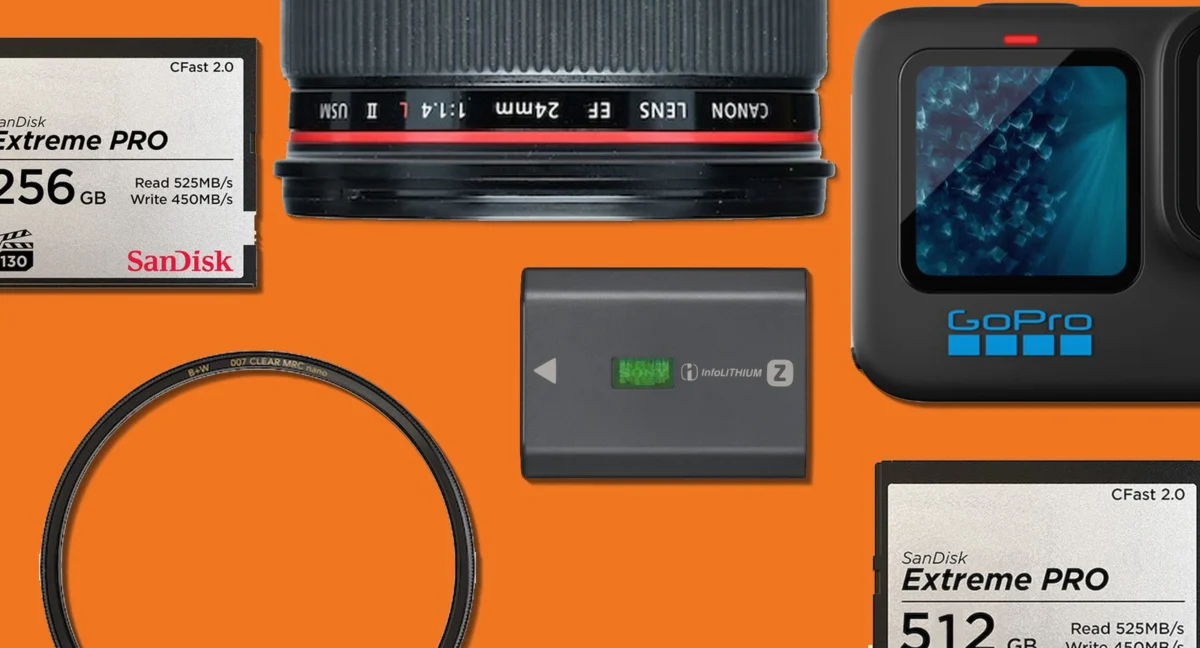
The year 2025 concluded with a period of significant reflection across the photography and videography sectors, marked by an in-depth analysis of rental and purchase trends that illuminated the industry’s recent trajectory. As the calendar turns to 2026, the focus shifts decisively from retrospective assessment to forward-looking anticipation, with professionals and enthusiasts alike eager to discern the innovations and advancements that will shape the coming year. LensRentals.com, a prominent barometer of gear preferences and market demand, outlines its strategic objectives for the year while simultaneously offering a predictive outlook on the technological evolutions expected to gain traction. This analysis delves into five pivotal areas where substantial growth and refinement are anticipated, drawing on recent product introductions and prevailing industry currents.
The Resurgence of Third-Party Lenses: Expanding Creative Horizons
For seasoned professionals and long-term enthusiasts, the pre-mirrorless era, dominated by DSLR systems from Canon, Nikon, and Sony, is often recalled with a degree of fondness, particularly concerning the expansive array of third-party lens options available. Manufacturers such as Sigma, Tamron, and Tokina consistently offered compelling alternatives to proprietary lenses, providing diverse focal lengths, aperture speeds, and price points that fostered a vibrant and competitive market. These lenses were not merely budget-friendly substitutes; many achieved critical acclaim for their optical quality and innovative designs, establishing a strong reputation among users seeking specialized tools or greater value.
However, the industry’s rapid transition to mirrorless camera systems introduced a new set of challenges. The adoption of entirely new lens mounts—such as Canon’s RF mount and Nikon’s Z mount—presented significant technical and intellectual property hurdles for third-party developers. Unlike the more open or reverse-engineered mounts of the DSLR age, these new mirrorless interfaces often incorporated advanced electronic communication protocols and proprietary designs, making it difficult for independent manufacturers to produce fully compatible lenses without explicit licensing agreements or extensive reverse engineering. Consequently, the initial years of the mirrorless transition saw a notable reduction in third-party options for these nascent systems, creating a temporary void for consumers accustomed to a broad selection.
Sony’s E-mount system, being an earlier entrant into the full-frame mirrorless market, benefited from a more proactive approach to third-party integration, allowing companies like Sigma and Tamron to establish a robust presence. This success on the E-mount platform served as a proof of concept, demonstrating the significant consumer demand for diverse and affordable third-party lenses within the mirrorless ecosystem. The robust sales figures and positive user feedback for third-party E-mount lenses underscored the potential market for similar offerings on other mirrorless platforms.
In recent months, there have been encouraging signals indicating a shift in this landscape. Both Sigma and Tamron have notably increased their commitment to developing lenses for Canon’s RF and Nikon’s Z mounts. This commitment often involves navigating complex discussions with the primary camera manufacturers regarding technical specifications and potential licensing. Industry analysts suggest that this renewed push is a response to maturing mirrorless markets, where a broader range of lenses is becoming essential for widespread adoption and to cater to diverse user needs, from professional assignments to enthusiast pursuits. The implied "statements" from these manufacturers, observed through their product announcements and development roadmaps, point towards a strategic long-term investment in these systems. For instance, recent patent filings and product launches from companies like Sigma for RF-mount lenses suggest either tacit approval or successful circumvention of initial technical barriers, signaling a more open future.
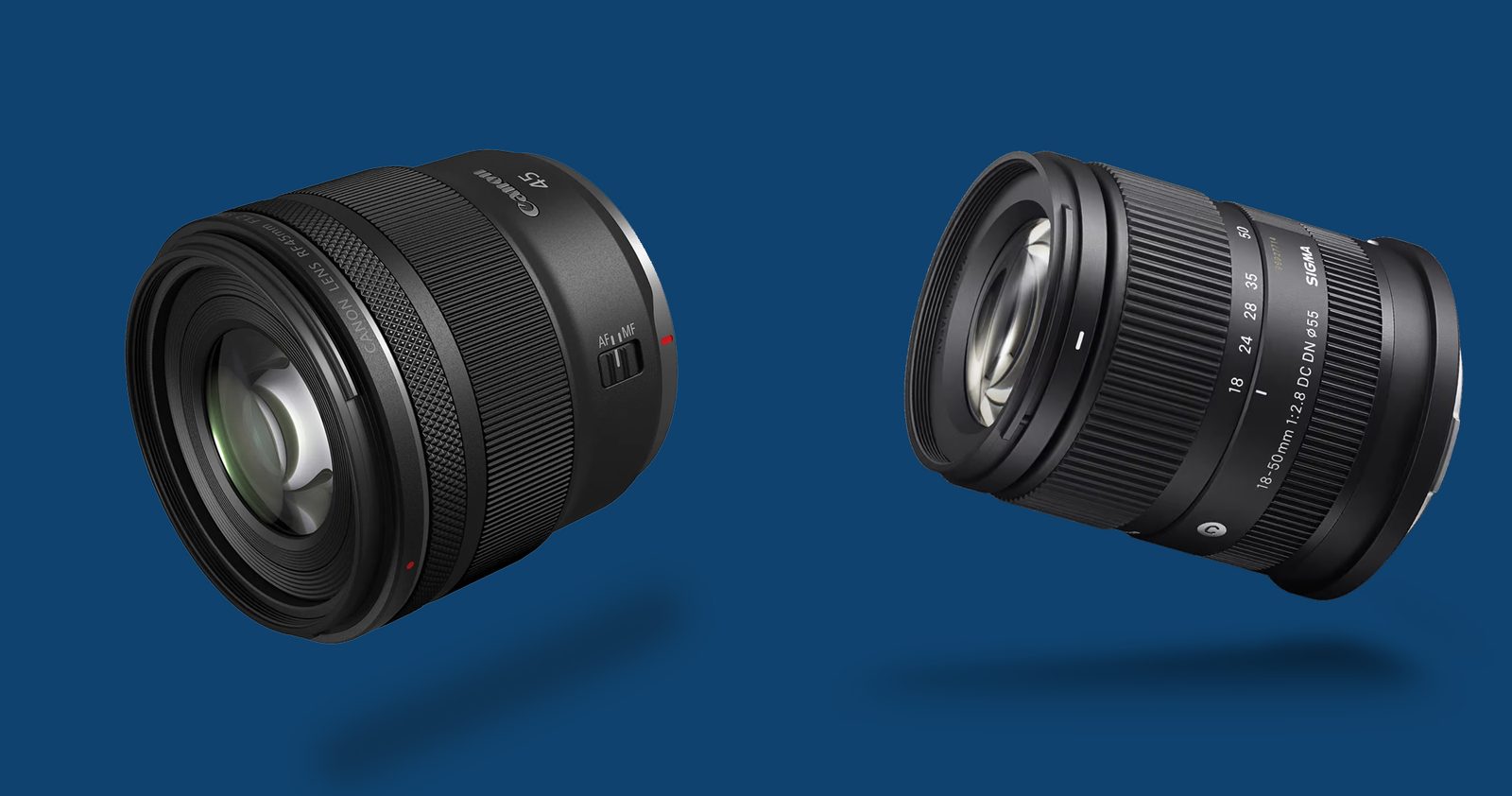
The implications of this resurgence are substantial. For consumers, it promises a wider array of choices, fostering greater competition that could lead to more innovative designs and more competitive pricing across the board. Professionals and enthusiasts using Canon RF and Nikon Z systems, who have often felt limited by proprietary lens options, will gain access to specialized focal lengths, unique optical characteristics, and more budget-friendly alternatives that were previously unavailable. This expansion will likely stimulate greater experimentation and creative freedom, allowing users to tailor their gear more precisely to their specific photographic and videographic needs without being solely reliant on first-party offerings. The anticipated increase in third-party lenses for RF and Z mounts in 2026 is poised to significantly enrich the mirrorless ecosystem, mirroring the vibrant diversity that characterized the DSLR era.
Democratizing Speed: The Rise of Affordable Fast Primes
For decades, lenses featuring exceptionally wide apertures, such as f/1.2, have occupied a revered, yet often exclusive, position within the photography world. Historically, achieving such fast apertures involved complex optical designs and precision manufacturing, resulting in premium price tags that placed these lenses largely out of reach for many photographers. Iconic examples include vintage Leica Noctilux lenses, which have commanded exorbitant prices since their introduction in the 1960s, and Canon’s own L-series f/1.2 primes from the 1980s, which, while more accessible than Leica, still represented a significant investment. These lenses were prized for their unparalleled low-light performance, exceptional subject isolation, and the distinctive, creamy bokeh they produced, making them staples for portraiture, astrophotography, and other specialized applications.
The industry recently witnessed a potentially groundbreaking shift with the introduction of the Canon RF 45mm f/1.2 STM lens. What made this particular release remarkable was not merely its incredibly fast f/1.2 aperture, but its aggressive pricing strategy, positioning it well under the $500 mark. This move challenged the long-held assumption that f/1.2 lenses inherently demand a four-figure investment. The Canon RF 45mm f/1.2 STM, while not an L-series lens, demonstrated that manufacturing advancements and optimized production processes could potentially democratize access to such high-speed optics.
This development prompts an analysis of the underlying factors enabling such affordability. Over the past several decades, significant gains have been made in optical design software, materials science, and automated manufacturing techniques. These advancements allow for more efficient production of complex lens elements, including aspherical and low-dispersion glass, which are crucial for correcting aberrations at wide apertures. Additionally, the adoption of stepper motors (STM) for autofocus, while perhaps not as robust as ultrasonic motors (USM) in certain professional contexts, offers a cost-effective and silent solution for general use and video, contributing to overall affordability.
The implications for 2026 are profound. If Canon’s initiative proves successful in terms of market reception and profitability, it is highly probable that other major camera manufacturers, as well as third-party lens makers, will follow suit. The market could see a wave of fast, affordable prime lenses across various focal lengths and mount systems (Sony E, Nikon Z, L-mount, etc.). This would significantly expand the creative toolkit available to a broader spectrum of photographers, from serious amateurs to emerging professionals. The accessibility of f/1.2 or similar fast apertures (e.g., f/1.4, f/1.0, f/0.95) at consumer-friendly price points would enable more photographers to experiment with shallow depth of field, excel in challenging low-light conditions, and achieve distinctive aesthetic qualities without incurring prohibitive costs. This trend represents a major step towards making advanced optical performance more widely available, fostering greater artistic exploration and potentially redefining entry-level expectations for lens speed.
AI’s Evolving Role: From Generative Spectacle to Workflow Utility
The past few years have undeniably placed Artificial Intelligence at the forefront of technological discourse, and the photography and videography industries have been no exception. The initial public fascination largely centered on generative AI systems capable of creating stunning, often hyper-realistic, images, corporate headshots, and even entire video sequences from simple text prompts within seconds. Tools like DALL-E, Midjourney, and Stable Diffusion captivated imaginations, showcasing AI’s potential to produce visual content from scratch. While these generative capabilities remain impressive and continue to evolve, there is a growing recognition within the professional creative community that the most impactful application of AI in the near term lies not in replacing the creative process, but in streamlining and enhancing the operational workflow.
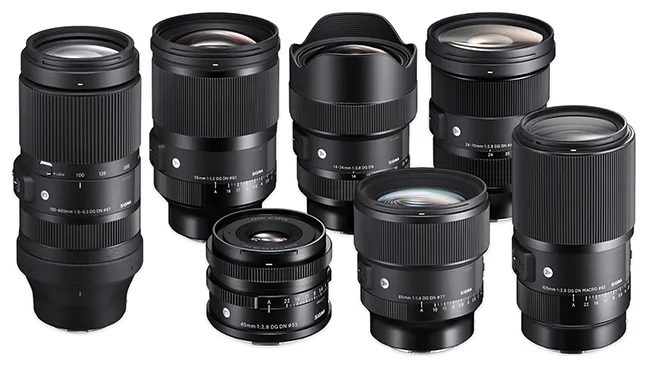
This shift in focus towards "workflow AI" is driven by the practical needs of working professionals who often spend significant time on repetitive, mundane, or technically challenging tasks that detract from their core creative endeavors. Current workflow challenges include managing client communications, organizing large volumes of digital assets, performing tedious image clean-up, and conceptualizing creative briefs. While some AI tools already exist within popular editing suites – such as Adobe Lightroom’s intelligent masking, Photoshop’s content-aware fill, and Topaz Labs’ suite of AI-powered noise reduction and sharpening tools – these represent the nascent stages of what workflow AI can achieve.
For 2026, the aspiration is to see a significant expansion of AI applications designed to augment, rather than automate away, the human creative touch. This includes the development of more affordable and integrated studio management software that leverages AI to automate administrative tasks like sending out invoice reminders, scheduling follow-up emails to prospective clients, and managing booking calendars. Such systems would free up invaluable time for photographers and videographers, allowing them to focus more on shooting, editing, and client interaction.
On the post-production front, the demand is for more sophisticated and intuitive AI-powered editing tools. Imagine a "single-click" solution for common image distractions – automatically detecting and removing unwanted elements such as trash bins, telephone poles, or even complex background clutter with minimal user intervention. This moves beyond basic content-aware fill to more intelligent, context-aware object removal and background manipulation. Furthermore, AI could revolutionize the creative ideation phase. Tools that can analyze a photographer’s portfolio, client briefs, and mood boards to generate a "single sheet" of cataloged thoughts and creative inspirations for presentation to clients would significantly enhance communication and reduce prep time.
Statements from leading software developers, inferred from their ongoing research and development presentations, suggest a strong emphasis on integrating AI into existing platforms to enhance user efficiency. Companies like Adobe, Capture One, and others are consistently showcasing new AI features that target specific workflow pain points, moving beyond pure generative functions to practical utilities. The implication of this trend for 2026 is a significant increase in professional productivity. By offloading routine and repetitive tasks to intelligent algorithms, creatives can dedicate more energy to artistic vision, client relationships, and skill development. This paradigm shift positions AI not as a competitor to human creativity, but as a powerful assistant, enabling photographers and videographers to dive deeper into their artistic pursuits with greater ease and efficiency.
Bridging the Gap: The Imperative for Robust Camera App Support
The advent of mirrorless camera systems was heralded not only by technological advancements in image quality and autofocus but also by the promise of seamless integration with smartphones. The vision was compelling: photographers and videographers could use dedicated camera apps to review, edit, and instantly publish their high-quality images and videos directly from their mobile devices, streamlining workflows and enabling rapid content sharing. This promise, however, has largely remained unfulfilled, as many camera manufacturer apps have consistently fallen short of user expectations.
A common frustration among users of apps from major manufacturers like Canon, Nikon, and even Fujifilm (which is often cited as having one of the better, though still imperfect, offerings) is a pervasive lack of reliability. Issues such as frequent app freezes, unexpected crashes, sluggish performance, and inconsistent connectivity with cameras plague the user experience. This unreliability undermines the core purpose of these apps, turning what should be a convenient tool into a source of aggravation and inefficiency. Despite years of development and multiple updates, significant progress in usability and functionality has been slow, leaving many users resorting to traditional, often more cumbersome, methods for transferring and sharing content.

The potential benefits of robust app support are immense. Imagine a scenario where a photographer on location can reliably use their phone as a remote control for complex shots, instantly review high-resolution images on a larger screen than the camera’s LCD, apply quick edits, and share them to social media or send proofs to clients within minutes of capture. This level of seamless integration would be revolutionary for photojournalists, event photographers, and content creators who require immediate turnaround. Furthermore, advanced app features could include real-time tethering for more precise control, GPS tagging for geographical organization, and even cloud synchronization capabilities that bypass manual file transfers.
The technical hurdles for camera manufacturers in developing superior apps are multi-faceted. These include ensuring stable wireless connectivity (often a challenge with different Wi-Fi and Bluetooth standards), optimizing data transfer speeds for large RAW files, creating intuitive user interfaces that cater to both basic and advanced functions, and maintaining compatibility across a wide range of camera models and smartphone operating systems. Additionally, historically, camera manufacturers have prioritized hardware development over software, potentially leading to under-resourced app development teams or a lack of user-centric design philosophy. Inferred statements from industry observers often point to a need for camera companies to invest more heavily in software engineering talent and to adopt agile development methodologies common in the smartphone industry.
For 2026, the imperative is clear: camera manufacturers must redouble their efforts to deliver on the long-standing promise of truly functional and reliable app support. This involves not just incremental updates but a fundamental rethinking of app architecture and user experience. The impact of achieving this would be transformative for content creators. Improved app support would significantly streamline post-capture workflows, enable faster sharing and client communication, and ultimately enhance the overall user experience, making high-end camera systems more integrated and efficient tools in the modern digital landscape.
The Global Shutter Revolution: Eliminating Distortions and Expanding Creative Control
Among the most anticipated technological advancements poised to redefine camera performance in 2026 is the wider adoption of electronic global shutters. While the