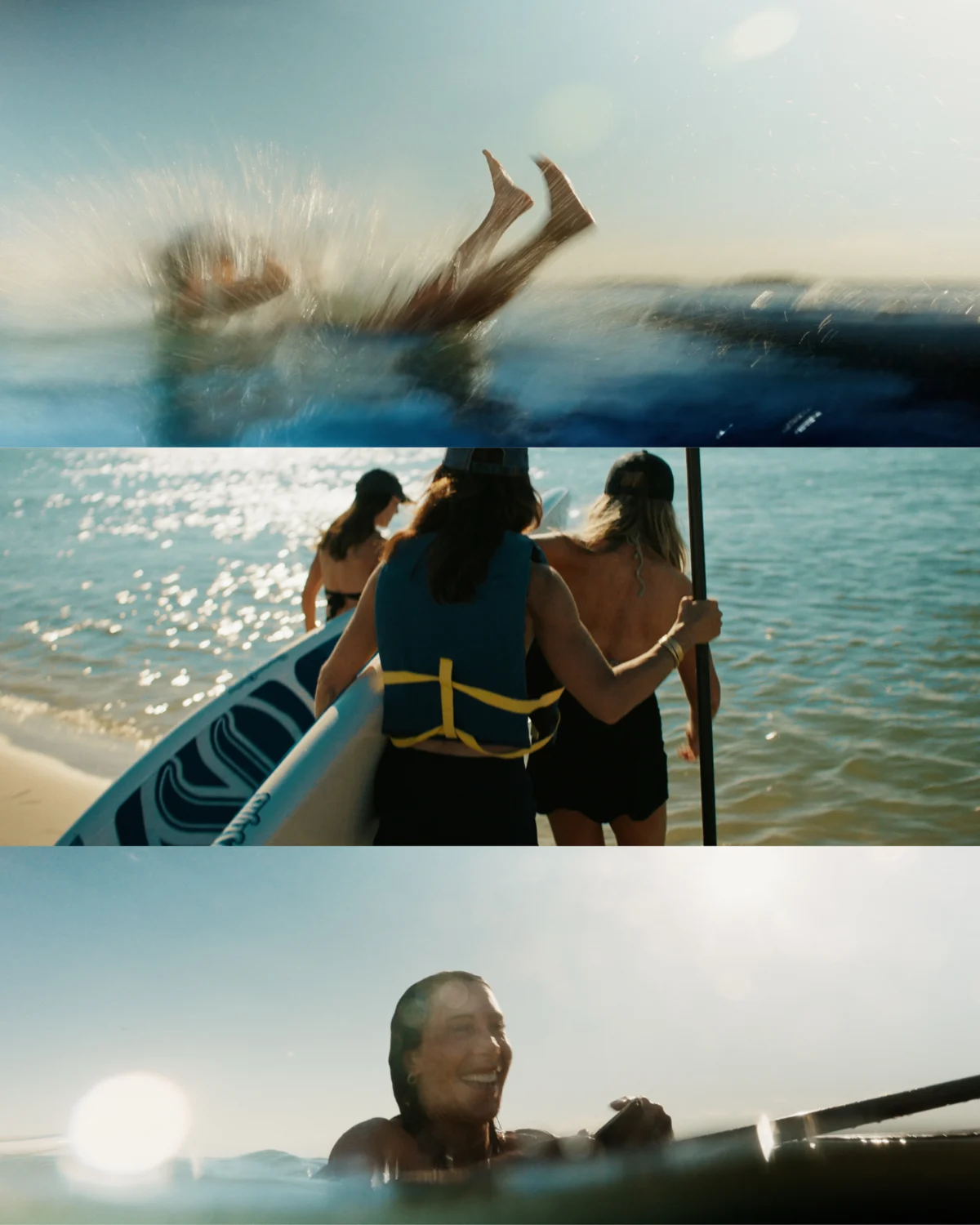
Denver-based commercial director Jill Coats is reshaping the landscape of branded content, advocating for a philosophy where advertisements transcend their traditional form to become compelling "short films disguised as ads." Her distinctive approach, rooted deeply in themes of nostalgia, human connection, and raw emotion, strategically bypasses conventional brand messaging, instead crafting experiences designed to elicit genuine audience engagement and feeling. This method not only elevates the artistic merit of commercial work but also significantly enhances its impact and memorability in an increasingly saturated media environment.
The Evolving Paradigm of Branded Storytelling
Coats’ work emerges at a critical juncture in the advertising industry, which has witnessed a profound shift from overt product promotion to more nuanced, narrative-driven content. Consumers, increasingly discerning and resistant to traditional sales tactics, now demand authenticity and emotional resonance from brands. Industry reports indicate a significant rise in branded content consumption, with studies showing that emotionally driven campaigns can increase brand loyalty by as much as 25% and consumer recall by 30% compared to purely informational ads. This evolution underscores a broader recognition within marketing circles that storytelling, when executed with cinematic integrity, can forge deeper connections between brands and their audiences.
The traditional 30-second spot, once the undisputed king of advertising, is now frequently supplemented or replaced by longer-form branded documentaries, mini-series, and emotionally resonant short films. This transition is not merely a trend but a strategic imperative, driven by changing consumption habits, the proliferation of streaming platforms, and the desire for content that adds value beyond a sales pitch. Jill Coats stands at the forefront of this movement, demonstrating how meticulously crafted visual narratives can transform a commercial brief into an impactful piece of filmmaking that resonates long after viewing. Her firm, One Forty Films, exemplifies this ethos, producing work that consistently blurs the lines between art and commerce.
A Director’s Journey: From Solo Vision to Collaborative Grandeur
Coats’ professional trajectory offers a compelling narrative of growth and adaptation. Her journey began over a decade ago, much like many aspiring filmmakers, with a childhood camcorder serving as her initial canvas for creative exploration. This early period was characterized by a self-reliant, "one-woman-band" approach, where Coats single-handedly managed every aspect of production, from conception to execution. This intensive hands-on experience, while invaluable for developing a comprehensive understanding of filmmaking, also instilled a deeply personal connection to every frame and every creative decision. The images, emotions, and pacing of her early projects existed vividly and entirely within her own mind, allowing for instinctive and unmediated execution.
The pivotal transition from a solo videographer to a commercial director leading large-scale production crews marked a significant inflection point in her career. This scaling-up process, while bringing exciting new opportunities, was not without its inherent "growing pains." Coats openly acknowledges that the most challenging aspect of this shift was not the logistical complexities of managing larger teams or budgets, but rather the profound necessity of learning to "let go of the physical camera" and effectively communicate her intricate internal worlds to a diverse crew.
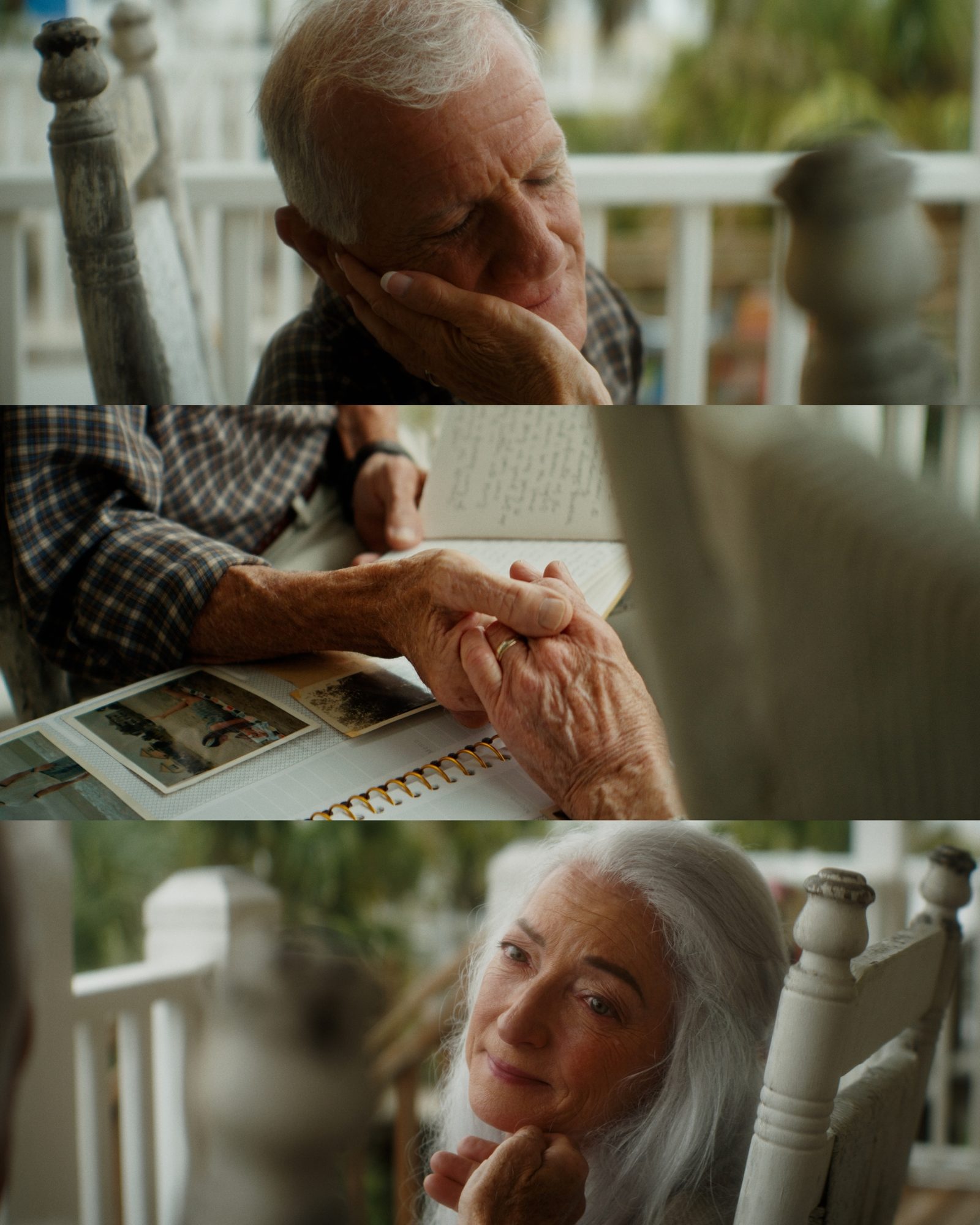
"When you’re working alone, the images, emotions, pacing, and overall feel already exist so clearly in your head that you can simply execute them instinctively," Coats explains. "But when a team becomes involved, you have to translate something deeply internal into language that other people can fully understand and bring to life." This challenge compelled her to become meticulously intentional during pre-production, developing a precise vocabulary to articulate tone, movement, texture, and feeling to her cinematographers, production designers, and other department heads. She began relying heavily on reference images, storyboards, and detailed shot lists to bridge the gap between her vision and its collective realization.
Furthermore, Coats discovered a crucial secret to effective direction within a large collaborative environment: the strategic empowerment of her crew. "When I know the people around me are incredibly talented, it becomes much easier to let go of control and allow them to elevate the vision beyond what I could have achieved on my own," she states. This philosophy of hiring individuals who are not just competent but truly exceptional in their specific roles transforms the production process into a synergistic endeavor, where collective expertise enhances the overarching creative vision. This collaborative spirit, she notes, is particularly vital when selecting the visual tools for a project, moving away from a "one-size-fits-all" equipment approach to one tailored entirely to the emotional and narrative needs of the story. Industry analysts often highlight this leadership style as characteristic of successful modern directors, who act as orchestrators of talent rather than sole executors of vision.
The Art of Optics: Lenses as Emotional Architects
Central to Coats’ distinctive filmmaking methodology is her profound understanding of how technical choices, particularly the selection of lenses—or "glass"—can profoundly shape a film’s emotional language. For her, the gear setup is not a fixed constraint but a blank canvas, meticulously tailored to the psychological and narrative demands of each project. This intentionality stands in stark contrast to production models that might prioritize convenience or readily available equipment.
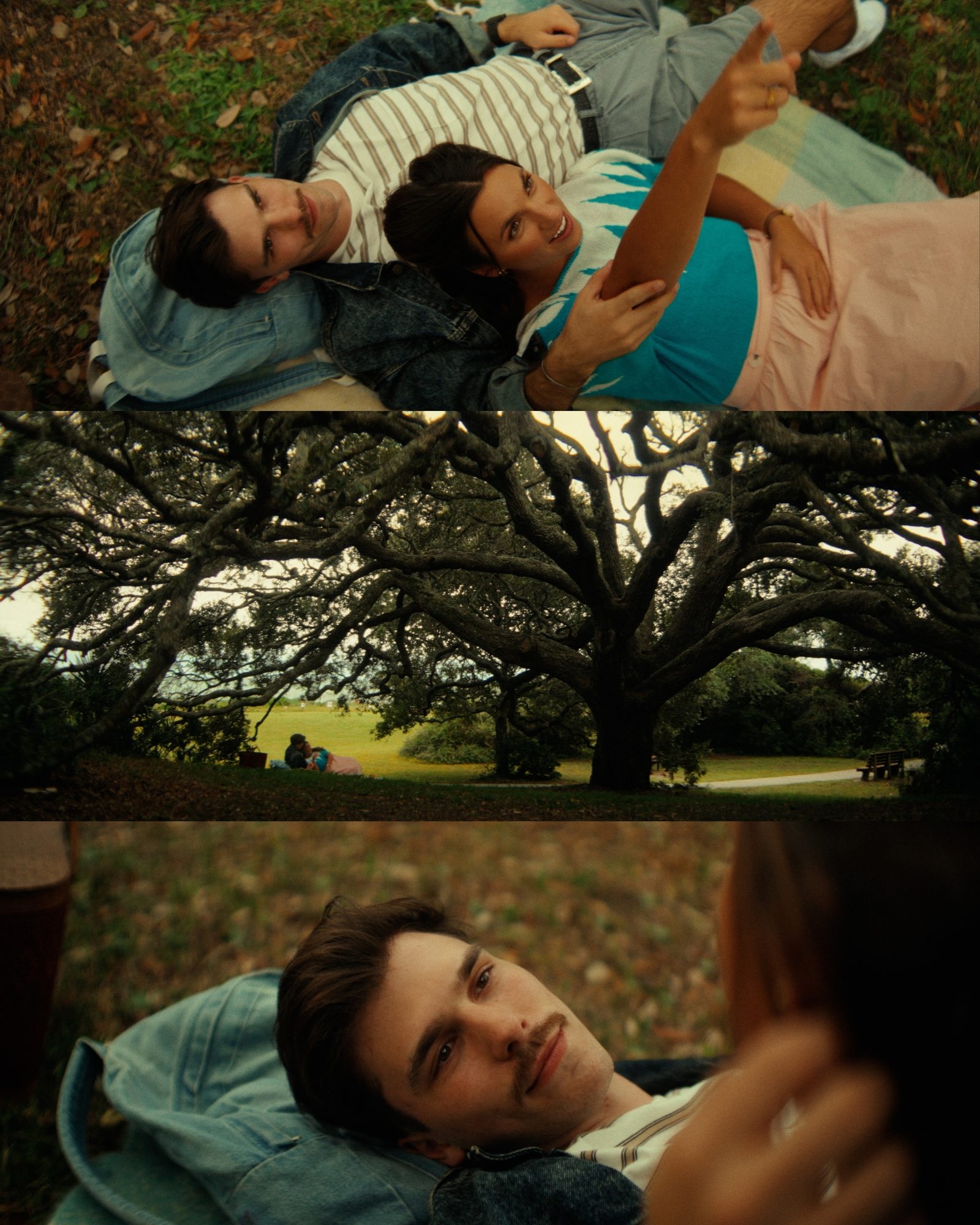
"I’ve realized just how much glass can shape emotion, and every project calls for something different," Coats asserts. "Different lenses carry different textures, imperfections, and characteristics, and those subtle choices can transform the emotional language of a film." This perspective aligns with a growing appreciation within the cinematography community for the unique qualities of various optical systems. While ultra-sharp, technically perfect modern lenses are often favored for their pristine clarity, many filmmakers are increasingly turning to vintage, anamorphics, or character lenses that introduce subtle aberrations, unique bokeh, and softer rendering to evoke specific moods, reminiscent of classic cinema. The market for specialized and character lenses has seen significant growth, reflecting this demand for distinctive visual palettes.
This collaborative philosophy takes center stage when Coats sits down with her Director of Photography (DP) to select the optimal gear. Rather than forcing a script to conform to existing equipment, they approach the technical setup as an integral part of the storytelling process. This deep dive into the nuances of optics allows them to construct a bespoke visual language that supports the film’s thematic core.
Case Study: "Remember How to Play" – Crafting Nostalgia Through Glass
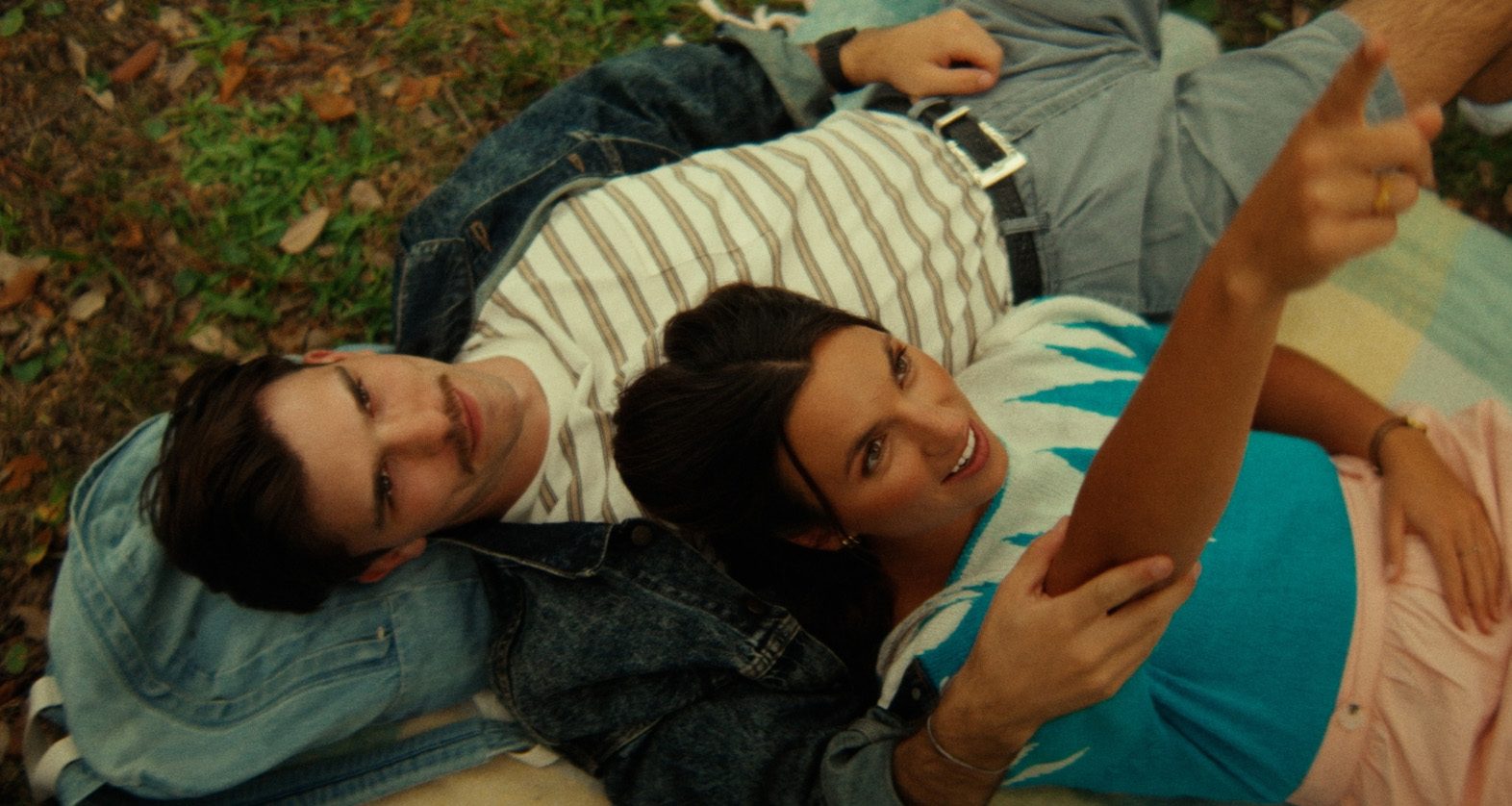
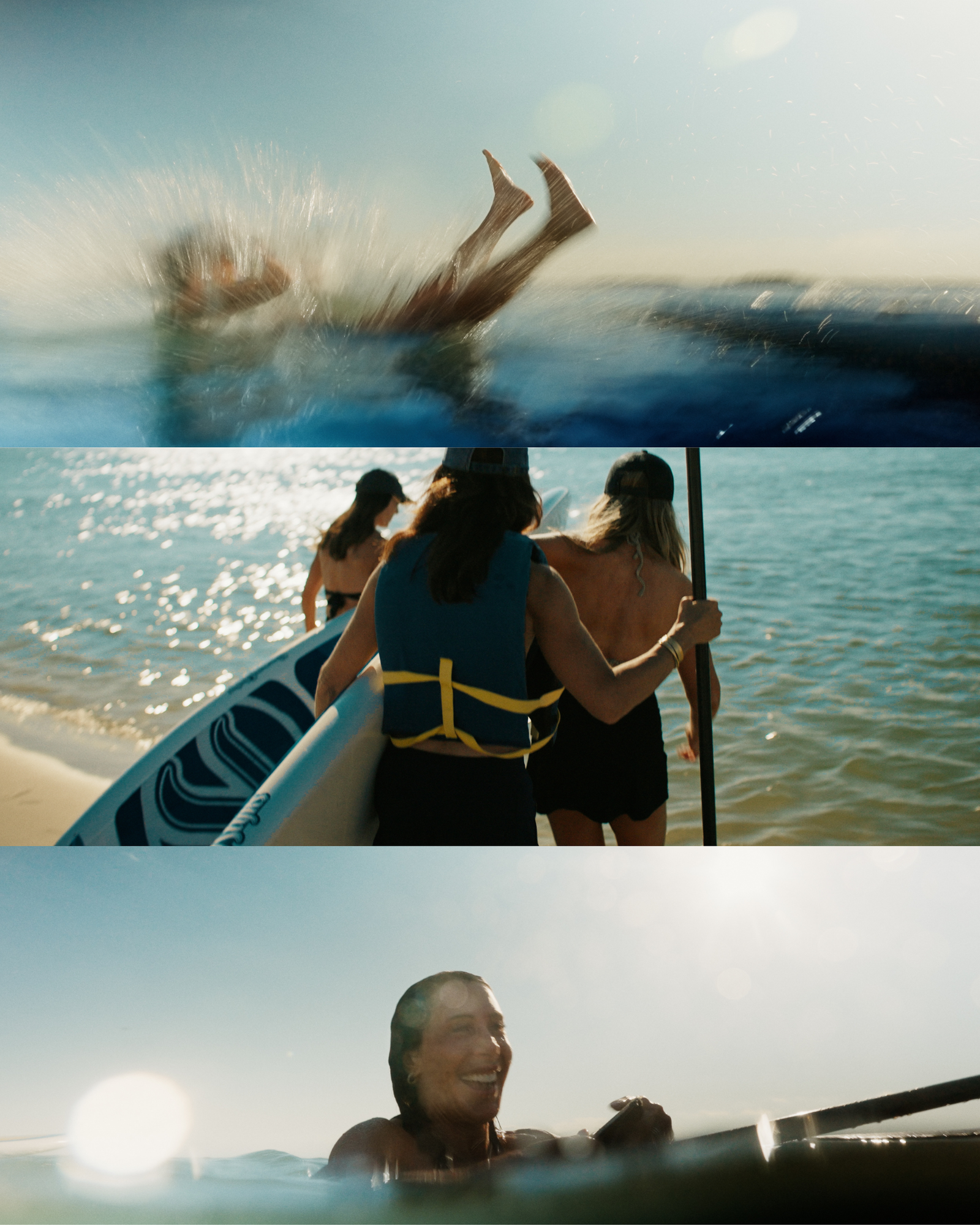
A prime example of this meticulous execution is evident in "Remember How to Play," a branded film directed by Coats. The project aimed to capture the essence of friends reconnecting with a childlike sense of freedom during a bicycle trip. Coats knew instinctively that the visuals should eschew a clinically perfect or overly polished aesthetic. Instead, she envisioned a film that felt warm, fleeting, and imbued with a deep sense of nostalgia.
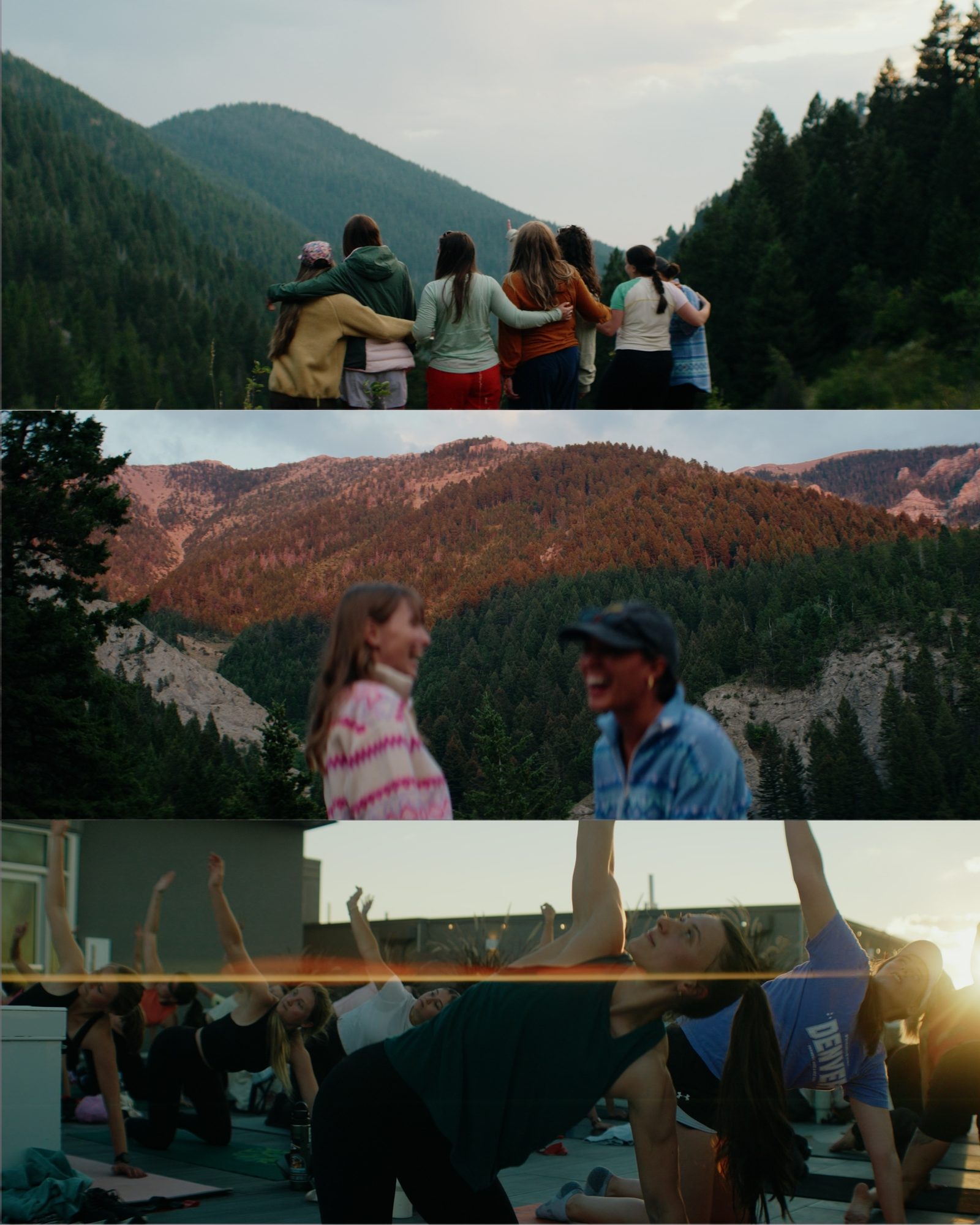
Working closely with her talented cinematographer, Josh Bernales, the duo embarked on a detailed equipment selection process. Their solution involved renting a set of DZO Vespid lenses, renowned for their organic rendering and subtle imperfections, and pairing them with Pearlescent and Black Pro-Mist filters. This combination was chosen specifically to evoke a soft, dreamlike quality that would transport viewers into a cherished memory.
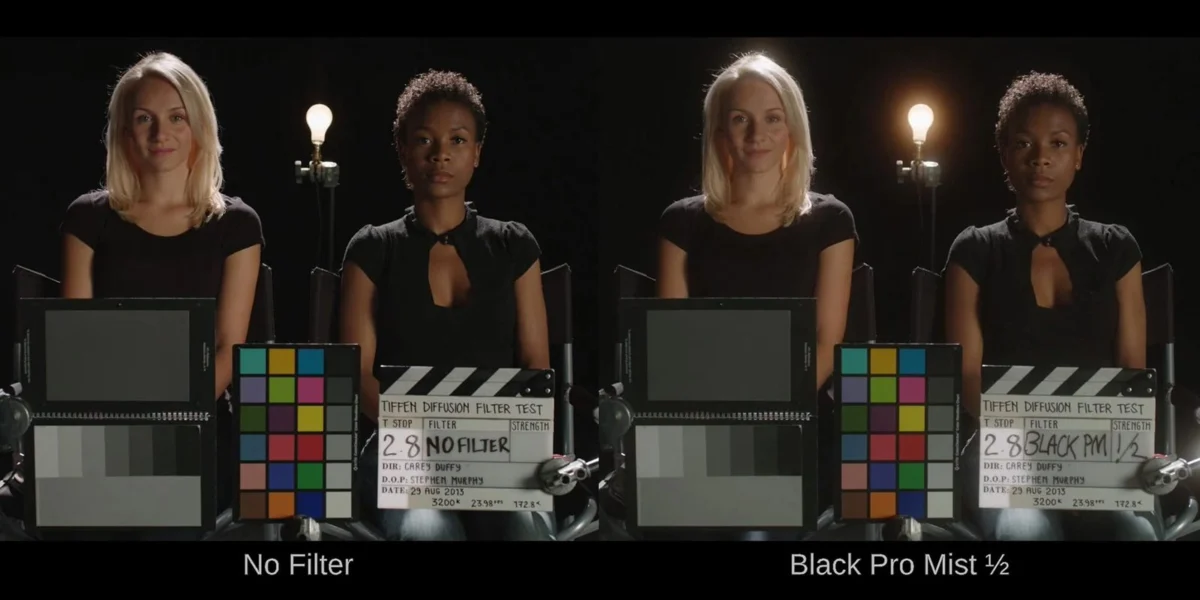
Coats elaborates on the technical rationale: "The Vespids have a softer, more organic rendering compared to ultra-sharp modern commercial glass. Pairing them with the filters softened the image even further by blooming highlights, gently lifting contrast, and creating this dreamy glow around sunlight and practical lights. Altogether, the image started to feel less digital and more nostalgic." The DZO Vespid series, celebrated for its vintage aesthetic and warm color rendition, combined with diffusion filters like Pearlescent (which softens highlights and lowers contrast) and Black Pro-Mist (which adds a subtle halation and further softens the image), achieved precisely the desired effect. The resulting visuals were not merely technically competent but served as a direct conduit to the film’s emotional heart, wrapping the audience in a blanket of warm reminiscence. Cinematographer Josh Bernales has lauded Coats’ precise vision, noting that "her clarity on the emotional outcome allows us to make highly technical choices that serve the narrative beautifully. It’s a true partnership."
Empowering Creative Freedom Through Equipment Rental
The ability to consistently achieve these highly customized visual languages without the prohibitive cost of purchasing expensive, niche equipment for every single shoot has been made possible for Coats through her long-standing partnership with Lensrentals.com. For the past five to six years, this service has been an indispensable resource, providing her with access to a massive inventory of cutting-edge and specialized cinematic tools.
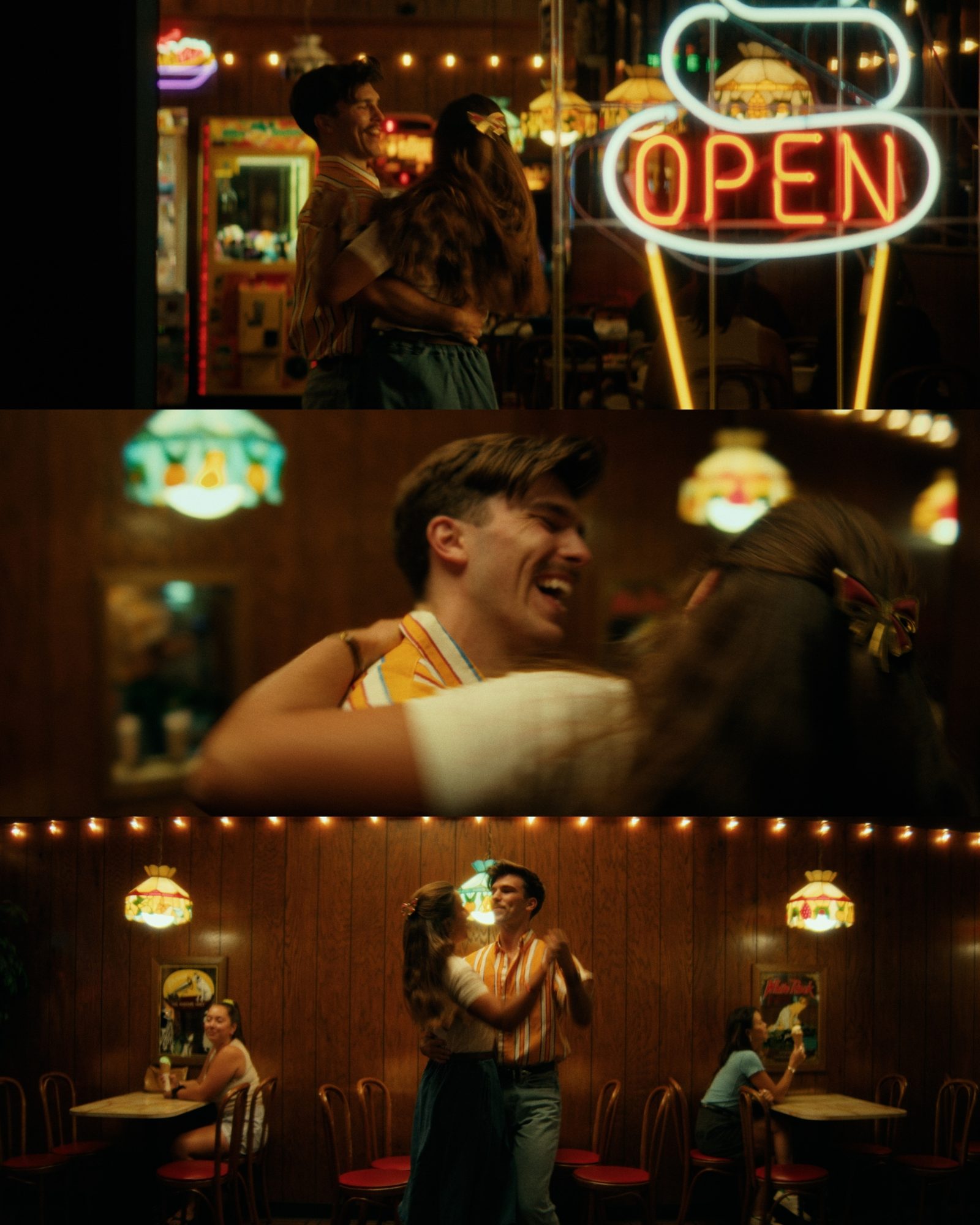
The equipment rental market has seen substantial growth, becoming a cornerstone for independent filmmakers and production companies seeking flexibility and cost-efficiency. Global market analyses indicate that the film and video equipment rental market is projected to reach over $7 billion by 2027, driven by increasing content production and the need for specialized gear without significant capital investment. For directors like Coats, this accessibility means never having to compromise on her creative vision due to equipment limitations.
Whether a commercial demands a stylized, cinematic look using anamorphic primes—lenses known for their distinct oval bokeh and wide aspect ratio that evoke classic Hollywood—or a fast-moving documentary requires a lightweight, versatile zoom lens for agile capture, Lensrentals provides the flexibility to acquire the exact tools needed. This strategic approach ensures that her work continuously stands out in a competitive industry.
"Lensrentals has allowed me to say ‘yes’ to bigger, more specific creative ideas without being limited by the gear I personally own," Coats affirms. "I’m not approaching every project with the same visual language; I’m building a look that’s intentional to the story, the brand, and the feeling we want the audience to walk away with." This sentiment is echoed by industry experts, who note that access to diverse equipment portfolios through rental houses democratizes high-end filmmaking, empowering creators to achieve premium production values regardless of their personal gear locker. A spokesperson for Lensrentals commented, "Our mission is to empower filmmakers like Jill by providing the tools they need to bring their unique visions to life. We believe that creative freedom shouldn’t be constrained by equipment ownership, and Jill’s innovative use of diverse optics perfectly illustrates that principle."
Broader Implications for the Advertising and Film Industries
Jill Coats’ methodology carries significant implications for both the advertising and broader film industries. For brands, her approach offers a pathway to deeper consumer engagement and increased brand loyalty by transforming transactional messaging into authentic, emotionally resonant narratives. In an era where consumers value experiences over pure product features, this type of filmmaking builds a lasting emotional connection that transcends fleeting campaigns. This shift ultimately fosters brand advocacy and long-term customer relationships.
For independent filmmakers and aspiring directors, Coats’ journey serves as an inspiring blueprint. It underscores the importance of cultivating a unique artistic voice, mastering the art of communication within a collaborative environment, and strategically leveraging resources like equipment rentals to expand creative possibilities. Her work demonstrates that cinematic ambition is not solely reserved for feature films but can be powerfully applied to commercial content, elevating its perceived value and cultural impact.
Looking ahead, the lines between advertising and cinematic art are likely to continue blurring. As digital platforms proliferate and attention spans evolve, the demand for compelling, high-quality visual storytelling will only intensify. Directors like Jill Coats, who prioritize emotional authenticity and bespoke visual languages, are poised to lead this evolution. Her dedication ensures that marketing campaigns are not merely seen but truly felt, transforming passive viewers into emotionally connected participants.
As One Forty Films continues to scale and undertake even larger commercial endeavors, Coats’ childhood enthusiasm, born from early experiments with a tape-based camcorder, remains remarkably intact. Armed with an elite crew, a deeply collaborative spirit, and the precise right "glass" for every narrative, she is exceptionally positioned to keep pushing the boundaries of what brand storytelling can achieve. For this visionary Denver director, the overarching goal remains elegantly simple: to create fewer ads and more films—stories that resonate profoundly and stay with audiences long after the screen fades to black. Her partnership with Lensrentals.com continues to be a testament to this commitment, enabling her to consistently deliver unique and unforgettable cinematic experiences.