
The world of high-speed action photography, particularly within the adrenaline-fueled crucible of MotoGP, has long been the undisputed domain of cameras engineered for raw speed: rapid-fire frame rates, lightning-fast autofocus, and robust buffering capabilities. Introducing a large-format camera like the Fujifilm GFX100S II into this environment is, on paper, an audacious, perhaps even foolhardy, endeavor. The GFX system, with its colossal 102-megapixel sensor, is fundamentally designed for unparalleled image fidelity, tonal depth, and resolving power – attributes traditionally prioritized in studio, landscape, and portraiture work, not the blink-and-you-miss-it spectacle of motorcycle racing. Yet, the inherent challenge of pushing a tool beyond its conventional boundaries to achieve extraordinary results holds a profound satisfaction for skilled practitioners. A camera, at its core, is an instrument, and a proficient photographer possesses the adaptability to master varied methodologies, even when deploying what might initially seem like the "wrong" tool. This exploration delves into a real-world test of the Fujifilm GFX100S II at the Circuit of the Americas (COTA) during a MotoGP weekend, examining its performance, limitations, and surprising triumphs in an arena where speed usually reigns supreme.
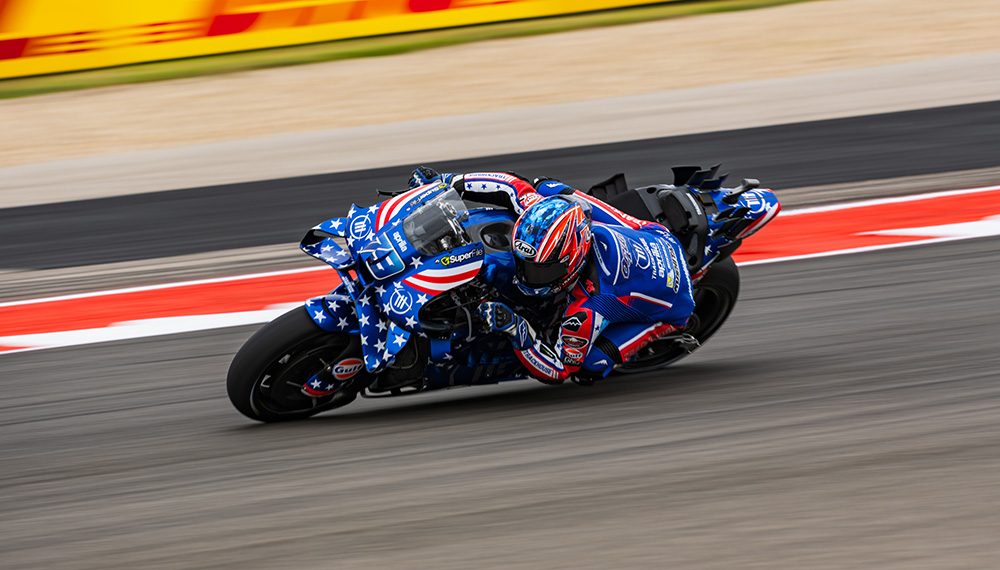
The Demanding Canvas: MotoGP at Circuit of the Americas
MotoGP represents the zenith of motorcycle road racing, a global spectacle where elite riders push purpose-built machines to their absolute limits, reaching speeds exceeding 220 mph (350 km/h) and navigating complex corner sequences with breathtaking precision. Capturing these fleeting moments requires not only technical mastery of photographic equipment but also an intimate understanding of the race, the track, and the riders’ lines. The Circuit of the Americas, located in Austin, Texas, is a prime example of a modern, challenging racetrack. Known for its dramatic elevation changes, particularly the steep uphill run to Turn 1, and a diverse array of corners ranging from fast esses to tight hairpins, COTA offers a rich tapestry of photographic opportunities. However, its expansive nature and the sheer velocity of the bikes demand gear capable of sustained, high-performance capture. For a photographer intimately familiar with COTA – having covered everything from regional track days to Formula 1 and MotoAmerica events – this "home court advantage" proved invaluable. This deep familiarity with every corner, marshal post, and optimal shooting angle allowed for the deliberate, considered shot composition that a medium format camera like the Fujifilm GFX100S II inherently demands. Understanding where a rider will apex, how the light will fall, and anticipating the critical moment becomes paramount when your buffer capacity is measured in seconds rather than prolonged bursts.
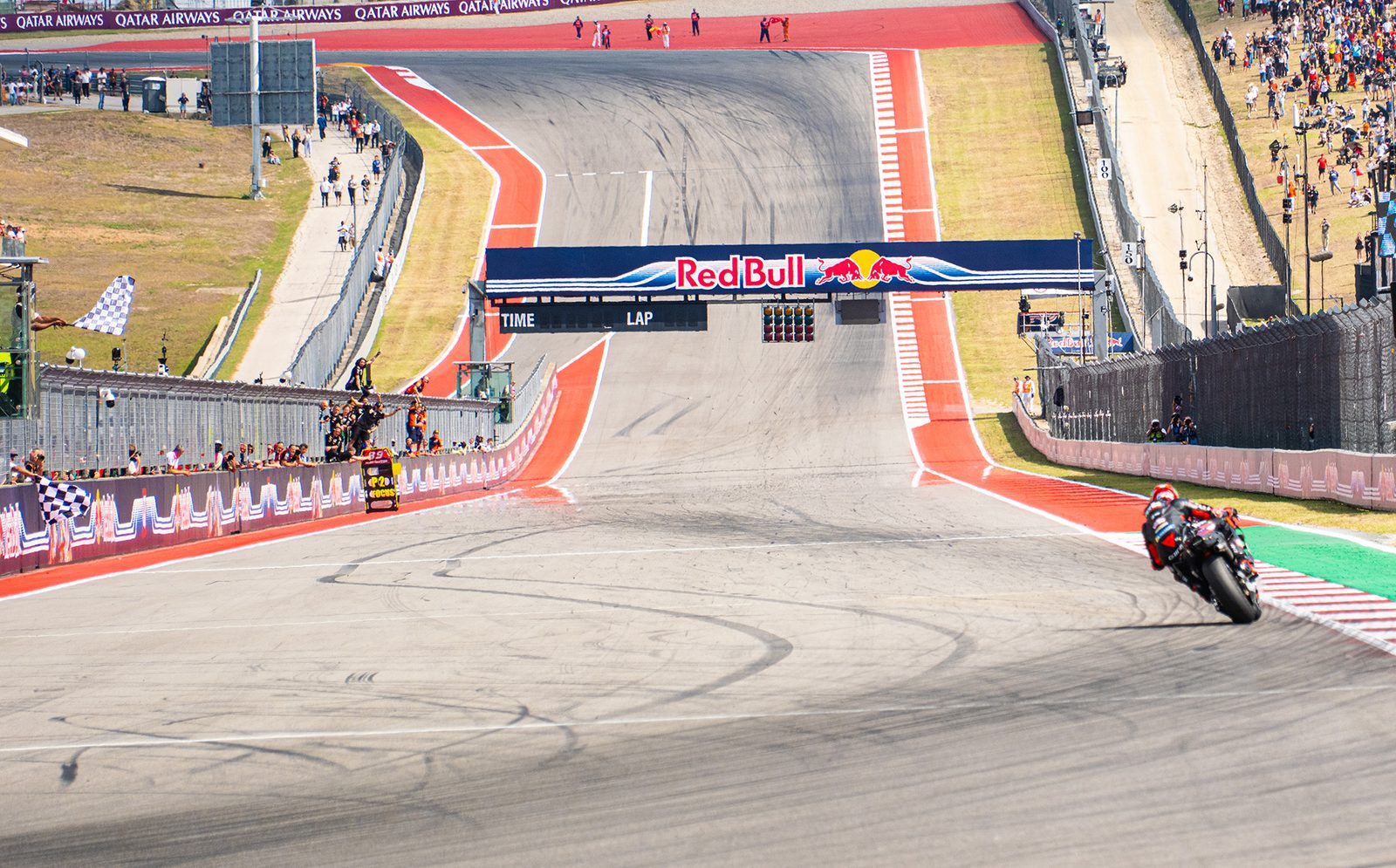
The Gear Showdown: GFX100S II vs. X-H2S
To properly evaluate the GFX100S II’s capabilities in this demanding environment, it was benchmarked against a known quantity: the Fujifilm X-H2S. The X-H2S stands as Fujifilm’s flagship X-series camera, purpose-built for speed and action. Its core specifications include a 26.1-megapixel APS-C stacked BSI CMOS sensor paired with the powerful X-Processor 5, enabling blazing-fast continuous shooting at up to 40 frames per second (fps) with the electronic shutter and a respectable 15 fps with the mechanical shutter. Crucially for motorsports, its advanced subject-detection autofocus system can tenaciously lock onto and track motorcycles and riders, delivering an impressively high hit rate in dynamic situations.
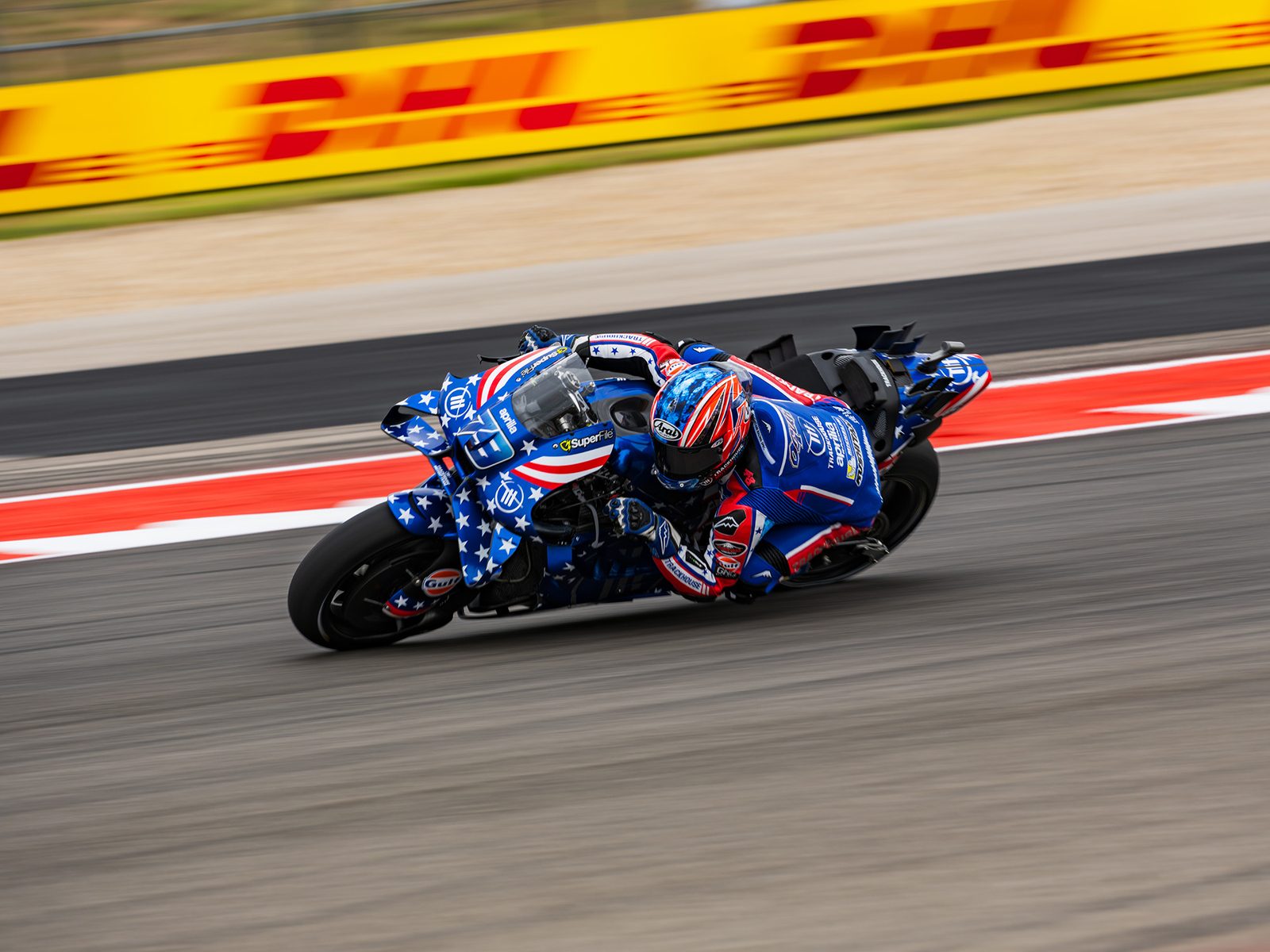
In stark contrast, the Fujifilm GFX100S II is a different beast entirely. It houses a massive 102-megapixel, 43.8×32.9mm large-format sensor – significantly larger than a full-frame sensor, let alone APS-C. This sensor, also driven by the X-Processor 5, is designed to capture an extraordinary amount of detail and boasts an exceptional dynamic range and tonal rendition. While it offers a maximum mechanical shutter speed of 7 fps, this figure immediately highlights its divergence from the speed-oriented X-H2S. The fundamental trade-off is clear: the X-H2S prioritizes speed and volume, while the GFX100S II champions ultimate image quality and resolution. The test across the full MotoGP weekend aimed to explore whether the GFX100S II could bridge this gap, even partially, or if its unique strengths would carve out a distinct, albeit specialized, role within high-speed event coverage.
Seamless Integration: Setup and Ergonomics Across Systems

One of Fujifilm’s notable strengths is its commitment to a consistent user experience across its diverse camera lines. This shared menu logic and ergonomic philosophy proved a significant advantage during the GFX100S II’s deployment. Configuring the GFX100S II to mirror the photographer’s established X-H2S workflow was remarkably straightforward, minimizing the learning curve in a time-sensitive environment. The photographer typically utilizes custom settings (C1 and C2) in shutter priority mode for trackside action, with a dedicated Function (FN) button mapped to C1 recall for instant switching between sharp freezes and motion pans. C3 is reserved for aperture priority, ideal for the more controlled pace of paddock and grid work, while C4 and C5 hold video presets (though video capabilities were not part of this specific test). The GFX100S II thoughtfully accommodates six custom positions on its mode dial, facilitating a clean and intuitive replication of this workflow. A minor ergonomic difference was noted in the FN button layout – the GFX100S II features two on top, contrasting with the X-H2S’s additional body-side button typically mapped to subject-detection AF. Despite this minor adjustment, the overall familiarity allowed for rapid adaptation.
For lens selection, a deliberate decision was made to commit to a single piece of glass for the GFX100S II test: the Fujifilm GF 100-200mm F5.6 R LM OIS WR. Given the GFX system’s 0.79x crop factor relative to a 35mm full-frame equivalent, this lens provided an effective field of view approximately ranging from 79-158mm. This focal range handled remarkably similarly to the Fujifilm XF 50-140mm F2.8 on the X-H2S (which has a 1.5x crop factor, making the XF 50-140mm equivalent to 75-210mm full-frame), proving versatile enough to cover a wide array of situations, from capturing bikes hurtling down the main straight to intimate moments in the paddock.
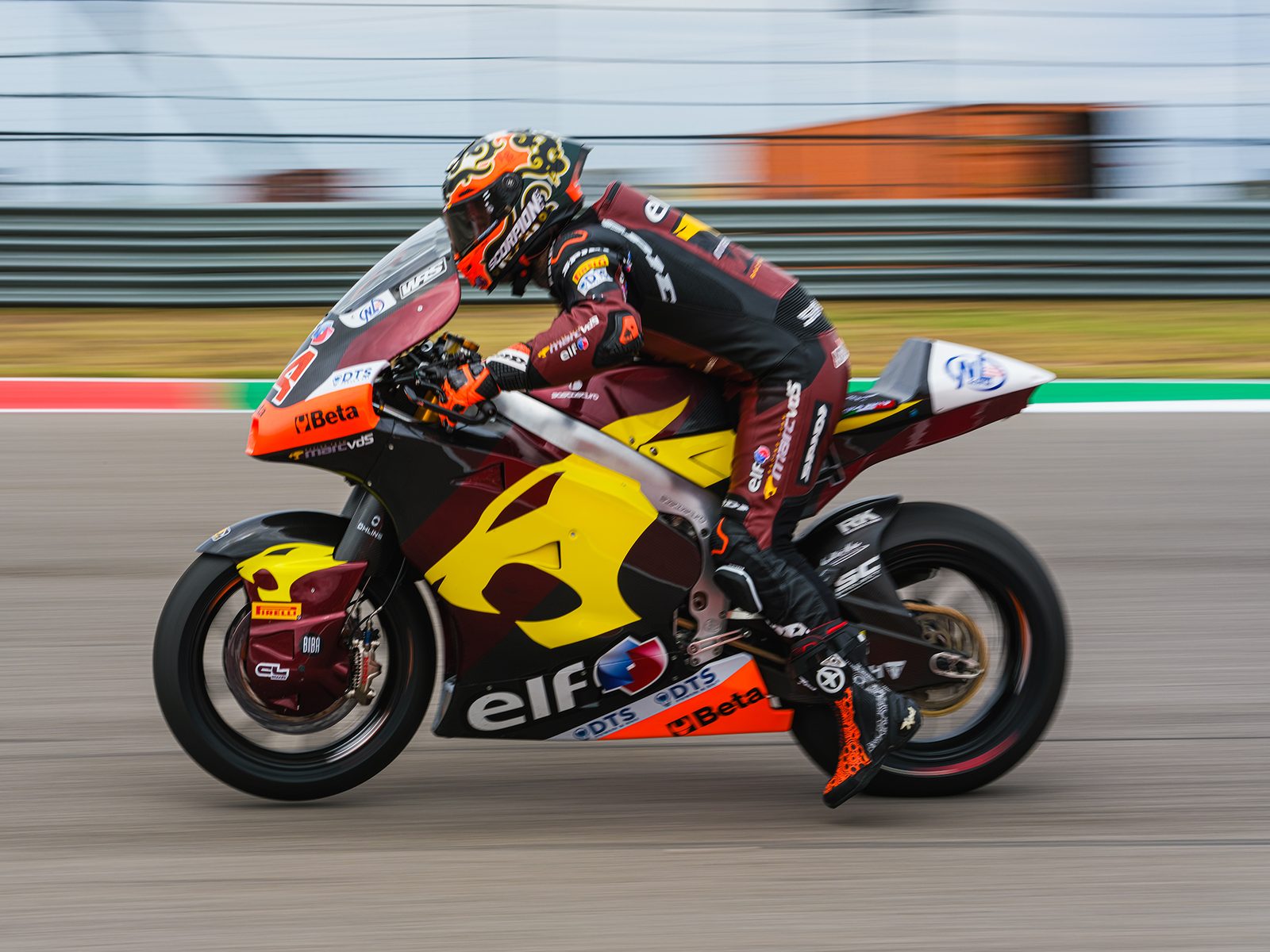
Autofocus Performance: A Nuanced Evaluation
The most significant concern heading into the MotoGP weekend was undoubtedly the GFX100S II’s autofocus performance under the relentless demands of race conditions. Medium format cameras have historically lagged behind their smaller-sensor counterparts in AF speed and tracking capabilities. However, the GFX100S II represents a notable leap forward, boasting a significantly improved AF algorithm over its predecessor. Crucially, it incorporates deep-learning AI for subject detection, officially supporting motorcycles and bikes – a feature directly relevant to this test.
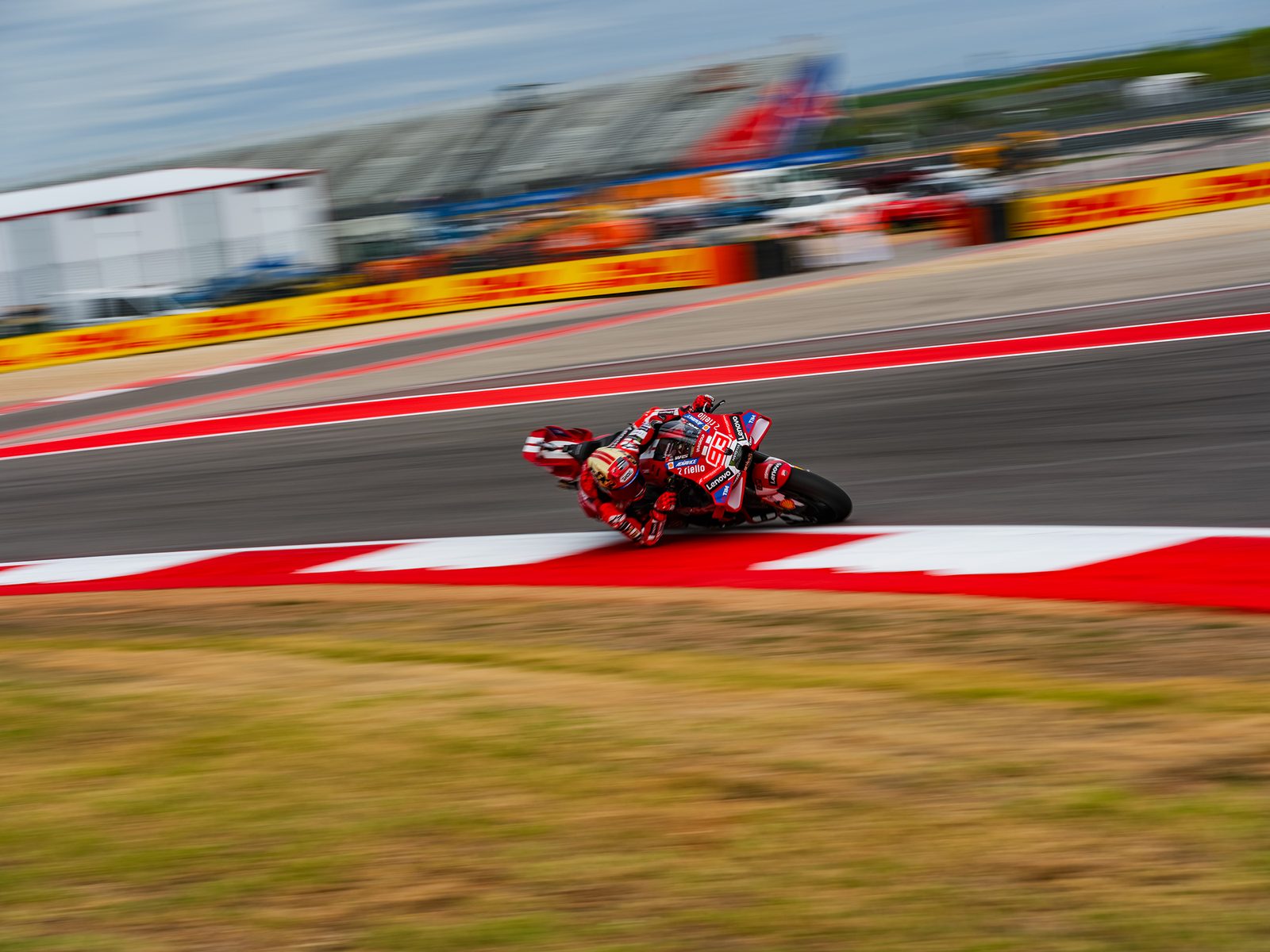
In practical application, the AF system surpassed initial conservative expectations. It demonstrated reasonable reliability in tracking riders through sweeping corners and across dynamically changing backgrounds. The camera’s ability to acquire and maintain focus on fast-moving subjects was more consistent than previous GFX iterations. However, when directly compared to the X-H2S, even with identical AF-C settings, the GFX100S II exhibited a tangible difference. It wasn’t as "sticky" – meaning its ability to cling to a subject through complex movements or momentary obstructions – and felt a step behind in overall response time and subject retention. Hit rates in the most demanding sequences, such as high-speed braking zones or when riders rapidly entered the frame from the periphery, were noticeably lower. While both cameras share the advanced X-Processor 5 engine, the GFX’s larger sensor and different optical system likely contribute to this marginal but real gap in performance. This isn’t to say the GFX100S II is "slow" in an absolute sense, but in a high-volume, high-speed professional environment where fractions of a second matter, the distinction between "reasonable" and "tenacious" becomes critical.
The Buffer Wall: A Strategic Constraint
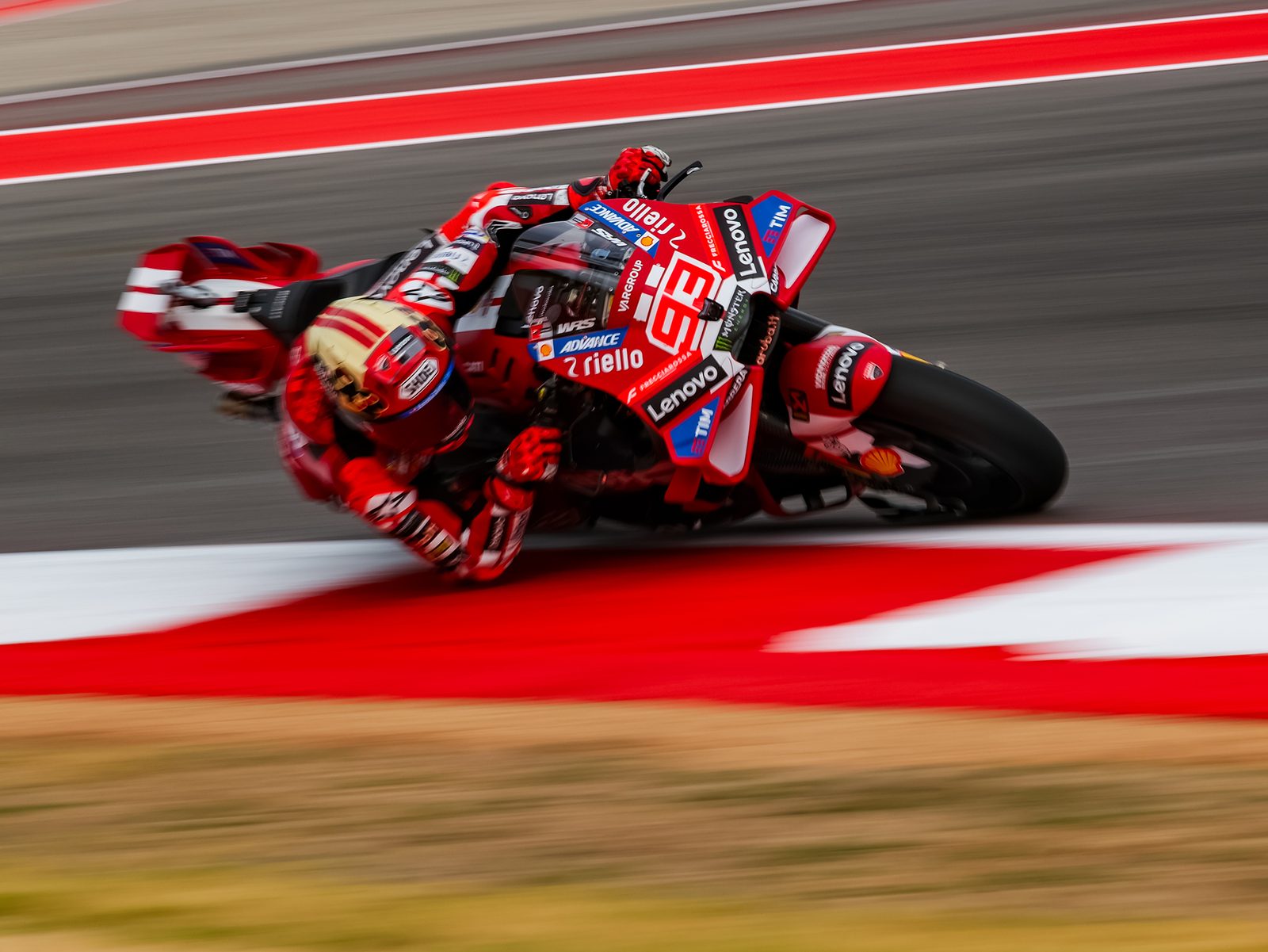
Where the GFX100S II’s practical limitations became most concrete was in its buffer performance. At its maximum mechanical shutter speed of 7 fps, the camera generates enormous RAW files – either 14-bit or 16-bit data from its 102-megapixel sensor. Even when paired with fast UHS-II memory cards, the buffer fills rapidly. Shooting lossless-compressed RAW files at 7 fps yields approximately 19 frames before a noticeable slowdown occurs. Opting for uncompressed RAW further reduces this capacity to around 16 frames. While compressed RAW offers a more generous ~30 frames, photographers are still looking at under five seconds of sustained burst shooting before the camera needs to "catch its breath" as data is written to the card.
This inherent limitation profoundly alters the photographer’s approach. It effectively eliminates the "spray and pray" technique common in sports photography, where photographers capture long bursts to ensure they don’t miss the decisive moment. Instead, the GFX100S II mandates a more deliberate, strategic methodology. Photographers must become adept at reading the race, anticipating the precise apex, the lean angle, or the subtle shift in a rider’s posture that defines the perfect shot. It transforms photography into a disciplined act of commitment rather than volume. While this approach can cultivate a more thoughtful photographic eye, it undeniably represents a significant operational constraint in a fast-moving environment where a rider’s perfect apex moment can last a mere fraction of a second. The ability to precisely time the shutter release becomes paramount, and there’s less room for error or second chances.
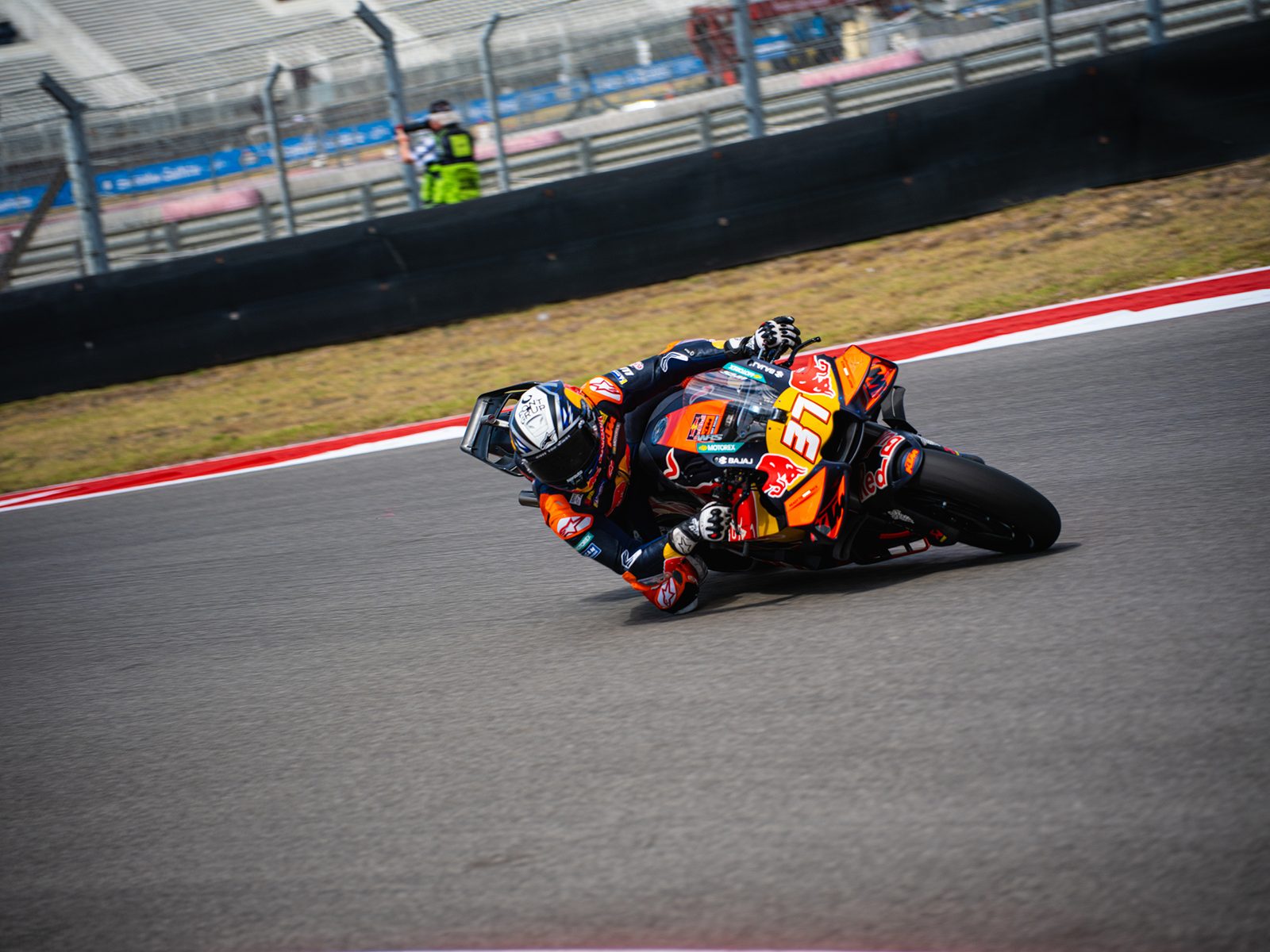
Image Quality: The GFX100S II’s Unmatched Dominance
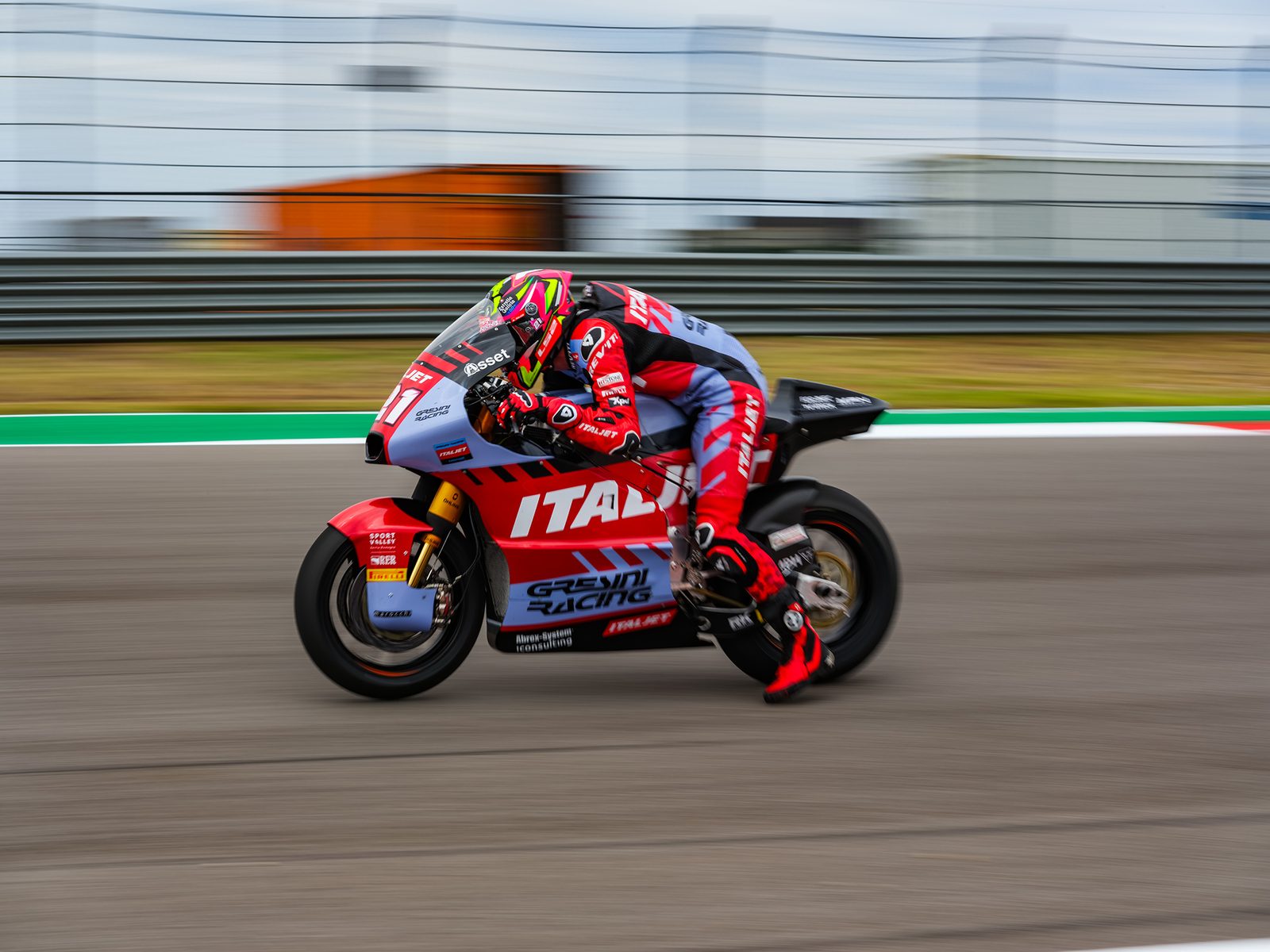
Setting aside the operational limitations, the image quality delivered by the Fujifilm GFX100S II exists in a league of its own. The 102-megapixel sensor, featuring redesigned microlenses, produces files with an astonishing depth of tone, a three-dimensional quality in color gradation, and a resolving power that is simply unparalleled across the rest of the Fujifilm lineup, and indeed, from most full-frame or APS-C systems. The sheer physical size of the sensor, measuring 55mm diagonally, is a key factor. This larger surface area allows for larger photosites, which in turn capture more light information, resulting in superior dynamic range, lower noise at higher ISOs, and a unique rendering of depth and separation between subjects and backgrounds that cannot be replicated in smaller formats.
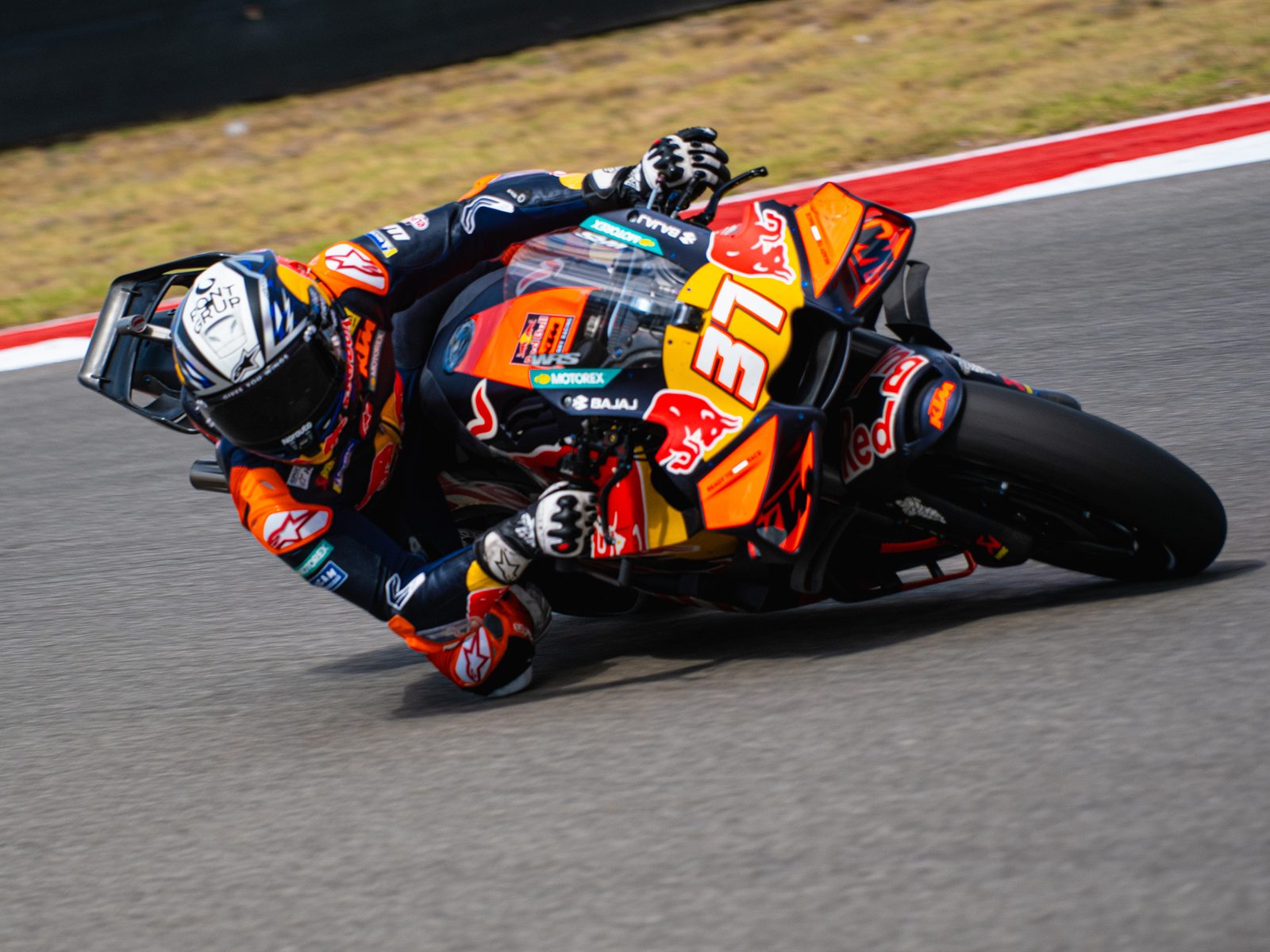
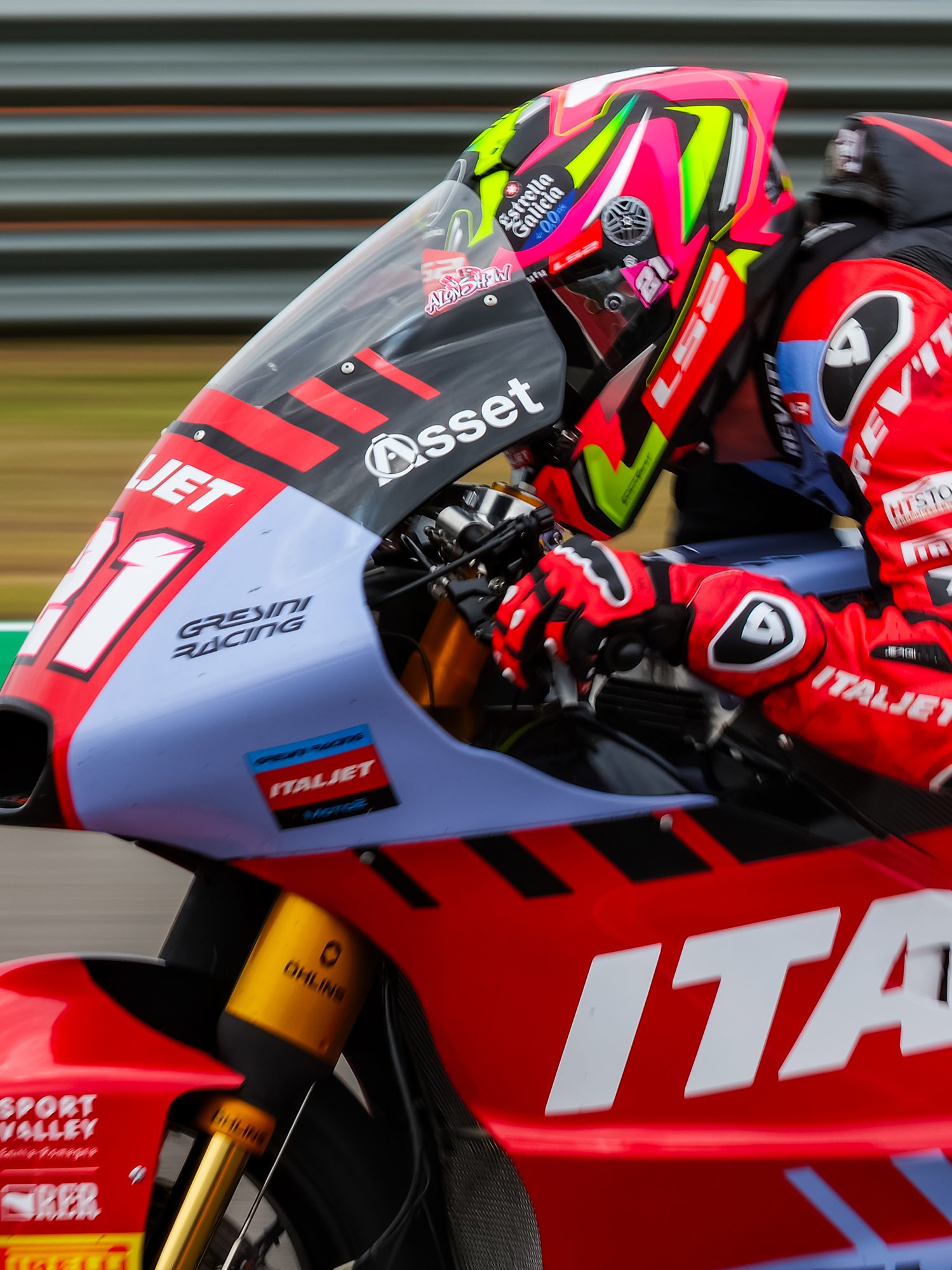
What was particularly striking was the discrepancy between the image viewed on the camera’s rear screen and its true potential when loaded onto a high-resolution display, such as a 27-inch Studio Display. On the camera, a shot might appear "fine"; in Lightroom, the image "opens up entirely," revealing an incredible level of detail: intricate textures in riders’ leathers, the shimmering heat emanating from exhaust pipes, and individual crowd members rendered sharply in backgrounds that were initially assumed to be indistinct. This revelation underscores the GFX100S II’s capability for producing truly expansive and immersive images. The sensor’s native ISO 80 as its standard minimum sensitivity is another significant advantage, enabling the capture of 16-bit images with remarkably wide dynamic range, even in the often high-contrast conditions of a bright race circuit. This extended dynamic range provides immense flexibility in post-production, allowing for significant highlight and shadow recovery without introducing artifacts.
Furthermore, the camera’s integrated 5-axis in-body image stabilization (IBIS) system, rated at an impressive 8.0 stops – the most powerful IBIS Fujifilm has incorporated into a GFX body – proved indispensable. This robust stabilization made handheld work in the paddock and on the grid fluid and confident, particularly when utilizing the longer end of the GF100-200mm lens, ensuring maximum sharpness even at slower shutter speeds.

The Paddock: Where the GFX100S II Truly Shines
While trackside shooting demanded a more strategic and disciplined approach, away from the high-speed action, the Fujifilm GFX100S II transformed into an absolute joy to use. In the paddock, on the starting grid, or during the celebratory post-race podium ceremonies, the camera found its natural habitat. In these environments, where subjects are either static or moving at a more deliberate pace, the GFX100S II excelled. The photographer could frame shots thoughtfully, trusting the improved autofocus on static and slow-moving subjects, and confident in the knowledge that whatever was captured possessed an extraordinary resolution. This massive resolution provides unparalleled post-production flexibility. Imagine a tight portrait of a rider on the grid, initially captured as a wider shot, but then cropped dramatically in post-production to focus solely on their eyes above the visor – the GFX100S II handles such an extreme crop without sacrificing resolution or introducing pixelation. This level of creative freedom in post-production is genuinely liberating, allowing for reframing and storytelling possibilities that are simply not achievable with lower-resolution sensors. The ability to pull out minute details from a broader scene, such as sponsor logos, equipment textures, or the expressions of team members, adds a layer of depth and journalistic value to the images.
Broader Implications and Final Verdict
This experiment at COTA with the Fujifilm GFX100S II challenges conventional wisdom in sports photography. It demonstrates that while speed remains paramount for capturing the peak action, there is a significant and valuable role for cameras that prioritize ultimate image quality, even in traditionally speed-dominated genres. The GFX100S II, with its enhanced autofocus and robust IBIS, pushes the boundaries of what medium format systems are capable of, making them more versatile than ever before. This versatility opens new creative avenues for photographers seeking to differentiate their work with unparalleled detail and tonal richness. It suggests a future where professional sports photographers might increasingly adopt a multi-camera strategy, utilizing speed-focused bodies for the primary action and high-resolution medium format systems for specific, high-impact moments that demand maximum fidelity.
The GFX100S II is, without question, a special camera. Spending a weekend with it at COTA made a compelling case for adding it to a professional kit – not as a replacement for high-speed workhorses like the X-H2S bodies, but as a deliberate and powerful complement. For genres like landscape, portraiture, studio, fashion, and editorial work, it would be difficult to find a more capable tool in this form factor. Weighing in at a relatively light 883g with battery and card, it is also the lightest 102-megapixel body Fujifilm has produced, a practical consideration for photographers carrying gear all day.
At the racetrack, the GFX100S II serves a very specific, strategic role: a secret weapon, a third body deployed for those critical moments when speed is secondary, and absolute image quality is paramount. These are the moments of deliberate composition and profound visual impact – the grid walk before the race, the emotional post-race podium celebrations, or the quiet corner where a photographer waits patiently for a single, perfect, evocative shot. For these instances, nothing else in the Fujifilm system, or indeed many other systems, comes close to the breathtaking detail and rich tonality that this exceptional sensor produces. However, when the starting lights go out, and the field accelerates through Turn 1 in a blur of speed and sound, the photographer will instinctively reach for the rapid-fire, tenacious X-H2S every single time. The GFX100S II proved its mettle, not by outcompeting its speed-demon cousin, but by defining its own indispensable niche, enriching the overall photographic narrative with an unparalleled depth of detail and artistry.