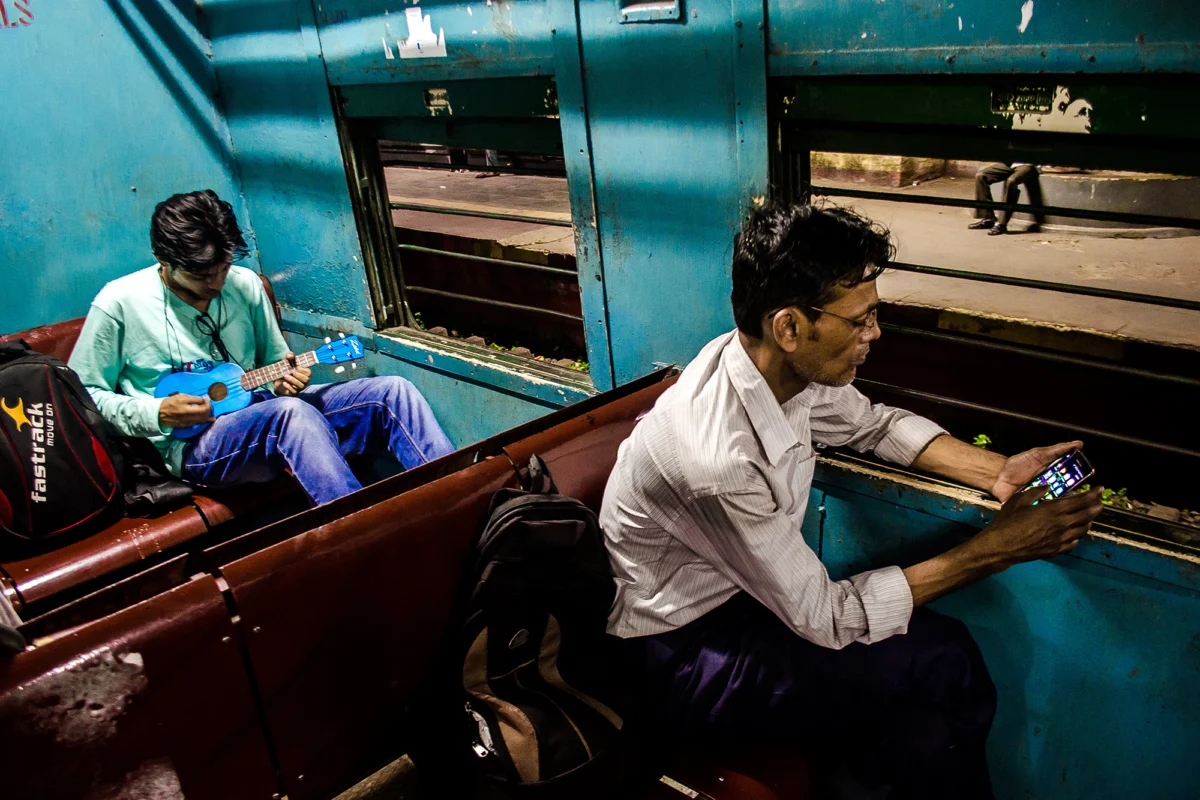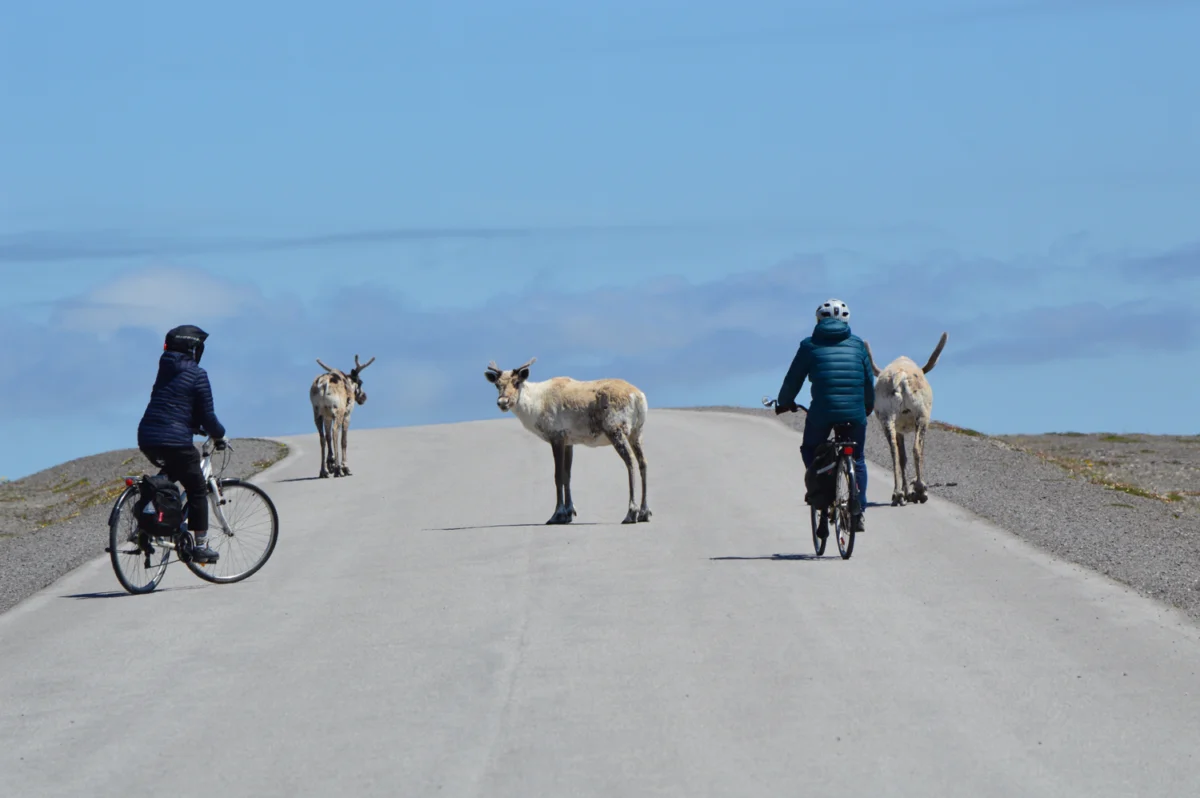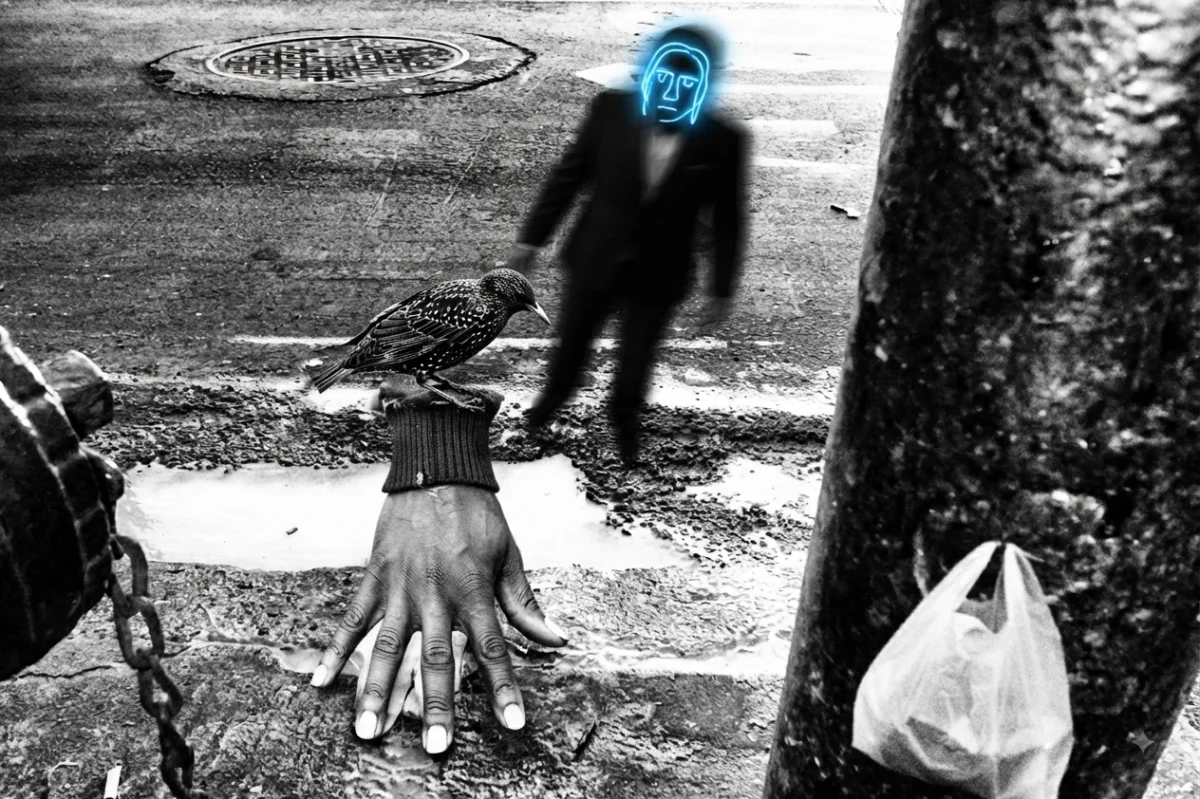
The rapid integration of artificial intelligence (AI) into various facets of modern life is inevitably reshaping the landscape of creative expression, with photography being no exception. Street photography, a genre historically rooted in capturing authentic, unscripted moments of human life, finds itself at a critical juncture as AI tools become increasingly sophisticated and accessible. Photographers, from casual enthusiasts to seasoned professionals, are encountering AI at multiple stages of their workflow, from passive image selection and metadata tagging to advanced editing and even generative retouching. This burgeoning technological integration raises fundamental questions about the definition of photography itself and the ethical considerations surrounding its application in a genre that prioritizes genuine human experience.
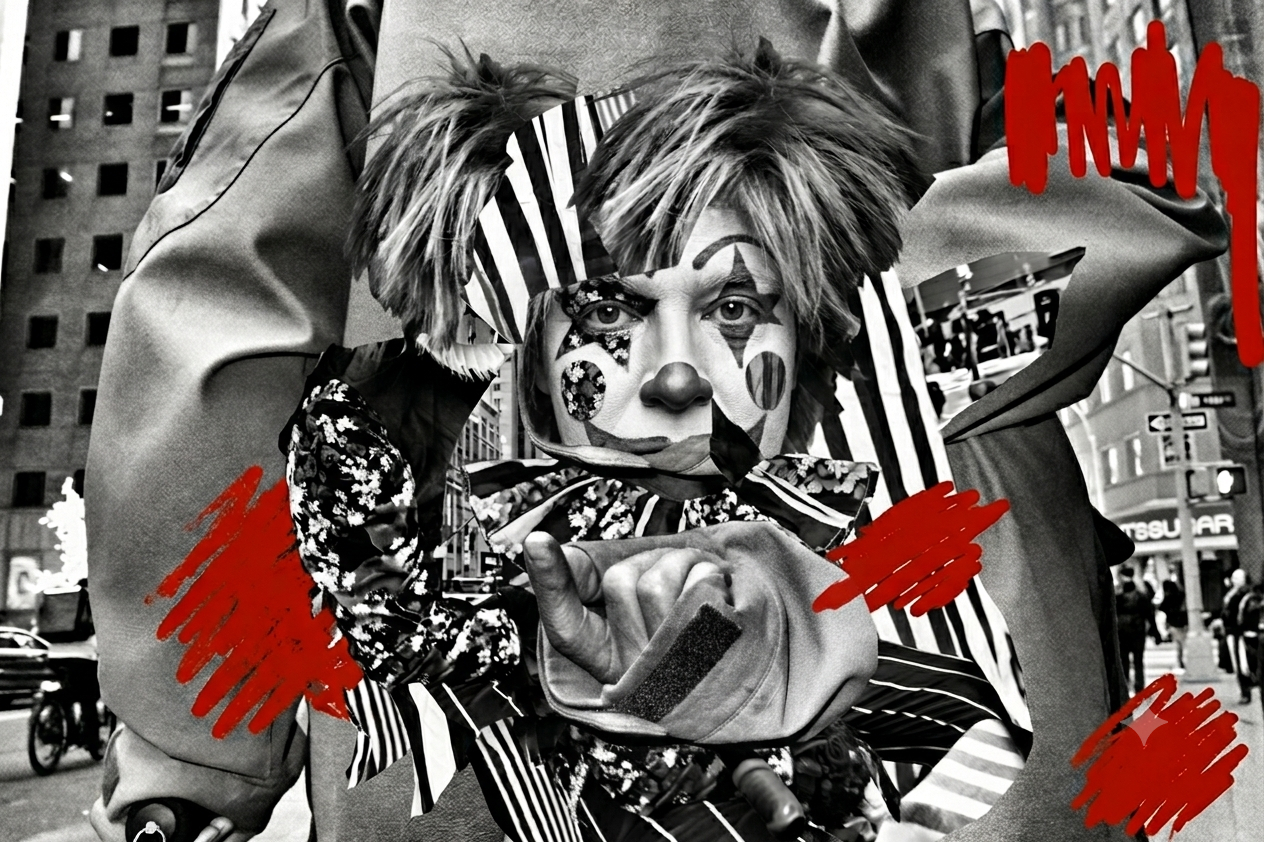
The Core Dilemma: Authenticity vs. Algorithmic Enhancement
At the heart of the debate lies street photography’s profound connection to the documentary tradition. This genre, by its very nature, relies on an unadulterated link between the photographer, the lens, and a specific, physical moment in time. The introduction of AI, particularly in its generative capacities, introduces a new layer of complexity. When AI actively contributes to the creation or alteration of an image, the question arises: does the resulting work still qualify as photography, or does it transcend into a new category, perhaps a form of "promptography"? The ensuing discussion necessitates a careful examination of whether to allow a permeable boundary between human artistry and machine assistance, or to enforce a stricter separation of these distinct creative mediums.
This evolving technological frontier is not unique to photography. The literary world, for instance, is grappling with similar challenges. Numerous publications have begun to reject submissions that show any evidence of AI assistance, a stance that some argue is excessively stringent. Critics of such outright bans question whether this approach is analogous to prohibiting the use of dictionaries, grammar-checking software like Grammarly, or even the internet itself, all of which serve as valuable tools for writers. The historical progression of technology reveals a pattern of initial skepticism followed by eventual integration. The advent of the typewriter and later, the computer, faced similar debates about the "hand-crafted" nature of writing. Today, many AI editing tools can be viewed as sophisticated extensions of existing digital aids, raising the question of where the line between acceptable assistance and generative manipulation should be drawn.
The Human Element in an AI-Assisted World
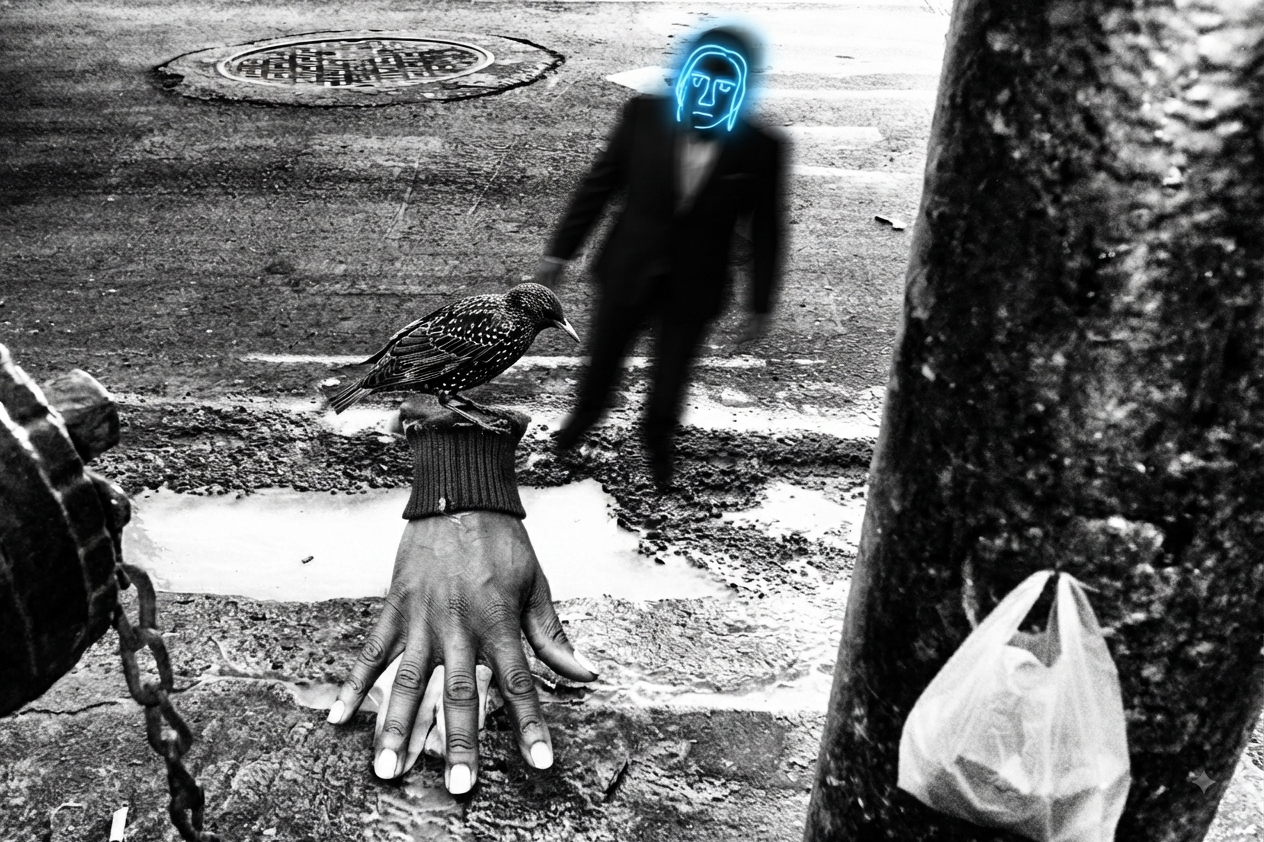
A strong desire to preserve the "human element" in art is a sentiment echoed across various creative disciplines, and this is by no means a detrimental aspiration. Ultimately, whether an essay or a photograph, the product of artistic endeavor should ideally reflect a human creator’s vision and intent. This does not preclude the existence or acceptance of machine-made products, but it suggests a need for clear categorization and transparency. The challenge then becomes defining the precise demarcation between human authorship and machine generation.
Consider the inherent use of AI in modern digital cameras. Autofocus systems, for example, rely on sophisticated algorithms, a form of artificial intelligence. Similarly, automated metadata tagging, a widely adopted and practical feature, is assigned by machine intelligence. Even in what might be considered the "purest" forms of documentary or street photography, an interaction with artificial intelligence is often unavoidable. This ubiquity suggests that a simplistic "to ban or not to ban" framework is insufficient. Instead, the focus must shift towards establishing clear guidelines and guardrails that differentiate between human effort and machine generation. Street photography that leans heavily into predominantly machine-made processes may warrant its own distinct category or require explicit labeling to maintain clarity for the audience.
Transparency and Disclosure: A Necessary Conversation
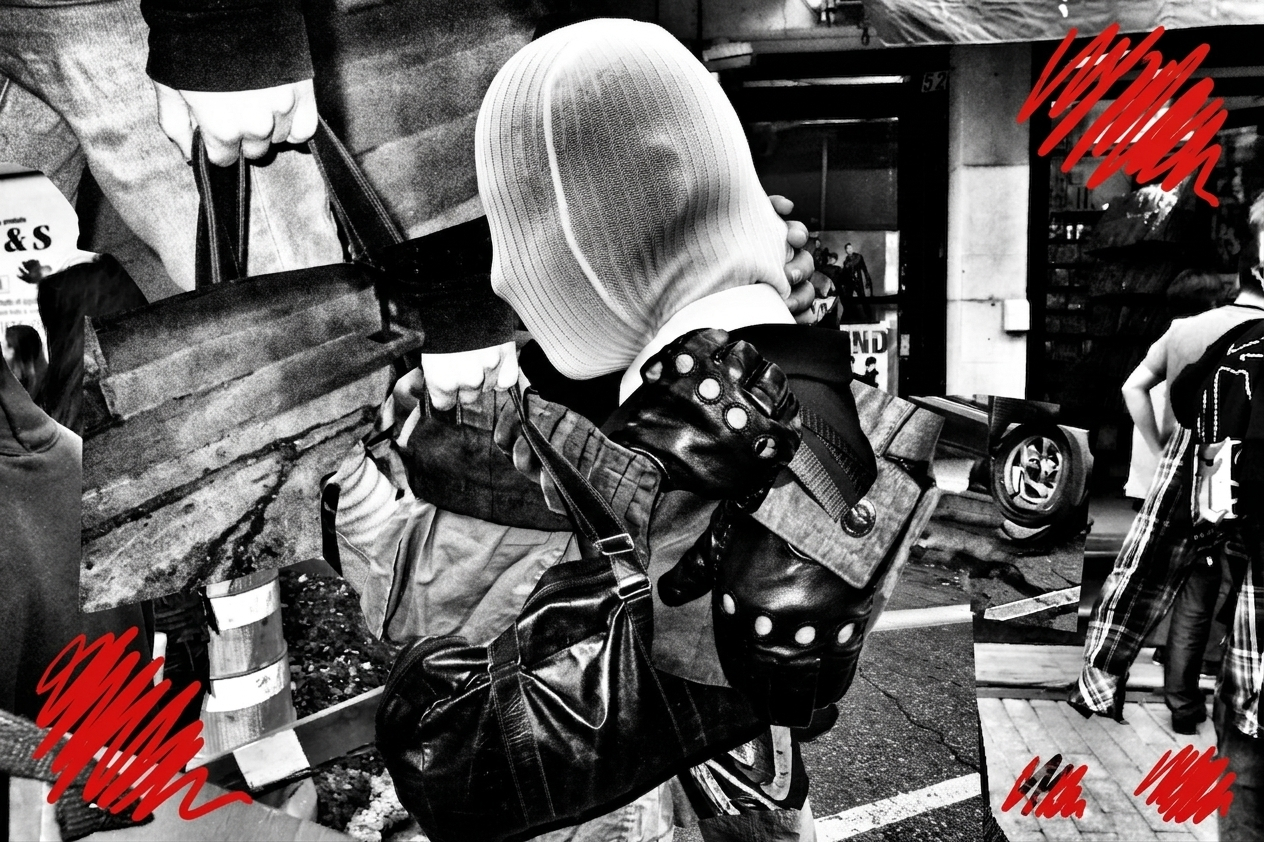
The evolving role of AI prompts a broader conversation about transparency in photographic workflows. Should photographers be required to disclose the extent of their AI usage? Such a demand for transparency might be met with discomfort by many, echoing historical reticence in sharing detailed processes. In the film era, contact sheets provided a glimpse into a photographer’s technical approach, revealing the volume of shots taken to achieve a single successful image. Some photographers consistently produced compelling frames, while others took hundreds of shots to secure one ideal moment. This process was rarely made public.
While digital workflows have replaced analog contact sheets, the inclination to withhold information about discarded frames persists. If a demand for transparency regarding AI usage is to be enforced, it raises the question of whether similar scrutiny should be applied to other aspects of the photographic process. For instance, should the selection of a "decisive moment" from a burst sequence of a hundred frames be subject to the same level of disclosure as AI-generated content? Understanding the context behind an image, including the selection process, can significantly alter its evaluation. Some photographers, like Michael Ernest Sweet, a prominent street photographer and author, advocate for a singular approach, capturing only one frame of a subject. This intentional process contrasts with the methods of those who utilize continuous burst modes to capture a fleeting street scene. Arguably, a comprehensive understanding of the full context behind any photograph enhances its appreciation and critical assessment.
The Inevitability of AI and the Path Forward
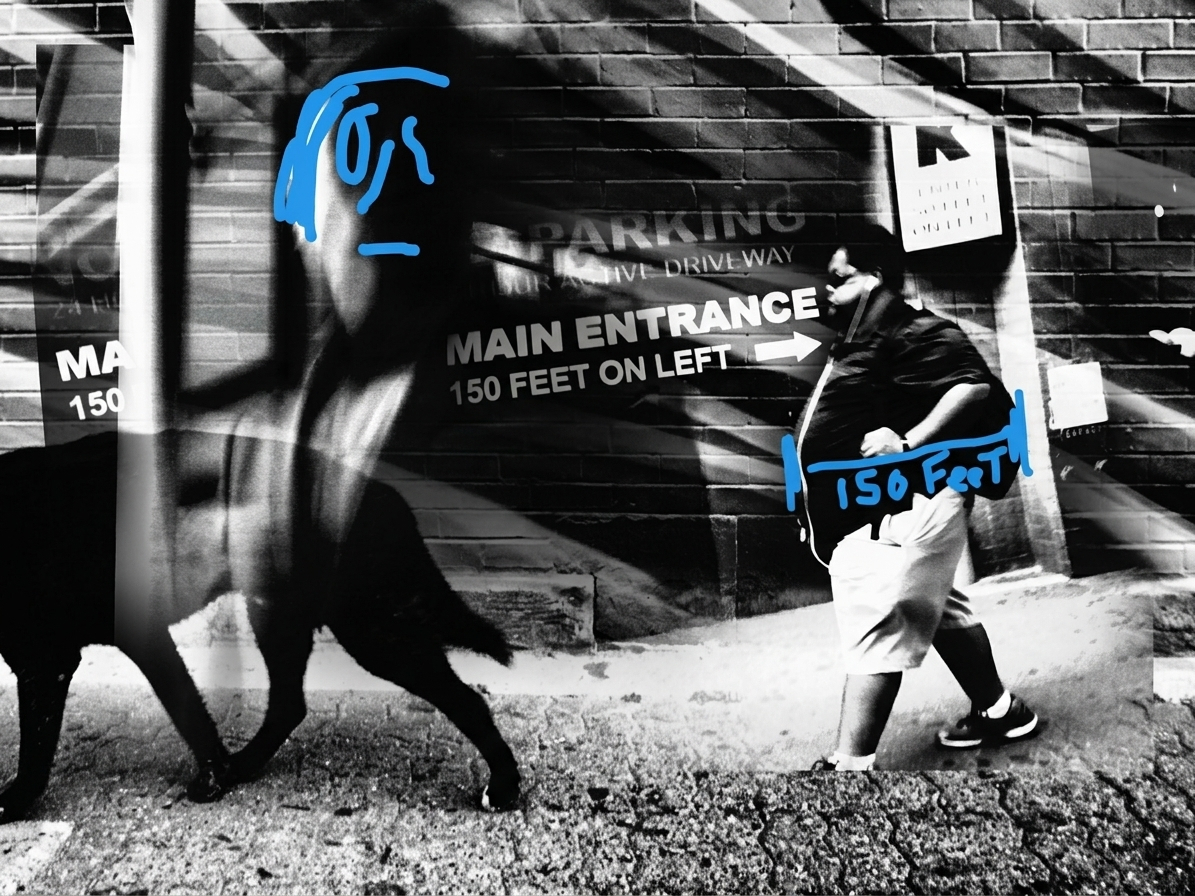
The attempt to outright ban AI in street photography is likely an impractical endeavor. Artificial intelligence is an entrenched technological reality, and its computational assistance in photography is poised to increase. The critical decision facing the street photography community is not whether to prevent AI’s entry, but rather whether to demand radical transparency regarding image creation. If such a demand for transparency is pursued, it should extend beyond AI integration alone. A truly comprehensive disclosure would encompass the entire workflow that contributes to the final photograph, ensuring a consistent standard of openness for all aspects of image production. This principle of "what’s good for the goose is good for the gander" suggests that if one area of process is to be scrutinized, all significant areas warrant similar attention.
The implications of AI in street photography extend beyond artistic definition. It touches upon the very integrity of photographic evidence and its role in societal narratives. As AI-generated imagery becomes more indistinguishable from reality, the potential for misinformation and manipulation grows. Street photography, with its inherent claim to capturing unfiltered reality, is particularly vulnerable to this erosion of trust. Establishing clear ethical guidelines and fostering a culture of open disclosure are paramount to preserving the credibility of the genre and ensuring that technology serves as a tool for enhancement rather than a means of deception. The ongoing dialogue within the street photography community, and indeed across the broader art world, is crucial for navigating this complex technological evolution and defining the future of authentic visual storytelling. The challenge lies in embracing innovation while safeguarding the core values that have long defined this powerful artistic medium.