The ongoing discourse surrounding the definition of street photography, a recurring debate within online photography communities, is fundamentally misdirected. Photographers frequently engage in earnest discussions, attempting to delineate what constitutes a legitimate street photograph. However, this persistent quest for rigid categorization overlooks a more critical element: the creation of compelling and impactful images. The very act of seeking to define the genre is a symptom of a broader challenge within the photographic landscape, one exacerbated by the digital revolution.
The Proliferation of Images and the Crisis of Definition
The advent of digital photography has dramatically altered the volume of visual content produced globally. With an estimated five billion photographs being created daily, the sheer scale of this output has rendered the overarching category of "photography" increasingly unwieldy. This deluge of images necessitates a partitioning of visual art into more manageable segments, leading to the persistent efforts to define distinct genres such as street photography, landscape photography, portraiture, and others. While such definitional exercises can offer some clarity, they also carry significant inherent risks, particularly for the creative process.
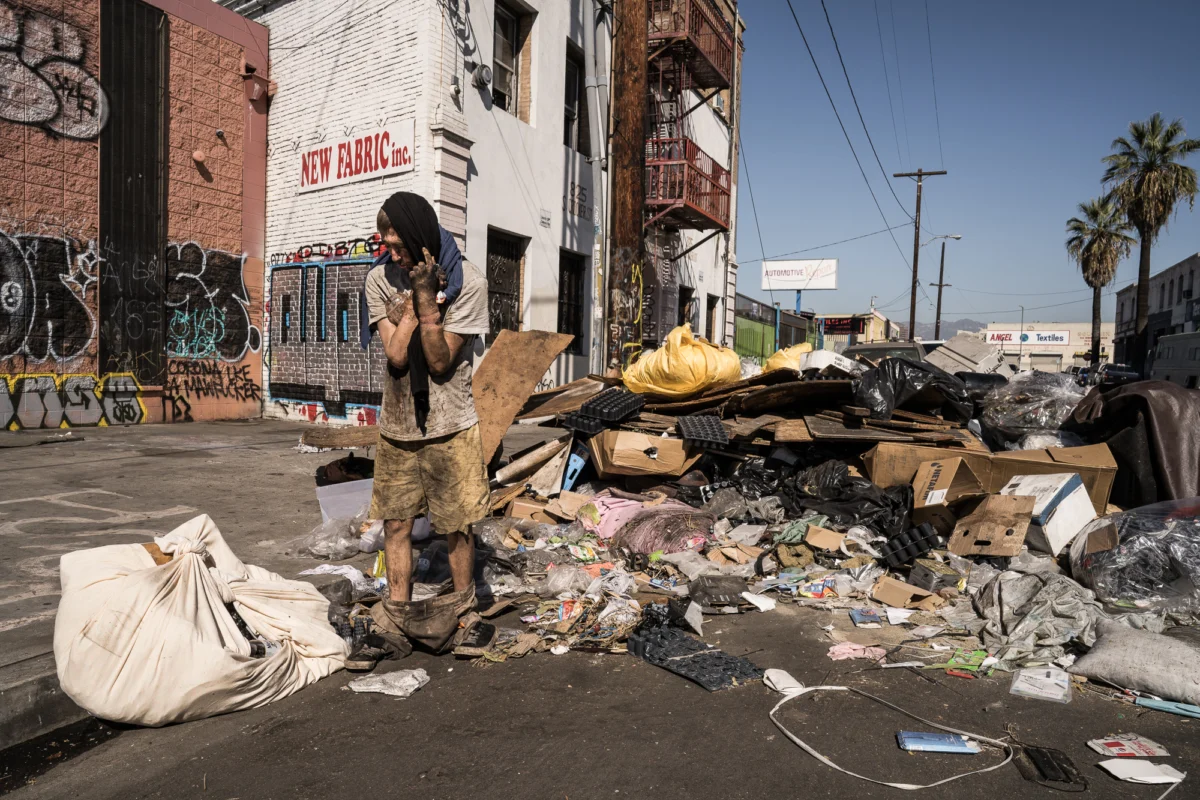
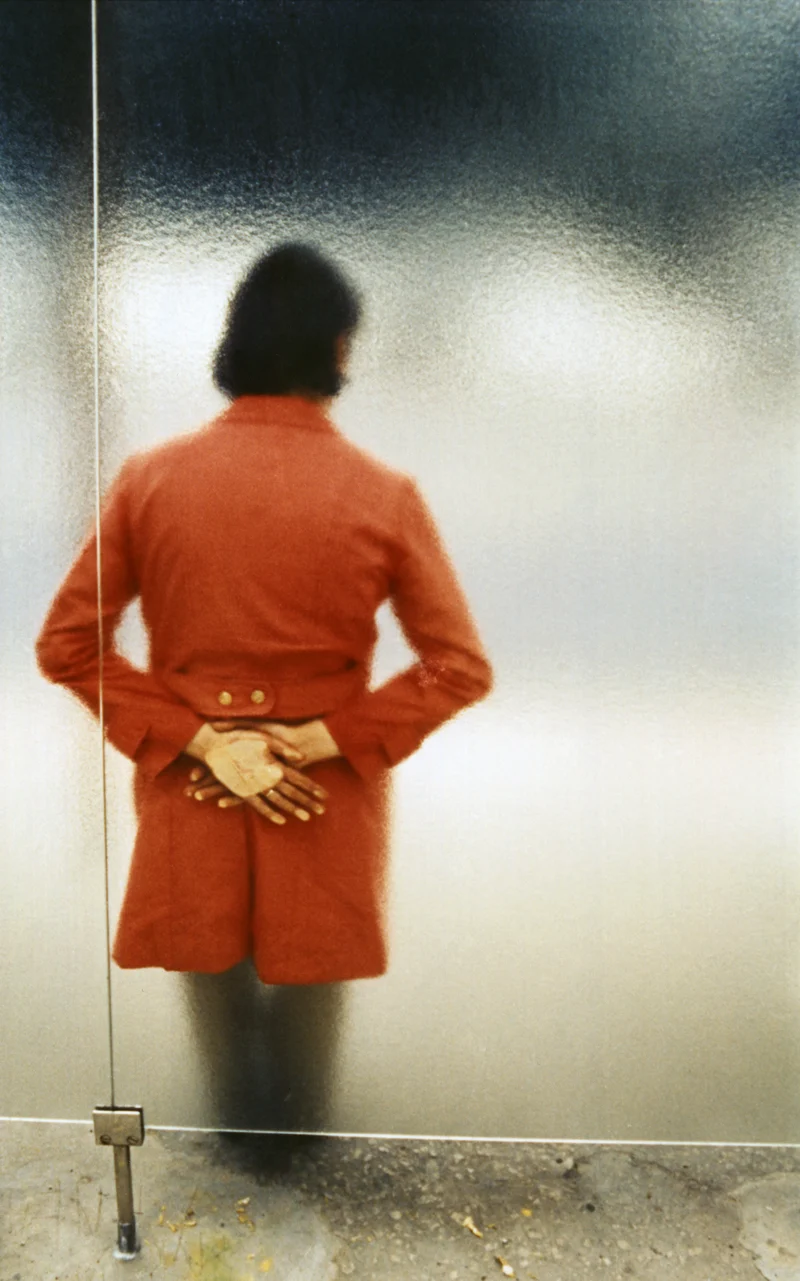
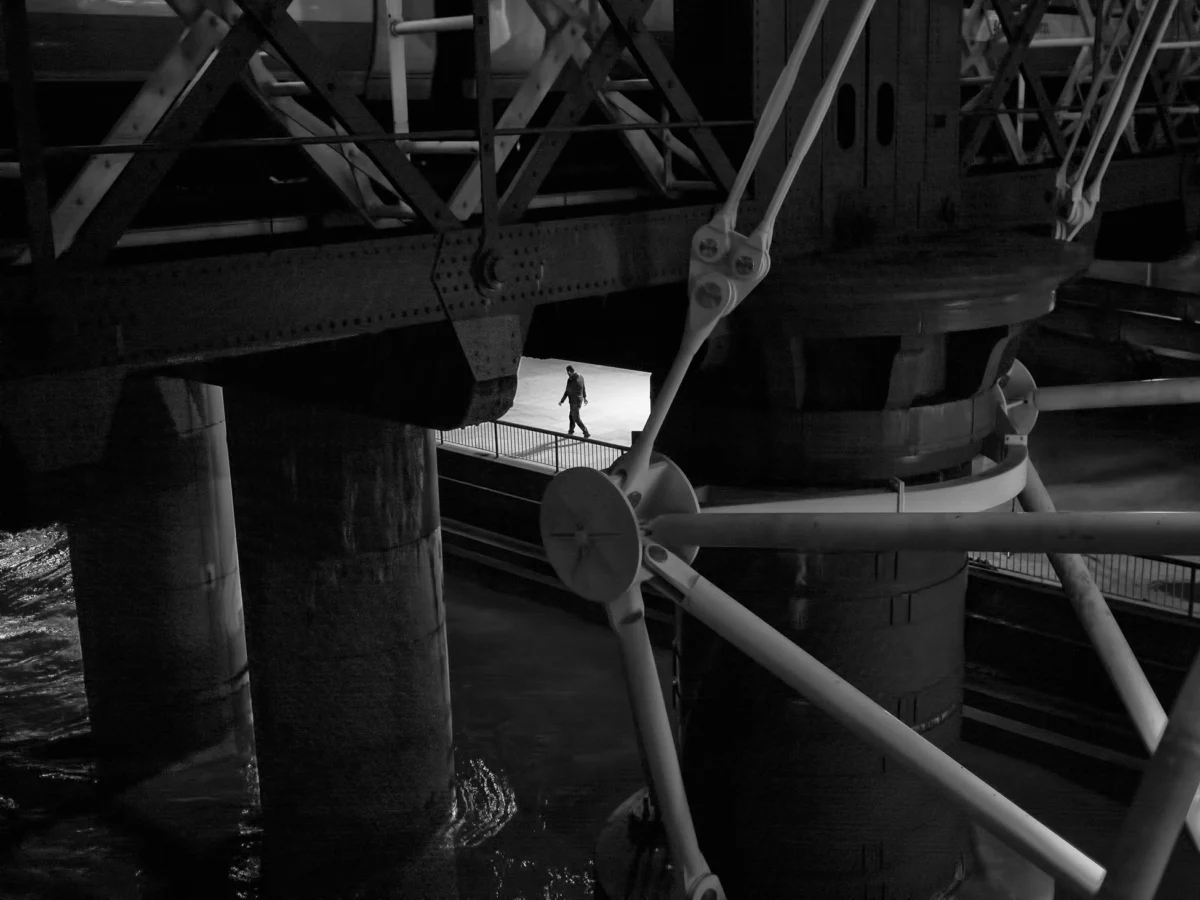
One of the most detrimental consequences of rigidly defining street photography is the tendency for photographers to adhere to a prescribed formula. This adherence often results in the production of derivative, uninspired, and repetitive images. The photographic landscape becomes saturated with visual tropes, leading to a sense of déjà vu for the viewer. This phenomenon is not merely anecdotal; it has a tangible impact on the genre’s ability to attract a wider commercial audience, especially for contemporary interpretations. The common motifs—the ubiquitous umbrella in a puddle, the archetypal fedora-wearing elder bathed in dramatic light and shadow, or the young individual silhouetted against graffiti—have become so prevalent that they risk undermining the very essence of street photography, which is rooted in capturing the unexpected and the authentic.
A cursory examination of platforms like Instagram reveals a concerning trend where street photography increasingly resembles a form of visual cosplay. The recurrence of specific visual elements—identical umbrellas, repetitive silhouettes, a pervasive "Leica aesthetic," and the endlessly recreated "decisive moment"—illustrates a stifling predictability. This irony is profound: a genre dedicated to spontaneity and the serendipitous encounter has become remarkably formulaic.
The Perils of Prescriptive Formulas
The dynamics at play in street photography mirror historical patterns observed in other creative fields. Much like the Oprah Book Club, which, despite its noble intentions, inadvertently fostered a formula for authors that led to a proliferation of predictable "Oprah novels," rigid rules for street photography can encourage a backward approach to creativity. Instead of focusing on capturing compelling moments and allowing the resulting photographs to define the genre, photographers begin to create images that satisfy an external checklist. This prescriptive approach actively stifles individual artistic expression. The current state of affairs is such that judging a street photography competition can feel like a monotonous experience, with a significant proportion of entries appearing to have been created by the same individual, adhering to the same set of unwritten rules.
The core argument here is that a street photograph, at its most fundamental level, requires nothing more than an image that is genuinely worth looking at. The protracted debates over whether a street photograph must include a person or an urban landscape, while seemingly important to genre purists, are ultimately rhetorical questions that invite more complexity than they resolve.
Challenging the Boundaries of Definition
The pursuit of definitive answers to questions like "Does a street photograph need a person?" or "Does it need an urban landscape?" often leads to a cascade of exceptions that undermine the very premises of the inquiry. For instance, if an urban landscape is deemed essential, does this effectively exclude photographers working in rural or remote settings from participating in the genre? Such a restriction would seem arbitrary and counterproductive. Consider the work of Martin Parr; his celebrated photographs of seaside resorts, while not strictly urban, are widely considered within the realm of street photography. Similarly, William Eggleston’s iconic tricycle photograph, which lacks both a human subject and a clear urban backdrop, is nevertheless embraced by the street photography community. These examples highlight the difficulty, and indeed the futility, of attempting to confine the genre within rigid boundaries.
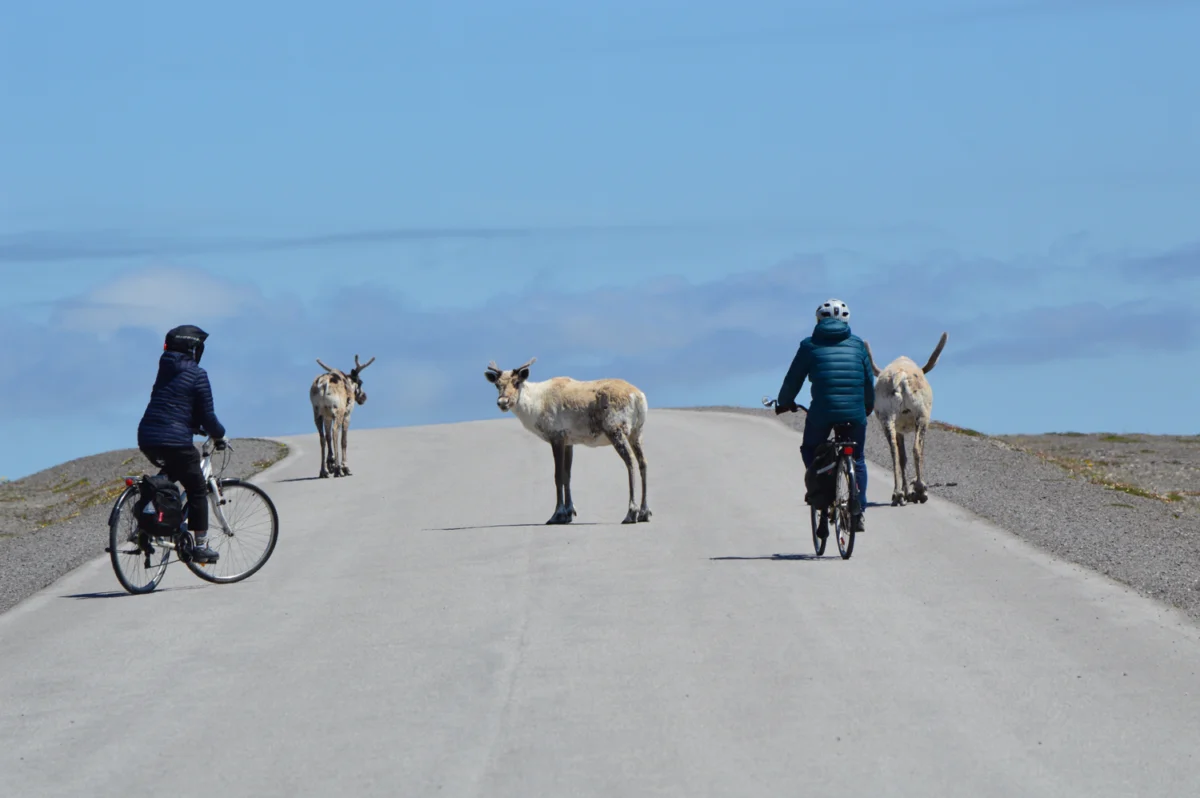
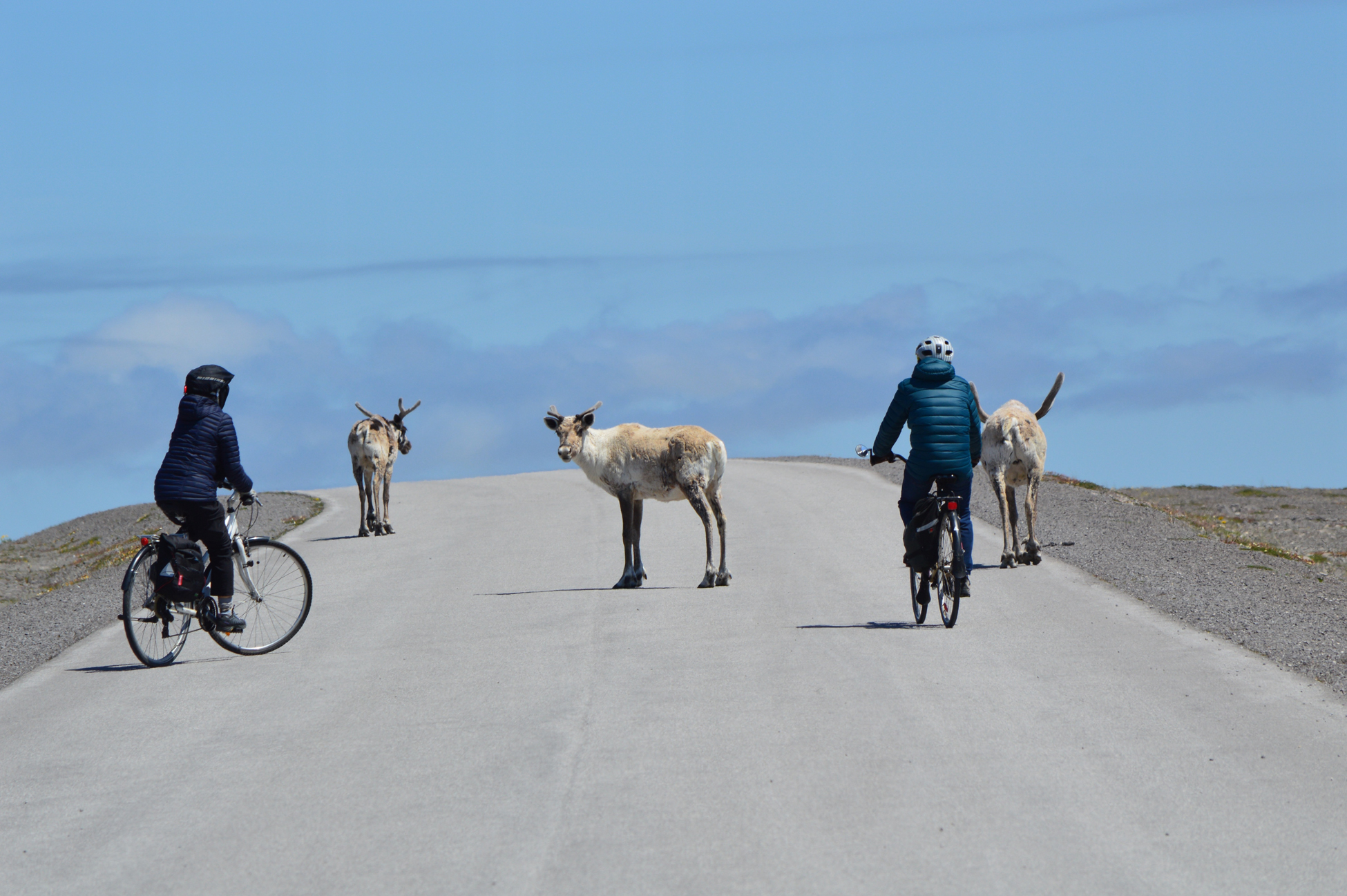
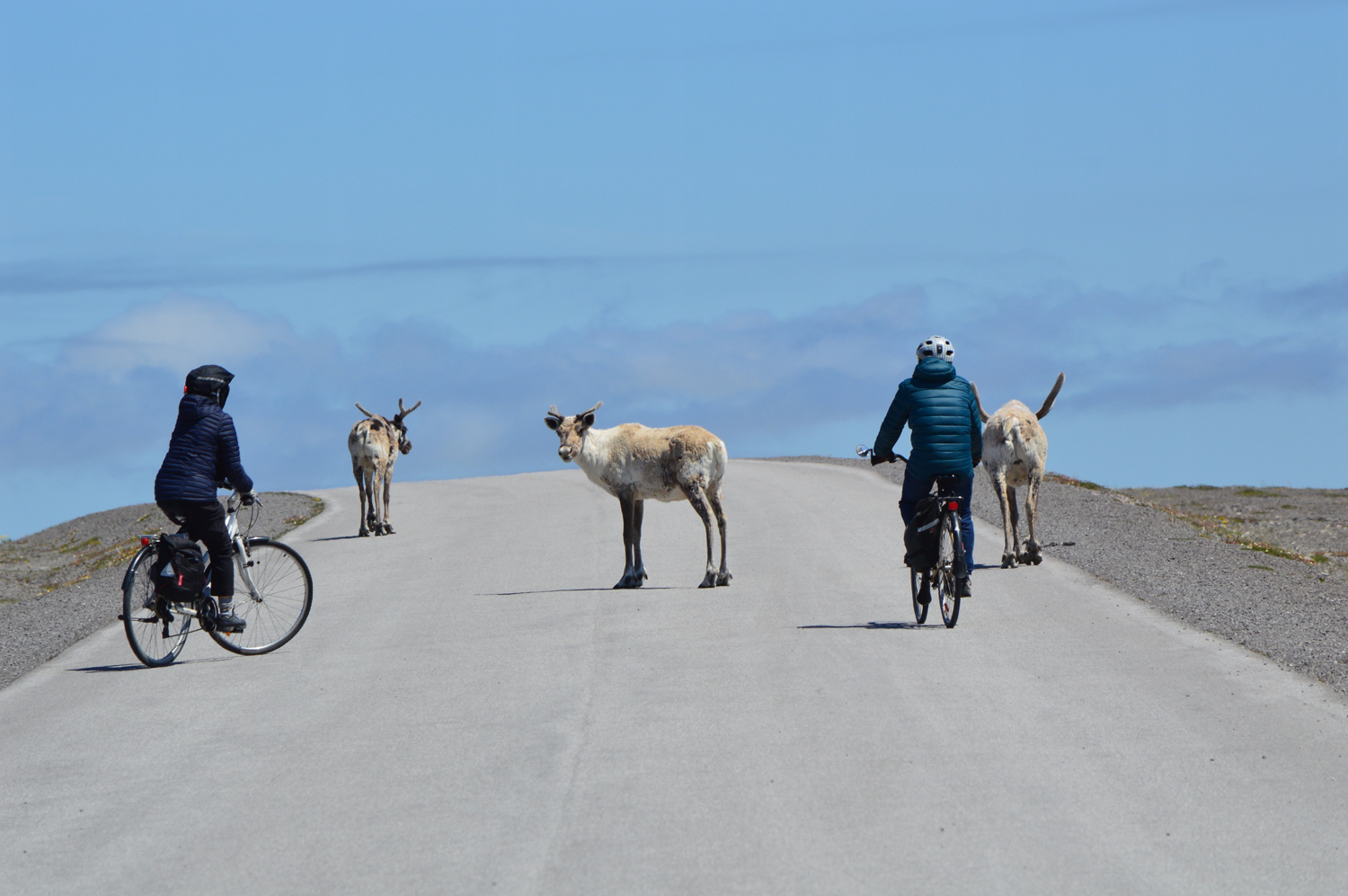
The photograph taken by Canadian painter Susan N. Sweet in Newfoundland, featured above, serves as a pertinent case study. While the classification of this image as "street photography" may be open to interpretation, it was this particular photograph that initiated a deeper reflection on the nature of the genre itself. This raises a more fundamental question: does street photography even need to exist as a distinct genre?
The Primacy of the Image Over the Label
The author has long championed the principle of allowing photographs to communicate independently, without the need for linguistic accompaniment. This philosophy extends to a growing comfort with permitting photographs to simply exist as visual artifacts, open to diverse individual interpretations. The assertion is that great photographs create genres, rather than genres giving birth to great photographs.
While acknowledging that genres will inevitably persist across all artistic disciplines—music, cinema, painting, and photography—the proposal is not to abandon categorization entirely. Instead, the focus should be on broadening the perspective when accepting what might be considered street photography. This involves shifting attention away from social media algorithms and the labels they often reward, and towards the content and impact of the images themselves. Photographers should be granted the freedom to create before they are compelled to categorize.
A photograph that can captivate, challenge, or alter one’s perspective is, in essence, a good photograph. For many, the discovery of such an image is a sufficiently rewarding experience. The moment a definition transforms into a rigid checklist, creativity begins to wane.
The Cost of Debate and the Legacy of Innovation
The more time a photographic community dedicates to debating definitions, the less time is available for the creation of memorable and impactful work. History seldom celebrates artists who meticulously followed established rules; it remembers those who redefined them. Ultimately, genres tend to emerge in the wake of groundbreaking artistic achievements, not as a prerequisite for them. The focus on rigid definitions detracts from the primary goal: the creation of photographs that resonate with viewers on a profound level, fostering genuine connection and contemplation. The digital age, with its unprecedented ease of image creation and dissemination, presents both an opportunity and a challenge. It offers a vast canvas for experimentation and expression, but it also necessitates a conscious effort to resist the allure of formulaic approaches and to champion originality and authentic vision above all else. The future of street photography, and indeed much of contemporary visual art, hinges on this commitment to artistic integrity and the courage to explore new frontiers of photographic expression.