The profound parallels between the Impressionist art movement and the evolution of street photography offer a rich tapestry of inspiration for contemporary artists. By examining the historical context, technological advancements, and artistic philosophies that shaped both genres, modern street photographers can glean invaluable insights to refine their craft and deepen their artistic vision. This exploration delves into the shared DNA of these seemingly disparate yet intrinsically linked visual languages, highlighting how innovation, a redefinition of subject matter, and a unique engagement with light and color paved the way for revolutionary artistic expression.
The Genesis of Artistic Liberation: Technological Catalysts
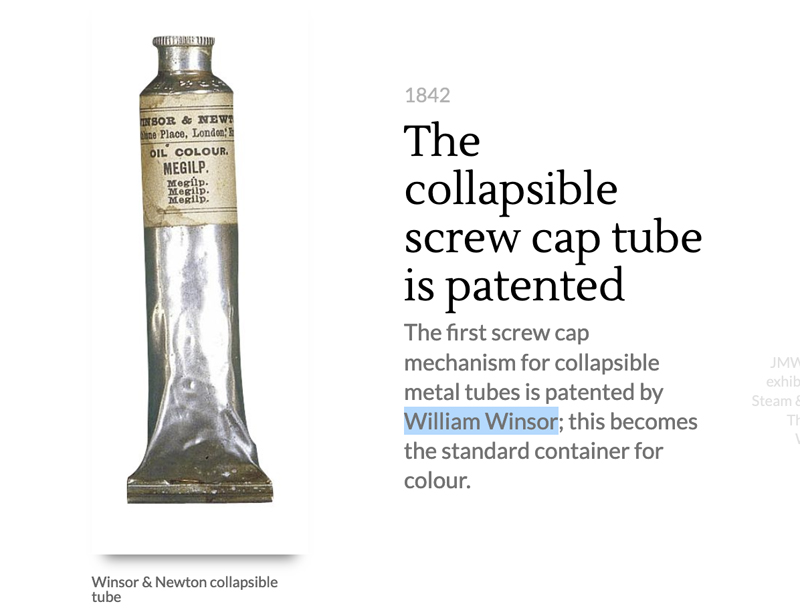
The trajectory of both Impressionism and street photography was significantly influenced by pivotal technological innovations that liberated artists from the constraints of their studios and traditional methodologies. For the Impressionists, the advent of the collapsible paint tube in 1841, patented by John Goffe Rand, proved to be a watershed moment. Prior to this, painters were bound to their studios, meticulously mixing pigments and preparing their own paints—a laborious and time-consuming process that limited their mobility and responsiveness to the ephemeral nature of the world.
The paint tube, coupled with the industrial production of ready-made paints by companies like Winsor & Newton and Lefranc & Bourgeois, democratized the painting process. This shift not only broadened the available palette of colors but, more crucially, enabled artists to venture outdoors. This newfound freedom, the ability to paint "en plein air," allowed them to directly observe and capture the fleeting effects of natural light and atmospheric conditions. This mobility became the bedrock upon which Impressionism, with its emphasis on capturing transient moments and sensory perceptions, was built.
A parallel revolution occurred in the nascent field of photography. The early days of photography were characterized by cumbersome processes like the wet plate technique, which demanded immediate preparation of light-sensitive chemicals on glass plates, necessitating the presence of a darkroom at the point of capture. This process was akin to the pre-tube era of painting, demanding technical expertise in chemistry and optics and severely restricting the photographer’s ability to move freely.
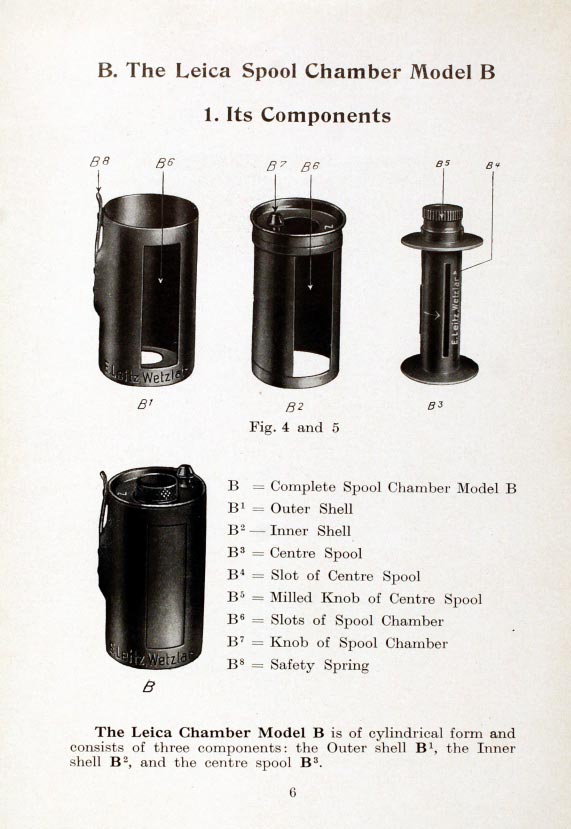
The introduction of ready-made dry plates, and subsequently flexible celluloid film, mirrored the impact of the paint tube. Photographers were no longer tethered to darkrooms; they could carry their materials and capture images with unprecedented ease and spontaneity. The most significant leap forward for practical photography arrived in 1924 with Leitz’s introduction of the reloadable film cassette and the first practical 35mm camera. This innovation dramatically increased portability, efficiency, and accessibility, effectively ushering in an era where photography could be practiced as a fluid, mobile art form, mirroring the liberation experienced by the Impressionists decades earlier.
A Shift in Perspective: Redefining Subject Matter
The liberation afforded by technological advancements directly fueled a radical re-evaluation of artistic subject matter. The Impressionists consciously turned away from the grand historical narratives, mythological scenes, and formal portraits that dominated academic art. Instead, they found artistic merit in the everyday: the bustling streets of Paris, the intimate settings of cafes, the verdant landscapes, and the ordinary lives of people. Their canvases became vibrant chronicles of modern existence, capturing the transient beauty of fleeting moments and the sensory experience of contemporary life.
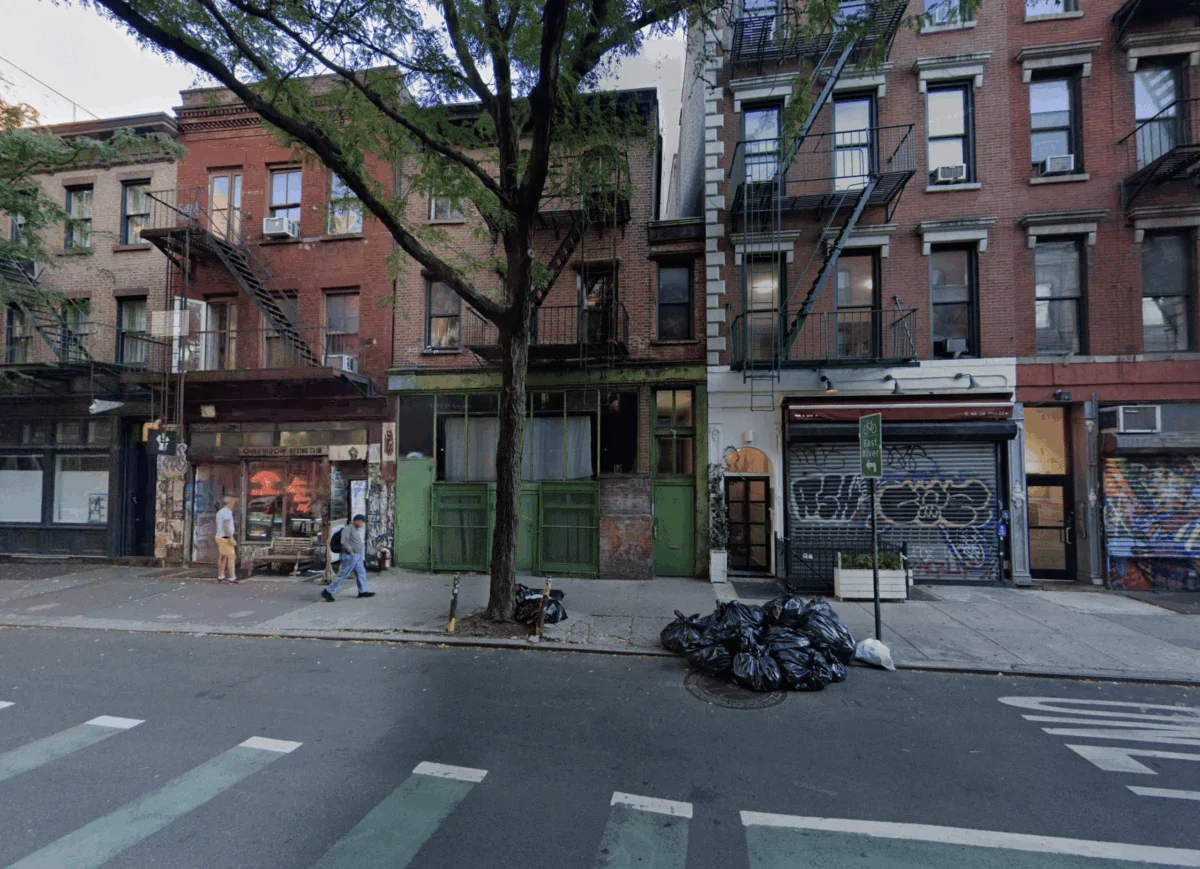
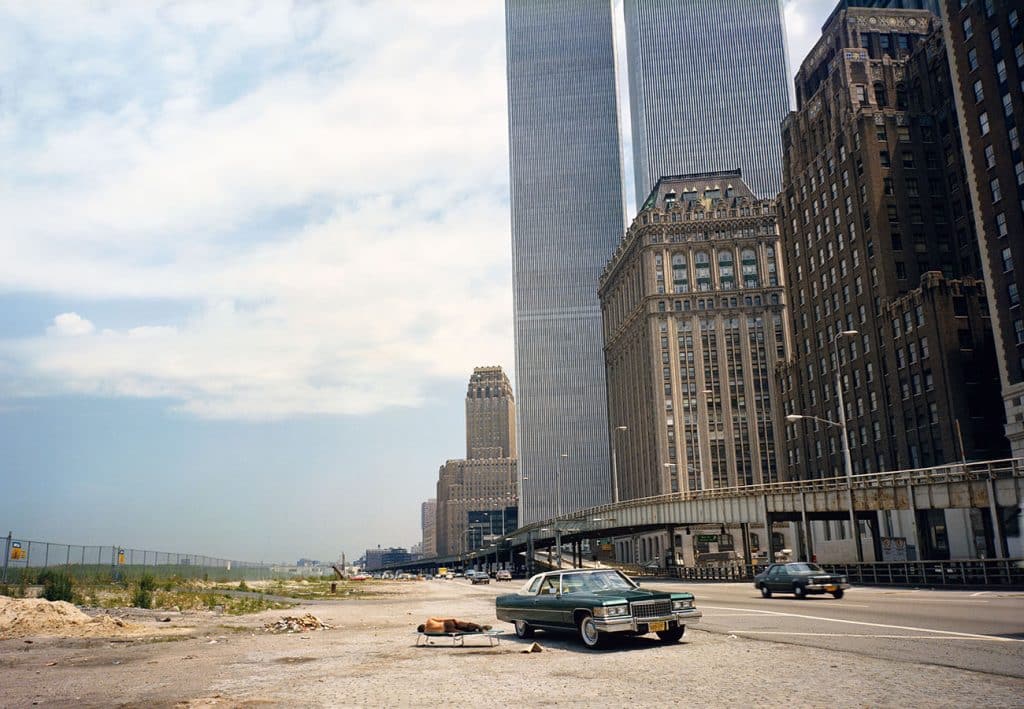
This paradigm shift in subject matter finds a striking echo in the rise of street photography. Pioneers like Henri Cartier-Bresson, Helen Levitt, William Klein, Joel Meyerowitz, Garry Winogrand, Lee Friedlander, Saul Leiter, Fred Herzog, William Eggleston, and Vivian Maier, though not forming a cohesive group, collectively transformed how the mundane was perceived. They elevated the ordinary street, anonymous passersby, fleeting gestures, and the rhythms of daily life into subjects worthy of serious artistic contemplation. Their lens captured the poetry in the commonplace, demonstrating that profound visual narratives could be woven from the fabric of everyday existence. Just as Impressionists found inspiration in a Parisian cafe, street photographers discovered artistic potential in a busy intersection, a quiet park bench, or a shop window.
This shared inclination towards the quotidian is perhaps best exemplified by artists like Stephen Shore, who elevated the seemingly unremarkable—hotel rooms, parking lots, even meals—to the status of artistic subjects. Through their distinct perspectives, both Impressionists and street photographers demonstrated that beauty and meaning are not confined to the extraordinary but are abundant in the familiar, often overlooked moments of life.
The Language of Light and Shadow: A Shared Fascination
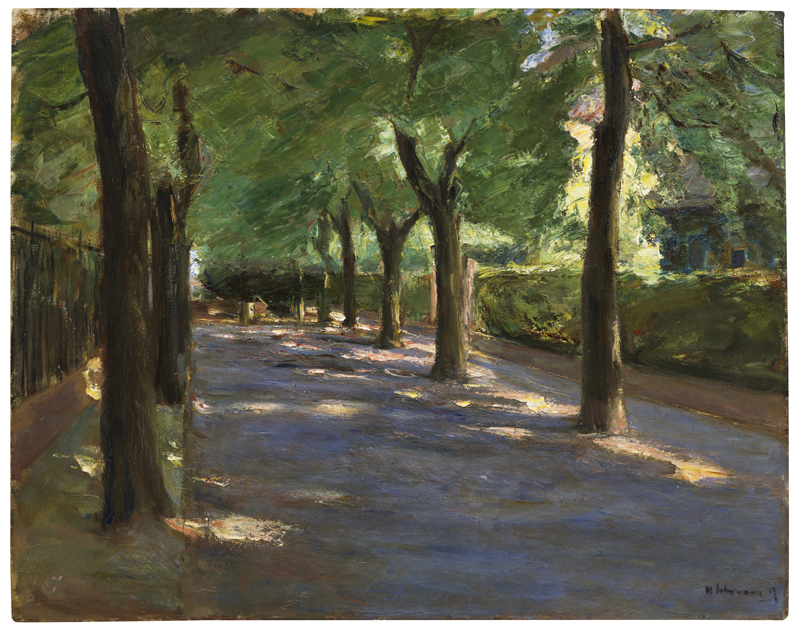
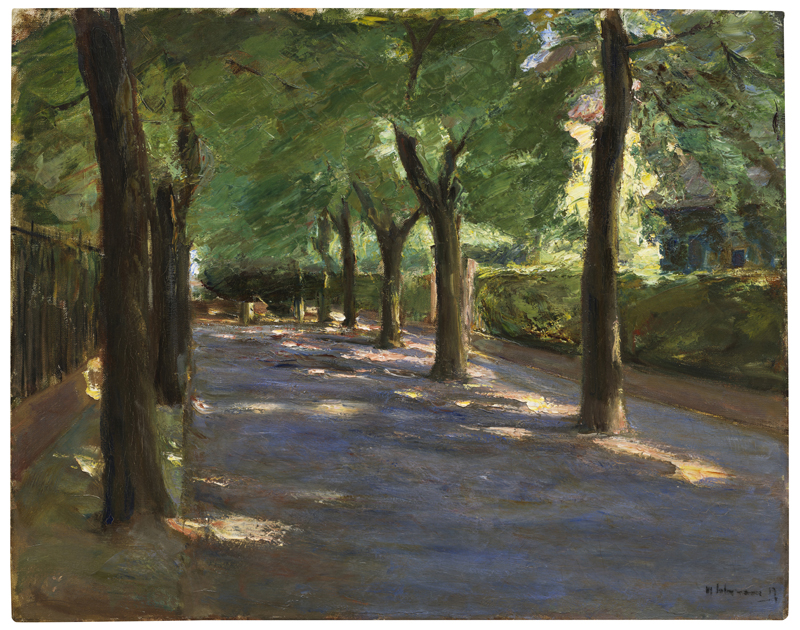
At the heart of both Impressionism and street photography lies a profound engagement with light and shadow. For the Impressionists, light was not merely a tool to illuminate a subject; it often became the subject itself. Max Liebermann’s 1917 painting, "Die Colomierstraße in Wannsee," serves as a compelling illustration. While depicting a country road, the true essence of the work lies in the subtle rendering of sunlight filtering through leaves, transforming an ordinary scene into a poetic evocation of atmosphere. The interplay of light and shadow imbues the canvas with depth, luminosity, and emotional resonance. Liebermann, like his Impressionist contemporaries, understood that light’s presence is amplified by the surrounding darkness.
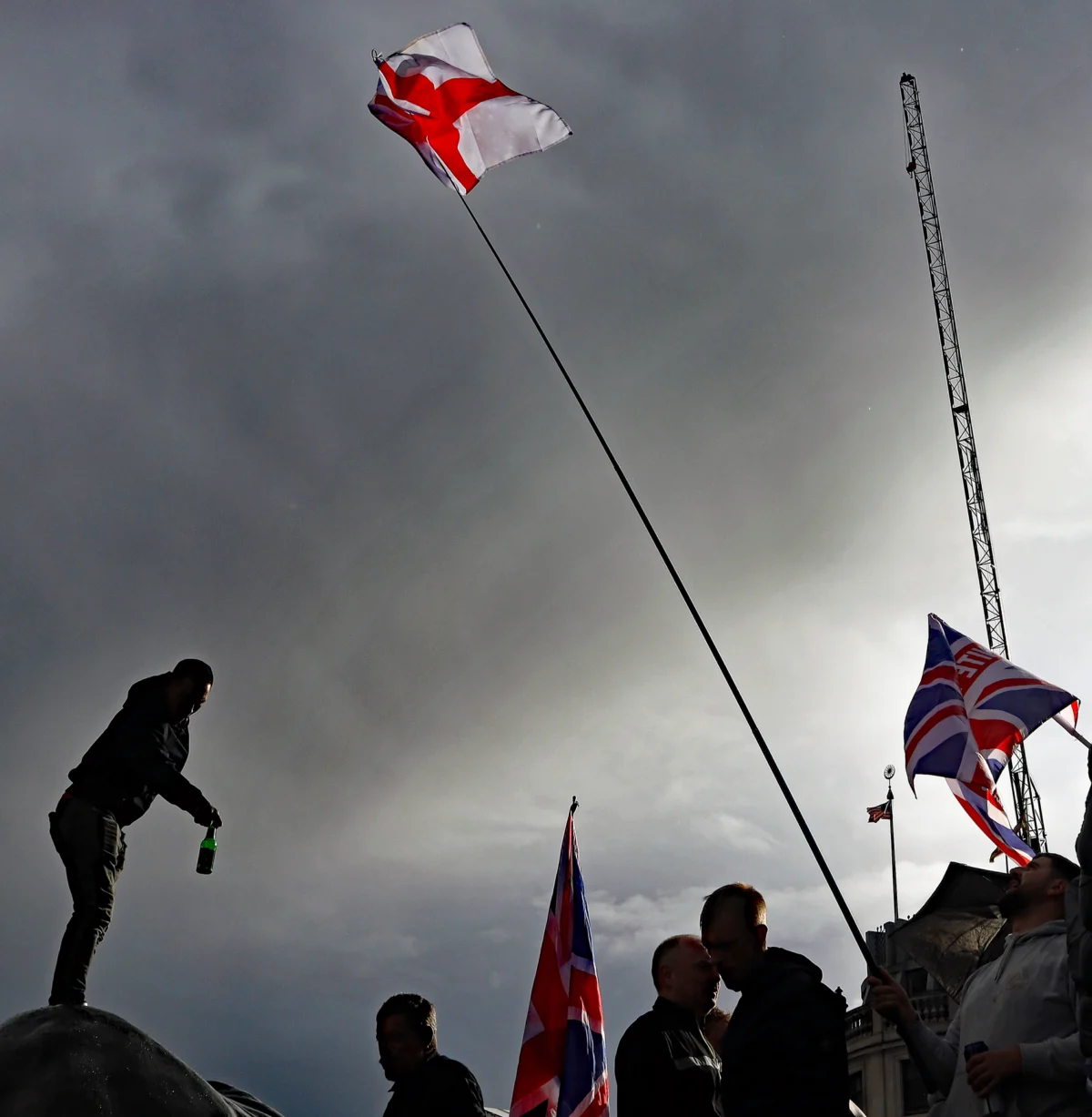
This same fascination with the transformative power of light is a cornerstone of masterful street photography. Photographers such as Helen Levitt, Mitch Epstein, Saul Leiter, William Eggleston, and Fred Herzog masterfully employed light and shadow, not just to record a scene, but to sculpt mood and evoke emotion. They recognized that the quality of light could elevate an ordinary street corner into a compelling visual experience, imbuing it with a unique atmosphere and temporal signature. The contrast between illuminated areas and deep shadows becomes a crucial element in creating visual drama and drawing the viewer’s eye, mirroring the Impressionists’ use of light to create depth and luminosity.
The paradox that light becomes most visible through its opposite—shadow—is a principle deeply understood by practitioners in both fields. The more an artist embraces darkness and contrast, the more intensely the viewer experiences the illuminated elements. This dynamic interplay is fundamental to creating images that possess presence, atmosphere, and emotional impact. Later generations of photographers, including Alex Webb and Philip-Lorca diCorcia, have continued to explore this principle, demonstrating that light is not merely a technical necessity but a powerful creative force that shapes our perception and interpretation of the world.
Color as Interpretation: Challenging Conventions
The advent of new pigment technologies significantly expanded the Impressionists’ color palette, enabling them to experiment with hues in ways previously unimaginable. Their embrace of color was not always about strict mimesis; it was about interpretation, about conveying mood, sensation, and the artist’s subjective perception of reality. The Impressionists’ use of violet, for instance, transcended its natural occurrence, becoming a tool to depict light, atmosphere, and shadow with nuanced subtlety. They understood that color could be a powerful expressive language, capable of shaping the viewer’s emotional response.
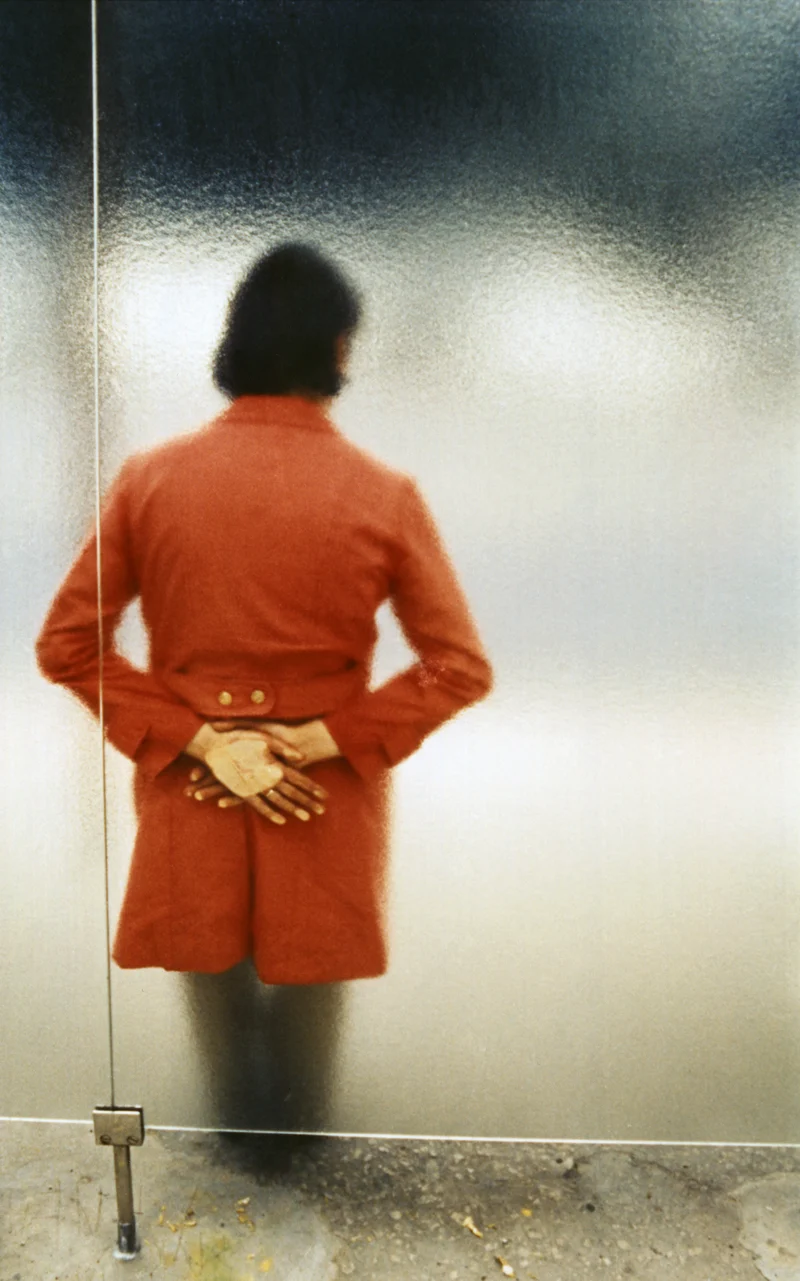
This spirit of color exploration is profoundly mirrored in the work of early color street photographers. At a time when black-and-white photography was considered the dominant artistic medium, photographers like Helen Levitt, Saul Leiter, Mitch Epstein, William Eggleston, and Fred Herzog deliberately embraced color. They saw it not merely as a descriptive tool but as an integral element for conveying atmosphere and emotion. William Eggleston’s pioneering work with the dye-transfer process, which produced exceptionally rich and saturated colors, exemplifies this commitment. Despite the technical and financial barriers, these artists pushed the boundaries of what was considered artistically acceptable, using color to interpret the world rather than simply record it.
This embrace of color often met with resistance, mirroring the skepticism the Impressionists faced. Color was frequently relegated to commercial applications, viewed as less serious or artistic than the monochrome tradition. However, history has vindicated these artists. Just as the Impressionists redefined painting, these photographers revolutionized the perception of color in photography, transforming it into a sophisticated and expressive visual language that continues to influence contemporary practice. Later photographers like Martin Parr and Vivian Maier further explored the creative potential of color, solidifying its place as a vital element in the street photographer’s lexicon.
Unconventional Paths to Mastery: Education and Innovation
A striking commonality between the Impressionist movement and the pioneers of street photography lies in their unconventional educational paths. Many prominent Impressionists, including Monet, Renoir, and Pissarro, largely developed their distinctive styles outside the rigid confines of traditional art academies. While they often received some instruction in ateliers or under established artists, their true innovation emerged from self-directed exploration and a conscious departure from academic conventions. Edgar Degas, while an exception, underscores the point that artistic breakthrough often thrives beyond prescribed curricula.
Similarly, many of the most influential street photographers were largely self-taught or pursued their education through less formal channels. Ed van der Elsken, for example, engaged in a variety of studies and correspondence courses, ultimately learning through practical experience and mentorship within photographic circles. A significant study analyzing the work of fifteen renowned street photographers revealed that only a small fraction had completed formal photography education. Photographers like Henri Cartier-Bresson and William Klein attended art schools, but not necessarily with the sole intention of becoming photographers. This pattern suggests that a willingness to question established norms and forge one’s own path is crucial for developing a unique artistic voice. The act of observing, experimenting, and developing a personal visual language often flourishes more readily outside the constraints of traditional educational structures.
Embracing the Ephemeral: The Power of the Fleeting Moment
The Impressionists’ focus on capturing fleeting moments was intrinsically linked to their engagement with light and their ability to paint outdoors. They sought to convey the transient sensory experience of a scene, the "impression" it left on the viewer. This emphasis on capturing the ephemeral is a core tenet of street photography. Street photographers, equipped with portable cameras and an acute awareness of their surroundings, are constantly in pursuit of those unscripted, fleeting moments that reveal the essence of human experience.
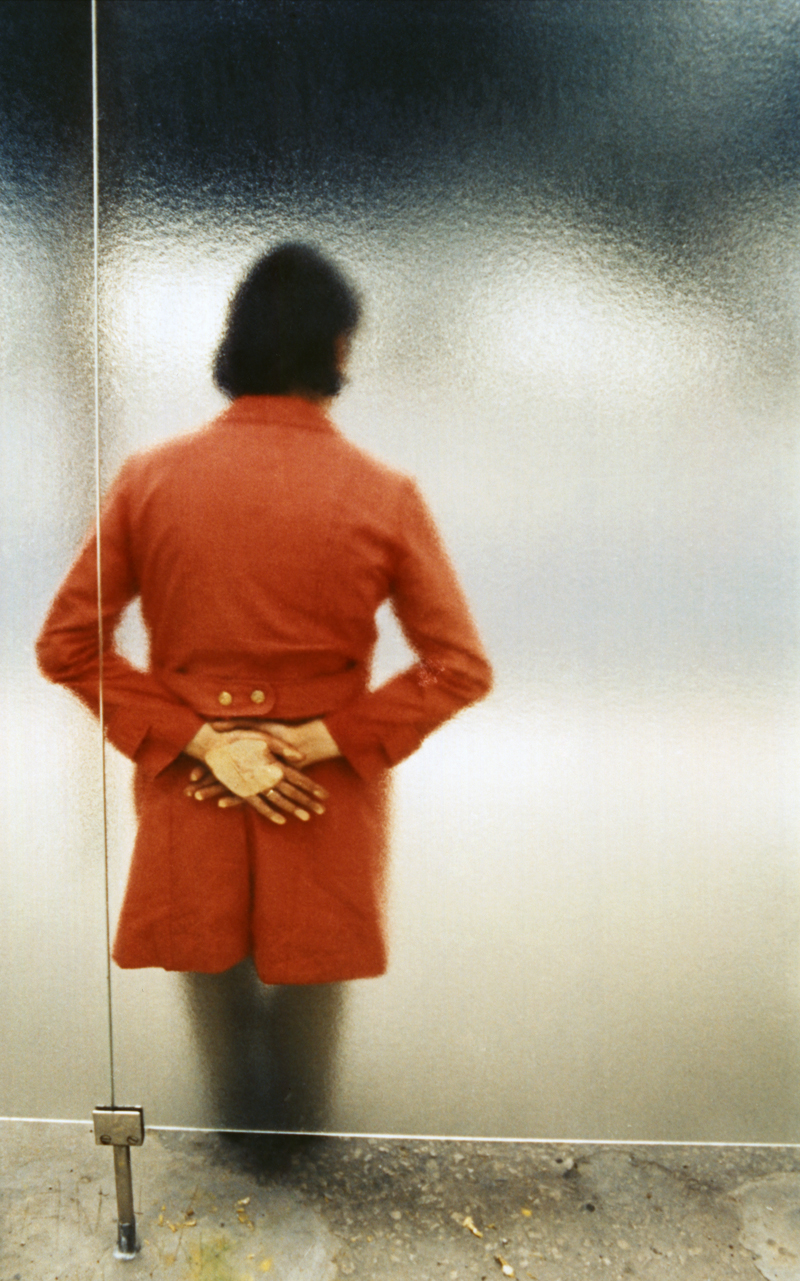
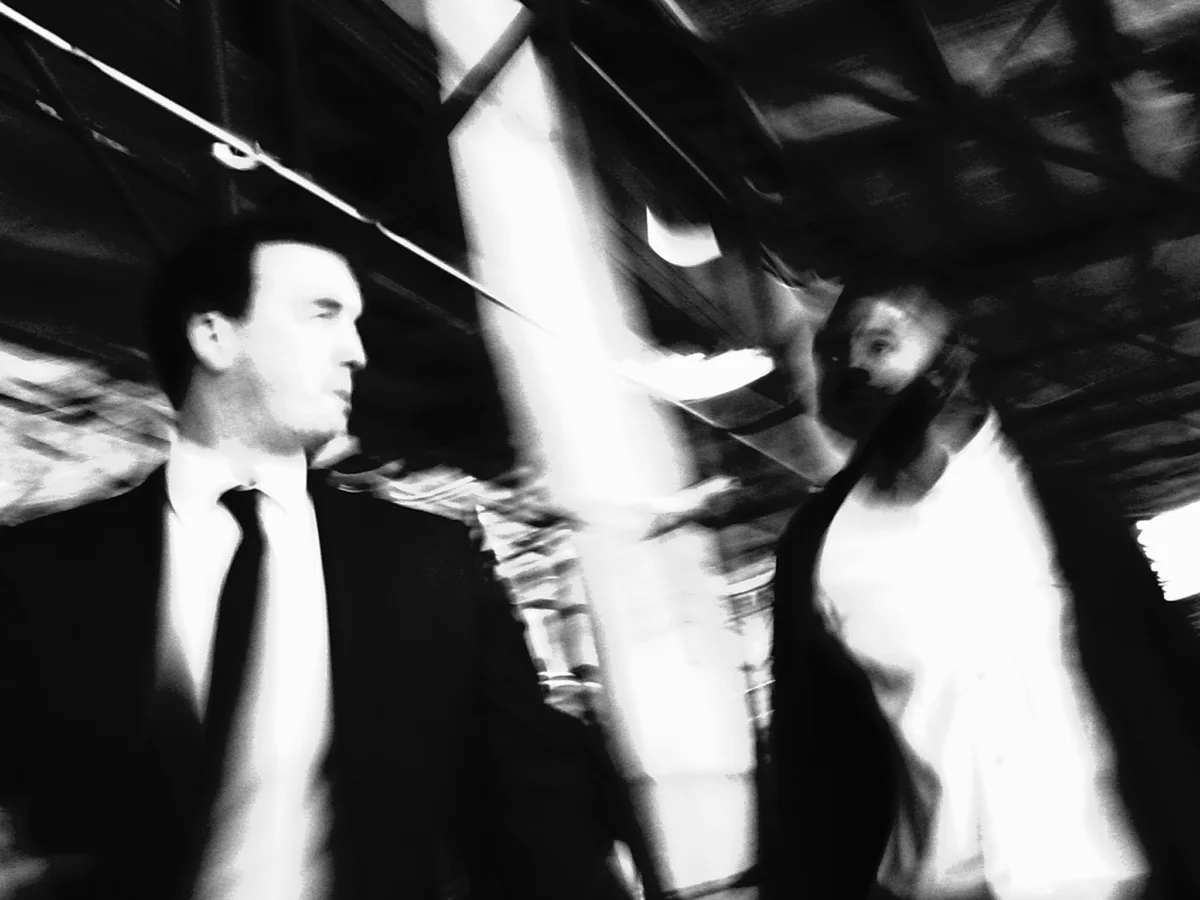
The work of photographers like Ernst Haas, known for his dynamic use of motion and light, or Luigi Ghirri, whose evocative images capture the quiet poetry of everyday life, exemplifies this pursuit. They, like the Impressionists, understood that the power of an image often lies in its ability to suggest rather than explicitly state, leaving room for the viewer’s interpretation. This shared appreciation for the transient, the atmospheric, and the suggestive allows both movements to resonate deeply with audiences, transcending mere representation to evoke a feeling or a memory.
Criticism and Acceptance: A Historical Parallel
The journey from artistic innovation to widespread recognition is rarely smooth, and both Impressionism and street photography faced significant initial criticism. The term "Impressionist" itself was coined by art critic Louis Leroy as a derisive label, implying that the artists’ work was unfinished and merely a superficial impression. The artists, however, embraced the term with pride, transforming a critique into a badge of honor that defined one of art history’s most influential movements.
A similar trajectory unfolded for street photography, particularly for those who embraced color. William Eggleston’s 1976 solo exhibition at the Museum of Modern Art (MoMA) was met with bewilderment and criticism, with some dismissing his meticulously composed color photographs as mere "snapshots." This dismissal echoed the early criticisms of Impressionist paintings as unfinished sketches. The label "snapshot" was often used to diminish the artistic intent and careful craftsmanship involved. However, as with Impressionism, time and critical re-evaluation have elevated these works, revealing their profound artistic significance and recognizing them as groundbreaking contributions to visual culture. The history of both movements demonstrates that what is initially dismissed as unconventional or incomplete can, with time and perspective, be recognized as revolutionary and deeply influential.
The Contemporary Street Photographer: A Colorist of Everyday Life
Today, the contemporary street photographer stands as a inheritor of this rich legacy. The principles of light, color, and subject matter explored by the Impressionists and early street photographers remain profoundly relevant. The deliberate use of color, or a nuanced approach to a limited palette, allows modern photographers to shape the viewer’s experience of a scene. Street photography is, in essence, the art of capturing light in public spaces, transforming ordinary moments into compelling visual narratives.
The influence of technology continues to shape artistic expression. Just as the paint tube expanded the Impressionists’ palette, digital tools and editing software provide contemporary photographers with new ways to enhance and interpret their images. Post-processing, akin to the Impressionists’ manipulation of pigments, allows for the amplification of light, the deepening of shadows, and the emphasis of particular colors to create a desired mood and convey a specific vision.
The history of art is a testament to the dynamic interplay between technological innovation and artistic creativity. From the humble paint tube to the sophisticated algorithms of artificial intelligence, new technologies consistently provide artists with expanded possibilities for expression. Embracing these advancements, rather than rejecting them, is often the catalyst for artistic progress. The curiosity of artists, when met with the tools of technology, has repeatedly led to the birth of new visual languages and the redefinition of artistic boundaries. Contemporary street photographers, by engaging with these evolving tools and drawing inspiration from the pioneering spirit of Impressionism and the early masters of their craft, continue to push the frontiers of what is possible in capturing the vibrant, ephemeral essence of everyday life.