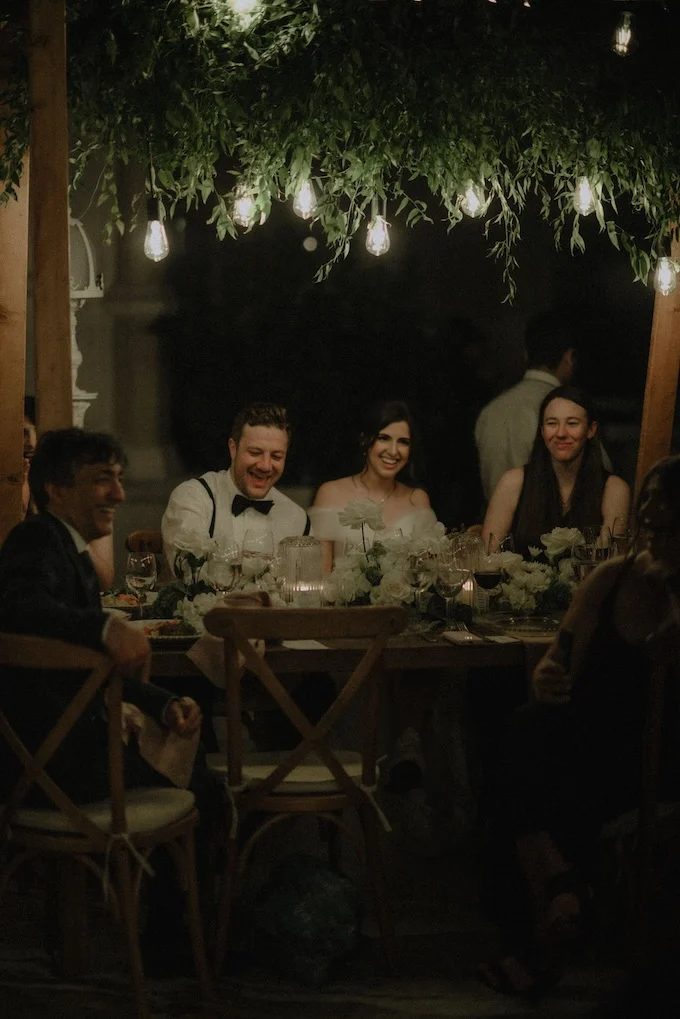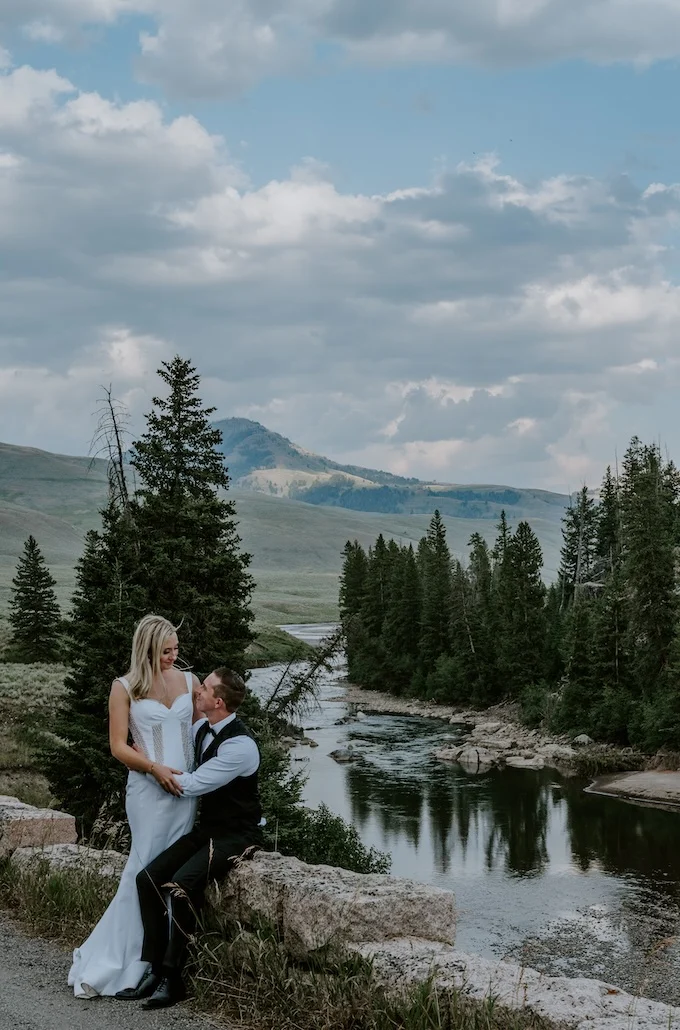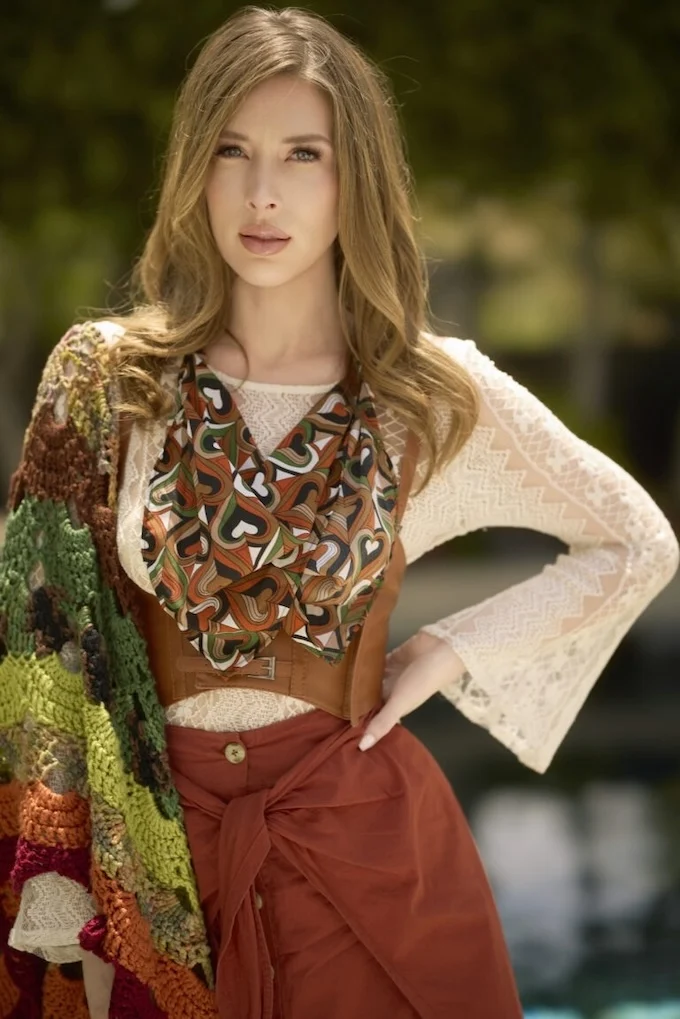
When it comes to lighting in photography, a prevailing instinct guides many professionals and enthusiasts toward soft, diffused light. The pursuit of flattering tones often leads to the adoption of techniques like diffusing flashes, utilizing large softboxes or umbrellas, and favoring overcast conditions. However, a growing perspective within the photographic community suggests that some of the most compelling and impactful portraits are achieved by embracing, rather than avoiding, hard light. This approach is central to the teachings of renowned photographer Roberto Valenzuela, whose new "Dynamic Lighting Masterclass," now available on WPPI On Demand, promises to revolutionize portraiture by demystifying and empowering photographers to harness the power of dramatic lighting.
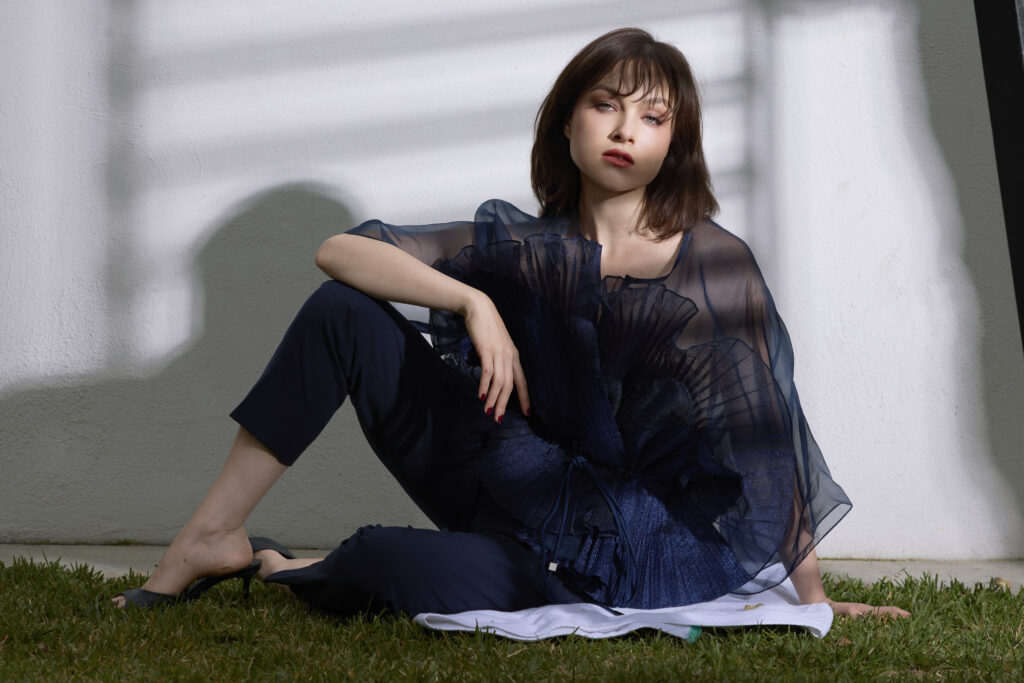
The inherent bias towards soft light in photography often stems from its perceived ease of use and its tendency to minimize imperfections. Soft light wraps around subjects, creating gentle transitions between highlights and shadows, which can be forgiving and aesthetically pleasing for many applications. This has led to a proliferation of soft light modifiers and a cultural understanding that "good" light is synonymous with "soft" light. However, this conventional wisdom overlooks the profound artistic potential of hard light, which, when mastered, can imbue images with a level of dynamism, drama, and visual impact that soft light alone often struggles to achieve.
Roberto Valenzuela, a photographer celebrated for his mastery of light and composition, contends that the perceived difficulty of hard light is often a misconception. "Hard light gets a bad reputation because it’s more difficult to use. But it’s not really difficult," Valenzuela states. "If you have some control over your subjects, hard light is going to look ten times more dynamic, ten times more amazing." This assertion challenges the status quo, suggesting that with the right understanding and application, hard light can become a powerful tool for creating memorable and captivating imagery.

The transformative potential of hard light lies in its ability to create images characterized by:
- Striking Contrast and Definition: Hard light produces sharp, well-defined shadows and bright highlights, which can accentuate the contours and textures of a subject. This increased contrast can lend a sculptural quality to portraits, emphasizing facial features and creating a sense of depth and dimensionality.
- Dramatic Mood and Atmosphere: The inherent drama of hard light can be used to evoke specific emotions and moods. Whether it’s the chiaroscuro effect reminiscent of classical paintings or the high-contrast aesthetic of film noir, hard light offers a potent means of storytelling and atmospheric rendering.
- Enhanced Visual Interest and Engagement: Images lit with hard light often possess a unique visual quality that commands attention. The sharp transitions and pronounced shadows can make a photograph feel more dynamic and intriguing, drawing the viewer in and encouraging prolonged observation. As Valenzuela notes, "People are going to look at the photo, and they can’t stop looking at it. There’s something beautiful about it because it’s not normal to see lighting like that." This "not normal" quality is precisely what can elevate a photograph from the ordinary to the extraordinary, making it stand out in a crowded visual landscape.
Valenzuela’s insights extend beyond the theoretical to practical application, offering crucial advice for photographers looking to integrate hard light into their workflows. One of his most significant gear recommendations centers on the indispensable role of grids for hard light modifiers. He issues a strong caution: "Never buy a hard light modifier without also purchasing its grid. Hard modifiers without a grid is like a car without a steering wheel." This analogy underscores the critical function of a grid in controlling light spill. Without a grid, a hard light source can scatter uncontrollably, illuminating the background and diminishing the desired separation between the subject and their environment. This loss of control can undermine the very impact that hard light is intended to create. Valenzuela further emphasizes the financial prudence of this advice, stating, "If you can’t afford the grid, then don’t buy the modifier at all because it’s a waste of your money." The grid acts as a directional tool, allowing photographers to precisely direct the beam of light, shaping it to fall exactly where intended and creating clean, focused illumination that accentuates the subject without distracting background elements. This precise control is paramount for achieving the dramatic and defined look that hard light can provide.

Beyond the fundamental understanding of hard light and its modifiers, Valenzuela introduces a sophisticated technique he dubs the "Batman and Robin" approach. This method elegantly combines the dramatic power of hard light with the balancing capabilities of softer light, creating a synergistic effect that yields exceptionally well-rounded portraits. The core of this technique involves using two distinct light sources:
- The "Batman" Light (Hard Light): This primary light source, often a bare bulb flash or a reflector without significant diffusion, is employed to create the dramatic, high-contrast lighting that defines the subject’s form and creates a powerful mood. This light is positioned to cast strong shadows and highlight key features, embodying the intensity and mystery associated with the "Batman" persona.
- The "Robin" Light (Medium or Soft Light): This secondary light source acts as a fill light. It is typically a softer, more diffused light that gently illuminates the shadow areas created by the "Batman" light. The purpose of the "Robin" light is not to overpower the hard light but to provide just enough illumination to reveal detail in the shadows, preventing the image from becoming too muddy or losing important information. This fill light ensures that the subject remains visible and that the overall image retains a balanced aesthetic, preventing the harshness of the hard light from becoming overwhelming.
While it is technically possible to achieve this balanced effect with a single, carefully managed hard light source, Valenzuela acknowledges that the "Batman and Robin" method, utilizing two lights, often yields superior results with greater control. "You don’t have to," Roberto admits, "but it works quite well to do it with two sources of light, a hard one and a medium or soft one." This dual-lighting strategy allows for a nuanced interplay of light and shadow, where the drama of the hard light is tempered by the gentle illumination of the fill light, resulting in portraits that are both impactful and aesthetically pleasing. The hard light carves out the form and adds visual intrigue, while the fill light ensures that essential details are not lost, creating a sophisticated and dynamic portrayal of the subject.

The "Dynamic Lighting Masterclass" delves far deeper than these foundational principles. Valenzuela’s comprehensive course explores a multitude of advanced lighting scenarios and techniques, offering photographers a holistic understanding of light manipulation. The curriculum extends to:
- Understanding Light Behavior: A fundamental exploration of how light interacts with subjects, surfaces, and the environment. This includes analyzing the physics of light, its properties (intensity, direction, color temperature), and how these factors influence the final image.
- Mastering Light Shaping Tools: Detailed instruction on various light modifiers beyond simple diffusion, including snoots, grids, barn doors, and gobos, and how to use them to sculpt light with precision.
- Advanced Color and White Balance: Techniques for controlling and manipulating color temperature and its impact on mood and aesthetic, including the creative use of gels and custom white balance settings.
- Working with Natural Light: Strategies for maximizing the potential of available natural light in diverse environments, from harsh midday sun to soft twilight.
- Creative Lighting Setups: Practical demonstrations and explanations of complex lighting setups for various photographic genres, including fashion, editorial, and fine art portraiture.
- Post-Processing for Lighting: Guidance on how to enhance and refine lighting effects in post-production, ensuring that the final image aligns with the photographer’s creative vision.
The availability of Valenzuela’s "Dynamic Lighting Masterclass" on WPPI On Demand signifies a significant opportunity for photographers seeking to elevate their craft. WPPI (Wedding & Portrait Photographers International) is a globally recognized organization dedicated to providing education and resources for photography professionals. The On Demand platform offers access to a vast library of courses taught by industry leaders, allowing photographers to learn at their own pace, anytime and anywhere. This accessibility democratizes high-level photographic education, making Valenzuela’s transformative insights available to a broad audience.

The implications of mastering dynamic lighting are far-reaching for photographers. In an era where visual content is abundant, the ability to create images that are not only technically sound but also emotionally resonant and visually arresting is a critical differentiator. By embracing techniques that challenge conventional norms, such as the strategic use of hard light, photographers can unlock new creative avenues and develop a distinctive artistic voice. As Valenzuela demonstrates, the most memorable images often emerge from a willingness to explore unconventional approaches and push creative boundaries. His course provides the knowledge and confidence needed to move beyond predictable lighting patterns and create portraits that truly stand out, captivating audiences and leaving a lasting impression.
The journey into dynamic lighting is an investment in a photographer’s creative arsenal. It requires a shift in perspective, a willingness to experiment, and a commitment to understanding the fundamental principles of light. Roberto Valenzuela’s "Dynamic Lighting Masterclass" serves as a comprehensive guide for this endeavor, offering a structured path to mastering the art of shaping light for maximum impact. By learning to control and manipulate light with intention, photographers can transform their work, producing images that are not only seen but deeply felt. The availability of this course on WPPI On Demand ensures that this valuable knowledge is accessible to a global community of photographers eager to evolve their skills and redefine their artistic output.

Roberto Valenzuela’s expertise can be further explored through his work showcased on RobertoValenzuela.com and his Instagram handle, @roberto_photo. His previous contributions to the photographic discourse, such as the article "Create Spicy Photos that Enliven the Senses with Roberto Valenzuela," highlight his consistent dedication to sharing profound insights that empower photographers to achieve exceptional results. The "Dynamic Lighting Masterclass" represents a culmination of this dedication, offering a detailed and practical curriculum designed to unlock the full potential of photographic lighting.