The mastery of light is not merely a technical prerequisite for photographers; it is an artistic gateway, unlocking a universe of creative potential across all genres. While street photography might appear deceptively simple, its true power often lies in the subtle, yet profound, application of light. UK photographer and video producer Rupert Vandervell exemplifies this principle, transforming the urban landscape into a dynamic canvas through his masterful manipulation of light and shadow. His approach, deeply rooted in an understanding of contrast and composition, offers a compelling perspective on the human presence within the monumental structures of the built environment.
Vandervell’s journey into photography began in the 1990s, during his tenure as a graphic designer. His early explorations of London’s streets were fueled by a fascination with the stark, graphic qualities of black and white imagery and the transformative power of light and shade. “I was attracted to the black and white look from the start and was interested in how light and shade could be used to shape and form compositions,” Vandervell recalls, underscoring a foundational principle that would come to define his distinctive style. This early immersion in visual design, coupled with an acute observation of urban aesthetics, laid the groundwork for a photographic practice that emphasizes clarity, form, and the dramatic interplay between illumination and darkness.
The Genesis of a High-Contrast Aesthetic
Vandervell’s dedication to honing his understanding of light was not accidental. He recognized its fundamental role in capturing not just well-exposed images, but scenes that resonated with a specific mood and narrative. This conscious effort to observe how light interacted with the urban environment proved instrumental in shaping his visual and thematic approach. He describes the distinct qualities of light at different times of day: the crisp, defined lines and sharp highlights of morning light, which he likens to “jewel-like highlights,” contrasting with the softer, warmer hues and elongated, feathered shadows of the late afternoon. This keen awareness of light’s ephemeral nature drives his creative process, compelling him to actively seek out moments where light and shadow create compelling relationships.
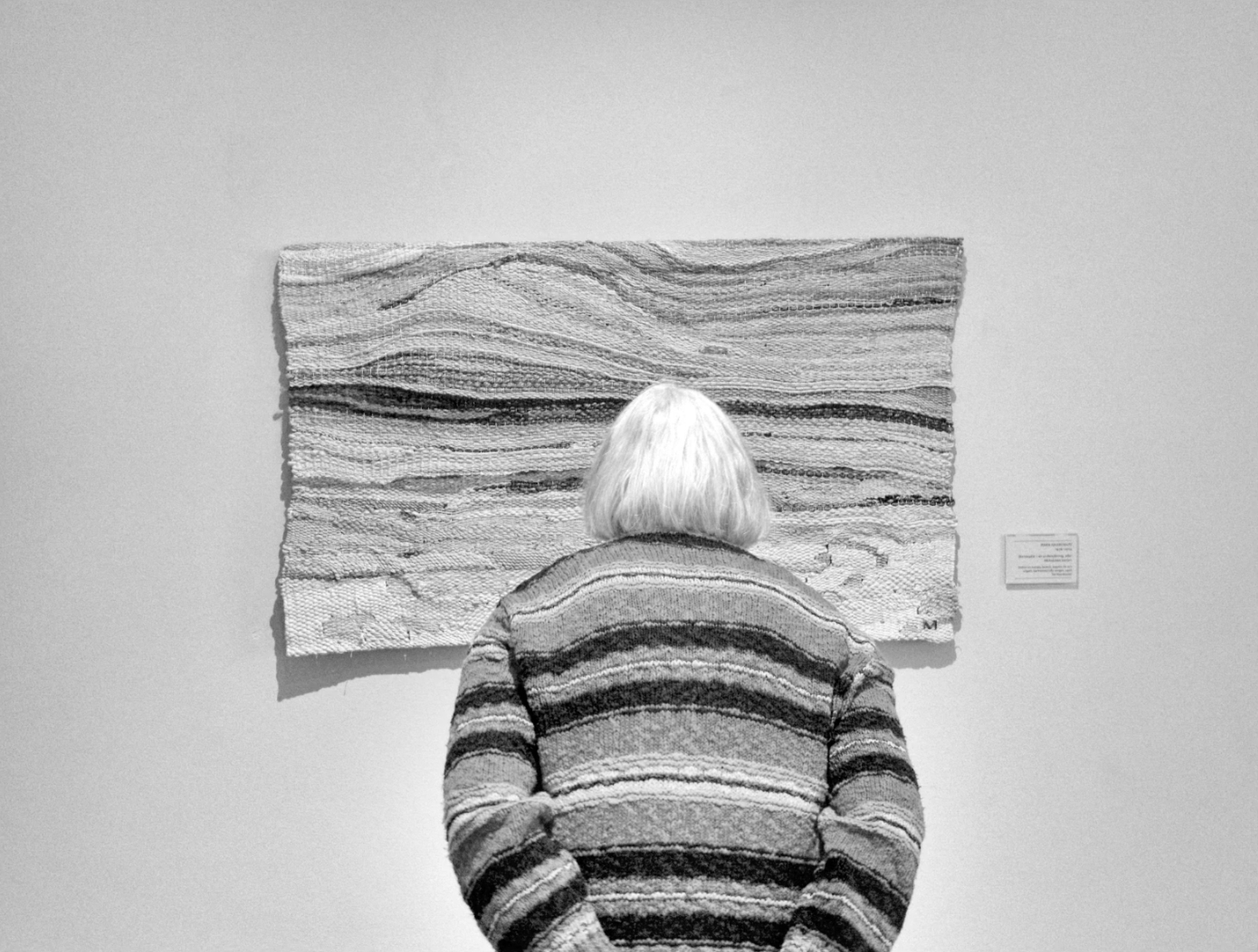
“I’ll look for interesting relationships between the light and shade,” Vandervell explains. “I want good contrast with pure whites and deep blacks.” This pursuit of stark contrast is not merely a stylistic choice; it is integral to his photographic language. The demand for optimal lighting conditions dictates his shooting schedule, leading to a notable aversion to overcast days. “I don’t go out on grey days!” he declares, a statement that highlights the non-negotiable nature of his preferred aesthetic. For Vandervell, the absence of dramatic light renders a scene incomplete, lacking the essential element that allows his vision to manifest.
Influences and the Embrace of Minimalism
The high-contrast aesthetic that characterizes Vandervell’s work is not without its historical precedents. His style bears a discernible kinship with the pioneering street photographers of the mid-20th century, a period known for its experimental and artful approach to urban documentation. He cites luminaries such as Ray Metzker, Lucien Hervé, and Ernst Haas as significant influences. These artists, prominent in the 1950s and 1960s, were celebrated for their innovative use of form, light, and composition. “Looking at how they photographed their cities and how they used everything around them to compose and shape their images is endlessly inspiring,” Vandervell shares.
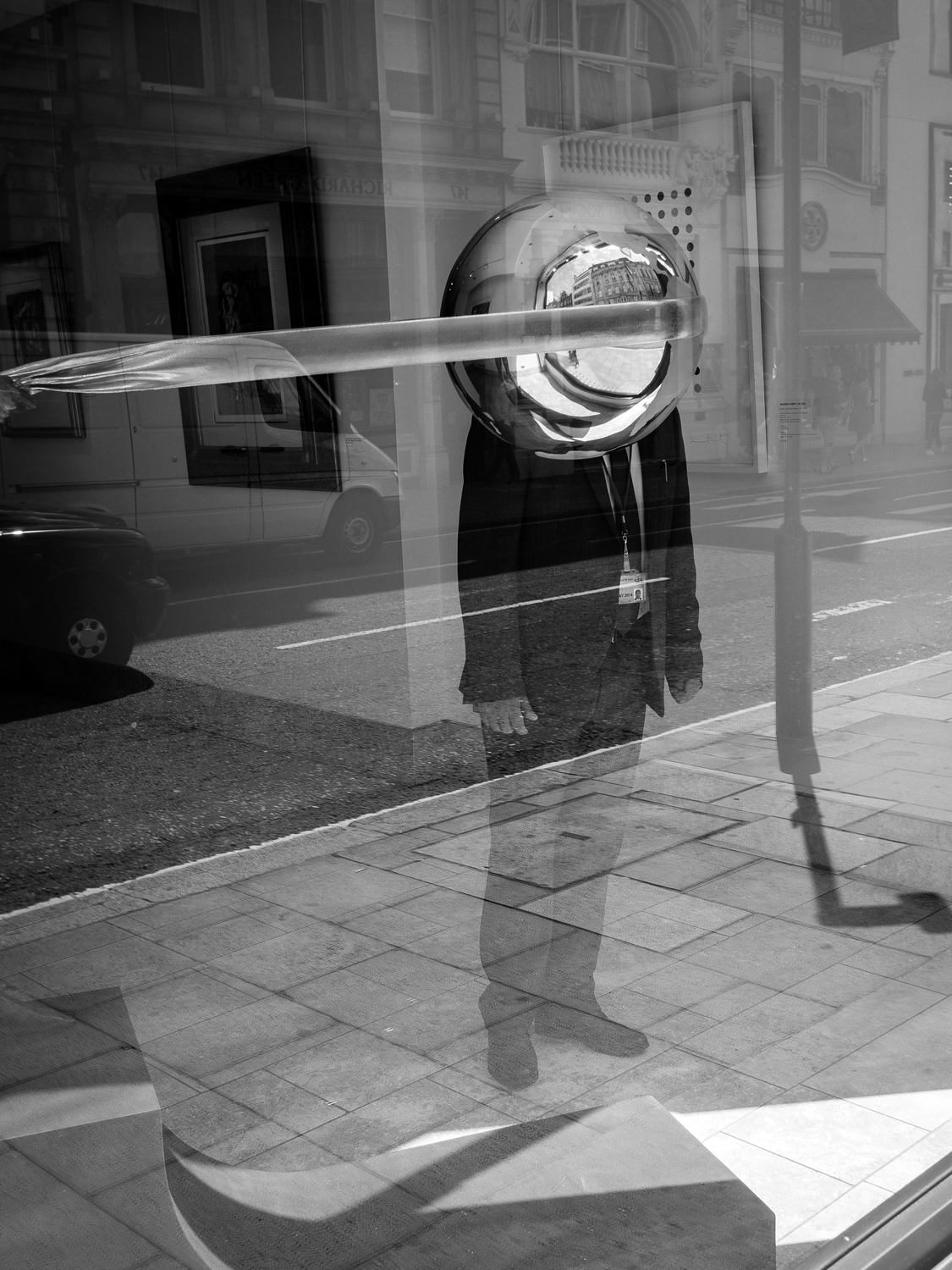
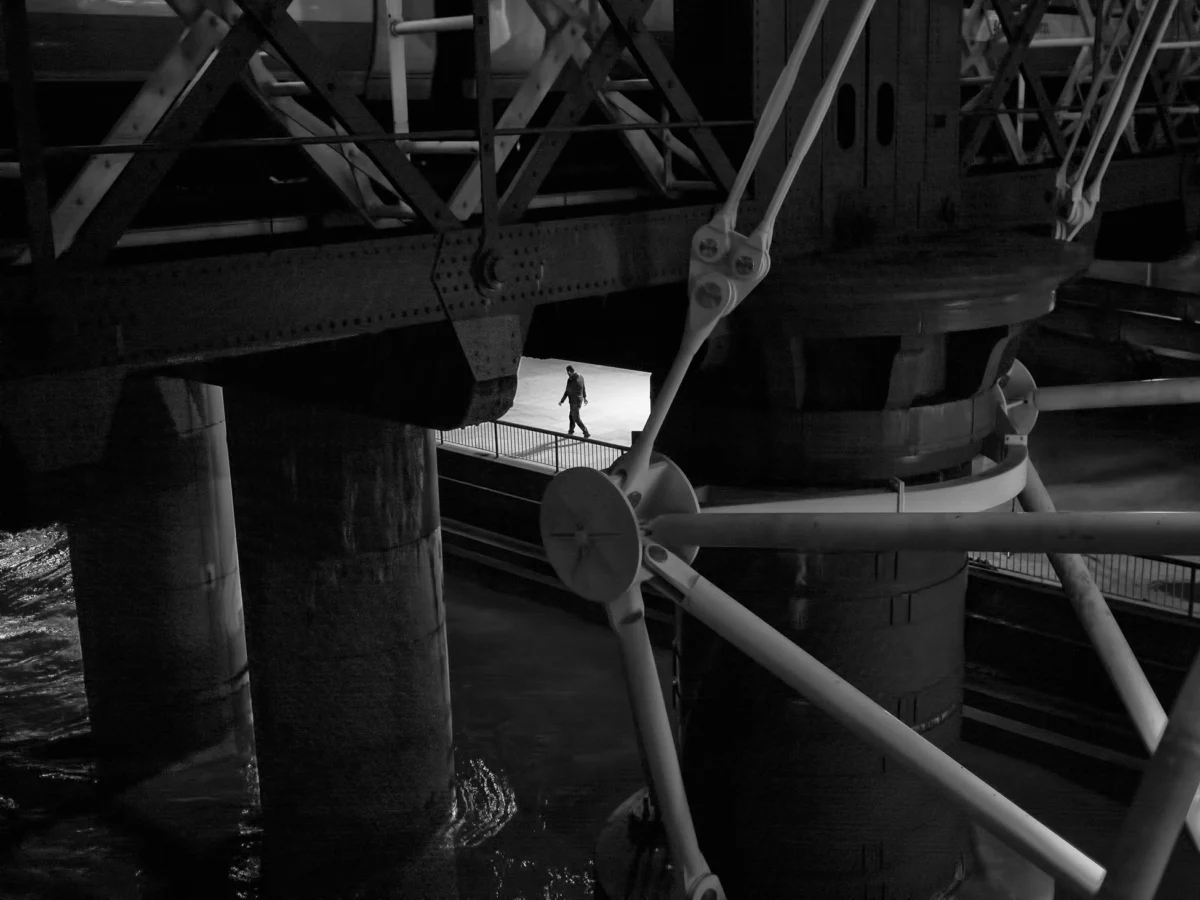
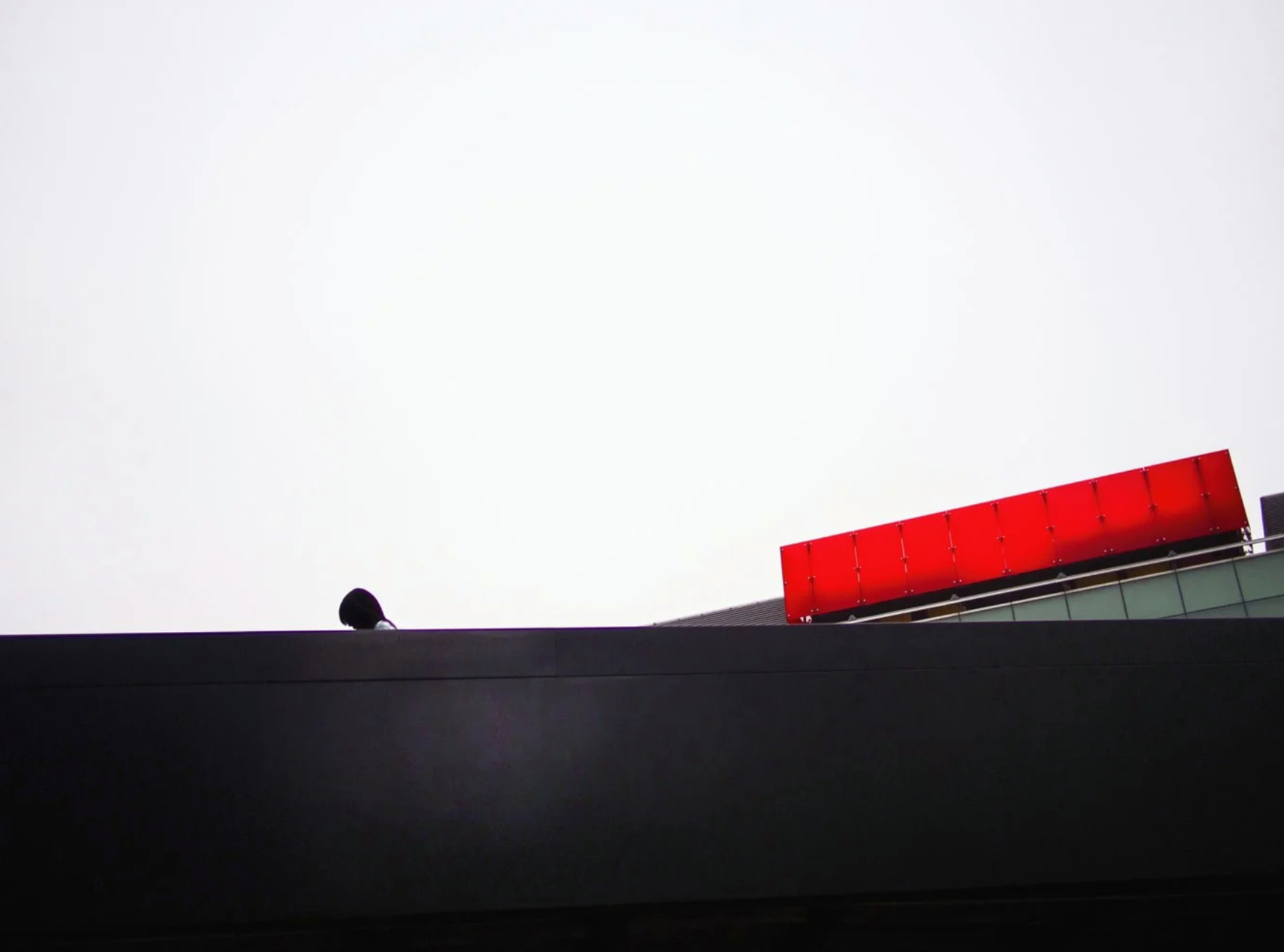
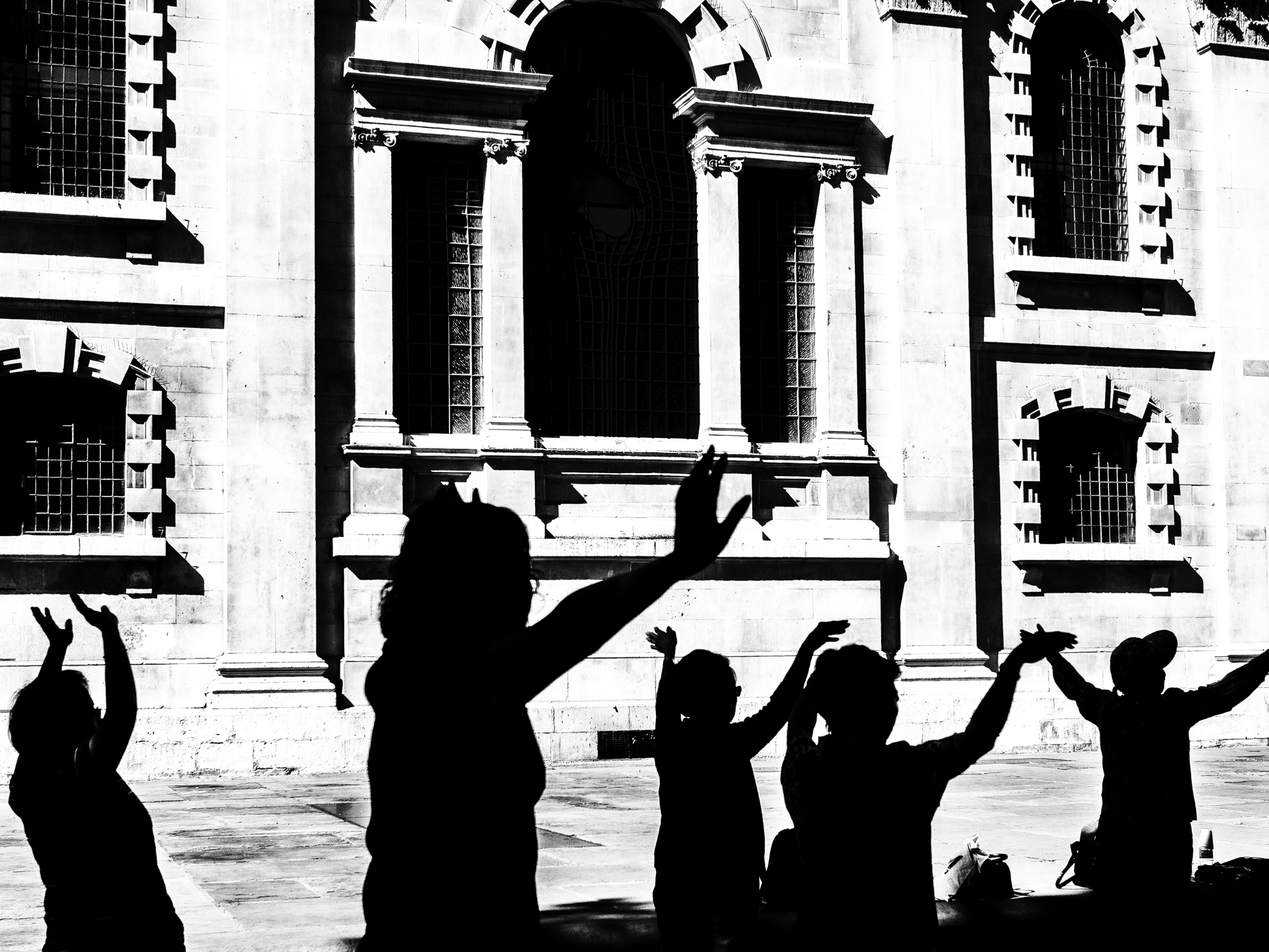
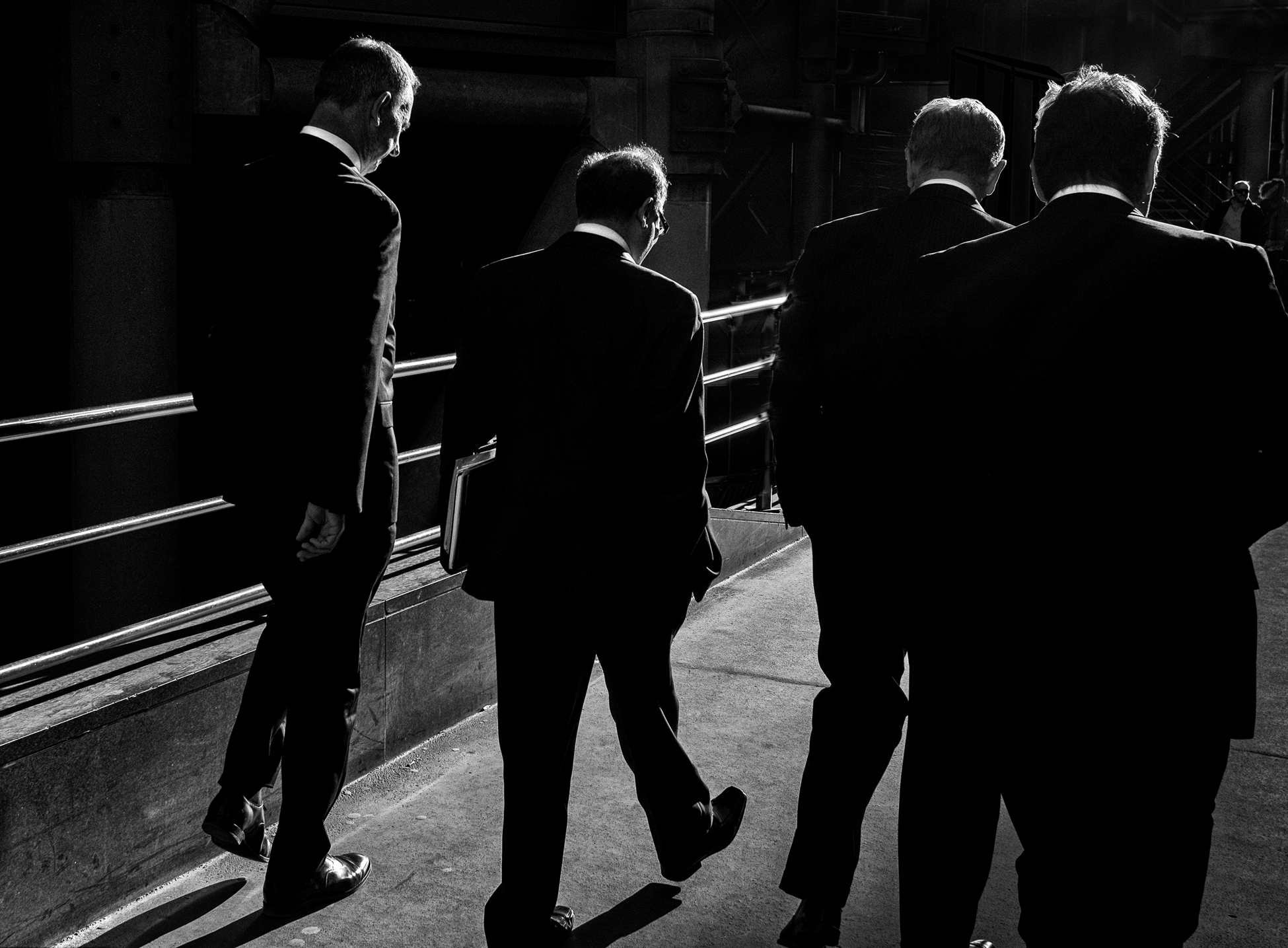
Drawing inspiration from these masters, Vandervell employs silhouettes, negative space, and dramatic shadows to achieve his signature high-contrast look. This technique serves multiple purposes: it injects an element of mystery or isolation into his images, depending on the narrative he seeks to convey, and critically, it allows him to distill the scene, eliminating extraneous details that might detract from the core subject. This embrace of minimalism, a conscious decision to pare down visual information, amplifies the impact of the essential elements – light, form, and the human subject.
“Human silhouettes and negative space are very important in the style of pictures I take,” he elaborates. “They are graphic elements that play significant roles. If including a human silhouette, I try to make sure that they appear in a characterful way. Not just standing still but as animated as possible, I’ll try to capture them in full motion. Negative space also plays a big part in my compositions; using a ‘less is more approach’ often works well.” This deliberate use of negative space is not mere emptiness; it is an active compositional tool that guides the viewer’s eye and emphasizes the relationship between the subject and its surroundings.
The Human Element in the Architectural Spectacle
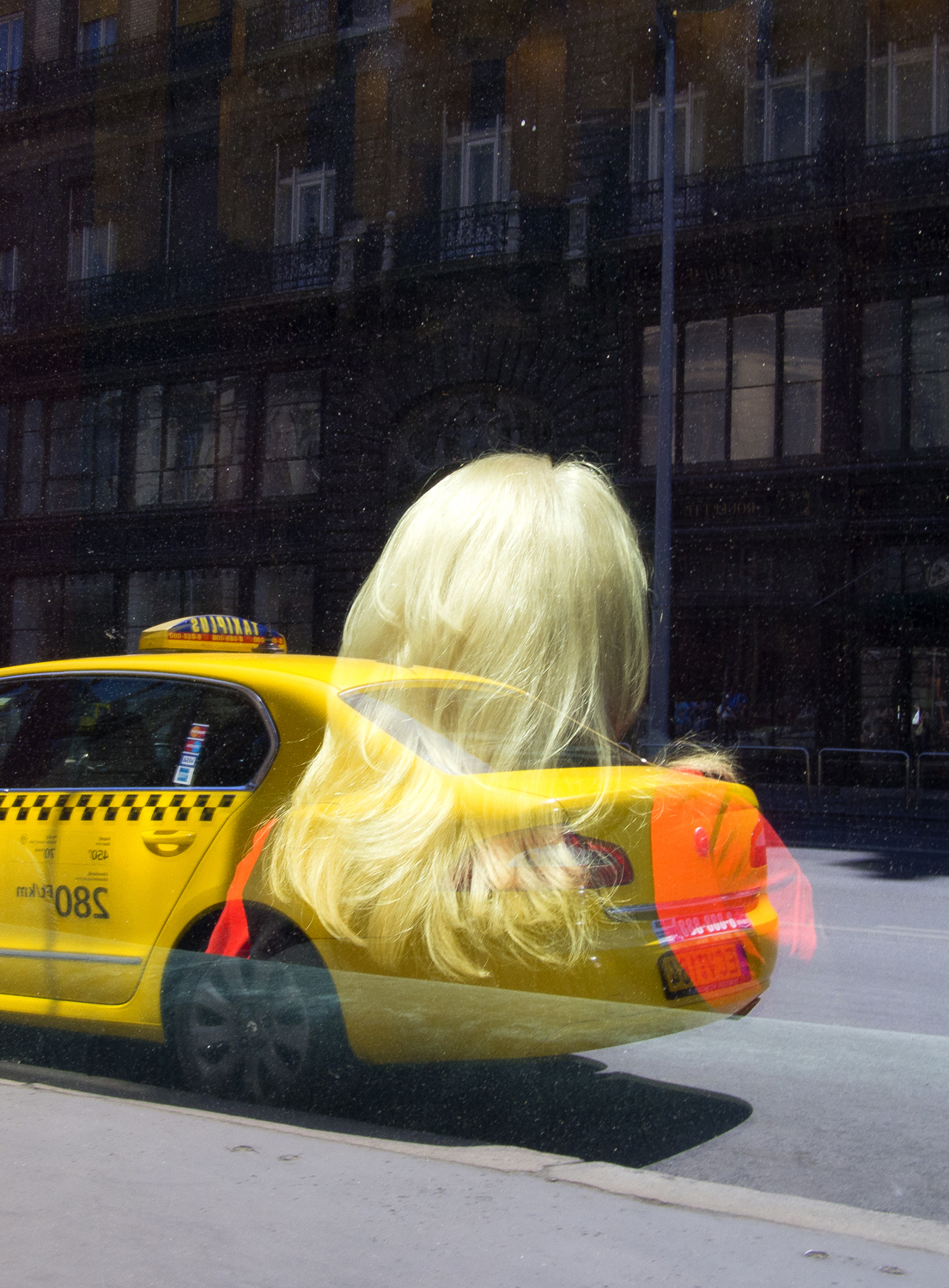
A recurring and defining characteristic of Vandervell’s photography is the presence of the human element, often depicted as a solitary figure juxtaposed against the stark geometry and textural richness of the urban landscape. This deliberate juxtaposition of the built environment and the human form is, for Vandervell, a profound exploration of humanity’s interaction with the constructed world. He views his work as a commentary on how individuals navigate, inhabit, and are shaped by the architectural spectacles that surround them.
The process of creating these images often begins with the discovery of a compelling scene, an interplay of light and form that sparks his interest. “Once I have discovered a potential scene, I will play around with it and frame and compose, moving around the area to explore it in full,” Vandervell explains. The subsequent challenge lies in integrating a human element that serves to enhance the scale, perspective, and narrative of the photograph. This often requires a keen sense of timing, a reliance on the “decisive moment” famously articulated by Henri Cartier-Bresson, where all elements converge in perfect harmony.
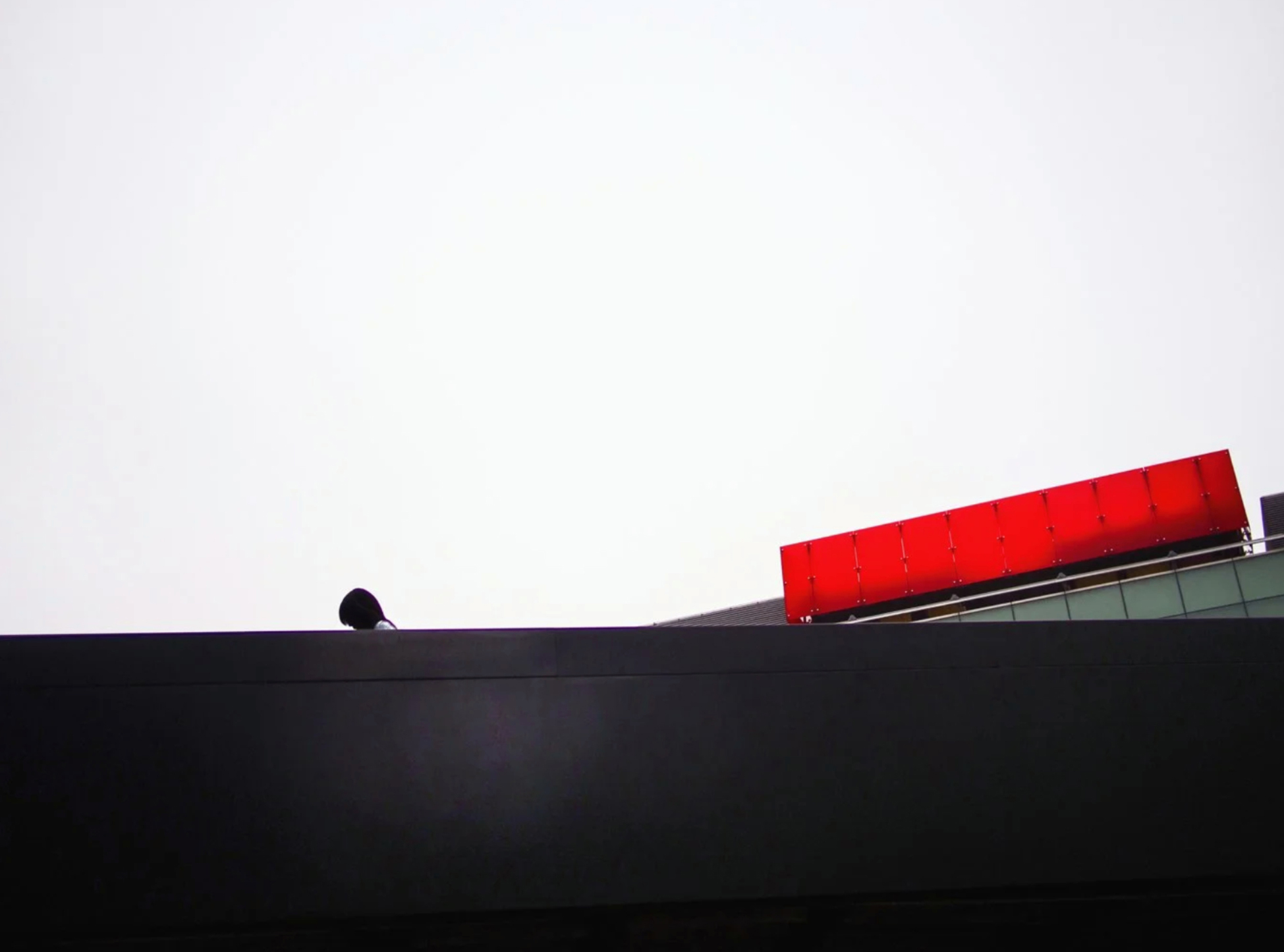
“A photograph can be a success or failure depending on the location of certain elements, and in my pictures, the positioning of any human subject can be critical,” Vandervell states. “I use all elements in a graphic way, and the order and placement of them will make or break the image.” This meticulous attention to detail underscores the precision and intentionality behind his compositions. Each element, from the angle of a shadow to the placement of a pedestrian, is carefully considered to contribute to the overall graphic impact.
A Case Study in Compositional Harmony
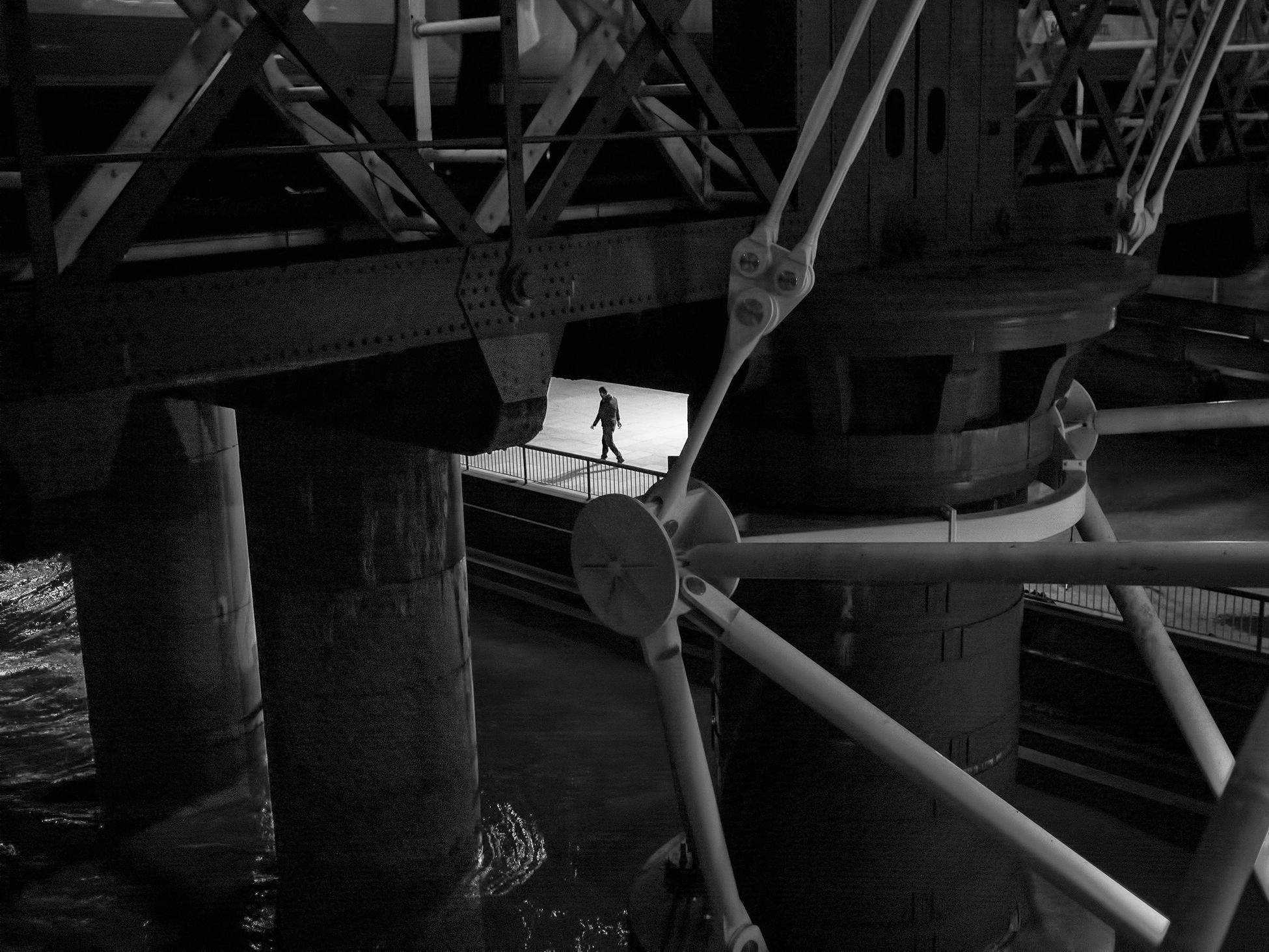
Vandervell often highlights a particular photograph, captured in London in 2012, as a summation of his stylistic principles. This image, taken on a crisp spring morning, exemplifies the harmonious convergence of light, shade, geometry, and the human factor. The scene is characterized by the striking geometric patterns cast by sunlight filtering through metal railings, creating a dynamic interplay of light and shadow across the urban architecture.
The presence of a lone figure, a man appearing to be on a smoking break from a nearby office, adds a crucial human dimension. Vandervell recalls the urgency of the moment: “I had to be quick because the man seen below looked like he was having a smoking break from his office and he was moving around somewhat.” His quick thinking and decisive action were paramount. He meticulously worked out the composition and framing, carefully considering where to position the man within the frame to maximize the visual impact. The technical execution involved exposing for the illuminated ground and stopping down the aperture to f/16, ensuring sharpness and depth of field across the entire scene.
The photograph’s significance is further amplified by a poignant contextual detail: the location has since undergone significant redevelopment, and the elevated walkway from which Vandervell shot the image no longer exists. This temporal dimension imbues the photograph with an added layer of historical resonance, capturing a fleeting moment in the ever-evolving urban fabric. “Looking back, this was a most satisfying capture because the area has since been re-developed and the highwalk I was shooting from no longer exists,” he reflects. This anecdote not only illustrates his ability to seize ephemeral moments but also underscores the documentary aspect that can be inherent in street photography, preserving glimpses of places and times that are destined to change.
Sharing Expertise and Fostering Individual Style
Beyond his own artistic output, Vandervell actively engages in sharing his knowledge and passion for street photography. He currently hosts a YouTube channel where he imparts lessons learned from his own artistic development and his study of other photographers. Recognizing that many aspiring photographers are keen to improve their composition and achieve a more striking or dramatic visual style, Vandervell emphasizes the paramount importance of cultivating a unique and personal style.
“By doing this, you will make pictures that you feel belong to you and have more personal meaning,” he advises. “I have always been interested in minimalism and the geometric look and so, of course, I wanted my pictures to highlight that. There is nothing new under the sun, but by letting your personality influence your picture taking, you will find the whole process much more rewarding.” This philosophy champions authenticity and self-expression as the cornerstones of compelling photography, encouraging individuals to find their own voice within the vast landscape of visual art.
His platform serves as a valuable resource for those seeking to understand the nuances of street photography, from mastering technical skills to developing a discerning eye for composition and light. Vandervell’s teachings consistently circle back to the idea that while technical proficiency is essential, it is the artist’s individual perspective and interpretation that truly elevate a photograph from a mere snapshot to a work of art.
Vandervell’s commitment to his craft extends to making his work accessible to a wider audience. His website, Instagram feed, and YouTube channel provide comprehensive platforms for viewers to explore his extensive portfolio, gain insights into his creative process, and learn practical techniques that can be applied to their own photographic endeavors. Through his dedication to both artistic creation and education, Rupert Vandervell continues to inspire and inform a new generation of street photographers, demonstrating the enduring power of light, form, and the human narrative within the urban environment.