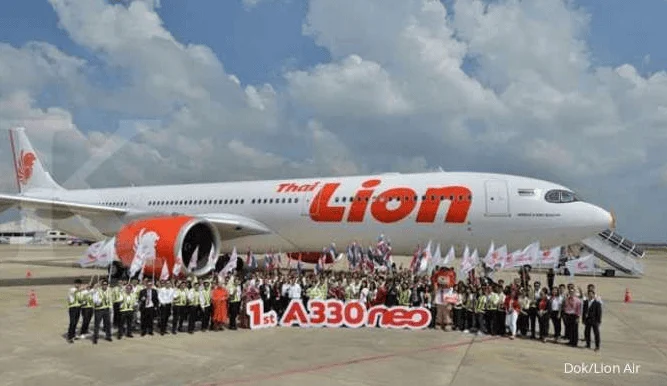
Thai Lion Air officially marked a transformative milestone in its operational history on October 7, 2021, with the arrival of its first two Airbus A330-900 (A330neo) aircraft at Don Mueang International Airport in Bangkok. These state-of-the-art wide-body aircraft, which arrived directly from the Airbus delivery center in Toulouse, France, represent a strategic shift for the carrier as it seeks to bolster its long-haul capabilities and expand its footprint in the competitive Asia-Pacific aviation market. The arrival was celebrated with a traditional water cannon salute and a formal blessing ceremony, attended by high-ranking officials including the French Ambassador to Thailand, His Excellency Thierry Mathou, and Jean-Francois Laval, Airbus Executive Vice President for Sales in Asia.
The induction of the A330neo into the Thai Lion Air fleet is not merely a capacity upgrade but a cornerstone of the airline’s post-pandemic recovery and long-term growth strategy. By incorporating one of the world’s most efficient wide-body aircraft, the airline aims to bridge the gap between its established short-haul domestic network and the burgeoning demand for affordable medium-to-long-haul international travel and specialized air cargo services.
A New Era for Thai Lion Air’s Long-Haul Ambitions
Since its inception in 2013 as a joint venture between Indonesian Lion Air and Thai partners, Thai Lion Air has primarily functioned as a low-cost carrier (LCC) utilizing a narrow-body fleet of Boeing 737 aircraft. The decision to integrate the Airbus A330neo signifies a diversification of its business model. The A330neo, or "New Engine Option," is the latest evolution of the highly successful A330 family, designed to provide the economics of a low-cost operation with the range and comfort required for transcontinental flights.
The timing of the delivery, occurring in late 2021, was particularly significant. As Thailand began easing travel restrictions through initiatives such as the "Phuket Sandbox" and the gradual reopening of Bangkok to international tourists, the need for high-capacity, fuel-efficient aircraft became paramount. Thai Lion Air’s investment in the A330neo reflects a vote of confidence in the resilience of the Thai tourism sector and the increasing importance of Bangkok as a regional aviation hub.
Technical Excellence: The Airbus A330neo Specifications
The Airbus A330-900 is engineered to deliver a 14% reduction in fuel burn per seat compared to previous-generation aircraft, a factor that is critical for LCCs operating on thin margins. This efficiency is achieved through a combination of advanced aerodynamics, new materials, and cutting-edge propulsion technology.
Power and Efficiency: The Rolls-Royce Trent 7000
At the heart of the A330neo are the Rolls-Royce Trent 7000 engines. These engines leverage technology from the Trent XWB (used on the A350) to provide a significant leap in performance. The Trent 7000 offers a bypass ratio double that of the engines powering the older A330ceo (Current Engine Option), resulting in a quieter cabin and substantially lower carbon emissions. For Thai Lion Air, these engines mean lower landing fees at noise-sensitive airports and a smaller environmental footprint, aligning with global aviation trends toward sustainability.
The Airspace by Airbus Cabin Experience
Thai Lion Air has configured its A330neo aircraft in a high-density, single-class layout capable of seating up to 436 passengers. While the seat count is maximized to support the LCC model, the "Airspace by Airbus" cabin ensures that passenger comfort is not compromised. The cabin features larger overhead bins, redesigned sidewalls that provide more shoulder room, and advanced LED mood lighting systems designed to reduce jet lag by mimicking natural light cycles. Furthermore, the aircraft is equipped with the latest generation of in-flight entertainment and connectivity options, allowing the airline to offer tiered service levels to its passengers.
Strategic Integration and the Global Pandemic Context
The arrival of these aircraft was originally slated for an earlier date but was rescheduled due to the unprecedented disruptions caused by the COVID-19 pandemic. During 2020 and 2021, the global aviation industry faced its greatest challenge, with international borders closed and demand for air travel plummeting. However, Thai Lion Air utilized this period to refine its operational strategy.
Industry analysts note that the A330neo is particularly well-suited for the "new normal" of aviation. Its versatility allows it to be deployed on high-demand regional routes—such as Bangkok to Tokyo, Seoul, or Taipei—while also possessing the range to reach destinations in Australia and the Middle East. Additionally, the A330neo’s belly cargo capacity provides a vital secondary revenue stream. During the height of the pandemic, cargo became a lifeline for many airlines, and Thai Lion Air intends to leverage the A330neo’s ability to carry significant freight volumes alongside passengers to stabilize its earnings.
A Chronology of Delivery and Deployment
The journey of the first two A330neos began at the Airbus headquarters in Toulouse. Following rigorous test flights and acceptance procedures by Thai Lion Air’s technical teams, the aircraft embarked on their ferry flights to Bangkok. Upon arrival at Don Mueang International Airport, the aircraft underwent final inspections by the Civil Aviation Authority of Thailand (CAAT) to ensure compliance with local regulatory standards.
The blessing ceremony held on the tarmac was a blend of diplomatic formality and local tradition. The presence of Ambassador Thierry Mathou underscored the strong economic ties between France and Thailand, particularly in the aerospace sector. Airbus has maintained a long-standing partnership with Thai carriers, and the delivery of the A330neo to Thai Lion Air further solidifies this relationship.
Initially, the airline planned to deploy the aircraft on domestic "trunk" routes to facilitate crew training and familiarization before transitioning them to international service. As regional borders began to reopen in 2022, the A330neos were earmarked for key markets in North Asia and the Indian subcontinent, where the combination of high passenger volume and cargo demand fits the aircraft’s profile perfectly.
Economic and Environmental Implications for the Thai Aviation Sector
The introduction of the A330neo into the Thai register has broader implications for the national economy. Aviation is a primary driver of Thailand’s GDP, supporting millions of jobs in the tourism and hospitality sectors. By increasing the available seat kilometers (ASK) with efficient aircraft, Thai Lion Air contributes to the overall competitiveness of the Thai aviation market.
From an environmental perspective, the A330neo’s improved fuel efficiency is a vital component of the industry’s commitment to reaching net-zero carbon emissions by 2050. The aircraft features a new high-span wing with "Sharklet" wingtip devices made of composite materials, which reduce drag and improve lift. These aerodynamic enhancements, combined with the Trent 7000 engines, ensure that Thai Lion Air can grow its operations without a linear increase in its carbon output.
The Competitive Landscape of Low-Cost Long-Haul Travel
The low-cost long-haul (LCLH) segment in Thailand has seen significant shifts in recent years. With the exit of some competitors and the restructuring of others, Thai Lion Air is positioned to capture a significant share of the value-conscious traveler market. The A330neo allows the airline to offer lower fares than traditional full-service carriers while providing a modern, reliable flight experience.
Experts suggest that the success of the LCLH model depends heavily on aircraft utilization and fuel management. The A330neo addresses both these factors by offering high reliability and low operating costs. Furthermore, the commonality between the A330neo and other Airbus models allows for streamlined pilot training and maintenance procedures, further reducing the overhead costs for the airline.
Conclusion: Charting a Course for Future Growth
The arrival of the first Airbus A330neo aircraft marks the beginning of a new chapter for Thai Lion Air. It is a transition from a domestic-focused carrier to a regional powerhouse with the capability to connect Thailand to distant markets. While the challenges of the post-pandemic era remain, the investment in advanced technology and fuel-efficient fleet solutions positions the airline to adapt to a changing world.
As Thai Lion Air continues to integrate these aircraft into its daily operations, the focus will remain on safety, efficiency, and enhancing the passenger experience. The A330neo is more than just an addition to the fleet; it is a symbol of the airline’s resilience and its commitment to playing a leading role in the future of Asian aviation. With a clear strategy for international expansion and a robust aircraft at its disposal, Thai Lion Air is well-prepared to navigate the complexities of the global skies and contribute to the revitalization of Thailand’s vital tourism industry.