The intricate art of manipulating light, a cornerstone of both photography and videography, continues to be a subject of profound study and innovation. While technological advancements in cameras and lighting equipment proliferate, experts consistently reiterate that true mastery stems not from gear ownership, but from a deep understanding of three immutable principles: Intensity, Quality, and Direction. These fundamentals are not merely technical specifications; they are the artistic levers that transform a mere recording into a compelling visual narrative, universally applicable whether harnessing sophisticated studio strobes or simply observing the nuances of natural light.
Historically, the ability to control and shape light has been central to visual storytelling, predating the invention of photography itself. Painters like Caravaggio and Rembrandt, masters of chiaroscuro, meticulously employed light and shadow to create drama and depth, setting a precedent for how light could sculpt form and evoke emotion. With the advent of photography in the 19th century, early practitioners were largely at the mercy of natural light, necessitating long exposures and careful timing. The subsequent development of artificial light sources—from flash powder in the late 1800s to incandescent bulbs, then electronic flash (strobes), and more recently, advanced LED arrays—marked a paradigm shift, granting artists unprecedented control. Yet, throughout this technological evolution, the core principles governing light’s behavior have remained steadfast, forming the bedrock of visual education and professional practice.
The Volume Knob: Intensity of Light
The first, and arguably most straightforward, principle is the Intensity of Light. Often conceptualized as the "volume knob" for illumination, intensity directly dictates the quantity of light reaching the subject and, consequently, the camera’s exposure settings. In studio environments, this is precisely controlled via physical dials or digital interfaces on strobes and continuous lights, calibrated in units such as watt-seconds for flash or lux/lumens for continuous sources. For natural light scenarios, control shifts to the camera’s exposure triangle—aperture, shutter speed, and ISO—or through the physical attenuation of light using Neutral Density (ND) filters.
The significance of intensity extends beyond mere exposure. It plays a critical role in managing dynamic range, ensuring that both highlights and shadows retain detail, a perpetual challenge in high-contrast scenes. While perhaps the easiest principle to grasp and adjust, its careful application is foundational. An insufficient intensity leads to underexposure and loss of shadow detail, while excessive intensity risks blowing out highlights, both compromising the visual integrity of the image. The evolution of light meters, from simple selenium cell meters to sophisticated spot meters and incident meters, reflects the ongoing quest for precise intensity management, providing photographers and videographers with the tools to consistently achieve optimal exposure regardless of the lighting conditions.
The Character Builder: Quality of Light
Far more nuanced and complex than intensity, the Quality of Light is perhaps the most discussed and debated principle among visual artists. It encompasses a multitude of characteristics that define how light interacts with a subject, profoundly influencing texture, mood, and overall aesthetic. Key aspects of light quality include its hardness or softness, its color temperature, and its spectral purity.
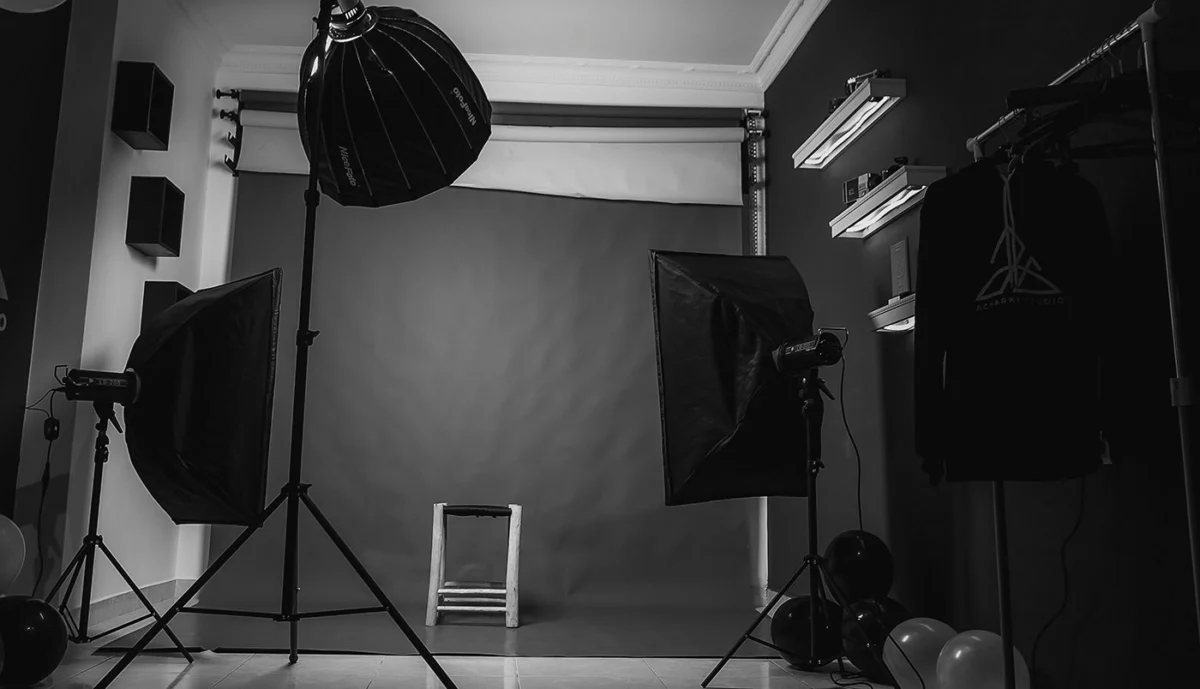
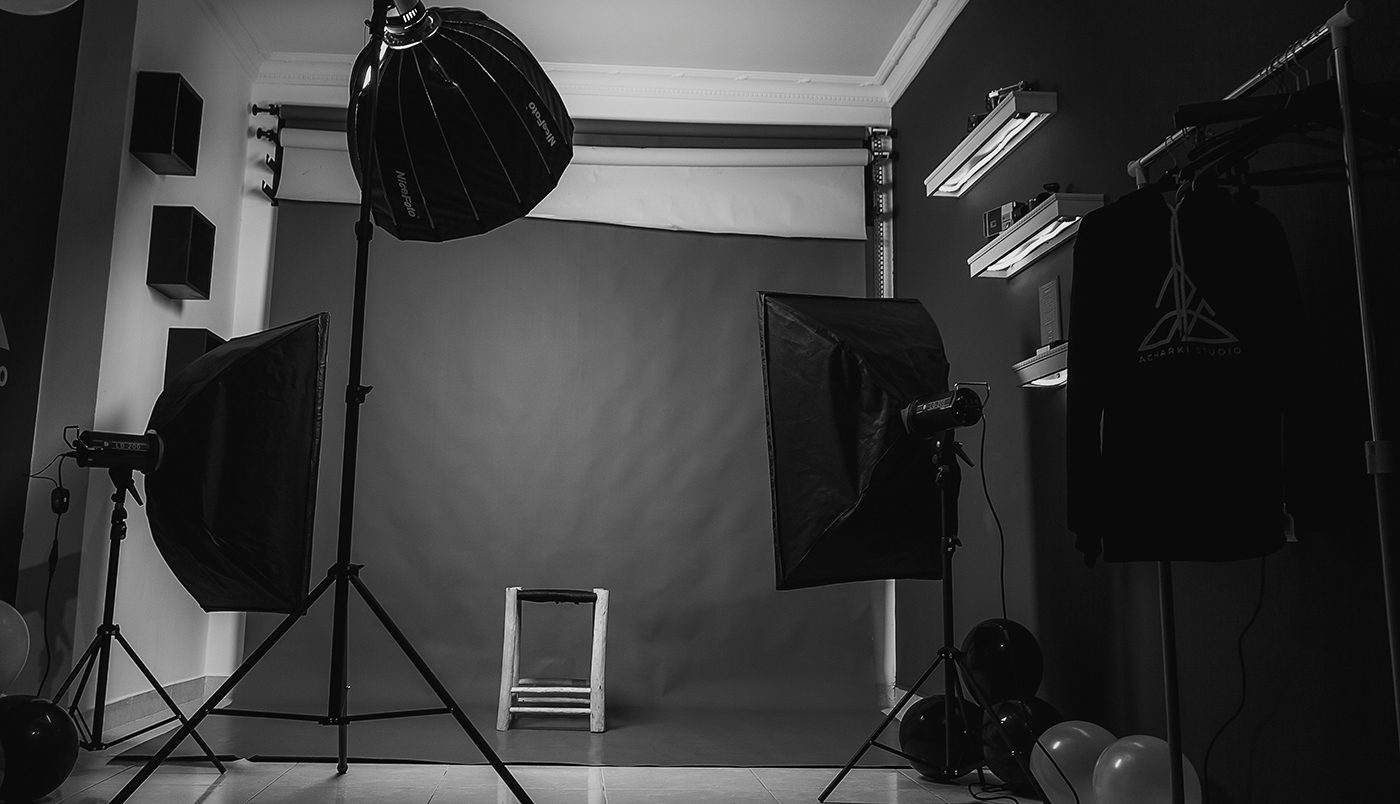
Hard Light vs. Soft Light: The most fundamental distinction within light quality is between hard and soft light. Hard light originates from a relatively small light source in relation to the subject. It produces sharp, well-defined shadows, high contrast, and accentuates texture and detail. Examples include direct sunlight on a clear day, a bare flash bulb, or a focused spotlight. This quality is often employed for dramatic effects, to emphasize contours, or to create a sense of intensity. Conversely, soft light emanates from a large light source relative to the subject. It creates gradual transitions between light and shadow, diffused shadows with soft edges, and a generally more flattering, less contrasty illumination. Overcast skies, large softboxes, bounced light, or light passing through a translucent diffuser are prime examples. Soft light is favored in portraiture, beauty photography, and situations where a gentle, even illumination is desired.
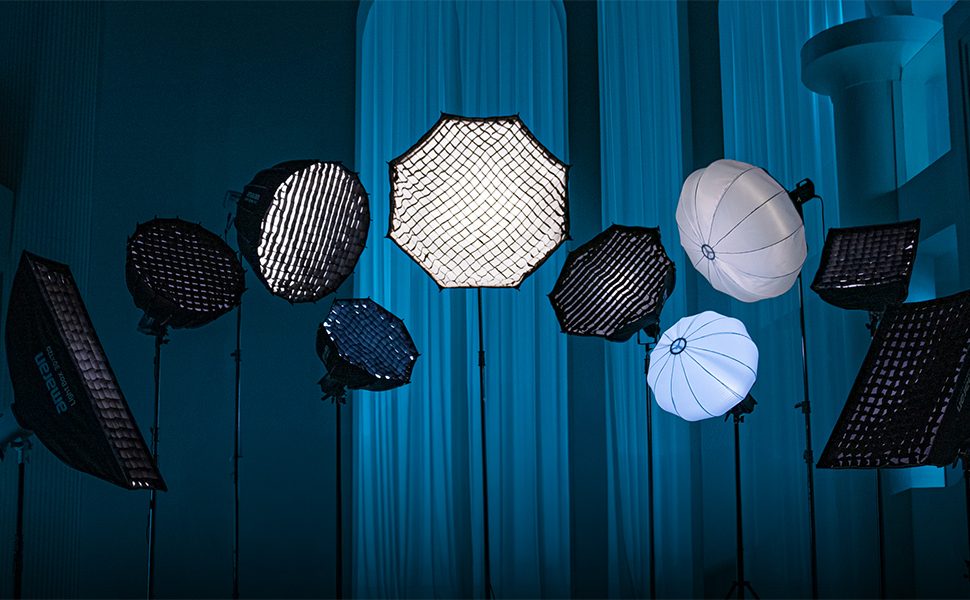
The historical development of light modifiers directly correlates with the pursuit of diverse light qualities. Early photographers, limited to bare bulbs or natural light, quickly realized the need to sculpt and diffuse. From simple white sheets used to bounce light, the industry progressed to sophisticated parabolic reflectors, octagonal softboxes, beauty dishes, and grids—each designed to achieve a specific quality of light. The market for these modifiers is robust, with manufacturers continually innovating, leading to a vast array of tools that allow for meticulous control over shadow fall-off, specular highlights, and light spread. This continuous innovation underscores the critical importance placed on light quality by professionals across all visual disciplines.
Color Temperature and Spectral Purity: Beyond hardness and softness, light quality also encompasses its color temperature, measured in Kelvin (K). This metric describes the warmth or coolness of a light source. Lower Kelvin values (e.g., 2000K-3000K) represent warmer, orange-yellow light (like candlelight or tungsten bulbs), while higher values (e.g., 5500K-6500K) indicate cooler, blue-white light (like daylight or electronic flash). Understanding and controlling color temperature is vital for achieving accurate color rendition and maintaining a consistent aesthetic, particularly when mixing different light sources. Modern RGB LEDs offer unprecedented control, allowing creators to dial in precise hues and saturation, opening up new avenues for creative expression beyond traditional white light. Spectral purity, or the completeness of a light source’s color spectrum, also impacts color accuracy, with high Color Rendering Index (CRI) values indicating light that renders colors more faithfully.
The quality of light is often considered the most artistic and subjective of the three principles, offering the broadest spectrum of creative choices and requiring a keen eye for detail and effect.

The Sculptor: Direction of Light
The third fundamental principle, the Direction of Light, refers to the position of the light source relative to the subject and the camera. This principle is the most potent tool for creating a sense of depth, shape, and three-dimensionality within a two-dimensional image or video frame. It dictates how shadows fall, how contours are emphasized, and ultimately, how the subject is perceived.
Traditionally, the most naturalistic lighting comes from above, mimicking the sun or overhead indoor lighting. Deviations from this norm are often employed with specific artistic intent to evoke particular moods or to create striking, unconventional aesthetics. The placement of a single light source can dramatically alter the perception of a subject, transforming a flat image into one with form and volume.
Key Lighting Angles and Their Effects:
- Frontal Lighting: Positioned directly in front of the subject, near the camera. Flattens features, reduces shadows, often used for even illumination but can lack drama.
- Side Lighting (Split Lighting): Positioned to one side of the subject, illuminating half the face/body while leaving the other in shadow. Creates dramatic contrast, emphasizes texture and form.
- Top Lighting (Butterfly/Paramount Lighting): Positioned directly above and slightly in front of the subject. Creates a butterfly-shaped shadow under the nose, often used in beauty and fashion photography for a glamorous look.
- Back Lighting (Rim Lighting/Hair Light): Positioned behind the subject, facing the camera. Creates a luminous outline, separating the subject from the background and adding depth.
- Bottom Lighting (Under Lighting): Positioned below the subject, shining upwards. Often creates unnatural and eerie shadows, frequently used in horror or dramatic contexts.
The historical application of directional lighting is evident in classical portraiture and theatre, where specific angles were used to highlight characters or create symbolic meaning. In cinematography, the precise placement of key lights, fill lights, and rim lights is a meticulously planned process, often mapped out in "lighting breakdowns" that illustrate the angle and intensity of each source relative to the subject and camera. This meticulous approach underscores that while there are "rules" or conventions (e.g., avoiding unflattering under-lighting), these are ultimately guidelines to be understood and, when appropriate, intentionally broken for creative impact. The psychological impact of directional light is also profound; upward-angled light can create a sense of unease, while soft, frontal light often conveys accessibility and openness.
Educational Emphasis and Broader Implications
The mastery of Intensity, Quality, and Direction forms the bedrock of curricula in leading photography and cinematography schools worldwide. Institutions like the Rochester Institute of Technology, Brooks Institute, and the American Film Institute dedicate extensive resources to teaching these principles, recognizing their timeless relevance. Industry bodies, professional photographers’ associations, and cinematographers’ guilds consistently emphasize these fundamentals as crucial for developing a discerning eye and technical proficiency.
In an increasingly visually-driven global economy, where high-quality imagery and video content are paramount for branding, marketing, journalism, and artistic expression, the skilled application of lighting principles holds significant commercial value. The global market for photographic and video equipment, including lighting solutions, continues to grow, driven by the proliferation of digital platforms and the demand for engaging visual media. Professionals who can adeptly manipulate light are highly sought after, as their skills directly contribute to the aesthetic appeal and communicative power of visual assets.
While technological advancements continue to introduce more powerful, versatile, and automated lighting solutions—from smart LEDs with app control to AI-assisted lighting setups—these innovations ultimately serve to provide greater, more precise control over these three enduring principles. The core understanding of how intensity, quality, and direction shape an image remains paramount, serving as the constant amidst evolving tools. For aspiring visual artists and seasoned professionals alike, a deep comprehension of these fundamentals is not just a technical requirement, but the very essence of transforming light into art. The ongoing dialogue and exploration within the creative community, often fueled by detailed lighting breakdowns and educational resources, underscore the dynamic and infinitely expressive potential inherent in mastering these foundational pillars of illumination.