Forecasting the 2025 Aviation Surge
The prediction of peak aircraft movements on March 22 and 28 is rooted in a detailed analysis of travel patterns, the 2025 holiday calendar, and historical data from previous years. Industry analysts and the Ministry of Transportation have identified these dates as the primary inflection points for the holiday rush. March 22, falling on a Saturday, is expected to serve as the primary launchpad for the "Mudik" exodus. Many travelers are likely to utilize this weekend to begin their journeys early, seeking to avoid the even more congested days immediately preceding the Eid al-Fitr holiday.
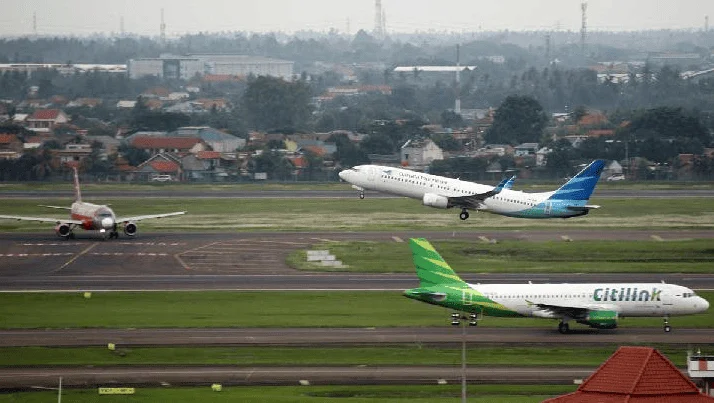
Conversely, March 28 is anticipated to be the second peak, representing either a final wave of departures or the beginning of an early return flow for those whose professional obligations require a premature end to their holiday. During these two specific days, the volume of flights is expected to shatter previous records. At Soekarno-Hatta International Airport (CGK) alone, officials are preparing for over 23,000 aircraft movements throughout the Lebaran period, with the peak days seeing thousands of take-offs and landings within a 24-hour window. This represents a significant percentage increase over daily averages, highlighting the sheer scale of the Indonesian aviation market during festive seasons.
Infrastructure and Airport Preparedness
To manage the anticipated influx, PT Angkasa Pura and other airport operators across the archipelago have initiated comprehensive "Lebaran Readiness" programs. These programs focus on three core pillars: terminal capacity management, runway efficiency, and passenger flow optimization. At major hubs like Soekarno-Hatta, Juanda International in Surabaya, and I Gusti Ngurah Rai in Bali, technical inspections of runways, taxiways, and aprons have been accelerated to ensure that the infrastructure can handle the high-frequency cycles of heavy aircraft.
In addition to physical infrastructure, human resource allocation is being prioritized. Thousands of additional personnel, including ground handling staff, security officers, and customer service ambassadors, will be deployed during the peak period. The objective is to minimize bottlenecks at check-in counters and security screening points. Airport authorities are also working closely with AirNav Indonesia to optimize air traffic management. By reducing the separation time between landing and departing aircraft—within safe regulatory limits—controllers aim to maximize the number of "slots" available for airlines, thereby accommodating the surge in extra flights requested for the season.
Airline Strategies and Fleet Mobilization
Airlines are the primary engines of the Lebaran movement, and their preparations are equally rigorous. Major carriers, including Garuda Indonesia, Pelita Air, and the Lion Air Group, have already begun adjusting their flight schedules to meet the demand. A key component of their strategy is the introduction of "extra flights." These are non-scheduled services added specifically to high-demand routes, such as Jakarta to Medan, Surabaya, Padang, and Makassar.
Beyond adding flights, airlines are focusing on fleet readiness. Maintenance schedules have been front-loaded to ensure that as many aircraft as possible are operational during the peak week of March 22–28. Furthermore, many airlines are opting to deploy "wide-body" aircraft—typically reserved for international routes—on domestic "trunk" routes. By using larger planes like the Airbus A330 or Boeing 777 for domestic hops, airlines can transport more passengers per flight slot, which is a crucial efficiency gain when airport capacity is at its limit.
Security and Safety Protocols
The Ministry of Transportation, in collaboration with the National Police (Polri) and the Indonesian National Armed Forces (TNI), has emphasized that safety must remain the non-negotiable priority during the Peak Aircraft Movement for Lebaran 2025. Integrated security posts will be established at all major airports to monitor the situation in real-time. These posts serve as command centers where data from various stakeholders is synthesized to provide a comprehensive view of airport operations.
Safety inspections, or "ramp checks," on aircraft are being conducted with increased frequency. Inspectors from the Directorate General of Civil Aviation are tasked with ensuring that every aircraft operating during the holiday period meets the highest airworthiness standards. This is particularly vital given the increased utilization rates of the aircraft during this period. Additionally, health protocols remain a consideration; while many pandemic-era restrictions have been lifted, airports continue to maintain high standards of cleanliness and provide medical facilities to handle the physical toll that long-range travel and large crowds can take on passengers.
Socio-Economic Drivers of the Travel Influx
Several factors contribute to the projected record-breaking numbers for Lebaran 2025. First is the continued economic recovery and the growth of the middle class in Indonesia, which has made air travel more accessible to a larger segment of the population. Second is the government’s proactive stance on facilitating "Mudik." Policies aimed at stabilizing jet fuel (Avtur) prices and encouraging airlines to offer competitive pricing have made the "flying home" option more attractive than the grueling multi-day journeys by bus or ferry.
Furthermore, the corporate landscape in Indonesia has evolved to support these travel patterns. Many companies now offer flexible leave arrangements or "joint leave" (Cuti Bersama) as mandated by the government, allowing families to plan their departures well in advance. The psychological factor also cannot be underestimated; after years of varying travel restrictions, the desire for physical connection and traditional celebration has intensified, leading to a "revenge travel" effect that continues to buoy the aviation industry.
The Role of Technology in Managing the Surge
Technology is expected to play a pivotal role in ensuring that the peak days of March 22 and 28 do not descend into chaos. The "Digital Airport" initiative has seen the widespread implementation of biometric facial recognition at boarding gates and the expansion of self-service baggage drops. These technologies significantly reduce the "touchpoint" time for each passenger, allowing the terminal to process higher volumes of people without increasing physical floor space.
Airlines are also leveraging data analytics to predict demand more accurately and adjust pricing in real-time, while mobile applications provide passengers with up-to-the-minute updates on flight status, gate changes, and even queue times at security. For the first time, drone technology is also being considered for perimeter security and traffic monitoring around airport access roads, ensuring that the land-side logistics do not hamper the air-side efficiency.
Regional Impact and Connectivity
While Jakarta’s Soekarno-Hatta is the primary focus, the Peak Aircraft Movement for Lebaran 2025 will have a ripple effect across all regional airports. Secondary hubs like Sultan Hasanuddin in Makassar and Kualanamu in Medan are also expecting double-digit growth in passenger traffic. This necessitates a decentralized approach to preparedness, where regional governors and local transport authorities must coordinate with the central government to ensure that the "last mile" of the journey—from the airport to the village—is as seamless as the flight itself.
The increased connectivity also benefits the local economies of the destination provinces. The influx of travelers brings a surge in spending on local hospitality, food, and retail, providing a significant seasonal boost to regional GDP. However, this also places a strain on local infrastructure, from power grids to water supplies, which regional airports must account for in their operational planning.
Essential Guidelines for Holiday Travelers
For those planning to be part of the Peak Aircraft Movement for Lebaran 2025, early preparation is the key to a stress-free experience. Aviation experts and airport authorities recommend several best practices for passengers:
- Advance Booking: Tickets should be purchased as early as possible. As the peak dates of March 22 and 28 approach, availability will plummet and prices will inevitably rise due to the dynamic pricing models used by airlines.
- Early Arrival: Passengers are advised to arrive at the airport at least three to four hours before domestic flights and five hours before international flights. The congestion on access roads leading to major airports can be unpredictable.
- Digital Check-In: Utilizing web or mobile check-in services can save significant time, allowing passengers to bypass long queues at the airport counters, especially if they are traveling with carry-on luggage only.
- Baggage Compliance: Travelers should strictly adhere to weight limits to avoid delays at the check-in counter. Pre-purchasing extra baggage allowance online is often significantly cheaper than paying excess baggage fees at the airport.
- Health and Documentation: Ensure all necessary identification documents are valid and easily accessible. Maintaining personal health and hydration is also essential during the long wait times associated with peak travel.
Conclusion: A Test of National Coordination
The Peak Aircraft Movement for Lebaran 2025 is more than just a logistical challenge; it is a testament to Indonesia’s growing aviation prowess and the enduring strength of its cultural traditions. The projected peaks on March 22 and 28 will serve as a litmus test for the country’s transport infrastructure. Through the combined efforts of the Ministry of Transportation, airport operators like PT Angkasa Pura, and the various domestic airlines, the goal is to transform a period of extreme pressure into a showcase of operational excellence.
As the nation looks toward these dates, the emphasis remains on safety, security, and service. By integrating advanced technology, rigorous safety checks, and strategic capacity management, the aviation sector aims to ensure that millions of Indonesians can reach their destinations safely and celebrate Lebaran with their loved ones. The success of this massive undertaking will depend on the synergy between the authorities’ preparations and the cooperation of the traveling public, marking another milestone in the history of Indonesian civil aviation.