Owls, with their enigmatic presence and silent flight, have long captivated human imagination, embodying a potent blend of mystery and wisdom across cultures. This intrinsic allure fuels a growing fascination, driving many to seek a deeper connection through the art of owl photography. Far beyond mere documentation, successful owl photography endeavors to reveal the captivating characteristics, intricate beauty, and inherent grace of these nocturnal and crepuscular raptors, deepening our collective appreciation and understanding. The pursuit of compelling images, however, necessitates a profound understanding of their ecology, behavior, and the ethical responsibilities inherent in wildlife observation.
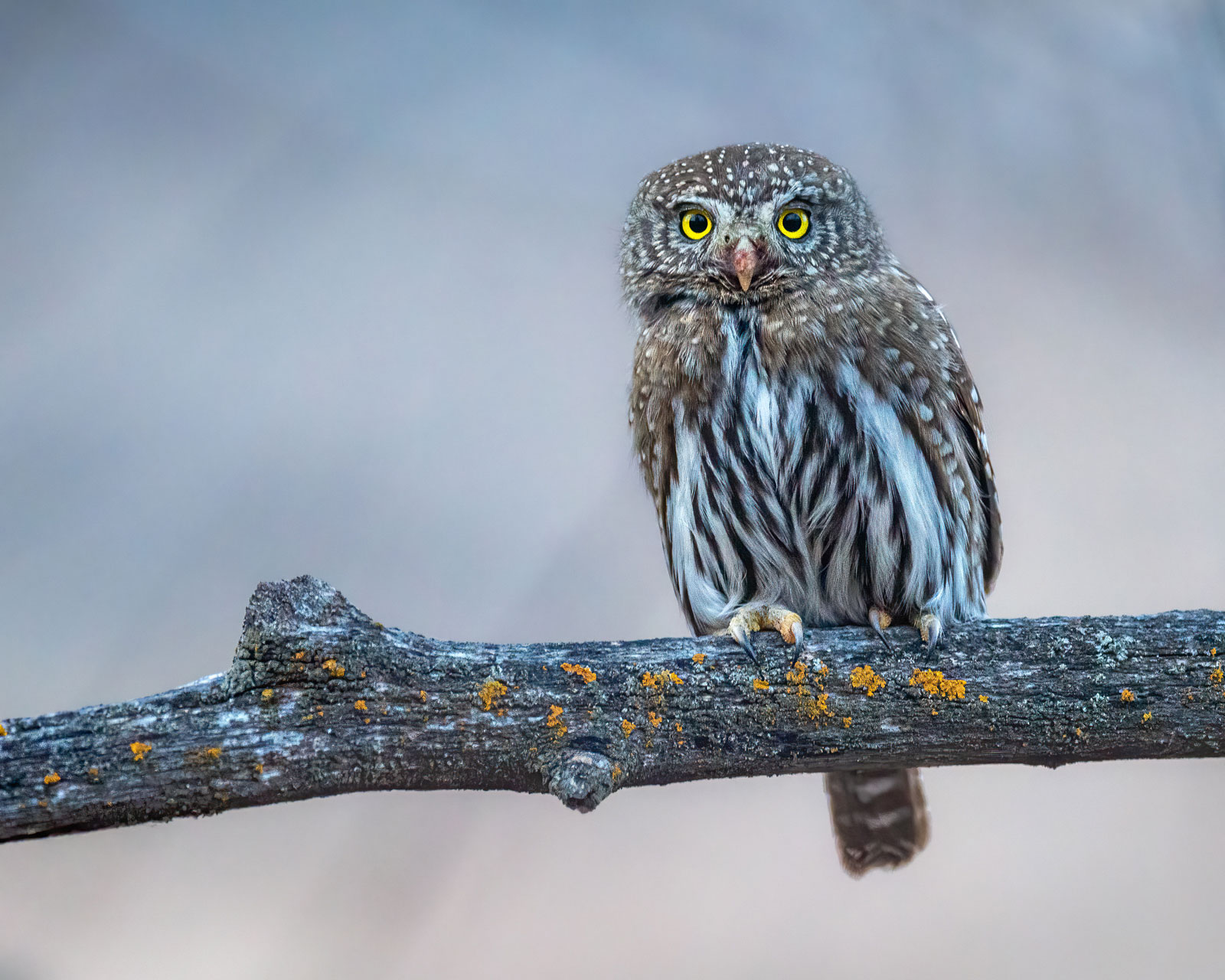
A Global Presence: Understanding Owl Habitats and Distribution
Owls are among the most geographically widespread avian orders, inhabiting nearly every continent save Antarctica. Their remarkable adaptability allows them to thrive in an astonishing array of environments, from the dense canopies of tropical rainforests to the stark expanses of arctic tundra, and from arid deserts and rugged canyons to expansive plains and vital wetlands. Surprisingly, several species, such as the Great Horned Owl or the Little Owl, have successfully adapted to co-exist within densely populated urban landscapes, often overlooked by human residents. This widespread distribution means that, for many aspiring photographers, opportunities to observe owls may exist closer to home than anticipated, making them accessible subjects year-round.

The diversity among owl species extends beyond their physical appearance to their habitat preferences. While some generalist species exhibit remarkable versatility, comfortably occupying multiple habitat types, others are highly specialized, restricted to specific ecological niches. Furthermore, seasonal changes often trigger migratory patterns for certain species, driven by shifts in food availability, breeding imperatives, or climatic factors like snow depth. For instance, Snowy Owls (Bubo scandiacus) are known for irruptive movements south from their arctic breeding grounds during winters of prey scarcity. This intricate tapestry of distribution and movement underscores the critical first step for any aspiring owl photographer: meticulous research into the specific owl species present in their local area. Online ornithological databases, local birding groups, and field guides are invaluable resources for understanding species-specific behaviors, relative abundance, and preferred habitats, transforming a casual observer into an informed tracker.
Deciphering the Silence: Locating Owls through Observation

Despite their global prevalence, owls are masters of camouflage and discretion, making them notoriously challenging subjects to find. Their cryptic plumage allows them to blend seamlessly with tree bark or dense foliage, rendering them virtually invisible to the untrained eye. For example, the Great Horned Owl (Bubo virginianus), a large and common species across North and Central America, can disappear into the dappled light of a forest with remarkable ease. Similarly, the Tawny Owl (Strix aluco) of Europe, despite its substantial size, maintains a highly secretive nature, making encounters rare. Therefore, equipping oneself with specific knowledge of target species’ habits significantly increases the chances of successful sightings.
While most owls are predominantly nocturnal, many exhibit heightened activity during crepuscular hours – dawn and dusk. This transition period offers a prime window for observation. A key aid in locating these elusive birds is auditory detection. Learning to recognize the distinctive calls and hoots of local owl species, particularly at sunset or shortly thereafter, can pinpoint their general vicinity. Consistent listening excursions will train the ear to discern these subtle vocalizations amidst ambient sounds.

Beyond auditory cues, visual tracking plays a crucial role. Scanning trees, focusing on unusual shapes or textures that deviate from natural branches, is an acquired skill. Over time, the eye and mind become attuned to instinctively recognize potential owl forms. In low light, photographers can seek out the silhouettes of owls perched against the fading sky, often positioned at least halfway up a tree, but rarely at the very top. As darkness descends, owls tend to move towards the outer edges of trees, providing clearer lines of sight. Knowledge of specific species’ roosting and hunting habits—for instance, whether they prefer dense cover or more open perches—further refines the search strategy.
Once an owl’s general location is identified through vocalizations, subsequent daytime visits to the same area are highly recommended. Owls often maintain consistent daytime roosts, especially if food sources are abundant. They might even favor the same tree or branch for extended periods. Signs of an owl’s prolonged presence include "whitewash" (streaks of droppings) on branches and the ground below, or the presence of owl pellets. These pellets, composed of indigestible parts of their prey (bones, fur, feathers) regurgitated through their beaks, offer valuable insights into their diet and confirm a regular roosting spot. Finding such signs often means an owl is perched directly above, offering a unique opportunity for careful observation.

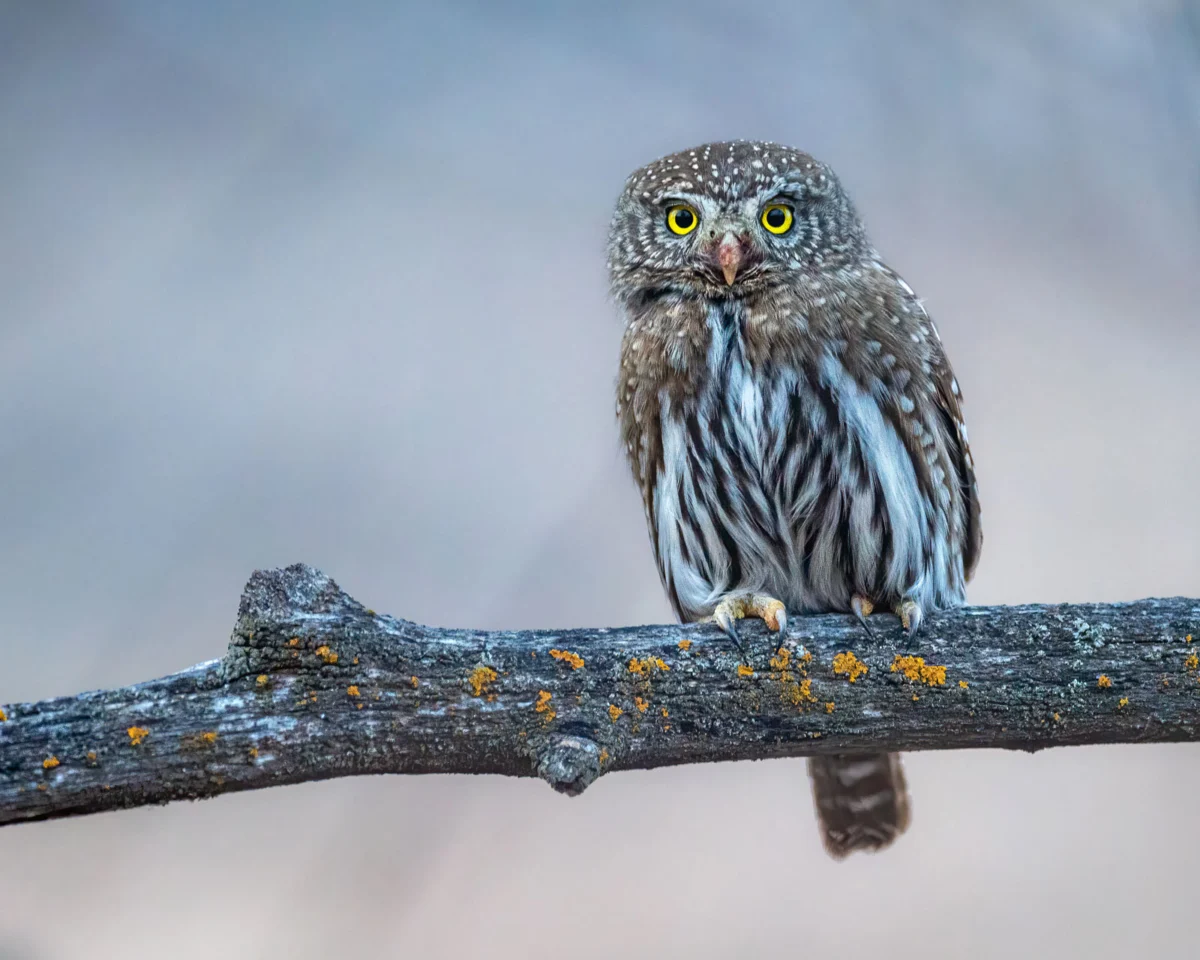
It is important to note that a few owl species are genuinely diurnal, actively hunting during daylight hours. The Burrowing Owl (Athene cunicularia), Northern Hawk Owl (Surnia ulula), Little Owl (Athene noctua), and various pygmy owls are prime examples. These species often rely heavily on eyesight for hunting and may be seen perched openly, scanning the landscape for prey. Other species, relying on a combination of sight and hearing, may be more active during dawn and dusk. Tailoring photographic efforts to these species-specific activity patterns maximizes the chances of capturing dynamic behavioral images. Patience is paramount; finding an owl, let alone capturing compelling photographs, can take significant time—often a full year or more of dedicated effort. Persistence, combined with an ever-growing understanding of owl behavior, will ultimately shorten this learning curve. For those struggling to locate owls independently, engaging a local wildlife guide specializing in photography can be an efficient and enriching alternative, leveraging their expertise in recent sightings and understanding of photographic needs.
Ethical Imperatives: Prioritizing Owl Welfare

The pursuit of stunning owl photographs must always be secondary to the well-being of the birds themselves. Ethical wildlife photography dictates that the subject’s welfare is paramount. A general guideline for maintaining a safe distance from perched owls is 75 to 100 feet. However, this is merely a starting point; photographers must be acutely aware of the owl’s body language. Signs of distress, such as head bobbing, excessive blinking, wing spreading, or shifting uncomfortably, indicate that the photographer is too close and must immediately retreat. The goal is to observe and photograph without altering the animal’s natural behavior.
Crucially, disturbing owls during their daytime resting periods, when they are most vulnerable and conserving energy for nocturnal hunts, can have severe negative consequences. Pressuring an owl to leave its roosting location can cause undue stress, disrupt its energy balance, and potentially force it to abandon a favorable territory. Therefore, a long telephoto lens is not just a photographic tool but an ethical necessity, allowing photographers to capture intimate details from a respectful distance without intrusion. Pointing a camera directly up at an owl from beneath its perch should be avoided, as it can be perceived as a threat.

Unethical practices such as baiting (using live or dead prey to lure owls), calling (mimicking owl calls to solicit a response), or altering habitats to attract owls are strictly condemned by reputable wildlife photography and conservation organizations. These actions can habituate owls to human presence, make them dependent on artificial food sources, disrupt their natural hunting instincts, and expose them to unnecessary risks. The images produced through such methods, while potentially striking, do not represent natural behavior and undermine the integrity of wildlife photography. Adherence to a strict code of ethics, respecting local wildlife regulations, and obtaining necessary permits for specific locations are non-negotiable aspects of responsible owl photography. Organizations like the National Audubon Society and the North American Nature Photography Association (NANPA) provide comprehensive ethical guidelines that all wildlife photographers should internalize.
The Photographer’s Arsenal: Essential Equipment for Owl Encounters

Successful owl photography, particularly given the distances and low-light conditions often involved, requires specialized equipment. A long telephoto lens is indispensable, typically ranging from 300mm to 600mm. This focal length range is critical for maintaining ethical distances while still rendering the owl as a prominent subject within the frame. The inherent compression of telephoto lenses also helps to create aesthetically pleasing backgrounds, separating the owl from its environment. Furthermore, when an owl is perched higher than the photographer, a long lens allows for a more "eye-level" perspective by shooting across a greater distance, yielding a more engaging and natural image than a steep upward angle.
Given that owls are often photographed in low-light conditions, lenses with wide maximum apertures (e.g., f/2.8, f/4) are highly advantageous. These "fast" lenses gather more light, enabling faster shutter speeds to freeze motion and lower ISO settings to minimize digital noise. While f/2.8 lenses are often prohibitively expensive, f/4 and f/5.6 options can still perform admirably, especially with modern cameras offering excellent high-ISO capabilities. The general strategy in low light is to shoot at the widest available aperture to maximize light intake, then gradually stop down to increase depth of field if lighting permits.

Stability is another critical factor. While not always strictly necessary, a sturdy tripod is a significant asset for owl photography. Owls, when not actively hunting, tend to remain relatively stationary, allowing for longer exposures or precise framing. A tripod supports heavy camera-lens combinations for extended periods, reducing fatigue and ensuring readiness for spontaneous movements. For improved maneuverability while maintaining support, a monopod can be a valuable alternative. A gimbal head mounted on a tripod is particularly effective for tracking birds in flight with heavy telephoto lenses, offering smooth, fluid motion. While tripods can hinder quick repositioning for flight shots, many photographers, myself included, opt to use a tripod for static perched shots and then detach the camera for anticipated flight sequences.
For static shots in very low light, where slow shutter speeds are unavoidable, a remote shutter release (wired or wireless) is highly recommended. This device eliminates any camera shake induced by directly pressing the shutter button, ensuring maximum sharpness.

Artistic Vision: Capturing Unique Owl Characteristics and Behavior
Owls possess a suite of distinctive anatomical and behavioral traits that offer unique photographic opportunities, setting them apart from most other birds and contributing to their inherent mystique.

Their relatively large facial discs, often strikingly framed, are not merely aesthetic features but sophisticated auditory instruments designed to funnel sound towards their ears, enhancing their exceptional hearing. This prominent facial structure naturally creates a strong central point of interest in most owl portraits. Since an owl’s eyes are typically within the same focal plane as the facial disc, achieving sharp focus across the entire face is generally straightforward. Photographers should leverage this feature, positioning the facial disc and intense eyes strategically within the frame to create balance and draw the viewer’s attention.
Another surprising characteristic often revealed during dynamic moments is the length of an owl’s legs. Hidden beneath dense plumage, species like the Short-eared Owl possess remarkably long legs, which become comically and strikingly visible during takeoff, landing, or when grasping prey. Capturing these fleeting moments of exposed legs and powerful talons significantly adds narrative interest and a unique perspective to images, showcasing their predatory adaptations.

The expansive wingspans of owls, often disproportionately wide compared to their bodies, are a key feature to highlight in flight photography. Moments when the wings are fully outstretched, exhibiting their power and silent design, are particularly compelling. Opportunities for backlighting, where the sun shines through the translucent flight feathers, can create ethereal and dramatic effects, emphasizing the intricate structure of their wings.
Composition and Narrative: Beyond the Portrait

Owl photography extends beyond simple portraits to capturing the bird within its environment, telling a broader story.
Perching and Portrait Situations: An owl perched in a forest or open landscape presents numerous compositional possibilities. While the scene may appear static, photographers can introduce dynamic elements. When finding an owl in a secluded roost, prioritize minimal disturbance. After capturing initial images, carefully reposition to find angles that offer a clearer line of sight and, crucially, a clean, non-distracting background. A busy forest background can easily detract from the subject, so a compromise between proximity and background aesthetics is often necessary. Foreground elements can also be utilized creatively, either as leading lines or as a soft, blurred layer to hide visual clutter further back in the scene.

Consider deliberately making the owl a smaller element in a broader environmental portrait. A wide forest scene with an owl subtly perched within it can create an intriguing photograph that emphasizes the bird’s habitat and scale. This approach often benefits from a shorter telephoto lens, such as a 70-200mm zoom.
Owls do not always perch high. Many species, including Long-eared Owls, frequently perch just a few feet above the ground, offering eye-level perspectives. Such low perches, however, often correspond to more skittish behavior. Similarly, owls often remain on the ground immediately after catching prey, a vulnerable moment when photographers must maintain extra distance and absolute stillness to avoid causing the owl to abandon its meal. Rewarding images come from respecting their space.

Manipulating light and exposure can create striking images. A lighter-toned owl against a dark, forested background, for example, can be dramatically highlighted. Setting camera controls to expose correctly for the highlights, ensuring they are bright without being blown out, will naturally render the background darker and less distracting, leading to a powerful, high-contrast image requiring minimal post-processing. Thoughtful adjustments in camera position can transform distracting elements into supportive compositional features, leading the viewer’s eye towards the owl without competition.
Owls in Flight: The Pinnacle of Dynamic Capture: Capturing owls in flight is often the most sought-after and challenging aspect of owl photography. Anticipating their movements is key. If an owl is observed at sunset, it’s reasonable to expect it will soon begin its nightly hunt. To prepare for flight shots, photographers should increase their distance from the owl, accounting for its wide wingspan and allowing more space for it to move within the frame without clipping wings. Greater distance also contributes to the owl’s comfort, potentially encouraging it to fly closer without coercion.

Understanding species-specific hunting behaviors is invaluable. Great Gray Owls (Strix nebulosa), for instance, are known for their sudden, precise drops from high perches to capture prey hidden under snow, while Short-eared Owls (Asio flammeus) gracefully quarter open fields with a buoyant, moth-like flight. Knowing these patterns allows photographers to predict potential flight paths and pre-focus, significantly increasing the chances of capturing the decisive moment, perhaps even an owl catching prey.
For flight shots, a fast shutter speed, typically 1/1600th of a second or faster, is recommended to ensure reliable sharpness and freeze wing motion. Continuous autofocus modes and high-speed burst shooting are essential tools. Owls, particularly larger species, often fly relatively slowly and predictably, especially when traversing between perches while hunting. This offers opportunities to track them and capture sequences of their elegant, silent movement. Their flight can also be surprisingly erratic, leading to intriguing wing and body positions during directional changes.

Image Orientation and Narrative Flow: A crucial field decision is the choice of image orientation – horizontal, vertical, or even square. This choice should align with the energy and narrative of the scene. A horizontal orientation might best convey an owl flying across a landscape, emphasizing movement and expanse. A vertical frame could be more appropriate for a tall, majestically perched owl, particularly if there are interesting compositional elements above or below it. A square crop can be effective for symmetrical portraits of an owl facing the camera directly. Experimenting with different orientations in the field and during post-processing allows for maximum creative flexibility.
Conclusion: The Journey of Respect and Discovery

The journey into owl photography is one that transcends mere technical skill; it is an immersive experience that cultivates patience, deepens appreciation for the natural world, and reinforces the importance of ethical engagement. The search itself, with its quiet anticipation and detailed observation, is often as rewarding as the eventual photographic capture. While owls remain among the more challenging avian subjects, the unique opportunities they offer — from their captivating portraits to their silent, powerful flight — are unparalleled. By approaching these magnificent creatures with profound respect for their space and their need for undisturbed existence, photographers are not only rewarded with stunning images but also with unforgettable encounters that foster a deeper connection to the wild. Ultimately, responsible owl photography serves a vital role in raising awareness and inspiring conservation efforts for these mysterious and beautiful birds and their increasingly fragile habitats.