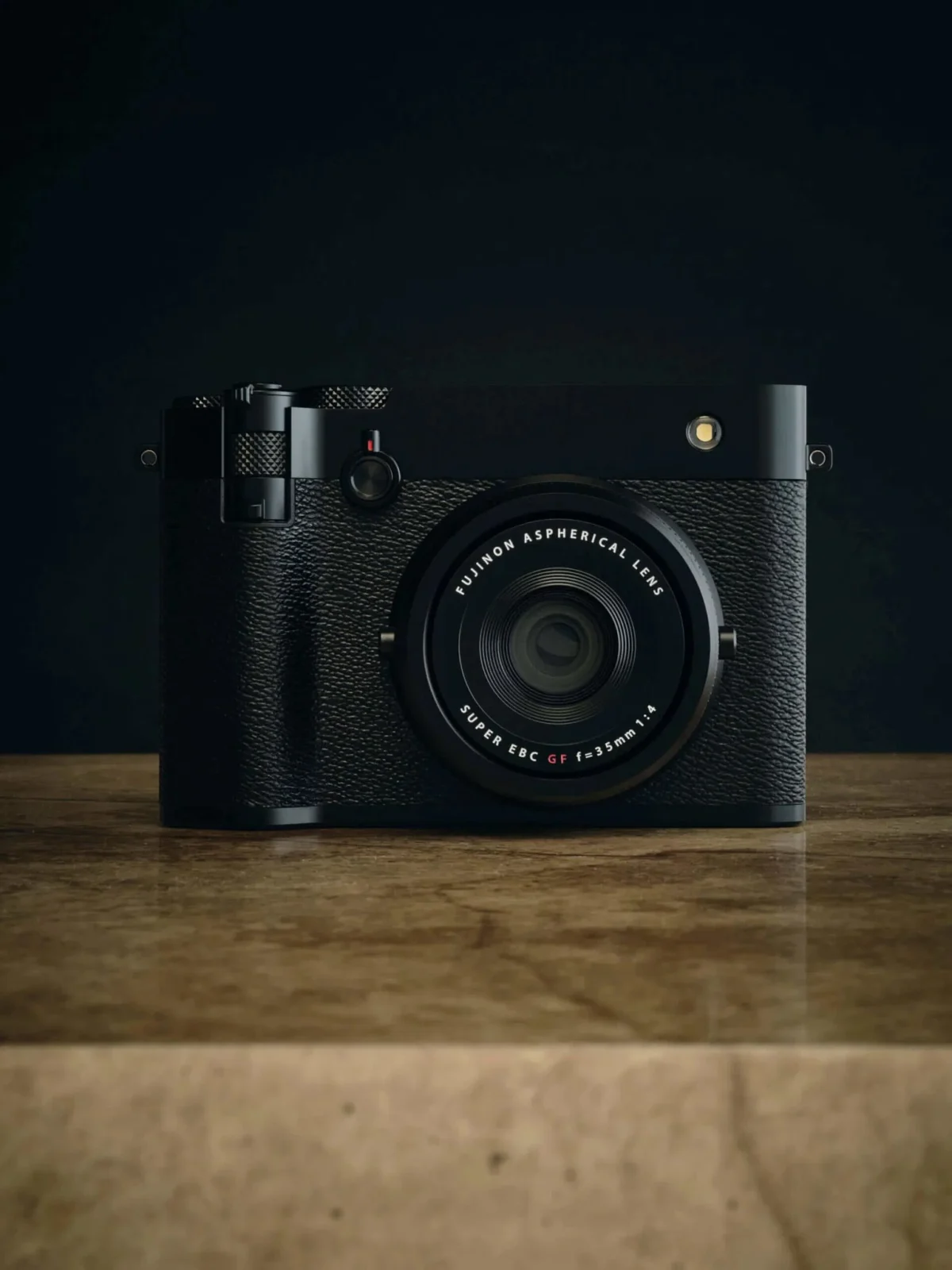
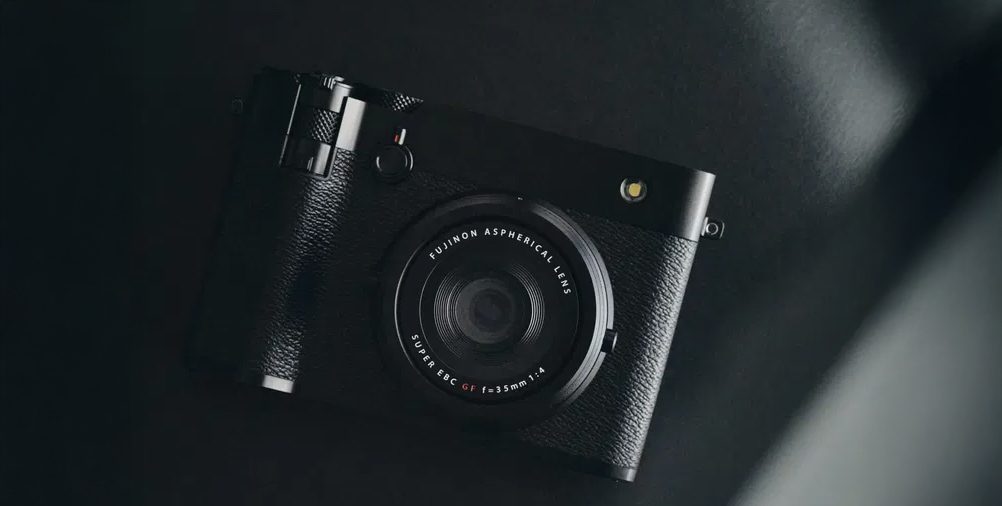
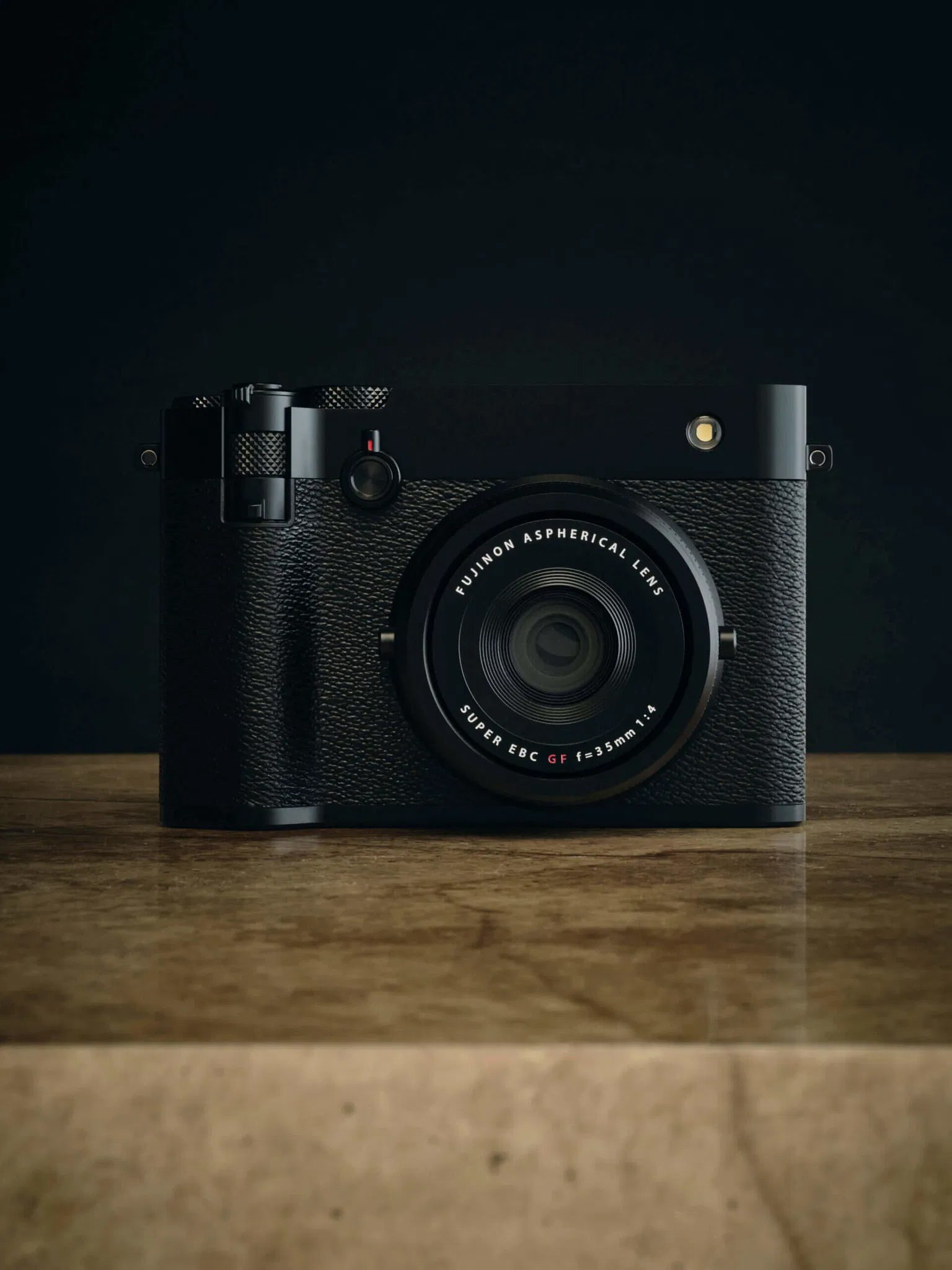
The Fujifilm GFX 100RF arrived from Lensrentals.com in pristine condition, presenting an immediate surprise with its remarkably compact form factor. For a medium-format camera, a category traditionally associated with substantial bulk and weight, the GFX 100RF is strikingly svelte, boasting a heft comparable to a full-frame mirrorless camera like the Nikon Z7 paired with a modest 35mm lens. Its design cues pay homage to classic rangefinder aesthetics, notably evoking the spirit of the iconic Plaubel Makina 67, but reinterpreted for the digital age. This immediate impression sets the stage for a camera that challenges conventions within the high-resolution medium format segment, prioritizing portability without compromising on sensor size or image fidelity.
The Evolution of Medium Format: Fujifilm’s GFX Ecosystem
Fujifilm’s entry into the medium format digital space with its GFX system has been a significant disruption, democratizing a segment once dominated by prohibitively expensive and cumbersome systems. The GFX lineup, beginning with the GFX 50S and evolving through the GFX 100, GFX 100S, and GFX 100 II, has consistently aimed to deliver the unparalleled image quality of a larger sensor in increasingly manageable packages. The GFX 100RF represents a specialized branch within this family, a deliberate design choice to push the boundaries of portability for a 100-megapixel medium format sensor.
Historically, medium format cameras offered a distinct advantage in terms of resolution, tonal gradation, and shallow depth of field due to their larger sensor area compared to full-frame and APS-C systems. However, these benefits often came at the cost of size, weight, and operational speed. Fujifilm’s GFX series has steadily chipped away at these compromises, making medium format a viable option for a wider range of professional and enthusiast photographers. The GFX 100RF, with its fixed lens and rangefinder-style body, is a testament to Fujifilm’s commitment to exploring diverse form factors within the high-resolution segment, targeting photographers who value a specific focal length and extreme portability above interchangeable lens flexibility. This camera is not merely an addition to the GFX line but a philosophical statement about the future of specialized, high-end imaging tools.
Design Philosophy and Market Positioning: A Niche Refined
The Fujifilm GFX 100RF is inherently a controversial camera, largely due to what it intentionally omits: in-body image stabilization (IBIS) and the option for a faster, interchangeable lens system. However, these omissions are central to Fujifilm’s core design philosophy for this particular model. Including IBIS and designing for a broader range of fast, interchangeable lenses would inevitably increase the camera’s physical dimensions and overall weight. Fujifilm’s strategic decision was to prioritize maximum size and weight reduction while retaining the formidable Sony 33x44mm 100-megapixel medium-format sensor. This makes the GFX 100RF a highly specialized tool, occupying a "niche within a niche" market segment.
This camera is meticulously crafted for a specific user profile: the discerning photographer who demands the absolute highest image quality from a 100-megapixel medium format sensor, coupled with the portability of a fixed-lens, rangefinder-style system. It appeals particularly to those who appreciate a 28mm full-frame equivalent field of view (derived from its fixed 35mm lens on the 33x44mm sensor) and require a convenient, lightweight, and fluid operating tool for their specific creative pursuits. While other fixed-lens, high-end digital cameras exist, the GFX 100RF distinguishes itself by being one of the very few, if not the only, option that combines a small, light form factor with precise operation and a 100-megapixel medium format sensor. Its existence highlights a growing demand for highly specialized cameras that cater to precise creative needs rather than broad versatility.
Ergonomics and User Experience: A Blend of Tradition and Modernity
The ergonomic design of the GFX 100RF presents a mixed bag, offering both intuitive features and minor operational quirks. On the positive side, the camera largely embraces a traditional, dial-based control scheme, which many photographers find appealing for its tactile feedback and direct access to key settings. The aperture and shutter speed dials each feature an "A" (Auto) position, providing commendable flexibility in exposure control, allowing users to quickly switch between manual, aperture-priority, shutter-priority, and program modes. The ISO adjustment, integrated as a collar around the shutter dial, is an elegant solution in concept, aiming to keep essential exposure controls within easy reach. The redesigned Q button, now sitting flush with the body, is a welcome improvement, effectively reducing accidental presses during handling. A standout feature is the generously sized and perfectly positioned exposure compensation dial, offering effortless thumb access for quick adjustments, which is crucial for dynamic shooting scenarios.
However, the ergonomic experience is not without its "clinkers." The on/off switch, for instance, operates with such a light action that it raises concerns about inadvertent activation while the camera is stowed in a bag, a minor inconvenience that can lead to unexpected battery drain. The haptic feedback from the knurled dials and joystick, while present, is described as vague and somewhat mushy, a point where Fujifilm is noted to lag behind competitors like Nikon, whose haptics often provide more reassuring, precise tactile responses. Further small disappointments include a battery door latch that does not self-engage, requiring manual confirmation, and a card slot door that feels less robust compared to designs found in other high-end cameras. The decision to include two SD card slots instead of a faster CFExpress slot is also a point of contention for professionals dealing with large 100-megapixel files, where faster write speeds can significantly improve workflow efficiency. These minor criticisms, while not deal-breakers, highlight areas where the user experience could be further refined to match the camera’s premium positioning and price point.

Lens Performance and Imaging Prowess: A Fixed Perspective
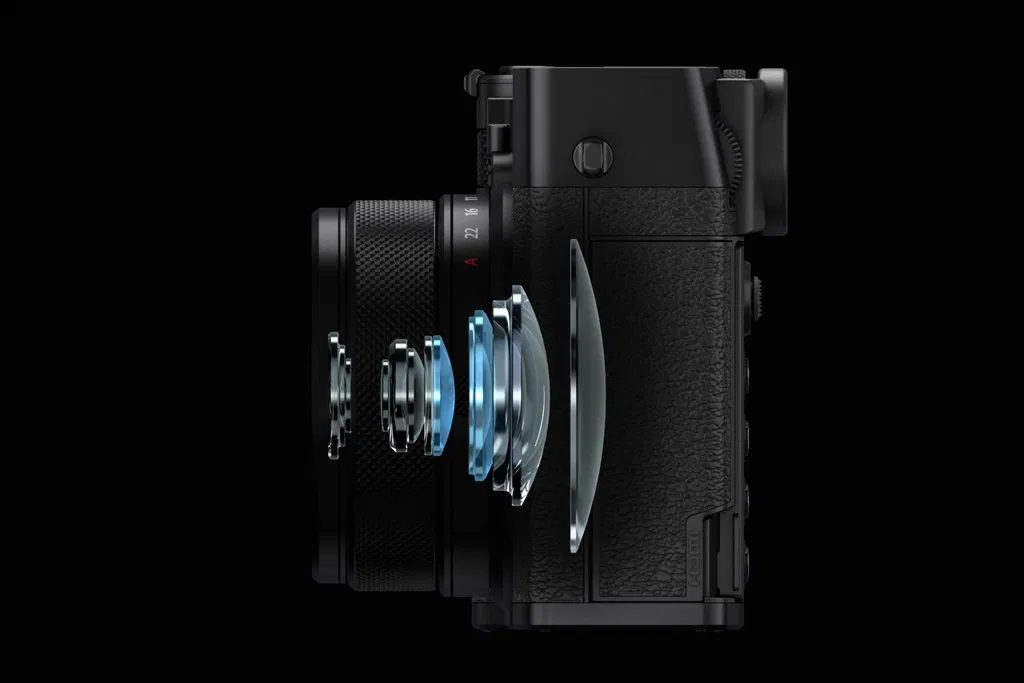
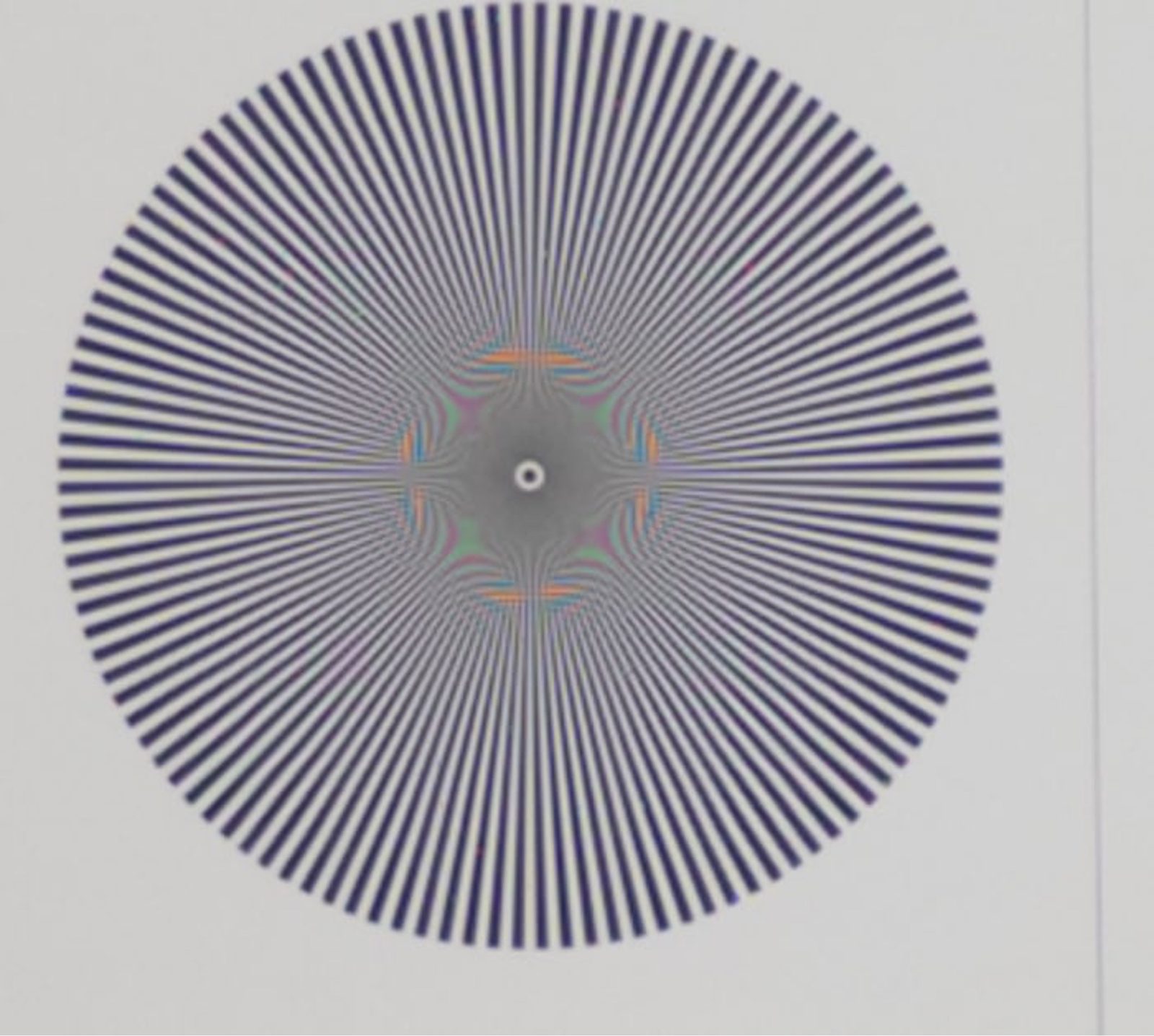
The fixed 35mm lens on the GFX 100RF is a strong optical performer, especially considering its compact size and the demands of a 100-megapixel medium format sensor. Optically, it delivers excellent sharpness on-axis when wide open, maintaining high resolution until diffraction effects become noticeable at smaller apertures. There is only a modest falloff in sharpness towards the edges of the frame, a commendable feat for a lens designed to cover such a large sensor. Field curvature, often a challenge in wide-angle lens designs, is virtually absent, ensuring consistent focus across the plane of capture.
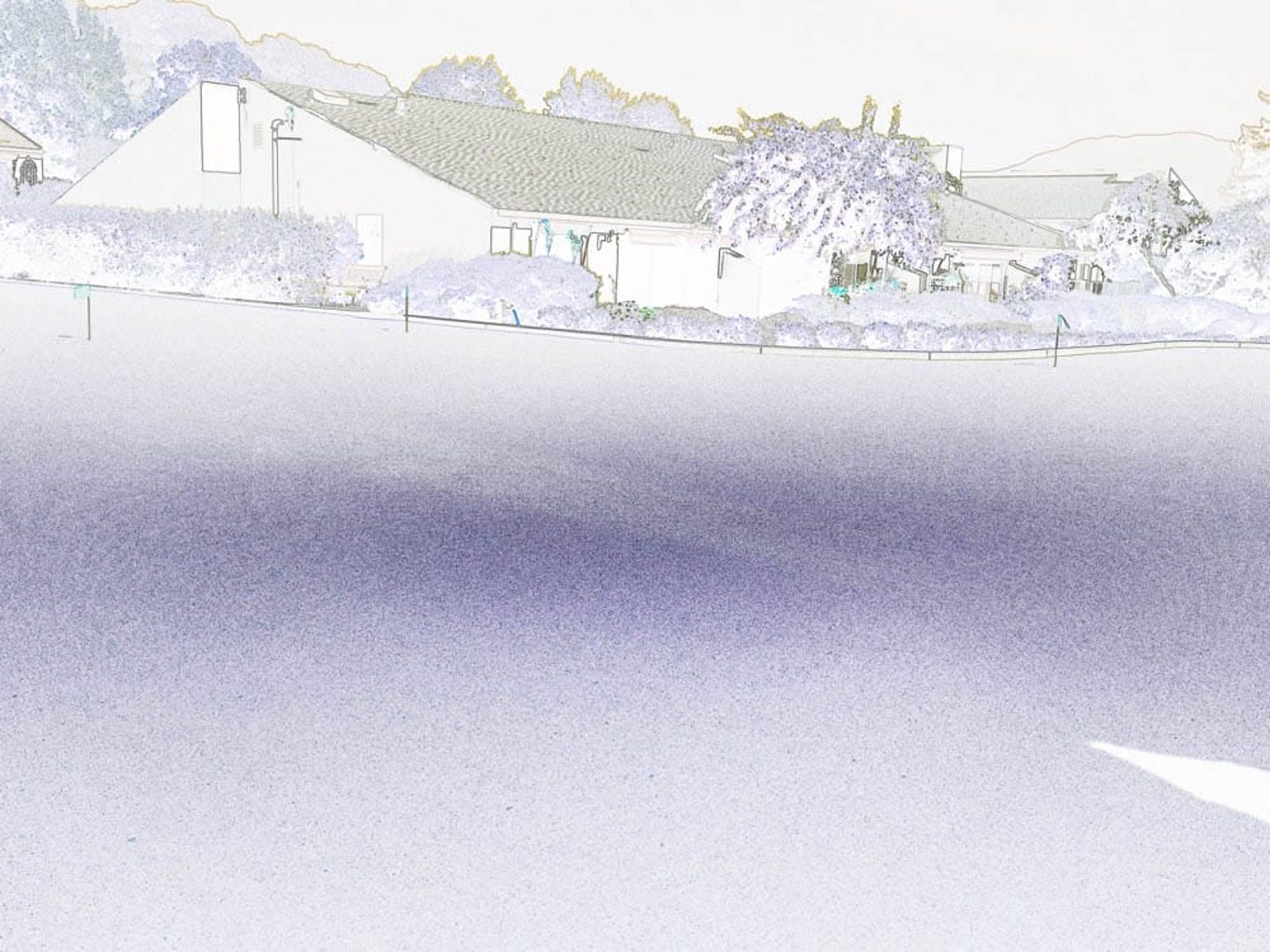
Distortion is observable in uncorrected RAW files, a common characteristic in modern compact lens designs where optical compromises are made in favor of size, knowing that digital correction can effectively resolve these issues. Indeed, once digital corrections are applied (either in-camera or during post-processing), the distortion is largely eliminated with negligible impact on overall sharpness. Vignetting, or illumination falloff towards the corners, is moderate but also disappears once corrections are applied.

A key feature of the lens is its integrated leaf shutter. This shutter mechanism offers several advantages, including exceptionally quiet operation, which is beneficial in discrete shooting environments. More importantly, it allows for flash synchronization at very high shutter speeds, up to the camera’s maximum. However, the leaf shutter introduces a unique characteristic: at shutter speeds of 1/500 second and above, it can introduce subtle bokeh artifacts. These artifacts become more pronounced at 1/4000 second, manifesting as non-circular bokeh balls and a slight increase in perceived depth of field as the shutter blades act like an additional diaphragm. While present, these artifacts are generally considered less objectionable than those produced by some other medium format lenses, such as Hasselblad’s XCD 38V and 90V lenses. The quiet operation and high-speed flash sync capabilities often outweigh these specific bokeh characteristics for the target user.
The camera’s imaging prowess is further underscored by its sensor, which appears to be the same 100-megapixel Sony 33x44mm unit found in the highly acclaimed GFX 100 II. This sensor is renowned for its exceptional image quality, delivering immense detail, impressive dynamic range, and excellent color rendition. The "ISO 80 black-point subtraction" mentioned is a technical detail related to how the camera processes its lowest native ISO, a characteristic shared with its GFX 100 II sibling. Autofocus performance is on par with the GFX 100 II, meaning it is entirely adequate by medium-format standards, particularly for static or slower-moving subjects. However, it is acknowledged that it lags behind the cutting-edge autofocus systems found in today’s top-tier full-frame mirrorless cameras, which often boast faster tracking and more advanced subject detection capabilities.
Power Management and Flash Synchronization
Battery life on the GFX 100RF demonstrates a measurable improvement over cameras utilizing the same battery in the GFX 100 II or GFX 100S II. This enhanced endurance is largely attributable to the absence of in-body image stabilization (IBIS), which is a significant power consumer, and the inherently lower power demands of the leaf shutter integrated into the GFX 100RF’s lens compared to the focal plane shutter mechanisms found in the other GFX models. This efficiency contributes to the camera’s suitability as a portable, travel-friendly device, reducing the frequency of battery changes during extended shooting sessions.
Regarding flash synchronization, the GFX 100RF’s leaf shutter offers considerable flexibility. While some users have reported difficulties syncing flash at very high shutter speeds, particularly with complex wireless trigger setups, tests with a simple hot shoe-mounted flash yielded generally positive results. A minor loss in light output was observed at the maximum shutter speed of 1/4000 second. This phenomenon is not uncommon and is typically a function of the flash duration at a given power setting. If the flash duration is longer than the chosen shutter speed, a reduction in light output will naturally occur. At full power settings, where flash durations tend to be longer, photographers are more likely to encounter this light loss at 1/4000 second. This nuance necessitates careful consideration of flash power and shutter speed settings for photographers relying on high-speed sync capabilities.
Broader Implications and Competitive Landscape
The Fujifilm GFX 100RF positions itself as a specialized, purposeful tool within the medium format landscape. Its overall design and operational characteristics suggest it is well-suited as a high-end travel camera, appealing to photographers who value premium image quality and a streamlined shooting experience in a portable package. However, certain aspects, such as the crop control, present minor operational eccentricities. The crop control, intended as a compositional aid, is noted for being excessively large and lacking a locking mechanism, leading to potential accidental adjustments. Furthermore, the integration of the camera’s metering system with the EVF crop display is somewhat unconventional, as the recommended exposure can vary based on the selected crop borders, requiring users to adapt to this particular workflow.
For photographers already accustomed to the Fujifilm GFX ecosystem, the 100RF will likely feel familiar and intuitive, building upon a user interface that, while sometimes described as unusual by newcomers, is often praised by its adherents for its logical and tactile approach. However, for those new to Fujifilm’s system, the camera’s unique operational logic might require a brief adjustment period.
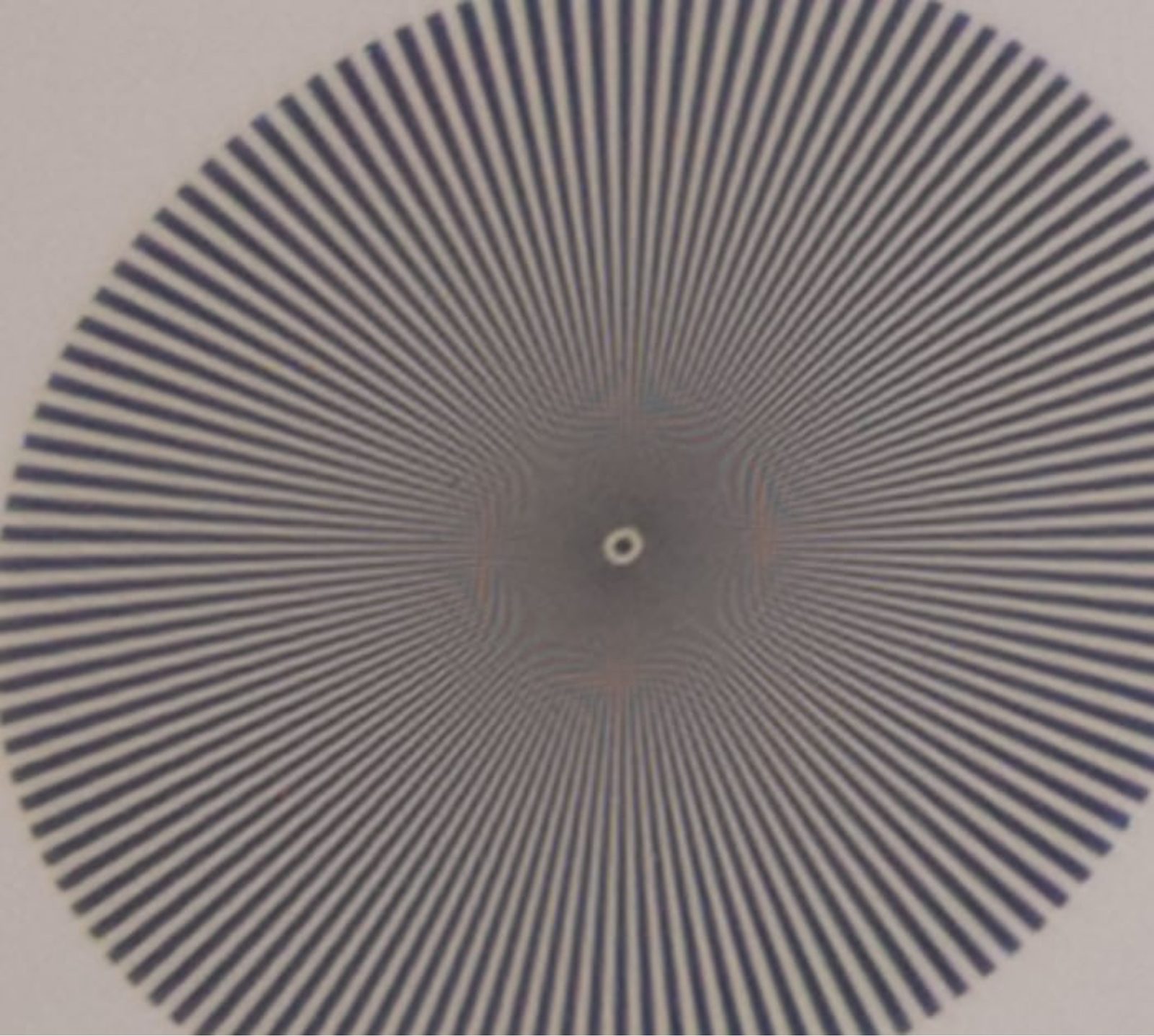
The decision to feature a fixed 35mm lens, which translates to approximately a 28mm field of view on a full-frame sensor, carries significant implications for the camera’s target audience and its competitive standing. If a photographer’s primary goal is the "look" of a 35mm lens on full-frame, then using the GFX 100RF would necessitate cropping the 100-megapixel medium format sensor, effectively reducing the output to roughly a 60-megapixel image. In such scenarios, alternatives like the Leica Q3 or the Sony RX1R III become serious contenders. The GFX 100RF shares a similar weight profile with the Leica Q3, while the Sony RX1R III is notably smaller and lighter. In terms of pricing, the Fujifilm GFX 100RF and Sony RX1R III are generally comparable, with the Leica Q3 typically commanding a higher price. Therefore, opting for a full-frame fixed-lens alternative might not offer significant cost savings but could provide a weight advantage. Crucially, among these three fixed-lens cameras, only the Leica Q3 incorporates in-body image stabilization (IBIS), making it a potentially superior choice for handheld shooting in challenging low-light conditions.
The debate around IBIS is a recurring theme with high-resolution cameras. While many photographers have successfully utilized high-megapixel cameras without IBIS for years, acknowledging its non-essential nature, its presence can be a significant advantage in specific shooting situations. For photographers who frequently find themselves working in dim light or requiring slower shutter speeds handheld, the IBIS in a camera like the Leica Q3 could be a decisive factor.
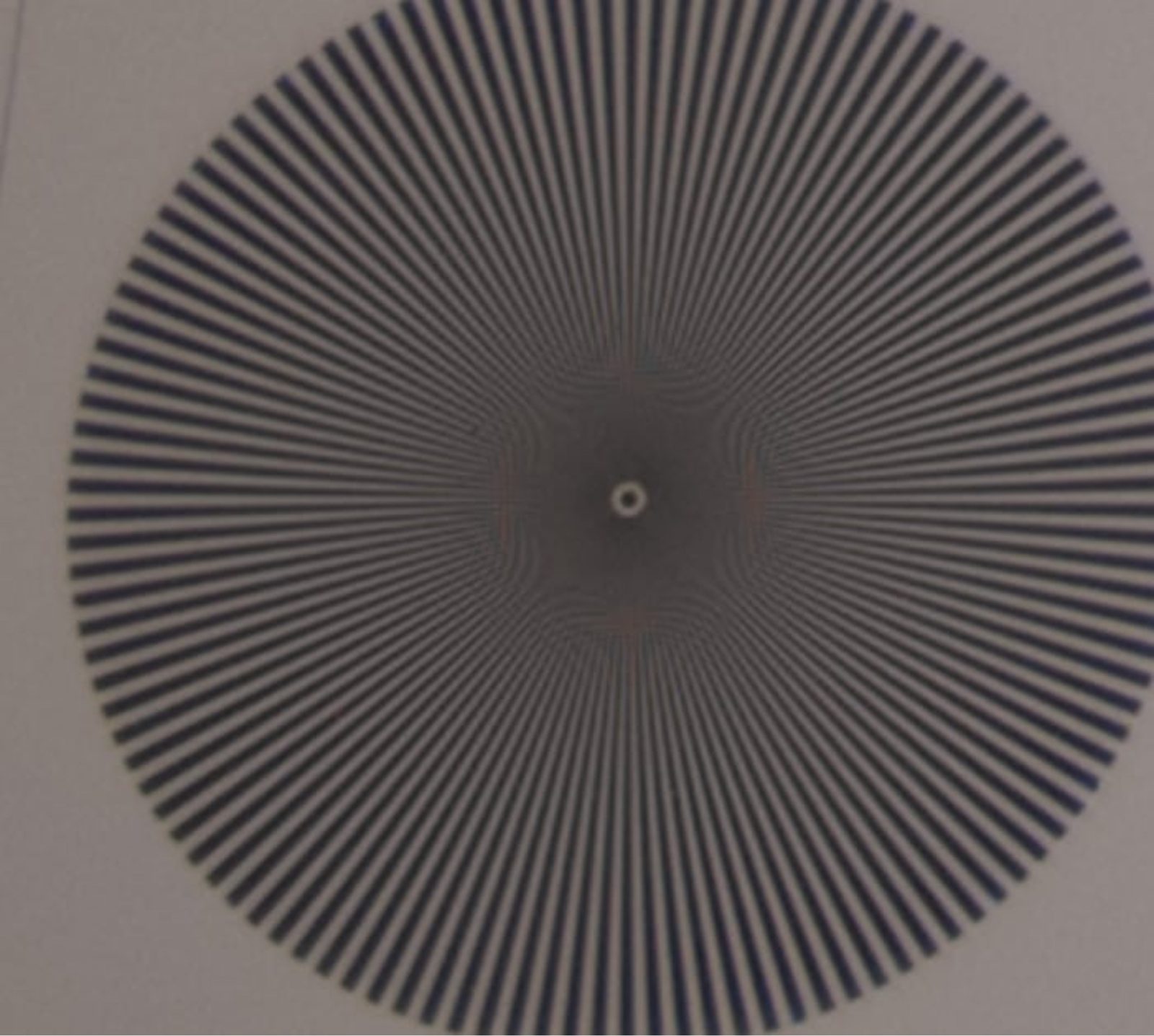
Fujifilm actively promotes the cropping capabilities of the 100-megapixel sensor in the GFX 100RF. It is undeniably true that a 100-megapixel sensor allows for more aggressive cropping while retaining usable resolution compared to a 60-megapixel sensor with the same pixel pitch. This means the GFX 100RF can yield a higher-resolution cropped image than a Leica Q2 at the same angle of view. However, when comparing it to the Sony RX1R III, the GFX 100RF offers equivalent cropped image quality at the same angles of view. The distinct advantage for the GFX 100RF in cropping only manifests for angles of view between the full-frame equivalents of a 28mm and a 35mm lens, highlighting its specialized utility.
In conclusion, the Fujifilm GFX 100RF is a camera built for a specific vision. Its blend of compact design, 100-megapixel medium format sensor, and fixed 35mm lens creates a unique proposition. While its ergonomic quirks and the absence of IBIS might deter some, for the photographer who cherishes the 28mm full-frame equivalent field of view and demands the utmost in portable medium format image quality, this camera stands as a potent and compelling tool. The preference for a 45mm or 50mm lens by some photographers indicates a desire for alternative perspectives within this compact medium format concept, but as it stands, the GFX 100RF carves out a distinct and powerful identity in the high-end digital imaging market.