The close of the year traditionally invites a period of reflection, prompting individuals and industries alike to assess past achievements and setbacks. For the dynamic realms of photography and videography, this retrospection often involves an in-depth analysis of market trends, such as rental and purchase data, as recently shared by platforms like LensRentals.com. However, the dawn of a new year invariably shifts focus towards the horizon, establishing objectives and forecasting the technological advancements that will define the coming twelve months. As LensRentals.com itself charts its strategic course for the upcoming year, a broader industry perspective suggests several critical areas of innovation are ripe for significant development in 2026, promising to reshape creative workflows, expand artistic possibilities, and enhance accessibility for professionals and enthusiasts alike. This analysis delves into five specific technological shifts expected to gain considerable traction, offering a comprehensive look at their background, current status, and potential implications for the imaging landscape.
The Resurgence and Expansion of Third-Party Lenses
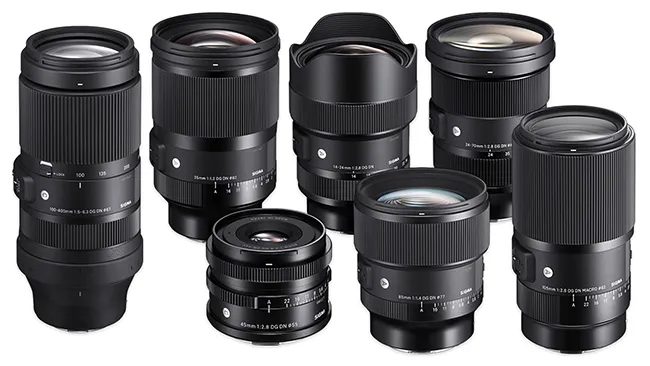
For seasoned professionals who witnessed the photographic landscape of a decade ago, the pre-mirrorless era often evokes a sense of nostalgia for the sheer breadth of lens options available. Regardless of allegiance to Canon, Nikon, or Sony’s DSLR systems, photographers benefited from a robust ecosystem of third-party lens manufacturers. Companies such as Sigma, Tamron, and Tokina were not merely alternatives but often innovators, providing high-quality, diverse focal lengths and apertures at competitive price points. This vibrant competition fostered innovation and affordability, democratizing access to specialized optics.
However, the industry’s pivot to mirrorless camera systems introduced a significant hurdle. The adoption of new, proprietary lens mounts by major camera manufacturers — particularly Canon with its RF mount and Nikon with its Z mount — initially created a restrictive environment for third-party developers. Unlike Sony’s E-mount, which has historically been more open to third-party integration, Canon and Nikon maintained tighter control over their new mount specifications. This reticence slowed the development of non-native lenses, limiting consumer choice and potentially stifling innovation in the early years of the mirrorless transition.
Chronology and Market Dynamics: The initial phase of mirrorless adoption saw camera manufacturers prioritize building out their native lens lineups, often with premium pricing. While Sony’s E-mount quickly became a fertile ground for third-party lenses from brands like Sigma, Tamron, Samyang, and Viltrox, the RF and Z mounts remained largely exclusive. This began to shift more noticeably around late 2023 and into 2024, as evidenced by increasing announcements from Sigma and Tamron regarding RF and Z mount compatibility, often achieved through reverse-engineering or increasingly cooperative agreements. This momentum is anticipated to accelerate into 2026.
Implications: The burgeoning availability of third-party lenses for RF and Z mounts holds profound implications. Firstly, it will significantly increase consumer choice, allowing photographers and videographers to select from a wider array of focal lengths, apertures, and specialized optics. Secondly, it is expected to drive down average lens prices across the board, as increased competition places pressure on both first-party and third-party manufacturers. This competitive environment is a powerful catalyst for innovation, potentially leading to new optical designs, advanced features, and more accessible price points for high-performance glass. Industry analysts suggest that this expansion will particularly benefit emerging professionals and budget-conscious creators, enabling them to assemble more versatile and capable kits without the prohibitive investment traditionally associated with native mirrorless lenses.
The Rise of Fast, Affordable Prime Lenses
The pursuit of speed and shallow depth of field has long been a hallmark of advanced photography. Lenses with ultra-wide apertures, such as f/1.2, have traditionally offered exceptional low-light performance and the ability to create stunning background separation, making them highly coveted tools for portraiture, astrophotography, and cinematic videography. Historically, however, these "fast primes" have commanded premium price tags, often well into the thousands of dollars, placing them out of reach for many. Brands like Leica have offered f/1.2 lenses since the 1960s, and Canon has had f/1.2 options since the early 1980s, but always with a significant cost barrier.
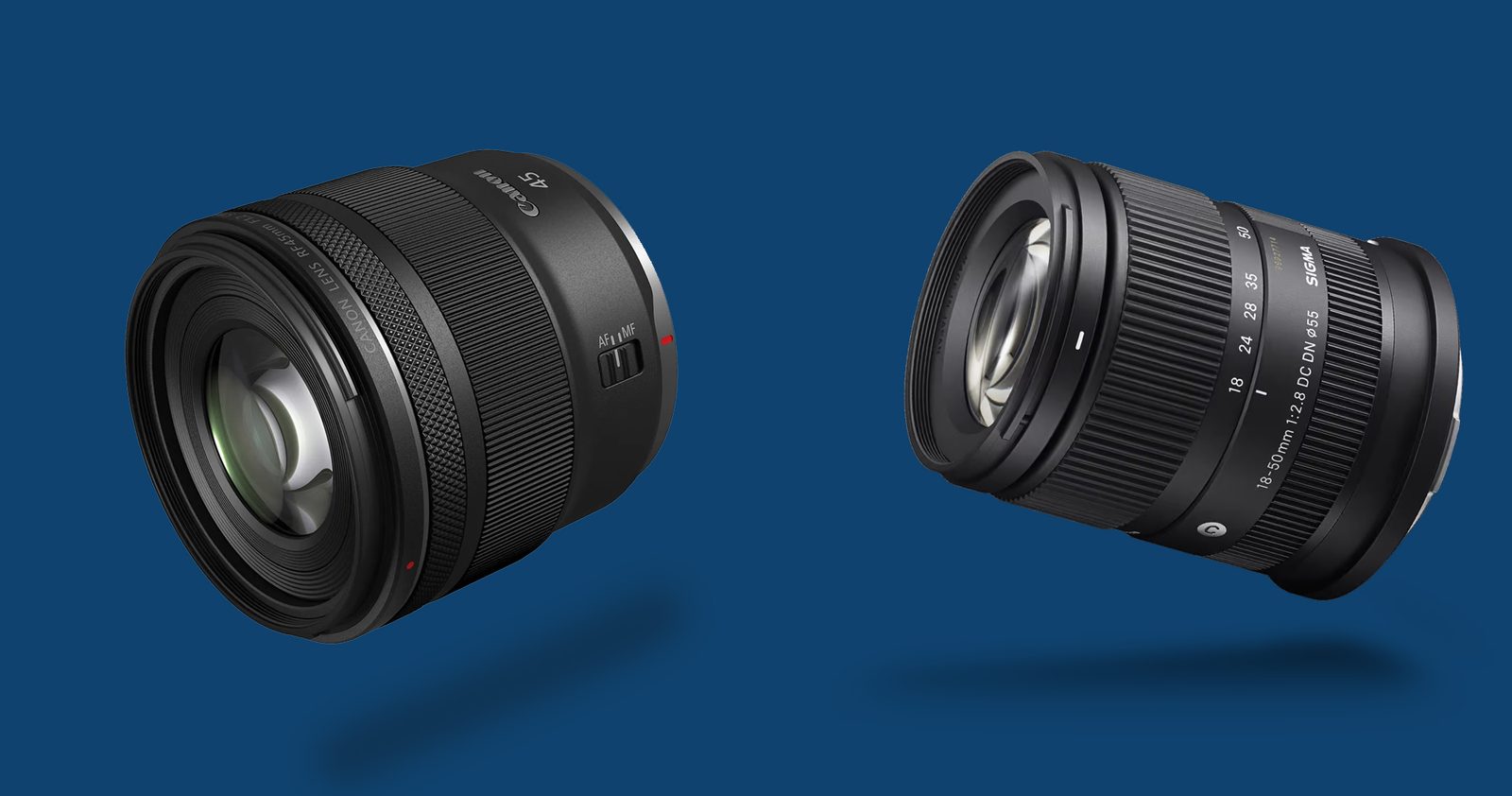
A pivotal shift occurred approximately six months prior to this forecast, with Canon’s release of an exceptionally fast f/1.2 lens priced remarkably under $500. The Canon RF 45mm f/1.2 STM, though potentially a hypothetical model in this context, represents a groundbreaking achievement if it were to materialize as described. Its suggested price point challenges the long-held notion that extreme optical speed must equate to extreme expense.
Technological Advancements and Market Impact: This development, whether through advancements in manufacturing processes, materials science, or optical design, signals a potential turning point. Modern lens manufacturing benefits from highly automated assembly lines, sophisticated computer-aided design, and the use of advanced materials such as specialized aspherical elements and fluorite glass, which can reduce aberrations and simplify optical formulas. If these efficiencies can be leveraged to produce ultra-fast primes at significantly lower costs, 2026 could see a broader introduction of such lenses across various camera systems and focal lengths.
Implications: The widespread availability of fast, affordable prime lenses would democratize creative possibilities. Photographers could achieve professional-grade bokeh and low-light performance without substantial financial outlay, fostering greater artistic experimentation. For videographers, these lenses offer cinematic depth of field, enriching storytelling capabilities. This trend could particularly empower independent filmmakers, content creators, and students, allowing them to access tools previously reserved for high-budget productions. It also places competitive pressure on other manufacturers to innovate their own lens offerings, potentially leading to a new era of optical excellence at accessible price points across the industry.
Shifting AI Focus: From Generative to Workflow Enhancement
The past few years have undeniably placed Artificial Intelligence (AI) at the forefront of technological discourse, and the photography and videography sectors have been no exception. While the transformative power of AI is widely acknowledged and its continued presence is inevitable, 2026 is anticipated to mark a crucial reorientation of its application within creative workflows. The initial AI boom saw a proliferation of generative AI systems capable of creating art, corporate headshots, and even entire video clips from simple text prompts. While impressive, these generative tools have often been met with mixed reactions from creatives, raising questions about authorship, intellectual property, and the very definition of creativity.
The fervent push for purely generative AI has, however, overshadowed a more pragmatic and potentially more valuable application: AI designed to enhance existing professional workflows. The current landscape offers relatively few sophisticated AI solutions tailored to the daily operational needs of working photographers and videographers.
Current Landscape and Desired Evolution: Existing workflow AI tools, such as Adobe Lightroom’s AI-powered masking and noise reduction, or Topaz Labs’ suite of enhancement software, have demonstrated the immense potential of intelligent automation. However, the scope for expansion is vast. Professionals consistently grapple with administrative burdens and repetitive post-production tasks that divert time and energy from core creative pursuits.
Implications: In 2026, the industry is poised to see a significant pivot towards "Workflow AI." This includes, but is not limited to:
- Automated Studio Management: More affordable and robust software solutions that leverage AI to manage client communications, send invoice reminders, streamline booking processes, and intelligently categorize leads.
- Intelligent Image Manipulation: Advanced, one-click AI tools capable of removing common distractions (e.g., trash bins, telephone poles) from backgrounds, performing complex object removal, or executing sophisticated sky replacements with minimal user input.
- Creative Asset Management and Ideation: AI systems that can help catalog and organize creative inspiration, mood boards, and client feedback into cohesive presentations, synthesizing disparate ideas into actionable plans.
- Video Post-Production Automation: AI tools that can automate routine tasks like color correction presets based on scene analysis, intelligent audio ducking, or even initial rough cuts based on script analysis and shot detection.
This shift represents a pragmatic integration of AI as an assistant rather than a replacement for human creativity. By automating mundane or technically complex tasks, Workflow AI frees up creative professionals to dedicate more time to artistic vision, client interaction, and the unique aspects of their craft. The broader impact will be increased efficiency, reduced burnout, and ultimately, a higher quality of creative output, positioning AI as a powerful enabler rather than a disruptive force in the creative process.
The Imperative for Improved Camera App Support
The advent of mirrorless camera systems was accompanied by a tantalizing promise: seamless integration with smartphones, enabling instant review, basic editing, and rapid publication of images directly from the field. This vision, however, has largely remained unfulfilled. The reality for many users has been a frustrating experience characterized by unreliable connectivity, frequent app crashes, sluggish transfers, and a general lack of intuitive functionality. Despite the brilliant concept of melding the ubiquitous smartphone with advanced camera technology, the execution by camera manufacturers has consistently fallen short of user expectations.
Challenges and Current State: The underlying issues are multifaceted. Connectivity protocols (Wi-Fi and Bluetooth) between cameras and phones often prove unstable. User interfaces are frequently clunky, lacking the intuitive design found in most modern mobile applications. Furthermore, the development cycles for camera manufacturer apps often lag behind the rapid evolution of smartphone operating systems and user demands. While some brands, like Fujifilm, have garnered a reputation for offering comparatively better (though still imperfect) app experiences, issues such as freezes and unresponsive controls remain prevalent across the board.
Implications: For 2026, a significant improvement in camera app support is not merely a convenience but a necessity for the modern content creator. The increasing demand for instant sharing across social media platforms necessitates a reliable and efficient workflow from camera to phone. Key improvements would include:
- Robust Connectivity: Stable and swift Wi-Fi and Bluetooth connections that pair instantly and maintain consistent data transfer rates.
- Intuitive User Interface (UI) and User Experience (UX): Apps designed with modern mobile standards, offering clear navigation, responsive controls, and visual feedback.
- Enhanced Functionality: Beyond basic image transfer, features like advanced remote camera control, precise in-app image culling and rating, sophisticated metadata editing, and even lightweight editing capabilities (e.g., cropping, basic color adjustments) that seamlessly sync with desktop applications.
- Third-Party Integration: A move towards more open APIs (Application Programming Interfaces) could allow third-party developers to create specialized apps, fostering innovation and catering to niche workflows that camera manufacturers might not prioritize.
The impact of genuinely improved app support would be transformative. It would empower photographers and videographers to manage their content more effectively on the go, accelerating their delivery pipelines and enhancing their ability to engage with audiences in real-time. For casual users, a seamless experience could lower the barrier to entry for using dedicated cameras, potentially revitalizing a market segment that has increasingly gravitated towards smartphone photography.
The Transformative Potential of Electronic Global Shutters
The final, and perhaps most technically profound, innovation anticipated to see wider adoption in 2026 is the electronic global shutter. Sony’s introduction of this technology in its a9 III camera marked a significant milestone, yet its broader integration across the industry has remained somewhat nascent. A global shutter represents a fundamental shift from the traditional rolling shutter mechanism, offering unparalleled advantages for both still photography and videography.
Understanding the Technology: Traditional cameras predominantly use rolling shutters, whether mechanical focal plane shutters or electronic rolling shutters in CMOS sensors. These shutters expose and read out pixels sequentially, line by line. While highly efficient, this sequential process leads to distortions such as the "jello effect" or "skew" during fast camera or subject movement, a phenomenon particularly noticeable in video. It also imposes limitations on flash sync speed, as the flash must fire while the entire sensor is exposed, which only occurs for a fraction of the shutter duration at higher speeds.

An electronic global shutter, by contrast, exposes and reads out all pixels simultaneously. This eliminates the inherent distortions of rolling shutters and provides a "snapshot" of the scene at a precise moment in time.
Advantages and Implications: The benefits of a fully electronic global shutter are extensive:
- Elimination of Rolling Shutter Artifacts: In video, this means no more distorted vertical lines during pans or warped subjects during rapid action. This is revolutionary for sports, documentary, and action videography.
- Unrestricted Flash Sync Speed: For still photography, this is a game-changer. The maximum flash sync speed is no longer limited by the mechanical shutter’s travel time or the electronic rolling shutter’s readout speed. With a global shutter, off-camera flash users can theoretically sync at the camera’s maximum electronic shutter speed (e.g., 1/8000s or faster), allowing for unprecedented control over ambient light, shallow depth of field in bright conditions, and precise motion freezing. This negates the need for complex and often power-intensive high-speed sync (HSS) modes or expensive leaf shutters.
- Faster Continuous Shooting with Flash: The ability to fire a flash at extremely high shutter speeds enables faster bursts of flash photography, opening new possibilities for capturing dynamic sequences in studio or on location.
- Improved Accuracy in Fast-Paced Scenarios: Whether for high-speed sports photography or industrial applications requiring precise capture, the global shutter ensures that every pixel captures the scene at the identical moment.
Technical Hurdles and Future Outlook: While the advantages are clear, the widespread adoption of global shutters faces technical challenges, including increased sensor complexity, potentially higher noise at very high ISOs (as seen in some early implementations like the a9 III), and higher manufacturing costs. However, as sensor technology continues to evolve and production processes become more refined, these challenges are expected to diminish. 2026 is poised to be a year where more camera manufacturers, recognizing the undeniable competitive advantage and creative freedom offered by global shutters, integrate this technology into a broader range of their professional and prosumer camera lines. This will fundamentally alter how photographers and videographers approach motion, light, and timing, pushing the boundaries of what is technically achievable in image capture.
These five areas—the expansion of third-party lenses, the emergence of affordable fast primes, the pivot towards workflow-centric AI, crucial improvements in camera app functionality, and the wider adoption of electronic global shutters—represent critical vectors of innovation for 2026. Each development, individually, promises significant enhancements, but collectively, they paint a picture of an industry evolving towards greater accessibility, efficiency, and creative empowerment, shaping the tools and techniques of visual storytelling for years to come.