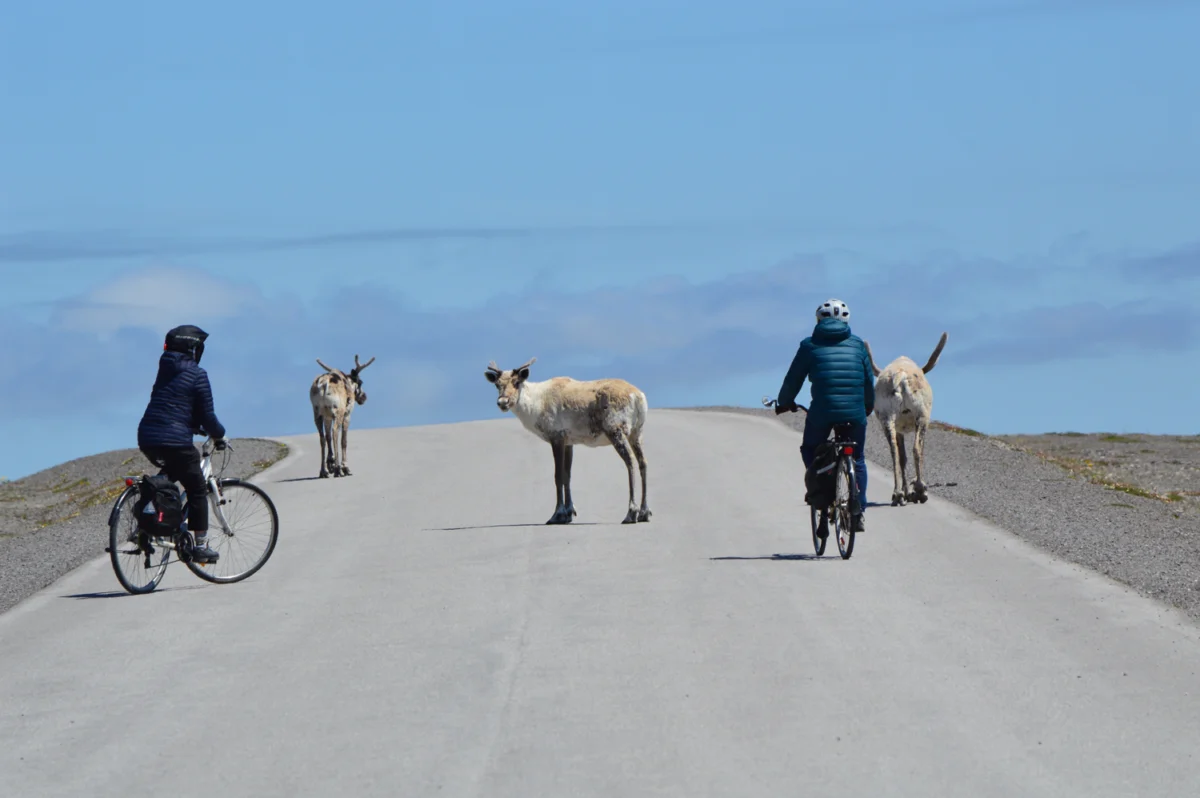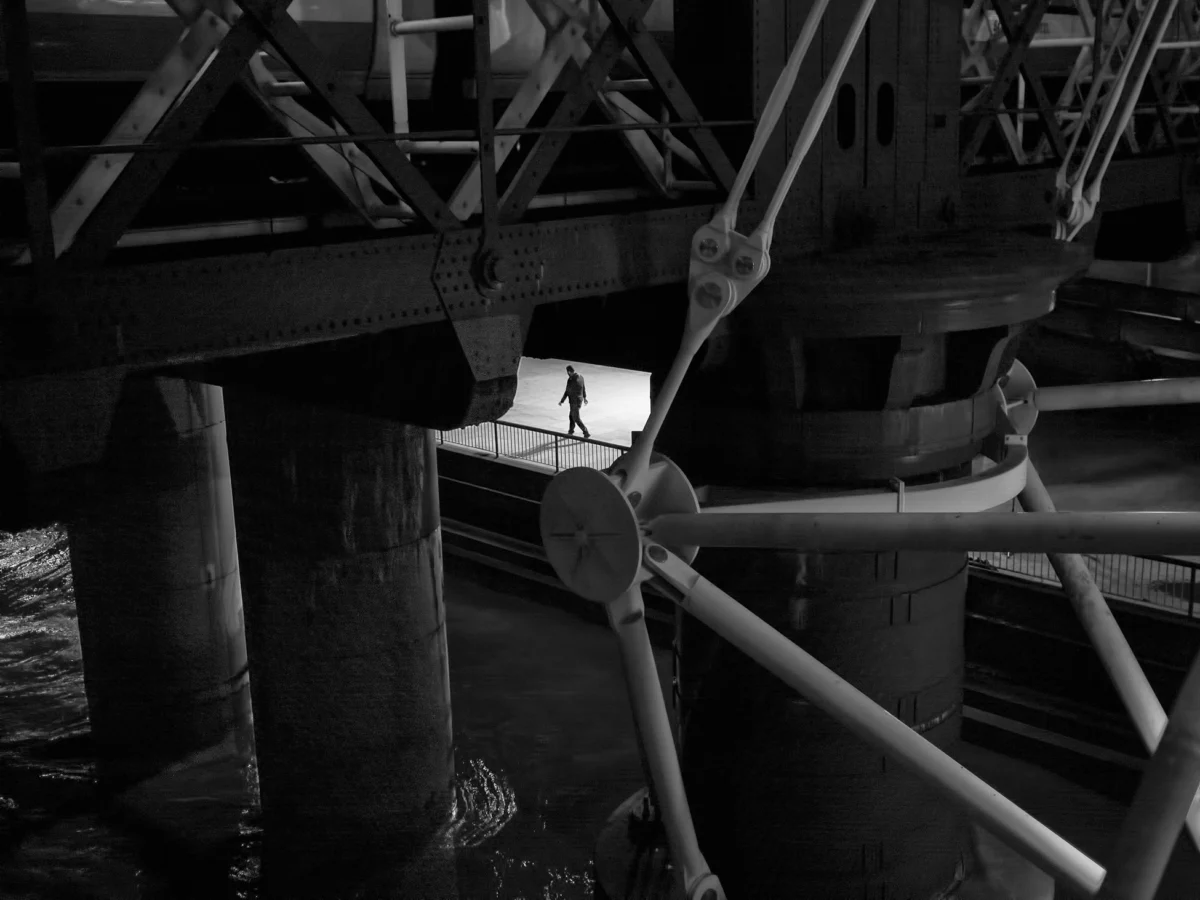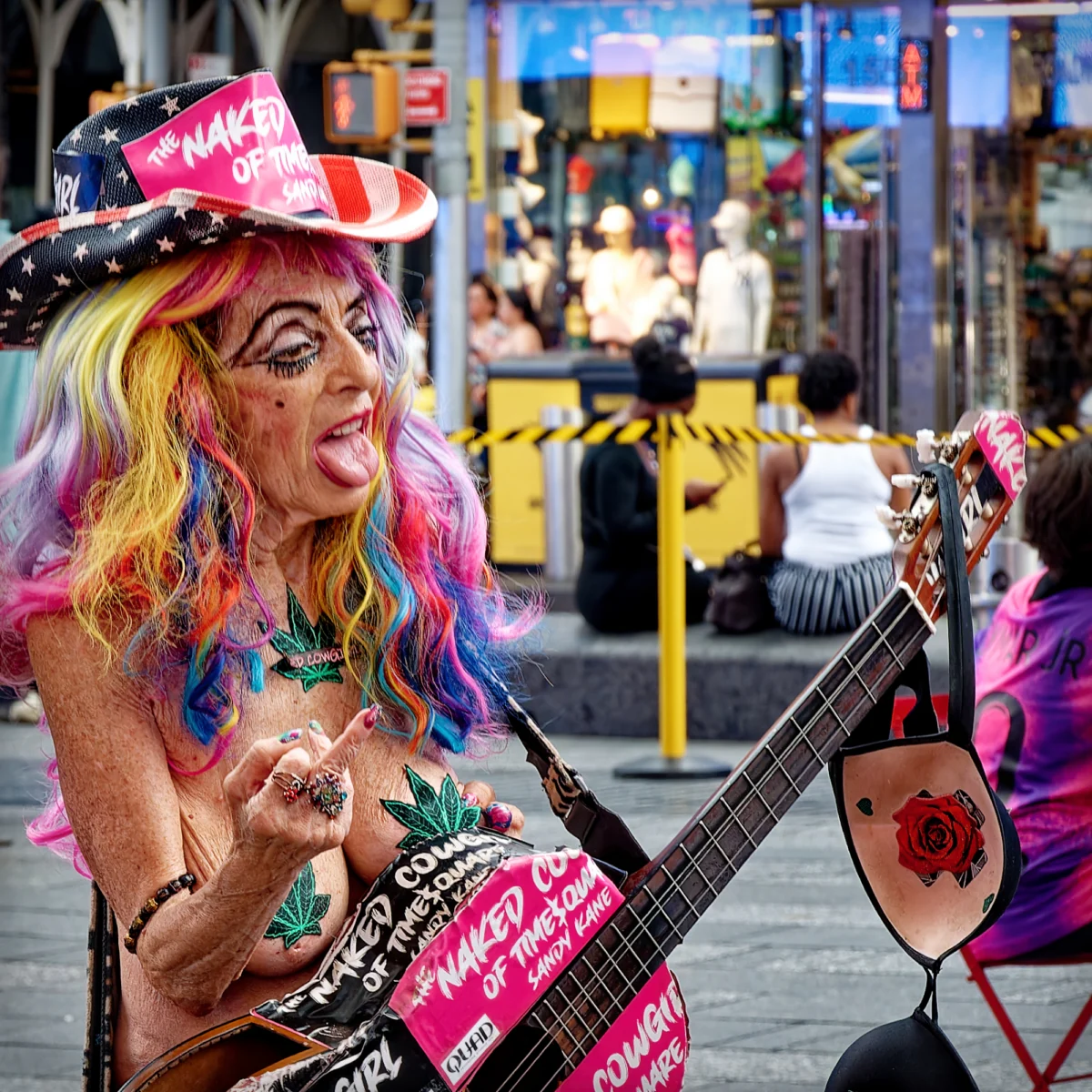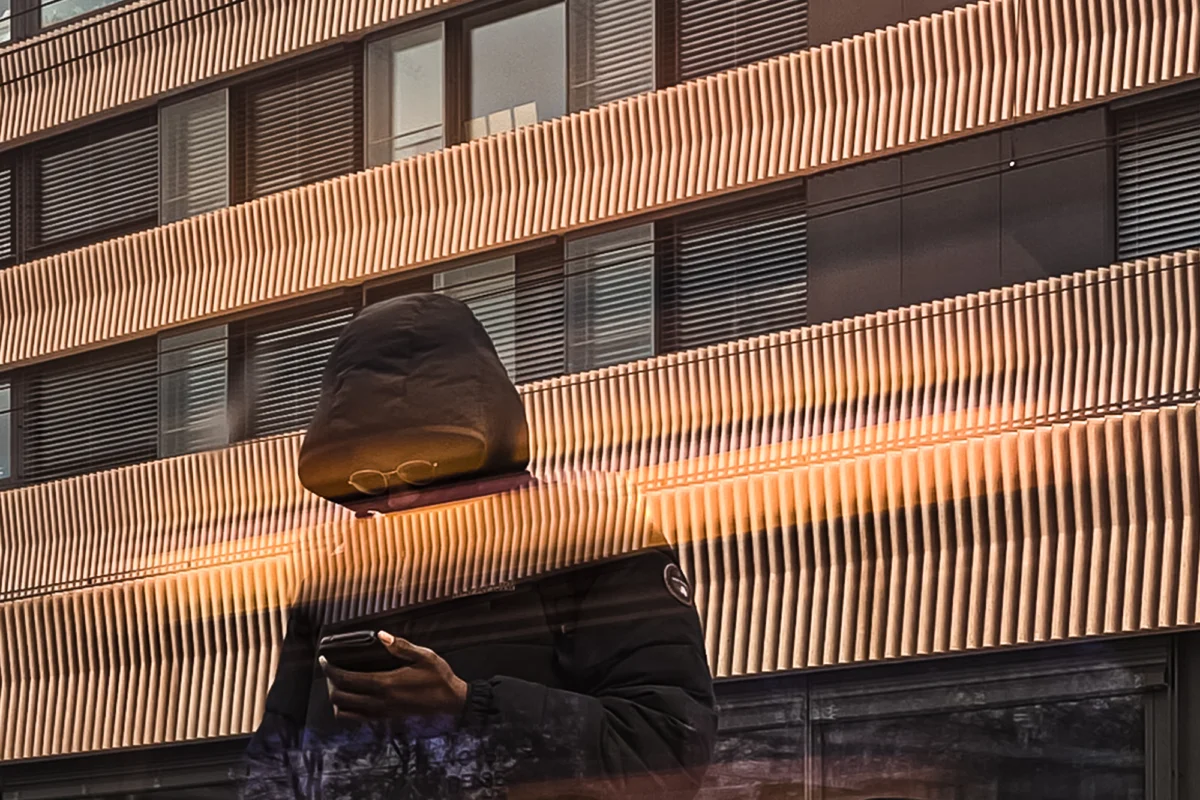
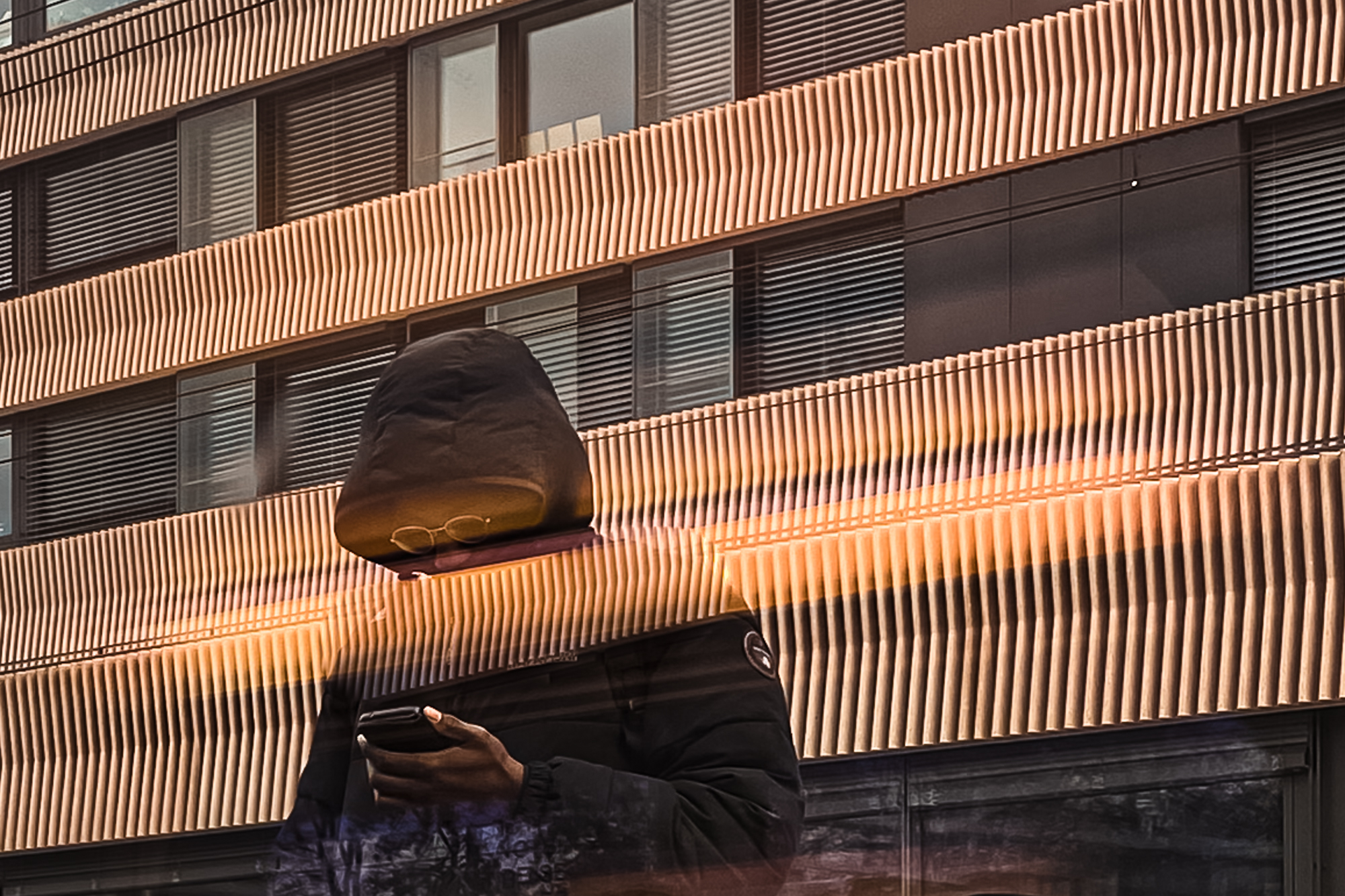
Istanbul-based street photographer Gül Kanlık has carved a distinctive niche within the genre, eschewing the purely documentary for a deeply personal and intentional approach that imbues her work with emotional resonance. Her distinctive style, characterized by carefully composed silhouettes, innovative use of reflections and double exposures, and the creative integration of surrounding elements as framing devices, has evolved organically from her initial forays into photography. This artistic progression, Kanlık explains, is not a deliberate pursuit of complex techniques but rather a natural outgrowth of her deepening engagement with the visual world.

"At the beginning, I was just taking photos without thinking too much about technique," Kanlık shares. "Over time, I became more aware of light and composition. So these approaches developed naturally as I practiced more." This gradual refinement of her visual language underscores a fundamental aspect of her creative philosophy: that technical mastery should serve an expressive purpose, rather than being an end in itself.
Kanlık’s journey into street photography began not as a planned artistic endeavor, but as a personal coping mechanism. Following the passing of her mother, she found solace and a sense of grounding in the act of photography. "It was a way to fill a space – a kind of emptiness her absence left in my life," she recalls. Photography, in those initial stages, provided a tangible anchor, something she could hold onto during a period of profound loss. This deeply personal origin story significantly shaped her subsequent creative vision, leading her to a profound realization: "We don’t just see the world as it is – we see it as we are." This understanding became a cornerstone of her artistic practice, emphasizing the subjective nature of perception and the photographer’s role in translating their internal world onto the external canvas.

The Genesis of a Connection: Finding the Unseen in the Urban Landscape
The foundation of Kanlık’s street photography lies in her ability to forge a genuine connection with the environment she explores. Unlike photographers who adhere to rigid schedules or specific hunting grounds, Kanlık’s most productive moments arise organically, often triggered by specific atmospheric or conceptual conditions. "Usually, I find myself taking photos when the light is interesting or when there is a contrast – like calm vs chaos, light vs shadow, or people lost in their own world," she elaborates. "These moments pull me in."
This intuitive engagement with her surroundings means Kanlık rarely forces a shot. Instead, she cultivates an anticipatory approach, patiently observing and waiting for moments to unfold. Her strategy involves anticipating picture-perfect opportunities, such as an individual entering a frame, or the precise way light interacts with a subject. "What helps me the most is patience and being present," she emphasizes. "I don’t try to control the scene; I try to align to it." This philosophy aligns with established principles of mindful photography, where presence and observation are paramount to capturing authentic moments. The sheer volume of street photography produced globally each year, estimated to be in the millions of images, highlights the challenge of finding truly unique perspectives, making Kanlık’s patient and attuned approach all the more significant.
Infusing Emotion into the Urban Narrative
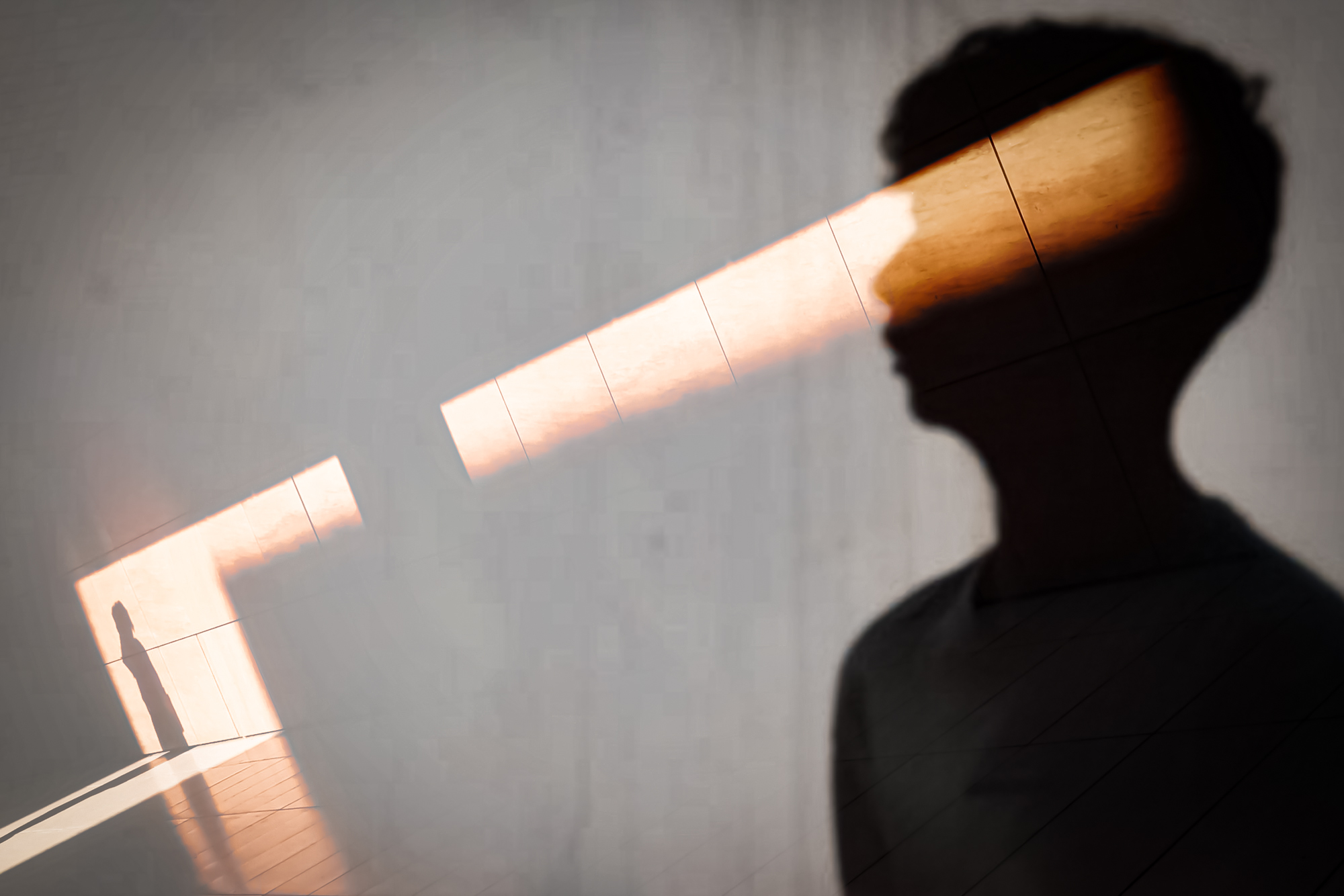
While "emotional" might not be the immediate descriptor many associate with street photography, it is a core quality Kanlık actively seeks to embed in her work. She skillfully employs visual techniques such as shadows, silhouettes, and framing not merely for aesthetic appeal, but to distill scenes and direct the viewer’s focus. These elements serve a dual purpose: to enhance the visual impact of her photographs and to invite viewers to perceive the city not just as a collection of buildings and people, but as a dynamic tapestry of everyday, often overlooked, art.
"For example, shadows can create mystery, silhouettes can make a scene more universal, and framing helps guide the viewer’s eye," Kanlık explains. "I try to use them in a natural way, not forced. I believe that even the most ordinary scenes carry something different – a detail, a feeling, or a moment that breaks the pattern. I’m drawn to subtle contrasts like light and shadow, stillness and chaos, presence and absence." This deliberate use of compositional elements to evoke specific feelings or prompt contemplation is a hallmark of her artistic intent. Her preference for a minimalist aesthetic, rather than an overabundance of documentary detail, further reinforces this focus on the essential. "Less is more," she stresses, recognizing that excessive elements can dilute the impact of the central subject. These qualities coalesce to define her vision of the ideal street photograph: "Simple but meaningful."
The Narrative Power of the Photograph
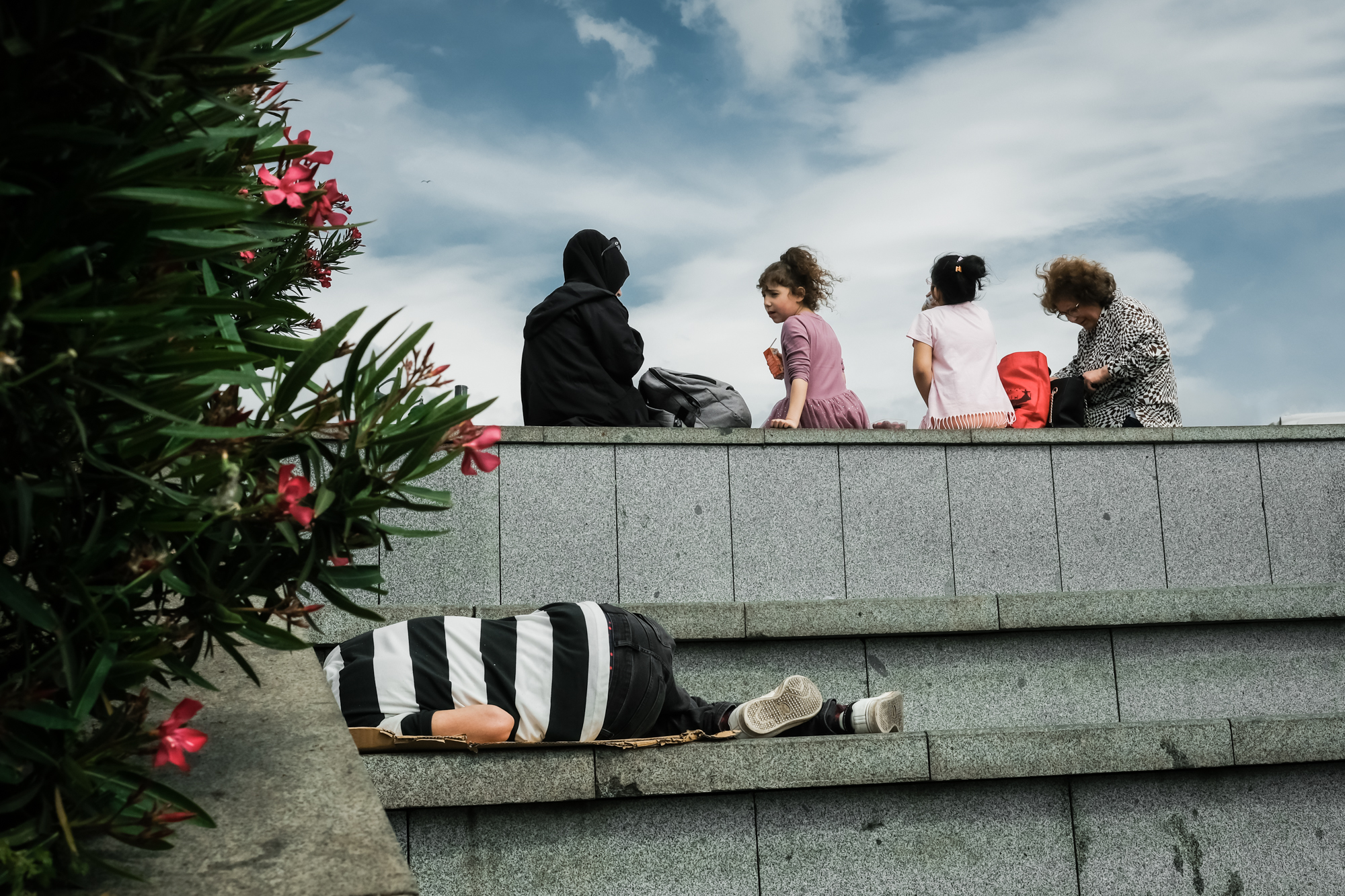
For Kanlık, a truly impactful street photograph transcends mere documentation; it must "tell a story or create a feeling." This is the essence of her pursuit of "simple but meaningful" imagery, a goal that resonates with the broader aims of effective visual storytelling. While much of her learning has been experiential, she acknowledges the profound influence of several key street photographers on her development.
From Alex Webb, Kanlık draws inspiration from his ability to construct intricate frames rich with layers, vibrant colors, and dynamic interactions. Webb’s work, often characterized by its visual complexity, demonstrates how a single image can simultaneously convey multiple narratives. Saul Leiter’s influence is felt on a more profound emotional level. His masterful use of color, reflections, and pared-down compositions cultivates a tranquil, almost poetic atmosphere, sensitizing Kanlık to the power of subtle details and the elegance of simplicity. Vivian Maier, meanwhile, serves as a potent example of capturing raw, unvarnished moments with an undeniable sense of authenticity and keen observation, qualities that deeply resonate with Kanlık’s own aesthetic sensibilities.

The common thread weaving through the work of these masters, Kanlık observes, is their extraordinary ability to discover and articulate something unique within the mundane. This insight fuels her own ongoing quest to imbue her street snaps with a discernible story or emotion. "I’m always searching for the ‘non-standard within the standard,’ trying to reveal something unexpected in everyday life," she states, a sentiment that encapsulates her artistic mission. This ongoing exploration of the ordinary, seeking out the subtle deviations that reveal deeper truths, is a testament to her dedication to finding extraordinary narratives in the everyday.
The Quest for Authenticity in a Fleeting World
The pursuit of authentic, unfiltered moments is a universal challenge for street photographers, and Kanlık is acutely aware of its inherent difficulties. "Sometimes, people notice the camera and the moment changes," she notes, highlighting how the mere presence of a photographer can alter the very spontaneity they seek to capture. This ephemeral nature of street photography requires constant vigilance and adaptation.
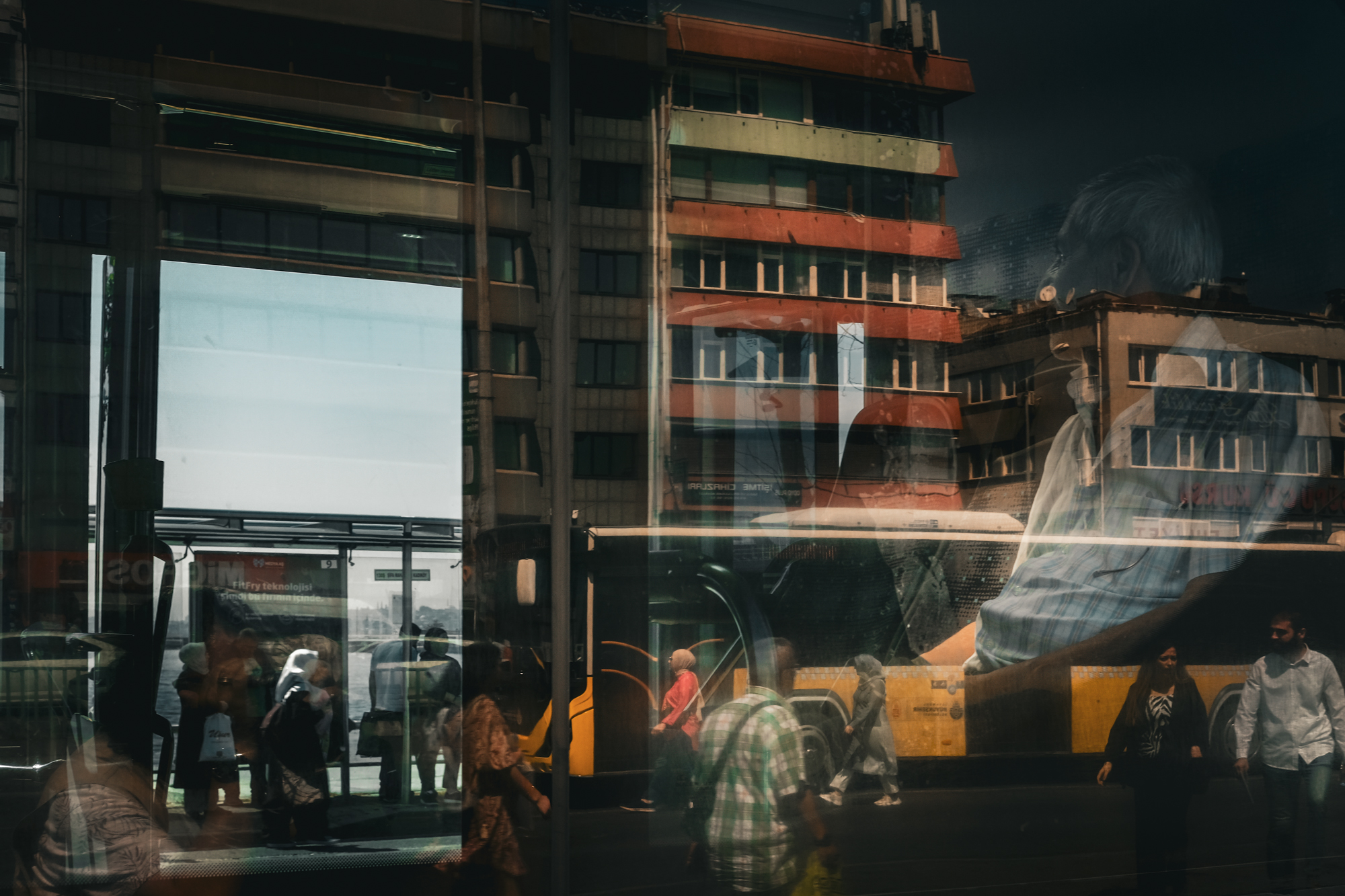
Furthermore, the creative process is not always linear or consistently fruitful. "Also, not every day is inspiring – some days nothing works," Kanlık admits. Her approach to overcoming these creative lulls is rooted in patience and acceptance. "To deal with this, I stay patient and accept that not every walk will result in a great photo." This pragmatic outlook, acknowledging the ebb and flow of inspiration, is crucial for sustaining a long-term artistic practice.
An Intentional Vision: The Nepal Sunset and the Power of the Frame
When the photographic moment does align, it often presents itself unexpectedly, even outside the traditional urban setting. Kanlık recounts the story behind one of her most cherished photographs, a sunset shot taken in Nepal, which transformed from a landscape into something deeply personal and intentional. This image, though not strictly street photography, encapsulates the core principles of her artistic vision.
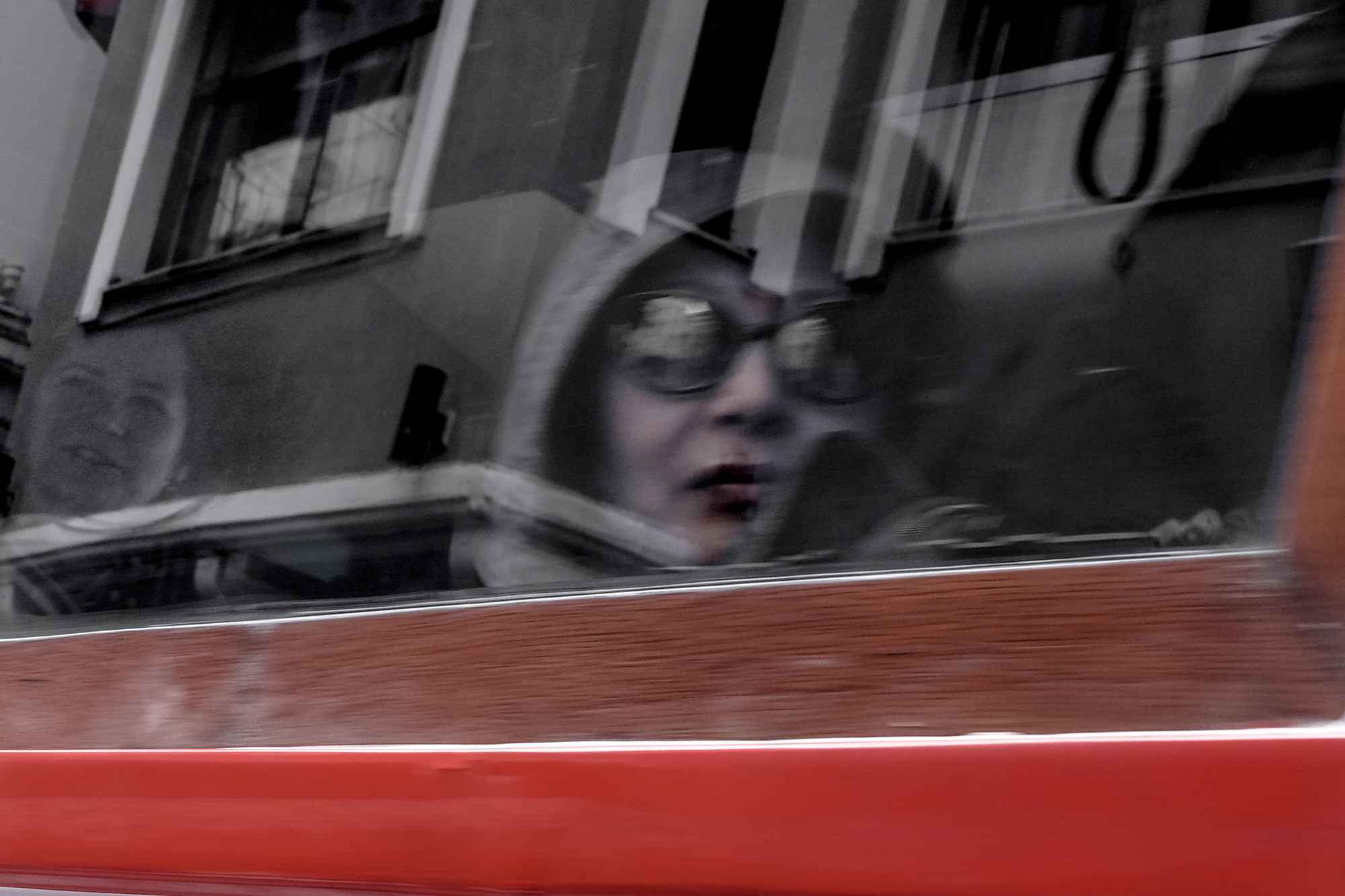
"One of my favorite photos (though strictly not Street Photography) was taken in Nepal, during a trip in April 2019 with one of my photography mentors, Cenk Gençdi, who has had a significant influence on my journey," Kanlık explains. "We were in Nagarkot, working on sunset photography. The view was breathtaking – at 2,175 meters, with Mount Everest visible in the distance. It was already a powerful scene, but when I looked at my frame, something felt missing. It felt too empty."
Drawing upon a lesson from her mentor about the critical importance of framing, Kanlık shifted her perspective. "The night before, during dinner, Cenk had explained the importance of framing. So instead of taking the view as it was, I started searching for something within the scene – something that could transform it. Then, I noticed a simple lamp hanging in the balcony structure. Including that small element completely changed the photograph. It gave the frame depth, balance, and a stronger story. Suddenly, it was no longer just a landscape – it became something more personal and intentional."
This deliberate act of incorporating a seemingly minor element – the lamp – fundamentally altered the photograph’s narrative and emotional impact. It transformed a spectacular but potentially impersonal vista into a deeply resonant image, demonstrating Kanlık’s ability to imbue even grand scenes with personal meaning. "When I showed the photo to Cenk, he really liked it as well. But for me, what made it special was the realization behind it. It was the moment I understood that I’m not just capturing what is in front of me – I’m always searching for the ‘non-standard within the standard.’ Even in the most perfect view, I’m drawn to the small detail that changes everything."
The City as a Surface: Capturing the Inner World
Through her internal and intentional approach to street photography, Kanlık believes she is not merely documenting external reality but is also projecting aspects of her own identity and inner landscape. "Each frame bears her emotions, perspective, and inner world," she states. This introspective methodology fundamentally redefines her relationship with the medium.
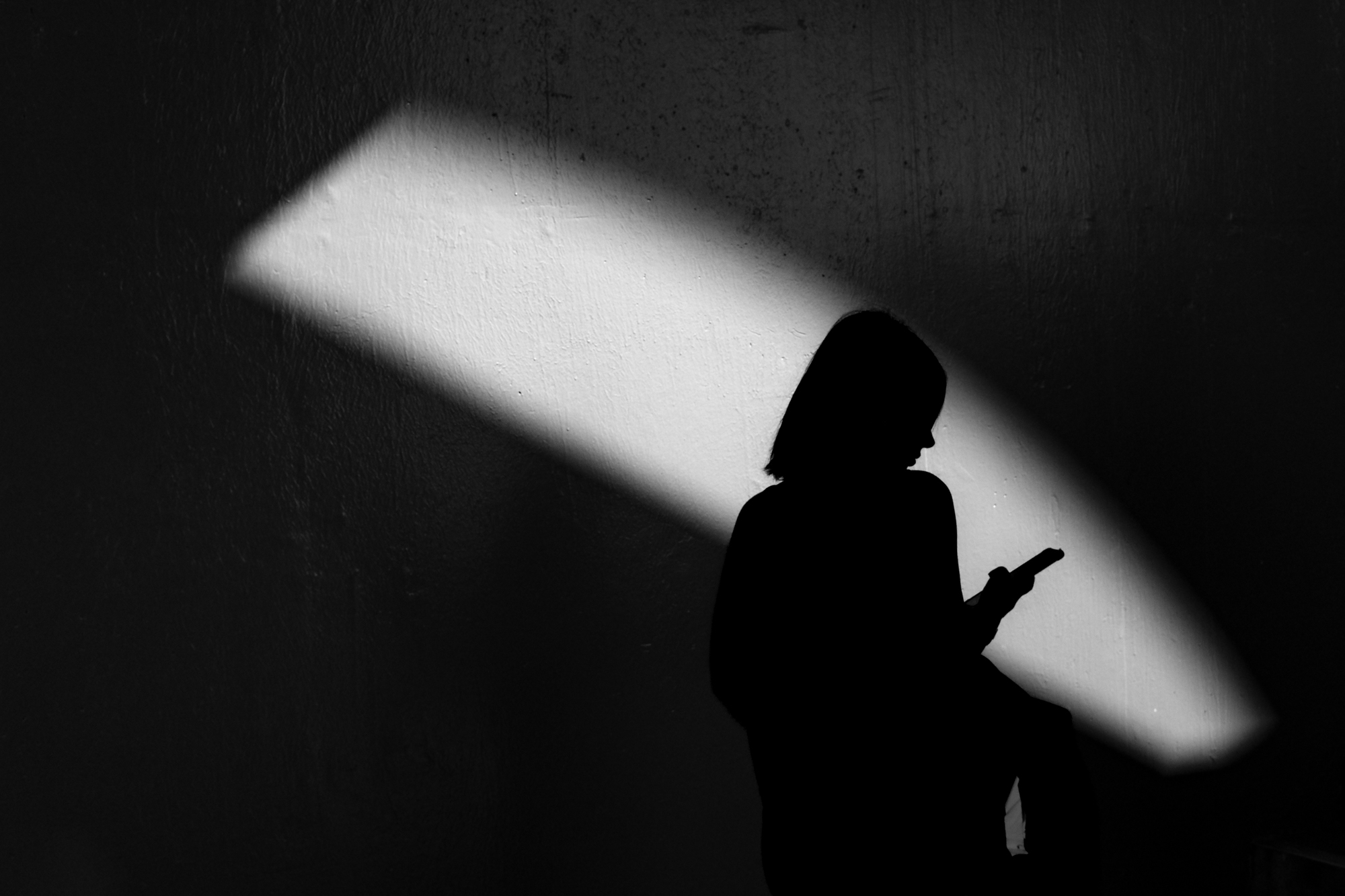
"So for me, street photography is not just about walking around the city and capturing random moments," Kanlık muses. "The city is just the surface – what I’m really capturing is something much more personal. I don’t try to show something extraordinary. Instead, I try to reveal the hidden uniqueness within the familiar, and show that even the most standard scenes can hold something deeply personal and unexpected." This profound insight positions her work not as a detached observation of urban life, but as an intimate exploration of the human experience within the urban context. Her photographs serve as windows into her own perception, inviting viewers to engage with the familiar in new and unexpected ways.
Those interested in experiencing more of Gül Kanlık’s distinctive street photography are encouraged to follow her work on Instagram at http://instagram.com/kaniklaringul. Her consistent output offers a compelling testament to her evolving artistic vision and her dedication to uncovering the extraordinary within the ordinary. The broader implications of her approach suggest a growing trend in street photography towards greater personal expression and a deeper engagement with the emotional and psychological dimensions of urban life, moving beyond purely objective representation to embrace a more subjective and impactful form of visual storytelling.