The digital age, with its staggering proliferation of images, has ignited a persistent debate within the photographic community: what truly constitutes street photography? This recurring discussion, often fueled by passionate online exchanges, highlights a fundamental tension between the desire for definition and the inherent fluidity of artistic expression. While attempts to categorize genres can offer a framework, they risk stifling the very spontaneity and originality that define compelling street photography. The core issue, as argued by many practitioners and critics, is not a lack of rules, but rather a need for a renewed focus on the quality and impact of the photographs themselves.
The Overwhelmed Digital Landscape and the Rise of Categorization
The sheer volume of images generated daily, estimated to be in the billions, has led to an increasingly unwieldy photographic landscape. This digital deluge compels photographers, curators, and critics to seek order through categorization. Consequently, articles dissecting the essence of street photography, landscape photography, and other genres become commonplace. While these explorations can provide valuable insights, they also carry significant risks.
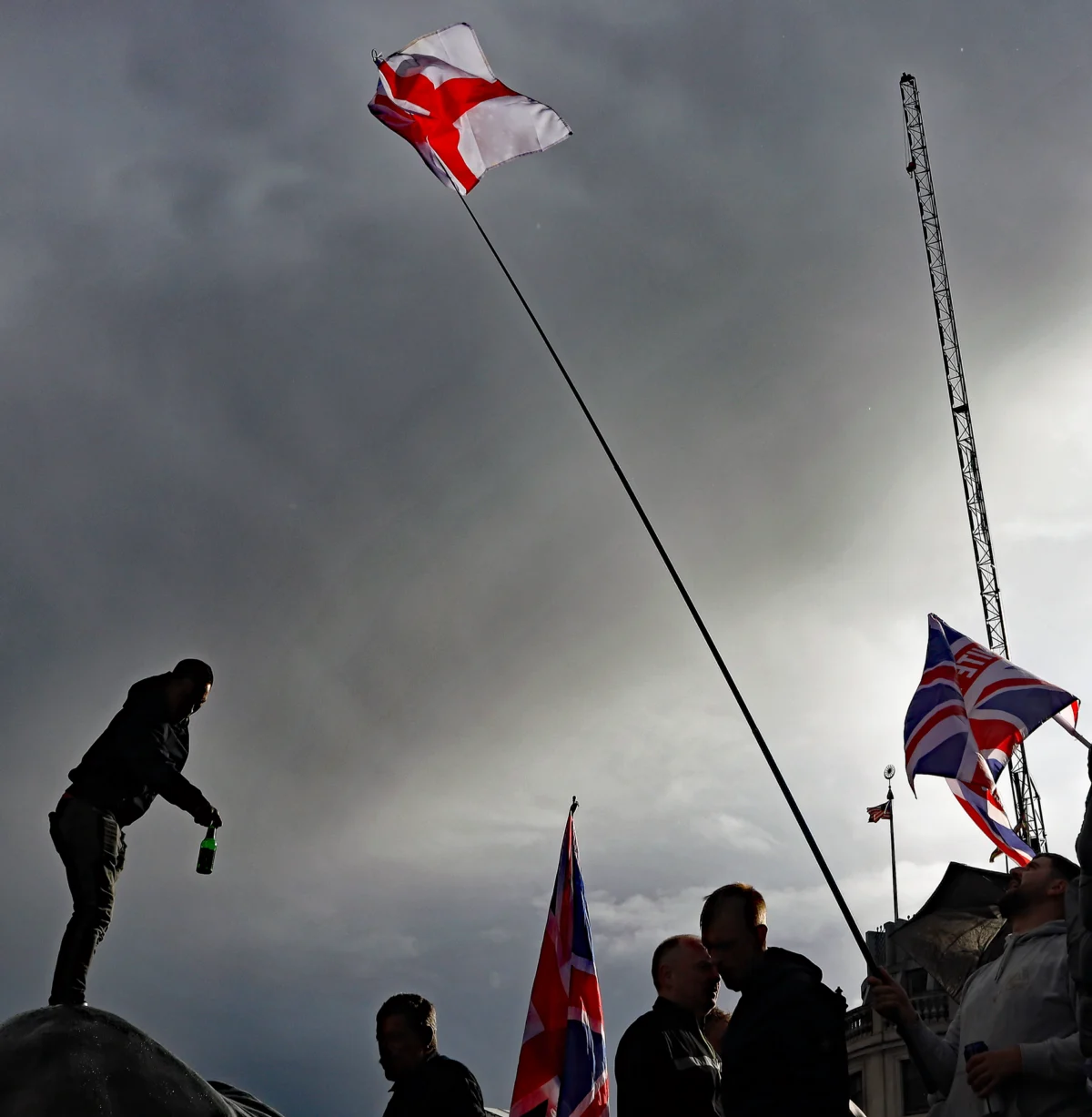
One of the primary dangers of rigidly defining street photography is the tendency for practitioners to adhere to a prescribed formula. This adherence, often driven by the desire for recognition within established online communities or through competitions, can result in repetitive and uninspired imagery. The visual echo chamber of social media platforms often amplifies this effect, leading to a saturation of predictable tropes. Common themes include the ubiquitous umbrella in a puddle, the silhouetted figure with a fedora against urban backdrops, or young individuals posed against graffiti. This replication, ironically, runs counter to the genre’s historical embrace of the unexpected and the ephemeral.
The impact of this algorithmic-driven aesthetic is palpable. Scrolling through popular photography feeds, one might observe a striking homogeneity. The "Leica aesthetic," characterized by a particular look and feel often associated with this iconic camera brand, is frequently emulated. The "decisive moment," a concept popularized by Henri Cartier-Bresson, is often recreated with such frequency that its original spontaneity feels lost. This phenomenon has led some to compare the current state of street photography to a form of "cosplay," where photographers are more concerned with mimicking established visual cues than with genuine personal expression.
The Recipe for Repetition: When Rules Stifle Creativity
The impulse to define street photography can inadvertently foster a "recipe" approach to image-making. Similar to how certain literary trends can lead to formulaic writing, rigid genre definitions can encourage photographers to create work that satisfies an external checklist rather than their own artistic vision. This backward approach to creativity, where the output is dictated by preconceived notions of what a "street photograph" should be, can be profoundly stifling. The author of the original article expresses a weariness with judging street photography competitions, noting that a significant portion of entries often feel as though they were taken by the same individual, lacking distinctiveness and personal voice.
The historical context of artistic movements demonstrates a recurring pattern: innovation often emerges from individuals who push boundaries, rather than those who meticulously follow established norms. The great artists, historically speaking, are remembered not for their adherence to rules, but for the ways in which their work compelled others to redefine those very rules. The current emphasis on defining street photography, therefore, may be misplacing the focus from the act of creation to the act of classification.
The Question of Definition: Beyond Rigid Boundaries
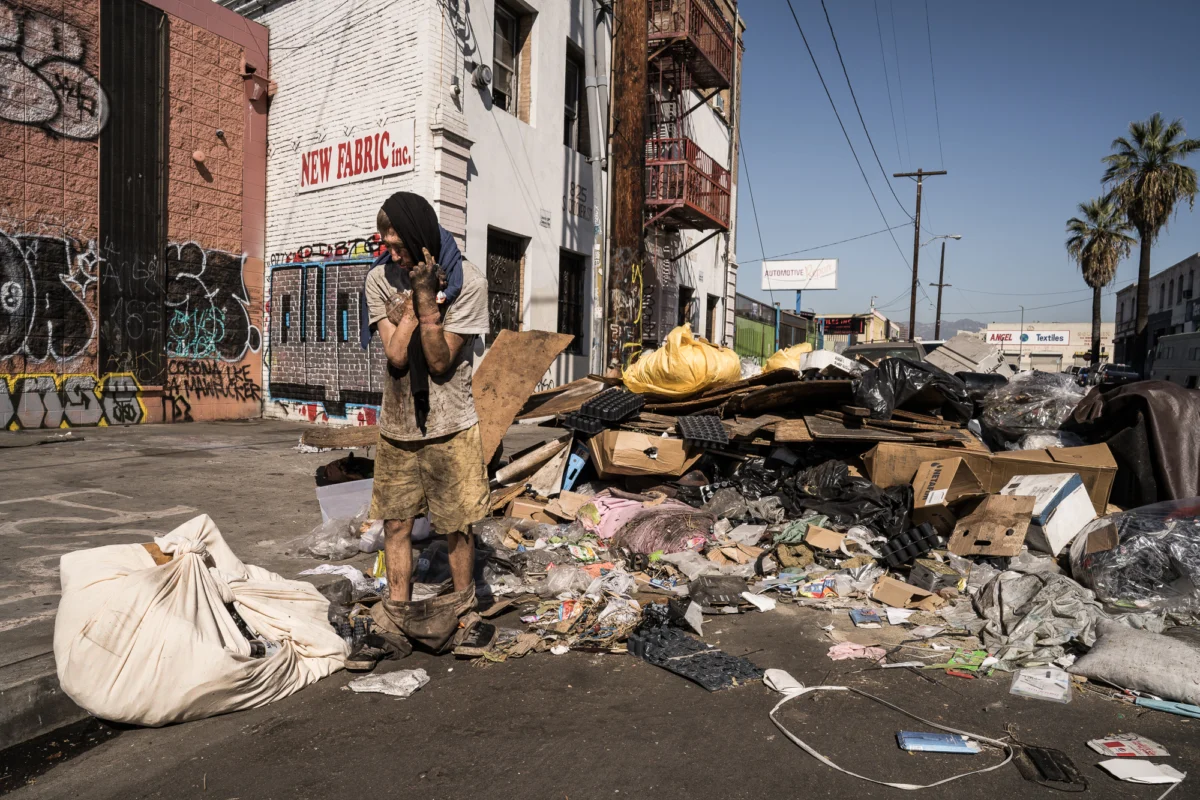
The debate often centers on specific elements: Does a street photograph require a human subject? Must it feature an urban landscape? While these questions are not inherently invalid, they are perhaps best approached as rhetorical devices—prompts for contemplation rather than definitive pronouncements. Every attempt to establish a concrete rule quickly encounters exceptions.
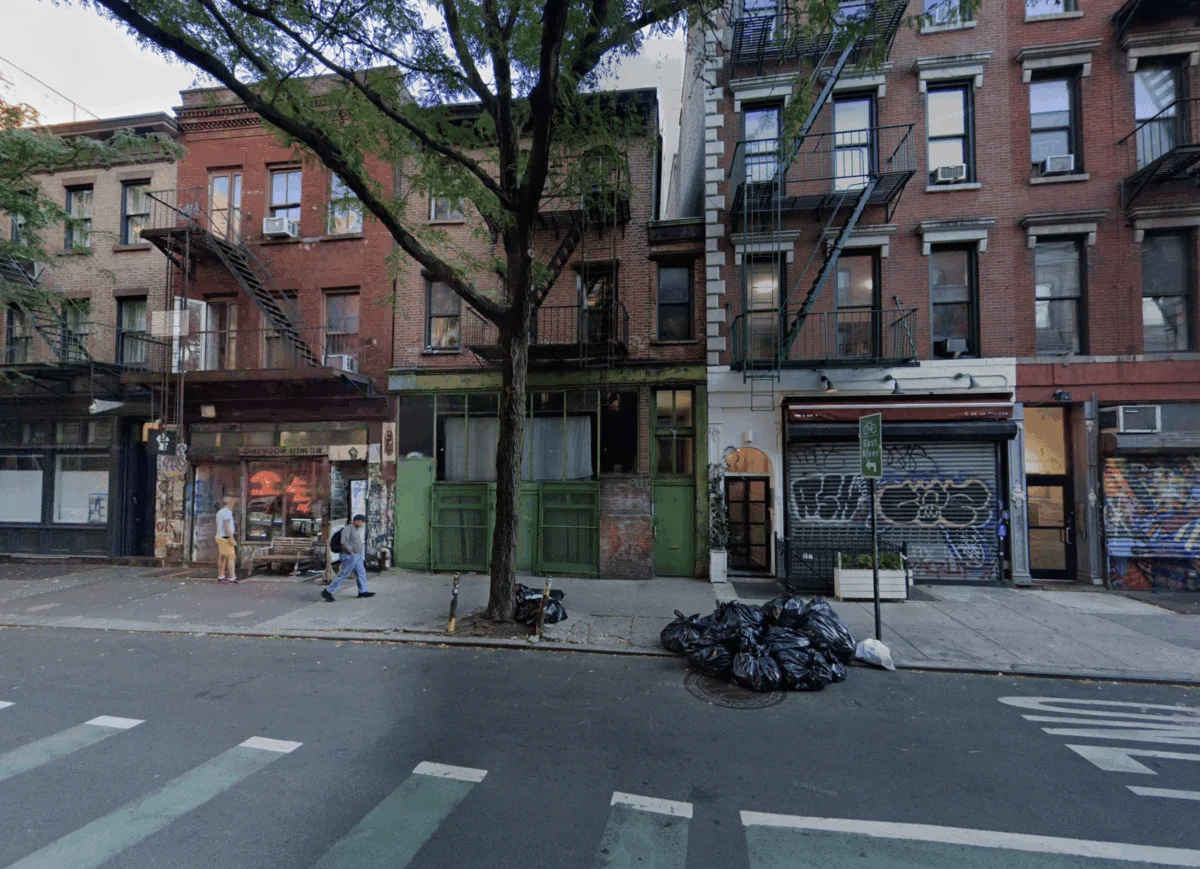
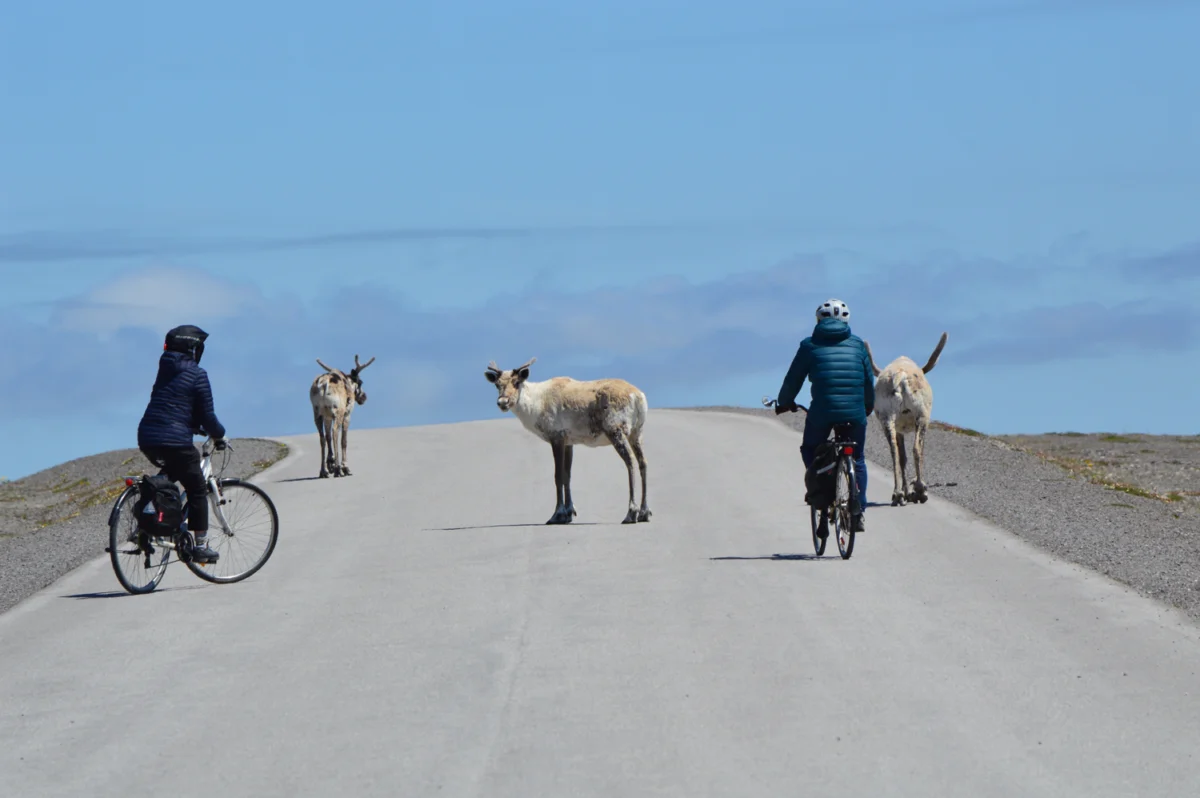
For instance, if an urban setting is a prerequisite, what about photographers working in rural or remote areas? Are their works automatically excluded from the genre? This raises questions about established photographers whose work is widely accepted within street photography circles, yet might not strictly adhere to such a definition. Martin Parr’s evocative photographs of seaside resorts, for example, capture moments of everyday life and social commentary, but do they fit a narrow definition of "urban"? Similarly, William Eggleston’s iconic "Tricycle" photograph, a cornerstone of color photography and often discussed in relation to documentary and street styles, features neither a person nor an obvious urban backdrop. Yet, it remains a highly influential image within the broader discourse of photographic art. These examples illustrate the inherent difficulty and potential arbitrariness of imposing strict definitional boundaries.
A Case Study: The Newfoundland Photograph
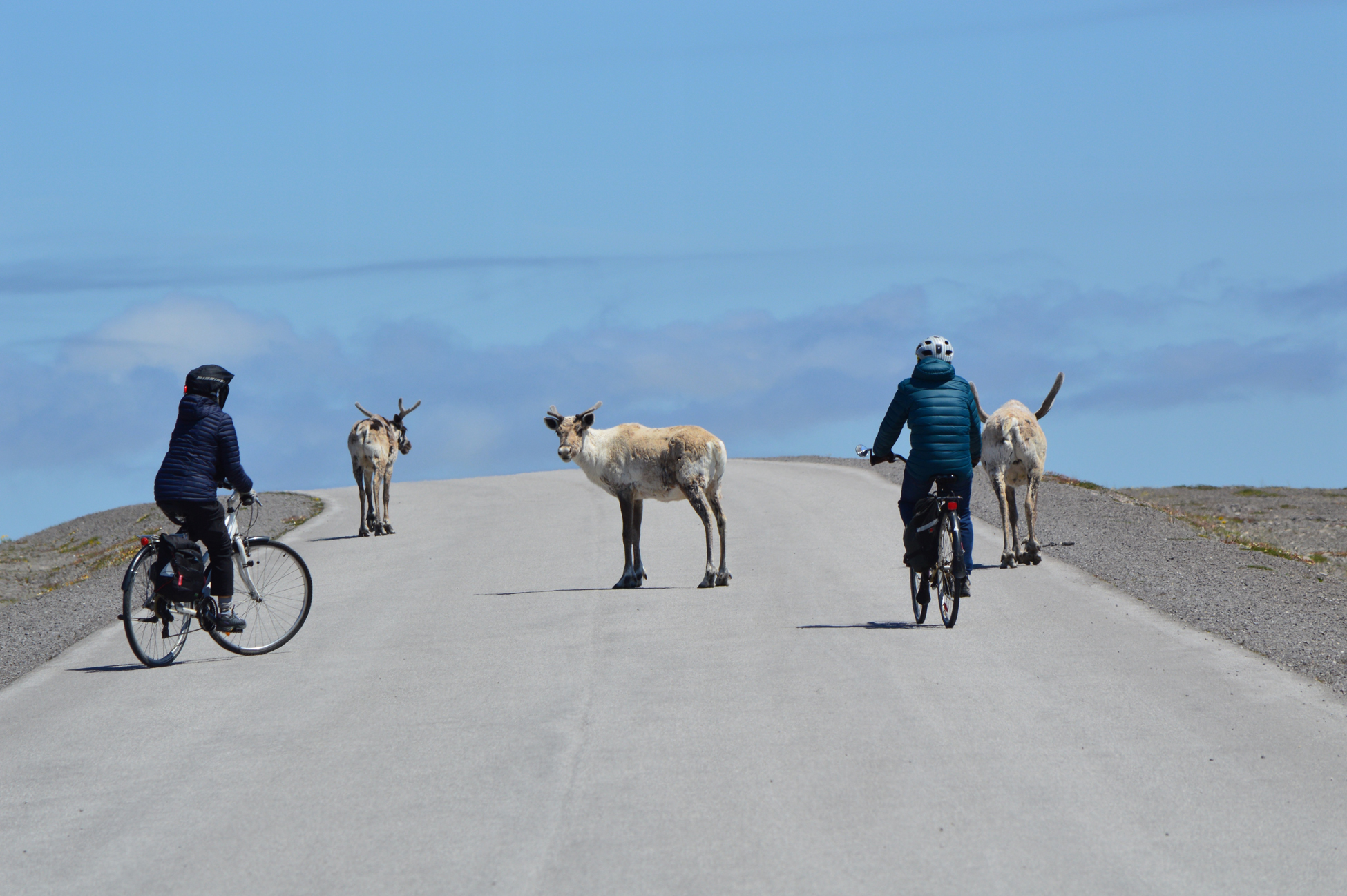
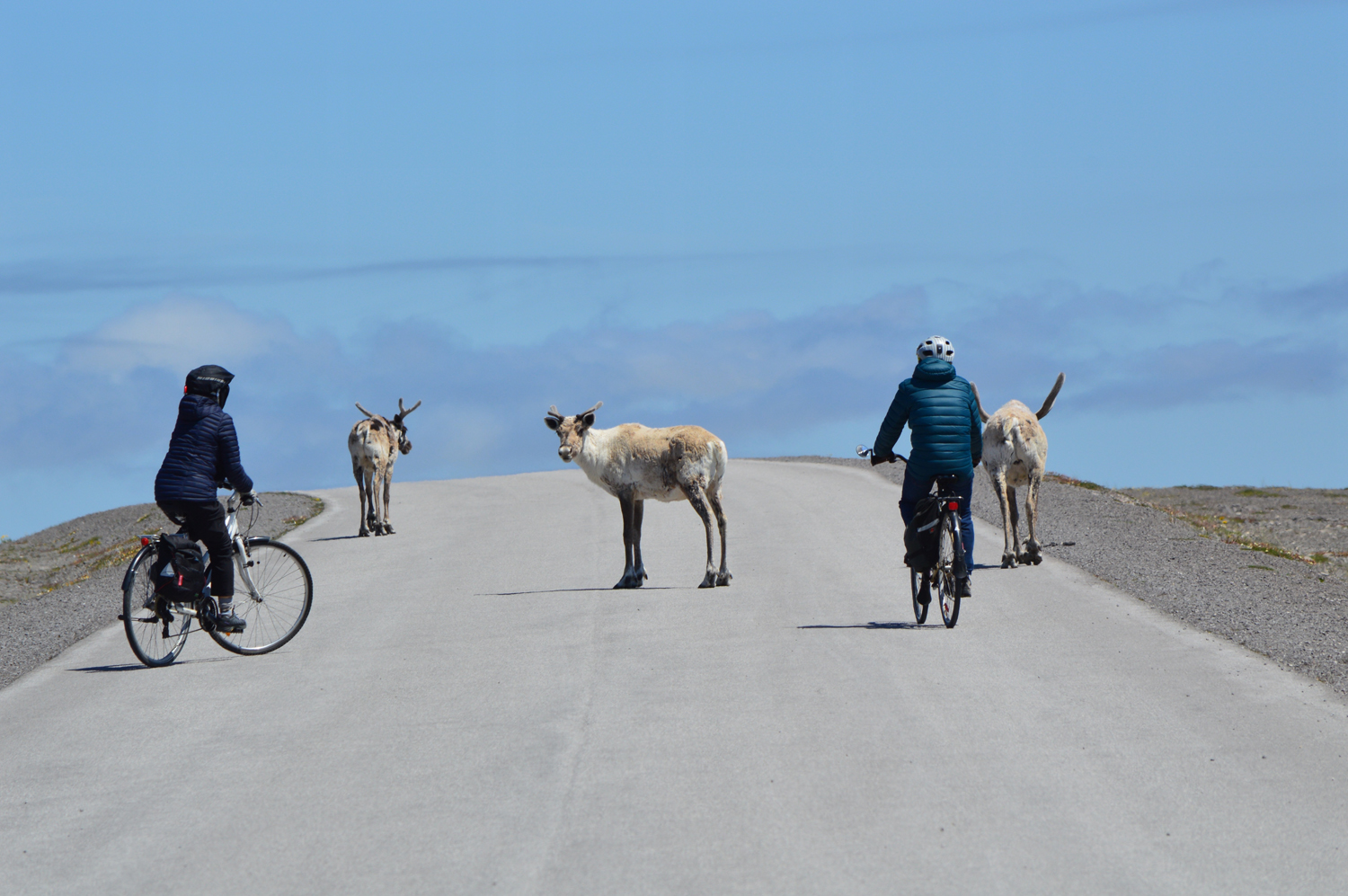
The author shares an anecdote involving a photograph taken by his aunt, Susan N. Sweet, a Canadian painter, in Newfoundland during the summer. The image, while not explicitly described in detail, prompted the author to seriously consider the nuances of genre definition. The question arises: is this photograph a street photograph? Regardless of the answer, it served as a catalyst for a broader re-evaluation of the genre’s constraints. This personal reflection underscores the idea that powerful images can transcend pre-existing categories.
The Case Against Genres: Allowing Photographs to Speak for Themselves
This leads to a more fundamental inquiry: does street photography even need to be a distinct genre at all? The author expresses a long-standing preference for allowing photographs to communicate directly, without the need for verbal or categorical explanations. This perspective extends to a growing comfort with simply accepting photographs as photographs, open to individual interpretation.
The principle articulated is that "Great photographs create genres. Genres have never created great photographs." This suggests a hierarchical relationship where exceptional artistic output naturally leads to the evolution and understanding of categories, rather than the other way around. While acknowledging that genres will persist across various art forms—music, cinema, painting—the proposal is not to abandon categorization entirely, but to broaden the perspective on what can be accepted as street photography.
Shifting Focus: From Algorithms to Lenses
The call to action is to de-emphasize the influence of social media algorithms and the labels they promote. Instead, the focus should shift towards what is visually present in front of the lens. Photographers should be afforded the freedom to create before they feel compelled to categorize their work. The ultimate measure of a photograph’s success, in this view, lies in its ability to captivate, challenge, or alter the viewer’s perception. If a photograph achieves this, its classification becomes secondary.
The Death of Creativity and the Evolution of Art
The moment a definition transforms into a rigid checklist, creativity is inevitably compromised. The author observes that communities spending excessive time debating definitions often divert energy from the creation of memorable work. History, he contends, seldom celebrates artists who rigidly followed rules; rather, it remembers those who compelled a re-evaluation of those rules. This perspective suggests that the enduring legacy of photography, and indeed any art form, is built upon the impact and innovation of individual works, which in turn shape our understanding of artistic genres. The ongoing conversation about street photography, therefore, should ideally foster an environment where photographers feel empowered to explore, experiment, and produce impactful images, allowing the genre to evolve organically rather than being constrained by prescriptive definitions.
The author, Michael Ernest Sweet, is an award-winning Canadian photographer and writer based in New York City. His work, including two books of street photography, "The Human Fragment" and "Michael Sweet’s Coney Island," has garnered national recognition, including a Prime Minister’s Award and a Queen’s Medal from Canada. His insights into the genre are informed by his extensive experience as a practitioner and observer of contemporary photography.