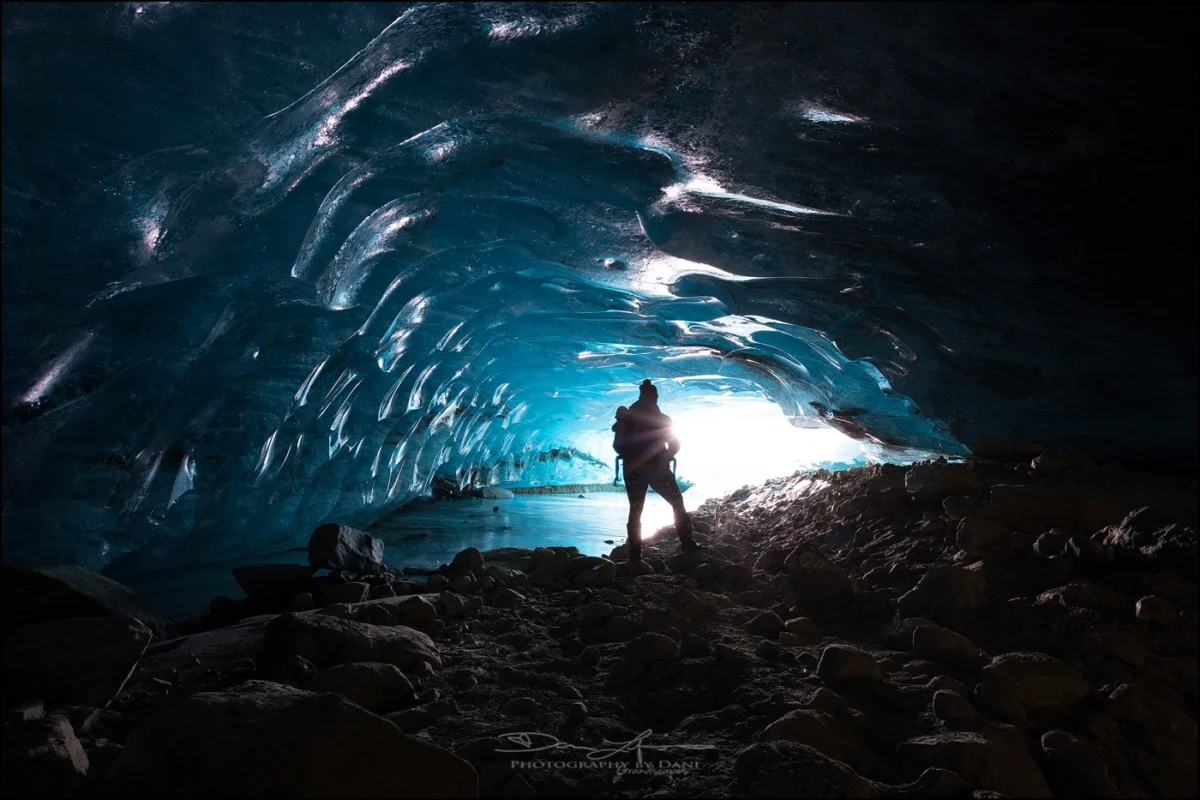
Nature TTL’s ongoing interview series, "From Amateur to Professional," delves into the evolutionary journeys of established nature photographers, offering aspiring artists a rare glimpse into the development, changes, and improvements that shape a successful career. This edition features Dani LeFrancois, a distinguished landscape photographer and photo guide whose 22-year passion for capturing the natural world has culminated in a thriving professional practice rooted in the stunning Canadian Rockies. LeFrancois not only shares her compelling images but also provides invaluable insights into her progression, the foundational moments of her journey, and the strategic transitions that transformed her from an amateur enthusiast into a respected professional and educator in the field. The series aims to provide a comprehensive understanding of the commitment and vision required to navigate the challenging yet rewarding landscape of professional nature photography.
The Genesis of a Lifelong Passion: Early Encounters with Nature and the Camera
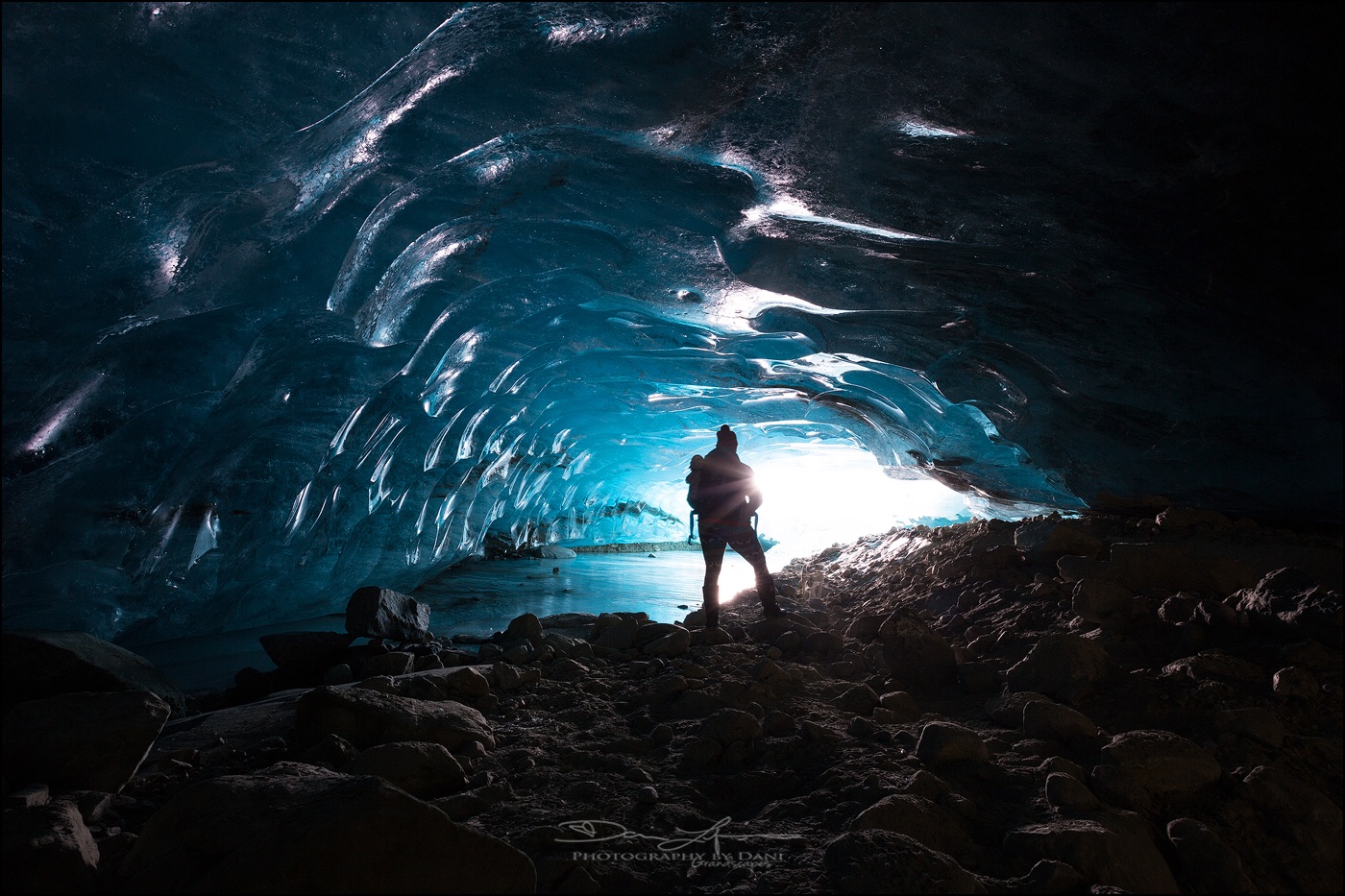
Dani LeFrancois’s photographic journey began not in a classroom or a studio, but amidst the wild landscapes of her youth. Her earliest memories are intrinsically linked to the outdoors, spending summers at YMCA camps, embodying the spirit of a true "outdoor kid" who fearlessly explored nature, from catching frogs to observing insects. This innate connection to the environment laid the groundwork for her future calling. The pivotal moment, she recalls, arrived during summer road trips across Ontario and the East Coast of Canada with her mother. Tasked with documenting their travels, LeFrancois was equipped with an early "state-of-the-art" 2-megapixel point-and-shoot camera in anticipation of a significant trip out west to Alberta. This seemingly simple assignment ignited an obsession.
This initial exposure quickly snowballed into a serious pursuit. In high school, a photography class revealed her natural aptitude for composition, a skill she instinctively possessed. While a brief stint in college photography programs followed, LeFrancois soon discovered that her heart truly belonged to nature photography, a specialized genre largely untaught in conventional academic settings at the time. This realization propelled her to forge her own path, embarking on a self-directed quest to establish herself within the nature photography domain. Her early work, such as the image she titled "Dual Vocals," holds a special place in her memory, not for its technical perfection by today’s standards, but for the sheer joy of experimentation and discovery it represented. These images, while not "groundbreaking" to external observers, were milestones in her personal artistic development, embodying the excitement of nascent creativity.
Milestones and Masterpieces: A Visual Retrospective

LeFrancois’s portfolio offers a compelling narrative of artistic evolution, showcased through a comparison of her early amateur work and her mature professional pieces. She highlights two images that, despite their visual differences, share a common thread in their spontaneous capture. One, an early photograph titled "Waterlogged," depicts a leaf adorned with water droplets, captured during a college field trip to a waterfall. While her peers rushed to photograph the main attraction, LeFrancois’s keen eye was drawn to this subtle detail, spending considerable time perfecting the shot despite challenging low-light conditions. This image, a testament to her early intuitive approach, remains a cherished piece, particularly by her mother, serving as a powerful reminder to trust her photographic instincts.
Contrasting with this early work is a more recent professional image, a breathtaking landscape captured during golden hour in the Canadian Rockies. This photograph stands out because it depicts a less frequently photographed perspective of a location often overshadowed by more popular spots. The scene presented itself serendipitously as LeFrancois was en route to another destination, reinforcing her philosophy of following intuition and recognizing beauty in unexpected places. Both images, she explains, evoke a profound sense of pride, underscoring the importance of adhering to one’s artistic vision regardless of external pressures or popular trends. This consistent thread of intuitive capture bridges the gap between her amateur beginnings and her professional achievements, demonstrating a deep-seated artistic authenticity.
The Professional Ascent: A Long-Term Commitment

The ambition to become a professional photographer took root for LeFrancois during her high school years, when the concept of pursuing photography as a higher education pathway made it feel like a "real career" rather than just a hobby. Initially, she admits to a naive understanding of the professional landscape, imagining that professional photographers maintained "real jobs" and treated their creative pursuits as side hustles. Her perception began to shift during college, when a professor declared her and her classmates professional photographers by virtue of their higher education in the craft.
However, the practical journey to full-time professionalism was far more extensive and nuanced. After leaving college, LeFrancois diversified her experience, venturing into wedding photography, concert photography, and portraiture to hone her skills and build a robust portfolio. This period of diverse photographic work, she contends, could certainly qualify her as a professional. The true transition to a full-time nature photography career spanned many years. Ten years into actively focusing on photography, she moved west, immersing herself in the Canadian landscapes that would become her primary inspiration. Two years later, at the twelve-year mark of her photographic obsession, she officially launched her own business. It was seven years after establishing her business, and a remarkable seventeen years into her photography journey, that LeFrancois finally "retired" from her "real job" at the age of 32 to become a full-time professional photographer and photo guide. This significant milestone represented the culmination of decades of dedication, skill development, and strategic career planning, fulfilling her dual childhood aspirations of being "retired" and a photographer.
A Eureka Moment: The Shift from Competition to Education

A defining turning point in LeFrancois’s career was her conscious decision to pivot from solely pursuing professional photography to embracing the role of a photo guide and educator. This transformative shift was catalyzed by her experience mentoring a friend, actively assisting them in developing their photographic skills and refining their artistic vision. This mentorship revealed a deeper, more fulfilling aspect of her craft.
LeFrancois openly shares that, in her earlier career, she harbored a competitive mindset, feeling that "whoever got their image posted first would get all the glory." However, as she increasingly engaged in helping other photographers in the field—offering guidance, fine-tuning compositions, and sharing her expertise—this competitive drive dissolved. She began to experience genuine pride in the accomplishments of her mentees, finding immense satisfaction in their success, even if it meant her own work might be momentarily overshadowed. This revelation marked a profound personal and professional evolution, transforming her approach to the photography community. Today, LeFrancois finds herself feeling "lost" if she isn’t actively helping someone, her joy now intrinsically linked to facilitating the success and growth of others. This ethos underscores the growing trend within creative industries towards collaborative learning and community building, where experienced professionals leverage their knowledge to uplift new talent.
Revisiting Landscapes: A Deepening Connection and Intuitive Approach

One of the cornerstones of Dani LeFrancois’s artistic practice is her profound love for revisiting locations. She notes that a significant portion of her extensive portfolio tells a continuous story of returning to the same places, meticulously capturing the ever-changing moments and the subtle evolution of the landscape. This iterative approach allows her to build a deeper relationship with her subjects, moving beyond superficial captures to explore the nuances of light, season, and perspective.
Her methodology is characterized by its intuitive nature. LeFrancois emphasizes that her approach is devoid of rigid structures or forced techniques; instead, she operates on what "feels right for the moment." This organic process enables her to respond authentically to the environment, allowing the landscape itself to dictate the composition and emotional tone of her images. When revisiting a familiar spot, her primary focus is to discover and capture something novel and distinct from previous visits, whether it’s a unique play of light, an altered geological feature, or a different atmospheric condition. This dedication to continuous observation and intuitive capture highlights her deep respect for the natural world and her commitment to portraying its dynamic beauty in fresh and compelling ways. This iterative photographic process aligns with a broader artistic tradition of artists returning to beloved subjects, revealing new facets through sustained engagement over time.
The Unchanged Core: LeFrancois’s Editing Philosophy

In an era defined by rapid advancements in digital post-processing, Dani LeFrancois maintains a remarkably consistent and minimalist approach to editing her images. She candidly admits to not enjoying the editing process, finding herself "uninspired behind the computer." Consequently, the vast majority of her images undergo a quick turnaround, typically requiring only two to five minutes of editing time.
LeFrancois acknowledges that more "easier and better ways to do things" likely exist, but she describes herself as an "old dog new tricks" when it comes to learning new editing techniques. Her resistance stems not from a lack of capability, but from a conscious choice to prioritize her time and energy in the field. She prefers to capture the essence of a scene as accurately as possible in-camera, minimizing the need for extensive post-production. This philosophy underscores a dedication to authentic representation and an efficient workflow, allowing her to maximize her time doing what she loves most: being out in nature and photographing. While many contemporary photographers dedicate significant hours to intricate editing, LeFrancois’s approach highlights a valid alternative that prioritizes the initial capture and a streamlined creative process, reflecting a belief that the magic happens in the moment of creation rather than in post-production.
Navigating the Challenges: Confidence and Business Acumen

LeFrancois identifies her biggest ongoing challenge throughout her photography career as a persistent struggle with confidence in nearly every aspect of the profession, with one notable exception: the actual act of shooting in the field. When behind the camera, she describes herself as being "focused and in the zone," relying on her intuition without overthinking compositions or elements. This flow state in the field stands in stark contrast to her experience with the broader business and interpersonal aspects of photography.
She explains that outside of actively taking photographs, finding her place and maintaining confidence in the competitive and often self-promotional world of professional photography remains a significant hurdle. This challenge resonates with many creative professionals who excel in their craft but find the entrepreneurial demands of running a business—marketing, networking, pricing, and self-promotion—to be daunting. The transition from an artistic pursuit to a viable commercial enterprise often requires a different skill set, one that many artists, including LeFrancois, may not naturally possess or enjoy. This highlights a common dichotomy in creative fields, where artistic talent must be complemented by business acumen for sustained success.
Reflections and Advice for the Next Generation

Reflecting on her extensive journey, Dani LeFrancois offers two crucial pieces of advice to her younger self, lessons learned through years of experience and personal growth. The first is to "take a business class." This practical counsel underscores the critical importance of understanding the commercial side of photography. Many artists, driven by passion, overlook the foundational business skills necessary to sustain a professional practice—skills in finance, marketing, client management, and legal aspects. A solid business foundation, she implies, could have mitigated many of the confidence challenges she faced outside of shooting.
Her second piece of advice is equally pragmatic: "learn how to back up your old photos better." This speaks to a common pitfall in the digital age, where countless precious images can be lost due to inadequate archiving practices. For a photographer whose career spans decades and whose work documents the evolving landscape, the loss of historical images represents not just a sentimental void but a loss of tangible evidence of artistic progression and a valuable asset. These two pieces of advice—one focused on professional longevity and the other on safeguarding one’s artistic legacy—offer universal wisdom for anyone aspiring to build a career in photography. They highlight that success in creative fields often requires a blend of artistic talent, business savvy, and meticulous organizational habits.
Broader Implications for Aspiring Nature Photographers

Dani LeFrancois’s journey offers profound insights for the burgeoning community of nature photographers. Her story is a testament to the power of sustained passion and intuitive artistry. In an age dominated by quick gains and viral content, her 22-year commitment underscores that genuine mastery and professional fulfillment often require a long-term perspective. Her transition from a competitive mindset to one of mentorship highlights an evolving paradigm within the creative industries, where collaboration and education are increasingly valued over individualistic rivalry. This shift fosters a healthier, more supportive ecosystem for artists to grow.
Furthermore, LeFrancois’s emphasis on revisiting locations and her intuitive approach to photography encourages aspiring photographers to cultivate a deeper, more personal connection with their subjects rather than merely chasing trending spots or techniques. Her minimalist editing philosophy serves as a powerful reminder that technical perfection in post-processing is secondary to the authenticity and impact of the initial capture. Finally, her candid reflections on challenges like confidence and the necessity of business skills provide a realistic blueprint for navigating the complexities of a professional career. By sharing her experiences, LeFrancois not only inspires but also equips the next generation of nature photographers with practical wisdom, emphasizing that true success is a holistic blend of artistic vision, unwavering dedication, and a willingness to learn and adapt beyond the lens. Nature TTL’s series, through voices like LeFrancois, continues to be a vital resource for bridging the gap between amateur aspirations and professional realities in the captivating world of nature photography.