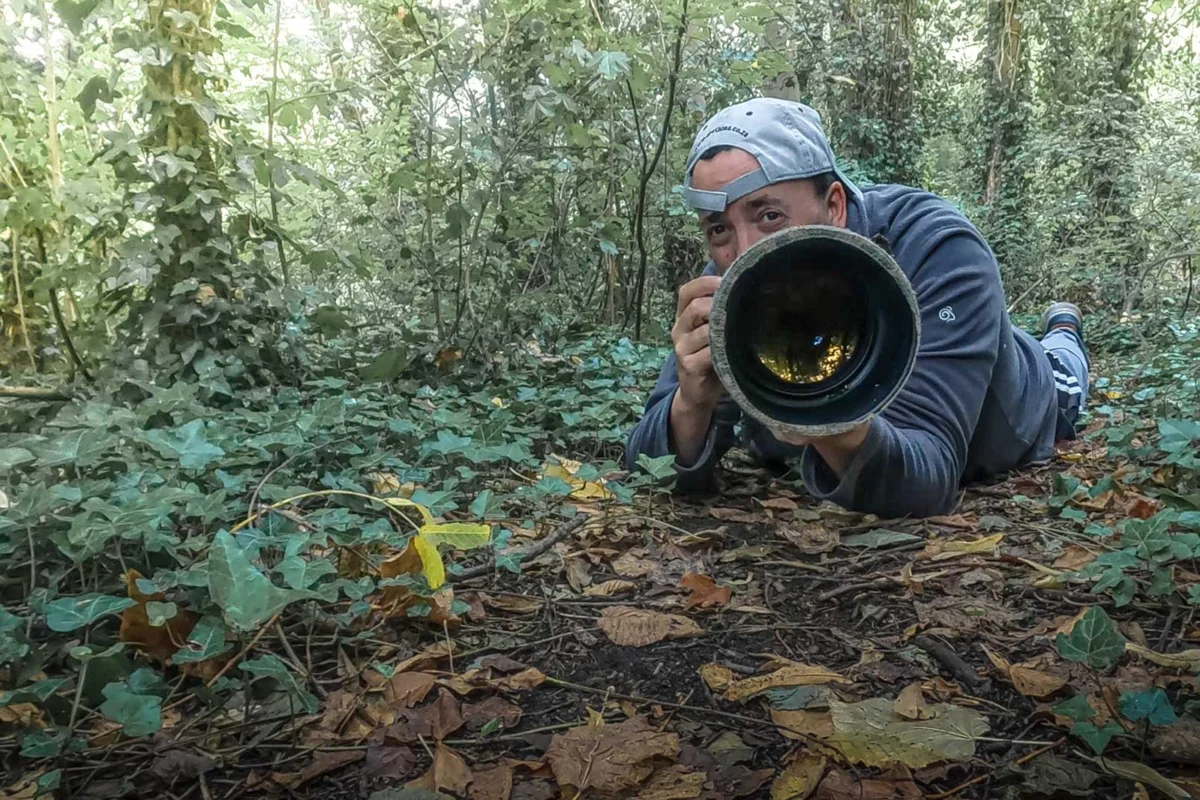
This installment delves into the remarkable journey of Victor Soares, a distinguished South African-born wildlife photographer whose nearly two-decade-long dedication to capturing the natural world has culminated in a thriving professional career. Now based in the United Kingdom, Soares is renowned for leading immersive photography tours across Europe and Africa, sharing his profound love for nature and his honed expertise with fellow enthusiasts. His evocative work has garnered widespread recognition, earning accolades and features in leading global publications and prestigious associations, underscoring his ascent from a passionate amateur to an influential figure in the wildlife photography domain.
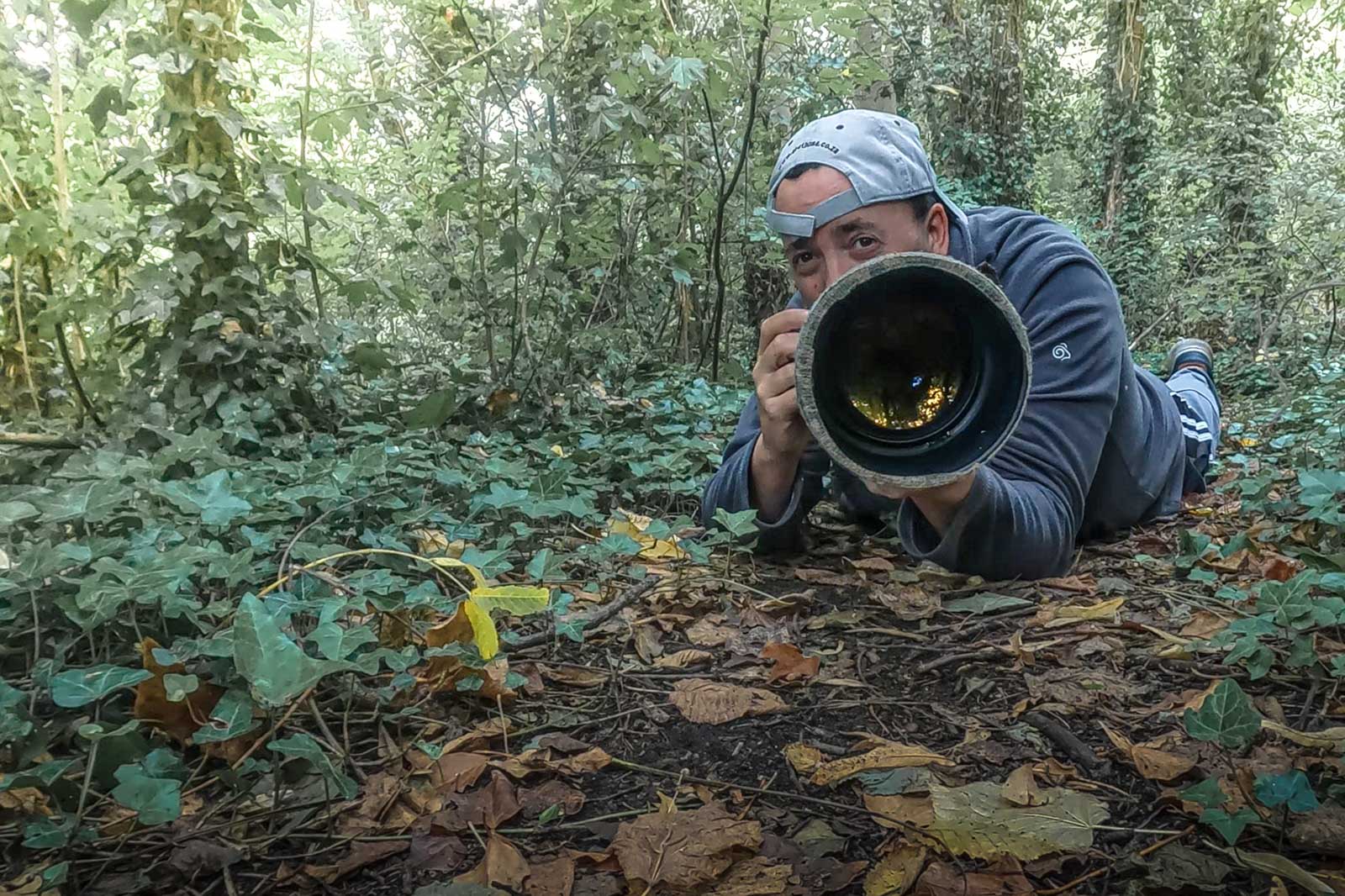
The Genesis of a Passion: South Africa’s Wilderness Calling
Soares’ deep connection with nature was forged in the rich, biodiverse landscapes of his native South Africa. Growing up amidst its vibrant ecosystems, he found solace and fascination in the natural world, particularly drawn to its avian inhabitants. "It was my escape from a dramatic world," Soares reflects, highlighting how the myriad species, especially the abundant birdlife, provided endless hours of engagement. His early years were spent observing wildlife through binoculars, driven by an innate desire to understand and connect with the creatures around him. This profound appreciation for nature laid the groundwork for what would eventually become his life’s calling.
The pivotal moment in Soares’ photographic journey arrived in 2004, coinciding with the burgeoning accessibility of digital single-lens reflex (DSLR) cameras. At the time, digital photography was rapidly evolving, making professional-grade equipment more attainable for enthusiasts. Soares acquired his first DSLR, a Canon 300D, initially intending to document family holidays. The Canon EOS 300D, also known as the Digital Rebel in North America, was a landmark camera, widely credited for democratizing digital photography by offering a relatively affordable entry point into the DSLR market. This technological shift empowered countless aspiring photographers by reducing the prohibitive costs associated with film development and allowing for instant feedback on images.
A holiday trip to Kruger National Park proved to be a watershed moment. Upon visiting a local photo lab to print his images, Soares encountered Johan Combrink, the owner, who also happened to be a wildlife photography enthusiast. It was during this seemingly ordinary interaction that Soares, inspired by Combrink’s displayed photographs, articulated his aspiration: "…but I want to take photos like that," pointing to a striking image of a Cattle Egret. Combrink’s spontaneous offer to mentor Soares marked the true beginning of his photographic education. Soares recalls spending "countless days" in Combrink’s shop, diligently learning camera techniques and post-processing skills. This mentorship, offered freely, was invaluable, providing not only technical instruction but also crucial motivational support during the inevitable "dark times" of learning. Combrink’s role underscores the enduring importance of mentorship in creative professions, offering guidance, encouragement, and a shortcut through common pitfalls.
Documenting Evolution: From Early Snaps to Refined Artistry
Soares’ photographic progression is best illustrated through a comparison of his early work with his current masterpieces. His very first attempts with the Canon 300D included an ambitious, yet ultimately "blurry, distant, and shot in terrible light" image of a Cormorant in flight. This image, a testament to raw enthusiasm over technical skill, no longer exists, discarded during a fresh start in 2007.

The true benchmark of his initial development comes from an image taken in early 2007 with his new Canon Rebel XT, a Christmas gift from the previous year. This camera, an iteration of the groundbreaking 300D, offered improved resolution and performance, further cementing the digital revolution. During a New Year’s trip to Kruger Park, Soares captured a Steenbok, an image he remembers liking at the time. Reflecting on it now, he acknowledges its flaws with professional candor: "I cropped its feet, used the wrong aperture (f8), and shot in Aperture Priority (Av) mode, whereas I now mostly use Manual mode." The choice of f/8, while providing a decent depth of field, might not have been optimal for isolating the subject as he would now prefer. Furthermore, the limitations of early digital cameras meant a heightened concern for noise, leading him to limit ISO to 400—a constraint far less prevalent with modern sensor technology. Despite these technical shortcomings, the image captured the animal in focus and decent light, serving as a crucial motivator for continued improvement.
A Personal Masterpiece: The Yawning Fox
Among his extensive portfolio, Soares holds a yawning fox image as one of his all-time favorites, a testament to his evolving artistic vision and ability to infuse emotion into his work. This photograph, captured in a small park in Sutton, London, after his move to the UK in 2016 and then London in 2018, holds deep personal significance. Having grown up in South Africa where red foxes were confined to "fairytales," encountering and photographing them in the UK was a profound experience.

The image itself is a masterclass in wildlife portraiture. Soares recounts the moment: a particularly friendly fox jumped a hedge, settled into a bed of autumn leaves, and then, serendipitously, let out a huge yawn just as he positioned himself. The resulting photograph, initially appreciated on the camera’s small screen, truly came alive on a larger monitor. The details are striking: the visible cold breath, the rich autumn hues of the background, and the intricate detail of the fox’s teeth. The shallow depth of field effectively isolates the subject, creating a "thrown-out background" that emphasizes the fox’s form and expression. This image encapsulates everything Soares strives for: impeccable composition, perfect timing, and the portrayal of an animal’s natural behavior with grace and emotional depth. It represents a childhood fantasy brought vividly to life through his lens.
The Art of Re-visitation: Deepening Understanding and Technique
Soares emphasizes the value of re-visiting species and locations, a practice that has profoundly shaped his approach and technique. While living in South Africa, he frequently explored game parks, honing his skills in shooting from a vehicle, anticipating animal behavior, and understanding the nuances of the environment. His return visits to African parks from the UK are now imbued with a heightened sense of appreciation and a more critical eye. He notes a greater consciousness of elements he once took for granted: "the sun’s direction, the quality of light, what’s in the background, what might spoil the foreground, and the angles to shoot from." This meticulous attention to detail and environmental context is a hallmark of professional wildlife photography, where foresight and understanding of animal ecology are paramount.

Beyond Africa, Soares actively engages with the UK’s wildlife spectacles, particularly the annual deer rut. Initially drawn to the sheer drama of the event—the bellowing and occasional clashes—he now seeks more nuanced and evocative captures. His current focus includes capturing the "bellow steam" on cold mornings, the interplay of autumn light filtering through trees, or subtle interactions between female deer, even as the majestic stags remain central. This evolution reflects a shift from merely documenting to actively seeking artistic interpretation and storytelling within the frame. He also highlights the intensity of fallow deer fights, offering "epic photography" opportunities, demonstrating his keen eye for dynamic action.
The Perilous Path to Professionalism: An Engineer’s Leap of Faith
The transition from a dedicated amateur to a full-time professional photographer is a challenging one, often fraught with financial uncertainties and requiring a significant leap of faith. Soares, an engineer by trade, spent many years contemplating this shift. The economic realities of the photography industry are well-documented; a 2023 industry report by PhotoShelter highlighted that a significant percentage of professional photographers earn below the national average income, with many supplementing their income through other means. The competitive landscape, coupled with the capital investment required for high-end gear, makes it a difficult field to enter purely for profit.

For Soares, engineering provided a more stable and lucrative income, making the decision to pursue photography professionally a complex one. He participated in competitions and taught workshops in his spare time from 2023, generating some income, but it remained a secondary pursuit. The turning point arrived unexpectedly in early 2024, when his engineering position was made redundant. While initially a "shock decision," this unforeseen circumstance presented an opportunity to fully commit to his passion. With the instrumental support of his wife, who he credits as his "biggest fan and strongest supporter," Soares embraced wildlife photography as his full-time profession. This narrative mirrors that of many creatives who, faced with external pressures or opportunities, finally take the plunge into full-time artistic endeavors.
Milestones and Validation: The Natural History Museum’s Nod
Soares’ journey has been marked by several "turning points," but one stands out as a significant validation of his burgeoning talent: reaching the final round of the Natural History Museum’s Photography Awards in 2012 (then known as the Veolia Environmental Awards). This competition is globally recognized as one of the most prestigious wildlife photography contests, attracting tens of thousands of entries annually from across the world. In 2012, the competition received over 48,000 entries, underscoring the immense achievement of reaching the final stages.

For Soares, this recognition was a powerful affirmation: "It was a moment in my photographic career where I felt, ‘Maybe I am good enough… maybe.’" While his image did not progress to be displayed at the NHM, the experience provided an invaluable boost to his confidence