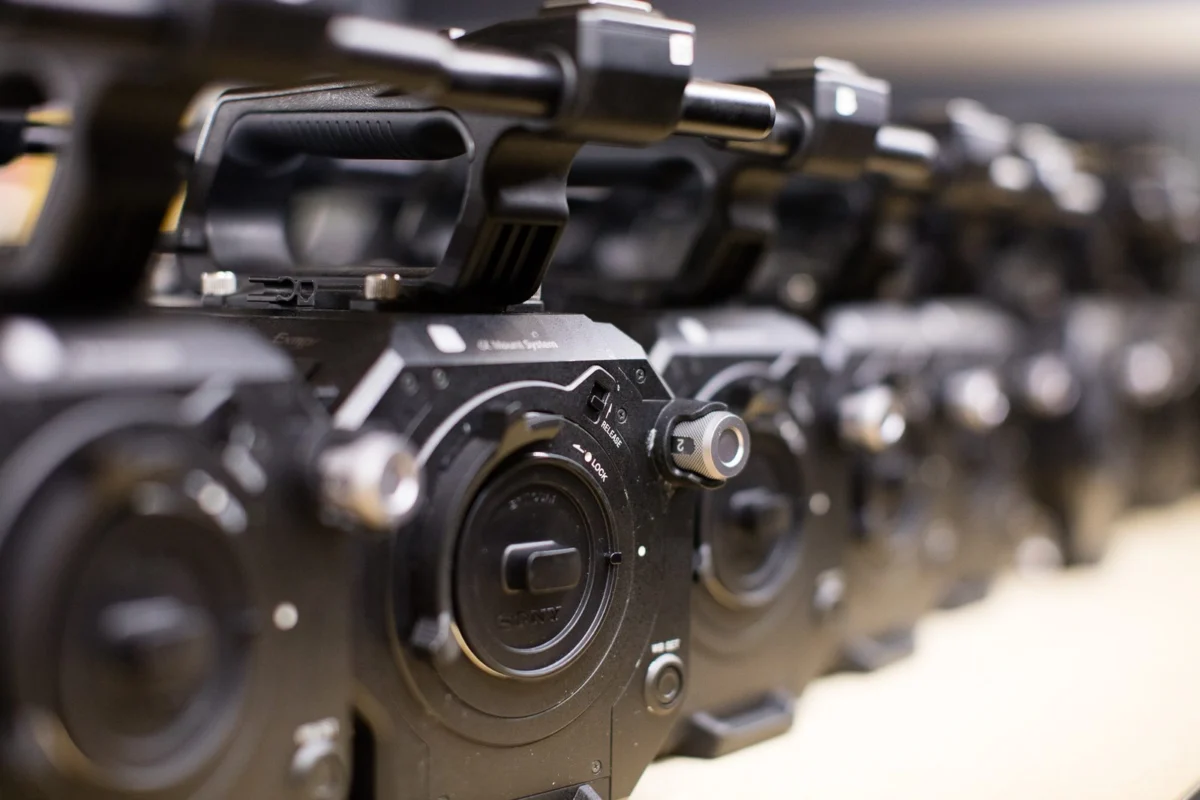
In an era where motion pictures have graced screens for over a century, the sheer diversity of filmmaking equipment available today presents both immense creative opportunity and significant technical challenges. From vintage Super 8mm cameras to cutting-edge digital cinema rigs, the spectrum of choices can lead to a fragmented viewing experience if not guided by consistent benchmarks. Recognizing this, streaming giant Netflix has implemented a comprehensive set of seven technical capture standards that cameras must adhere to for content to be deemed "Netflix Approved." This initiative is designed to elevate and standardize image quality across its vast global library, ensuring that productions meet a consistent baseline of excellence for audiences across a multitude of modern display technologies.
The move by Netflix underscores a broader industry shift towards higher fidelity content, driven by advancements in display technology and increasing consumer expectations. While the pursuit of unique artistic expression remains paramount, allowing filmmakers the freedom to experiment with various formats, the practical necessity of delivering a universally high-quality viewing experience has prompted this standardization. Without such guidelines, content creators risk producing footage that, while perhaps artistically valid, might not translate effectively or aesthetically pleasingly on the high-resolution, HDR-capable televisions and screens prevalent in contemporary households. The intention behind these stringent requirements is clear: to prevent the delivery of visually substandard content, such as material filmed at legacy resolutions like 480p, which would detract significantly from the user experience.
The Evolving Landscape of Content Production and Consumption
The history of cinema is a chronicle of technological evolution, from silent black-and-white films projected on celluloid to the immersive digital experiences of today. Each era brought new formats, new resolutions, and new challenges. However, the advent of digital streaming platforms, particularly those operating on a global scale like Netflix, introduced unprecedented complexities. Content is now consumed on everything from smartphones to large-format OLED TVs, often in diverse network conditions. This fragmentation necessitates a common technical foundation to guarantee a consistent, high-quality output regardless of the viewing device or internet speed.
Netflix’s position as a leading global content provider grants it significant influence over production practices. By mandating specific technical specifications, the company is not merely setting internal guidelines but is actively shaping industry norms, particularly for projects aspiring to global distribution. This approach aims to safeguard the platform’s reputation for premium content, directly impacting both established studios and independent filmmakers who seek to collaborate with the streaming giant.
Dissecting the Seven Pillars of Netflix Approval
The "Netflix Approved" designation is not a mere suggestion but a critical gateway for productions targeting the platform. These seven requirements delve into various aspects of image capture, from the fundamental resolution to the nuanced handling of color and metadata.
Resolution: The Foundation of Modern Visuals
The most immediately apparent standard concerns resolution: "Minimum of 3840 photosite capture width (Spherical)." For content shot with standard spherical lenses, this translates to a minimum resolution of 3840×2160 pixels, universally recognized as Ultra High Definition (UHD) 4K. While many contemporary productions, particularly high-budget features, frequently exceed this minimum, opting for 6K, 8K, or even higher resolutions to allow for greater flexibility in post-production (such as reframing or digital stabilization), 4K serves as the indispensable baseline for Netflix.
UHD 4K has solidified its position as the industry standard over the past half-decade, driven by the widespread availability of 4K televisions and monitors and the increasing capacity of digital infrastructure to handle larger data streams. Most professional and even many prosumer-level cameras released in recent years are natively capable of capturing footage at or above this resolution, making this particular requirement largely accessible for contemporary productions.
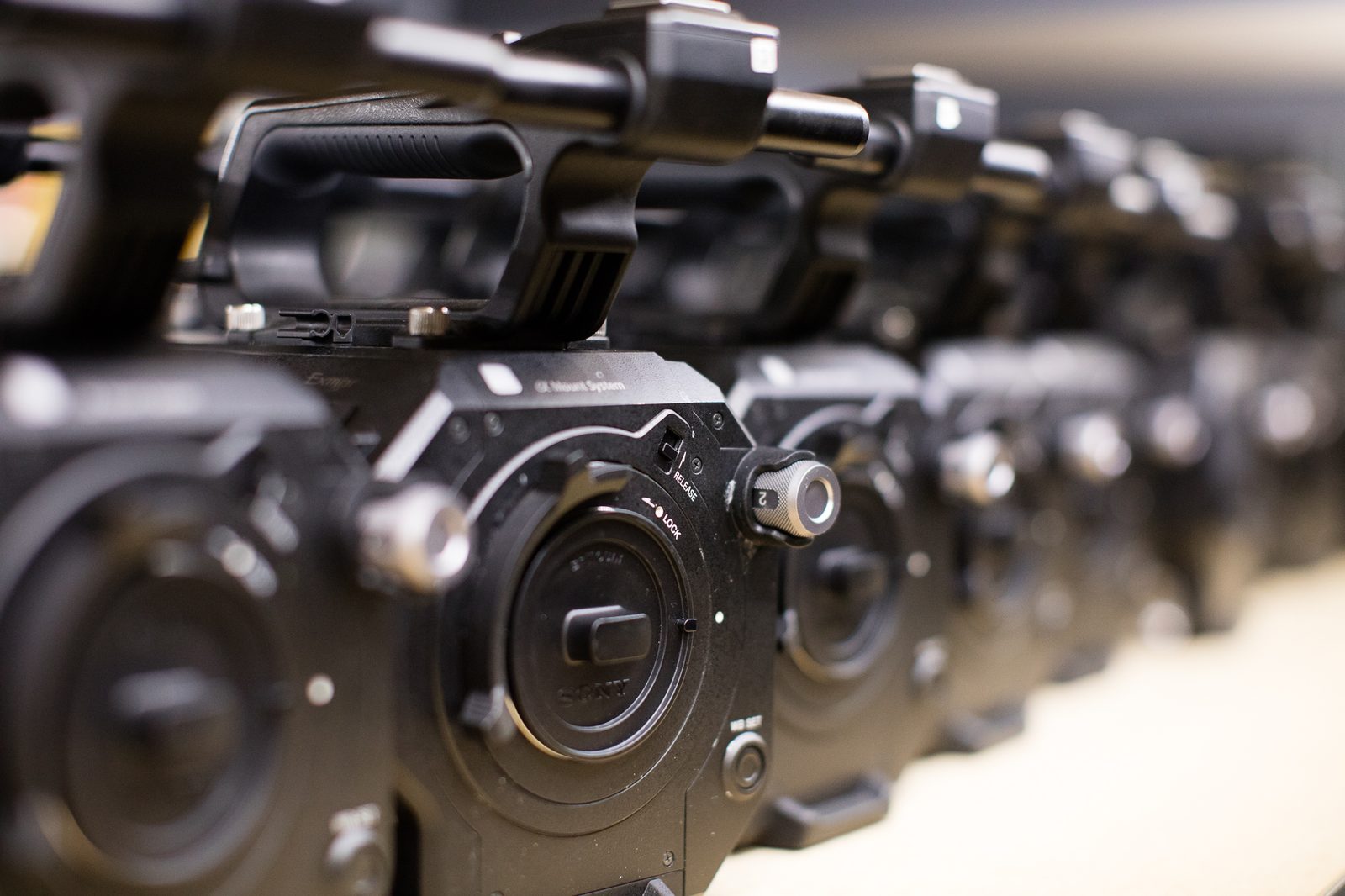
However, the resolution requirement introduces a crucial distinction for projects utilizing anamorphic lenses. Anamorphic lenses compress a wider field of view horizontally onto a standard sensor, which is then "desqueezed" in post-production to achieve a cinematic widescreen aspect ratio (e.g., 2.39:1). Because this process involves stretching the image, anamorphic projects inherently demand higher horizontal resolution at the point of capture to maintain pristine image clarity post-desqueeze. Consequently, not all cameras capable of standard 4K spherical capture are approved for anamorphic work. Netflix provides a dedicated guide outlining cameras specifically vetted for anamorphic capture, highlighting the technical intricacies involved in achieving cinematic quality with specialized lensing. This distinction underscores Netflix’s commitment not just to a numerical resolution, but to the perceived sharpness and detail of the final image, regardless of the optical tools employed.
Codec: The Language of Digital Image Data
The choice of codec is fundamental to how image data is recorded, compressed, and subsequently processed. Netflix’s requirements for codecs are designed to ensure maximum flexibility and quality in post-production, offering two primary pathways: "Lightly compressed or uncompressed RAW" or "intra-frame based codec with 4:2:2 chroma sub-sampling or greater."
RAW formats represent the purest form of digital image data, capturing information directly from the camera sensor with minimal or no processing. "True" uncompressed RAW offers unparalleled control over every pixel’s attributes—exposure, white balance, color—in the grading suite, allowing for extensive manipulation without introducing artifacts. However, the colossal file sizes associated with uncompressed RAW can be prohibitively demanding on storage and processing resources. To address this, most camera manufacturers have developed proprietary compressed RAW formats (e.g., REDCODE, Canon Cinema RAW Light, ProRes RAW). These formats retain much of the post-production flexibility of uncompressed RAW while significantly reducing file sizes, striking a balance between data efficiency and image integrity.
The second option, an intra-frame-based codec with 4:2:2 chroma subsampling or greater, caters to productions that may not opt for a full RAW workflow but still require robust color information. Chroma subsampling is a data compression technique that reduces the color information in a video signal, taking advantage of the human eye’s greater sensitivity to luminance (brightness) than chrominance (color). A 4:2:2 subsampling scheme retains half of the color information in the horizontal dimension compared to a full 4:4:4 signal, but crucially, it preserves all of it vertically. This level of color data retention is considered the professional standard for broadcast and cinematic work, providing ample information for rigorous color grading without the excessive data burden of RAW. Higher subsampling rates, such as 4:4:4, are also approved, offering even greater color fidelity. These specifications collectively ensure that the recorded footage possesses sufficient color depth and tonal gradation to withstand extensive professional color correction and visual effects work, ultimately contributing to a more refined and polished final product.
Bit Depth: The Richness of Color
Complementing the codec requirements, Netflix mandates a color bit depth of "10-bit or greater." Bit depth refers to the number of bits of information used to represent the color of each pixel in an image. In an RGB (Red, Green, Blue) system, 10-bit color means that each of the red, green, and blue channels can represent 1,024 distinct shades (2^10). When combined, this results in over 1.07 billion possible colors (1024 x 1024 x 1024). This is a dramatic increase compared to 8-bit color, which offers only 256 shades per channel and approximately 16.7 million total colors.
The practical implications of 10-bit color are profound. It significantly reduces the likelihood of "banding," a visible artifact where smooth color gradients appear as distinct, stair-stepped bands rather than a continuous transition. This is particularly crucial in scenes with subtle tonal variations, such as skies, dimly lit interiors, or reflections. Furthermore, 10-bit color is a fundamental prerequisite for High Dynamic Range (HDR) content. HDR expands the range of both brightness and color that can be displayed, delivering more vibrant colors, brighter highlights, deeper shadows, and greater contrast than standard dynamic range (SDR) content. By requiring 10-bit capture, Netflix ensures that productions are inherently capable of producing content that fully leverages the capabilities of modern HDR displays, providing viewers with a more immersive and lifelike visual experience.
Data Rate: The Flow of Information
The "Minimum 240Mbps at 24FPS" data rate requirement serves as a practical safeguard, ensuring that sufficient data is being captured per second to maintain the quality stipulated by the other standards. Data rate, often measured in megabits per second (Mbps), indicates the amount of information recorded per unit of time. It is intrinsically linked to resolution, codec, and bit depth.
Given the minimum resolution of 4K, the demand for RAW or high-quality intra-frame codecs, and the 10-bit color depth, it is highly probable that any camera system meeting these preceding criteria will naturally record at or above the 240Mbps threshold when shooting at a standard cinematic frame rate of 24 frames per second (FPS). This requirement is less about imposing an additional burden and more about confirming that the overall capture settings are robust enough to deliver high-quality files. A higher data rate generally correlates with less compression, which means more original image data is preserved, leading to cleaner images and greater flexibility in post-production. For higher frame rates (e.g., 60 FPS for slow-motion effects), the data rate would proportionally increase to maintain the same level of quality.
Color Space & Transfer Function: Preserving Dynamic Range and Color Fidelity
These two interconnected requirements—"Scene-referred Color Space (S.Gamut3, ALEXA Wide Gamut, REDWideGamut etc.)" and "Scene-referred Transfer Function (Slog3, Log C, Log3G10, VLog etc.)"—are critical for capturing and preserving the widest possible dynamic range and the most accurate color information from the camera sensor.
A color space defines the range of colors that can be accurately represented. Scene-referred color spaces, such as ARRI’s ALEXA Wide Gamut, RED’s REDWideGamut, or Sony’s S.Gamut3, are designed to encompass the full spectral range that a camera sensor can perceive, far exceeding the more limited Rec.709 color space used for standard definition and high definition television. By capturing in a wide, scene-referred color space, filmmakers ensure that all the nuanced colors recorded by the camera are preserved, providing maximum flexibility for color grading and eventual conversion to display-specific color spaces (like Rec.2020 for HDR).
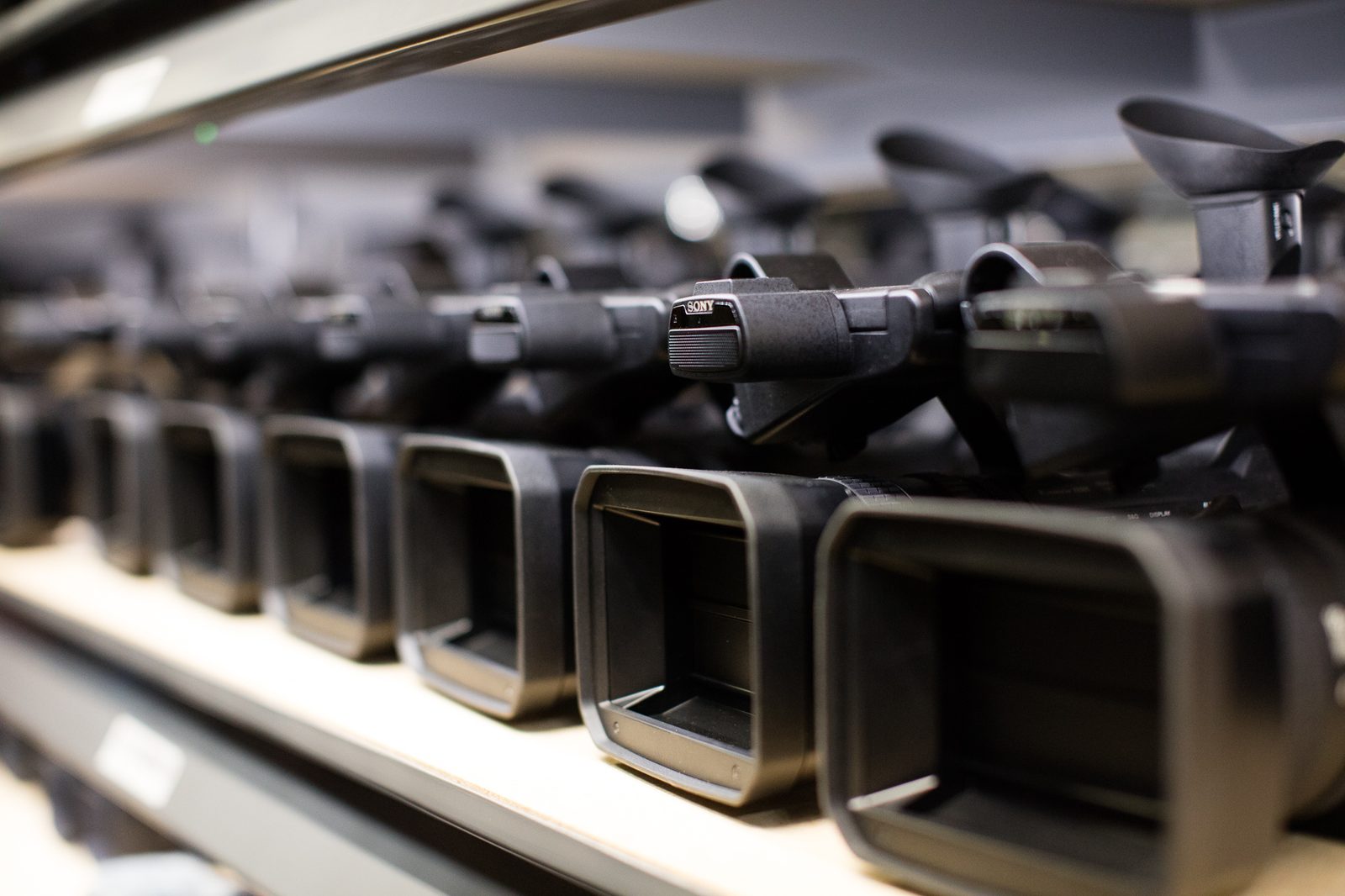
A transfer function, often referred to as a gamma curve, dictates how the light intensity captured by the sensor is encoded into the digital file. Scene-referred transfer functions, commonly known as "log gamma" curves (e.g., Sony’s Slog3, ARRI’s Log C, RED’s Log3G10, Panasonic’s VLog), are designed to compress the wide dynamic range of the camera sensor into a digital signal in a way that preserves as much highlight and shadow detail as possible. Unlike traditional "video gamma" curves that are optimized for immediate display, log curves produce a flat, desaturated image that appears unappealing to the naked eye. However, this "flat" image is rich in data, providing immense latitude for colorists to manipulate exposure, contrast, and color during post-production without introducing clipping in highlights or crushing in shadows. Together, the correct scene-referred color space and transfer function ensure that the raw potential of the camera’s sensor is fully harnessed, allowing for the creation of visually stunning content with rich detail and accurate colors throughout the entire dynamic range.
Timecode: Orchestrating Post-Production Efficiency
The final technical standard addresses workflow efficiency: "System is capable of jamming to an external source" and "Timecode should be written as metadata." Timecode is a sequence of numerical codes generated at regular intervals to identify specific frames of video or audio. It is indispensable for professional multi-camera shoots, synchronized audio recording, and complex post-production workflows.
The ability to "jam sync" to an external source means the camera’s internal timecode generator can be synchronized with an external master clock, ensuring that all cameras and audio recorders on a set are running on precisely the same time reference. This perfect synchronization vastly simplifies the editing process, allowing editors to easily align footage from multiple sources. Writing timecode as metadata—data about data—means it’s embedded within the video file itself, making it a permanent and accessible reference point throughout the entire production pipeline, from logging to final delivery.
While Netflix acknowledges that it may be more lenient on timecode requirements for certain non-fiction or documentary projects where spontaneous capture might make strict adherence challenging, it remains a critical professional practice. For narrative films, episodic series, and other complex productions, robust timecoding is an invaluable organizational tool, streamlining asset management, editing, and sound synchronization. For cameras that lack built-in timecode functionality, external devices like Tentacle Sync generators provide an accessible solution, allowing even more compact camera systems to meet this essential organizational standard.
Industry Reactions and Broader Implications
Netflix’s imposition of these rigorous technical standards has elicited a range of reactions across the film and television industry. On one hand, many cinematographers, post-production professionals, and industry veterans welcome the move. They argue that these standards foster a baseline of technical excellence, ensuring that content distributed globally meets a professional benchmark. This consistency benefits viewers by guaranteeing a high-quality visual experience, and it benefits the industry by pushing manufacturers to innovate and adhere to robust specifications. For larger production houses with established workflows and access to high-end equipment, these standards are often already met or easily achievable.
Conversely, the standards have drawn criticism, particularly from independent filmmakers, documentary makers, and those with a strong artistic vision that might intentionally diverge from conventional high-fidelity aesthetics. Concerns revolve around potential limitations on creative freedom and the financial burden these requirements place on smaller productions. A filmmaker wishing to shoot a period piece on Super 16mm film, for instance, or to achieve a specific lo-fi aesthetic, might find their project ineligible for Netflix distribution, regardless of its artistic merit. The cost of acquiring or renting Netflix-approved cameras and associated equipment can be substantial, potentially creating a barrier to entry for emerging talents or those operating on tight budgets. This tension highlights the ongoing debate between artistic expression and technical standardization in a commercially driven industry.
From a market perspective, these standards significantly influence camera manufacturers. Companies like ARRI, RED, Sony, Canon, and Panasonic frequently update their camera lines to meet or exceed Netflix’s criteria, often marketing their products as "Netflix Approved" to cater to this lucrative market. This competition drives technological advancement and ensures a continuous supply of high-performance capture devices. Equipment rental houses also benefit, as demand for approved cameras remains consistently high.
Ultimately, Netflix’s proactive stance on technical standards reflects its immense influence as a content gatekeeper and distributor. By setting these benchmarks, the company is not only assuring a consistent quality experience for its subscribers but is also actively shaping the technical landscape of global content production. This commitment to visual excellence, while potentially restrictive for some, signals a future where high-resolution, richly detailed, and dynamically vibrant content becomes the undisputed norm across streaming platforms, continually raising the bar for cinematic presentation in the digital age. The conversation continues on how to balance this technical pursuit with the boundless possibilities of creative storytelling, ensuring that while the pixels are perfect, the human element of filmmaking remains uncompromised.