Macro wildlife photography stands as one of the most exciting and profoundly rewarding disciplines within the expansive photographic hobby. By deliberately choosing to focus on the world’s smaller subjects, photographers are granted an unparalleled opportunity to discover intricate details often overlooked by the casual observer. This specialized field not only allows for the production of truly captivating imagery of subjects many people rarely get to see but also serves as a crucial lens through which to appreciate the immense biodiversity and delicate complexity of our natural environment.
Historically, macro photography, which involves capturing extreme close-ups of small subjects, has captivated enthusiasts. Early pioneers utilized modified lenses and bellows systems to achieve magnifications that revealed previously unseen worlds. The discipline gained significant traction with advancements in optical technology, making specialized lenses more accessible to a broader audience. From the early 20th century, when scientific photography first embraced magnifications to study biological specimens, to the digital age where high-resolution sensors and sophisticated autofocus systems have revolutionized its practice, macro photography has continually pushed the boundaries of visual exploration. Today, it stands as a testament to humanity’s innate curiosity, allowing us to delve into the hidden beauty of creatures and flora that share our planet, often unnoticed.
Traditionally, many macro photographers gravitate towards insects and flowers. These subjects undeniably fulfill all the right criteria: they are frequently unseen in their full glory, yet possess inherently eye-catching visuals. The vibrant iridescence of a beetle’s carapace, the delicate veins on a butterfly’s wing, or the intricate architecture of a blooming petal offer an endless source of inspiration. From the character-filled gaze of a jumping spider to the masterpiece-worthy patterns of a dew-kissed flower, bugs and plants have long taken the limelight in this photographic discipline, and for good reason. Their relative abundance and often stationary nature make them ideal subjects for honing macro skills.
However, the true richness of macro wildlife photography lies in venturing beyond these popular and conventional subjects. This article aims to encourage photographers to broaden their horizons, exploring alternatives that are often closer than one might think, yet yield equally stunning and unique results. From the textured skin of reptiles and amphibians to the nuanced fur and eyes of small mammals, and the often-abstract forms of fungi, the macro universe extends far beyond the familiar garden inhabitants. We will delve into the essential gear and specialized know-how required to embark on this journey, enabling photographers to capture these often-overlooked, yet immensely subject-worthy, alternatives.
Beyond Bugs: Unveiling Overlooked Macro Subjects
The inherent beauty of macro wildlife photography is its pervasive availability; photo-worthy subjects are literally everywhere, provided one knows where and how to look. While insects and flowers remain ideal starting points, the vast library of macro subjects is far from exhausted. Whether it’s the translucent skin of a tiny frog, revealing its internal organs, or the intricate barbules of a bird’s feather captured in exquisite detail, the opportunities for wildlife macro photography are nearly boundless.
Consider diversifying your macro portfolio with these often-neglected subjects:

Reptiles and Amphibians: A Microcosm of Texture and Color
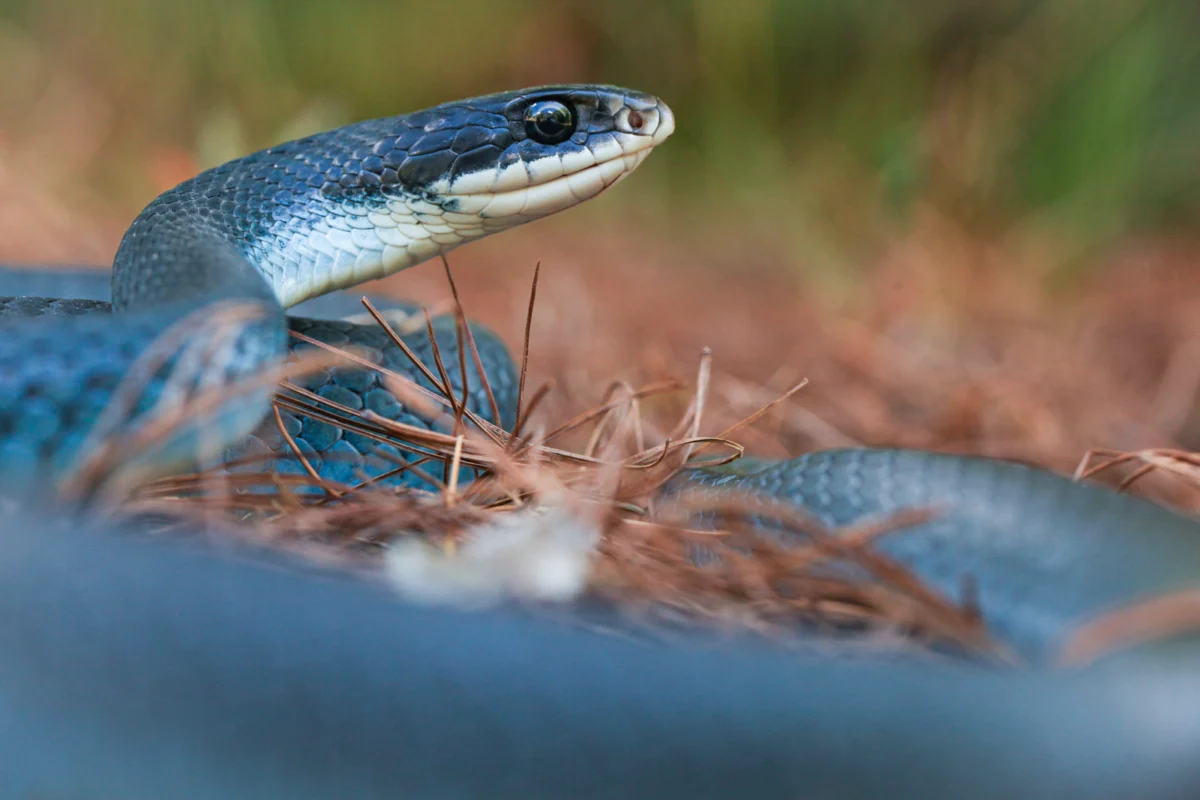
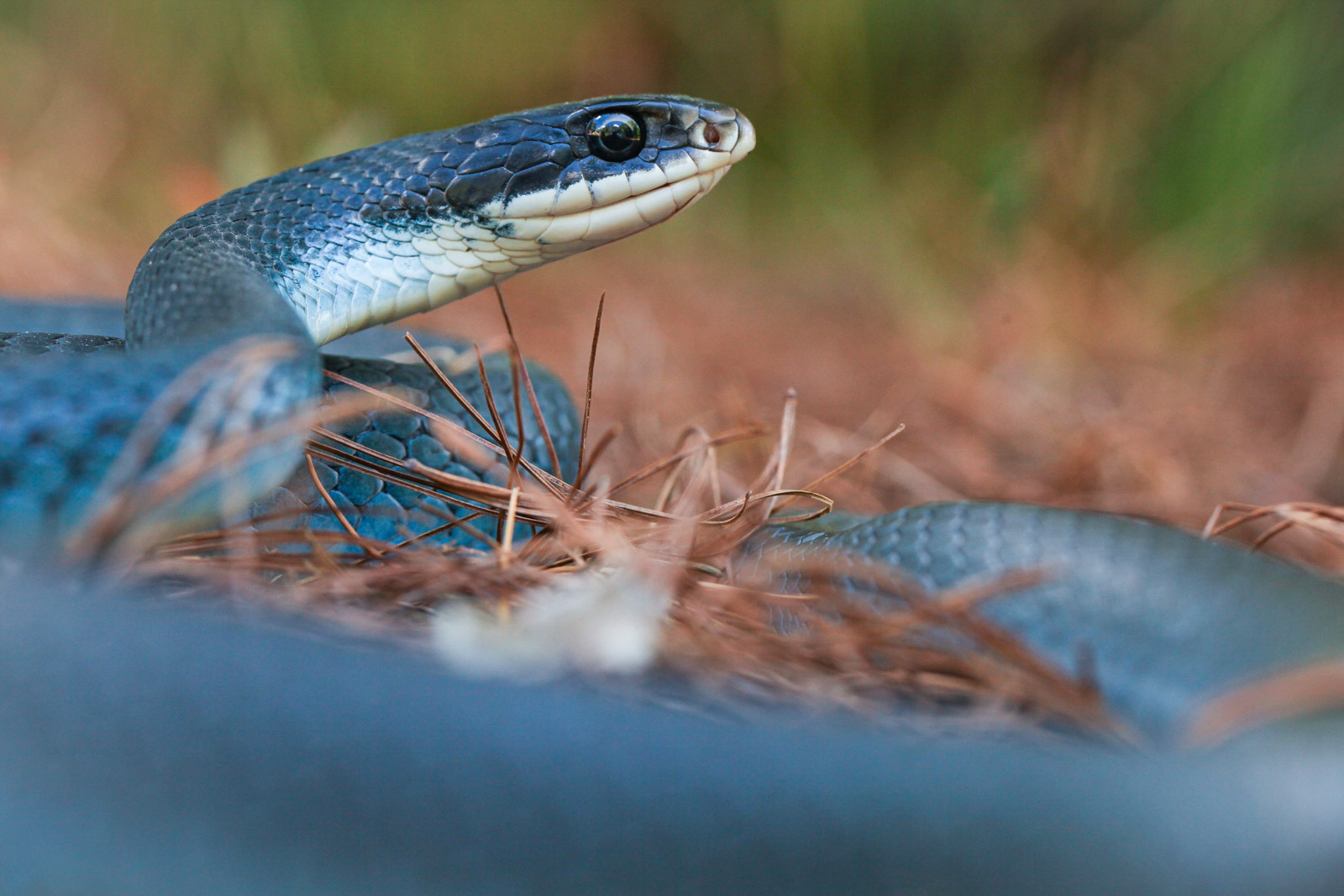
Snakes, lizards, and other scaled creatures are inherently fascinating, practically begging for a macro-level investigation. Their skin, often covered in intricate textures and patterns, can appear iridescent or rainbow-reflective under specific lighting conditions, making them ideal subjects for close-up photography. Imagine capturing the individual scales of a garden snake, each a miniature work of art, or the mesmerizing eye of a tree frog. These cold-blooded animals often exhibit stillness, allowing for careful composition and lighting. According to wildlife biologists, there are over 10,000 known species of reptiles and 8,000 species of amphibians globally, each offering unique macro photographic potential, from the granular skin of a toad to the vibrant hues of a dart frog. Conservation efforts often benefit from such detailed imagery, raising awareness about these vital, yet sometimes misunderstood, creatures.
Birds: Unveiling Avian Intricacies
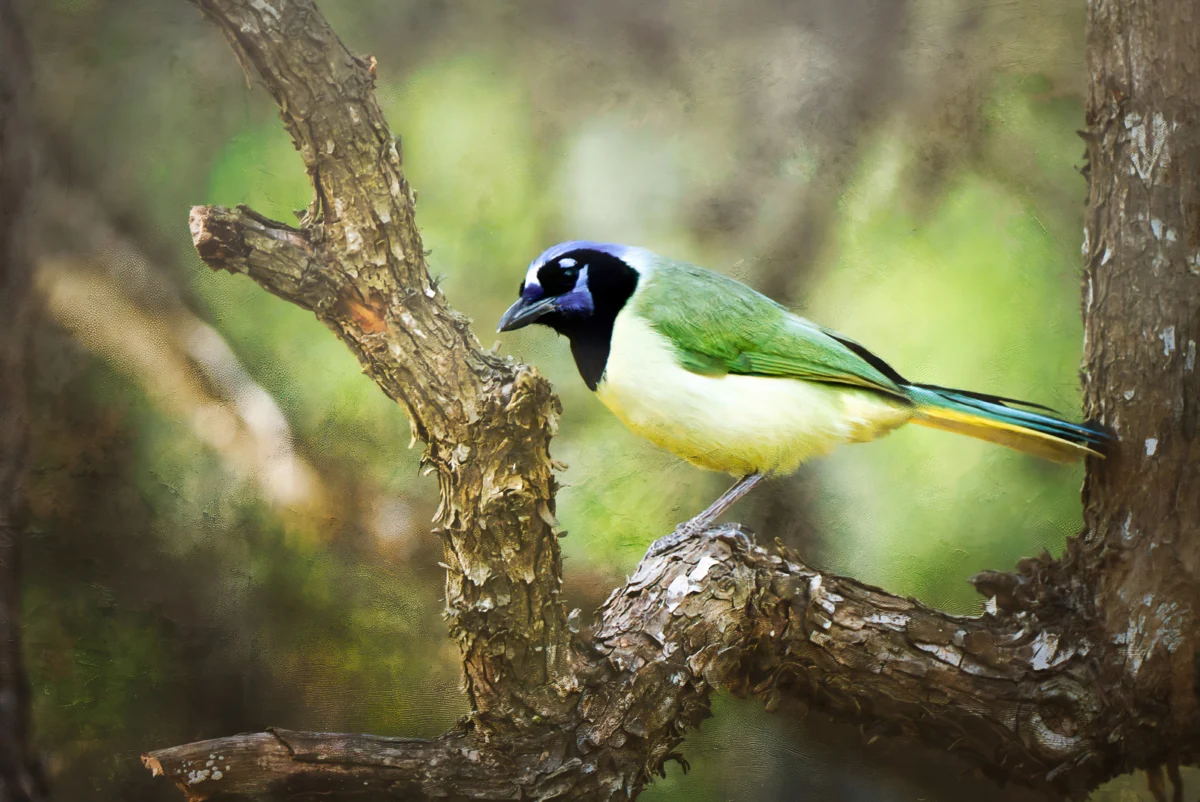
While the majority of bird photography focuses on capturing these creatures in flight or at a distance, macro situations can occasionally present themselves, offering a unique perspective. Focusing on specific body elements such as feathers, talons, beaks, or even the intricate structure of a bird’s eye can yield stunning, abstract results. A discarded feather found on the forest floor, when examined macroscopically, reveals a complex engineering marvel designed for flight and insulation. Capturing the texture of a fledgling’s down or the sharp precision of a raptor’s beak can transform a common subject into an extraordinary macro study. This approach requires patience and a keen eye for detail, often capitalizing on moments when birds are preening or resting.
Mammals: The Details of the Familiar
Similar to birds, the opportunity to photograph mammalian subjects at a macro level is often fleeting, typically requiring proximity that is challenging to achieve without disturbing the animal. However, with the right combination of luck, patience, and ethical practice, mammalian macro photography is definitely possible. Focusing on elements like fur, whiskers, eyes, or the unique patterns of a paw pad can reveal surprising textures and forms. The individual strands of a squirrel’s bushy tail, the sensitive whiskers of a nocturnal rodent, or the soulful depth of a deer’s eye can all be transformed into powerful macro images. These close-ups can highlight the subtle beauty and unique adaptations of even the most common mammals, fostering a deeper connection with local wildlife.
Marine Life: A Subaquatic Spectacle
For those willing to venture beneath the surface, a whole new world of potential macro subjects opens up. With the appropriate underwater setup, marine life, including various fish species, vibrant nudibranchs, and delicate crustaceans, comes in an astounding array of colors and often possesses unique features rarely captured on film. This is due not only to their diminutive size but also to the challenging underwater environment. The intricate patterns of a coral polyp, the shimmering scales of a reef fish, or the alien beauty of a sea slug can provide an endless source of inspiration. Scientific expeditions frequently rely on macro photography to document new species and monitor marine ecosystem health, underscoring its importance beyond artistic expression. The ocean, covering over 70% of the Earth’s surface, holds millions of undiscovered species, many of which are microscopic or best observed through a macro lens.

Fungi: The Static Wonders of the Forest Floor
Perhaps one of the most overlooked, yet easily accessible, macro subjects is fungi. Its immobility makes it an ideal subject for meticulous composition and lighting. Fungi typically boast numerous unique surfaces, textures, and forms, which, when captured using a macro lens, translate into abstract and exciting imagery. From the velvety texture of a bracket fungus to the delicate gills of a mushroom, or the vibrant colors of slime molds, these organisms offer a wealth of photographic opportunities. Their vital role in decomposition and nutrient cycling also provides an ecological context, adding depth to the visual narrative. Whether in a dense rainforest, an arid desert, or even one’s own backyard, a worthy macro wildlife photography subject is truly never far away.
Gear for Macro Wildlife Photography: Precision Tools for a Miniature World
Successful macro wildlife photography demands a specialized toolkit designed for the unique challenges of magnifying small subjects. Beyond the camera body, which often serves as a robust platform, the lens and lighting are paramount. This section provides an overview of the basic, yet essential, pieces of kit needed to photograph small to mid-sized macro subjects effectively.
Macro-Capable Lens: The Gateway to Magnification
To capture frame-filling macro close-ups, a lens with true macro capability is indispensable. The best macro photography lens for an individual depends on several factors, including budget, preferred subjects, and practical considerations in the field. True macro lenses offer a 1:1 (or 1x) magnification ratio, meaning the subject is projected onto the camera’s sensor at its actual size. This allows for incredible detail. Focal lengths typically range from 60mm to 180mm, with longer focal lengths providing greater working distance, which is advantageous for skittish wildlife subjects. For those new to the hobby or working within budget constraints, more affordable alternatives exist. Extension tubes, which sit between the lens and camera body, increase magnification by extending the lens’s flange distance. Close-up filters, which screw onto the front of a standard lens, act like a magnifying glass. While these options offer a cost-effective entry point, dedicated macro lenses generally provide superior optical quality and working distances.

Mastering Illumination: Light, Flash, and Diffusion
The right lighting is arguably as crucial, if not more so, than the lens itself when it comes to producing compelling macro photographs. Due to the extremely shallow depth of field inherent in macro photography, small apertures (like f/11 or higher) are often necessary to achieve sufficient sharpness, which in turn demands more light. To achieve stand-out images, combining a powerful light source, typically a flash, with an effective diffuser is key.
-
Flash: While it is technically possible to produce high-quality macro images using a camera’s built-in flash, this limits control over light direction and quality. Ideally, an off-camera flash or a dedicated macro ring light/twin flash setup is preferred. Off-camera speedlights offer immense versatility, allowing photographers to direct light from various angles, creating dynamic shadows and highlights. Macro ring lights, which attach to the front of the lens, provide even, shadowless illumination, often preferred for scientific documentation. Twin flashes offer directional control with two adjustable heads. Balancing flash output with ambient light is also a critical technique, ensuring the subject is well-lit without appearing unnaturally isolated from its environment.
-
Diffuser: A well-chosen diffuser can transform a harsh flash burst into soft, flattering light, making the difference between a good and a great photo. Flash diffusers scatter and enlarge the light source, reducing harsh shadows and hot spots, which are particularly problematic on reflective surfaces common in macro subjects (e.g., insect exoskeletons, wet leaves). Photographers’ choice of diffuser often comes down to personal preference and specific shooting scenarios. Commercial softboxes, dome diffusers, or even DIY solutions made from translucent plastic or foam can be highly effective. For body-mounted flashes, a small foldable diffuser can soften the light. For off-camera flashes, a larger softbox or a custom-built diffuser ensures optimal light quality.
With a macro lens mounted on a capable camera body and a well-diffused flash, photographers are equipped to capture stunning details of the macro world.

Techniques for Small-Subject Macro Wildlife Photography: Crafting the Miniature Masterpiece
Beyond the right gear, successful macro wildlife photography relies on a mastery of several important techniques that, when combined, elevate images from mere documentation to compelling artistry.
How to Stabilize Your Camera: The Quest for Sharpness
While traditional insect and flower macro photography can sometimes benefit from, and indeed be enhanced by, the use of a tripod, small-subject macro wildlife photography often demands greater mobility and flexibility. A tripod can restrict movement and make tracking elusive subjects difficult. Generally, holding your camera body firmly with two hands, perhaps bracing your elbows against your body, is a great starting point for handheld stability. Mounting the flash to the camera body simplifies the setup and allows for quicker reactions. For ground-dwelling subjects, a beanbag or a rolled-up towel placed under the camera body offers a versatile and stable platform, allowing for low-angle shots without the bulk of a tripod. Focusing rails can also be invaluable for precise adjustments when using a tripod for stationary subjects or focus stacking.
Lighting: Sculpting with Light
Beginning with your flash mounted to your camera body is a practical approach. Once you understand the results this angle produces, experiment by taking the flash off-camera. Exploring alternatives by lighting subjects from the top, side, or even the back can dramatically alter the mood and dimensionality of an image. Switching the angle from which the flash is fired can create images with more emotion, such as dramatic, low-key style photos that emphasize texture and form by highlighting edges. Backlighting, in particular, can make translucent subjects glow and add a magical rim light to fur or hair.

Where to Focus and Choice of Aperture: The Dance of Depth of Field
Your chosen focusing mode will depend significantly on the subject’s movement and your personal preference. If your camera features an advanced AI focus or tracking mode, this can be invaluable for moving subjects. Alternatively, for more deliberate control, a "one-shot" autofocus option allows you to lock focus before recomposing slightly. For ultimate precision, especially with stationary subjects or when focus stacking, manual focusing is often preferred, aided by features like focus peaking. In general, the focus point should be the most critical detail of the image, usually an eye for animal subjects, or a prominent texture/pattern.
In terms of aperture, a great starting point for small-subject macro shots is f/11. This aperture provides a reasonable depth of field to keep key details sharp while still allowing for some background blur. However, due to the physics of diffraction at very small apertures (e.g., f/16, f/22), image sharpness can degrade. Experimentation is crucial; depending on the subject’s size and desired depth of field, you may need to adjust to slightly wider apertures (e.g., f/8) or employ techniques like focus stacking to achieve comprehensive sharpness.
Always Shoot in RAW: Maximizing Post-Processing Potential
Shooting in RAW format is standard practice for professional photographers and is especially critical in macro wildlife photography. RAW files contain significantly more image data than compressed JPEG files, offering far greater flexibility and latitude for adjustments in post-processing. In the field, especially during fleeting wildlife encounters, there might be limited time to perfect every setting. Shooting in RAW allows you to comprehensively adjust or correct elements such as exposure, white balance, color, and recover highlight and shadow details with minimal quality loss, salvaging images that might otherwise be discarded.
Be Patient: The Mental Game
The final technique for macro wildlife photography transcends the technical aspects and delves into the mental fortitude of the photographer. Patience is not merely a virtue but an absolute necessity in this hobby. Wildlife, especially small creatures, operates on its own timeline. Subjects may be elusive, conditions may not be ideal, and mistakes will inevitably be made. The ability to clear your mind, manage frustration, and calmly refocus on the task at hand will ultimately lead to better results. Observing an animal’s behavior, waiting for the perfect moment, or returning to a location multiple times can be the difference between a mediocre shot and an award-winning one.

By integrating these techniques, photographers can significantly improve the quality of their macro images. It is also highly recommended to practice and refine your macro photography technique at home using inanimate models or even pets before venturing into the field. This practice builds muscle memory, familiarizes you with your gear, and helps you discover your preferred photographic style.
Ethical Considerations: Respecting the Miniature World
When photographing wildlife, the welfare of the plant or animal must always be the paramount priority. No photograph, however stunning, is worth causing harm, distress, or disturbance to a living creature. Adhering to a strong ethical code not only ensures the well-being of subjects but also fosters a positive reputation for wildlife photographers.
Minimize Disturbance: The Prime Directive
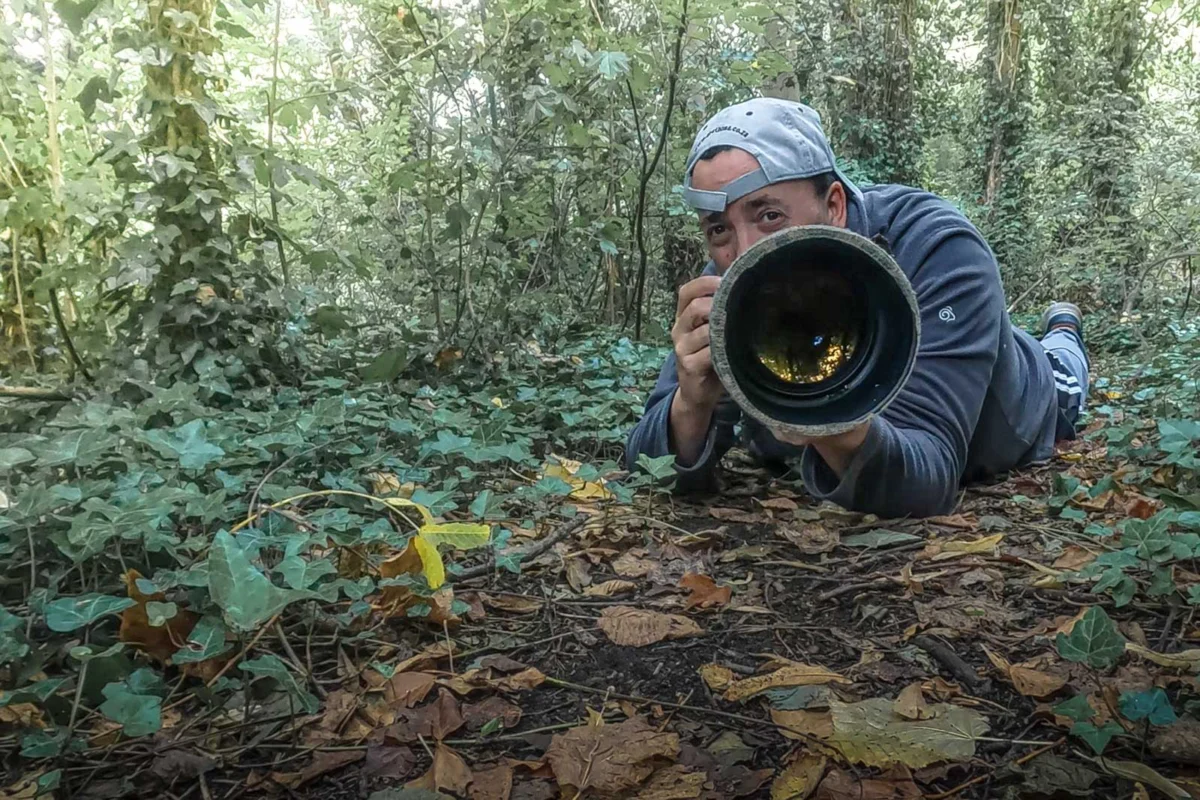
The hallmark of truly exceptional wildlife photographers is their ability to achieve outstanding imagery without disturbing the animal. This requires stealth, understanding animal behavior, and often, a long macro lens to maintain a respectful distance. Practical tips include:

- Observation First: Spend time observing the subject’s natural behavior before raising your camera. Understand its routines, comfort zones, and potential stressors.
- Avoid Baiting: Never use bait or manipulate the environment to attract or position subjects, as this can alter natural behaviors and create dependency.
- Respect Space: Maintain a respectful distance. If an animal shows any signs of distress (e.g., increased vigilance, changed posture, attempting to flee), retreat immediately.
- No Habitat Alteration: Do not move leaves, branches, or other natural elements to clear a shot. This can expose subjects to predators or disrupt their habitat.
- Silent Approach: Move slowly and quietly. Vibrations and sudden movements can easily alarm small creatures.
As mentioned previously, honing skills in a controlled environment at home can ensure efficiency and minimize disturbance in the field.
Know the Animal in Front of You: Informed Interaction
Before venturing into any habitat, it is always a smart idea to conduct research about the animals you may encounter. This includes understanding if a species is protected, venomous, poisonous, or particularly susceptible to human contact. Consulting local field guides, wildlife blogs, or conservation organizations can provide invaluable knowledge. For instance, knowing that a particular insect is solitary versus colonial might influence your approach, or understanding the breeding season of an amphibian might dictate avoiding certain areas. This knowledge ensures both your safety and the animal’s well-being.
Setting a Standard: Ambassadors for Conservation
Choosing to prioritize the animal’s welfare sets a vital example for fellow photographers and the wider public. Ethical photography contributes directly to conservation by showcasing the beauty and fragility of wildlife without exploiting it. When photographers share their work, they also share the story of responsible interaction, helping to ensure that the animals we cherish and enjoy seeing are likely to thrive for future generations. Many conservation organizations actively seek out ethical photographers to help document species and habitats, illustrating the profound impact of responsible macro wildlife photography.
In Conclusion
It is easy to grasp why macro photography enjoys such immense popularity on social media and among photography hobbyists worldwide. The unparalleled ability to capture these often-overlooked subjects at a level of magnification that reveals their hidden qualities and intricate details is truly unique. This photographic genre transforms the mundane into the magnificent, inviting viewers to marvel at the complexity of life on a miniature scale.

Beyond the aesthetic appeal, embarking on a journey into macro wildlife photography offers a profound shift in perception. Not only will those who view your photographs begin to interpret the world with a newfound appreciation for its smaller intricacies, but you, as the photographer, will also develop a heightened awareness of the miniature side of wildlife. This heightened observational skill extends beyond photography, enriching your daily encounters with nature.
Whether it’s the delicate structure of a butterfly’s wing, the mesmerizing patterns of a snake’s scales, the sensitive antennae of an ant, or the surprising human-like dexterity of a tiny monkey’s hands, macro investigation is rarely a dull experience. It’s a continuous process of discovery, a window into a universe teeming with life that often escapes our notice. The scientific community increasingly relies on high-quality macro images for identification, research, and educational outreach, further cementing the discipline’s significance.
If you are excited by the prospect of revealing the unseen wonders of the natural world through your macro lens, then the call to action is clear: acquire the tools, master the techniques, embrace patience, and always operate with the highest ethical standards. Get out there and discover the macro world for yourself; the rewards, both photographic and personal, are immeasurable.