The demanding discipline of wildlife photography, renowned for its fusion of artistic vision and technical prowess, has been profoundly transformed by rapid advancements in camera technology over the past two decades. What was once considered a niche pursuit, often yielding elusive "dream shots" only after immense planning, effort, skill, and a significant measure of luck, has become more accessible and creatively expansive due to sophisticated equipment. While the inherent challenges of capturing wild animals in their natural habitats—from unpredictable subject behavior to varying environmental conditions—remain, modern photographic tools are enabling photographers to achieve images previously deemed unattainable.
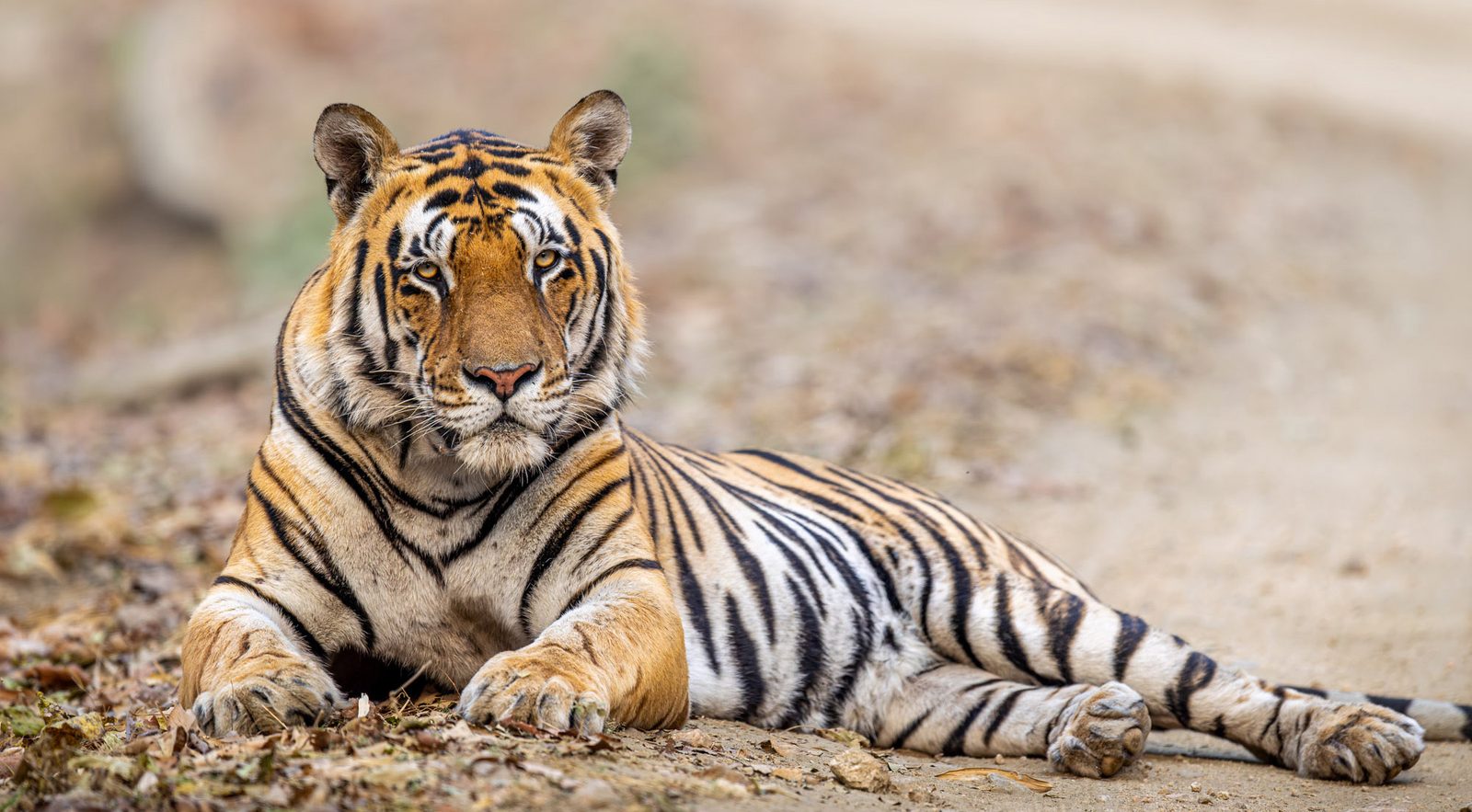
The evolution of camera systems, particularly the transition from digital single-lens reflex (DSLR) to mirrorless technology, marks a pivotal shift. This technological leap has introduced groundbreaking features that are particularly beneficial for wildlife photographers. Key improvements include vastly superior autofocusing capabilities, enhanced low-light performance, dramatically increased burst speeds, the innovative introduction of pre-capture functions, high-resolution electronic viewfinders (EVFs), and the advent of stacked sensors. These innovations collectively empower photographers to freeze fleeting moments, maintain sharp focus on fast-moving subjects, and operate effectively in challenging light conditions, pushing the boundaries of what is possible in the field.
The India Expedition: A Real-World Test of Cutting-Edge Gear
Professional nature photographer, guide, and writer Keenan Hursh recently underscored these technological strides during an intensive wildlife photography workshop in India. The expedition served as an ideal real-world proving ground for a direct side-by-side comparison of two prominent Canon mirrorless cameras: the Canon EOS R5 Mark II and its acclaimed predecessor, the original Canon EOS R5. This comprehensive field test offered a unique opportunity to assess the practical benefits of the latest generation of photographic equipment in one of the world’s most challenging and rewarding wildlife environments.
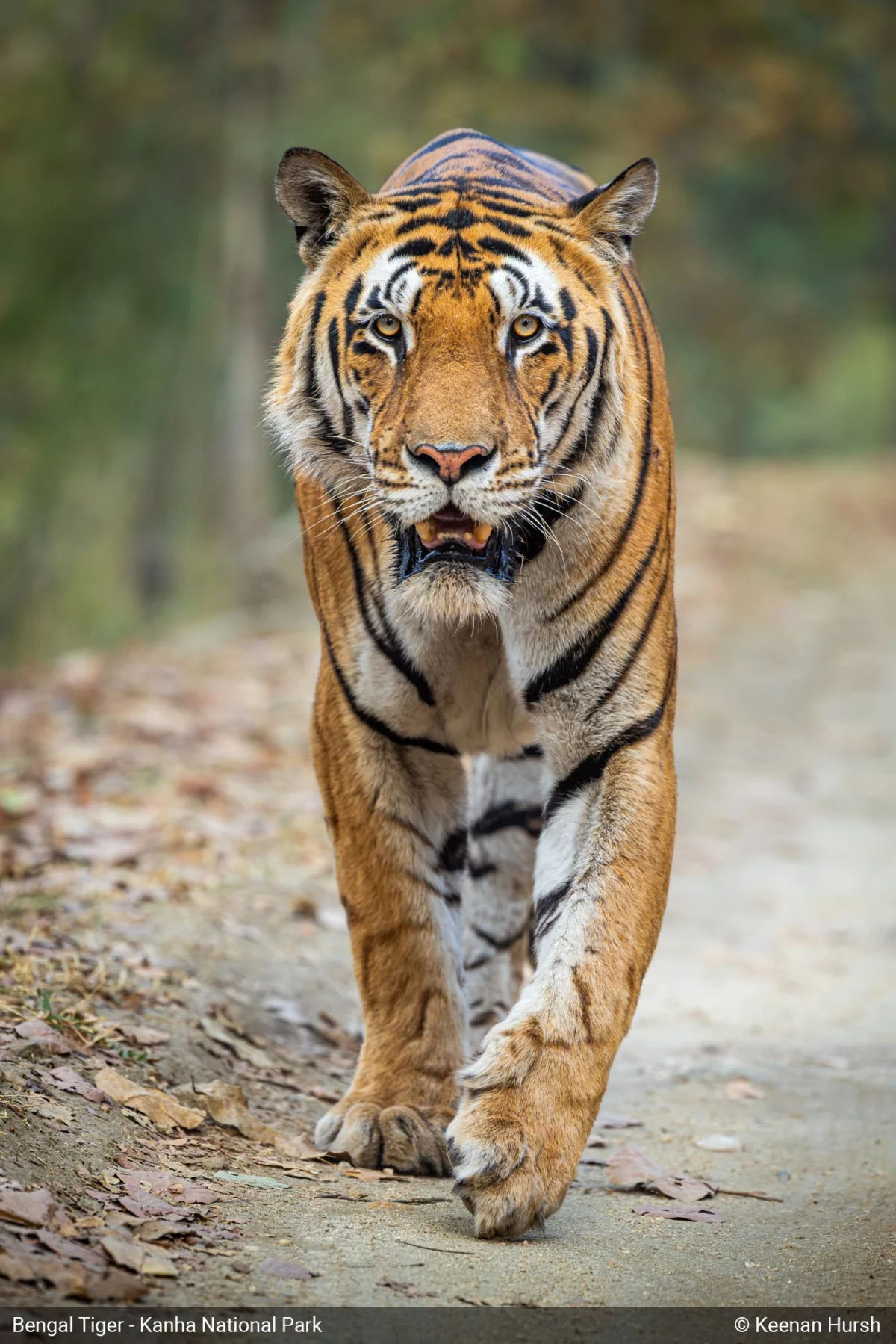
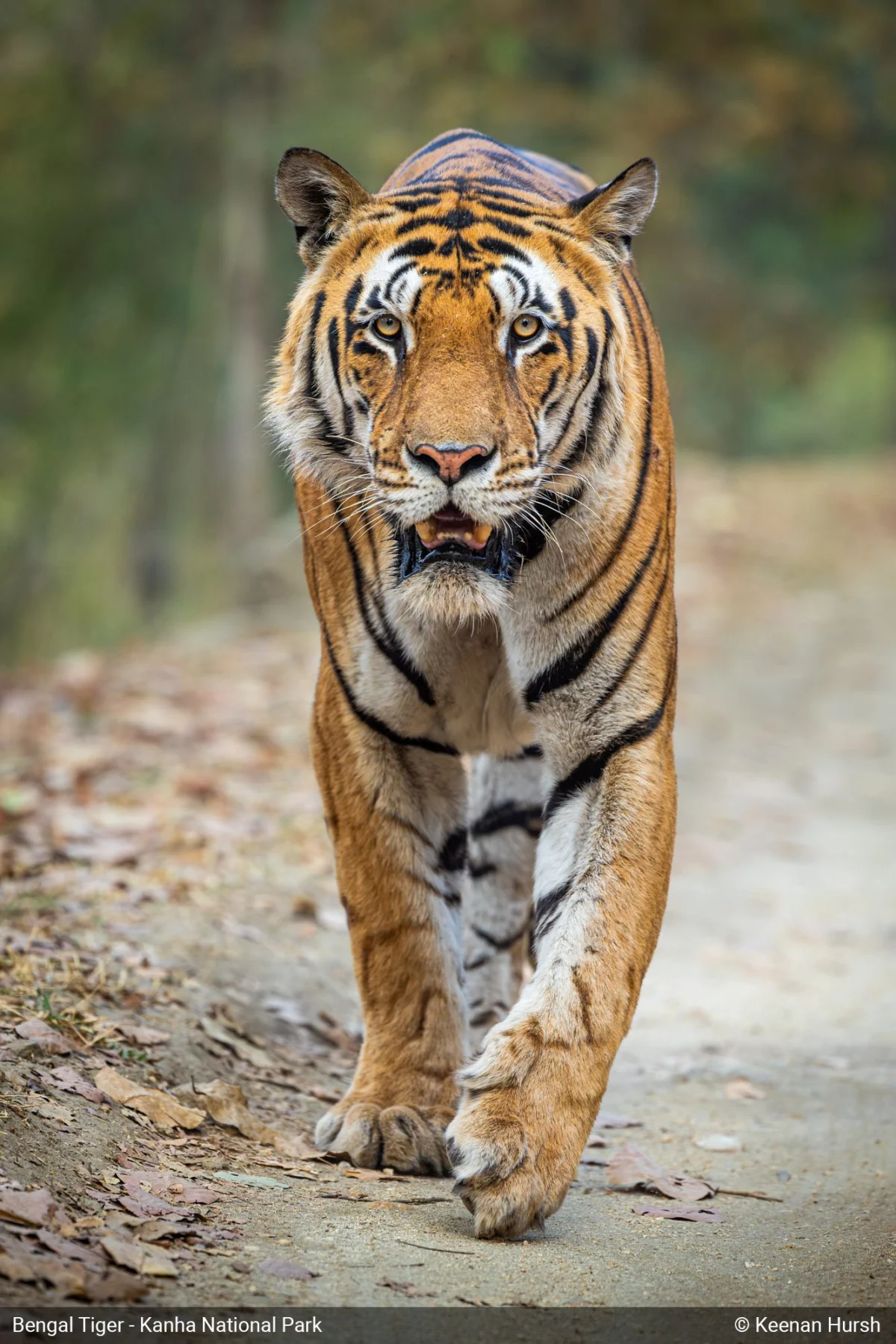
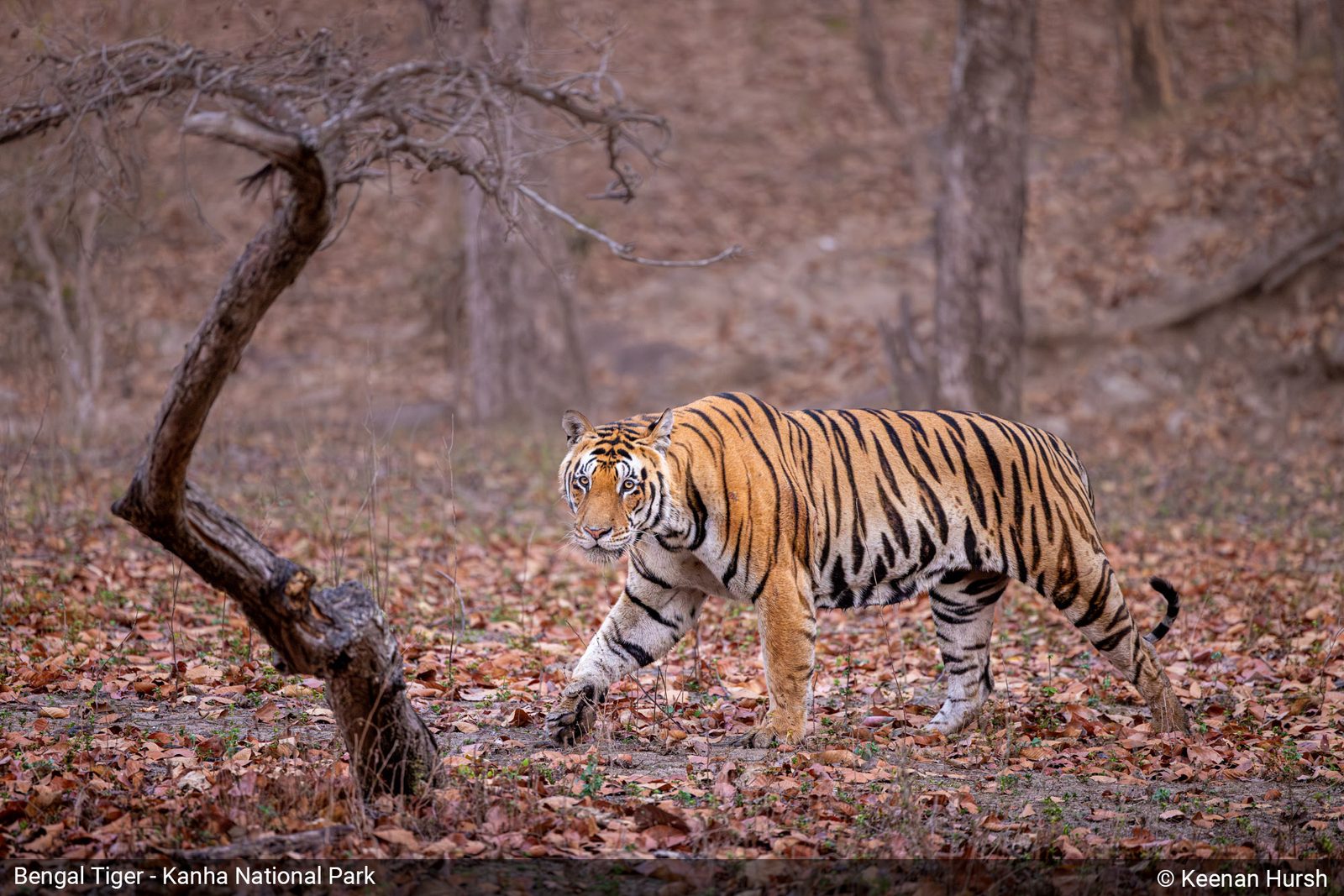
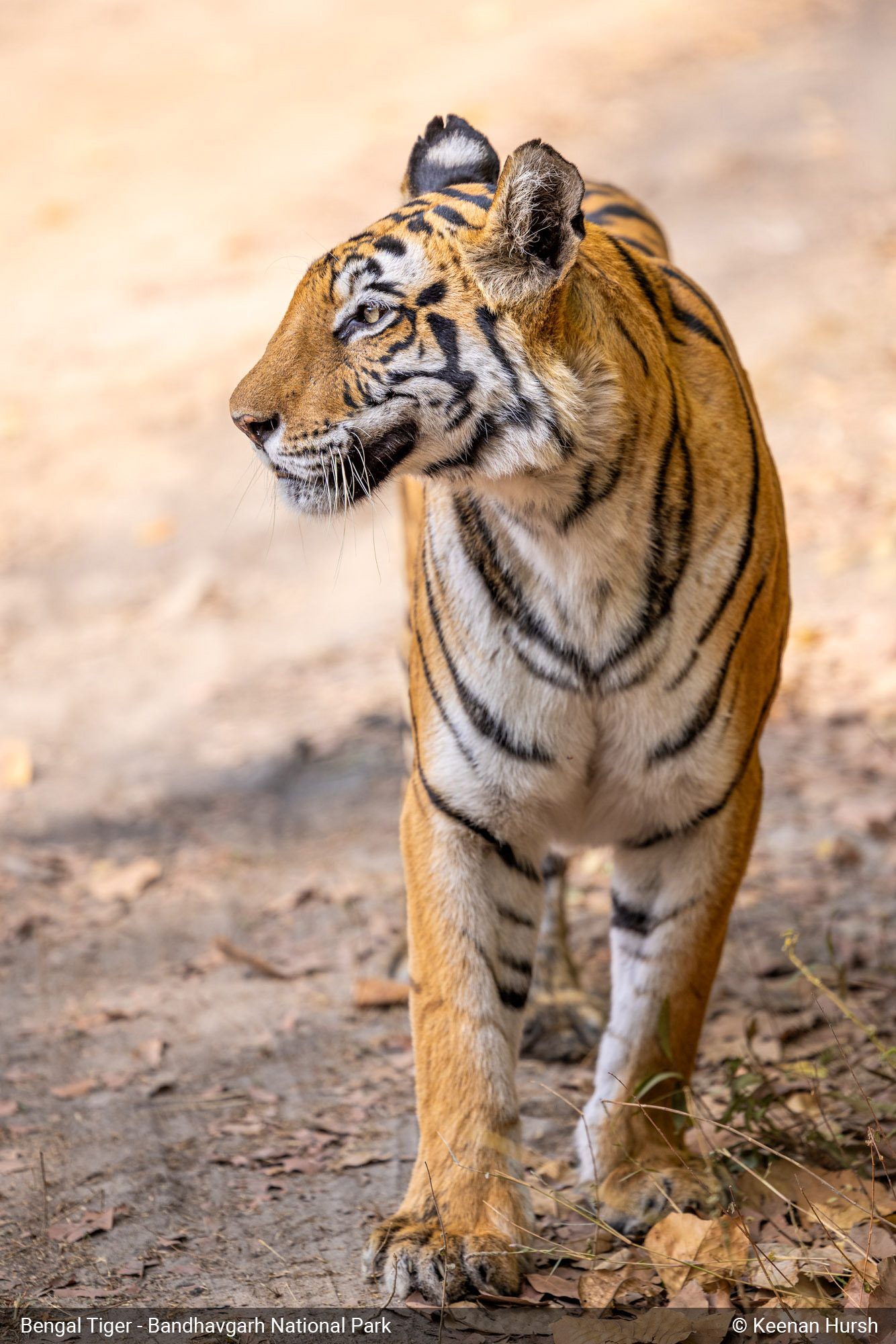
Organized by Backcountry Journeys, a specialist in all-inclusive photography workshops for small groups, the "Tiger Safari" workshop explored two of India’s premier tiger habitats: Bandhavgarh and Kanha National Parks. Located in the central Indian state of Madhya Pradesh, these parks are globally recognized for their dense populations of Bengal tigers (Panthera tigris tigris) and a rich biodiversity that includes numerous other mammal and bird species. The 10-day itinerary was meticulously designed to maximize wildlife encounters, providing ample opportunities for participants and the expedition leader to put high-performance camera gear through its paces.
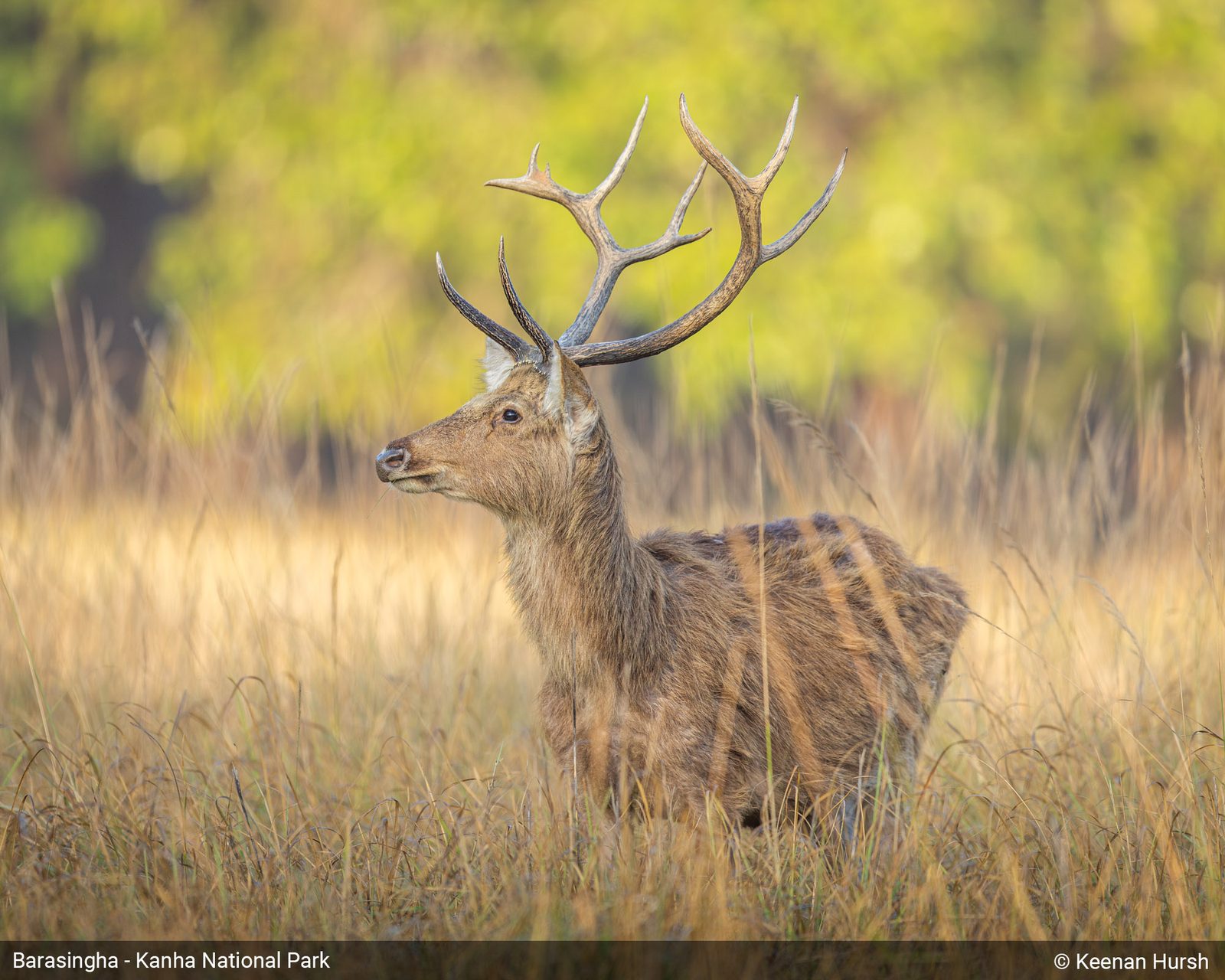
The journey began in Delhi, where participants gathered before traveling to the heart of India. The expedition first focused on Bandhavgarh National Park, situated northeast of Jabalpur. Known for its high tiger density and dramatic landscape of sal forests and grasslands, Bandhavgarh offered frequent sightings and diverse photographic scenarios. Following several days of intense safari drives, the group then embarked on a six-hour drive south to Kanha National Park. Kanha, celebrated for its vast meadows, dense forests, and more varied topography, presented a different set of photographic challenges and opportunities, including the chance to photograph the rare hardground barasingha deer.
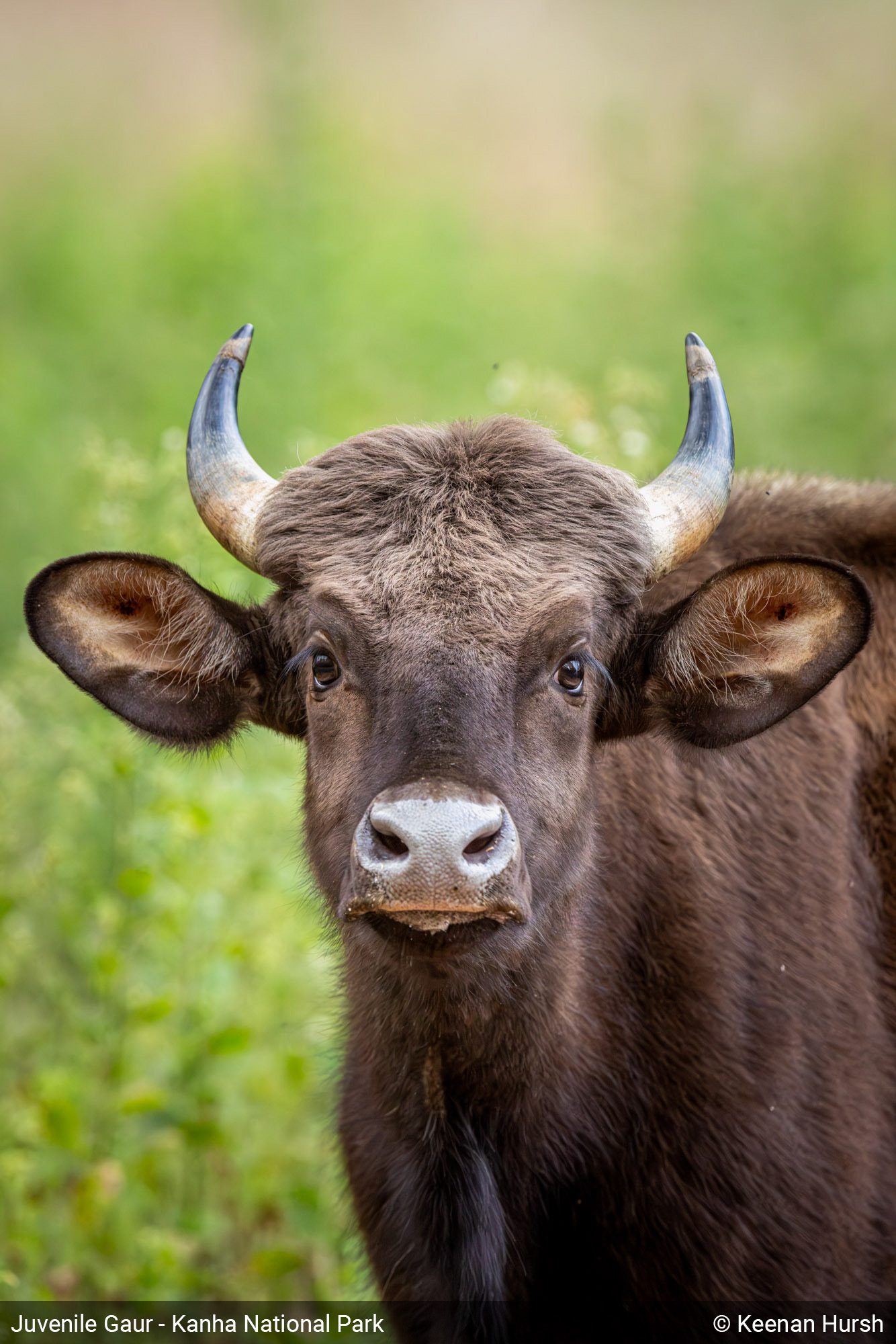
Throughout the workshop, the participants recorded an impressive total of 15 individual tiger sightings, exceeding initial expectations. These encounters, ranging from tigers resting in the shade to actively stalking prey, provided invaluable opportunities for photographers to test their skills and equipment. Beyond the charismatic big cats, the expedition successfully captured images of over 25 new species of mammals and birds within the first day alone, highlighting the region’s exceptional biodiversity. This rich tapestry of wildlife, coupled with the dynamic nature of safari photography, created an unparalleled environment for evaluating camera performance under professional demands.
The Canon EOS R5: A Benchmark in Mirrorless Performance
The original Canon EOS R5, launched approximately six years prior to this expedition, rapidly established itself as a game-changer in the mirrorless camera market, particularly for professional wildlife photographers. Keenan Hursh, having owned and extensively utilized two R5 bodies across diverse environments—from extreme temperatures to varied landscapes and demanding action scenarios—attests to its robust performance and versatility. The camera’s ability to excel in fast-paced wildlife encounters, long astrophotography exposures, and challenging weather conditions solidified its reputation as a highly dependable tool.
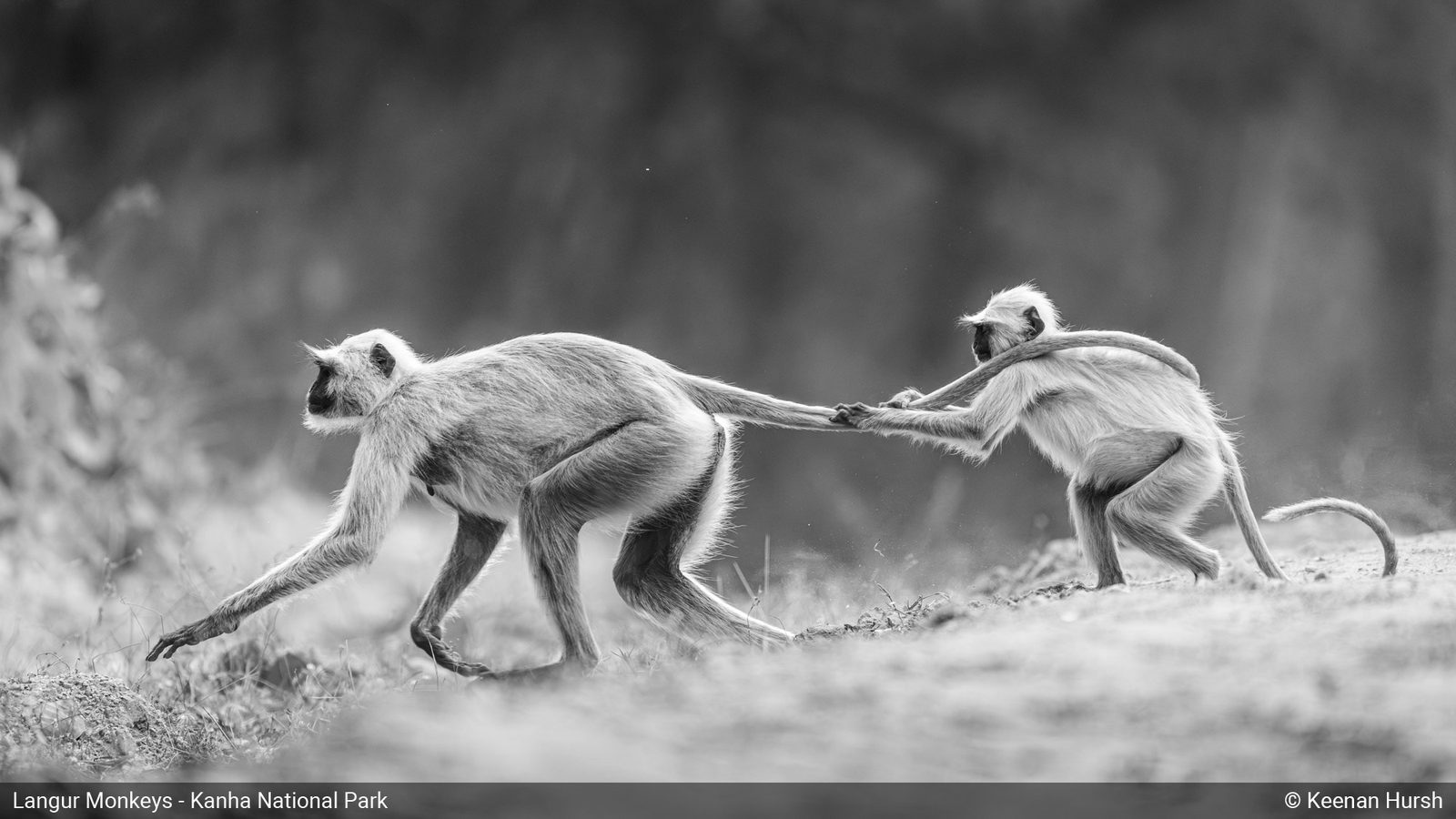
For wildlife photography, the Canon R5 introduced a suite of features that significantly elevated the user experience and image quality. Its AI-assisted autofocus (AF) system, featuring capable and accurate subject and eye detection, offered a substantial improvement over previous generations. The camera’s impressive maximum burst rate of 20 frames per second (fps) when using the electronic shutter allowed photographers to capture rapid sequences of action. Complementing this was a high-resolution 45-megapixel full-frame sensor, delivering intricate detail and flexibility for cropping. The R5 also demonstrated solid low-light performance, enabling the use of higher ISO values with acceptable noise levels, and incorporated excellent in-body image stabilization (IBIS), crucial for sharp images when shooting handheld with long telephoto lenses.
Despite its groundbreaking capabilities, the R5 was not without minor criticisms from professional users. One frequently cited point concerned the mode-switching mechanism between stills and video, which some found cumbersome and potentially disruptive during critical moments in the field. Furthermore, when operating with the electronic shutter—a preferred mode for silent shooting in wildlife scenarios—the R5 offered no auditory feedback, leading to a disconnected shooting experience. The presence of momentary blackouts in the electronic viewfinder during high-speed burst shooting also interrupted the continuous view of the subject, a minor but noticeable impediment for tracking fast-moving animals. While the AF system was highly effective, some photographers reported instances where it could be "jumpy" or struggle to consistently identify subjects or eyes, leading to missed focus in unpredictable situations. Issues like overheating during extended high-resolution video recording were also reported, though less frequently encountered by still photographers. These observations, while minor in the context of the camera’s overall excellence, represented areas for potential refinement.
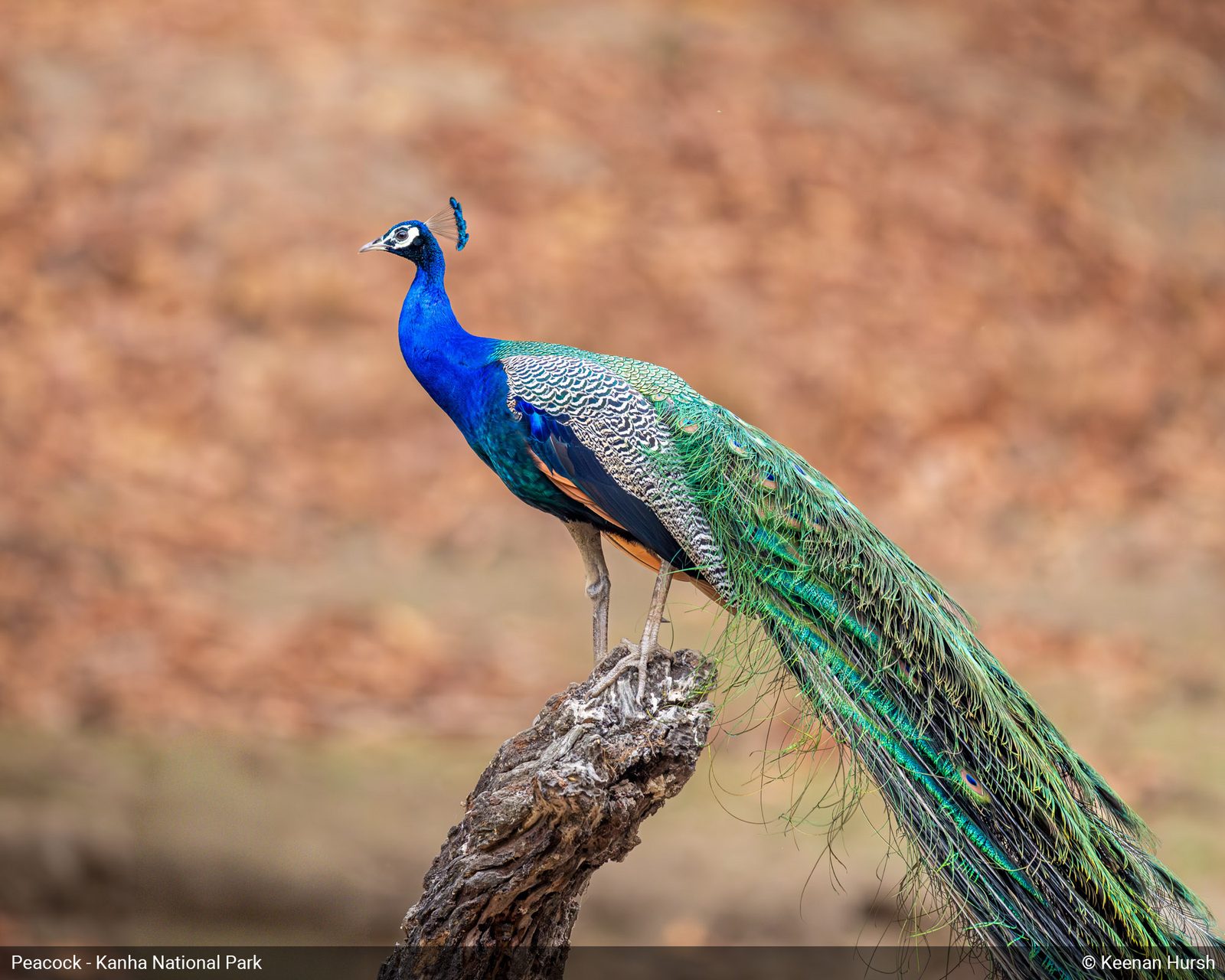
The Canon EOS R5 Mark II: An Evolution of Excellence
The Canon EOS R5 Mark II, the successor to the original R5, arrived with considerable anticipation, promising incremental yet impactful enhancements. During his week-long intensive use in India, Keenan Hursh found the Mark II to be a significant step forward, particularly for wildlife photography. While maintaining the core strengths of its predecessor—including the 45MP resolution, robust IBIS, high-quality EVF and LCD, and durable magnesium alloy body with weather sealing—the Mark II introduced targeted improvements that collectively enhance the professional shooting experience.
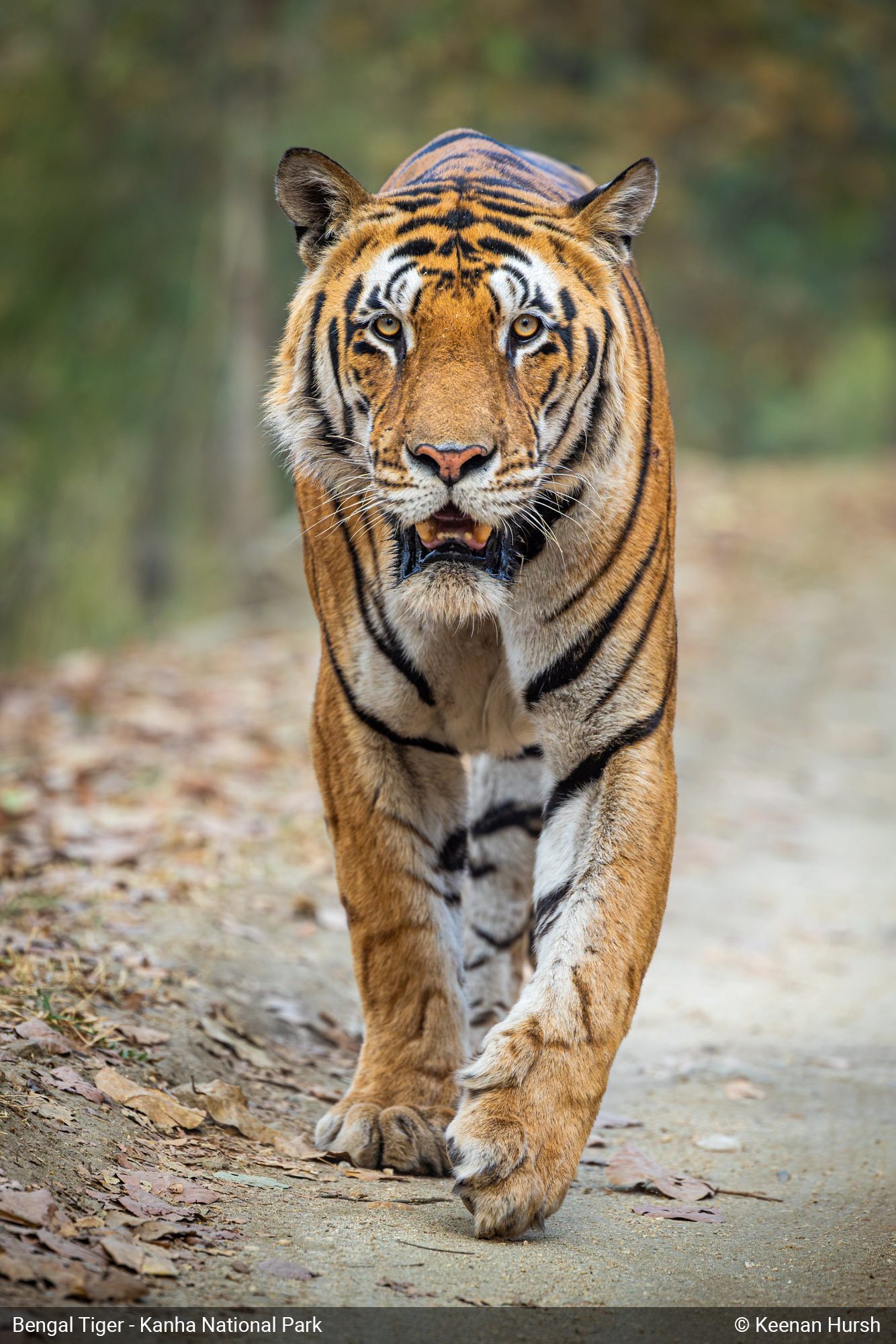
The most prominent and impactful upgrade in the R5 Mark II, according to field observations, is its dramatically improved autofocus system. Leveraging advanced algorithms and processing power, the Mark II’s AF is noted for its superior speed, accuracy, reliability, and smoothness. It demonstrates a marked improvement in acquiring and maintaining focus on subjects, even allowing for seamless switching between multiple identified subjects. This enhanced "stickiness" and reduced "jumpiness" compared to the R5 translates directly into a higher hit rate for sharp images, a critical factor in dynamic wildlife photography.
Another significant innovation is the inclusion of pre-capture functionality. This feature allows the camera to record images before the shutter button is fully pressed, capturing moments that would otherwise be impossible to react to, such as a bird’s sudden takeoff. For fast-moving and unpredictable wildlife, pre-capture is a genuine game-changer, enabling photographers to secure decisive action shots that were previously dependent on sheer luck or anticipatory skill.
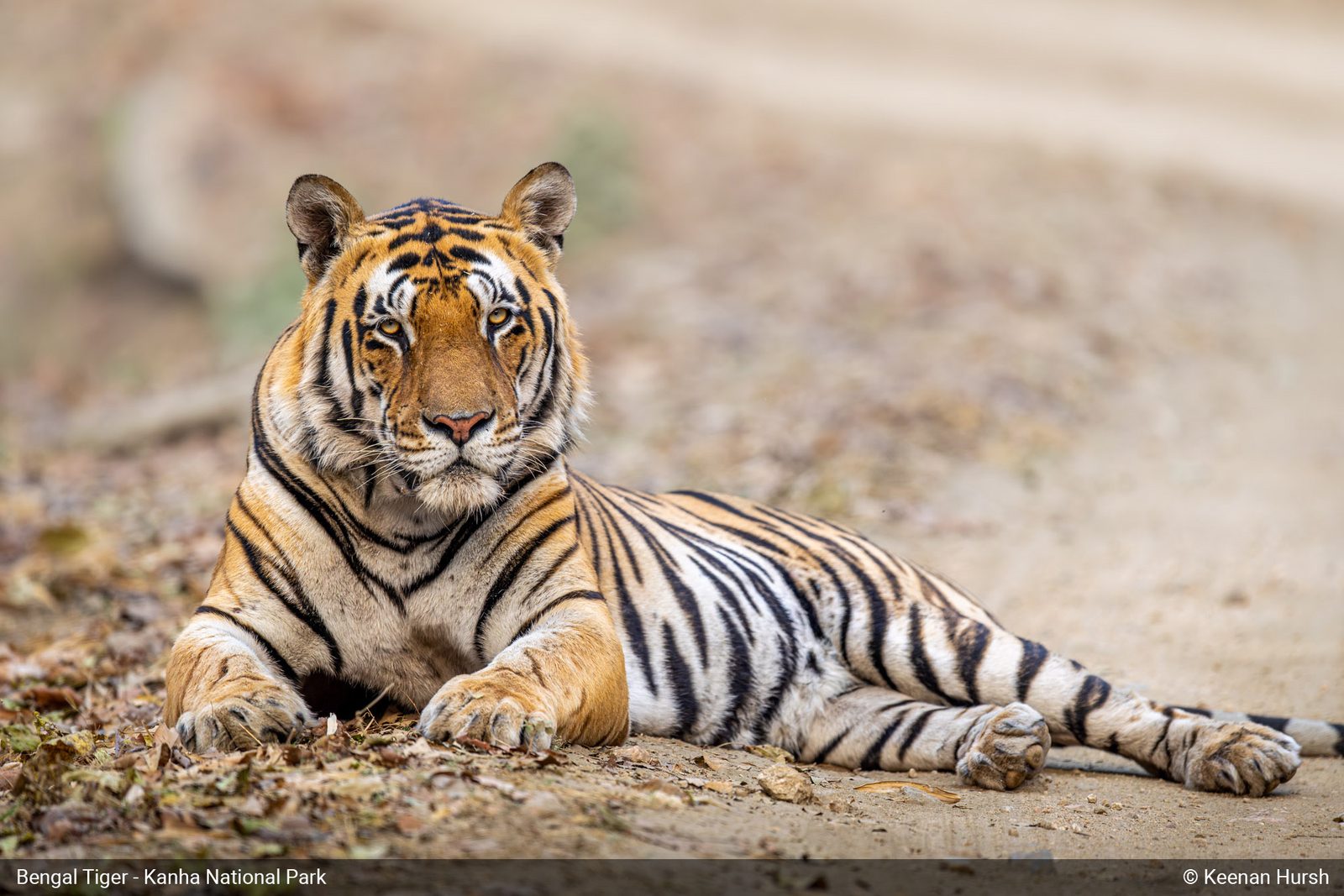
The R5 Mark II also addresses a prior ergonomic complaint with a dedicated photo/video switch, streamlining the workflow for photographers who frequently toggle between stills and video modes. This seemingly minor design change reflects a more thoughtful user experience, preventing missed shots due to cumbersome menu navigation.
Underpinning many of these advancements is the introduction of a new stacked sensor. While maintaining the 45MP resolution, this sensor architecture brings several crucial benefits for electronic shutter operation, a primary mode for wildlife photographers seeking silence and speed. The Mark II achieves an impressive burst rate of 30 fps, a substantial increase over the R5’s 20 fps, providing an even greater chance to capture the perfect moment. Crucially, it allows for 14-bit RAW file capture even with the electronic shutter, preserving greater dynamic range and color depth compared to the R5’s 12-bit limitation in this mode. Furthermore, the stacked sensor enables a blackout-free electronic viewfinder experience, offering an uninterrupted, continuous view of the subject during high-speed shooting, which significantly aids tracking and composition. The option to enable an audible shutter noise for the electronic shutter also resolves a previous user complaint, providing welcome feedback during silent operation.
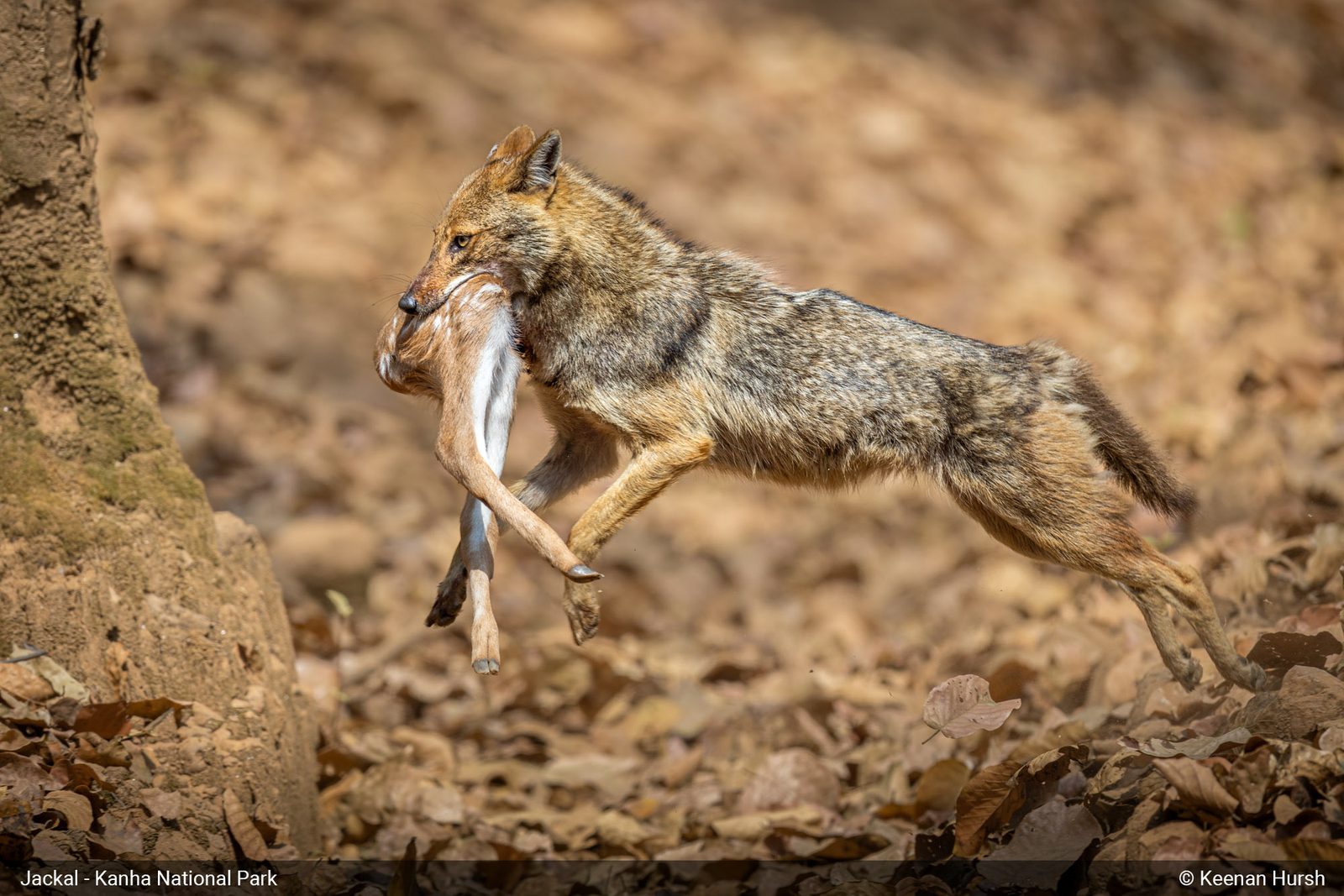
Despite its array of improvements, the R5 Mark II presented a few considerations. A notable point of contention for existing R5 users is the requirement for new batteries to access all of the camera’s advanced capabilities. While understandable from a technical standpoint (more powerful features demand more energy), this represents an additional investment for professionals with an existing battery ecosystem. A marginal observation also noted a slightly increased noise profile in low-light conditions compared to the original R5, an inherent trade-off sometimes associated with stacked sensor designs. However, this difference is described as minimal and generally outweighed by the new sensor’s other benefits. Finally, some professionals, initially considering the upgrade, felt that the Mark II, while superior, did not represent a sufficiently monumental leap over the R5 to justify the price difference for all photographers, particularly those not exclusively focused on fast-action wildlife or sports.
Strategic Considerations for Professional Photographers
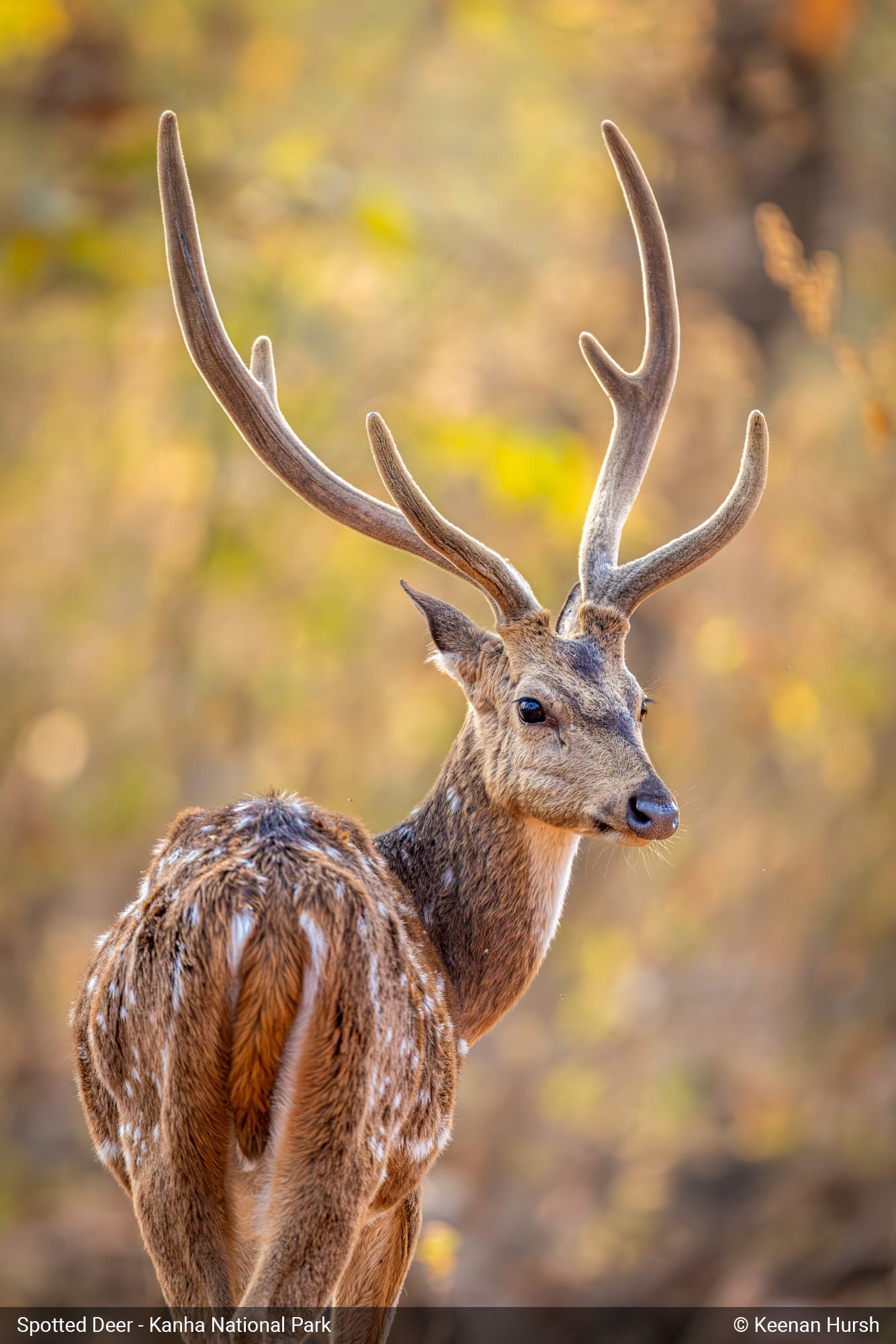
The comparison between the Canon EOS R5 and R5 Mark II reveals a clear trajectory of technological refinement, particularly geared towards demanding genres like wildlife and sports photography. The R5 Mark II undeniably stands as a superior camera, building upon the strong foundation of its predecessor. However, the decision to purchase or upgrade hinges on individual photographic needs, budget, and shooting style.
For professional wildlife and sports photographers, or those regularly capturing fast-moving subjects, the R5 Mark II’s enhancements, especially in AF capabilities, burst speed, pre-capture, and the blackout-free EVF, represent a compelling value proposition despite its higher price point (approximately $1,000 more than the R5 at the time of writing). The marginal gains in AF precision and tracking can significantly increase the keeper rate of critical action shots, directly impacting a professional’s portfolio and client deliverables. The ability to capture 14-bit RAW files at 30 fps with a silent, blackout-free electronic shutter is a powerful combination for capturing intricate details in dynamic sequences.
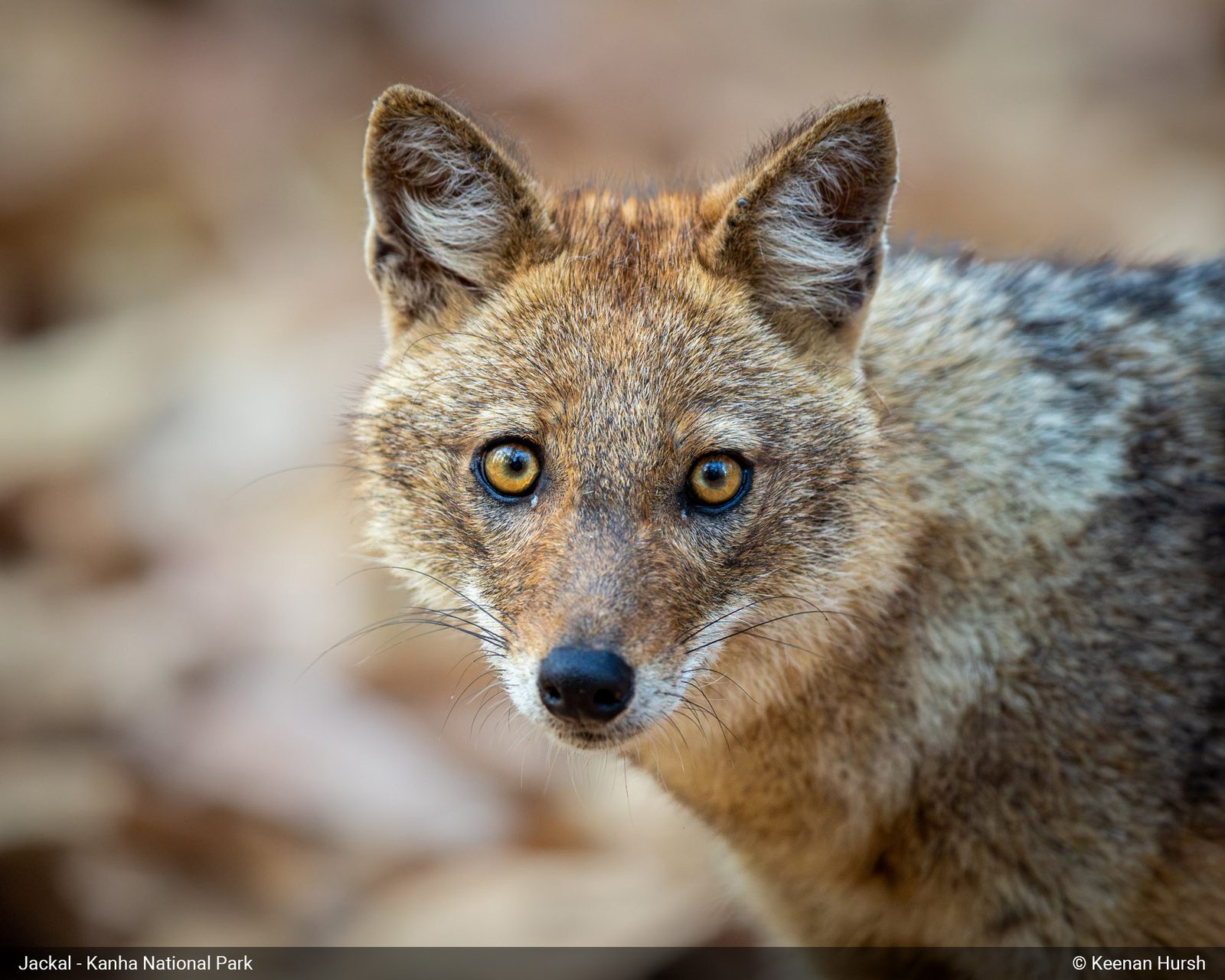
Conversely, for photographers primarily focused on genres such as landscape, portrait, or architectural photography, where extreme speed and cutting-edge AF tracking are less critical, the original R5 remains an exceptionally capable and cost-effective option. Its 45MP sensor, robust build, and excellent image quality continue to deliver professional-grade results. For those operating within tighter budgetary constraints, the R5 offers a phenomenal performance-to-price ratio.
Broader Implications for Wildlife Conservation and Photography
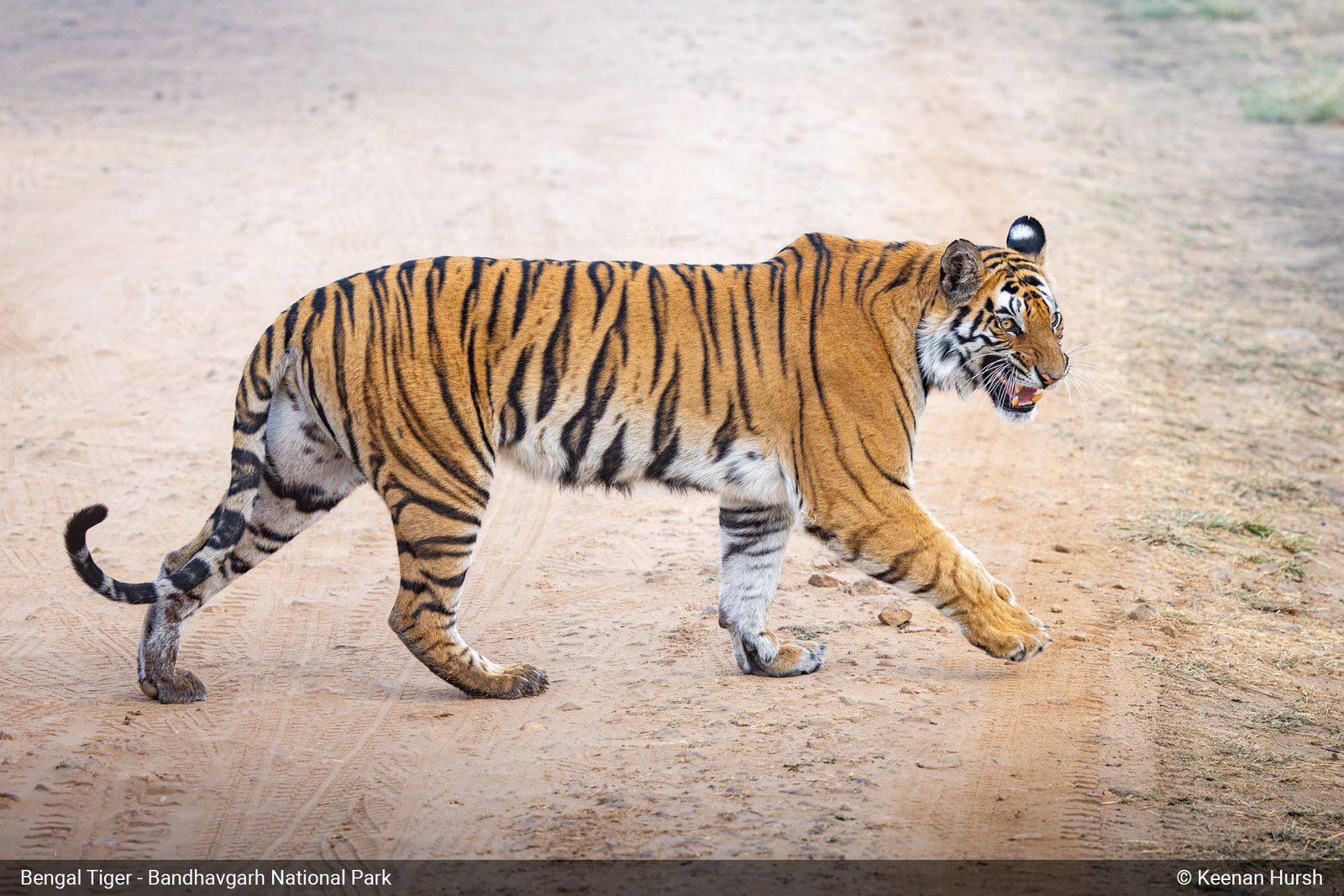
The continuous evolution of camera technology, as exemplified by the R5 Mark II, holds broader implications beyond just photographic output. Enhanced capabilities in low light, faster burst rates, and more reliable autofocus directly contribute to conservation efforts. Photographers can capture clearer, more detailed images of elusive or endangered species in challenging conditions, providing valuable data for researchers and raising public awareness through compelling visual storytelling. The ability to shoot silently with electronic shutters also minimizes disturbance to wildlife, promoting ethical photographic practices.
The rigorous field testing conducted in India’s tiger reserves not only highlighted the technical prowess of these cameras but also underscored the enduring appeal and importance of documenting the natural world. Such expeditions, facilitated by organizations like Backcountry Journeys and supported by equipment providers like Lensrentals.com, play a vital role in both advancing photographic artistry and fostering a deeper appreciation for biodiversity.
Conclusion
The wildlife photography expedition to Bandhavgarh and Kanha National Parks was a testament to both the captivating beauty of India’s wilderness and the remarkable capabilities of modern photographic technology. The head-to-head comparison of the Canon EOS R5 and R5 Mark II demonstrated that while the original R5 remains a formidable tool, the Mark II offers meaningful advancements that cater specifically to the high demands of professional wildlife photography. The decision between these two exceptional cameras ultimately aligns with a photographer’s specific needs, budget, and primary shooting subjects. However, for those pushing the boundaries of fast-action wildlife imagery, the R5 Mark II represents a strategic investment that significantly enhances the potential for capturing extraordinary moments in the wild.