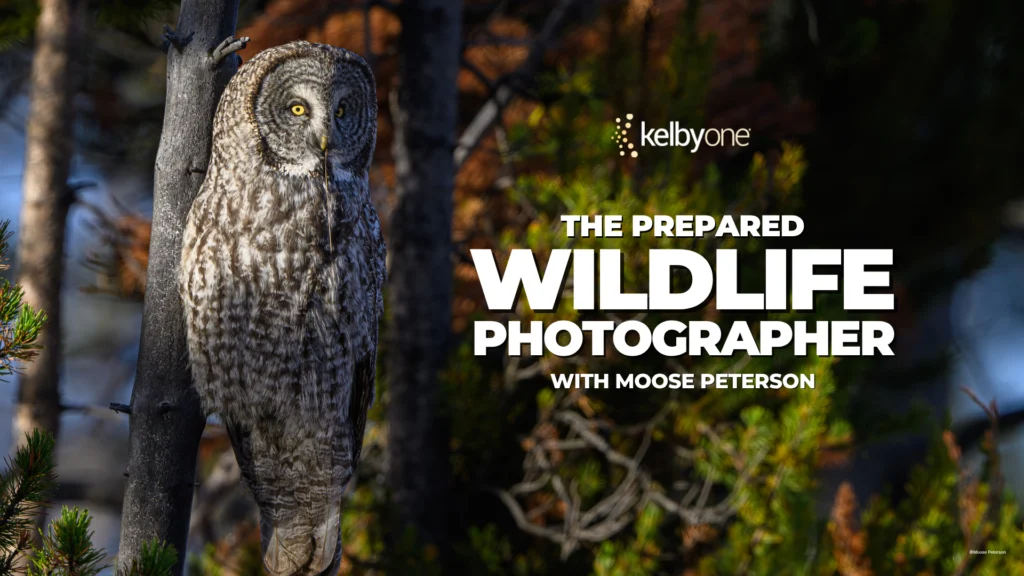
The unpredictable world of wildlife photography demands more than just a keen eye and a fast lens; it requires an unparalleled level of preparedness. Moments of extraordinary natural behavior unfold in mere seconds, offering a fleeting window for capture that, once missed, is gone forever. This fundamental truth underpins the philosophy of renowned wildlife photographer Moose Peterson, who has launched a new comprehensive course titled "The Prepared Wildlife Photographer" on the KelbyOne educational platform. The course is designed to equip aspiring and seasoned photographers alike with the strategies to make critical technical decisions long before they step into the field, transforming reactive shooting into proactive mastery.
The Imperative of Preemptive Preparation in Wildlife Photography
Wildlife photography stands as one of the most challenging genres, a delicate dance between technical prowess, environmental awareness, and immense patience. Unlike studio or landscape photography, where subjects are static or conditions can be meticulously controlled, wildlife offers no second chances. A predator’s decisive pounce, a bird’s intricate courtship display, or a rare animal’s brief emergence from cover are events measured in heartbeats. The average time a photographer has to react and capture such a peak moment can be as little as 0.5 to 2 seconds, a window that shrinks further if technical settings are not pre-optimized. Studies in cognitive psychology related to high-pressure environments indicate that decision-making under duress is significantly hampered by the need to process multiple variables simultaneously. For a photographer, this translates to fumbling with exposure settings, focal length adjustments, or complex camera menus, inevitably leading to missed opportunities and visual frustration.
Moose Peterson’s new curriculum directly addresses this critical challenge. His central tenet is that technical execution – exposure, focus, aperture, shutter speed, and even flash settings – should become second nature. This liberation from manual technical adjustments allows the photographer’s entire focus to shift to the subject, the unfolding narrative, and the artistic composition, ultimately yielding more impactful and evocative imagery. This proactive approach not only enhances the probability of capturing peak action but also reduces the stress associated with high-stakes photographic encounters, fostering a more enjoyable and productive experience in nature.
Moose Peterson: A Luminary in Wildlife and Aviation Photography
Moose Peterson is not merely a photographer; he is an institution in the realms of wildlife and aviation photography. With a career spanning decades, his distinctive style, characterized by a deep reverence for his subjects and an unwavering commitment to technical excellence, has earned him international acclaim. Peterson is a Nikon Ambassador, a testament to his expertise and influence, and his work has been featured in countless publications, including Outdoor Photographer, National Wildlife, and Smithsonian. He is also the author of numerous influential books on photography, sharing his vast knowledge with a global audience.
Peterson’s reputation extends beyond his iconic images; he is widely respected as an educator. His teaching philosophy emphasizes practical, real-world application, drawing from his extensive experience in some of the planet’s most challenging environments. He advocates for a systematic approach to photography, where understanding one’s gear and anticipating scenarios are paramount. His long-standing collaboration with platforms like KelbyOne underscores his commitment to democratizing advanced photographic techniques, making them accessible to a broader community of enthusiasts and professionals. This new course is a natural evolution of his teaching legacy, distilling years of field wisdom into an actionable framework for success.
The Evolution of Wildlife Photography and the Demand for Expertise
The landscape of wildlife photography has undergone a significant transformation in recent decades. The advent of digital technology has lowered the barrier to entry, with sophisticated cameras becoming more accessible and affordable. However, this accessibility has also raised the bar for quality. With millions of images uploaded daily across social media platforms and online galleries, standing out requires not just technical competence but artistic vision and a unique perspective. The proliferation of images has also highlighted the ethical responsibilities of wildlife photographers, emphasizing the need for respectful observation, minimal disturbance, and accurate representation of subjects in their natural habitats.
In this competitive and evolving environment, expert-led education becomes invaluable. Photographers seek not just tips and tricks but structured methodologies that can genuinely elevate their craft. KelbyOne, as a premier online educational platform, has consistently responded to this demand by partnering with industry leaders like Moose Peterson. The platform offers a diverse range of courses covering various photographic genres, software proficiency, and business aspects of photography, catering to a global audience eager to refine their skills. The introduction of "The Prepared Wildlife Photographer" reflects KelbyOne’s ongoing commitment to providing cutting-edge content that addresses specific, high-level challenges faced by photographers.
A Deep Dive into the Curriculum: Modules for Mastery
The "Prepared Wildlife Photographer" course systematically breaks down the complex art of pre-field preparation into digestible, actionable modules. The curriculum is meticulously structured to cover every critical aspect, ensuring that participants develop a holistic understanding of Moose Peterson’s methodology.
-
Camera System Optimization and Maintenance: This foundational module stresses the importance of understanding and maintaining one’s equipment. Peterson guides students through essential pre-field checks, including verifying camera firmware versions (crucial for accessing the latest features, bug fixes, and lens compatibility), performing thorough sensor cleaning to eliminate distracting dust spots (a common issue that can ruin images and necessitate tedious post-processing), and meticulous battery management. He emphasizes that a well-maintained and understood camera is the first step towards reliability in the field.
-
Mastering Long Lenses and Focal Length Decisions: Wildlife photography often necessitates the use of telephoto and super-telephoto lenses, which present unique challenges related to weight, stability, and depth of field. Peterson delves into effective techniques for working with these formidable optics, including proper tripod and monopod usage, gimbal heads, and innovative handheld stabilization methods. A significant segment is dedicated to the strategic choice between using teleconverters for extended reach versus relying on the camera’s crop mode. This decision involves trade-offs in image quality, effective aperture, and autofocus performance, and Peterson provides clear guidelines on when each option is most advantageous, based on lighting conditions, subject distance, and desired image output.
-
The Art of Exposure Pre-Visualization: Perhaps one of the most innovative components of the course is Peterson’s "teddy bear exercise." This practical, hands-on method encourages photographers to simulate real-world lighting scenarios using a static subject (like a teddy bear) in varying light conditions before encountering actual wildlife. By practicing exposure adjustments, understanding light direction, and evaluating histogram data in a low-pressure environment, photographers can develop an intuitive feel for optimal settings. This exercise builds muscle memory and mental shortcuts, allowing for instantaneous and accurate exposure decisions when faced with dynamic, fleeting wildlife moments. The goal is to "dial in" exposure ahead of time, minimizing the need for on-the-fly adjustments that consume precious seconds.
-
Strategic Use of Flash for Enhanced Color and Detail: While natural light is often preferred, flash can be an invaluable tool in wildlife photography, particularly for adding catchlights, filling shadows, and enhancing color saturation. Peterson covers the ethical and technical considerations of using flash, focusing on subtle fill flash techniques that create a natural look without startling subjects. He explores flash power settings, diffusion, and synchronization, demonstrating how judicious flash use can transform an ordinary image into one with vibrant colors and compelling detail, especially in challenging low-light or backlit situations.
-
Workflow and Mental Preparedness: Beyond the technicalities, the course also touches upon the broader aspects of a successful wildlife photographer’s mindset. This includes understanding animal behavior, practicing patience, observing patterns, and maintaining situational awareness. Peterson emphasizes the importance of a streamlined field workflow, from packing gear efficiently to setting up quickly and quietly. The culmination of these techniques is to free the photographer’s mind from technical distractions, allowing them to truly connect with the subject and focus on crafting a compelling visual narrative.
KelbyOne’s Role in Empowering Photographers
KelbyOne, founded by Scott Kelby, has established itself as a leading global provider of online photography and design education. Its mission is to make learning accessible, engaging, and practical, connecting students with world-class instructors. The platform boasts a vast library of courses covering everything from fundamental photography skills and advanced lighting techniques to photo editing software mastery and drone photography. The inclusion of "The Prepared Wildlife Photographer" with Moose Peterson reinforces KelbyOne’s commitment to delivering specialized, high-demand content from authoritative voices in the industry. The platform’s offer of a free first lesson for the course serves as an open invitation for photographers to experience Peterson’s unique teaching style and the immediate value of his insights, fostering a sense of community and continuous learning.
Broader Implications: Elevating Art, Ethics, and Conservation
The implications of a course like "The Prepared Wildlife Photographer" extend far beyond individual skill enhancement. By fostering a culture of preparedness and technical mastery, it contributes to several broader positive outcomes:
- Elevating the Art Form: When photographers are technically unburdened, they can dedicate more creative energy to composition, storytelling, and capturing the emotional essence of their subjects. This leads to higher quality, more impactful wildlife imagery that resonates deeply with viewers and contributes to the overall artistic standard of the genre.
- Promoting Ethical Photography: Prepared photographers are more efficient. They spend less time fumbling with gear and more time observing and capturing the moment swiftly. This reduces the overall time spent interacting with wildlife, minimizing disturbance and adhering to best ethical practices. Peterson’s emphasis on understanding animal behavior further reinforces responsible approaches.
- Inspiring Conservation: Powerful wildlife photographs have a profound ability to connect people with nature, raising awareness about biodiversity and conservation challenges. By enabling photographers to consistently produce compelling images, the course indirectly supports conservation efforts by providing more visual ammunition for advocacy, education, and fundraising campaigns. A truly breathtaking image of a species in its natural habitat can often speak volumes more than data or statistics, stirring emotions and inspiring action.
- Democratizing Advanced Techniques: While Peterson’s techniques are advanced, his systematic breakdown makes them accessible. This democratizes high-level photographic skills, allowing a broader range of photographers to achieve professional-grade results, regardless of their starting point.
In an era where every second counts and the visual landscape is increasingly saturated, the ability to anticipate and prepare is the ultimate differentiator. Moose Peterson’s "The Prepared Wildlife Photographer" is more than just a course; it is a philosophy, a methodology, and a call to elevate the craft through meticulous preparation, ensuring that when wildlife delivers its incredible, fleeting moments, photographers are not just ready, but truly poised for greatness. The course represents a significant contribution to photographic education, empowering a new generation of photographers to capture the wild world with precision, passion, and unparalleled proficiency. Access to the course, including the introductory video detailing Peterson’s insights, is available through the KelbyOne platform, with the first lesson offered free to provide an immediate gateway to this transformative learning experience.